


Africa | The Gambia | Tanjeh
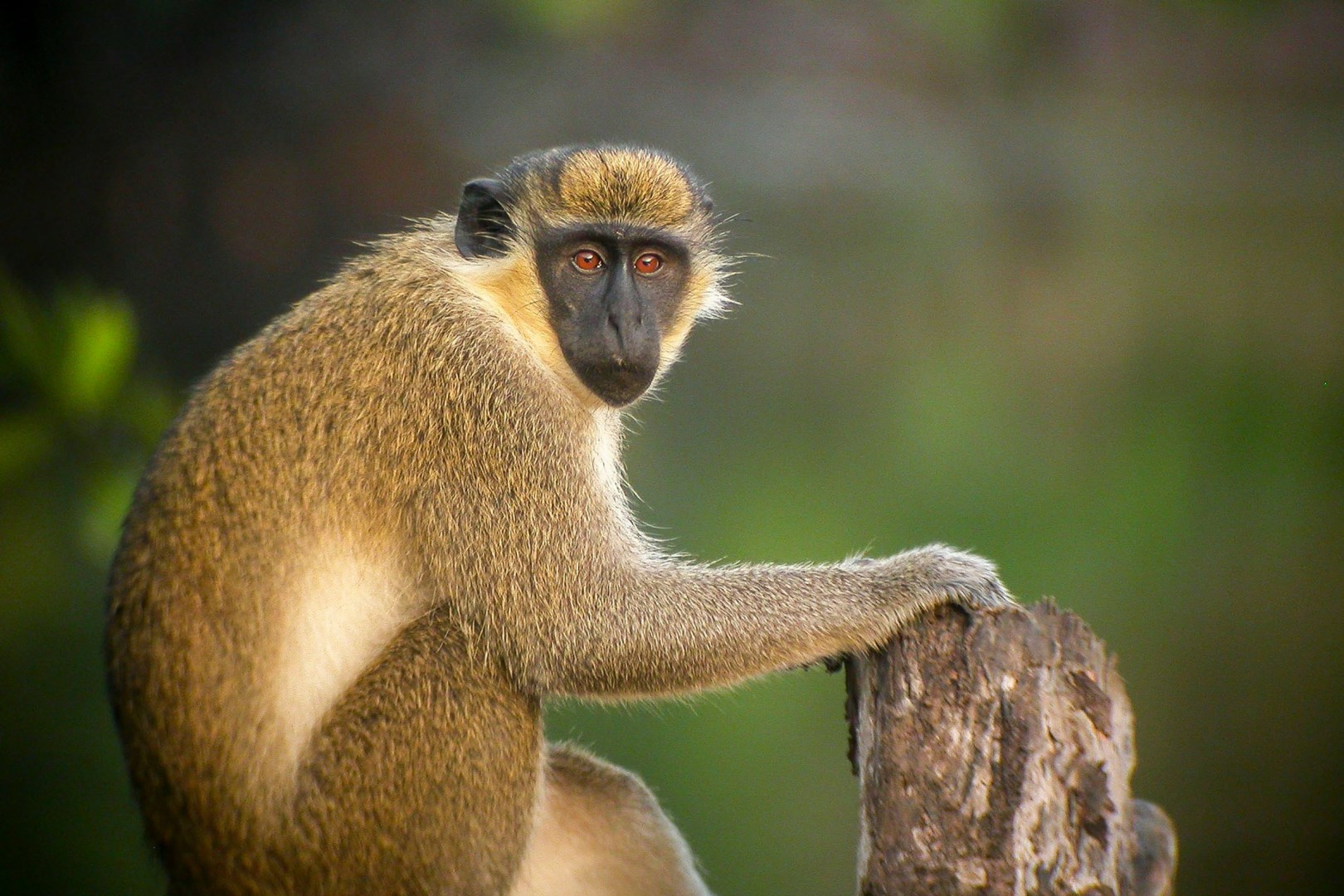
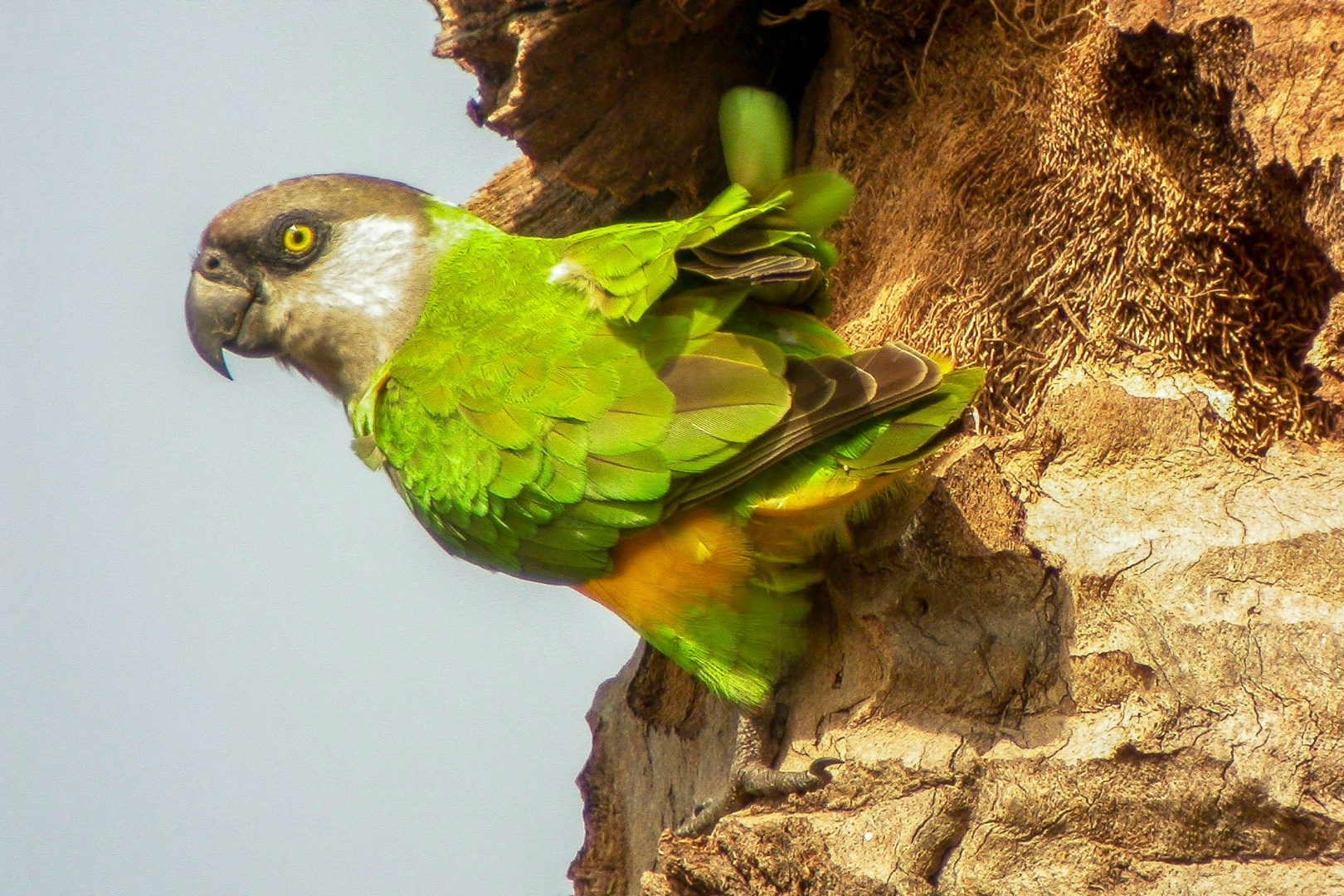
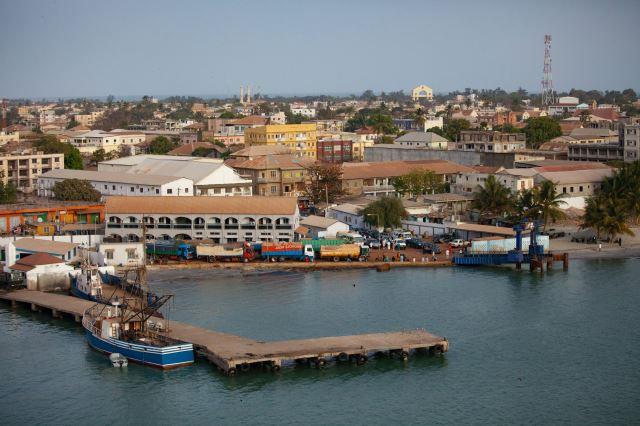
Tanjeh, also known as Tanji, is a coastal fishing village in The Gambia’s West Coast Region, facing the Atlantic Ocean south of the main tourist area. The settlement is known for its working fishing beach, where traditional wooden pirogues bring in catches from the sea and fish are sorted, sold, smoked, or dried. The surrounding landscape includes sandy beaches, coastal scrub, lagoons, mangroves, and the Tanji River estuary. Unlike resort-focused coastal communities, Tanjeh remains closely connected to fishing and fish processing, making the village an important part of the country’s coastal economy.
Tanjeh has a diverse local population that includes Mandinka, Wolof, Jola, and Serer communities, with fishing traditionally associated particularly with the Serer population. The village’s cultural life is closely connected with coastal livelihoods, boatbuilding, fishing, food preparation, and local crafts. The Tanji Village Museum provides an introduction to Gambian customs through traditional compound structures, household objects, musical instruments, crafts, and displays about local plants and wildlife. The museum also incorporates a nature trail and spaces where artisans work, offering a more detailed look at everyday cultural practices in the surrounding community.
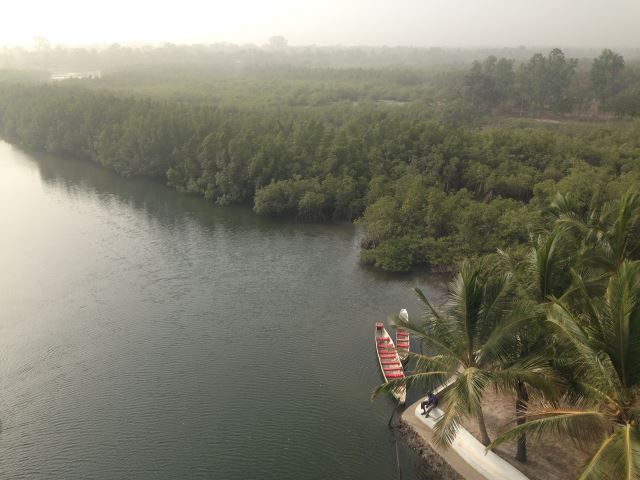
The Tanji River Bird Reserve, also known locally as Karinti, lies beside the village and protects about 612 hectares of estuarine, coastal, and woodland habitats. The reserve includes lagoons, mangroves, coastal dune scrub, dry woodland, and the Bijol Islands offshore. More than 250 bird species have been recorded in the reserve, including resident species and migrants from Europe and Asia. The Bijol Islands provide important roosting and breeding areas for seabirds, while marine turtles use parts of the coast for nesting. The reserve can be explored through birdwatching and boat excursions around its wetlands and islands.
Fish is central to Tanjeh’s food culture and local economy, with fresh Atlantic catches commonly sold directly at the fishing landing site. Bonga fish, barracuda, snapper, and other species may be processed through smoking, salting, or drying before being distributed locally or farther inland. Gambian cooking commonly combines fish or meat with rice, vegetables, chilli, and other ingredients, while smoked fish is an important preserved food. A distinctive feature of Tanjeh is the close relationship between the fishing beach and the bird reserve: a busy commercial landing site operates beside wetlands and coastal habitats that support a large variety of wildlife.
Other Popular Destinations in The Gambia