
Europe | Montenegro | Skadar Lake National Park
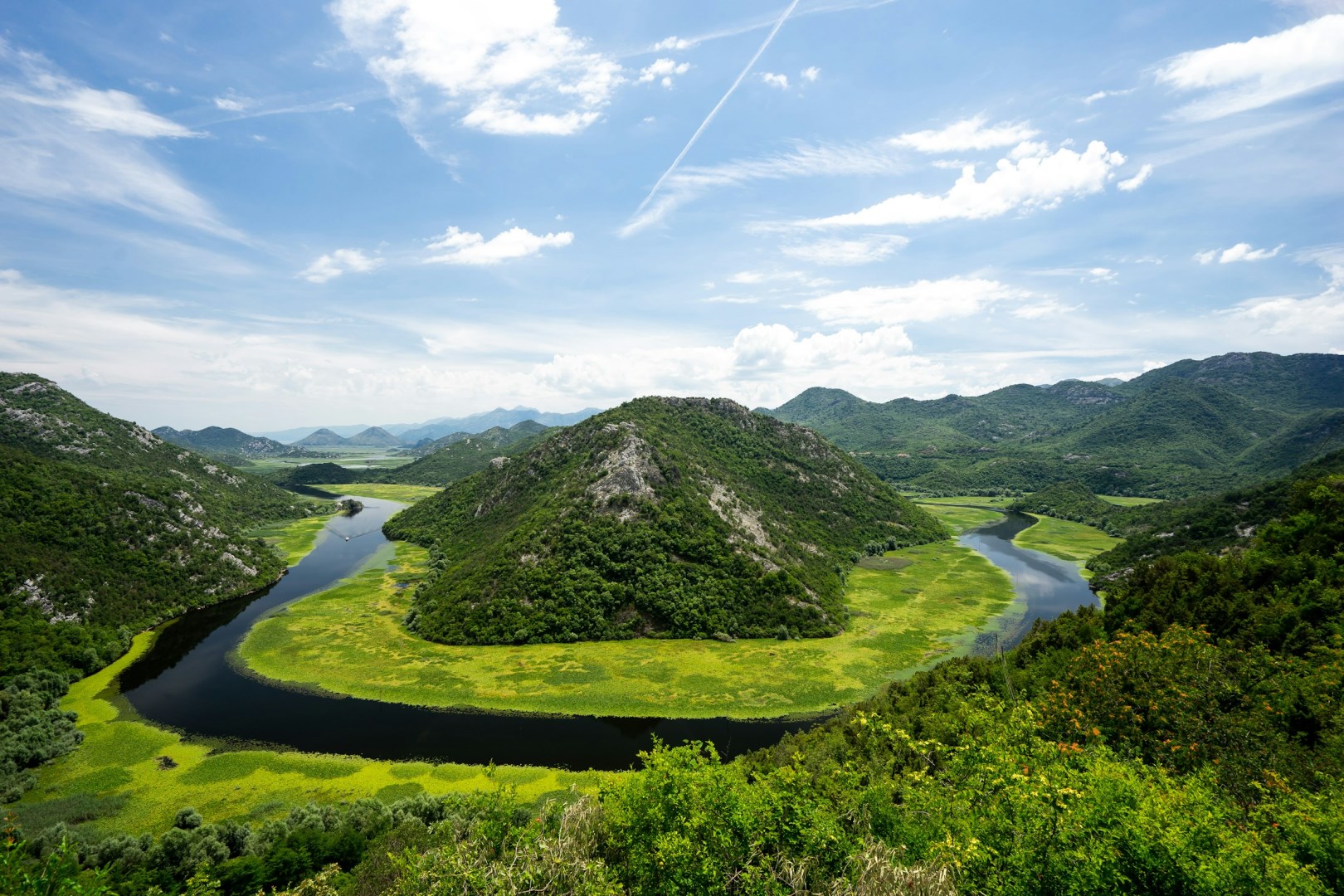
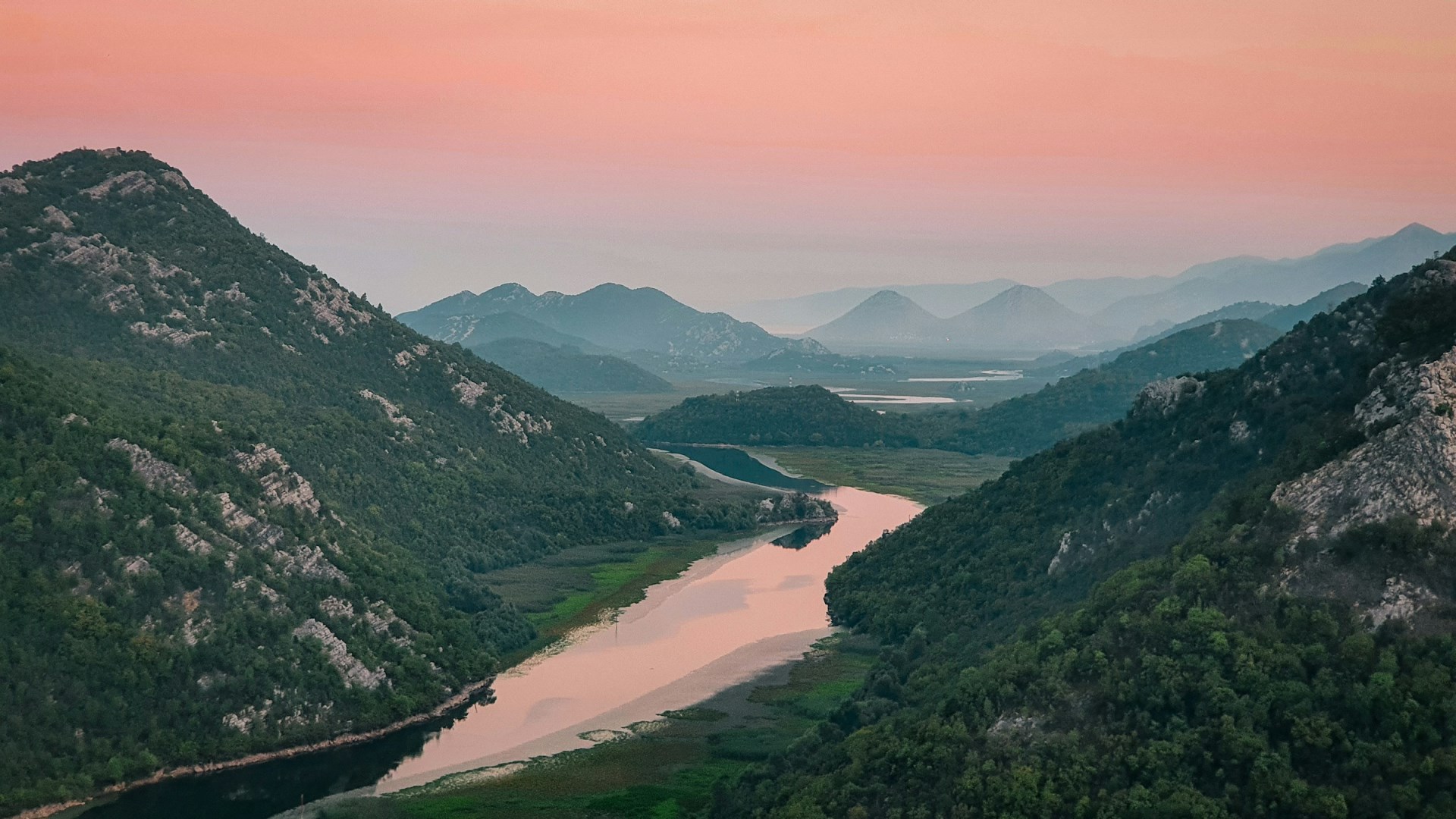

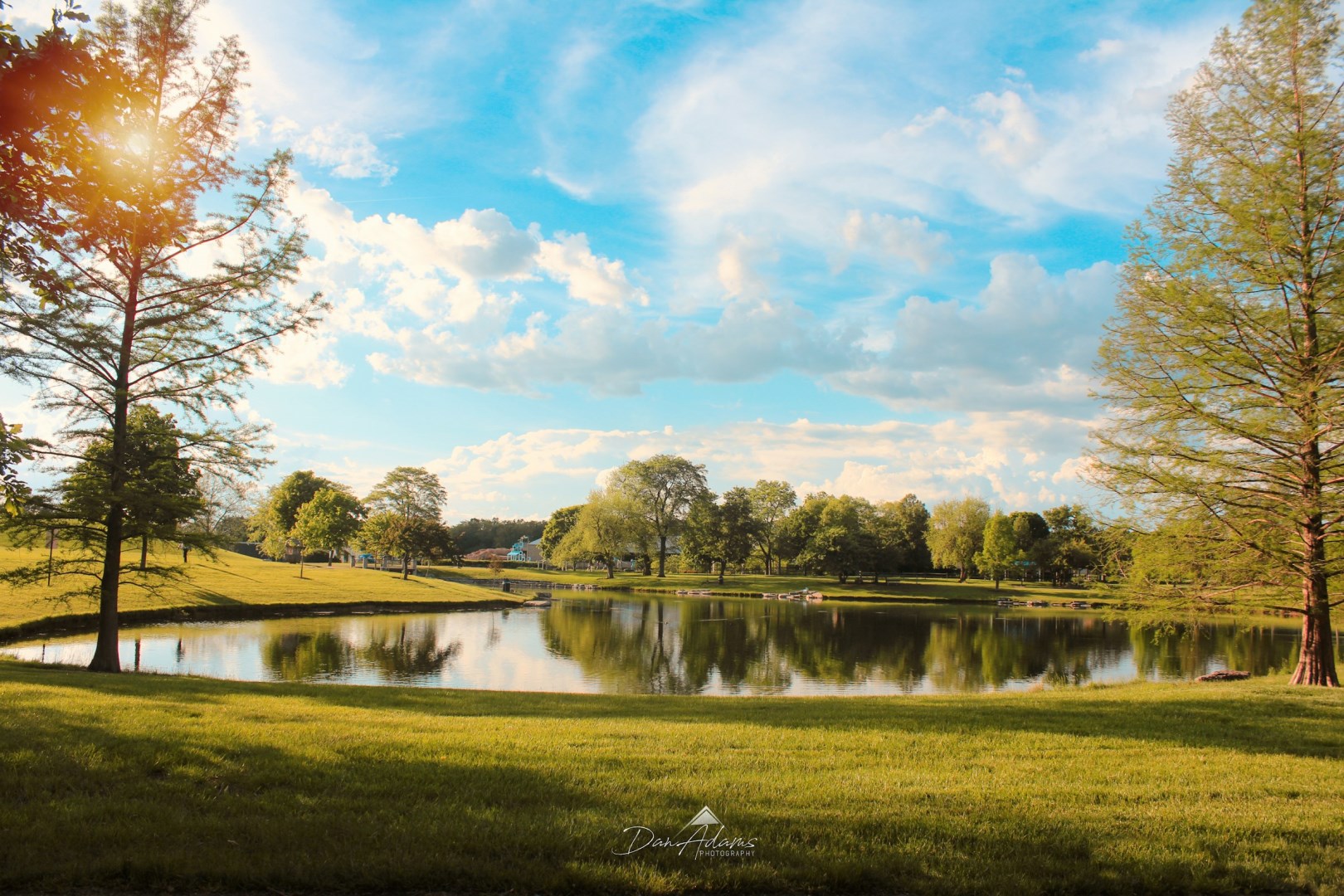
Skadar Lake National Park protects the Montenegrin side of Lake Skadar, the largest lake in the Balkans, near the country's southern border with Albania. The lake expands and contracts with seasonal water levels, creating a landscape of marshes, reed beds, open water, rocky shores, and low hills. The park is especially important for wetland wildlife and contains a rich variety of fish, plants, and birds. Its landscape also includes small settlements, vineyards, islands, and historic sites, creating a protected area where natural habitats and long-established human activity remain closely connected.
Skadar Lake has a strong cultural identity shaped by fishing, farming, wine production, and the communities that developed along its shores. Virpazar is the main lakeside settlement for exploring the park and has traditionally served as a trading and fishing center. Rijeka Crnojevića, farther north, grew around the Crnojević River and contains historic stone buildings and bridges. Religious heritage is also widespread, with monasteries located on several small islands. Fortifications such as Grmožur and Žabljak Crnojevića reflect the lake's strategic importance and add a historical dimension to its wetlands and waterways.
The park is best explored by boat or kayak, particularly around the maze of channels, water lilies, reeds, and secluded bays. Boat excursions from Virpazar can reach bird habitats, island monasteries, and the ruins of Grmožur fortress. The Crnojević River offers another scenic route into the lake, with Pavlova Strana providing a well-known viewpoint above its winding course. Murići Beach lies on the lake's southwestern shore, while hiking and cycling routes extend through the surrounding hills and villages. Birdwatching is a major activity, with designated observation sites providing views of wetland species and migratory birds.
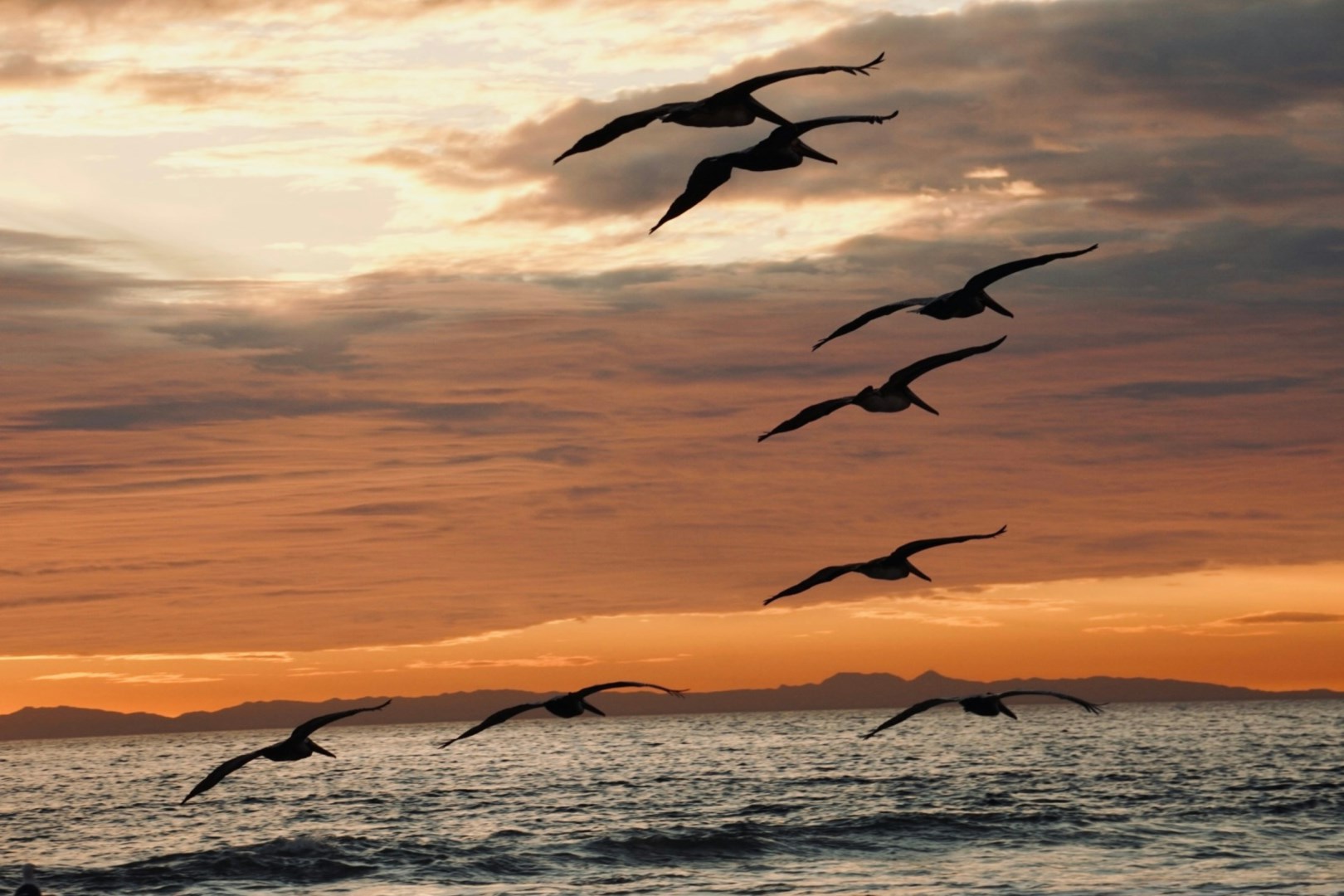
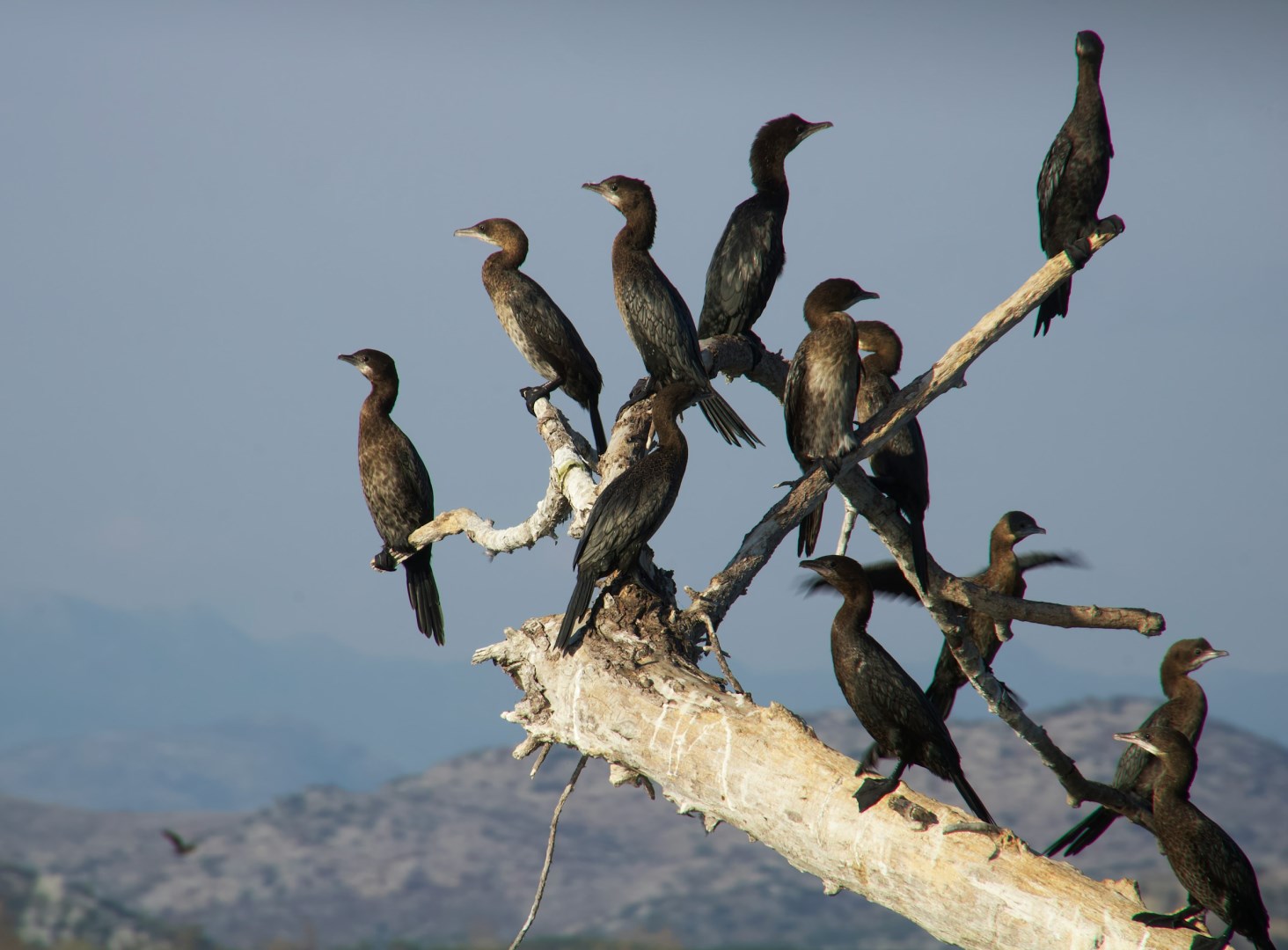
Skadar Lake is home to around 280 recorded bird species, including the Dalmatian pelican and pygmy cormorant, making its wetlands particularly important for bird conservation. The lake also supports numerous fish species, several of which are found only in the region. Local cuisine reflects this aquatic environment, with dried carp, smoked bleak, trout, and eel among the traditional foods served around the lake. Wine production is another longstanding part of the area, particularly in villages around Rijeka Crnojevića. Together, the wetlands, fishing traditions, vineyards, historic settlements, and island monuments give the national park a distinctive character within Montenegro.
