

Central Asia | India | Badami
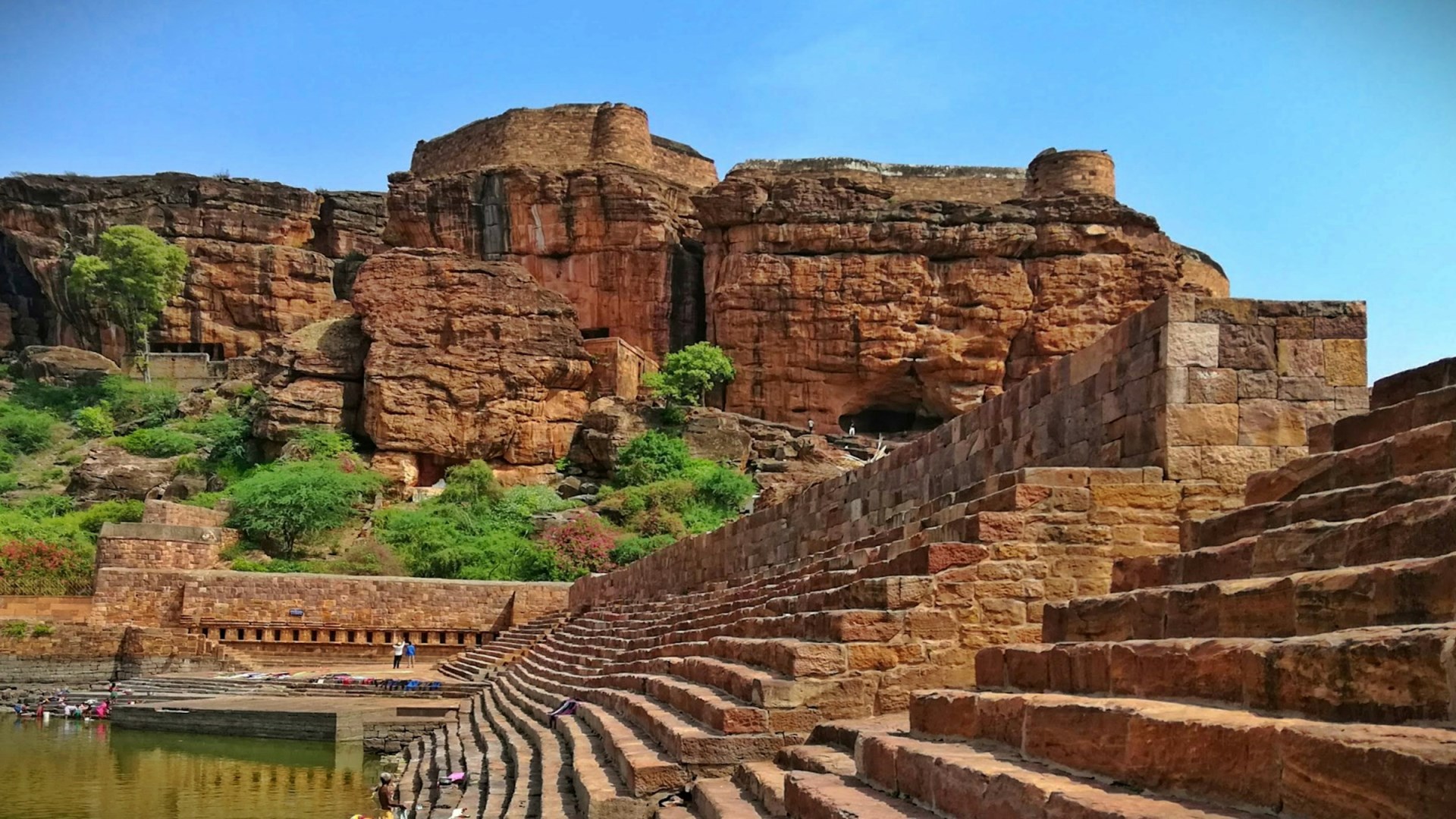
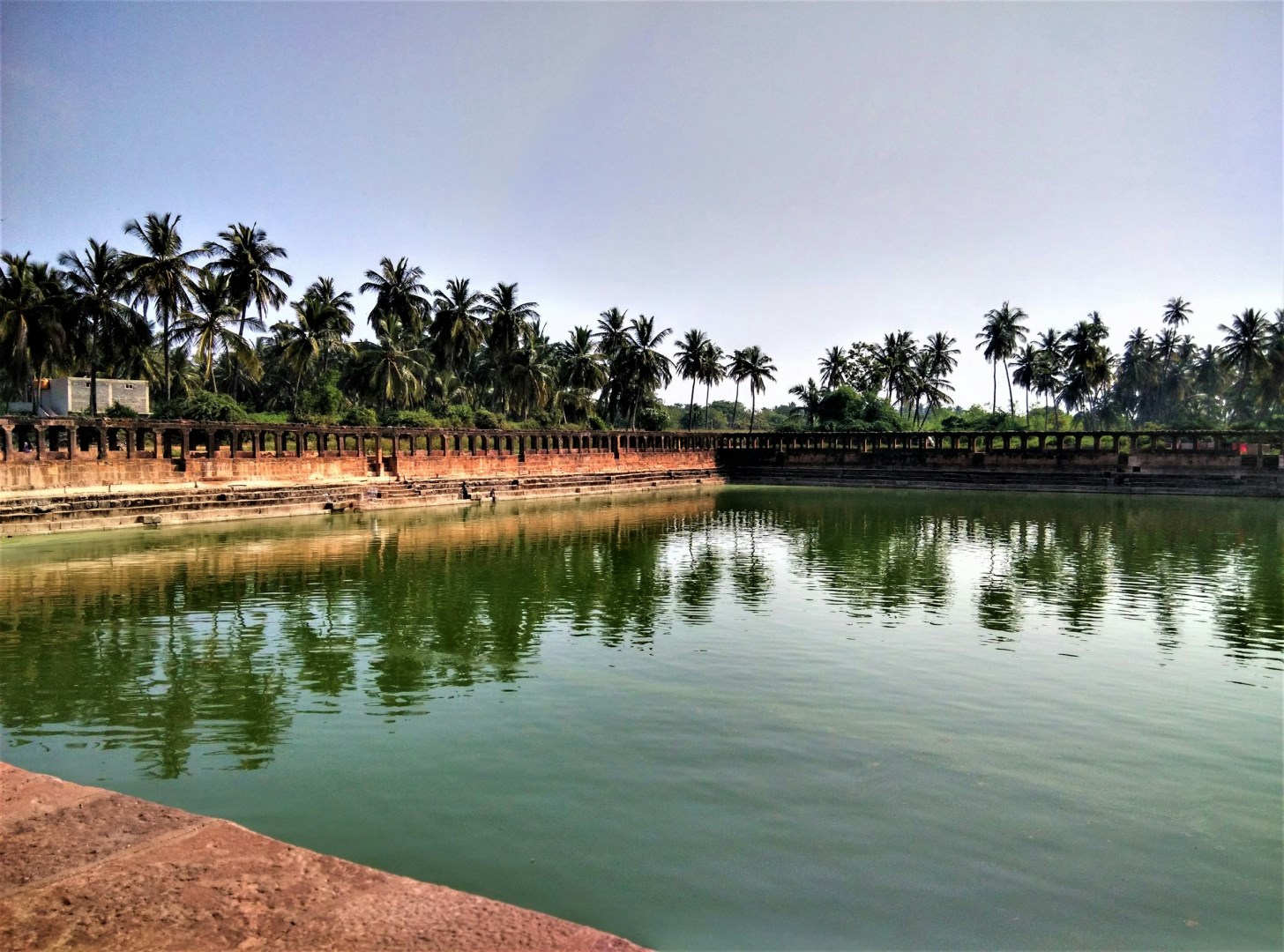
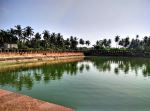


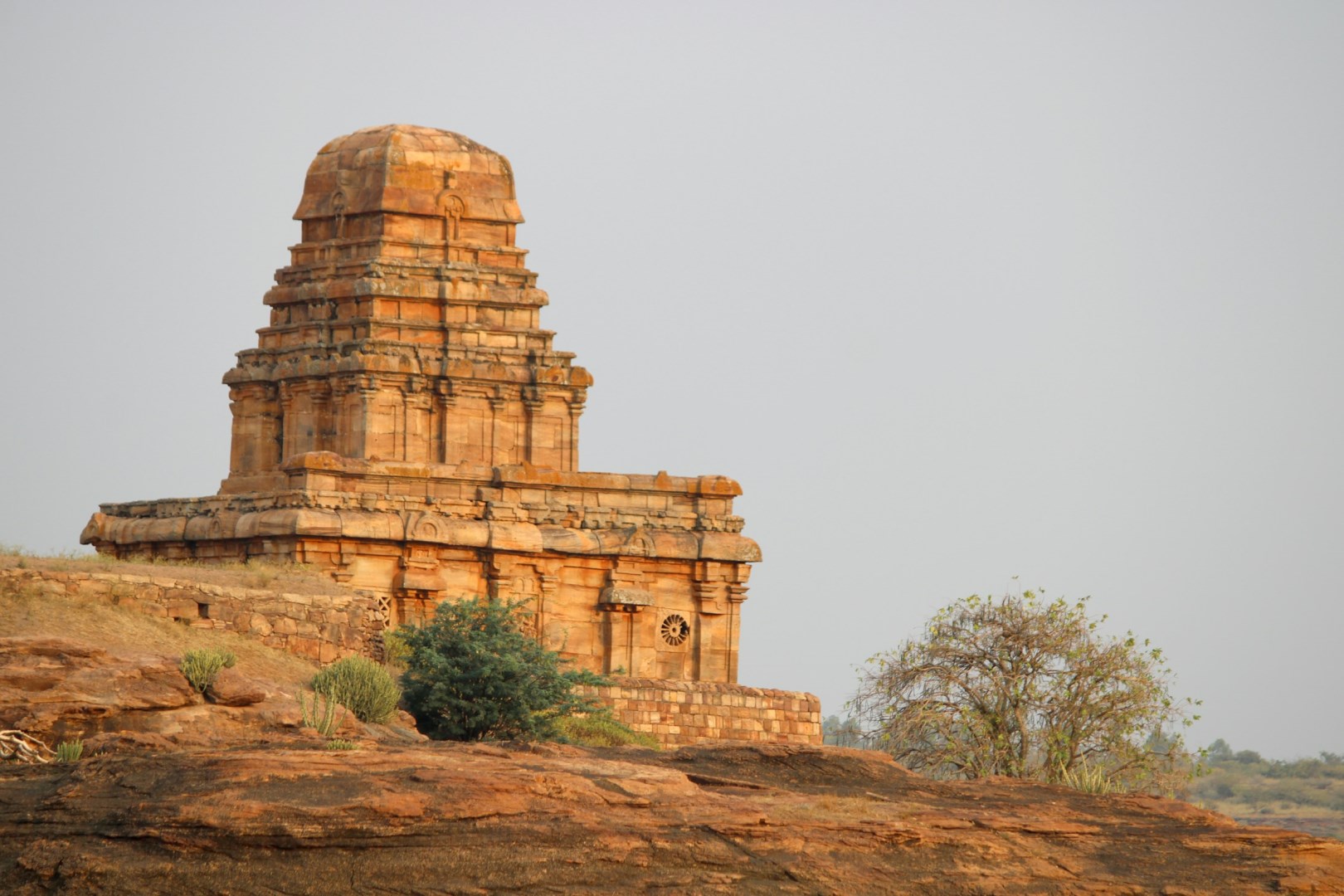

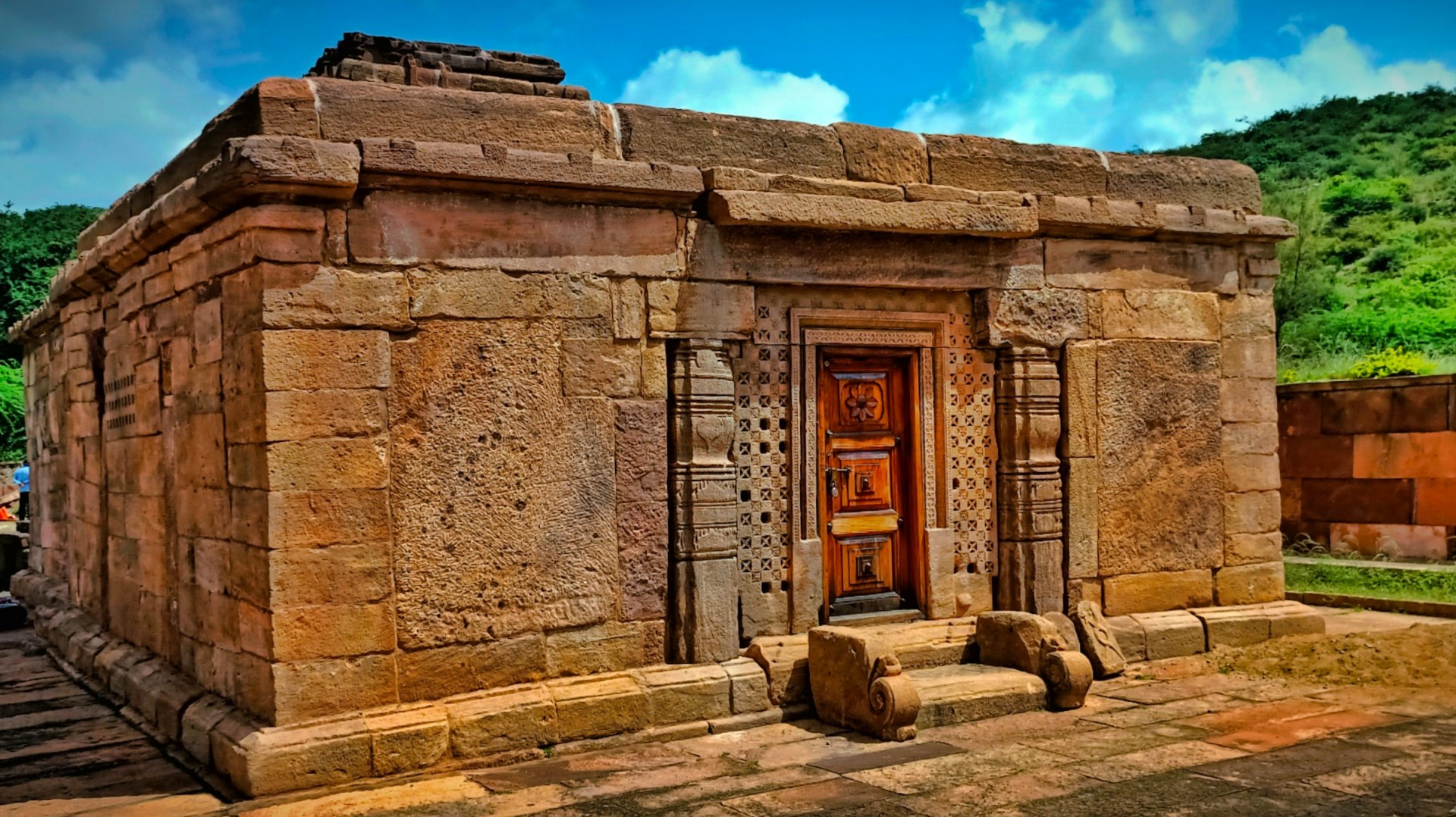
Badami is a historic town in Karnataka’s Bagalkot district, set among red sandstone cliffs and rocky hills in the northern Deccan. Once an important Chalukyan capital, the town is now best known for its rock-cut temples, carved directly into the sandstone surrounding Agastya Lake. The compact setting brings together ancient monuments, a reservoir, rocky outcrops, and narrow valleys, creating a landscape closely tied to the region’s architectural heritage. Badami also forms part of the important heritage circuit linking Aihole and Pattadakal, making it a significant destination for understanding the development of temple architecture in the Deccan.
Badami’s cultural identity is strongly connected with the Chalukyan tradition and the development of Hindu and Jain religious architecture. The four principal cave temples include three Hindu shrines and one Jain sanctuary, reflecting the region’s varied religious traditions. The carvings depict figures including Shiva, Vishnu, and Jain Tirthankaras, while the first cave is particularly noted for its large representation of Shiva as Nataraja. The Bhutanatha temple complex beside Agastya Lake adds another important group of sandstone shrines. Together, these monuments demonstrate the artistic experimentation that shaped later temple architecture across southern India.
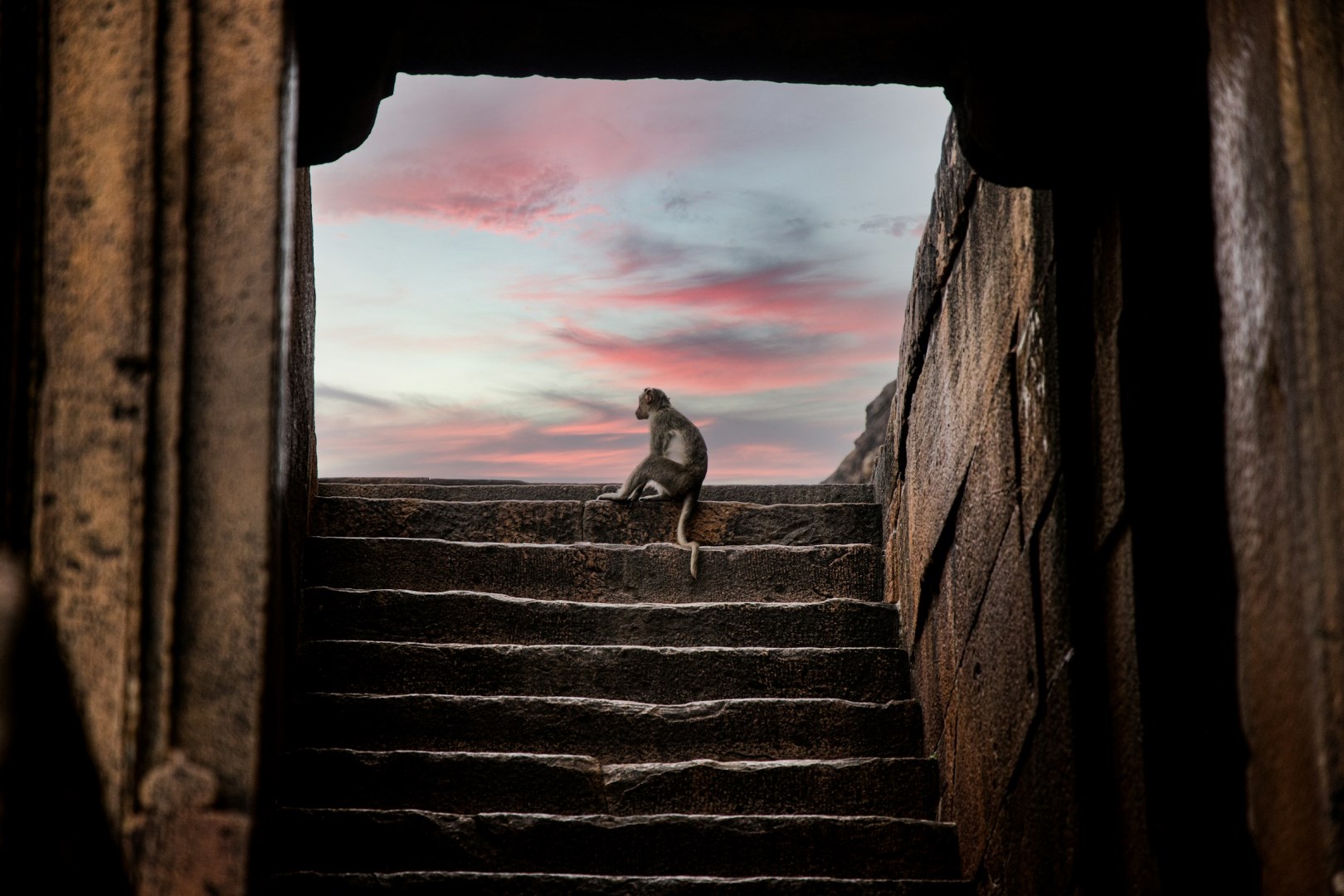
The four Badami Cave Temples are the town’s principal attraction, reached by a stepped path cut into the cliff above Agastya Lake. Cave 3 is the largest and contains elaborate reliefs of Vishnu in several forms, while Cave 4 contains Jain sculptures. Badami Fort occupies the rocky hill opposite the caves and includes the Malegitti Shivalaya and Upper Shivalaya temples, along with panoramic views over the town and lake. Nearby Aihole and Pattadakal extend the heritage experience, with Pattadakal recognized by UNESCO for its group of temples representing a blend of northern and southern Indian architectural traditions.
Food in Badami reflects the cuisine of northern Karnataka, where jowar, or sorghum, is an important staple. Jowar rotti is commonly served with vegetable curries, lentils, chutneys, and other regional accompaniments, while local meals may also include dishes based on peanuts, coconut, and seasonal produce. Handloom textiles and regional crafts can be found in the surrounding area. A distinctive detail about Badami is the close relationship between its natural setting and architecture: the red sandstone cliffs provided the material and location for the cave temples, while Agastya Lake lies directly below them. This combination makes the town particularly notable within Karnataka’s heritage landscape.
