



Europe | Netherlands | Texel
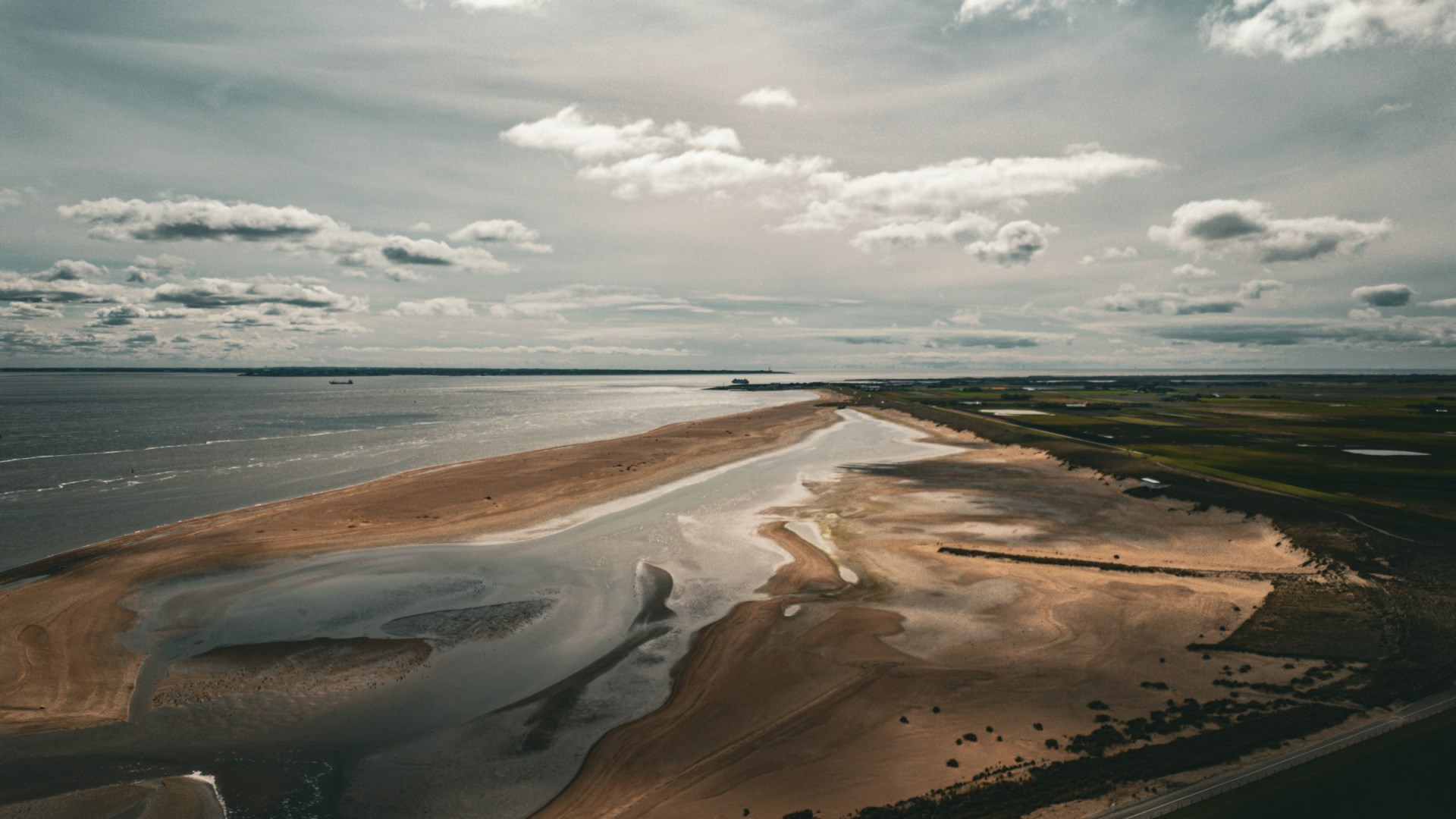
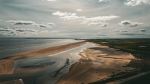
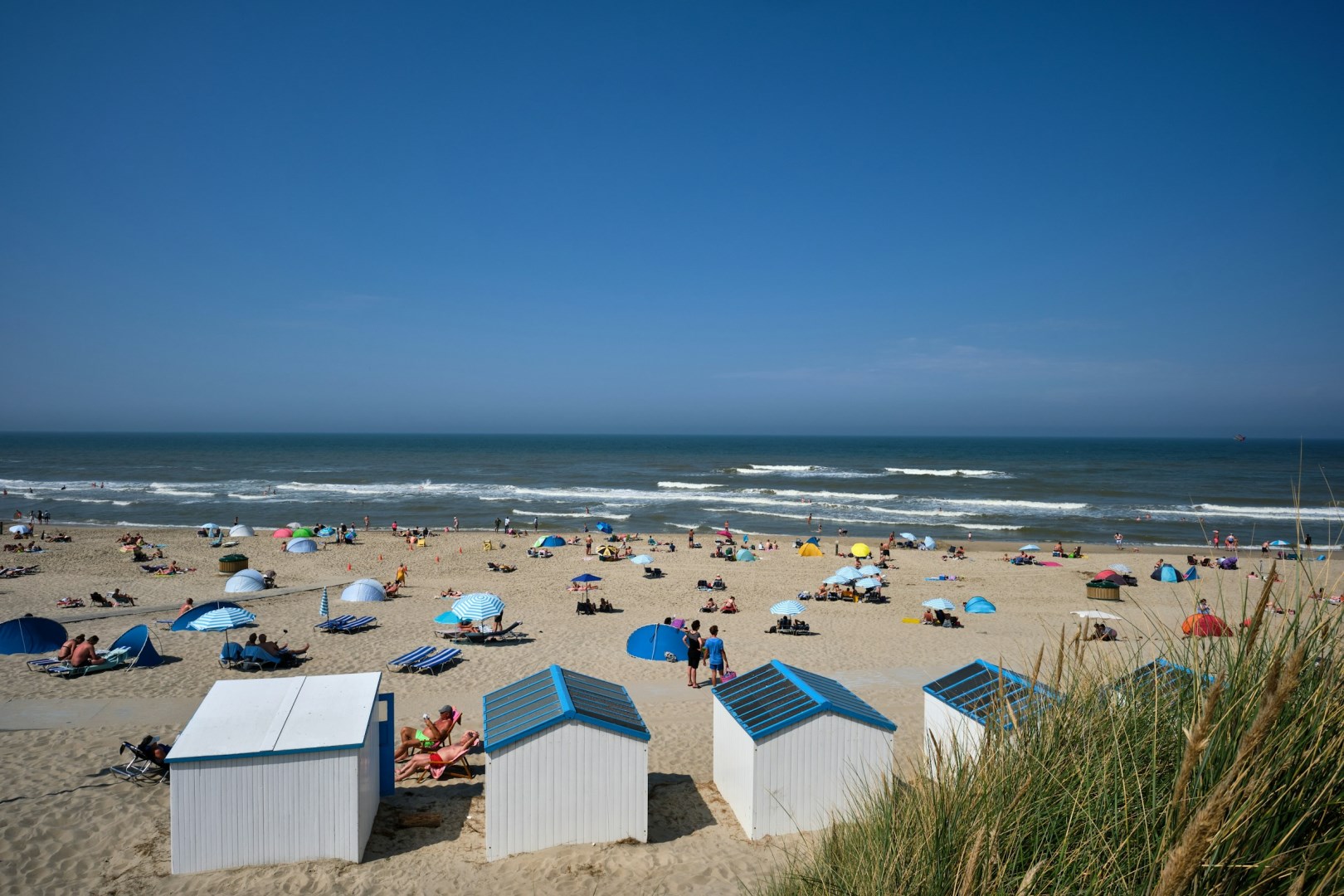
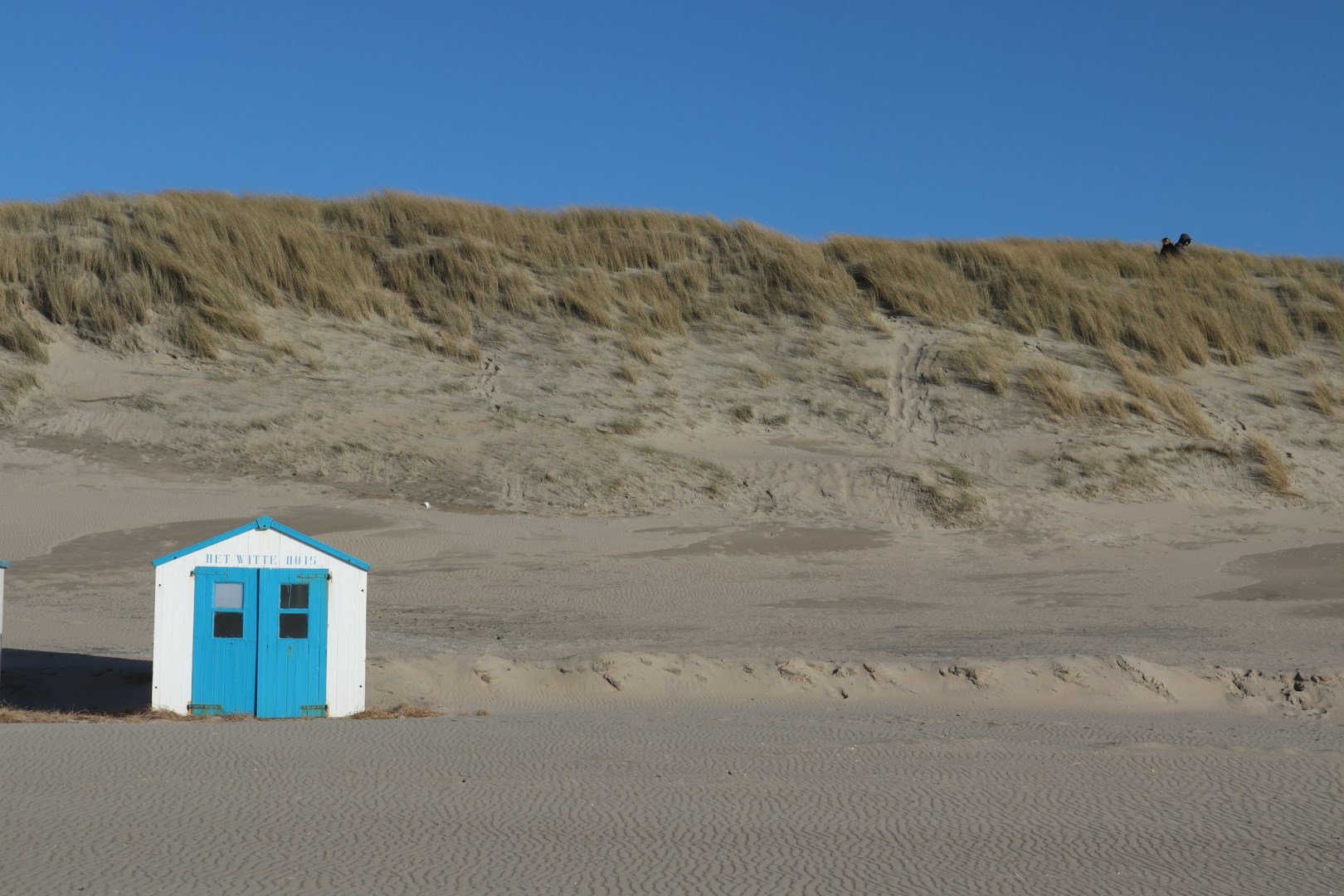
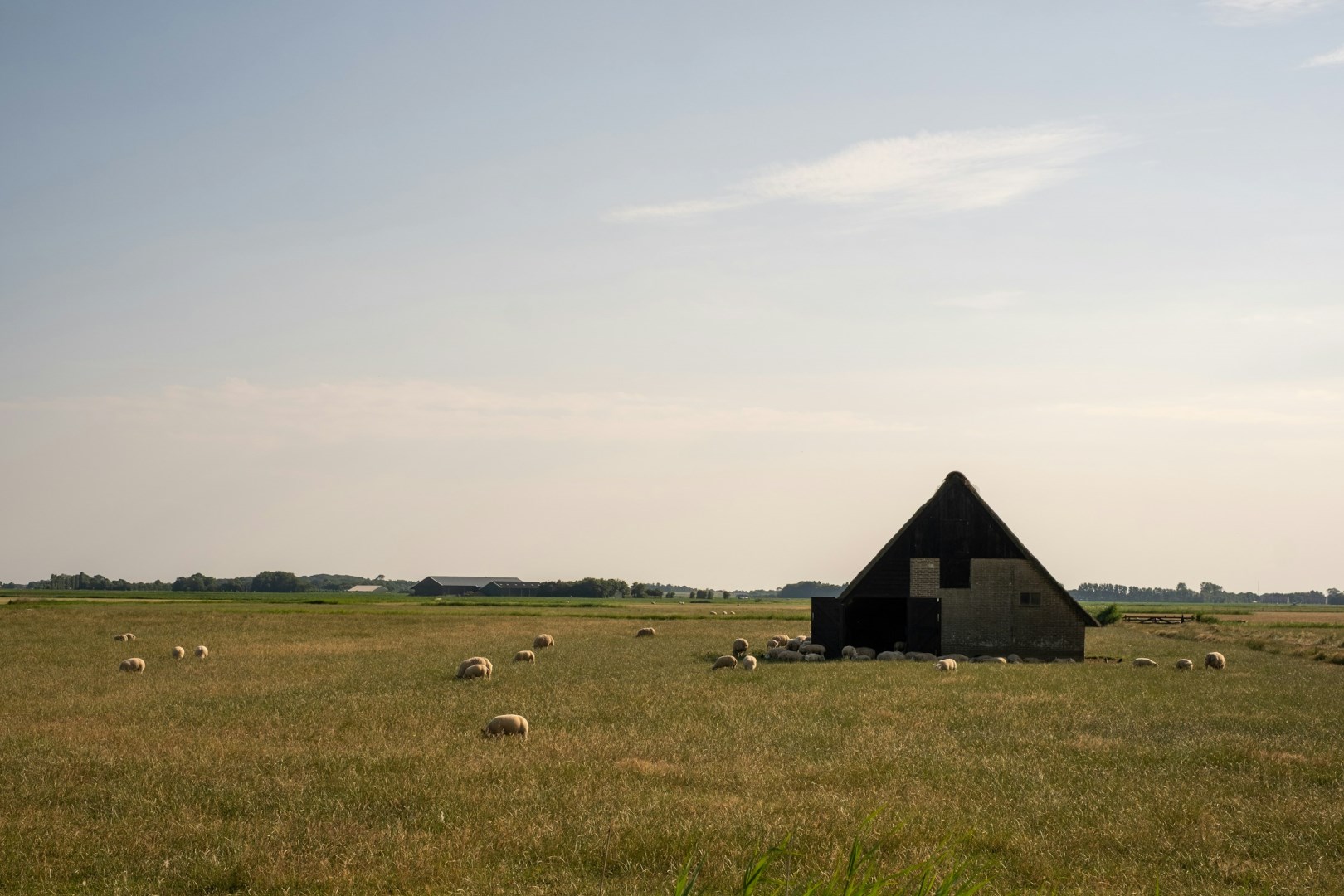
Texel is the largest of the Dutch Wadden Islands, located off the northern coast of the Netherlands and separated from the mainland by the Marsdiep Strait. Its landscape combines broad sandy beaches, coastal dunes, salt marshes, grasslands, polders, and small villages. Den Burg is the island’s main settlement, while De Koog is the principal seaside resort. The island’s position within the Wadden Sea UNESCO World Heritage area gives it an important natural setting, and its varied landscapes support farming, tourism, and a wide range of coastal wildlife.
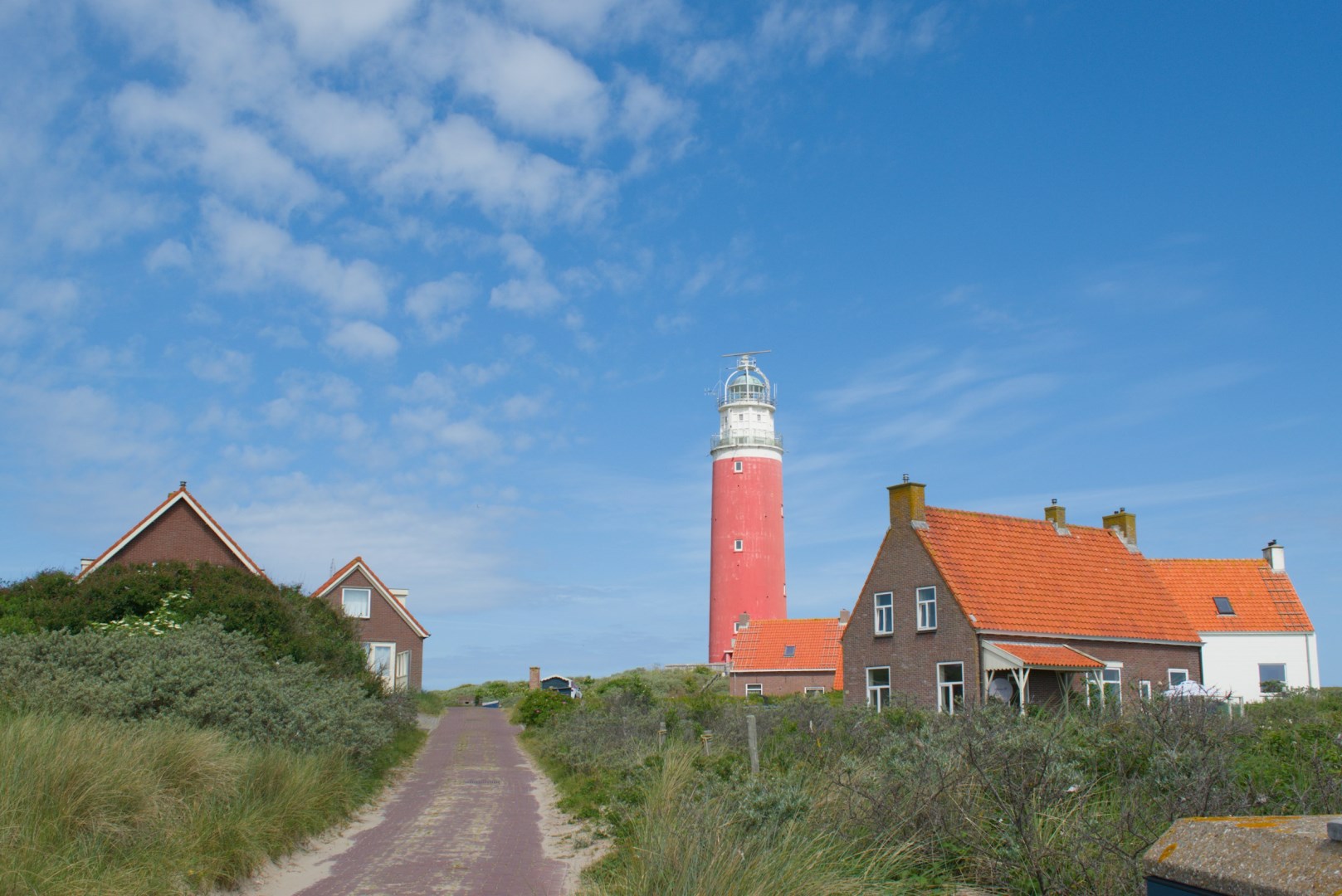
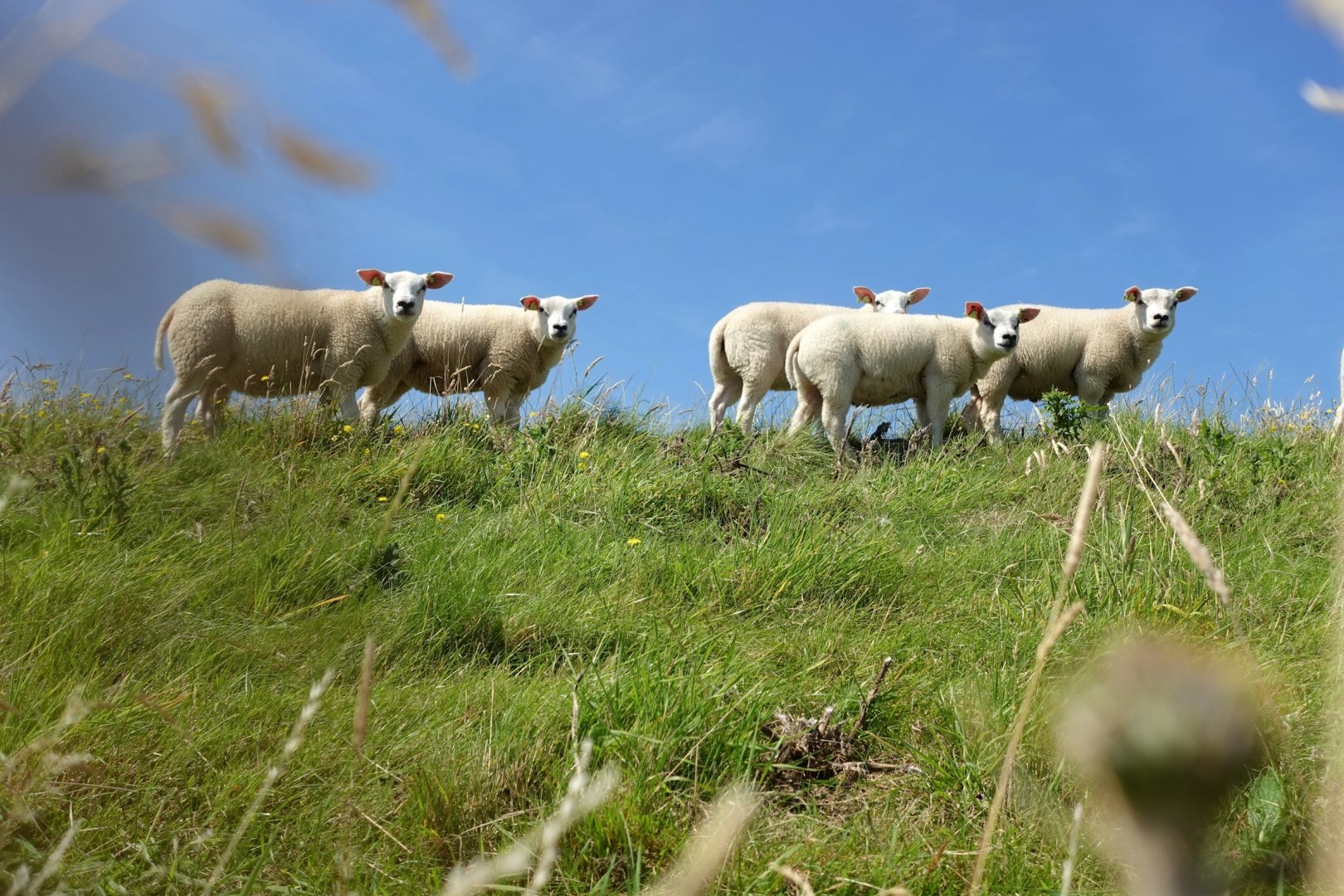
Texel has a long maritime and agricultural heritage shaped by its position between the North Sea and Wadden Sea. The Oude Hoorn church in Den Hoorn and the white lighthouse at the northern tip are among the island’s recognizable landmarks. The island also has a strong connection with sheep farming, with Texel sheep raised throughout the countryside. Maritime history is explored at Kaap Skil in Oudeschild, where exhibitions cover shipping, fishing, archaeology, and objects recovered from the seabed. Oudeschild itself remains Texel’s main harbor and an important center for the island’s fishing tradition.
The island’s natural environment is protected in several areas, including the Duinen van Texel National Park, which stretches along much of the western coast. Its landscape includes dunes, heathland, forests, wet meadows, and salt marshes, with paths for walking and cycling. The Eierlandse Duinen and De Slufter are particularly distinctive: De Slufter is a large salt-marsh area where seawater enters through an opening in the dunes, creating a landscape of tidal channels and salt-tolerant vegetation. The northern lighthouse stands near the wide sandy beaches of Eierland and provides views across the surrounding coast.
Texel’s food culture is closely linked to its farms, fishing industry, and island products. Texel lamb is one of its best-known specialties, while local sheep’s cheese, potatoes, vegetables, honey, and beer are also produced on the island. The Texel sheep breed is particularly suited to the island’s coastal conditions and has become an important part of its agricultural identity. Seafood remains significant in villages such as Oudeschild, where fishing boats land catches from the North Sea and Wadden Sea. Local breweries and farms also produce products using island-grown ingredients, giving Texel a recognizable regional food culture.
Other Popular Destinations in Netherlands


