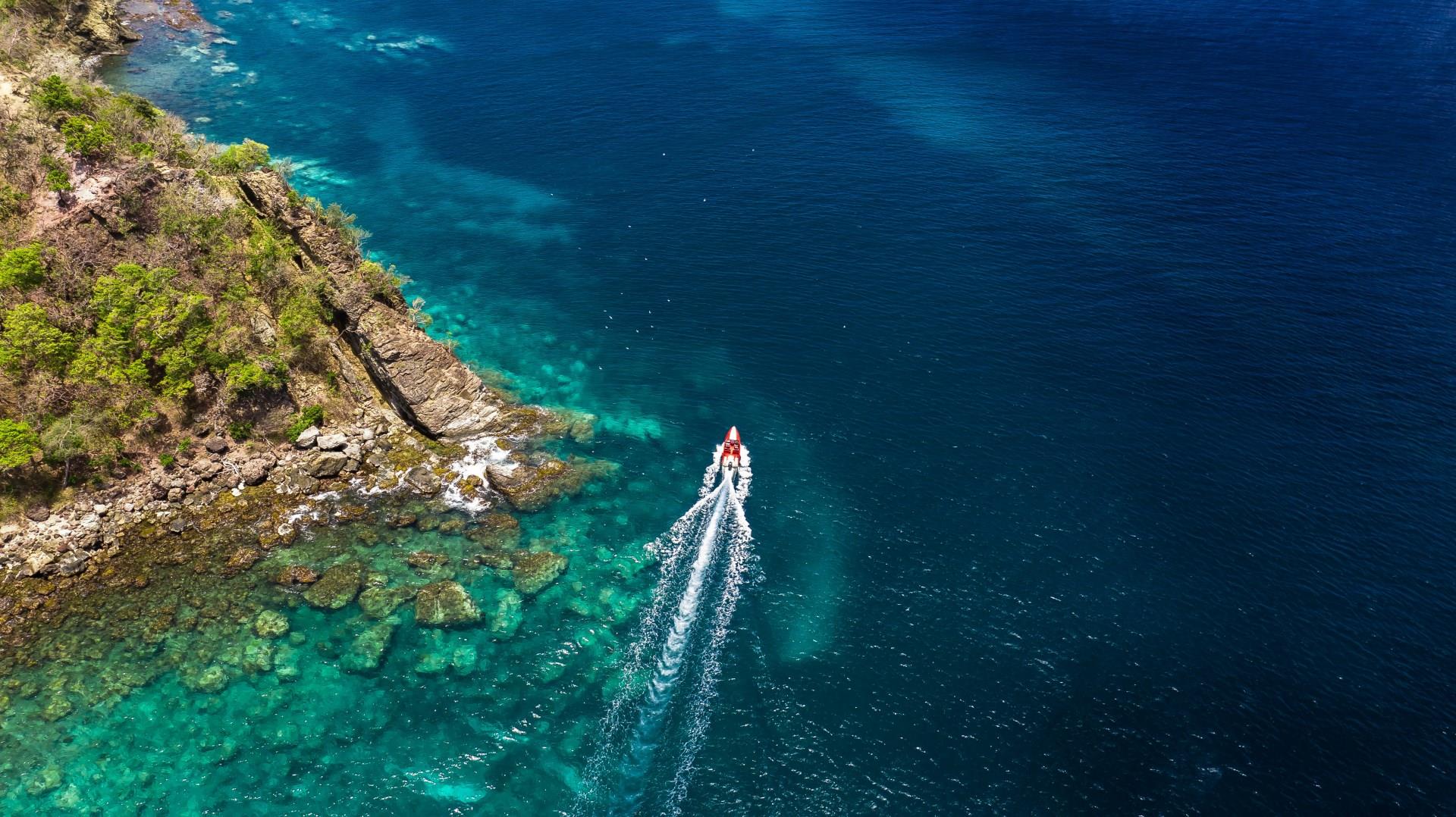
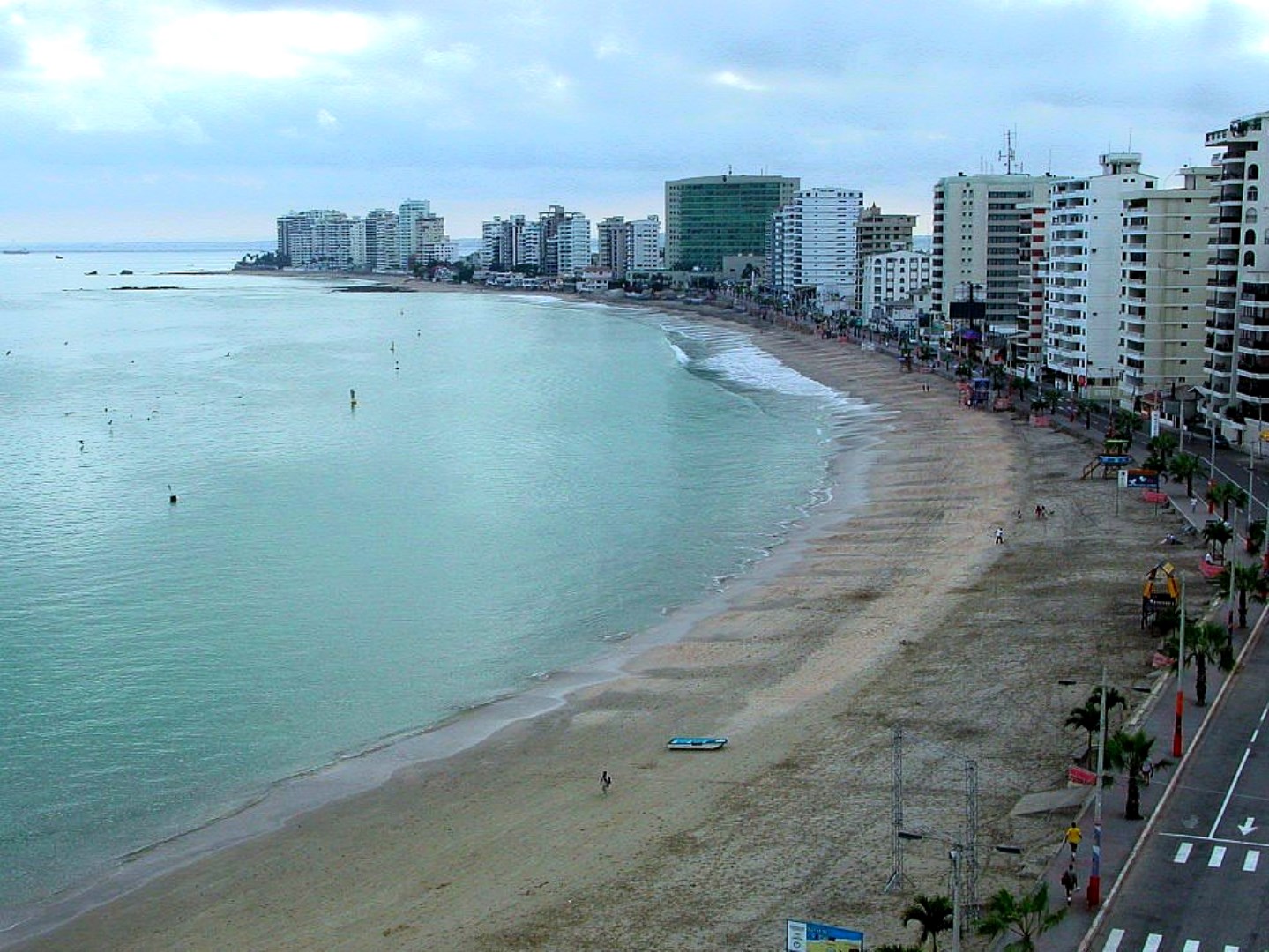

Padre Island is a long barrier island along the Texas Gulf Coast, extending beside the Gulf of Mexico from the Corpus Christi area toward the southern tip of Texas. Much of the island consists of broad beaches, coastal dunes, grasslands, tidal flats, and shallow lagoons. The northern section is closely associated with Corpus Christi, while South Padre Island is a developed resort community farther south. Between them lies Padre Island National Seashore, a protected stretch of coastline that preserves one of the longest undeveloped barrier-island shorelines in the world.
Padre Island has a long human history shaped by Indigenous peoples, Spanish exploration, ranching, fishing, and maritime activity. The island was historically used by Karankawa and other Indigenous peoples who relied on coastal resources. Spanish missionaries and explorers later traveled along the coast, and the island became associated with cattle ranching and maritime trade. The Mansfield Cut, Port Isabel, and other nearby coastal areas retain connections to this history. Today, conservation is an important part of the island’s identity, particularly through Padre Island National Seashore and its protection of coastal habitats.
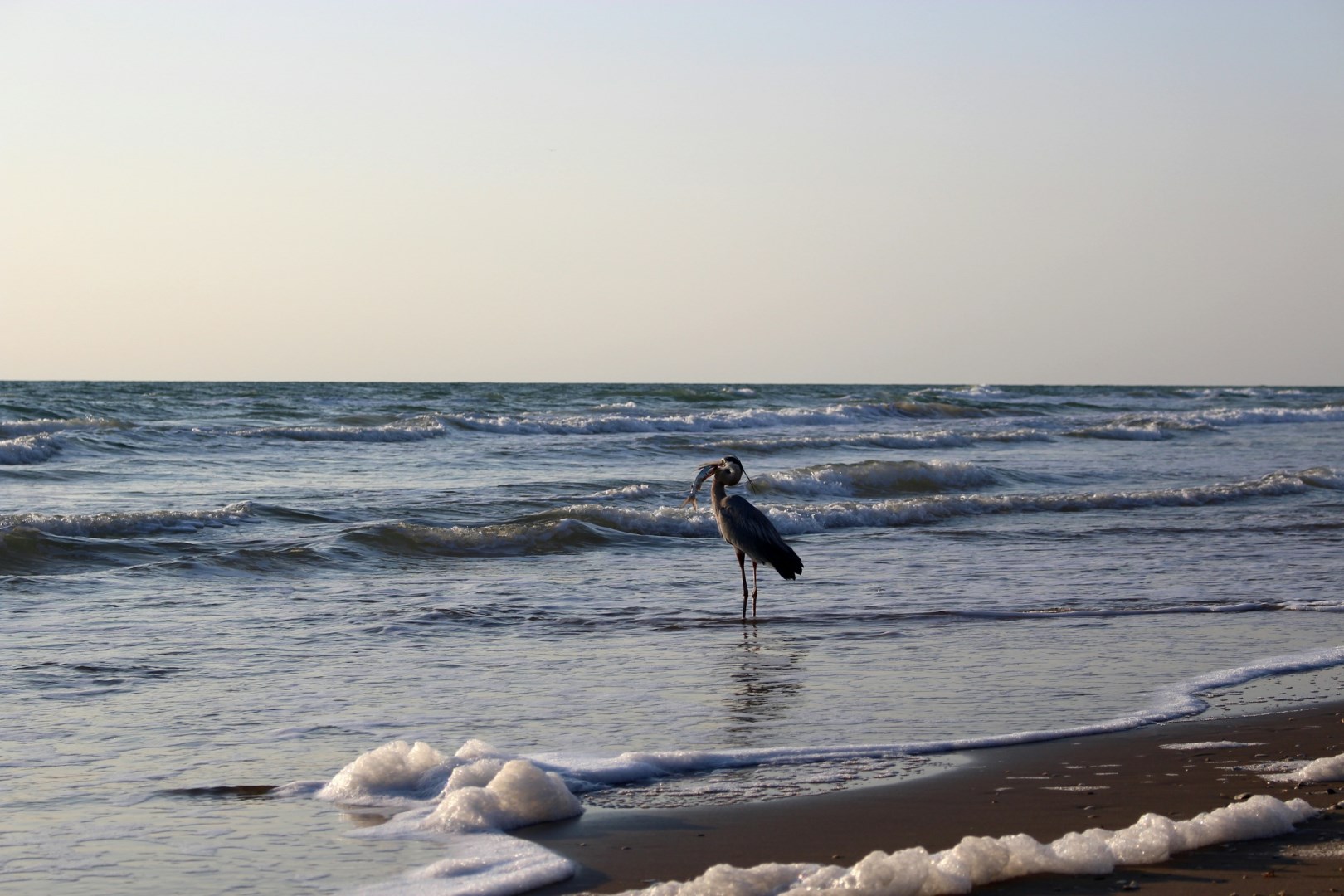
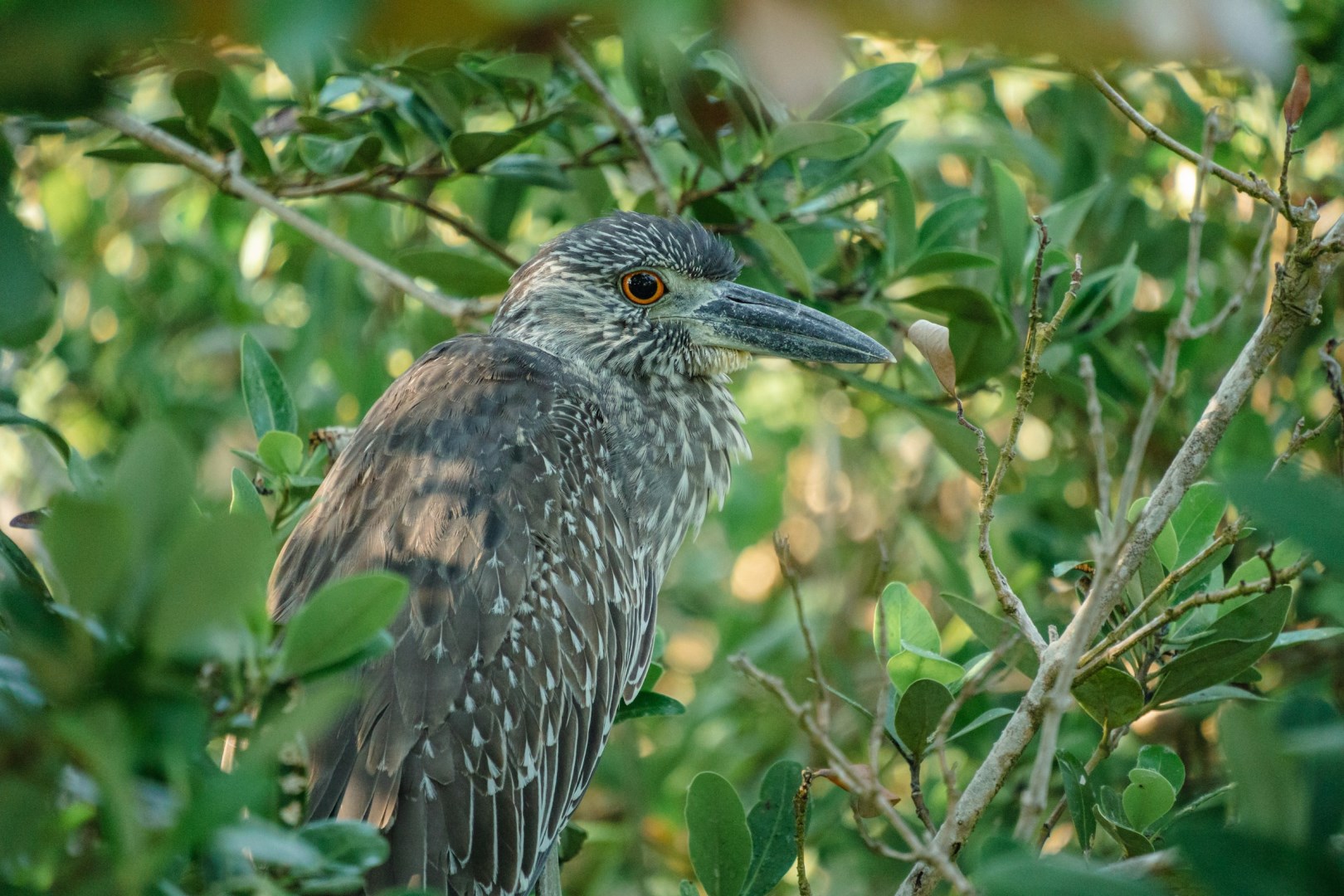
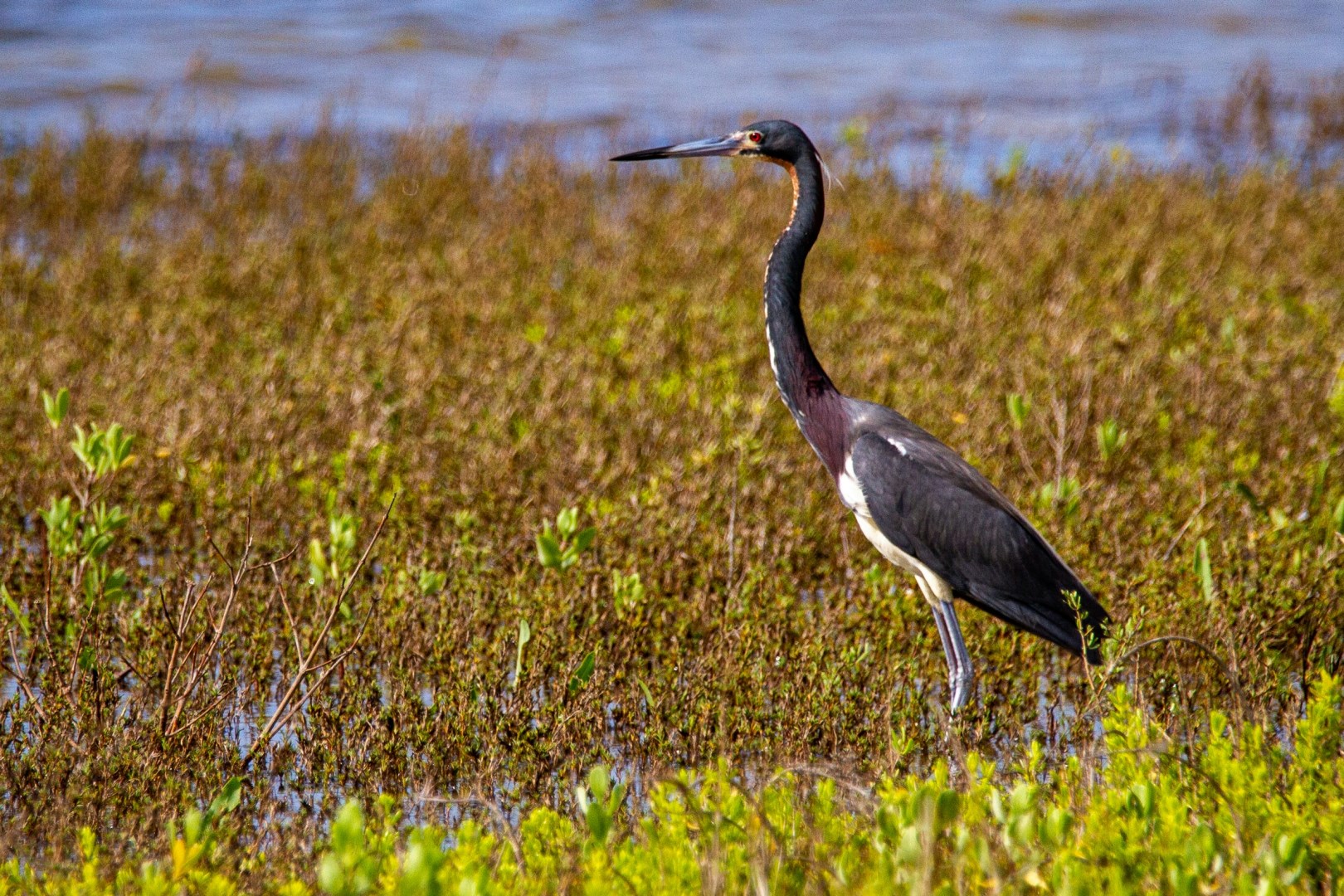
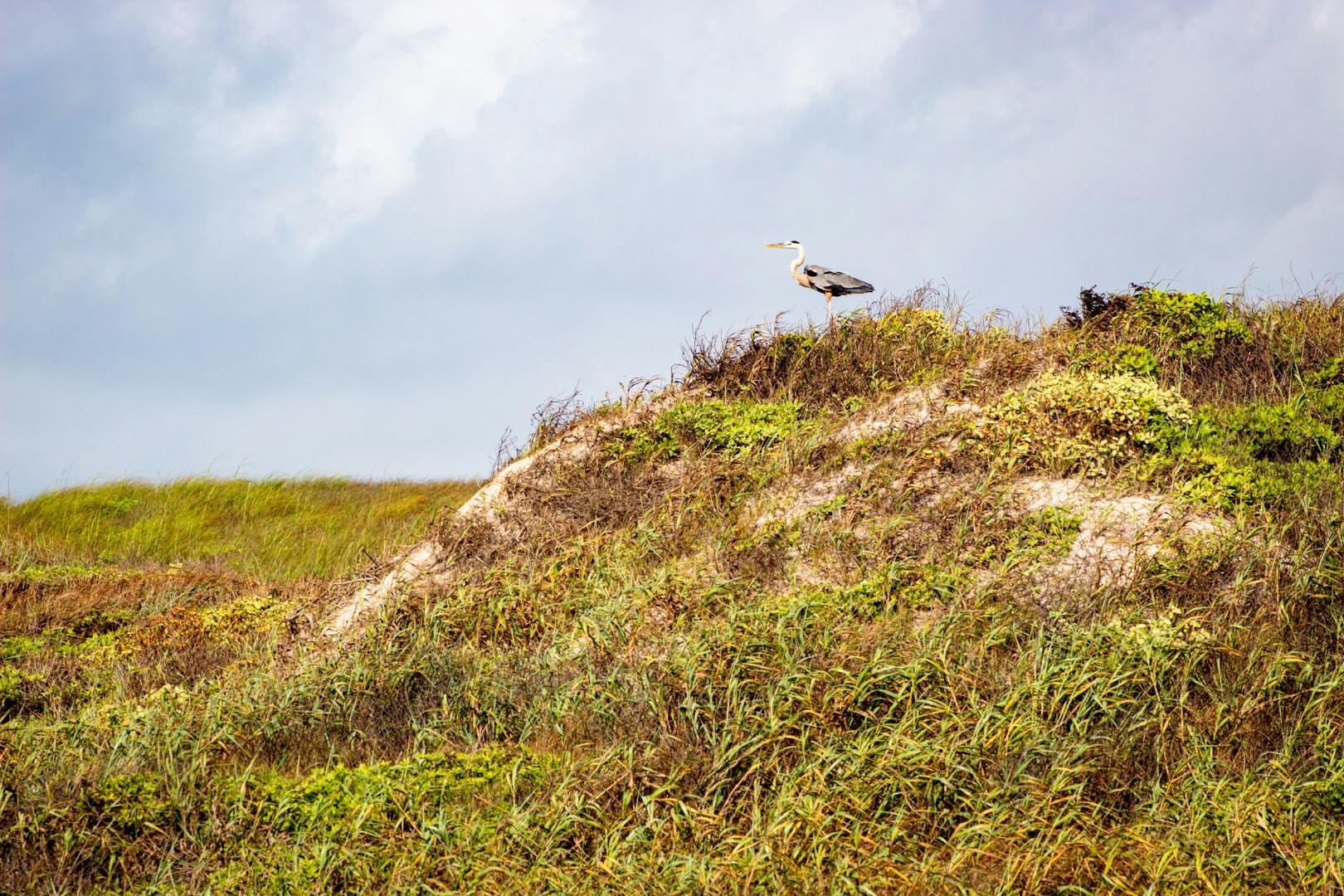
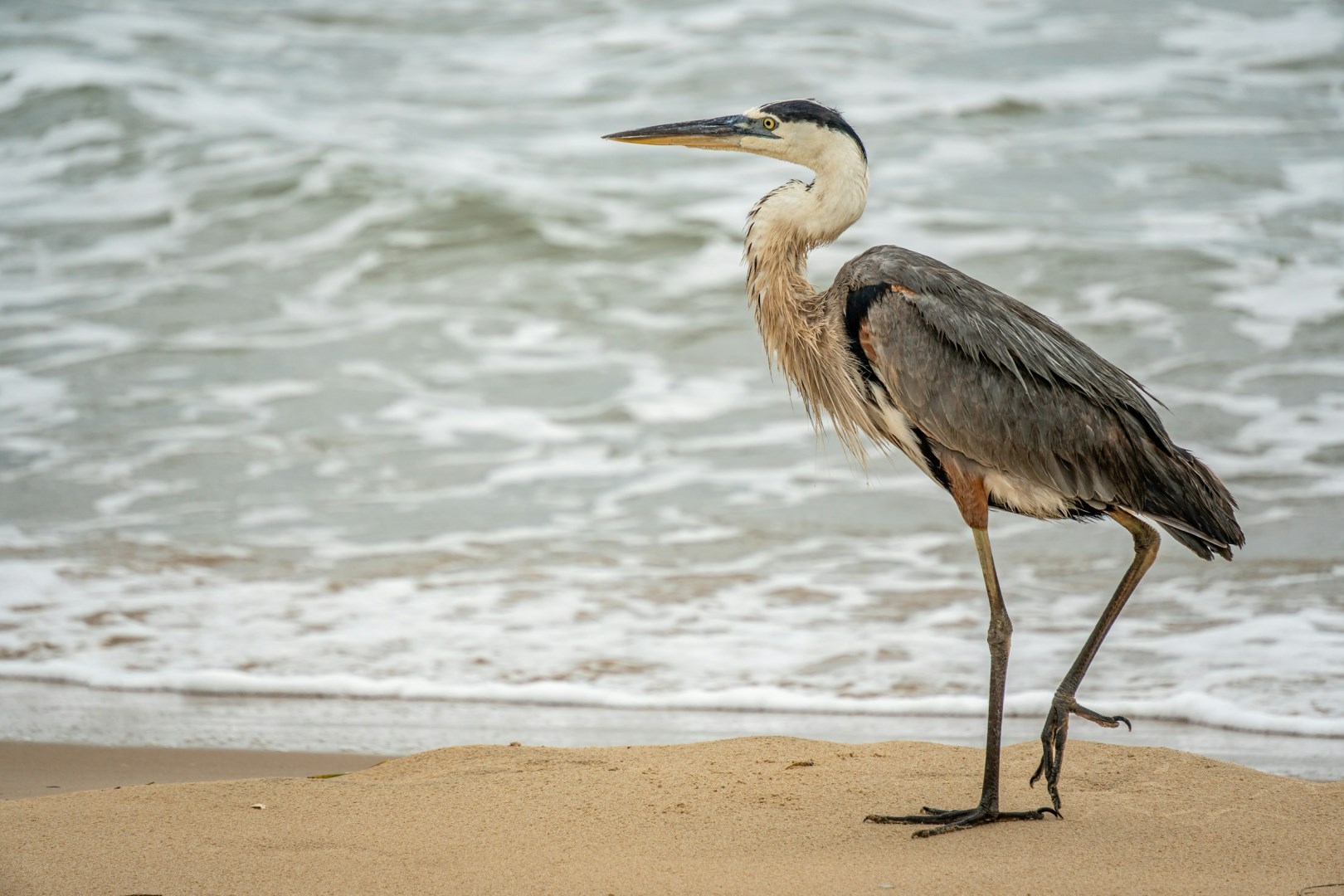
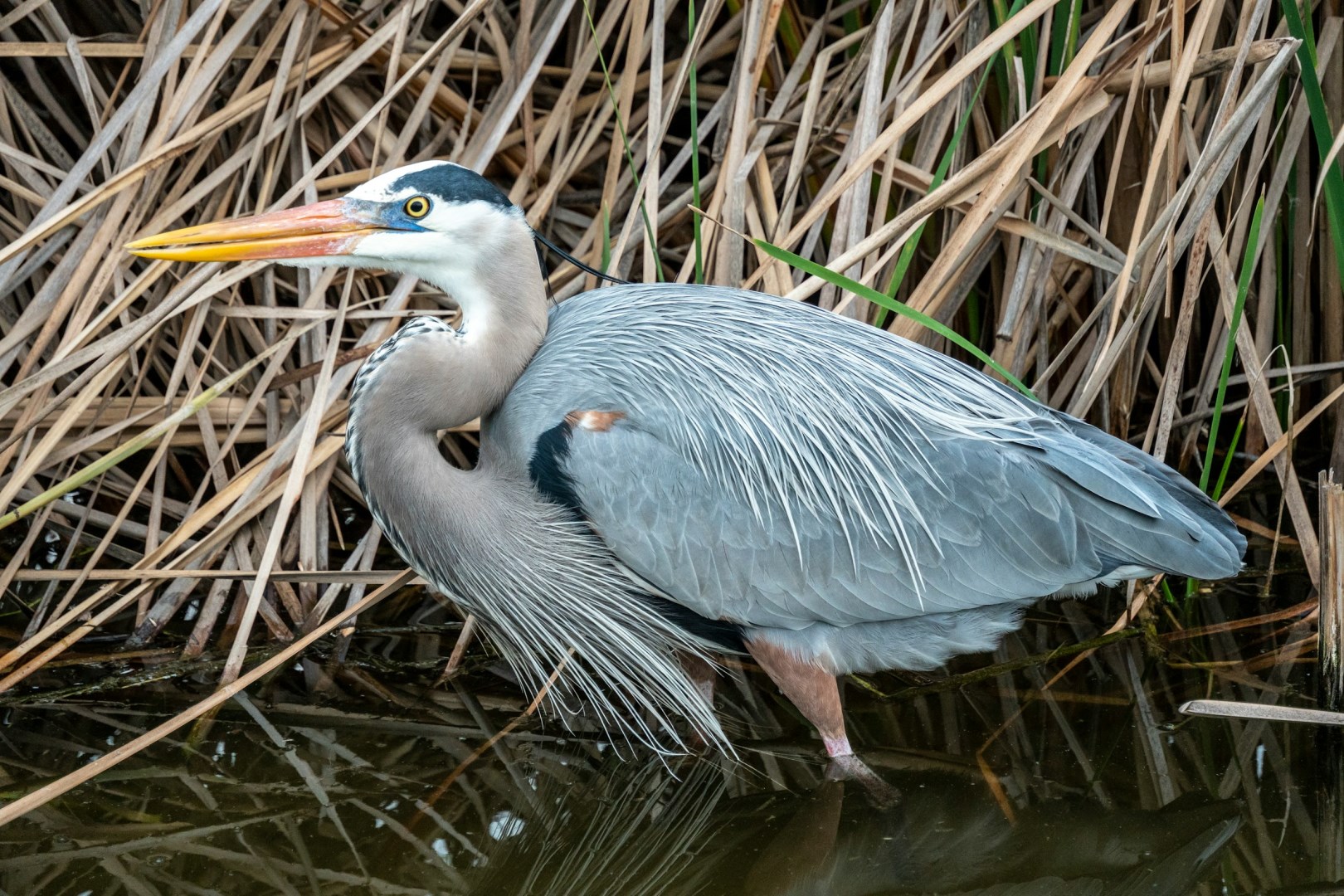
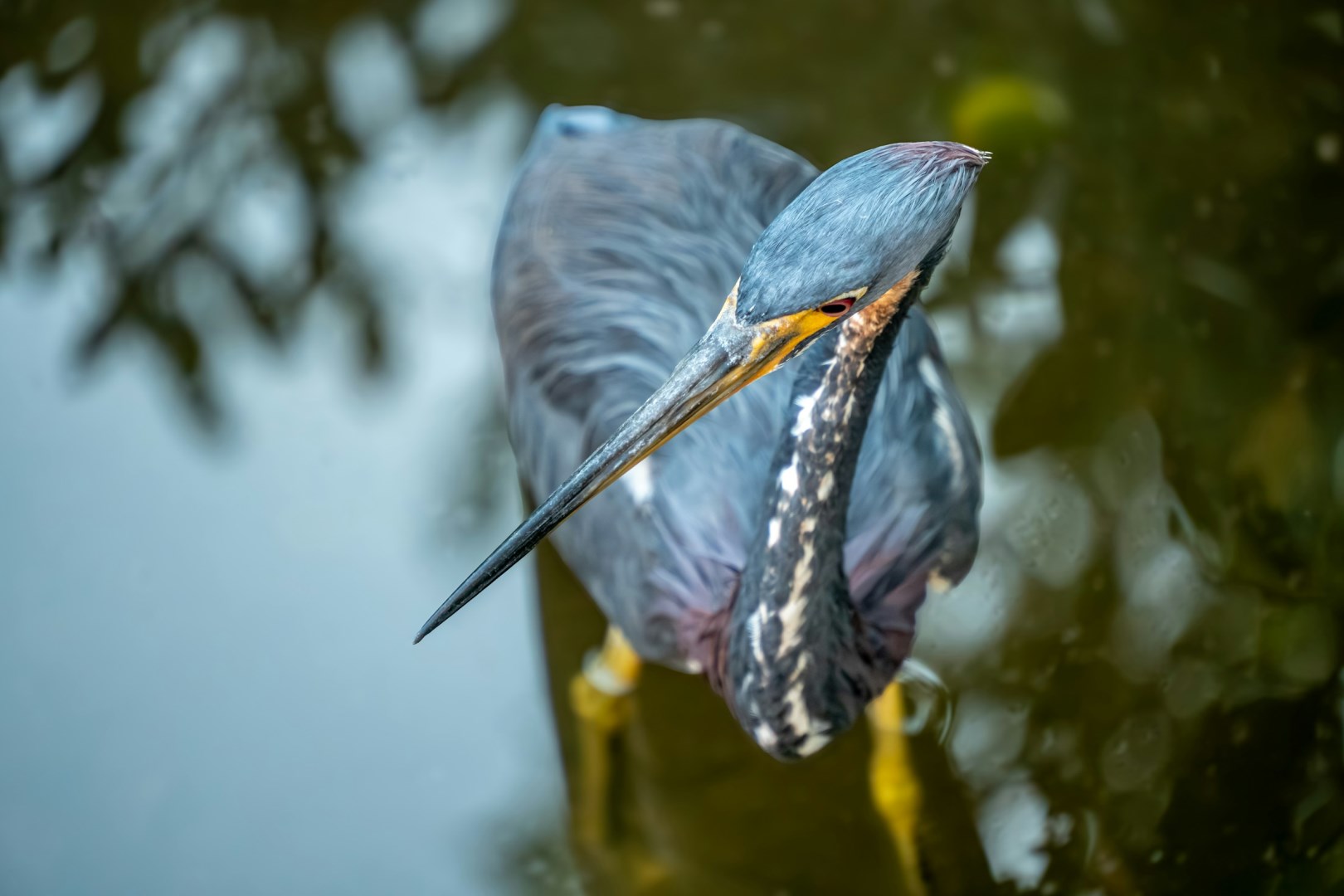
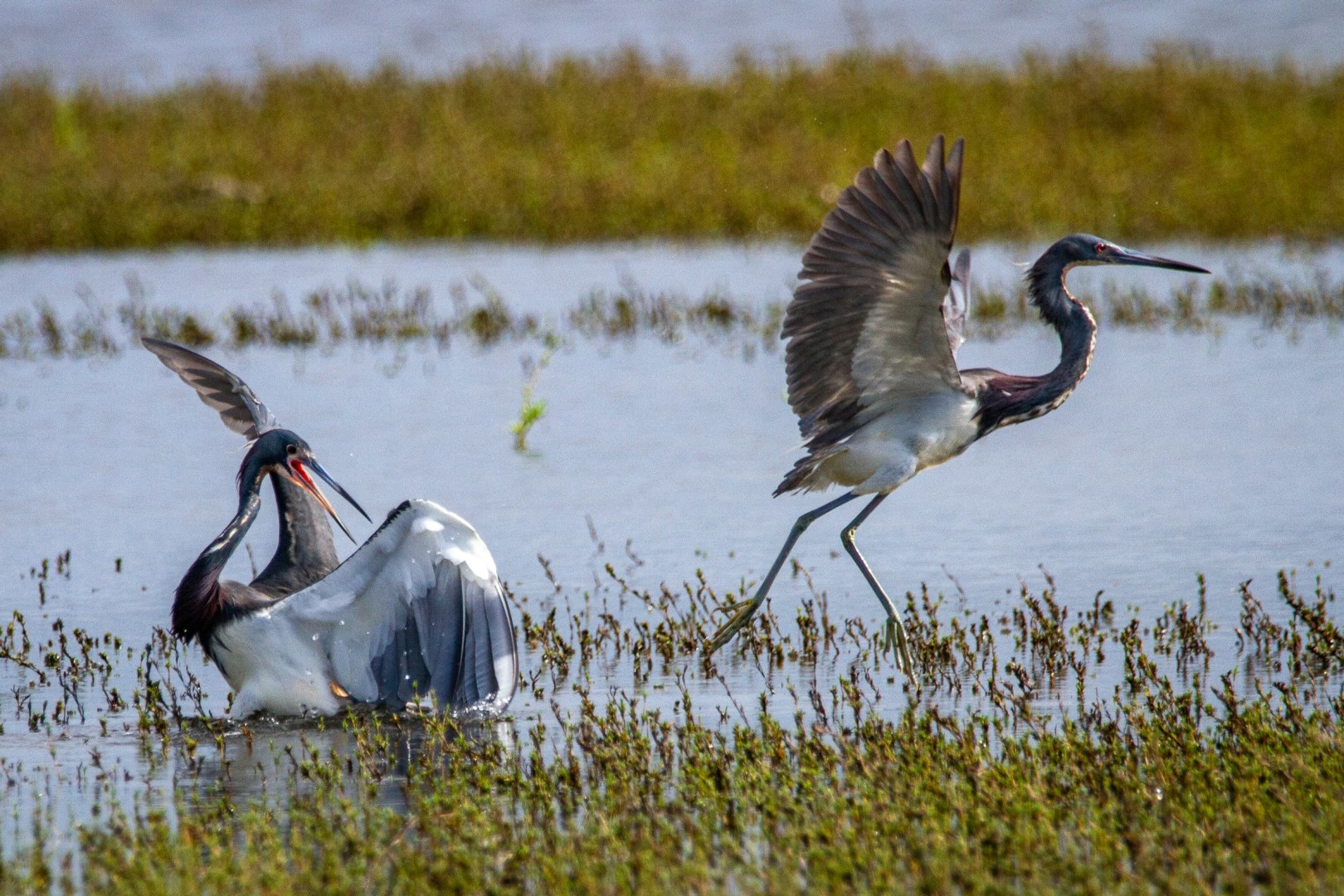
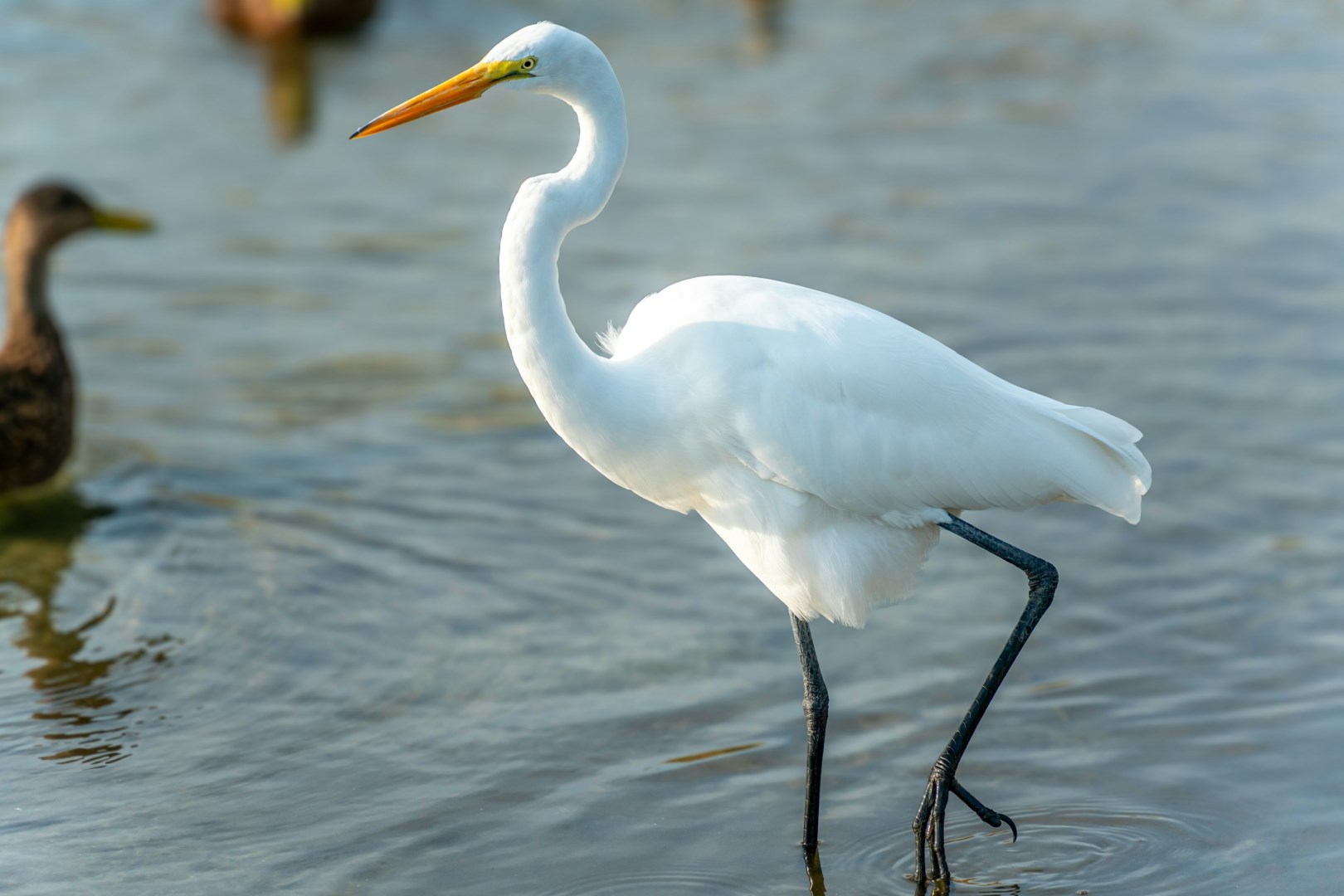
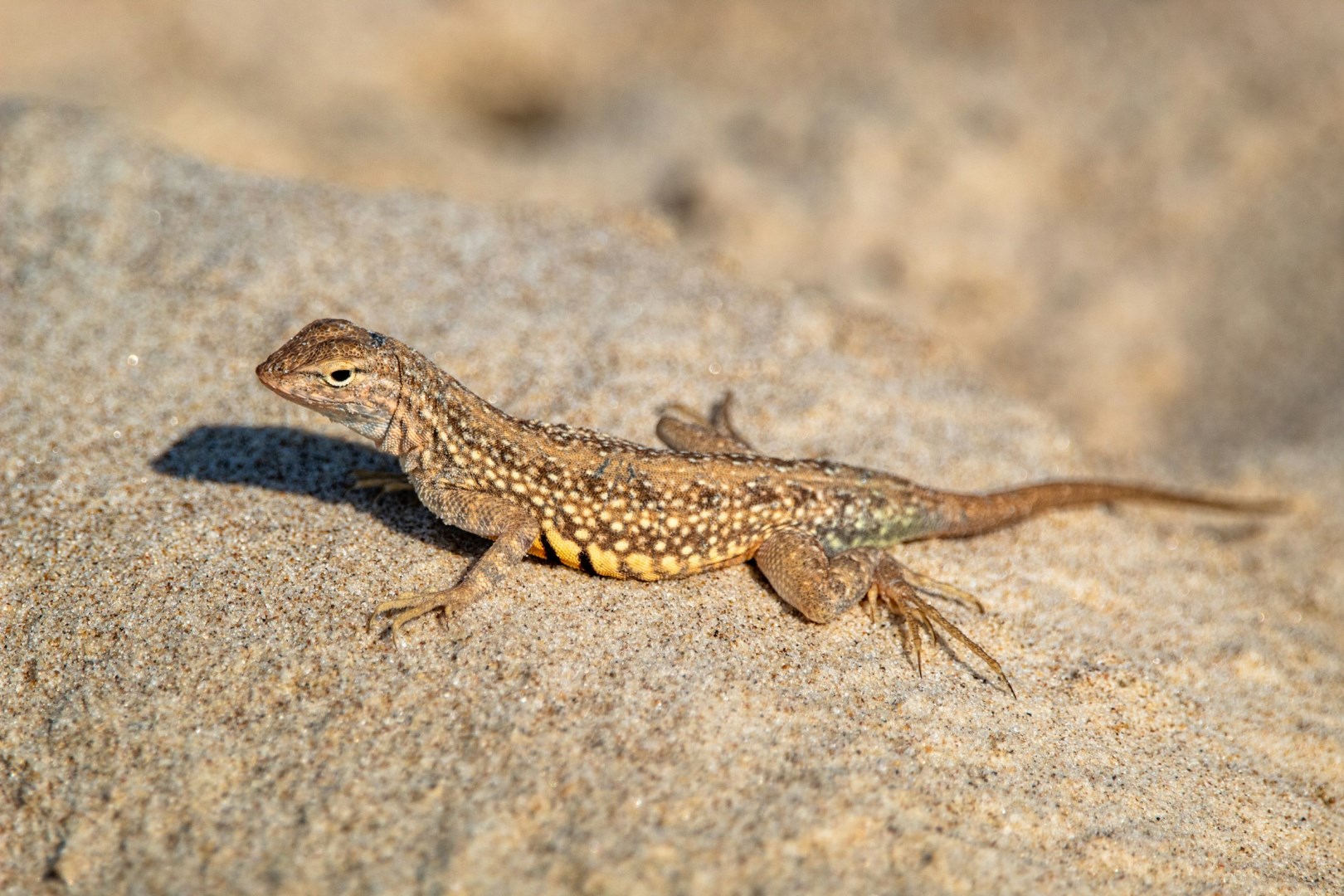
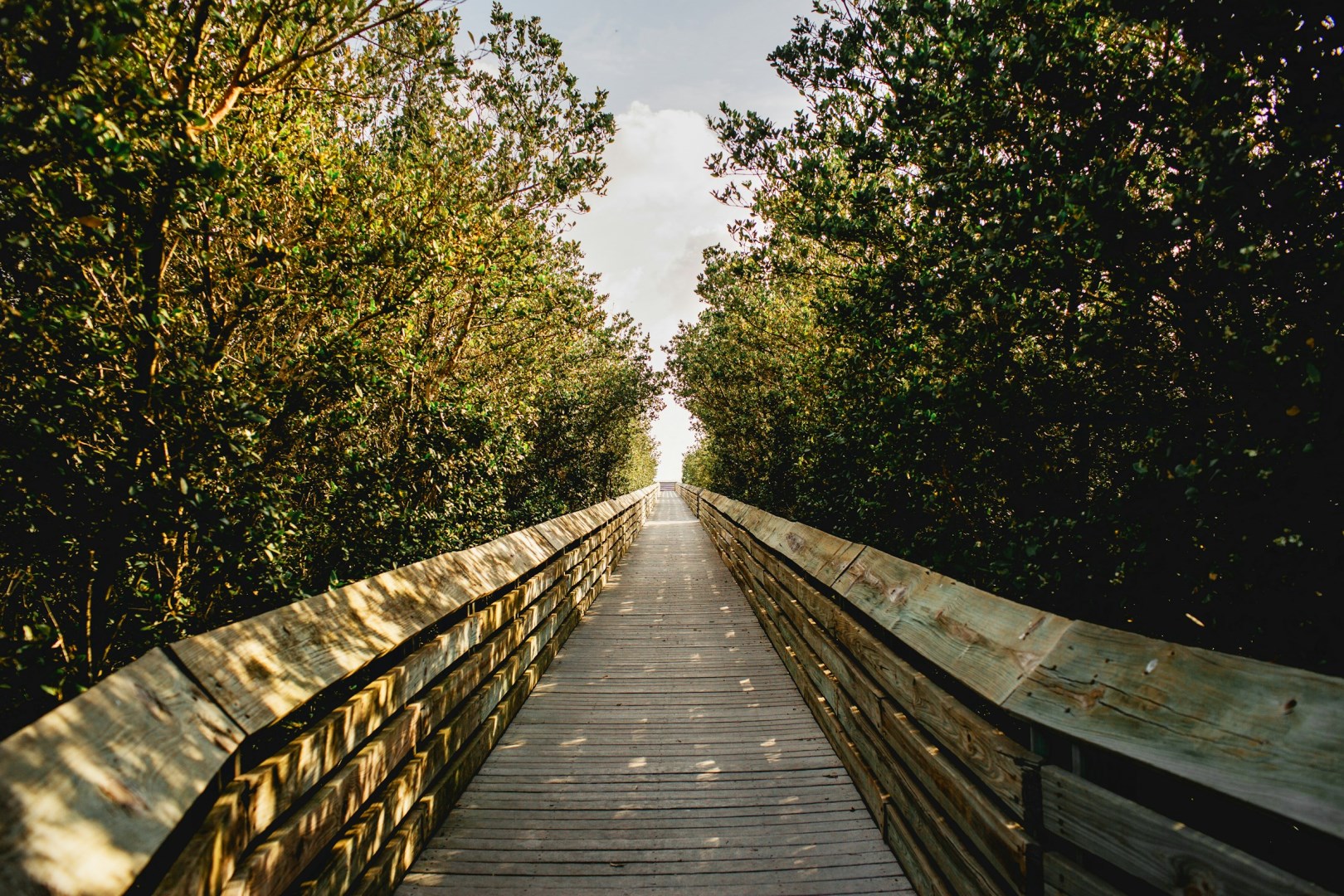
The island’s natural environment is its defining attraction. Padre Island National Seashore protects beaches, dunes, grasslands, tidal flats, and the Laguna Madre, one of the few hypersaline lagoons in the world. The shoreline provides nesting habitat for Kemp’s ridley sea turtles, while the shallow waters and wetlands support shorebirds, wading birds, fish, and other coastal wildlife. Visitors can explore the beach, paddle in the lagoon, fish, camp, hike, and observe wildlife. The island’s wide beaches and shifting dunes also demonstrate how barrier islands are continually shaped by wind, waves, storms, and currents.
Seafood is central to the food culture around Padre Island, with Gulf shrimp, red snapper, oysters, and other locally caught species appearing on menus in nearby coastal communities. The island is also known for fishing, birdwatching, kayaking, wind-based watersports, and seasonal sea turtle conservation activities. One of its most distinctive features is the contrast between developed coastal communities and the protected shoreline of Padre Island National Seashore. This combination allows visitors to experience both a working and recreational Gulf Coast environment and a largely undeveloped barrier-island ecosystem within the same broader island landscape.
Other Popular Destinations in Texas