South America | South Georgia | Mount Paget
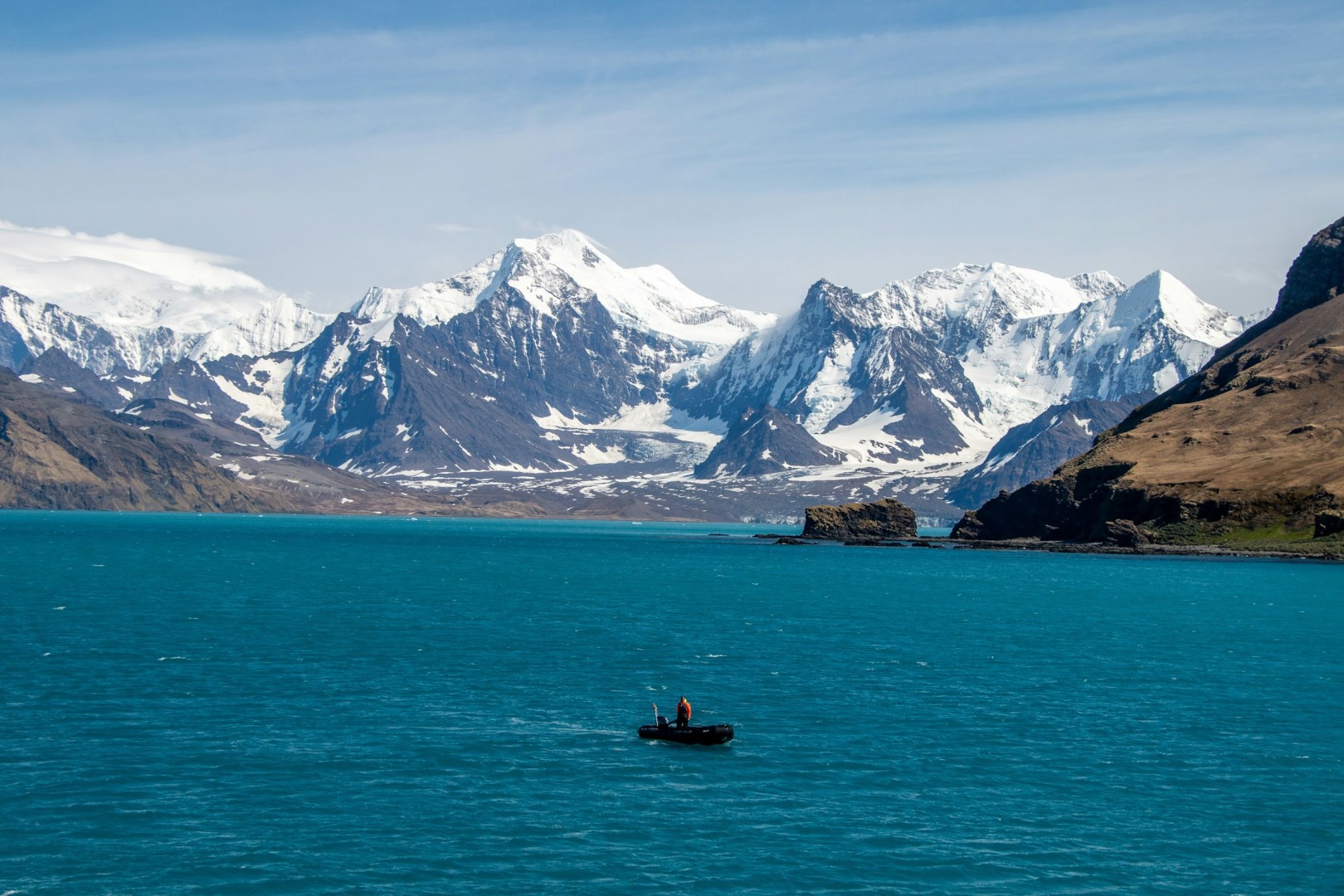
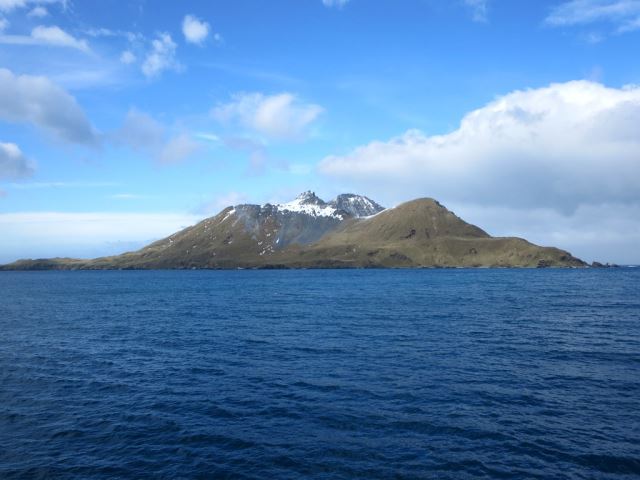
Mount Paget is the highest mountain on South Georgia, rising prominently above the interior of the island and forming part of the Allardyce Range. Its slopes are covered by glaciers, snowfields, and exposed rock, creating a rugged profile that dominates views from surrounding coastal areas. The mountain is located near the island’s central region and is best appreciated from a distance, particularly from valleys, fjords, and coastal waters. Its scale provides a clear illustration of South Georgia’s mountainous character and extensive glaciation.
Mount Paget has an important place in South Georgia’s history of exploration and mountaineering. The mountain was named after Lord Paget, a British naval officer, and its difficult terrain has attracted mountaineers seeking to cross and climb the island’s high interior. The surrounding Allardyce Range contains several major peaks and glaciers, forming a largely inaccessible wilderness away from the island’s coastal settlements. Today, Mount Paget is protected as part of the South Georgia environment, with human activity carefully controlled to safeguard the island’s ecosystems.
The mountain’s most distinctive feature is its heavily glaciated landscape. Large glaciers descend from the high ridges and connect with the valleys below, while steep rock faces rise between snow-covered slopes. From locations such as King Edward Cove and Grytviken, the broader mountain scenery of South Georgia can be viewed across the surrounding landscape. The lower valleys support tussock grass and other vegetation, contrasting with the snow and ice at higher elevations. Wildlife is concentrated mainly in the coastal and lower-lying areas rather than on the upper mountain.
Mount Paget is not a conventional visitor attraction with trails or facilities, and most travelers experience it from expedition vessels or established coastal sites. Its significance lies in the scale of the landscape and its role within South Georgia’s mountainous interior. Weather can change rapidly, and the upper slopes contain glaciers, crevasses, and steep terrain that make independent access unsuitable. Viewed from the coast, the mountain provides a striking backdrop to South Georgia’s wildlife-rich shoreline while representing the largely untouched alpine environment that characterizes much of the island.
Other Popular Destinations in South Georgia