
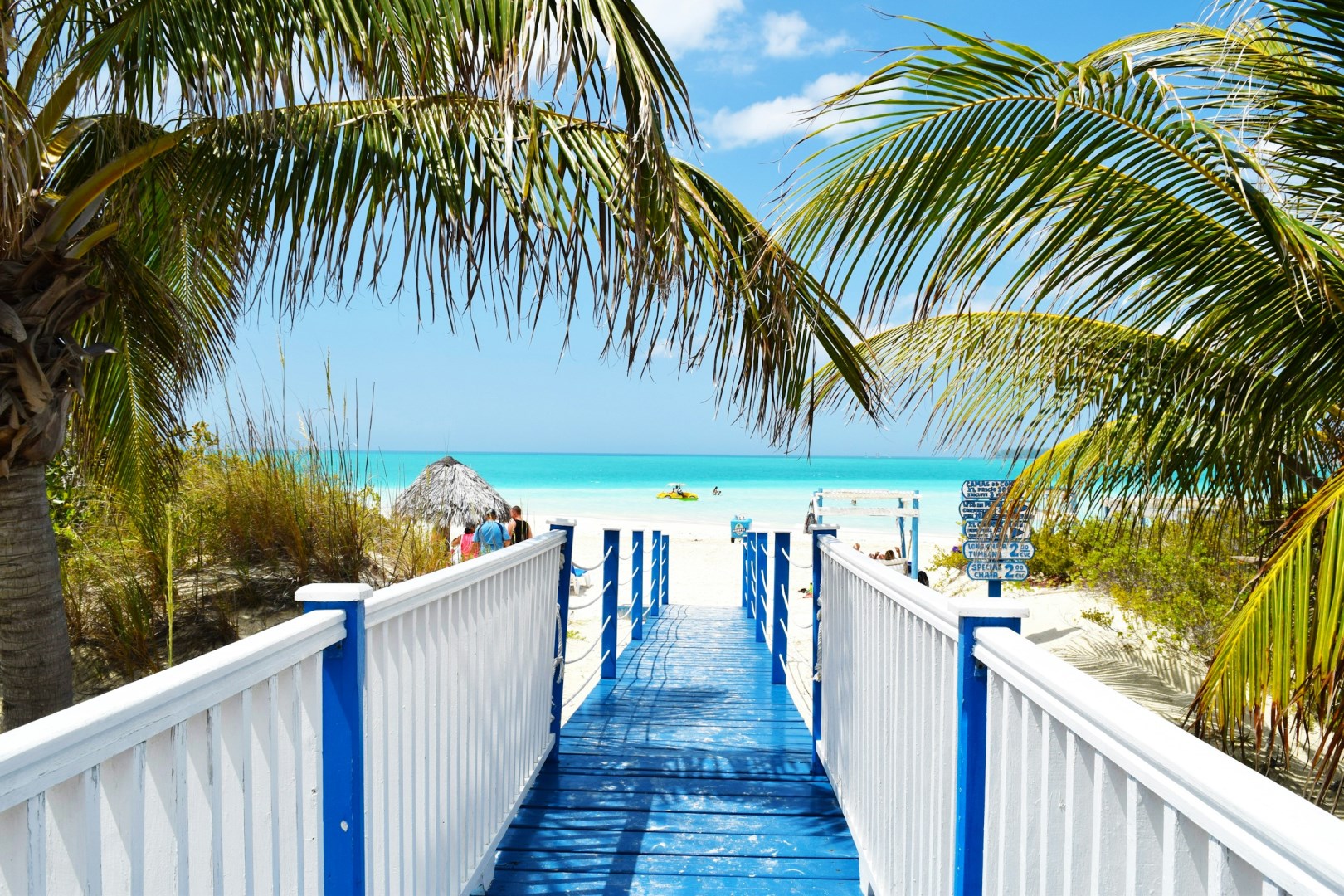
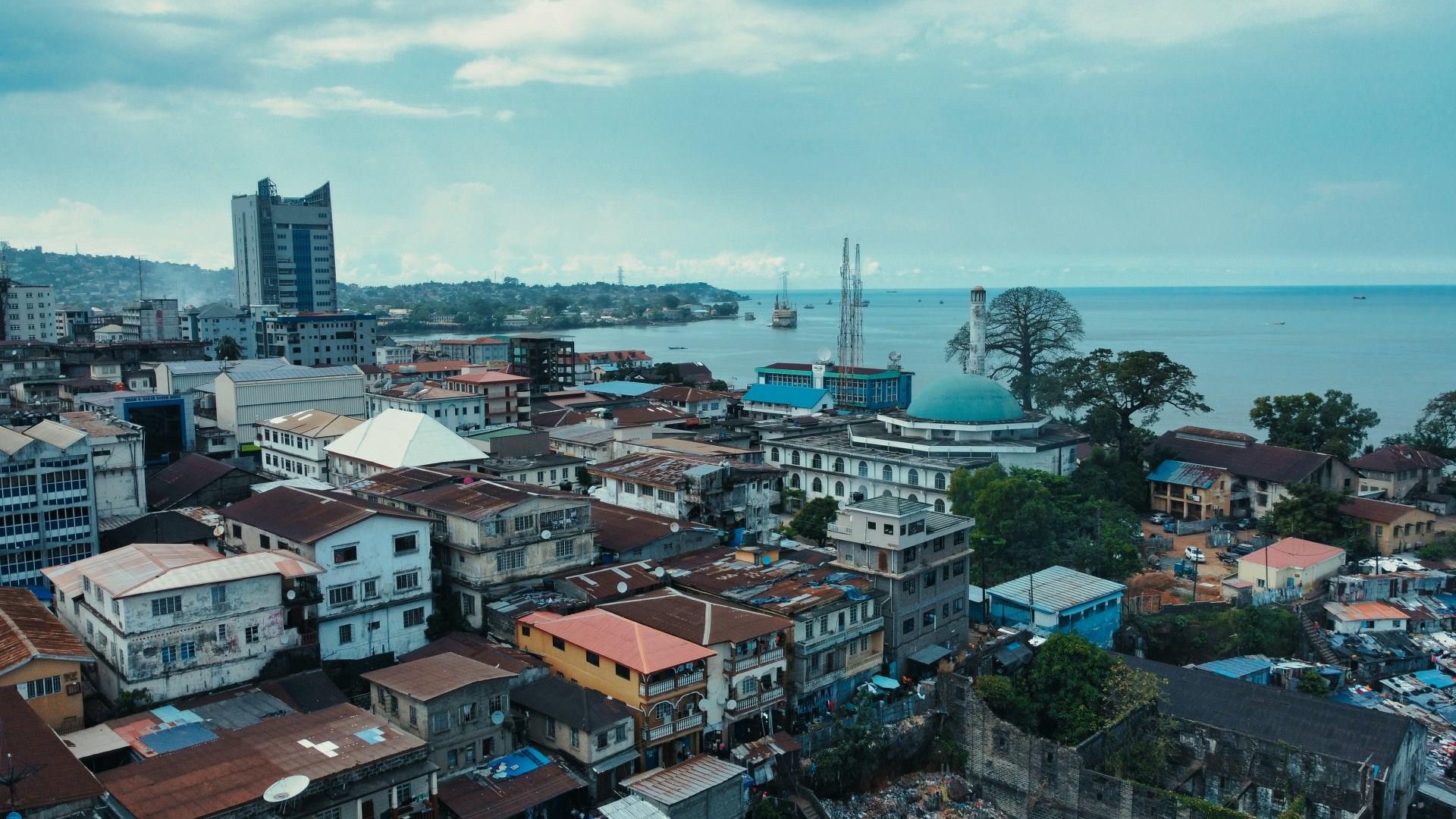


Port-Gentil is Gabon’s second-largest city and the main urban centre of Ogooué-Maritime Province. It occupies a low-lying position on Mandji Island, between the Atlantic Ocean and the waterways of the Ogooué River delta. With no direct road connection to Libreville, the city depends heavily on air and sea transport. Its port, petroleum facilities and timber industries give it an important role in Gabon’s economy. Beyond the industrial areas, Port-Gentil has residential neighbourhoods, markets and a long coastline, with beaches and mangrove-lined waterways beginning close to the city.
The city’s identity reflects both coastal traditions and the development of Gabon’s petroleum industry. Myene peoples, including Orungu communities, have longstanding connections with the Ogooué delta and its fishing and maritime networks. French is widely used, alongside Gabonese languages spoken by communities drawn from different parts of the country. The Musée de la Culture in Port-Gentil presents objects connected with Gabonese traditions, including masks and ceremonial pieces. Local life also remains closely linked to the water, with fishing boats, port traffic and travel through the delta continuing alongside the modern industries that have shaped the city.
Port-Gentil is bordered by beaches, lagoons, mangroves and the complex channels of the Ogooué delta. Cap Lopez, north of the city, marks a prominent point on Gabon’s Atlantic coast and is associated with the area’s petroleum infrastructure and maritime activity. Sogara Beach, south of central Port-Gentil, provides a long sandy shoreline backed by coastal vegetation. Farther from the city, the wider Ogooué-Maritime region contains major protected landscapes, including Loango National Park, where lagoons, savannas, rainforest and ocean beaches occur within the same ecosystem. These environments support forest elephants, primates, hippopotamuses and extensive birdlife.
Seafood is an important part of eating in Port-Gentil, particularly fish and shellfish from Atlantic and estuarine waters. Fish may be grilled, smoked or cooked in sauces and served with cassava, plantain or rice. Nyembwe, a sauce prepared from oil-palm fruit pulp, is another characteristic element of Gabonese cooking and may accompany chicken or fish. Markets also sell tropical fruits, vegetables and smoked products brought from surrounding communities. Port-Gentil’s island setting is an unusual practical detail: despite its economic importance, travel to other major Gabonese cities generally requires a flight, boat journey or a combination of transport across waterways and mainland roads.
