



Africa | South Africa | Drakensberg
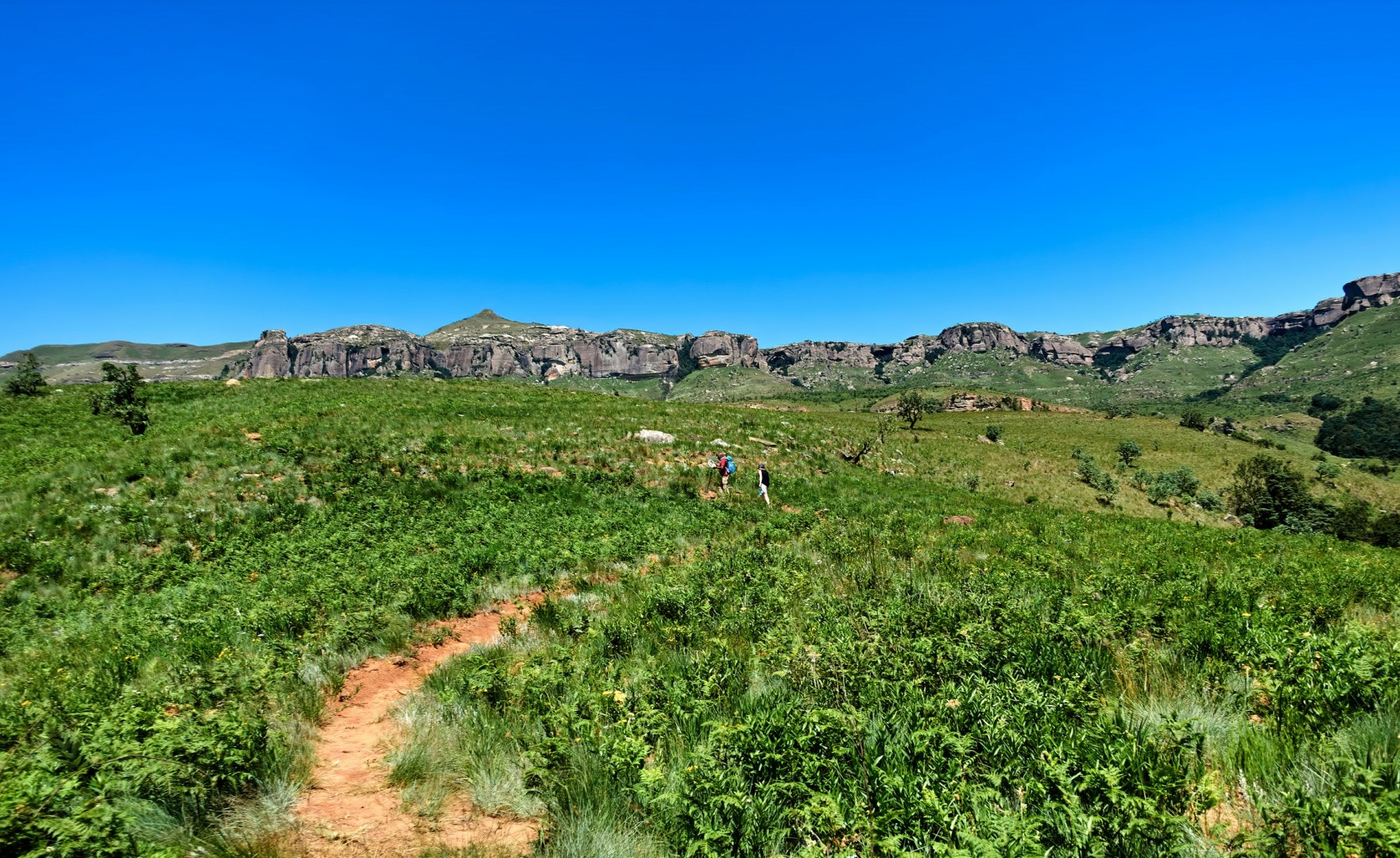
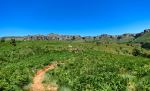
The Drakensberg is a mountain range in southern Africa, extending across eastern South Africa and along the border with Lesotho, where the highlands are known as Maloti. Its name means “Dragon Mountains” in Afrikaans, while the Zulu name uKhahlamba means “barrier of spears.” The range contains some of the highest mountains in the region, with steep basalt cliffs, sandstone formations, deep valleys and extensive grasslands. Much of the best-known scenery lies in KwaZulu-Natal, where protected areas preserve mountain habitats and walking routes. The Drakensberg is also an important water catchment, supplying rivers that support communities and agriculture far beyond the mountains.
The Drakensberg has deep cultural significance, particularly through the rock art created by San communities who lived and travelled through the mountains. Thousands of paintings survive in caves and rock shelters, depicting animals, human figures, hunting scenes and spiritual practices. These artworks are among the principal reasons for the UNESCO recognition of the Maloti-Drakensberg Park. The mountains also form part of the cultural landscape of Zulu, Sotho and other communities, whose traditions include livestock keeping, music, storytelling and the use of mountain plants. Rural settlements and grazing lands continue to reflect the close relationship between local communities and the highland environment.
The Drakensberg contains several of South Africa’s most recognizable mountain landmarks. The Amphitheatre in Royal Natal National Park forms a vast curved wall of cliffs, with the Tugela Falls descending from the high escarpment. Cathedral Peak, Giant’s Castle and Champagne Castle are other prominent formations, surrounded by hiking trails, grasslands and rocky valleys. The Sani Pass provides a dramatic mountain route between KwaZulu-Natal and Lesotho, climbing through steep terrain toward the high plateau. Wildlife includes eland, baboons, mountain reedbuck and numerous bird species, including the endangered bearded vulture. Alpine grasslands and mountain wetlands support plants adapted to cold winters and seasonal rainfall.
