


Antarctica | Antarctica | Wiencke Island
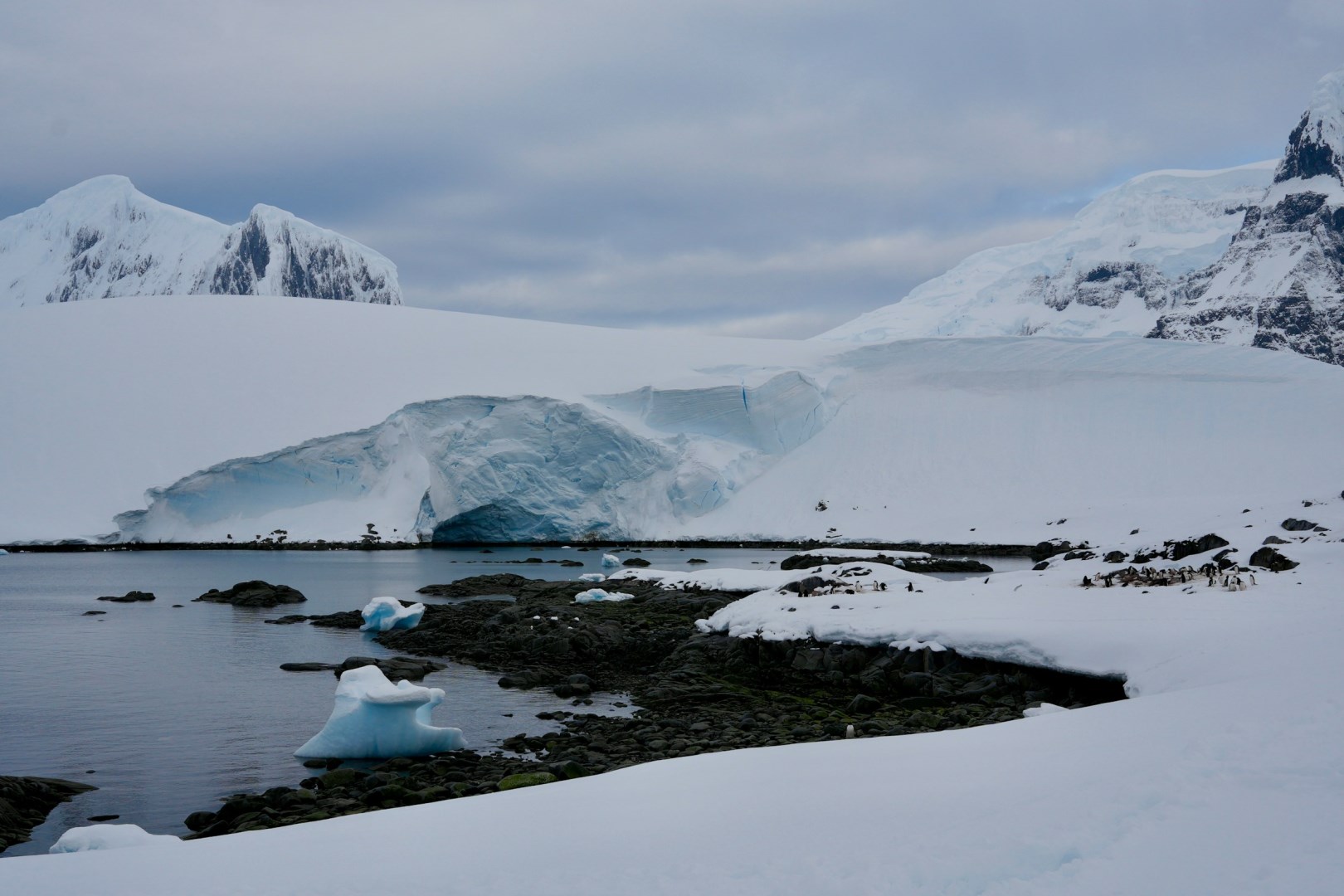
Wiencke Island lies off the west coast of the Antarctic Peninsula, separated from Anvers Island by the narrow Gerlache Strait. The island is mountainous and heavily glaciated, with steep slopes rising from a rugged coastline of rocky shores, snowfields, and ice. Several sheltered coves provide access for expedition vessels, while the surrounding waters are often dotted with icebergs and sea ice. Wiencke Island forms part of the Palmer Archipelago and is notable for its combination of dramatic coastal scenery, historic Antarctic sites, and important habitats for penguins and seabirds.
The island has strong links to Antarctic exploration and scientific activity. It was named after Carl August Wiencke, a sailor who took part in the Belgian Antarctic Expedition and died during the expedition. Port Lockroy, on nearby Goudier Island, is one of the region’s best-known historic sites, while Wiencke Island itself contains the former British Antarctic Survey station at Damoy Point. The hut at Damoy was used as a transit facility for personnel and aircraft operations, and it is now preserved as an Antarctic historic site.
Wiencke Island supports a range of Antarctic wildlife, with gentoo penguins among the most recognizable species found along its coast. Seabirds use the island’s rocky terrain for nesting, while seals and whales can occur in the surrounding waters. One of the island’s notable landmarks is Neko Harbour, a sheltered bay on the Antarctic Peninsula expedition route, where glaciers descend toward the sea and large icebergs may gather offshore. Depending on conditions, visitors may explore shorelines, observe wildlife, or take small-boat excursions through nearby channels.
The island’s distinctive character comes from the close proximity of mountains, glaciers, historic structures, and marine habitats. Damoy Point offers an example of how Antarctic field stations were adapted to remote conditions, while nearby glaciers demonstrate the continuing influence of ice on the peninsula’s landscape. Visitors are required to respect protected historic sites and maintain appropriate distances from wildlife. Because weather, sea ice, and glacier activity can change conditions quickly, access to particular landing sites around Wiencke Island depends on local circumstances and expedition planning.
