

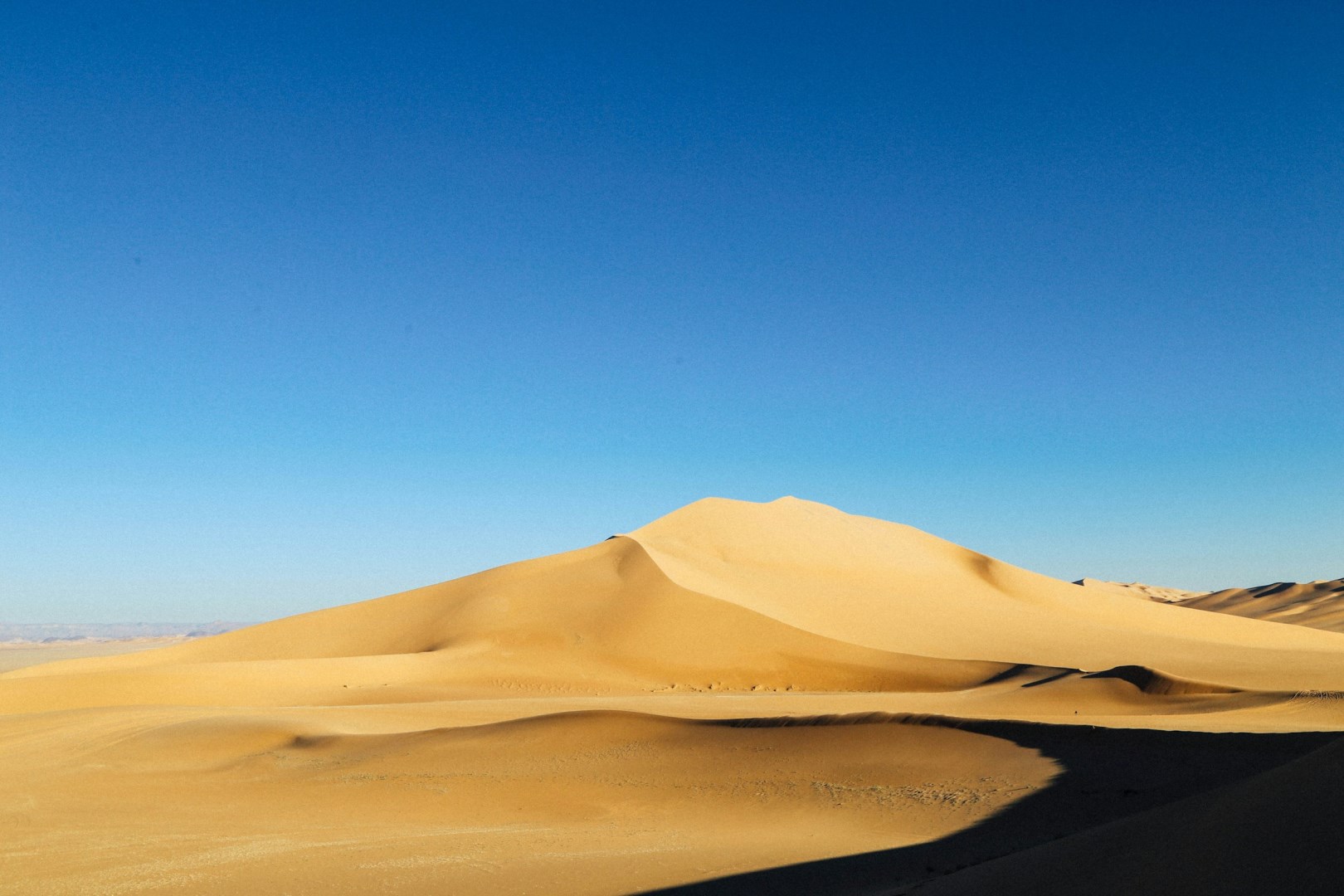
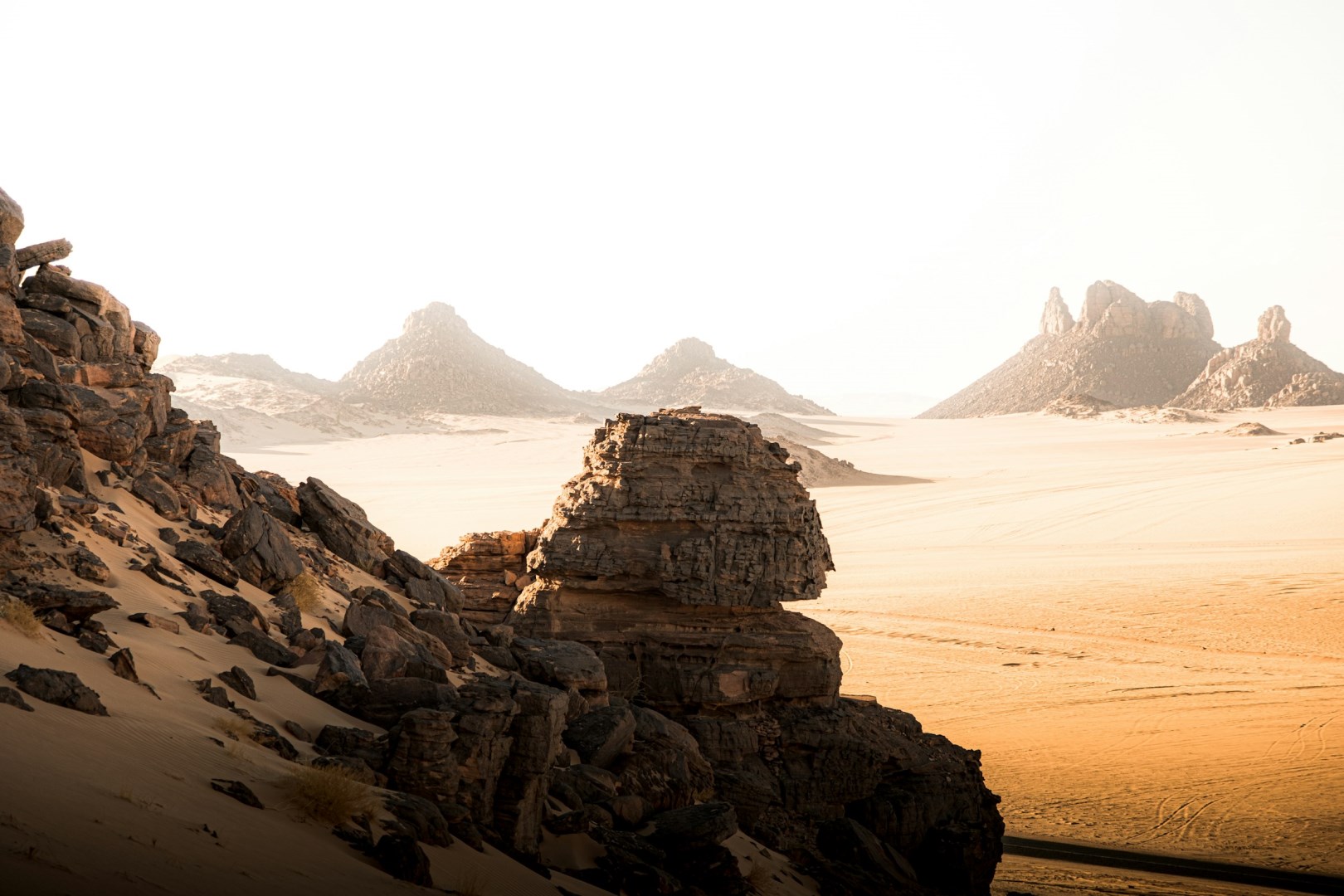
Djanet is a small oasis town in southeastern Algeria, situated in the Tassili n’Ajjer region near the border with Libya. It is surrounded by a vast desert landscape of sandstone plateaus, rocky valleys, and palm-filled oases. The town serves as an important gateway to the Tassili n’Ajjer, a UNESCO World Heritage site known for its unusual rock formations and extensive collection of prehistoric rock art. Djanet’s remote setting and connection to the surrounding Tuareg communities give it a distinct cultural identity within the Algerian Sahara.
The culture of Djanet is closely connected to the Tuareg people, whose traditions are deeply rooted in life across the Sahara. Local identity can be seen in traditional clothing, handicrafts, music, and the use of the Tifinagh writing system. The Sebeiba is one of the region’s best-known cultural traditions, bringing together music, dancing, ceremonial clothing, and community gatherings in Djanet. The town’s oasis environment has also supported settled life amid the desert, with date palms and small agricultural plots forming an important part of the local landscape.
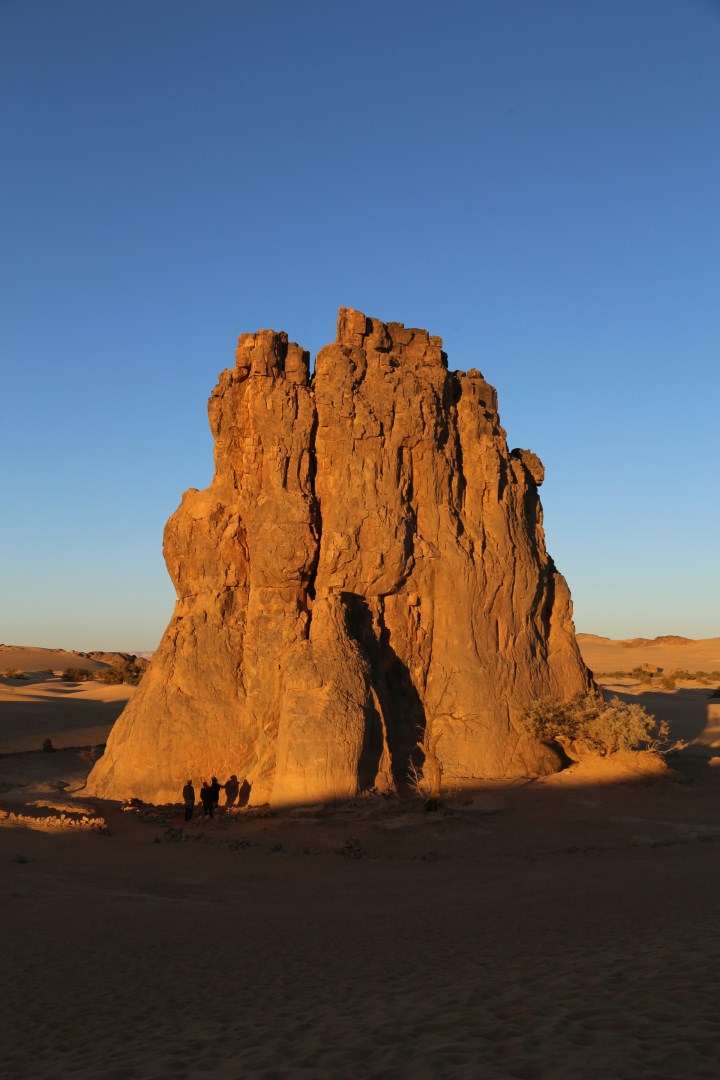
The main attraction around Djanet is Tassili n’Ajjer National Park, a vast plateau landscape shaped by wind and erosion. Its sandstone formations create arches, cliffs, canyons, and natural corridors that can be explored with local guides. The region is particularly important for its prehistoric rock paintings and engravings, which depict animals, people, and scenes from periods when the Sahara had a very different environment. Nearby sites such as the Essendilène Canyon provide another view of the area, with towering rock walls, desert vegetation, and natural springs contrasting with the surrounding dry terrain.
Djanet’s oasis supports date palms and other crops, while local Tuareg cooking makes use of grains, dates, vegetables, and meat. One of the region’s distinctive foods is taguella, a traditional Tuareg flatbread often baked directly in heated desert sand and served with a sauce or stew. Another notable feature is the extraordinary archaeological record around Djanet: Tassili n’Ajjer contains thousands of prehistoric rock images spread across its sandstone landscapes. These artworks provide evidence of changing environments and human activity in the Sahara, making the area important for both cultural heritage and desert exploration.
Other Popular Destinations in Algeria