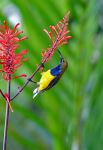
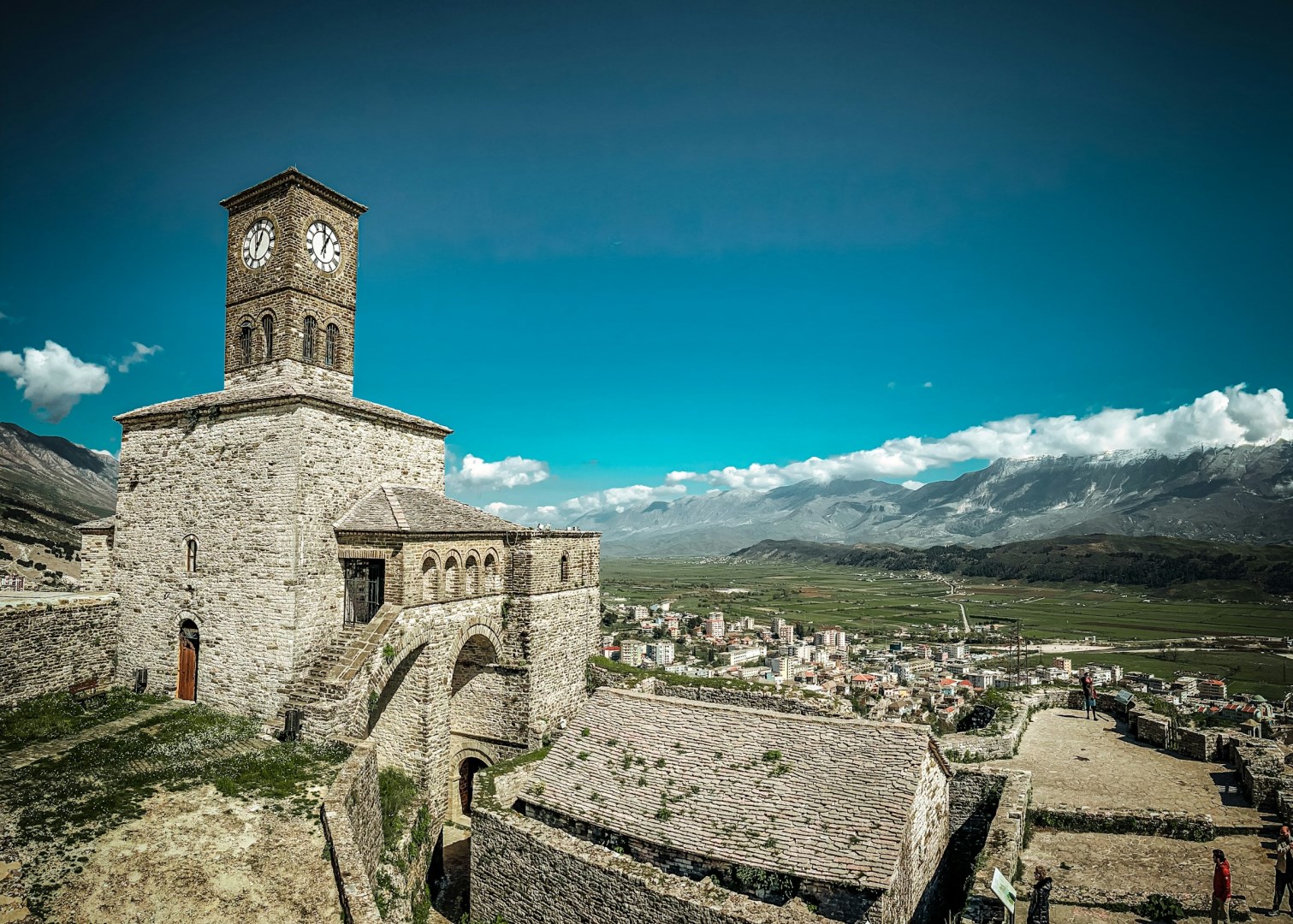
Suchitoto, located in the Cuscatlán department of El Salvador, is a hilltop town known for its cobblestone streets and scenic views of Lake Suchitlán. Once an important center for indigo production, the town still celebrates its dye-making history through artisan workshops where visitors can learn to create textiles using natural indigo. The name “Suchitoto” comes from the Nahuatl language and means “place of flowers and birds,” a nod to the area’s diverse birdlife and surrounding vegetation.
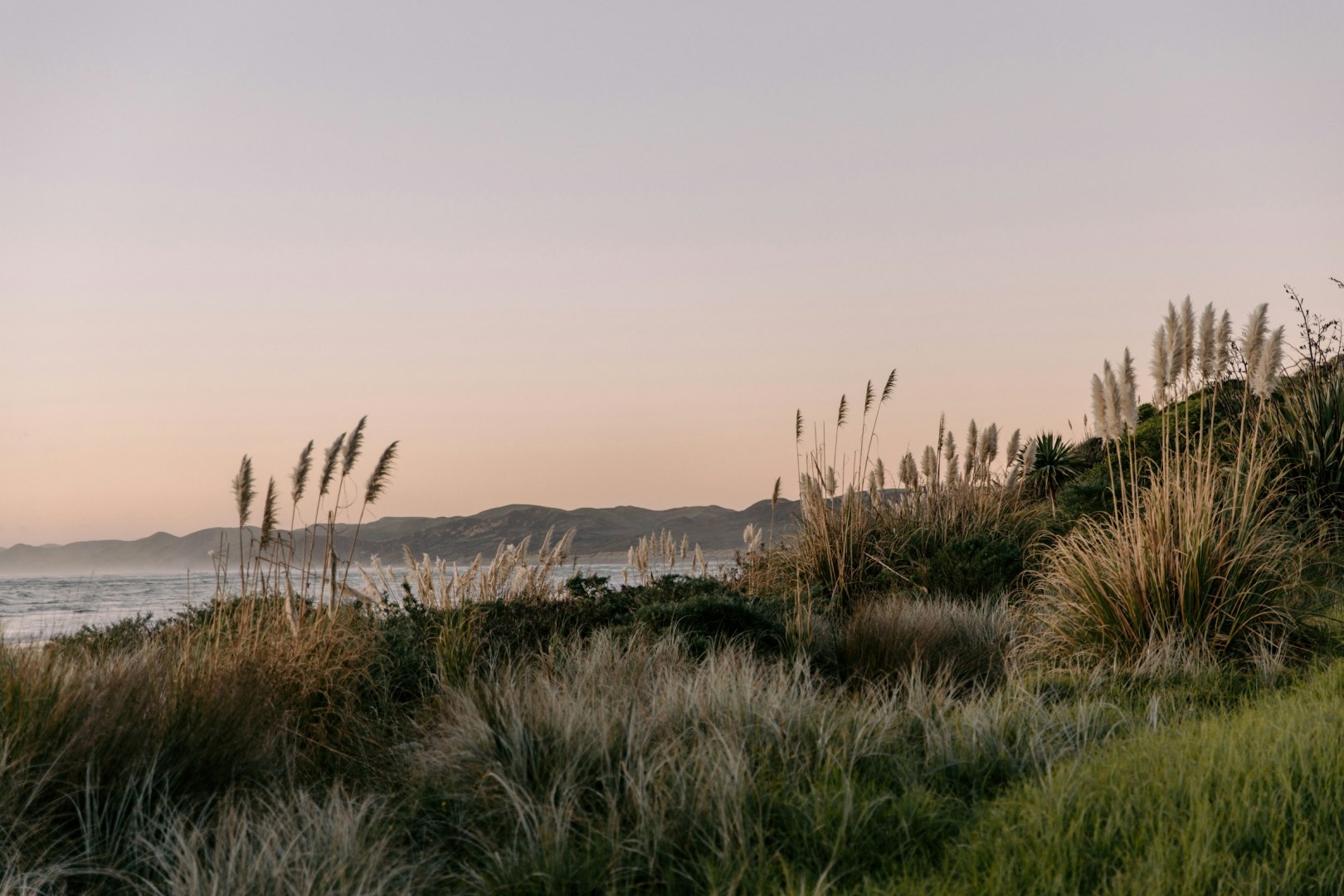
Kings Canyon, located in Australia’s Northern Territory within Watarrka National Park, is one of the Red Centre’s most striking natural landmarks. Carved over millions of years, the canyon holds deep cultural significance for the Anangu people, particularly the Luritja, for whom the area remains a sacred landscape tied to creation stories, ceremony, and traditional knowledge.
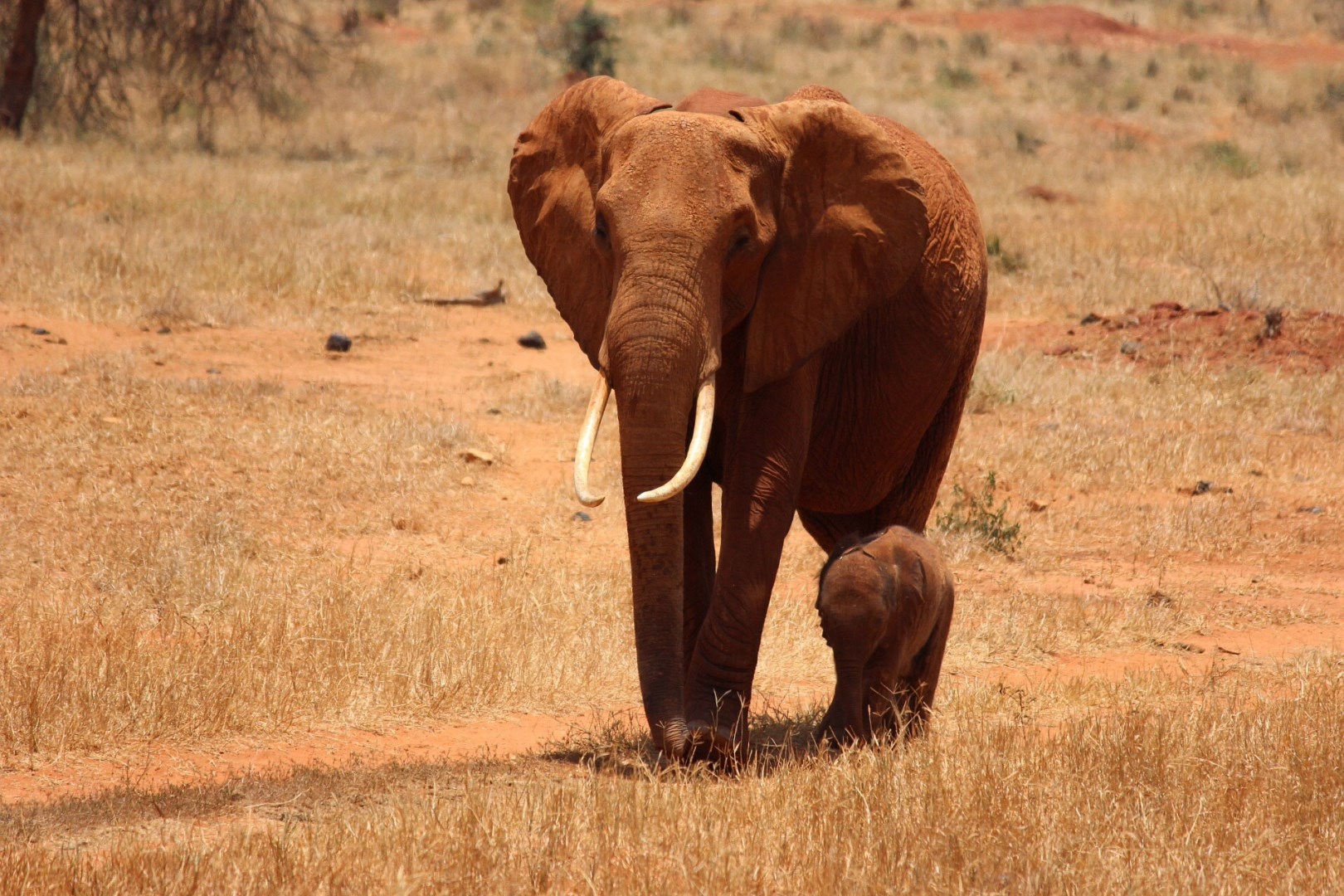
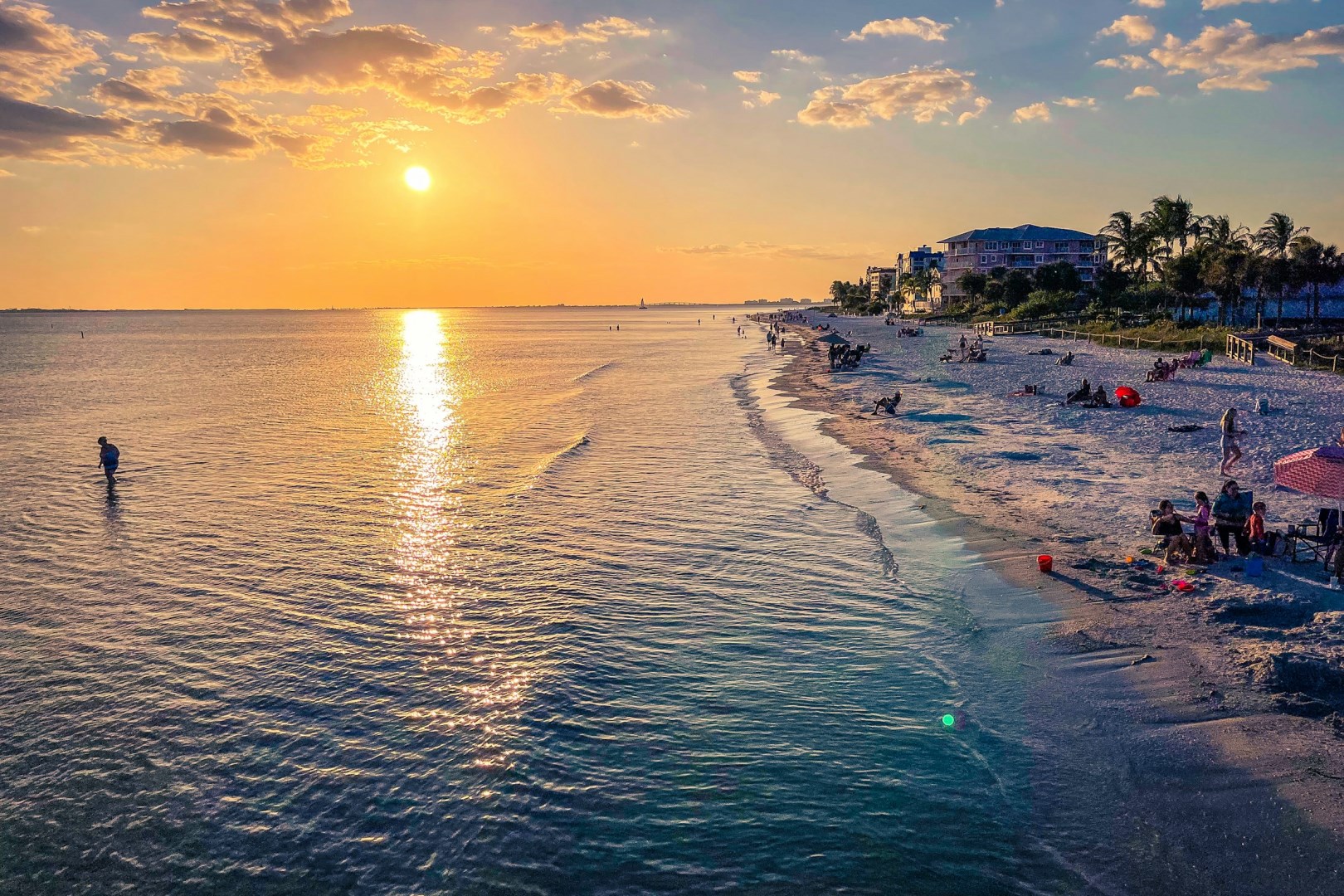
Kapama Private Game Reserve is a vast wildlife sanctuary located in South Africa’s Limpopo province, bordering the greater Kruger region. Spanning more than 13,000 hectares, the reserve plays an important role in conservation while offering visitors an immersive experience in one of Africa’s most celebrated ecosystems.
Cape Town, located at the southern tip of South Africa, is one of the world’s most striking coastal cities. Towering over it is Table Mountain, a flat-topped landmark that can be reached by cable car or on foot, offering sweeping views of the city, ocean, and beyond.
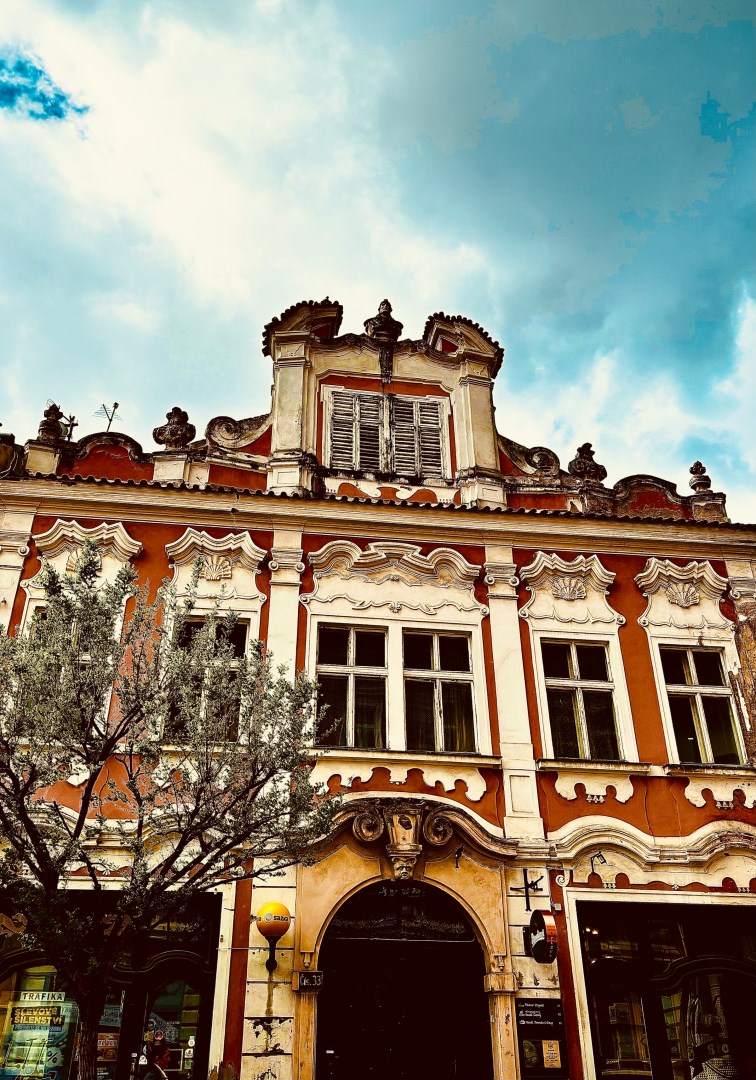
This vibrant and picturesque city sits near the German border and is the 2nd most popular tourist city in France. Its historic city center is classified a World Heritage Site by UNESCO, and the Stasbourg Cathedral is one of the finest examples of Rayonnant Gothic architecture.
Luxembourg, a small yet influential country in the heart of Europe, offers visitors a rich blend of historic sites and contemporary culture. The capital city, Luxembourg City, is famous for its dramatic cliffs and ancient fortifications that have earned it a UNESCO World Heritage status. Walking through the old quarters, visitors can explore the casemates that reveal layers of the city’s military past.
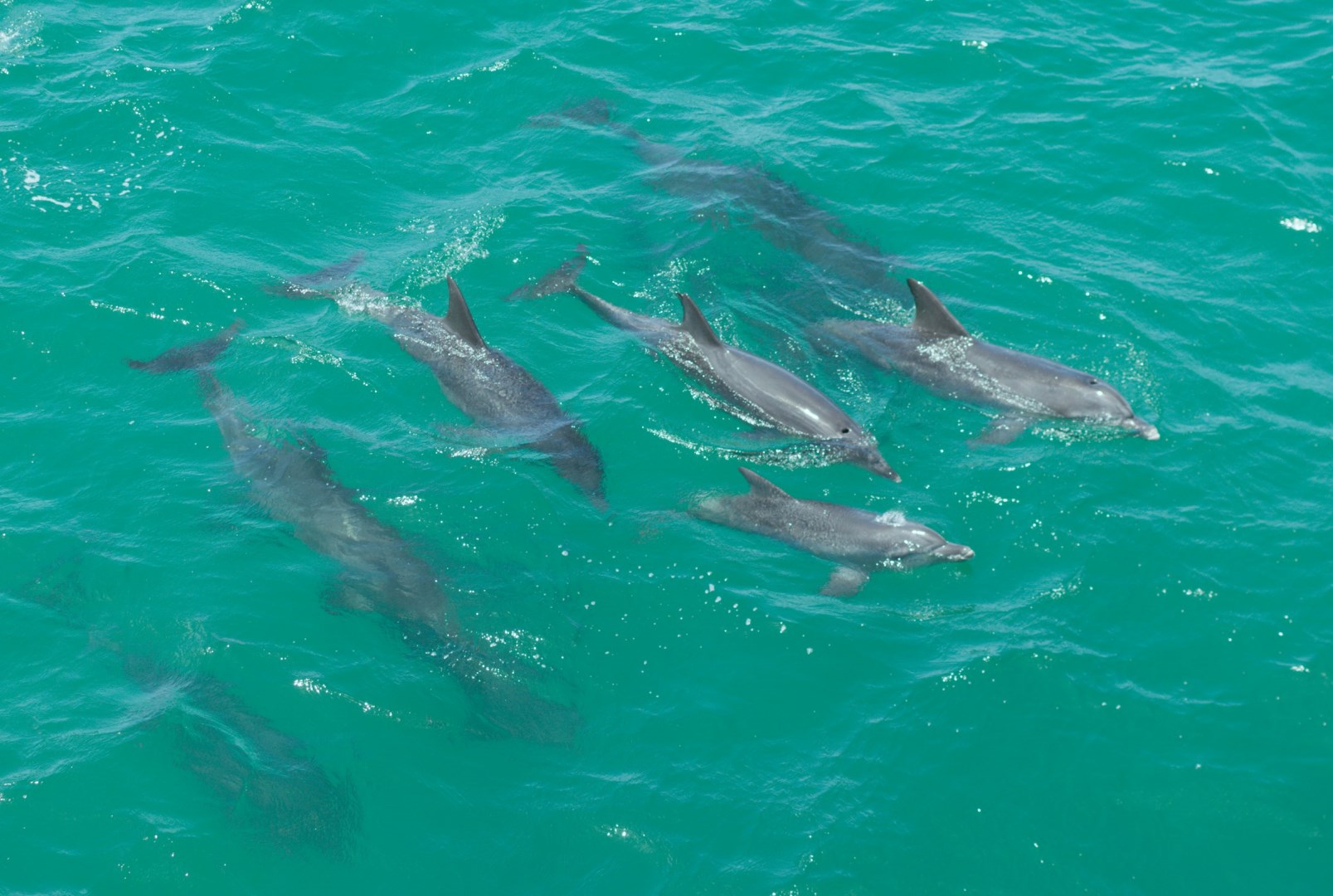
Photo Credit: Photo by Pascal Bernardon on Unsplash
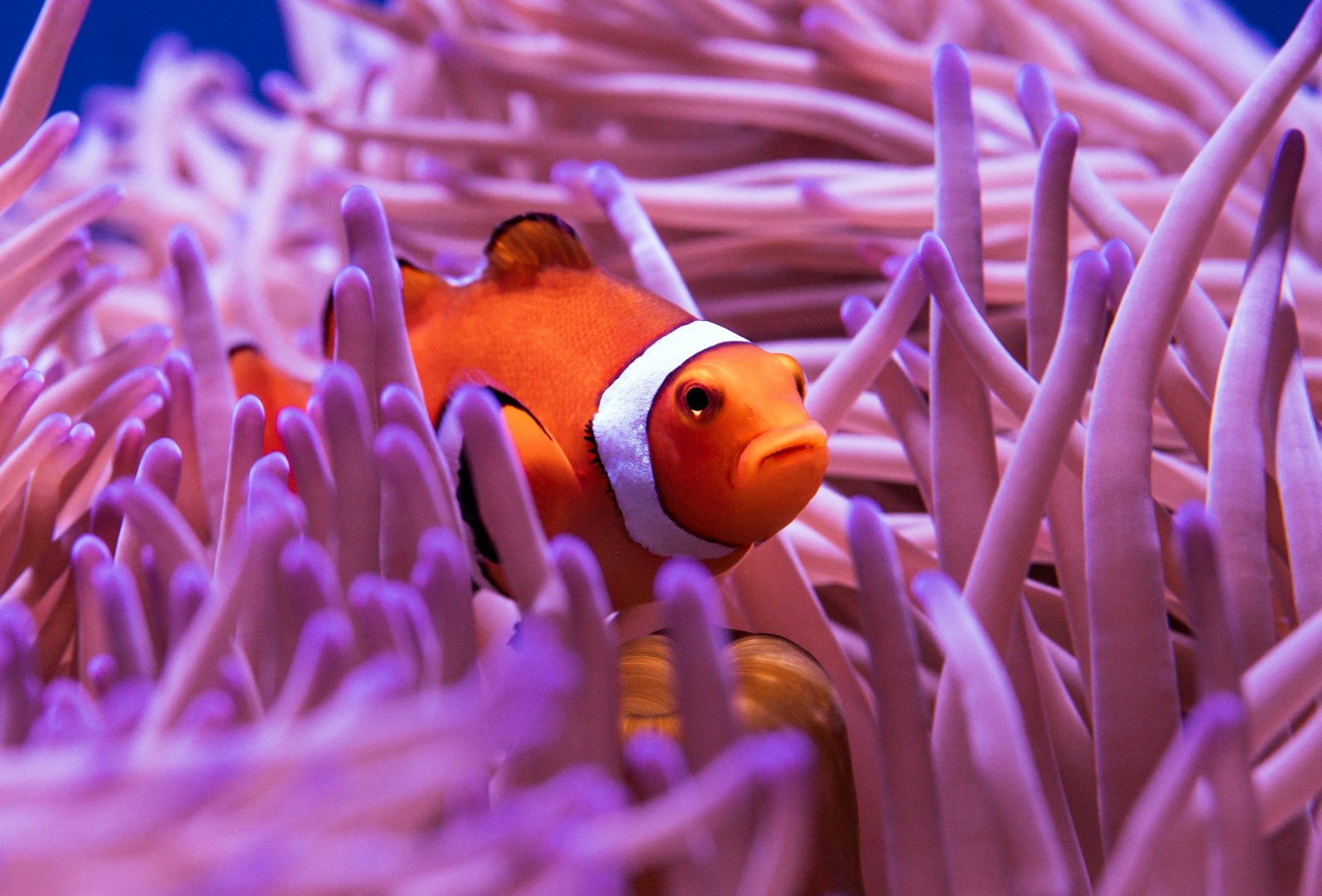
Clown Anemonefish at the Cairns Aquarium
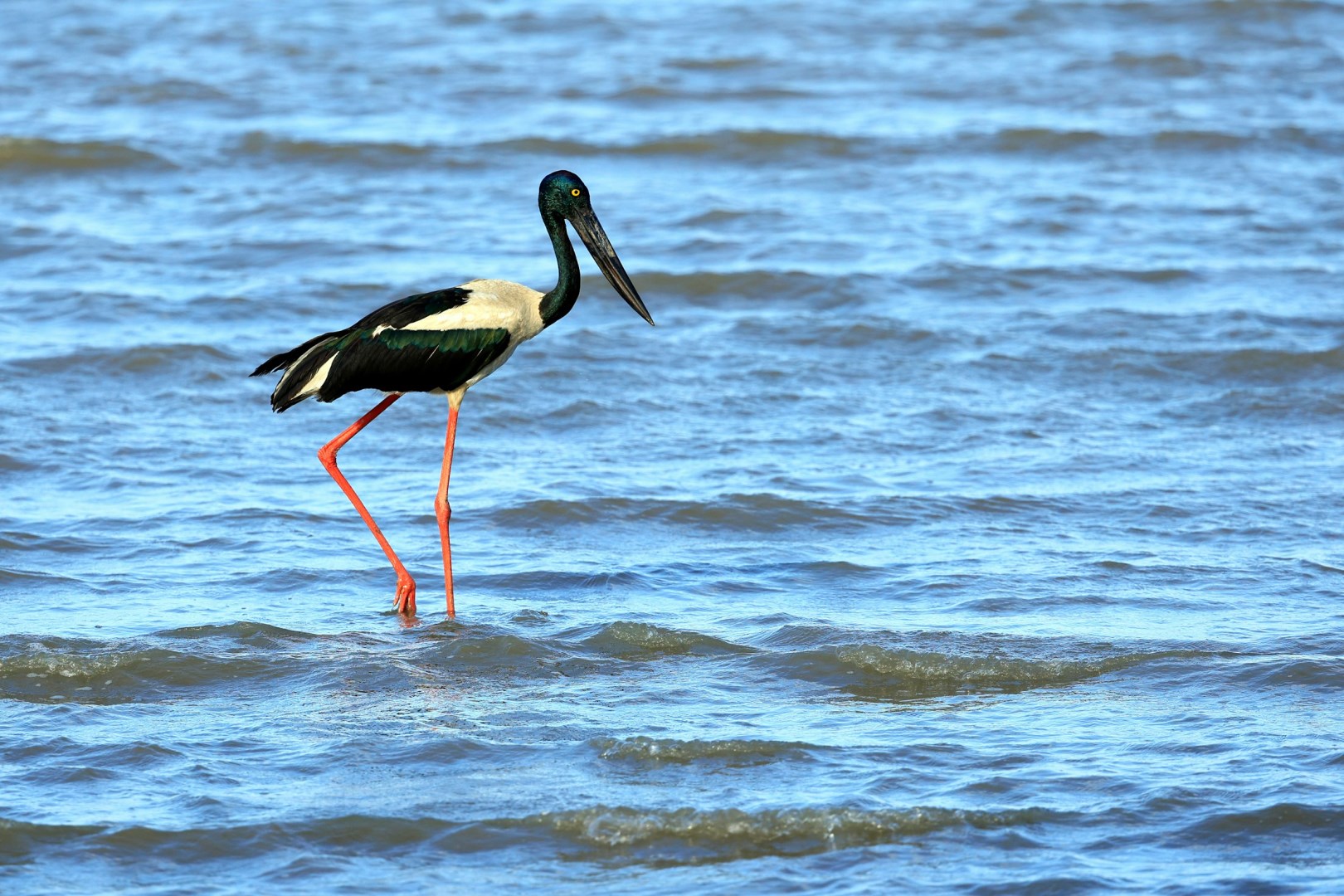
Photo Credit: Photo by David Clode on Unsplash
Photo Credit: Photo by Kikki Starr on Unsplash
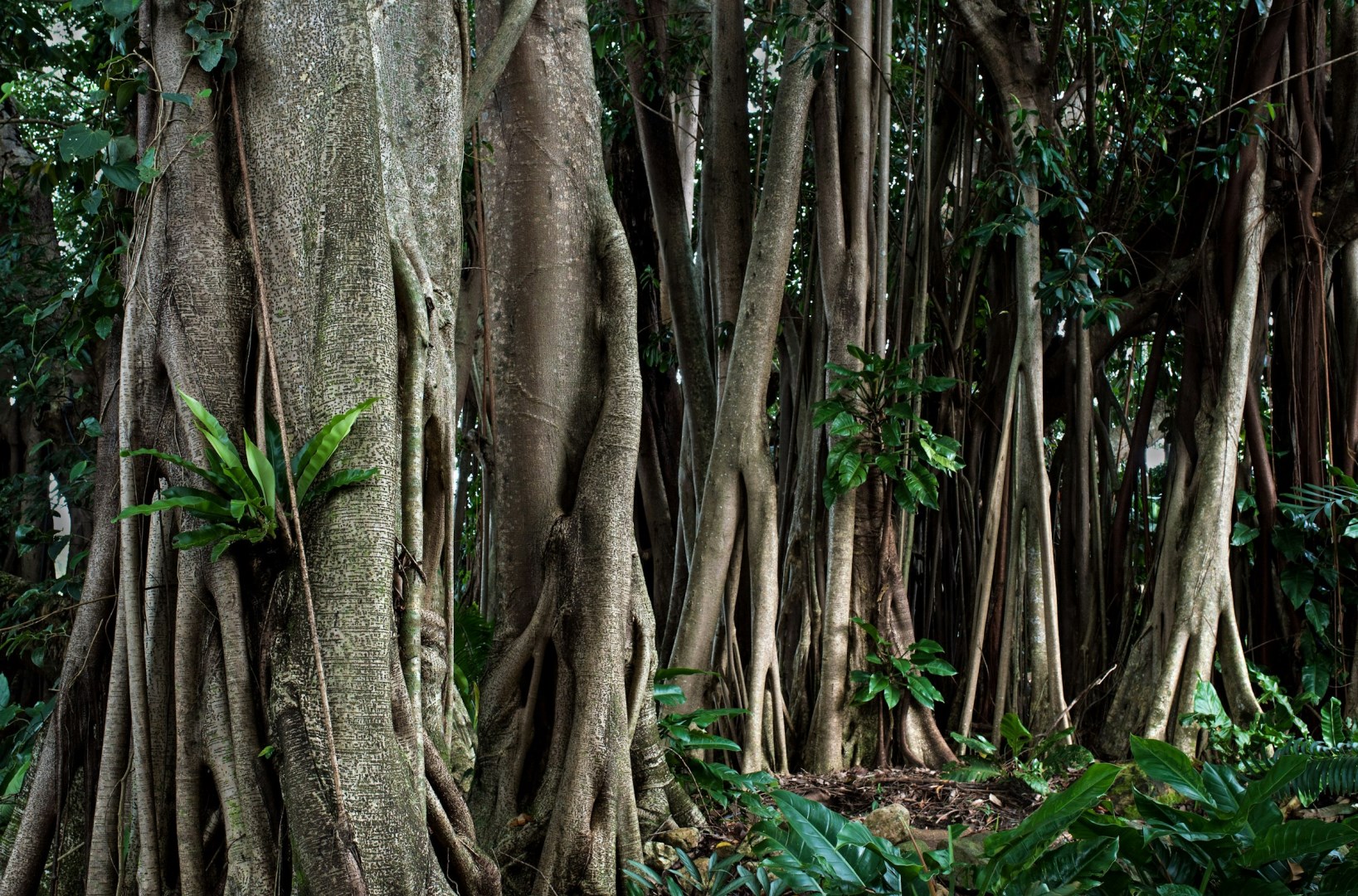
Rubber tree in Redlynch
Photo Credit: Photo by David Clode on Unsplash
Photo Credit: Photo by Shino Nakamura on Unsplash
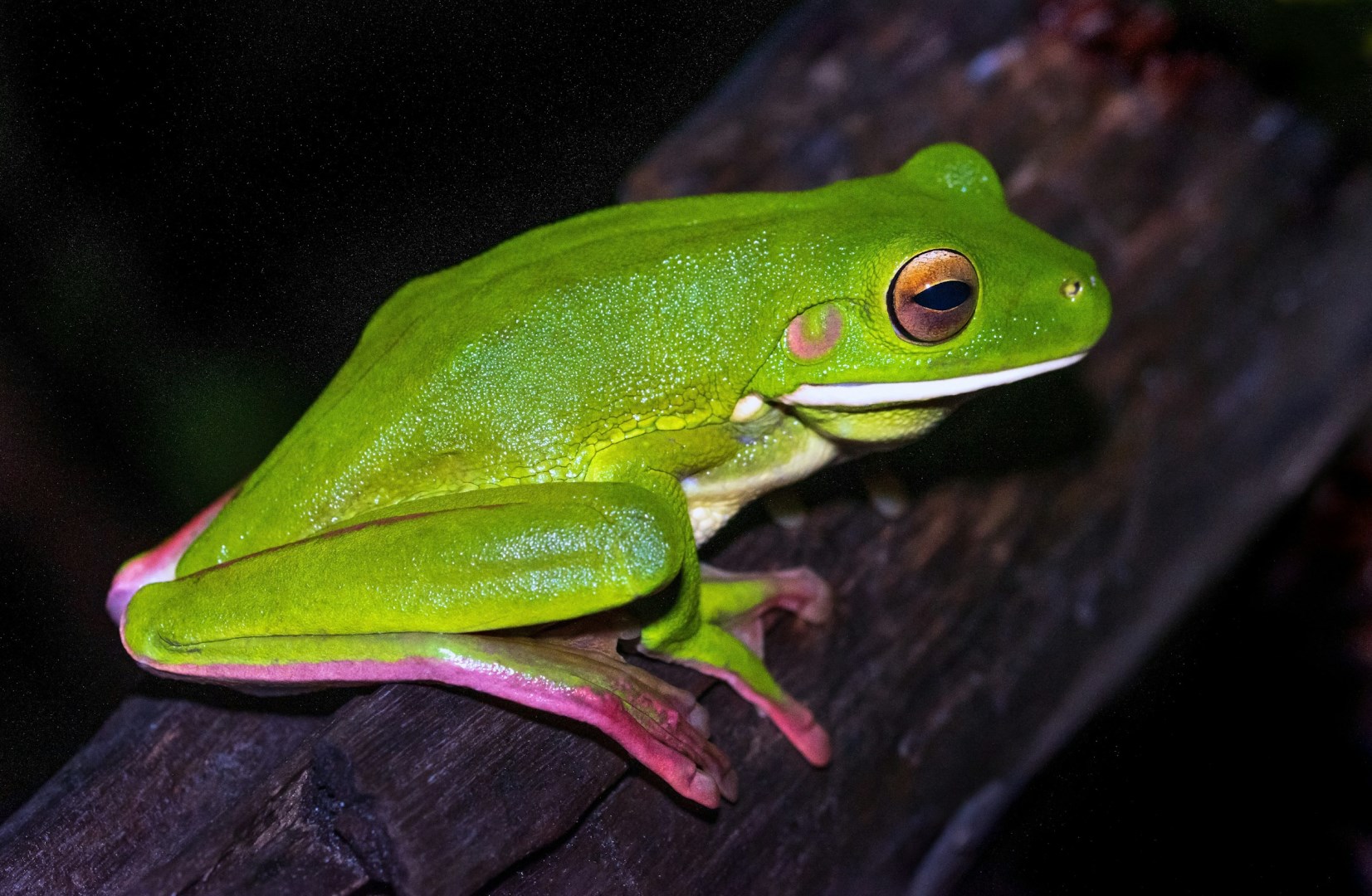
White-lipped Tree Frog
Photo Credit: Photo by David Clode on Unsplash
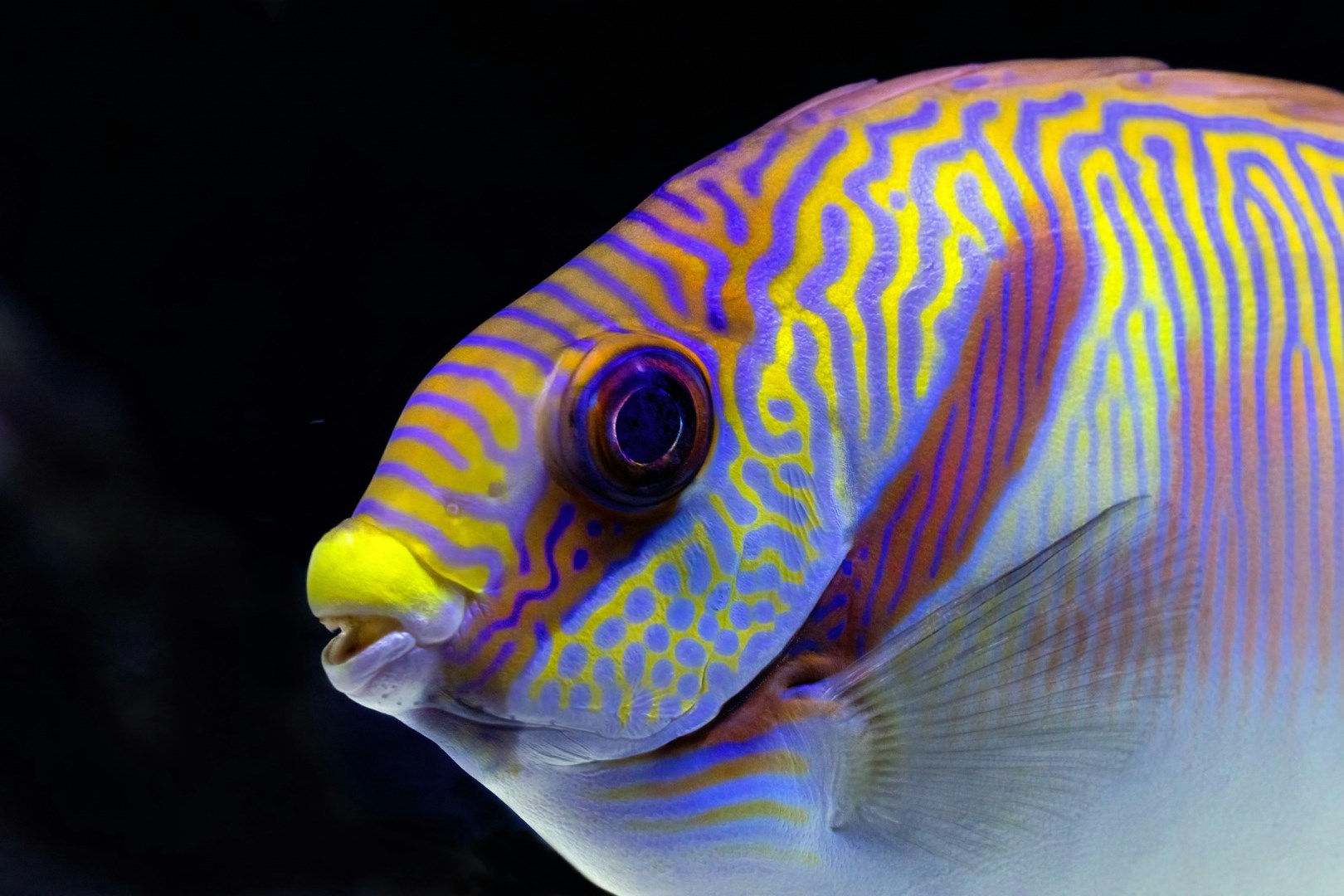
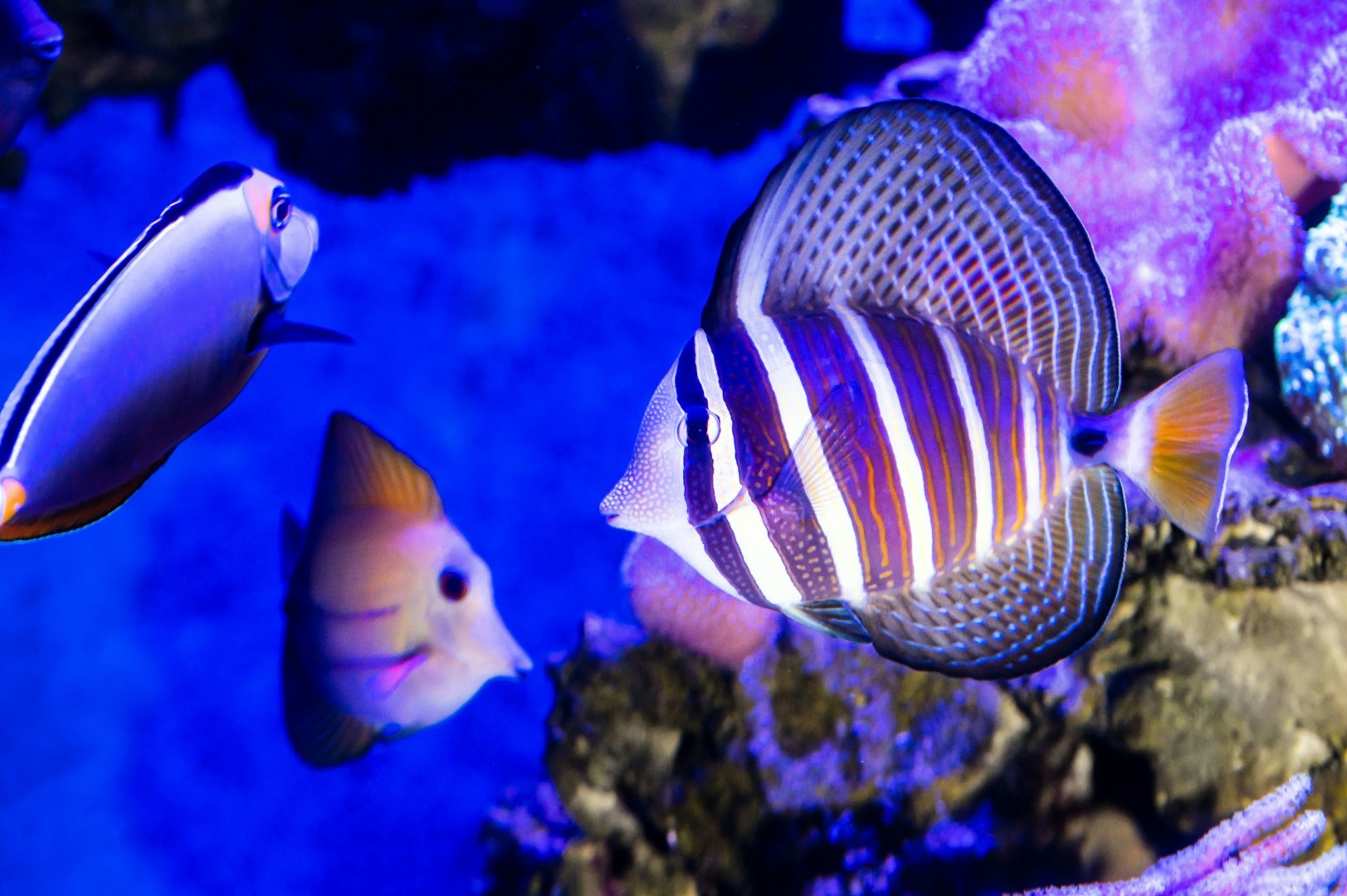
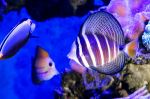
Sailfin Tang at the Cairns Aquarium
Photo Credit: Photo by David Clode on Unsplash
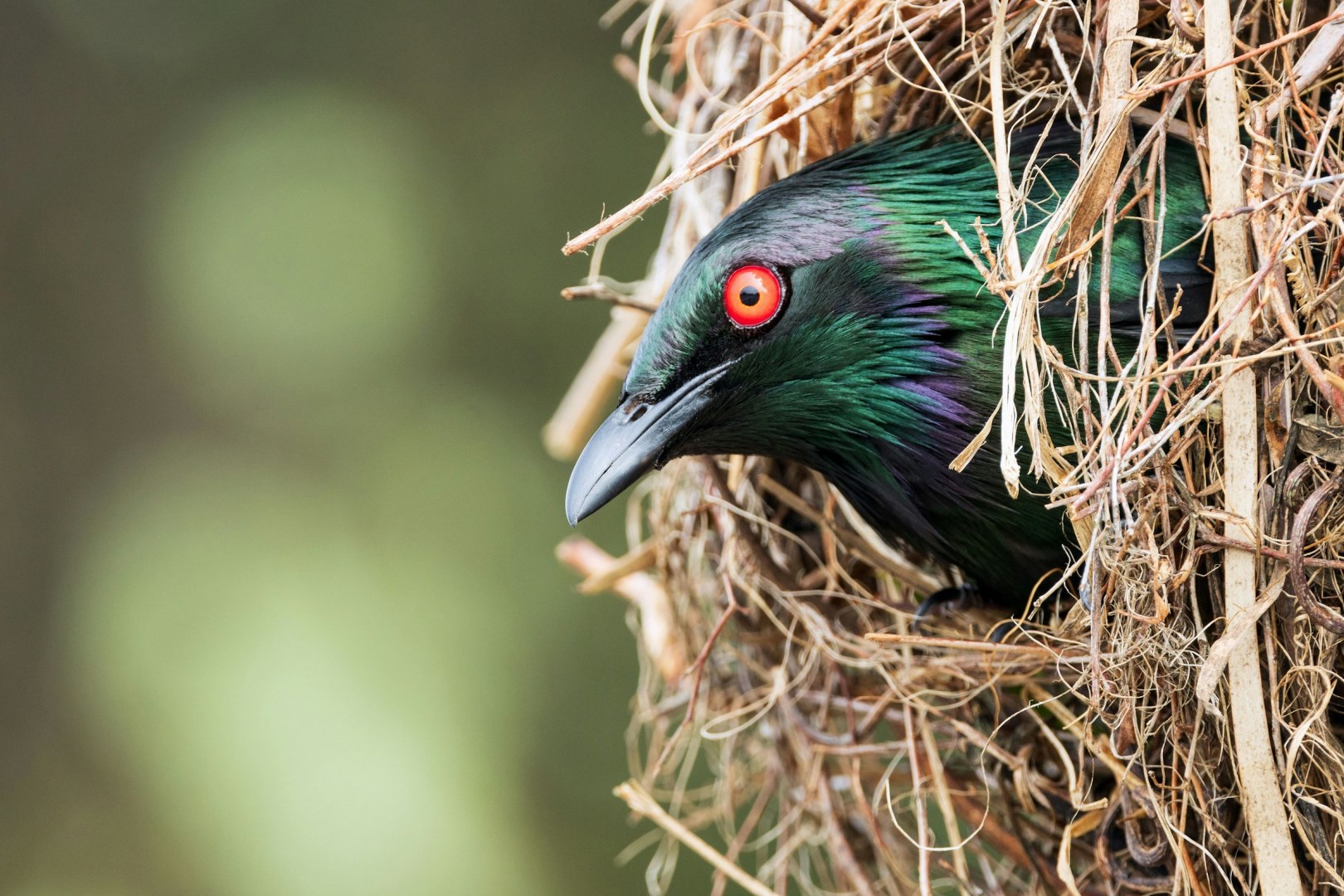
Metallic Starling
Photo Credit: Photo by David Clode on Unsplash
Jabiru or Black-necked stork
Photo Credit: Photo by David Clode on Unsplash
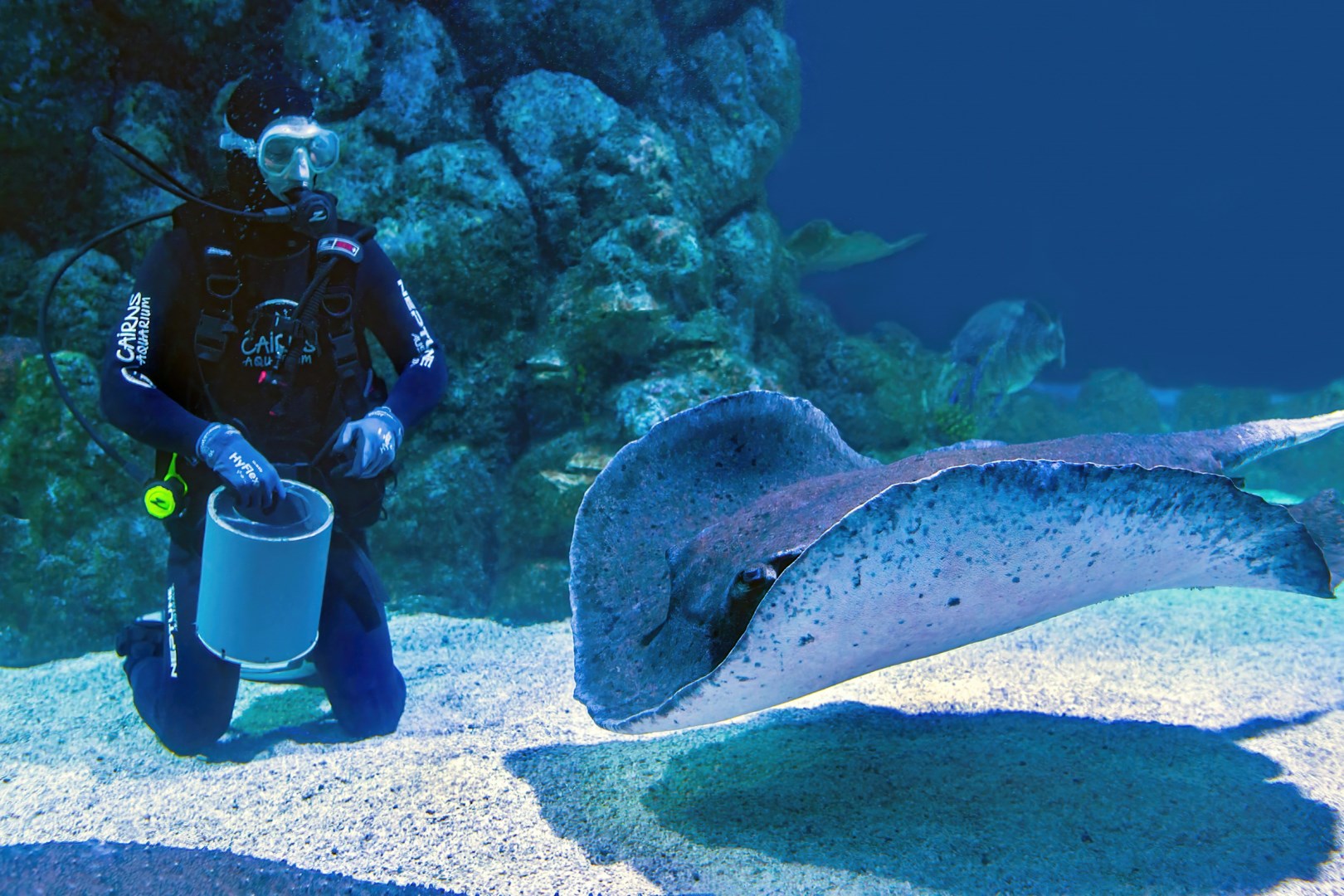
Blue-spotted ray at Cairns Aquarium
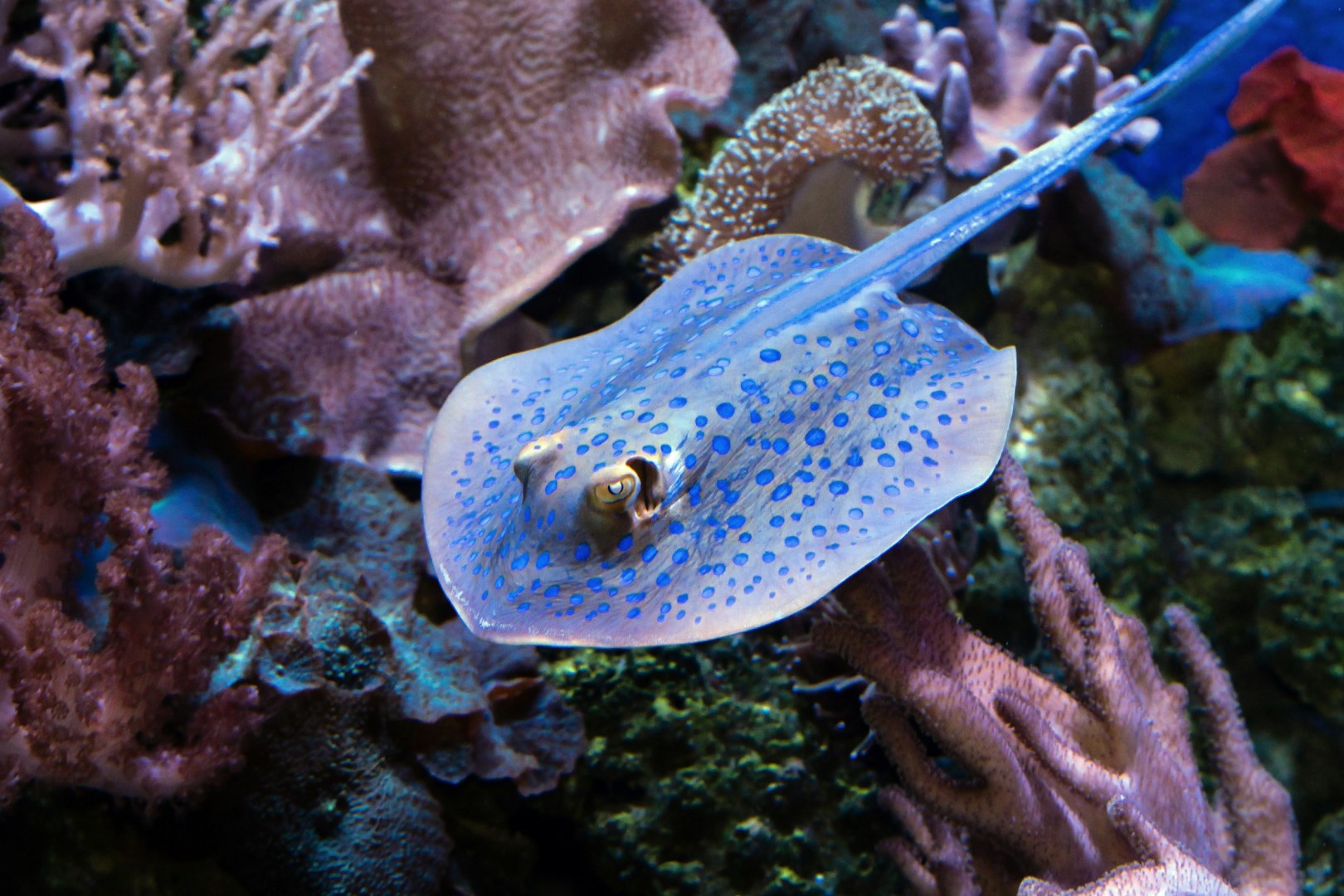
Photo Credit: Photo by David Clode on Unsplash
Squirrelfish (left) and a Lined Butterflyfish at Cairns Aquarium
Photo Credit: Photo by David Clode on Unsplash
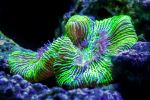
Lime green coral at the Cairns aquarium
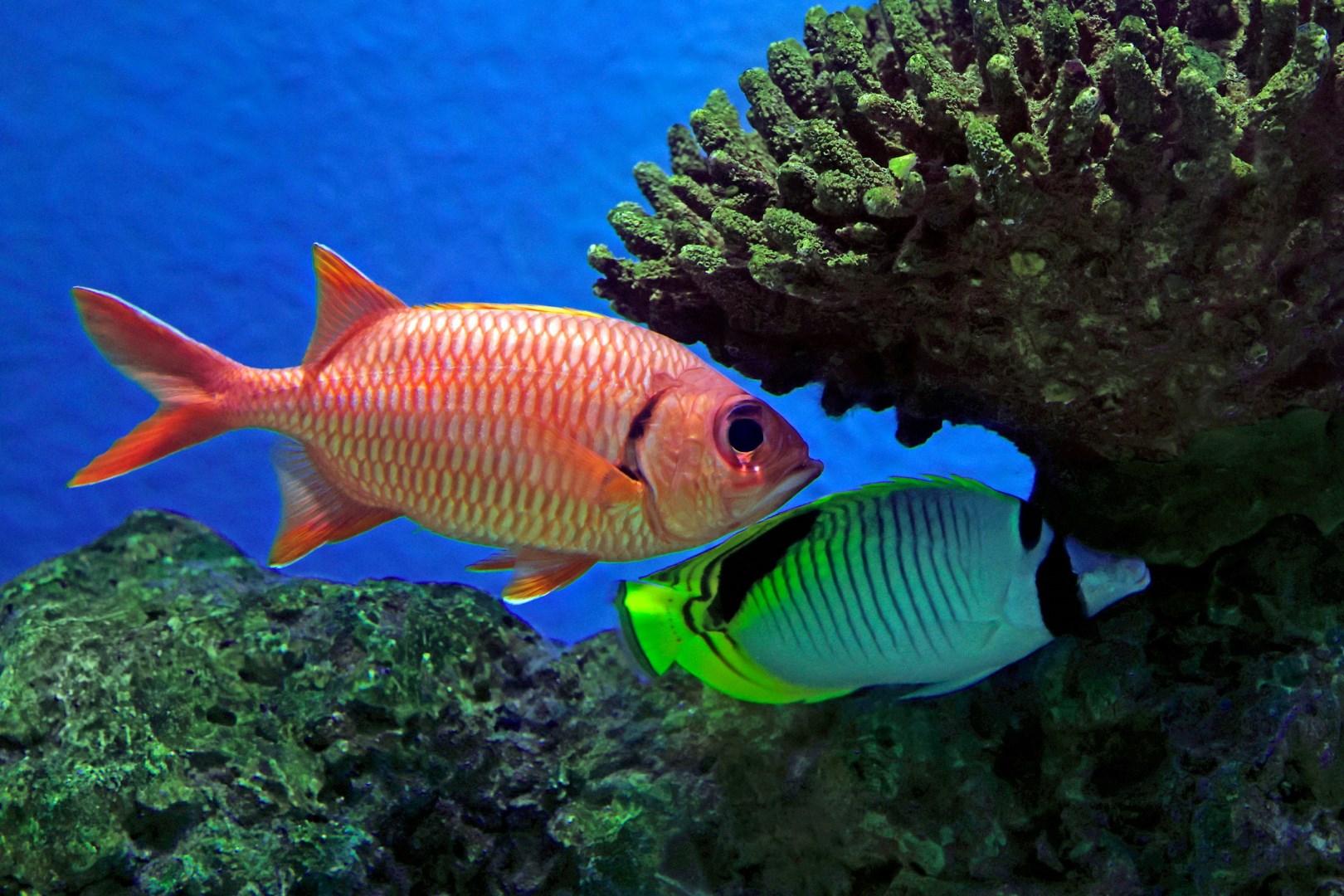
Photo Credit: Photo by David Clode on Unsplash
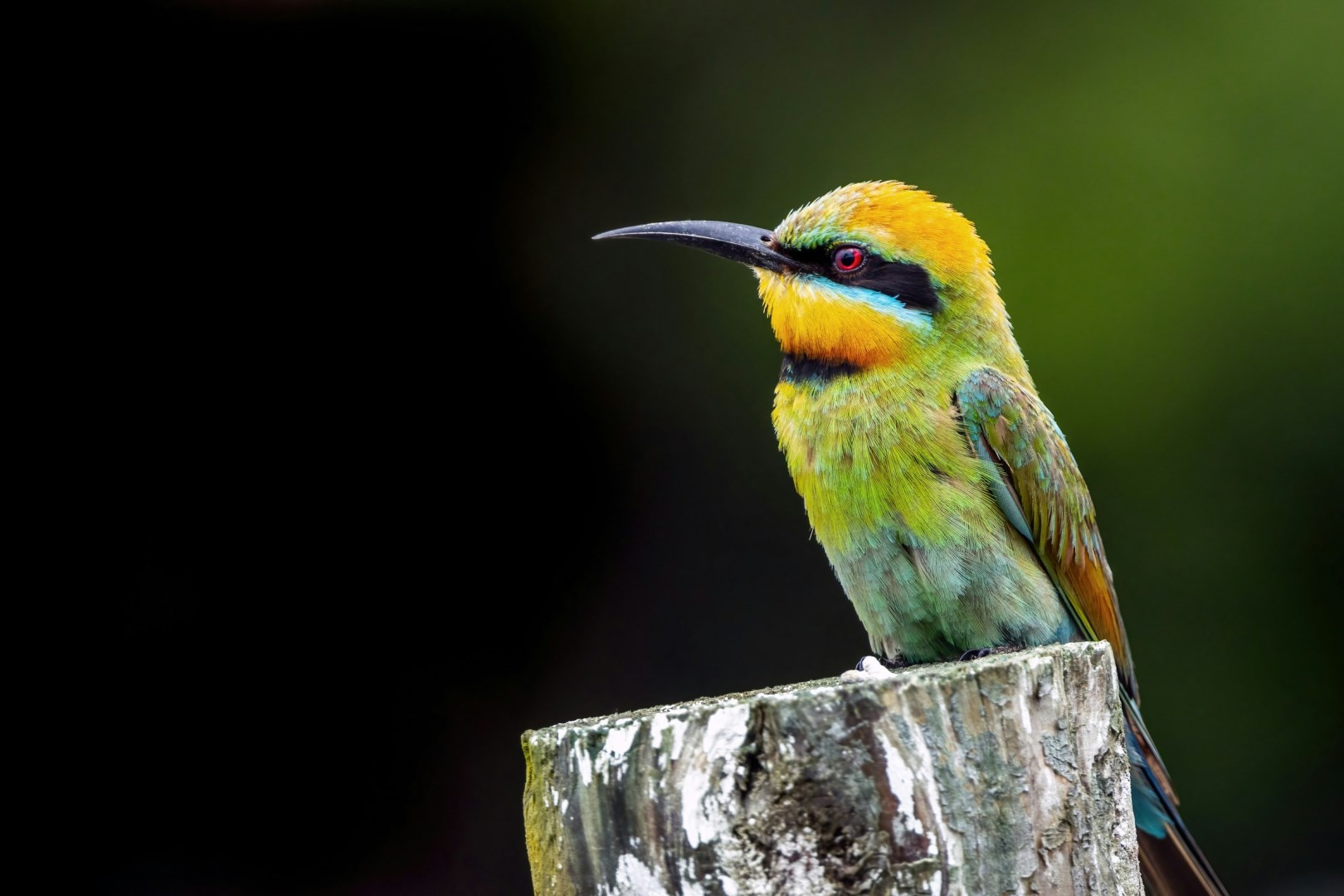
Rainbow Bee-eater
Photo Credit: Photo by David Clode on Unsplash
Cairns Aquarium
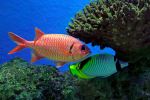
Photo Credit: Photo by David Clode on Unsplash
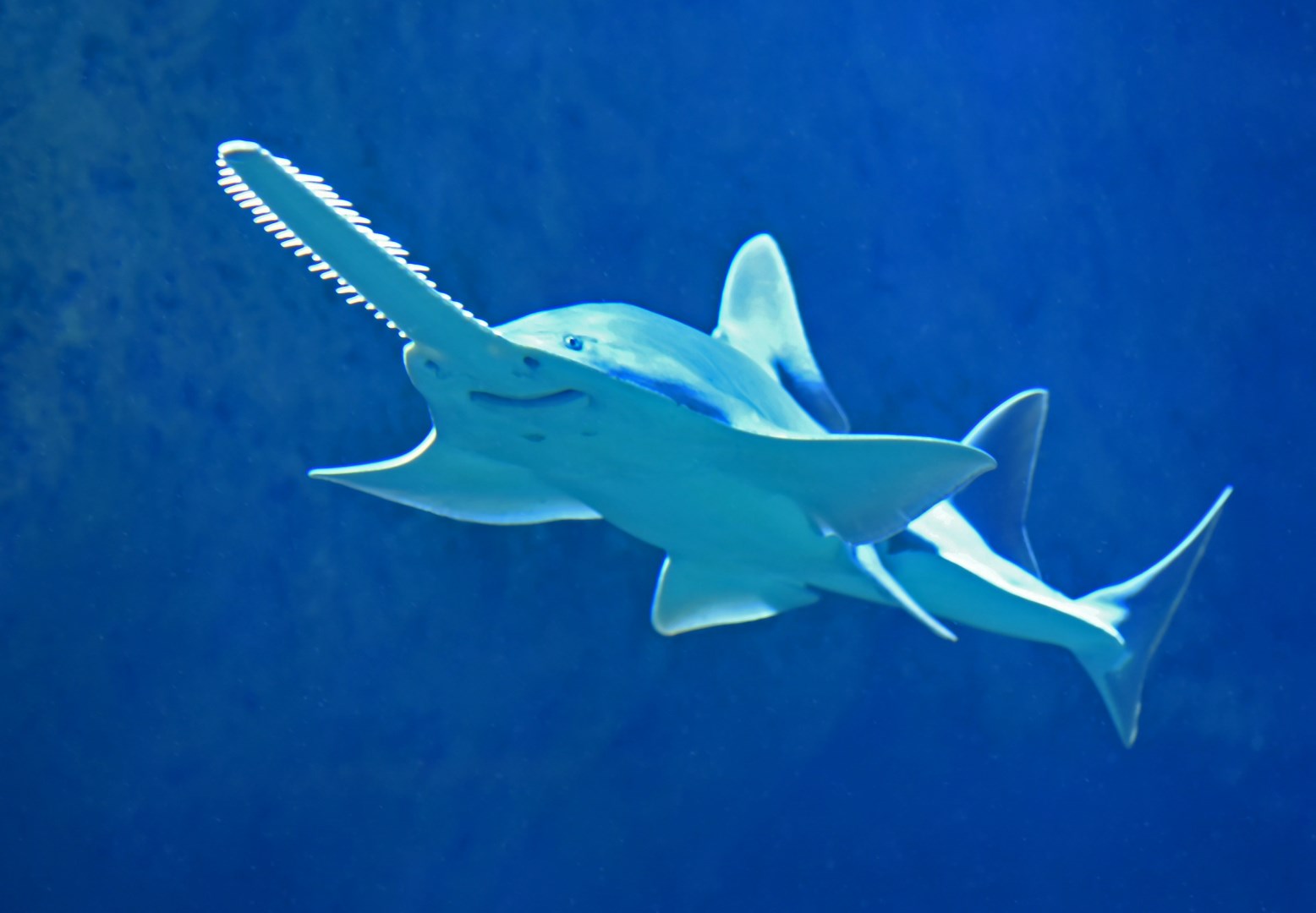
Freshwater sawfish at Cairns Aquarium
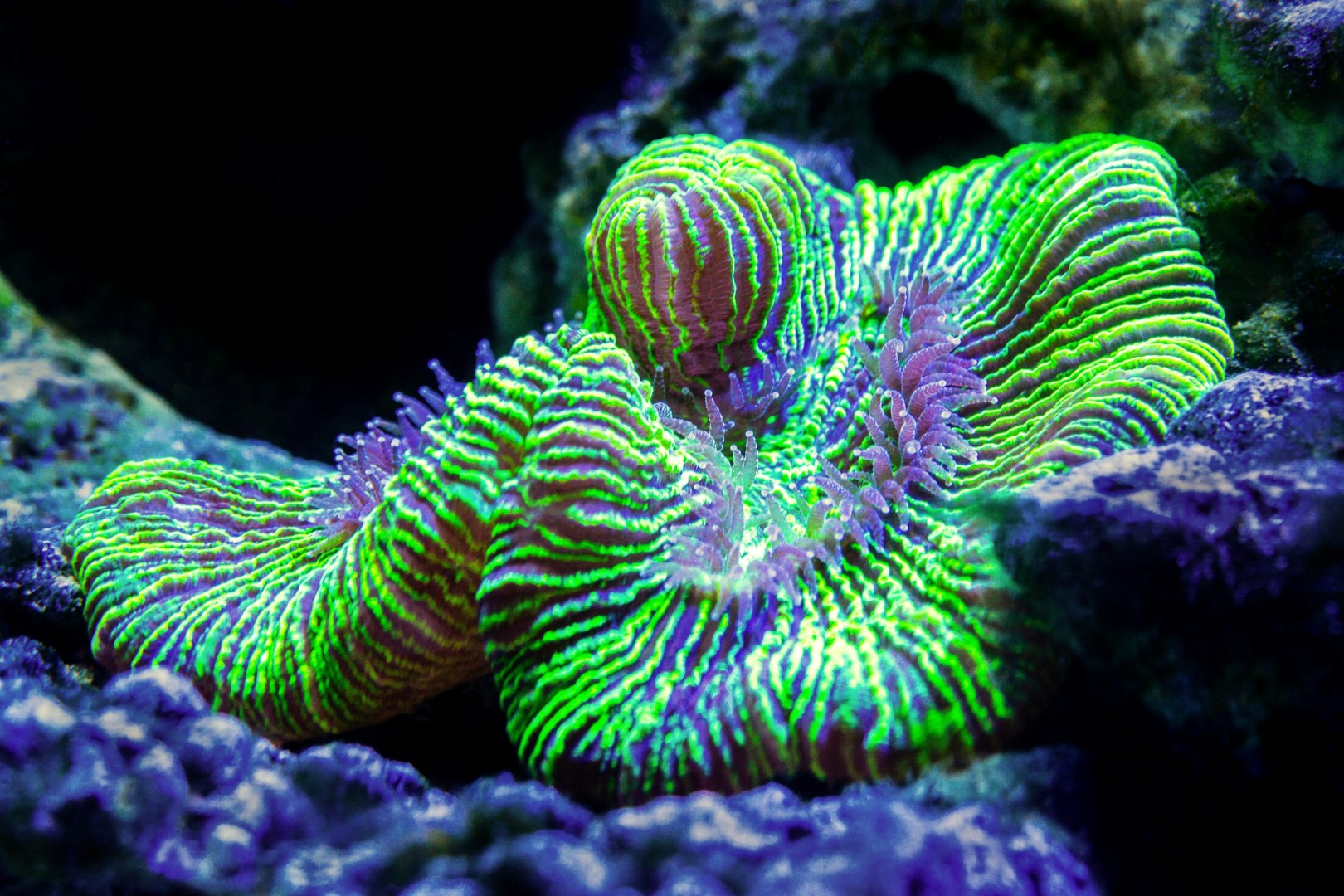
Photo Credit: Photo by David Clode on Unsplash
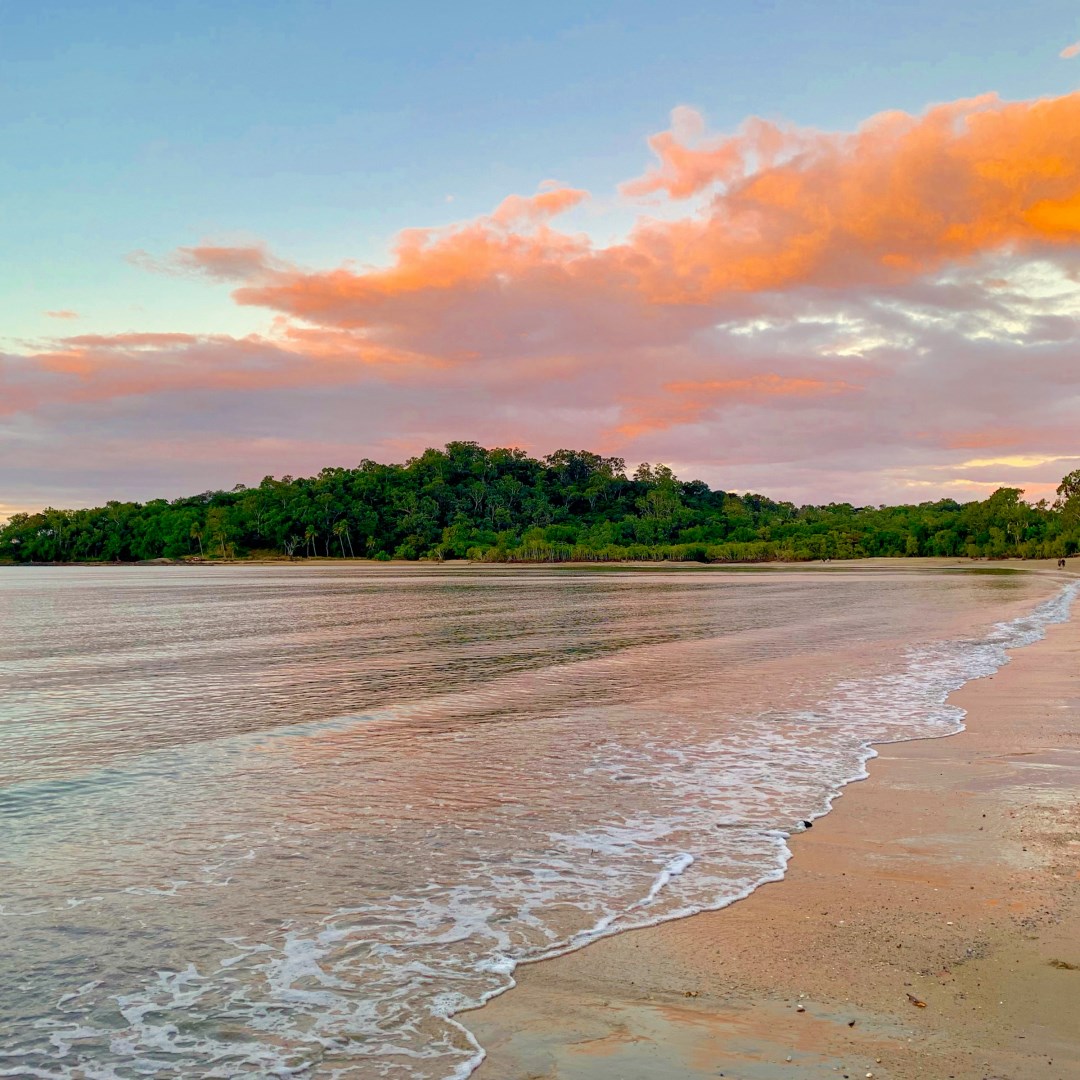
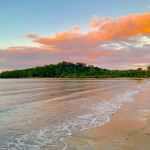
Trinity Beach
Photo Credit: Photo by David Clode on Unsplash
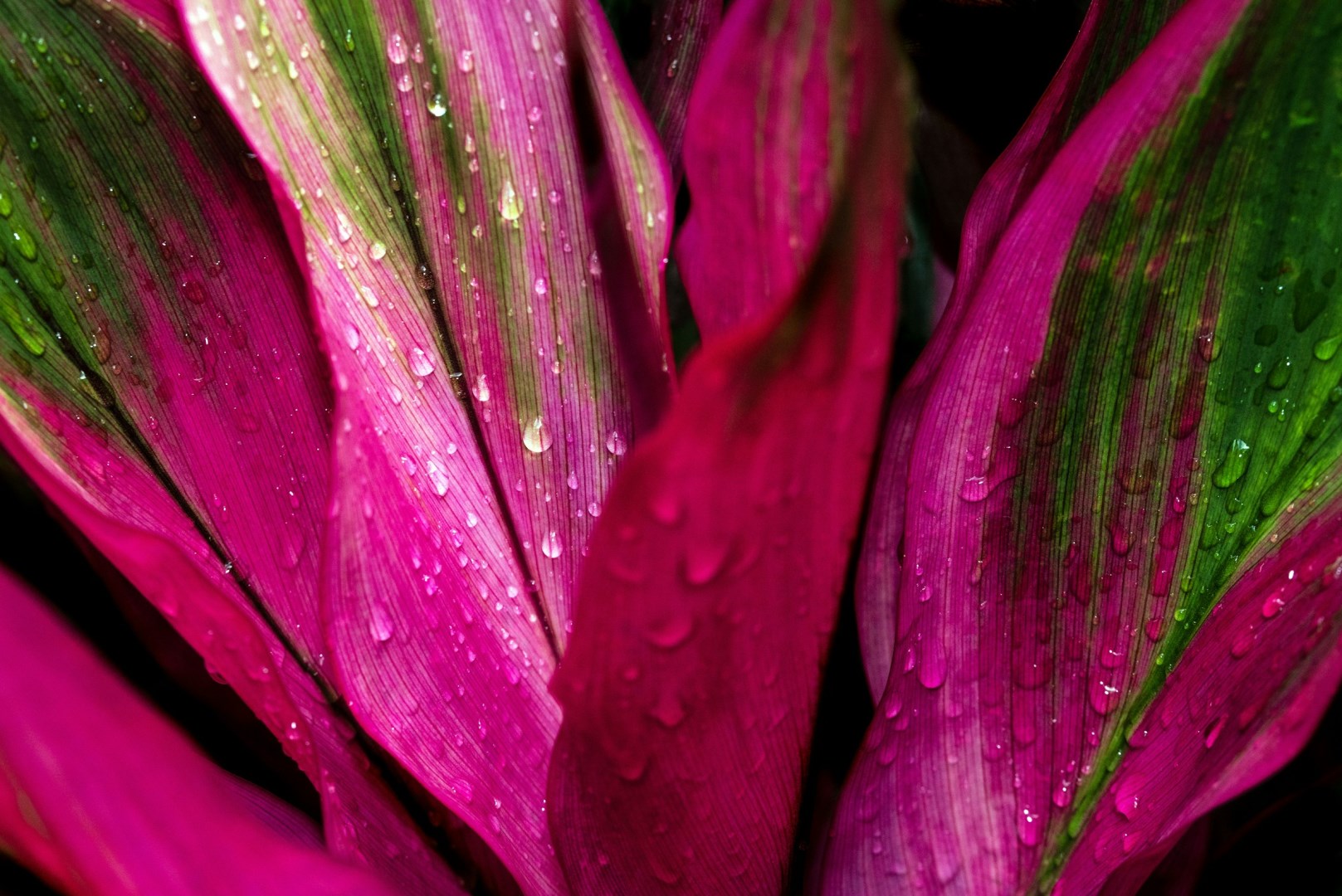
Hawaiian Ti plant at Cairns Botanic Gardens
Photo Credit: Photo by David Clode on Unsplash
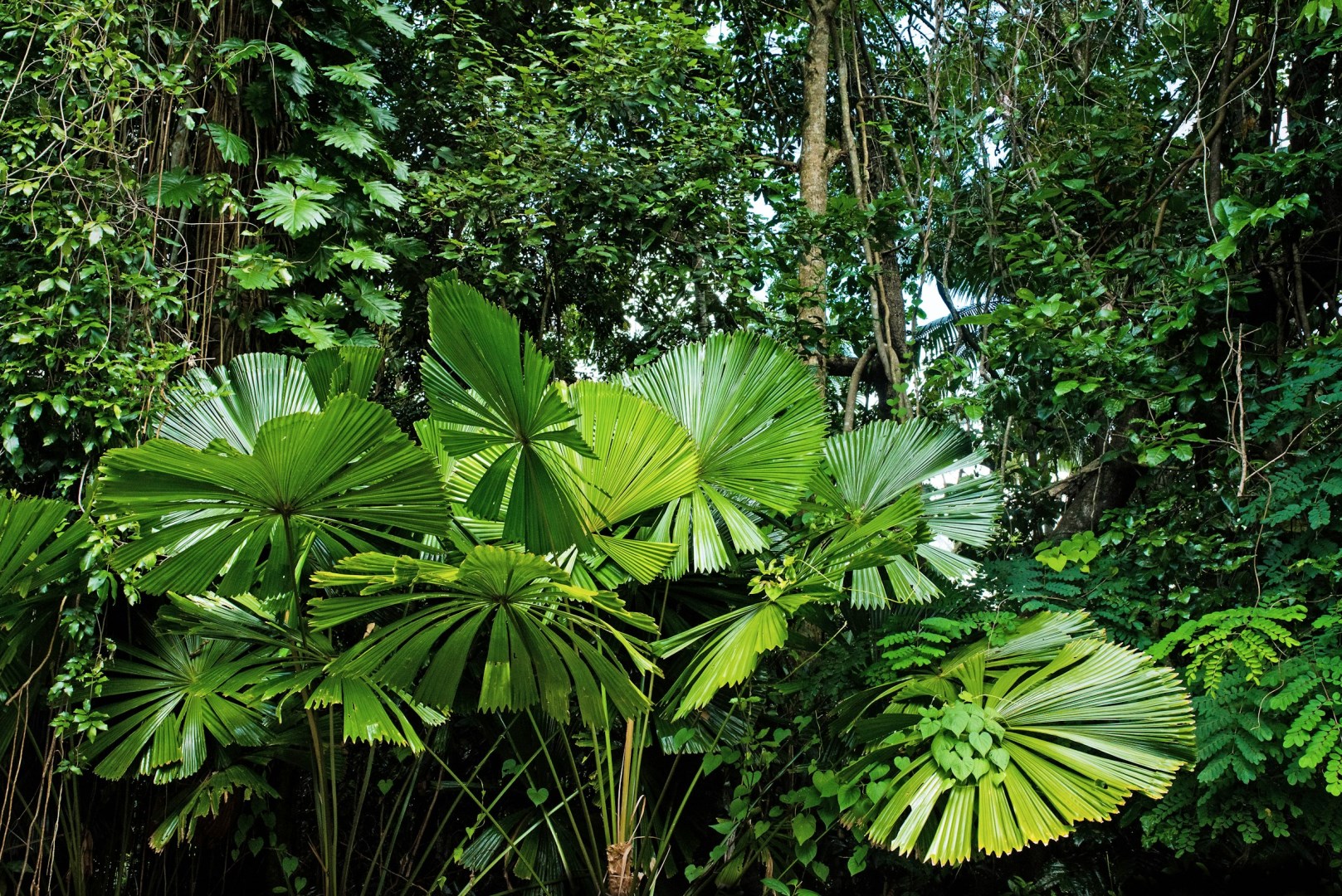
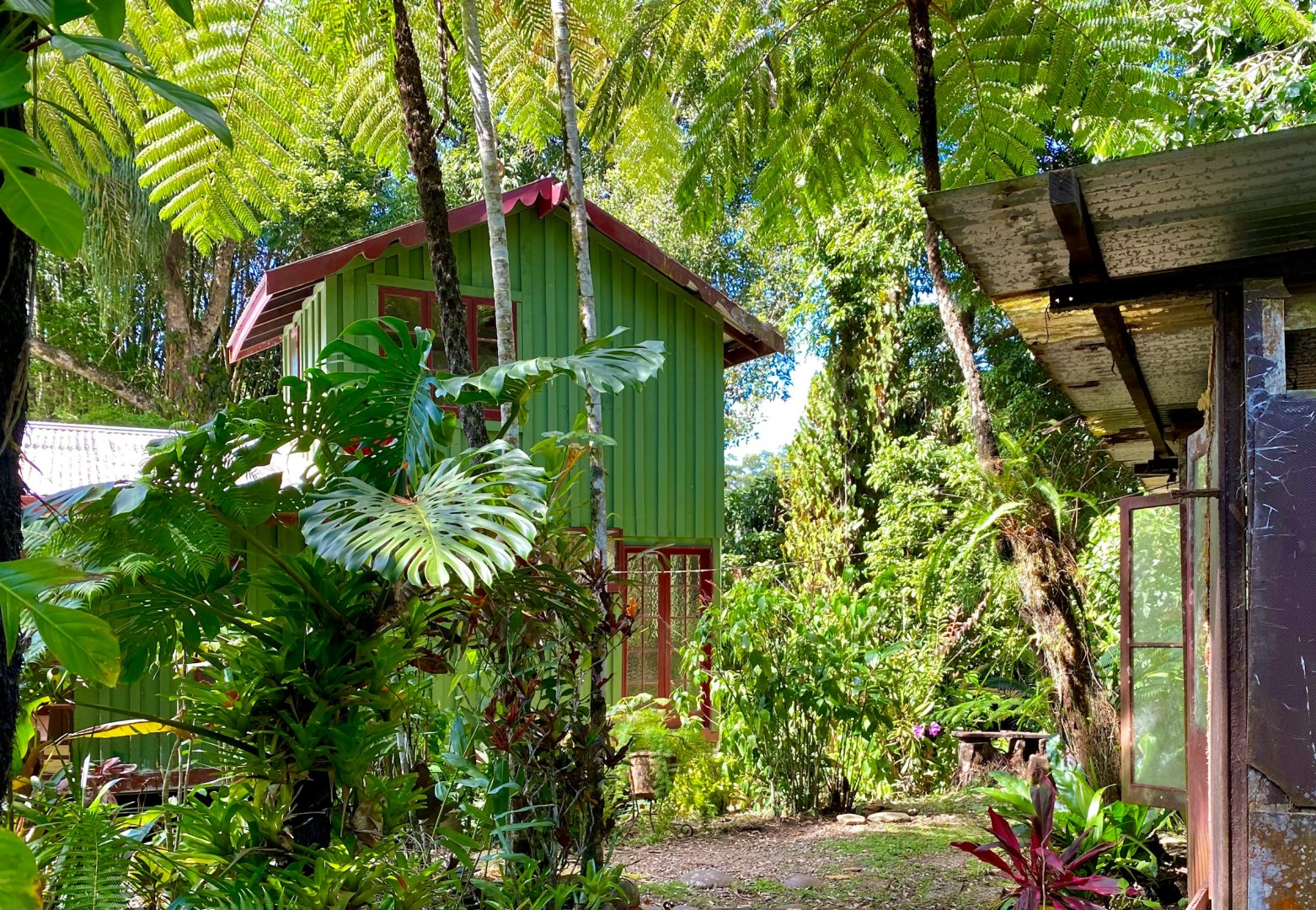
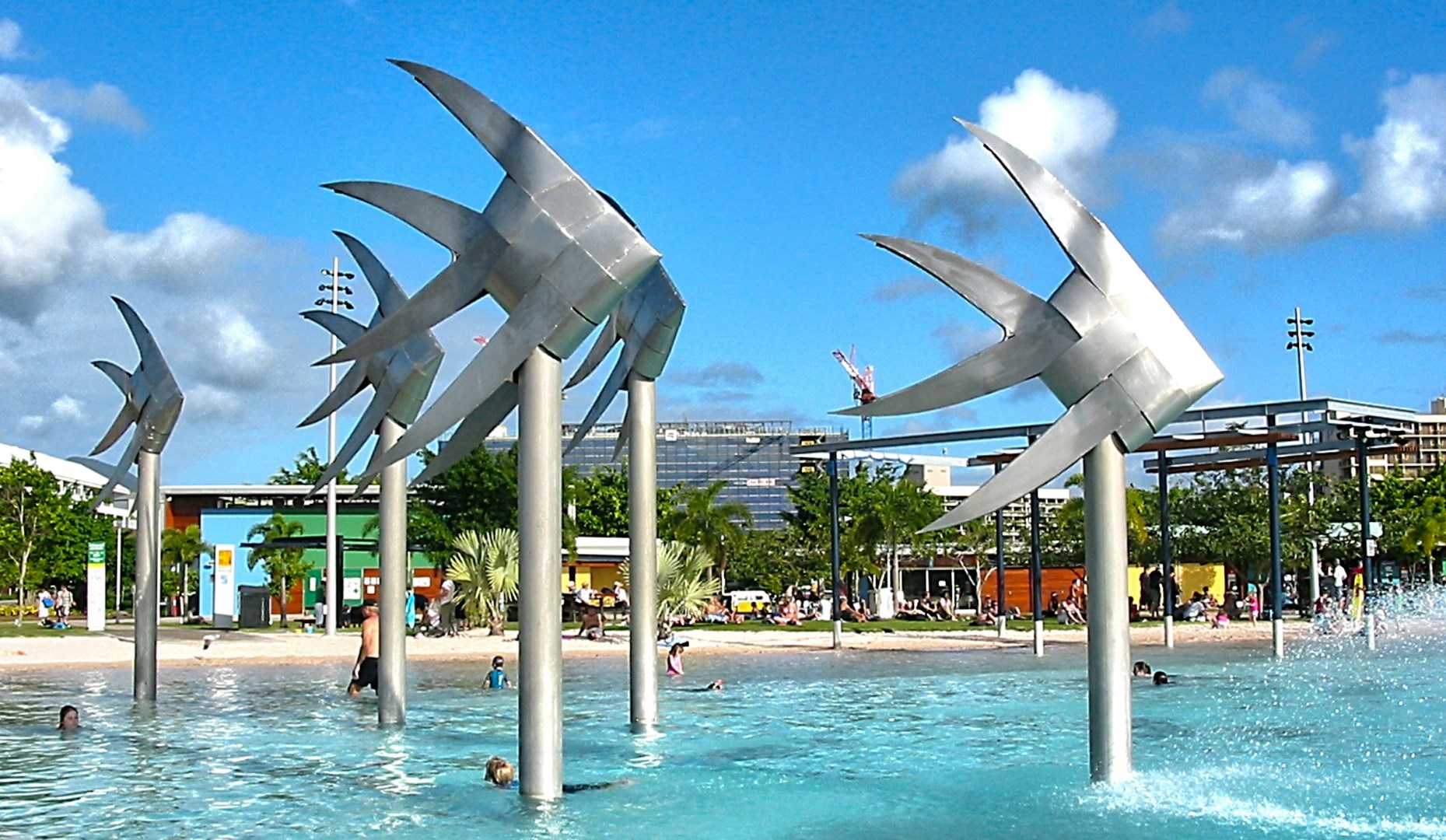
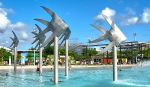
Cairns is the majestic entrance to Australia's Great Barrier Reef. This warm, tropical destination is located in Far North Queensland. Must-see attractions in Cairns include the Tjapukai Aboriginal Cultural Park, which educates tourists about indigenous peoples, and restaurant and bar-dotted Cairns Esplanade, which has a lagoon for swimming. Also, Daintree National Park, northwest of Cairns, has beautiful beaches, rainforests and canyons.