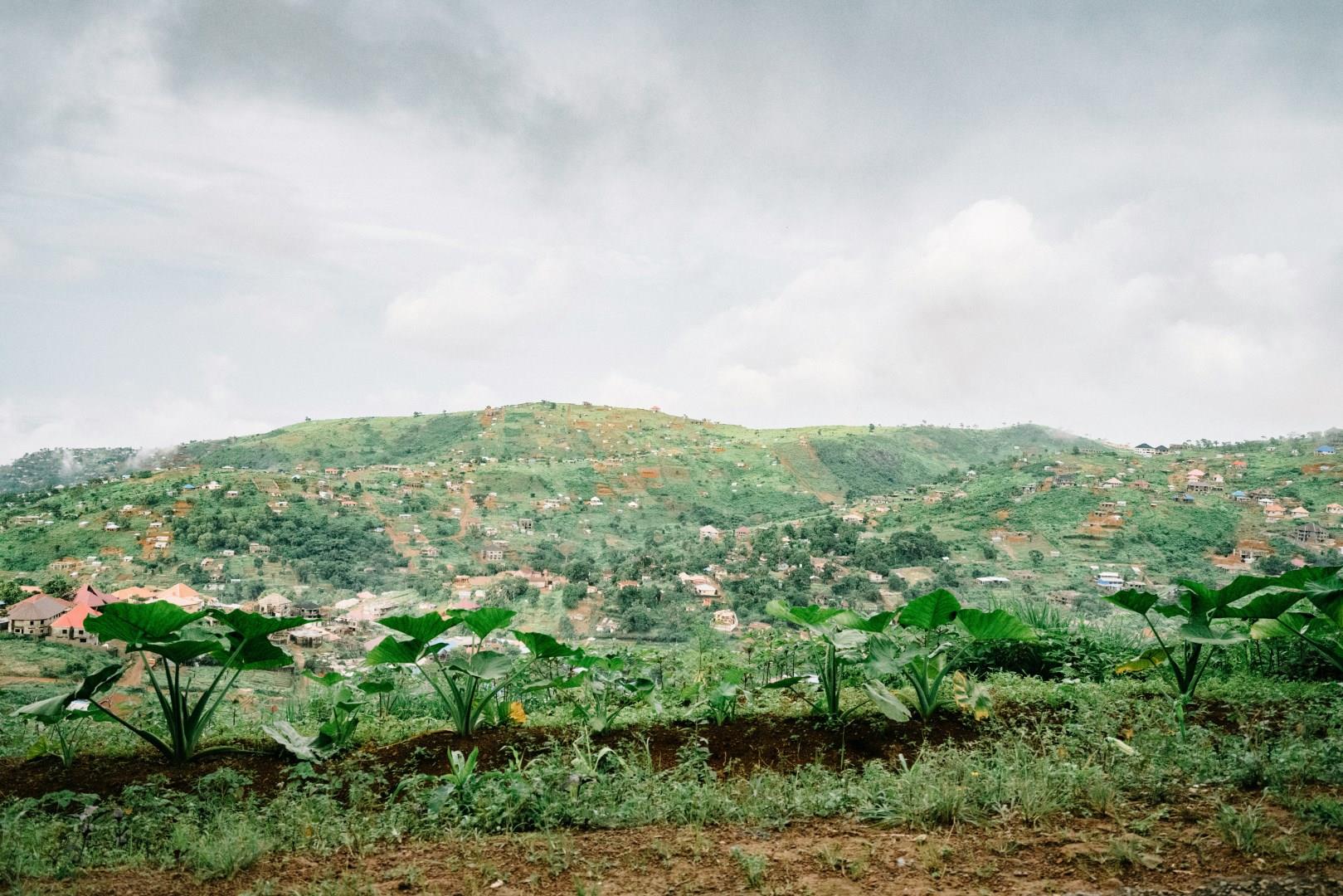
Freetown, the capital of Sierra Leone, is a city where history and daily life intertwine along the shores of the Atlantic. Founded in 1792 as a settlement for freed slaves from Britain and the Americas, it remains a place of cultural depth and resilience.
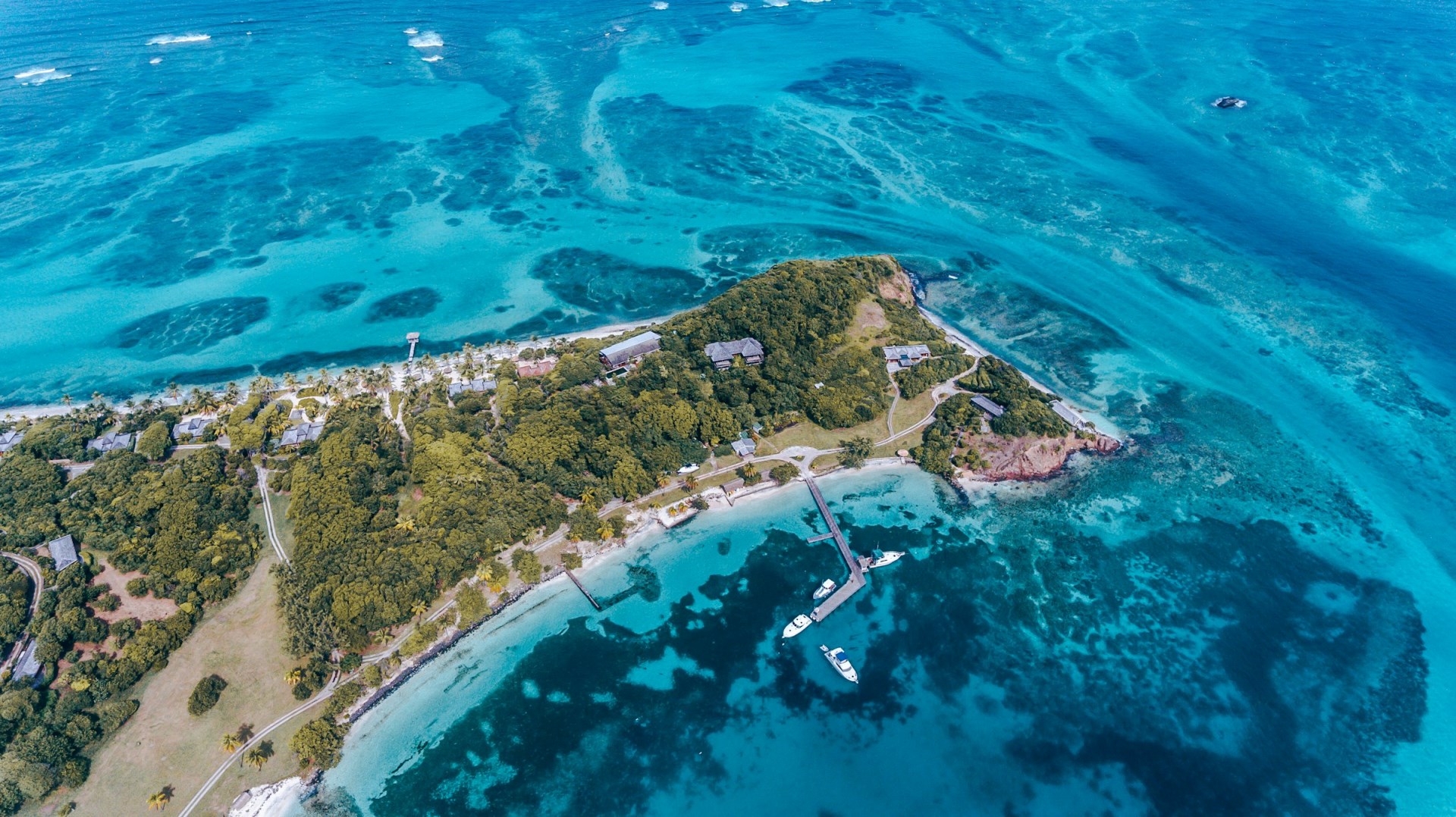
Petit Saint Vincent is a small private island in the southern Grenadines, located south of the larger island of Canouan and close to the Tobago Cays. The island covers roughly 115 acres and is characterized by low hills, rocky headlands, sandy coves, and clear Caribbean waters. Much of the island remains undeveloped outside its small resort, with footpaths connecting beaches and viewpoints rather than roads carrying regular traffic.
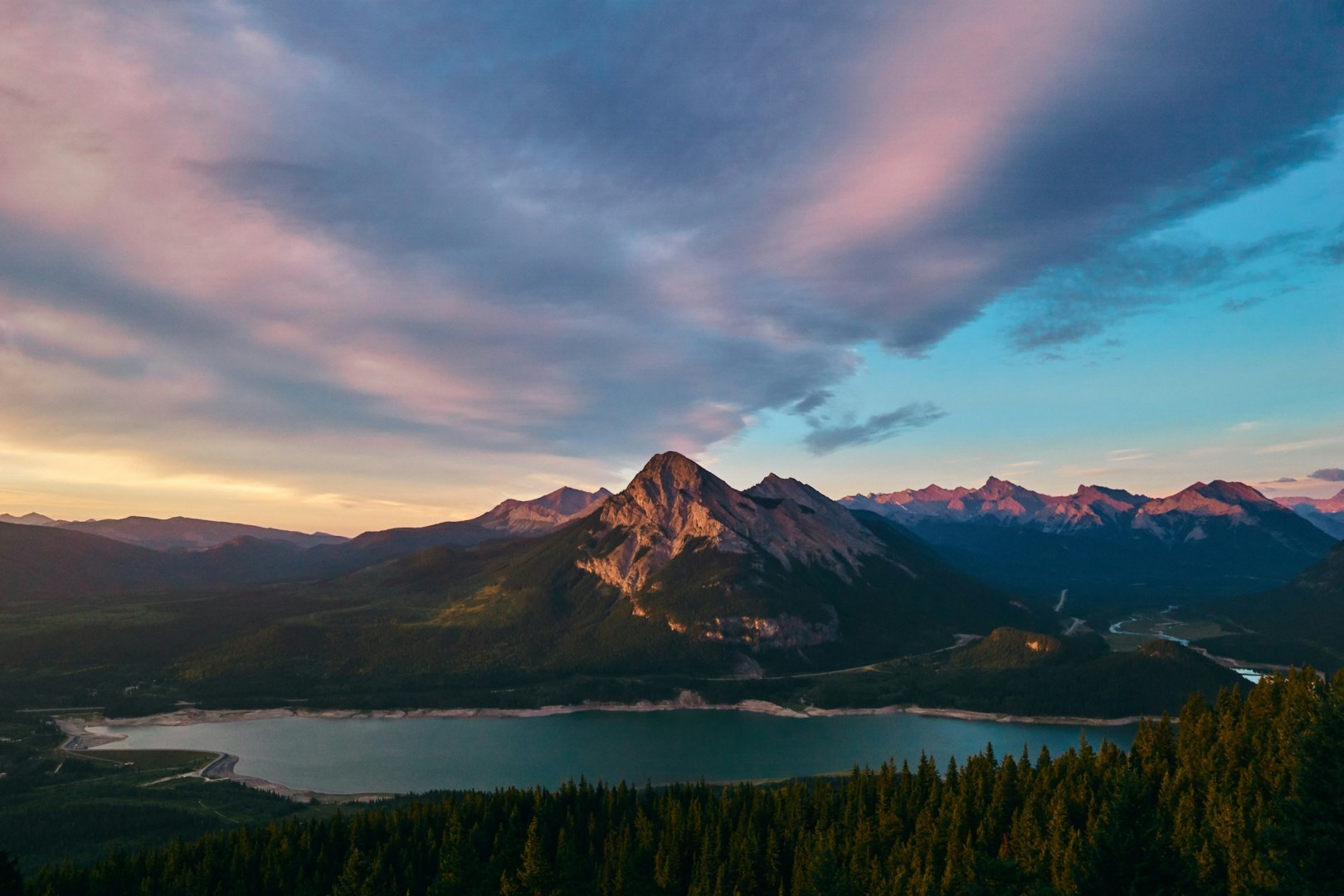
Kananaskis, located in the foothills and front ranges of the Canadian Rockies in Alberta, is a vast region celebrated for its rugged mountains, alpine lakes, and outdoor recreation opportunities. Unlike nearby Banff or Jasper, Kananaskis is less developed and offers a quieter, more wilderness-focused experience while still being easily accessible from Calgary.
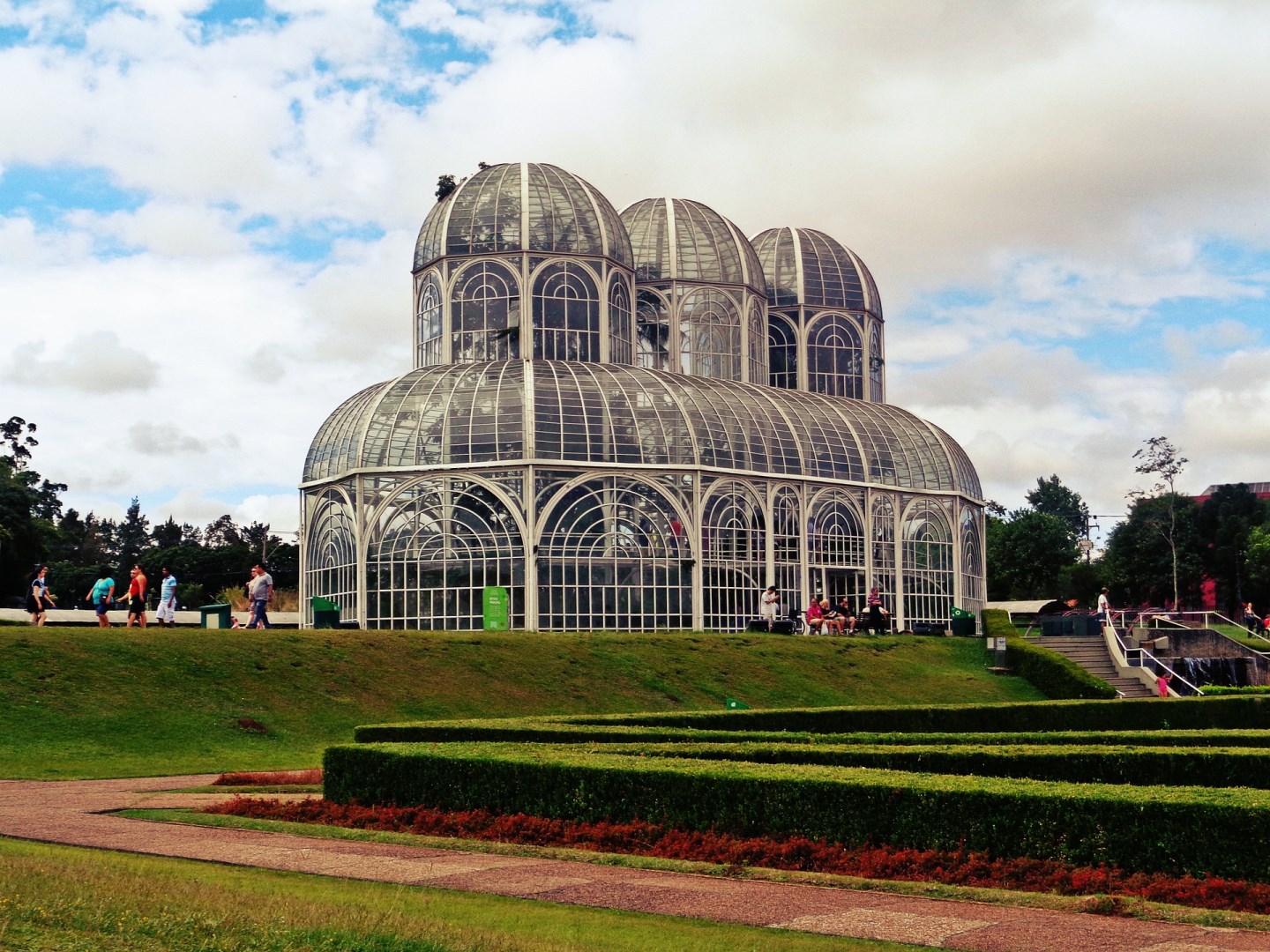
A very clean and European city south of Sao Paulo, it was the center for Polish, German, Italian and Russian immigration in the late 19th and early 20th centuries.
Nunavut comprises a major portion of Northern Canada, and most of the Canadian Arctic Archipelago. Its vast territory makes it the fifth-largest country subdivision in the world, as well as the largest in North America.
Antananarivo, Madagascar’s vibrant capital, offers a unique blend of cultural richness and historical depth. Perched on a series of hills, the city’s layout is characterized by its steep streets and traditional architecture. The Royal Palace, or Rova of Antananarivo, is a central landmark, offering a glimpse into Madagascar's royal past. Although much of the palace was destroyed by fire in 1995, the site remains a significant cultural and historical monument.
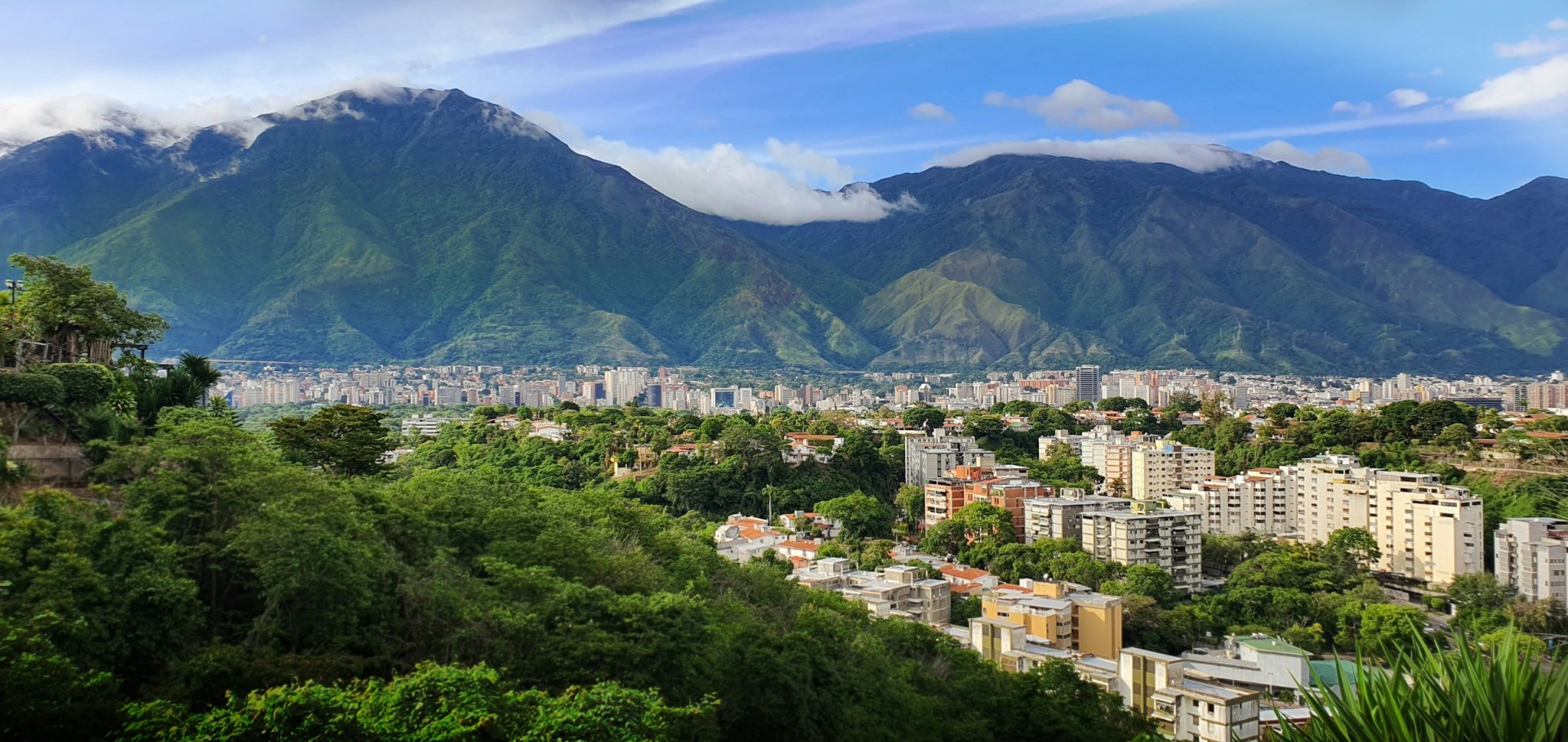
Caracas, (ke-rä´kes), located in Northern Venezuela, is the capital and largest city of Venezuela. An extremely cosmopolitan city, it is a major industrial center, shipping through the nearby Caribbean port of La Guaira. Caracas was founded in 1567 and was the base for Spanish colonization of Venezuela. It was the birthplace of the liberators Francisco de Miranda and Simón Bolívar. Caracas retains an old section, with many examples of colonial architecture. The oil boom of the 1950s made possible massive public building projects, transforming much of Caracas into an ultramodern metropolis famed for such futuristic complexes as University City and the Centro Bolívar government center. A cultural hub, the city is the site of a large performing arts center, three orchestras, an opera, a ballet, and three major art museums.
Other Popular Destinations in Venezuela
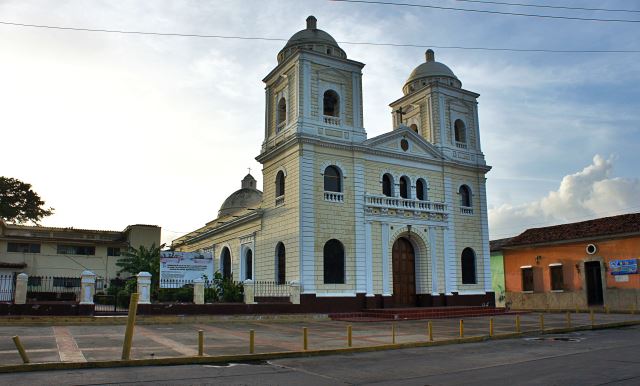
Barcelona
Barcelona is the capital of Anzoátegui state in northeastern Venezuela, situated a short distance inland from the Caribbean coast and connected closely with neighboring Puerto La Cruz.
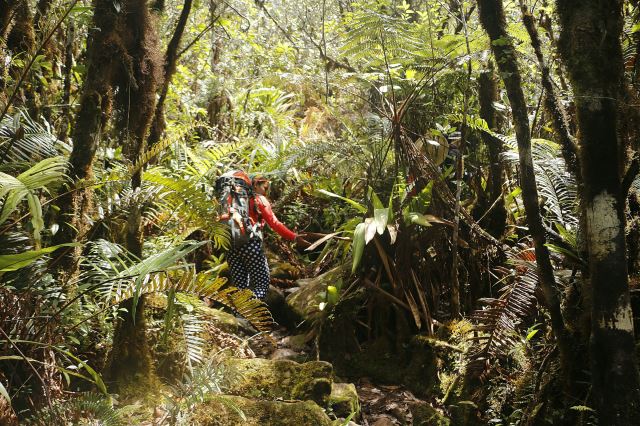
Ciudad Guayana
As you cruise along the Orinoco, South America's second-longest river, you will pass an imposing 17th-century fort. Just up the river is Ciudad Guayana, your gateway to Angel Falls. The falls, discovered 60 years ago by American bush pilot Jimmy Angel, are the hightest in the world. More than a half-mile hight and 15 times taller than Niagara Falls, they are undoubtedly one of the world's most breathtaking natural wonders.