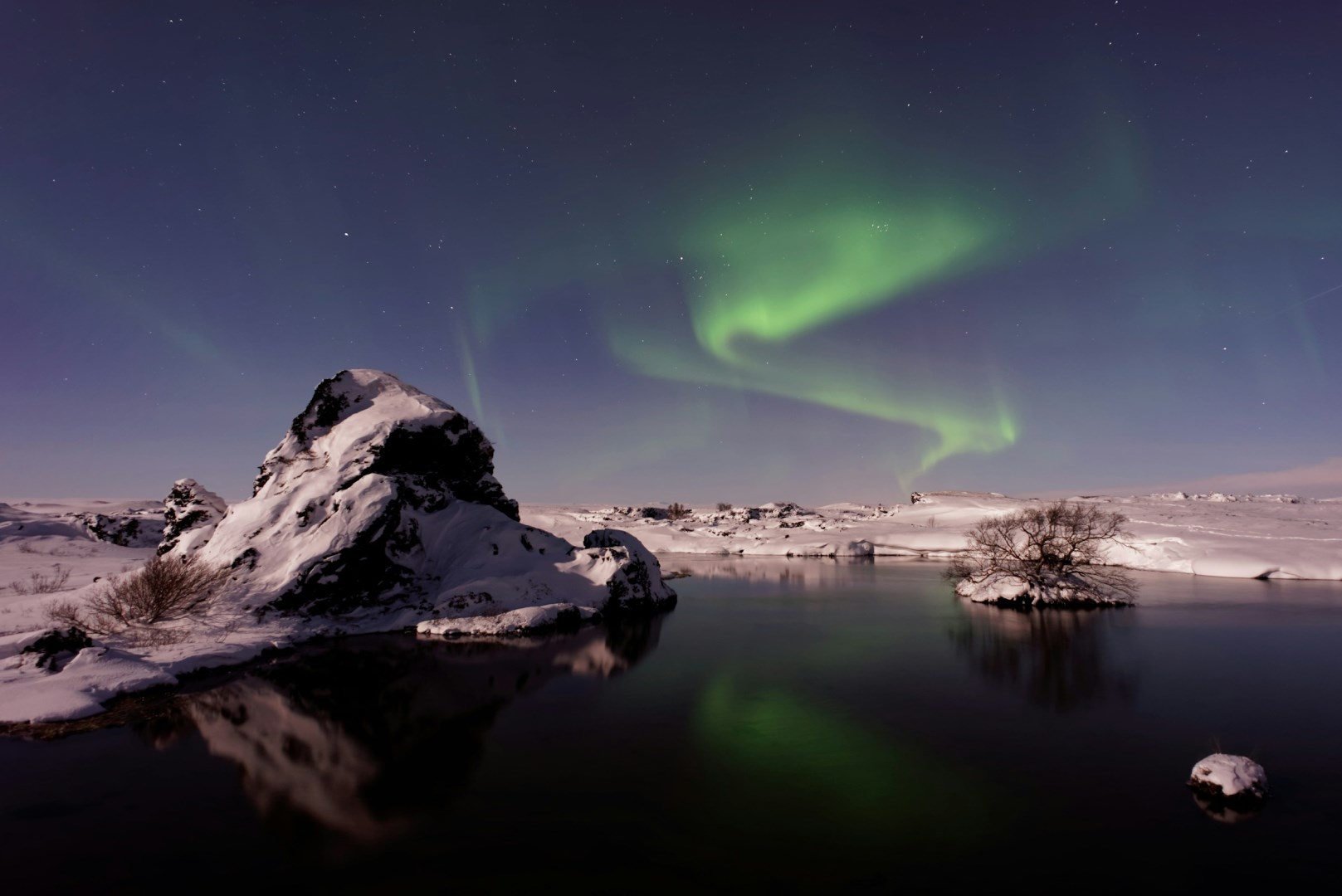


Mývatn is a lake and surrounding region in North Iceland, known for its shallow waters, numerous small islands, volcanic formations, and rich birdlife. The lake covers about 37 square kilometers and is part of an internationally important wetland together with the Laxá River. The surrounding landscape was shaped by volcanic activity, creating a mixture of lava fields, craters, geothermal areas, and wetlands within a relatively compact area.
The Isle of Man, nestled in the Irish Sea between Great Britain and Ireland, offers visitors a blend of rich history and distinctive culture. Known for its ancient Celtic and Viking roots, the island’s heritage can be explored through sites like Peel Castle, built on a rocky island in the harbor of Peel, and the ancient Manx museums scattered throughout.
Oklahoma City stands at the crossroads of Western tradition and modern energy. It’s a place where cowboy boots walk into sleek coffee shops, and horse shows take place just a few miles from contemporary art galleries. A good starting point is the National Cowboy & Western Heritage Museum, home to one of the largest collections of Western art and artifacts in the world.
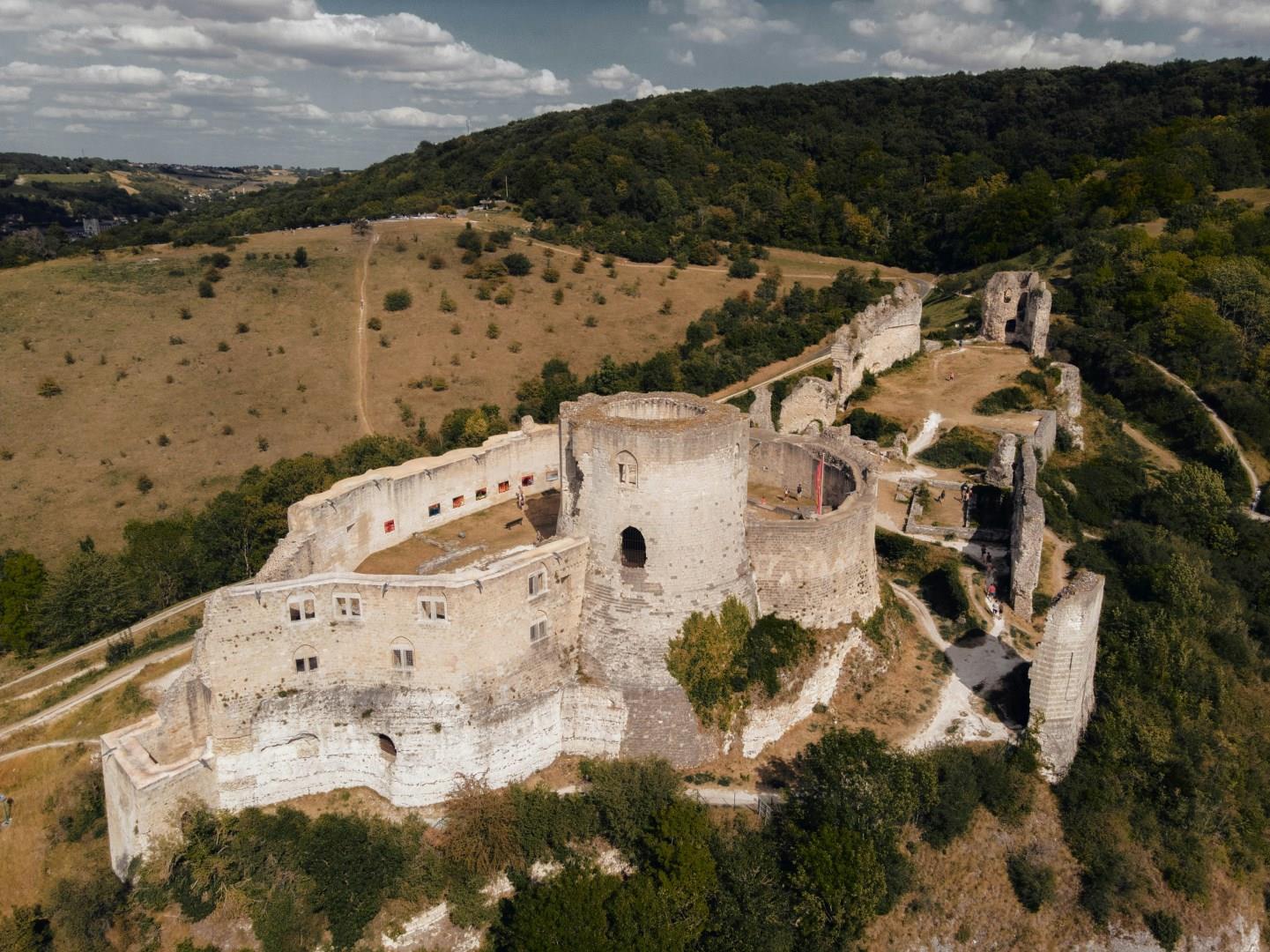
Les Andelys, a picturesque town on the banks of the Seine in Normandy, France, is best known for its dramatic setting beneath the ruins of Château Gaillard. This medieval fortress, built in the 12th century by Richard the Lionheart, stands high on a chalk cliff overlooking the river, a reminder of the region’s turbulent past during the wars between England and France.
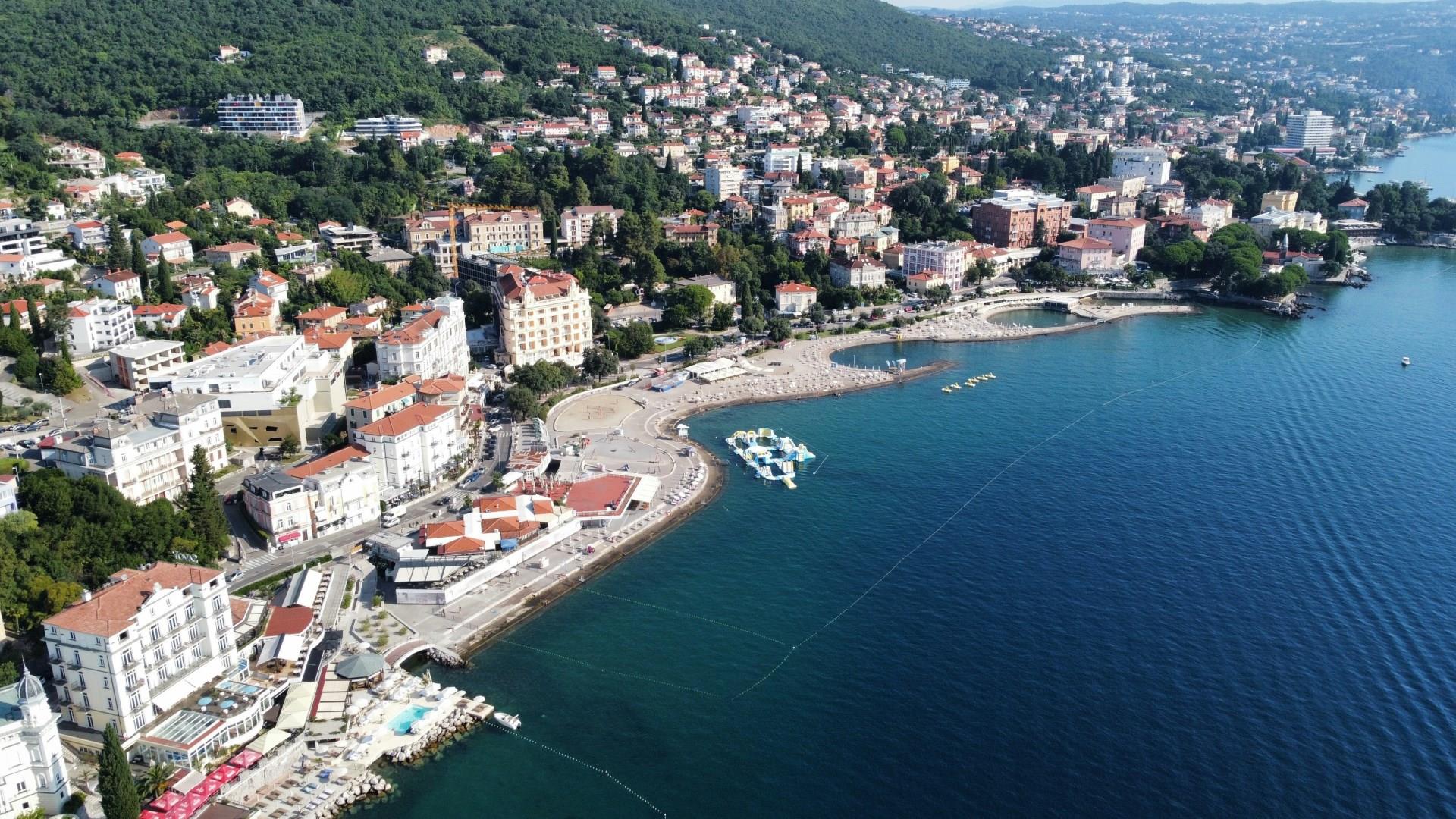
Opatija, located on Croatia’s Kvarner Bay, has been drawing visitors since the 19th century, when Austro-Hungarian aristocrats built grand villas along its Adriatic shoreline. Today, many of those same buildings still stand with some restored as luxury hotels and others preserved as cultural landmarks. The town’s most recognizable structure, Villa Angiolina, opened in 1844 and marked the start of Opatija’s rise as a fashionable seaside resort.
Photo Credit: Photo by Leandro Loureiro on Unsplash
Photo Credit: Photo by Ricardo Gomez Angel on Unsplash
Photo Credit: Photo by sara.illustration on Unsplash
Photo Credit: Photo by Tannia Aviles on Unsplash
Getsemani
Photo Credit: Photo by Jaime Bishara on Unsplash
Photo Credit: Photo by Jose Fuentes on Unsplash
Photo Credit: Photo by Jorge Gardner on Unsplash
Getsemani
Photo Credit: Photo by Jaime Bishara on Unsplash
Photo Credit: Photo by Jorge Gardner on Unsplash
Photo Credit: Photo by Chema Photo on Unsplash
Photo Credit: Photo by Luis Desiro on Unsplash
Photo Credit: Photo by Anette Bratteberg on Unsplash
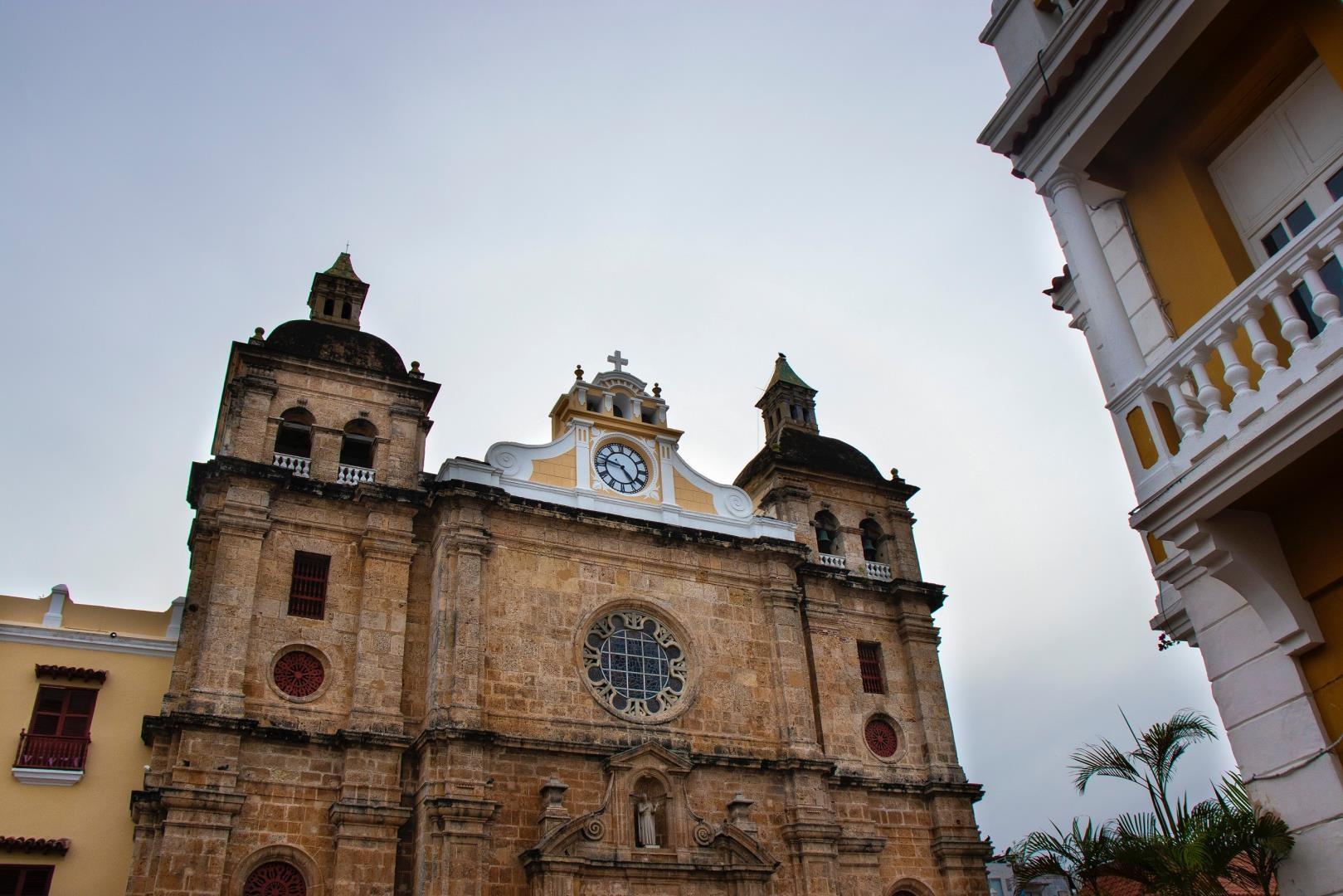
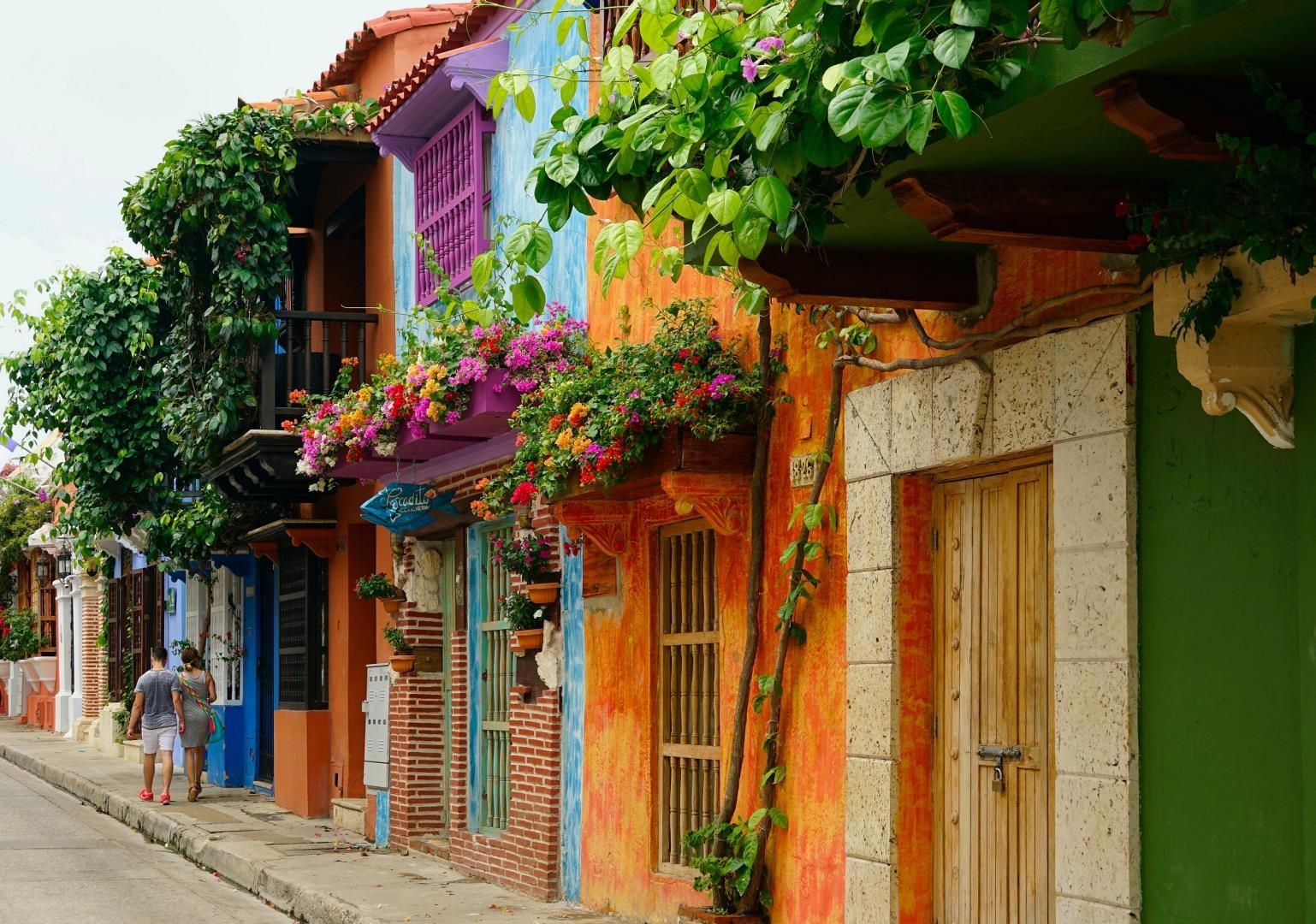
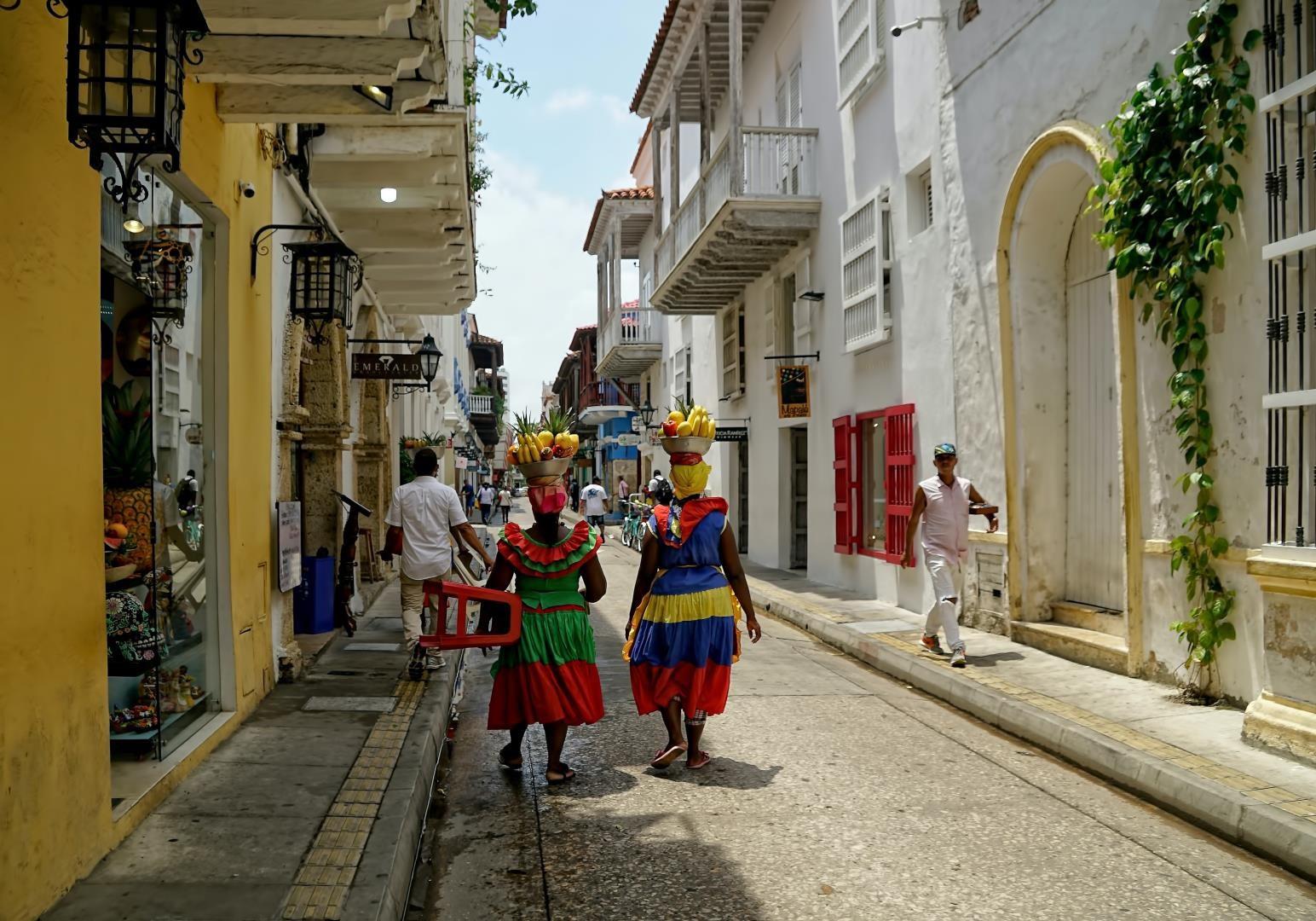
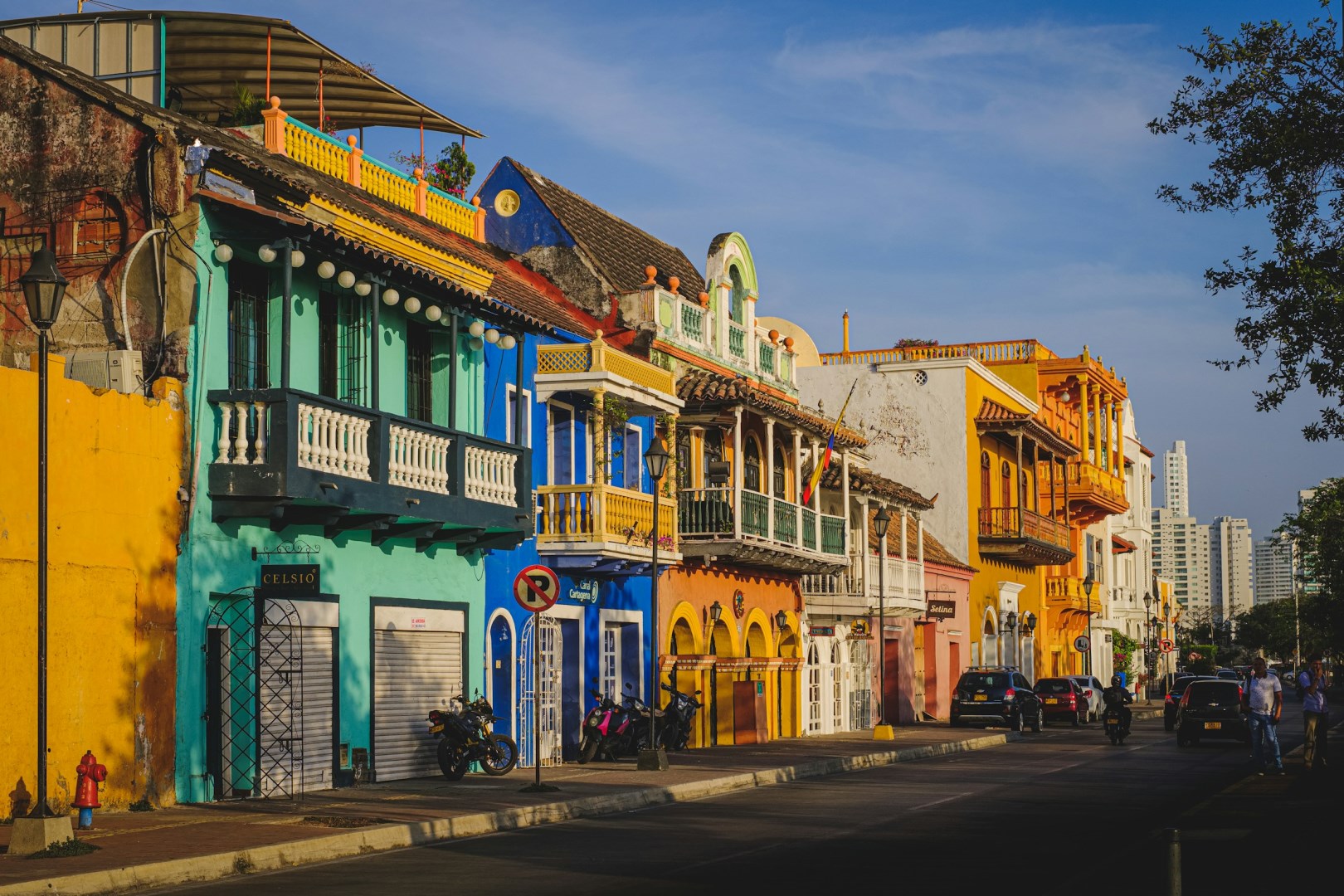
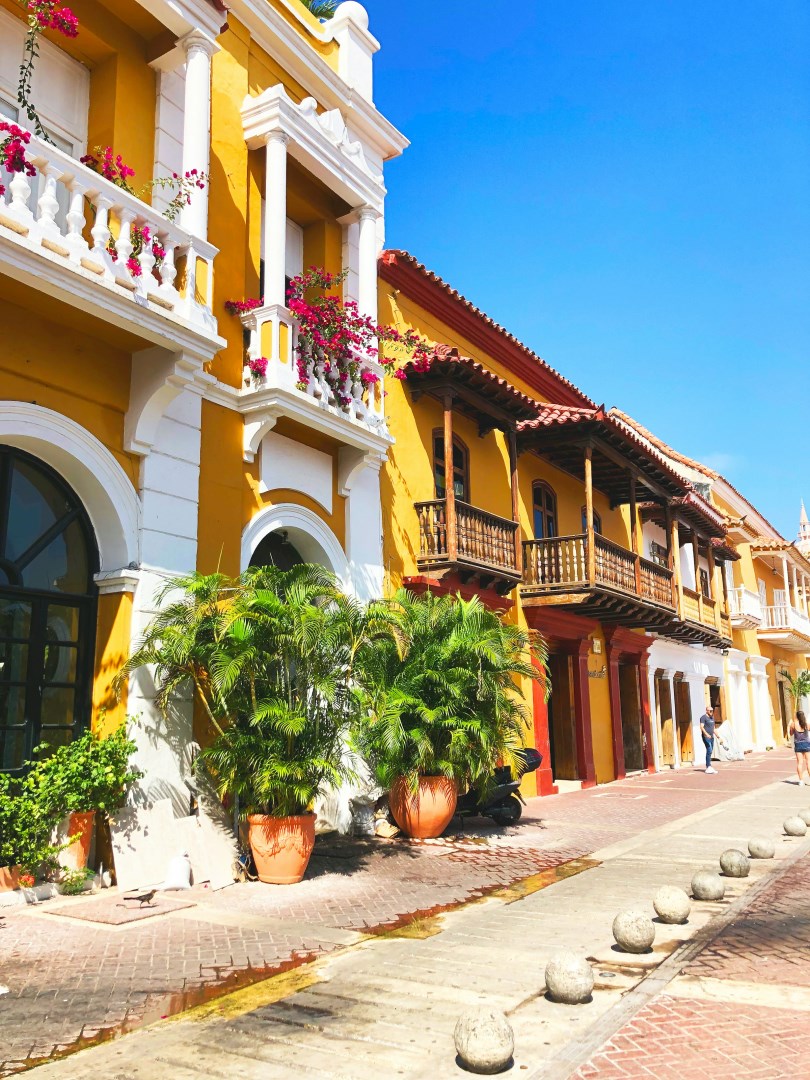
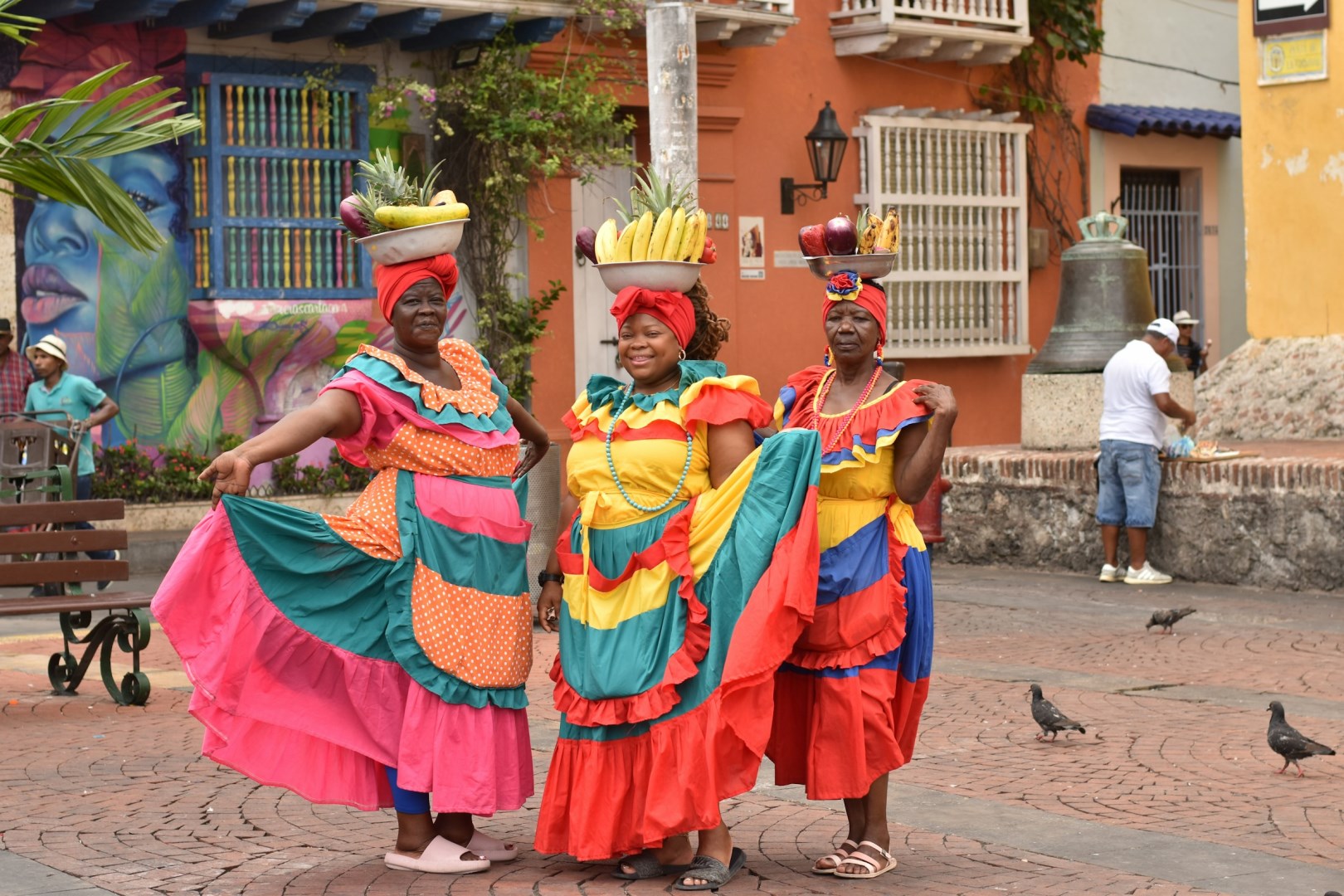
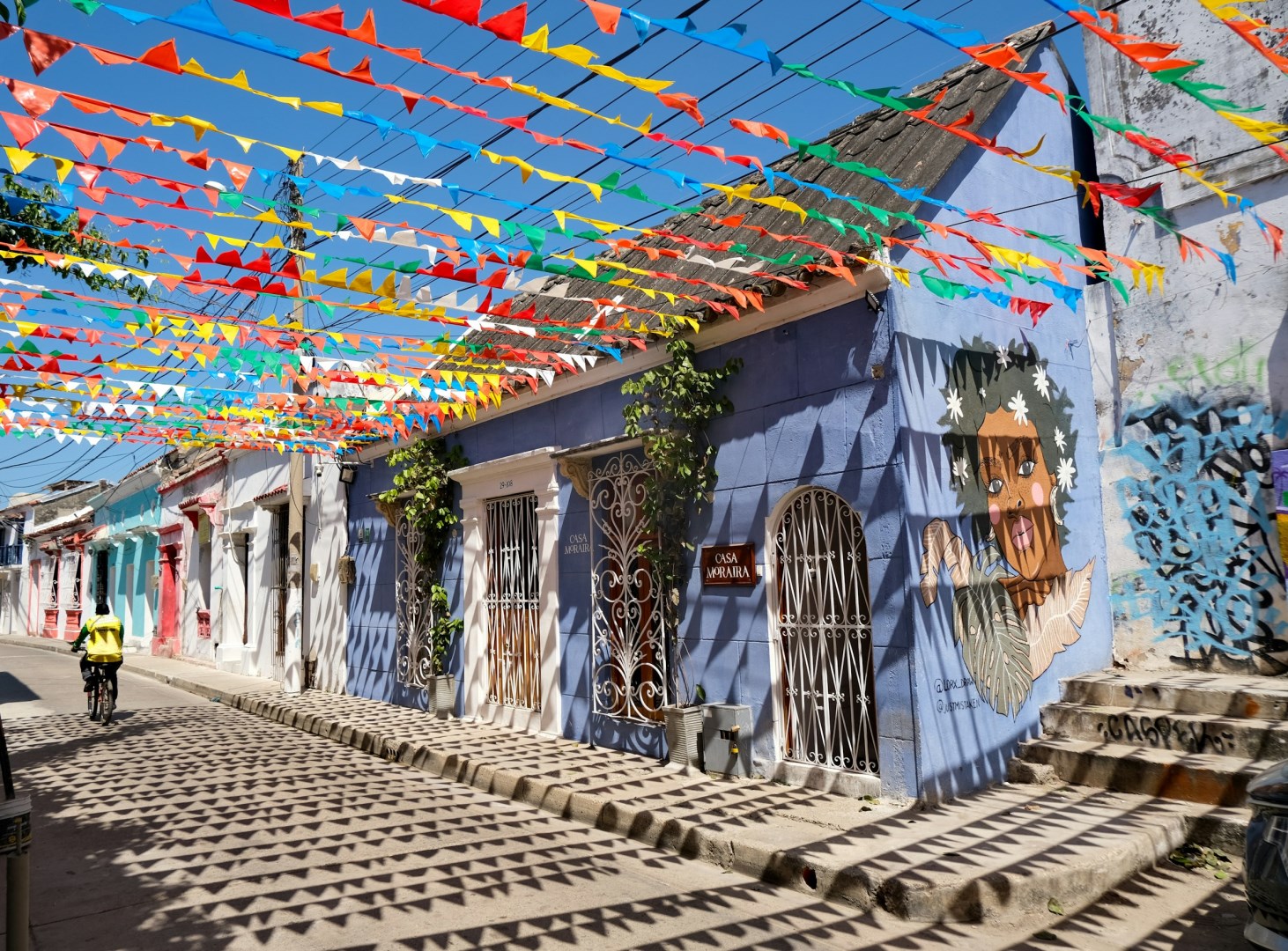
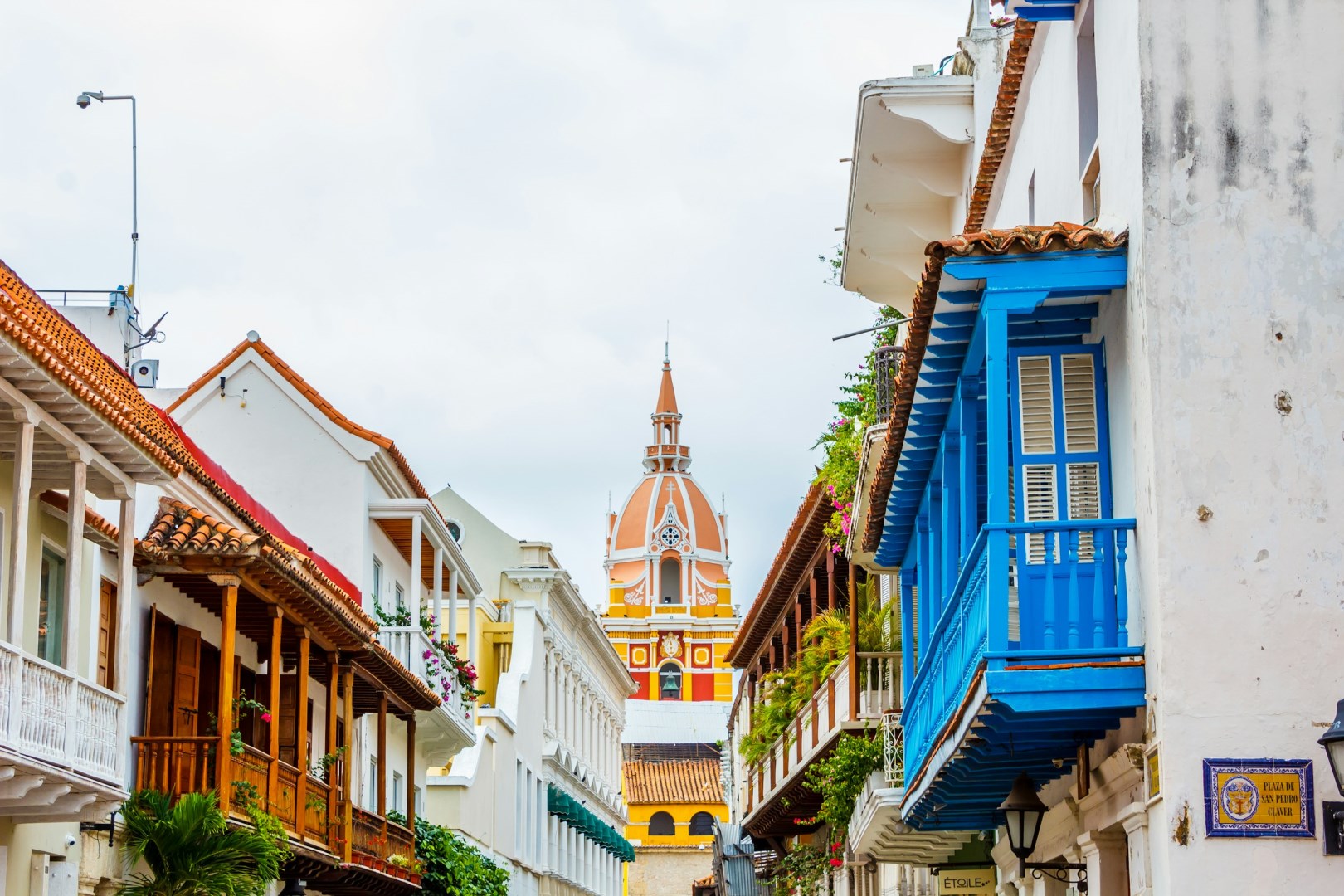
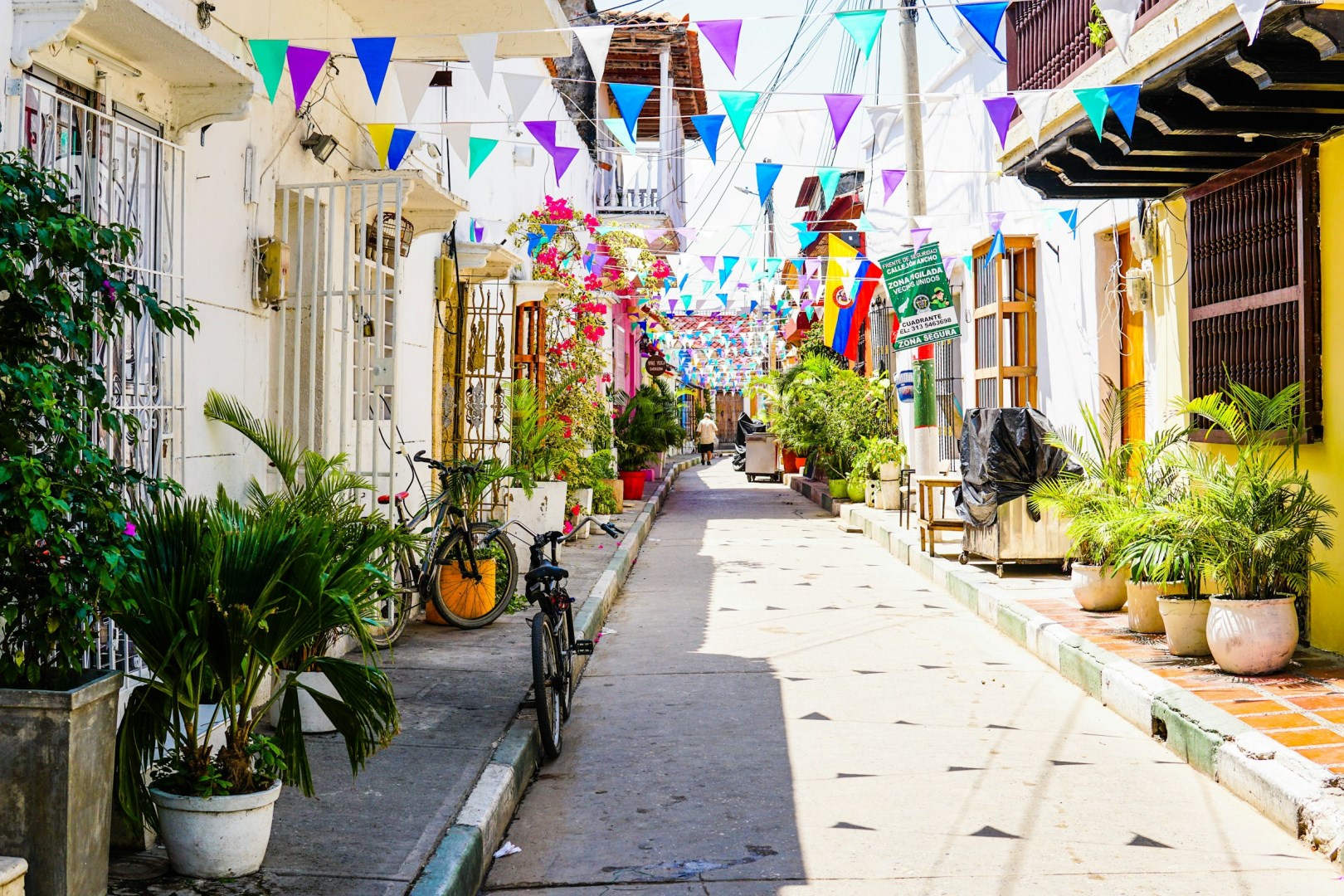
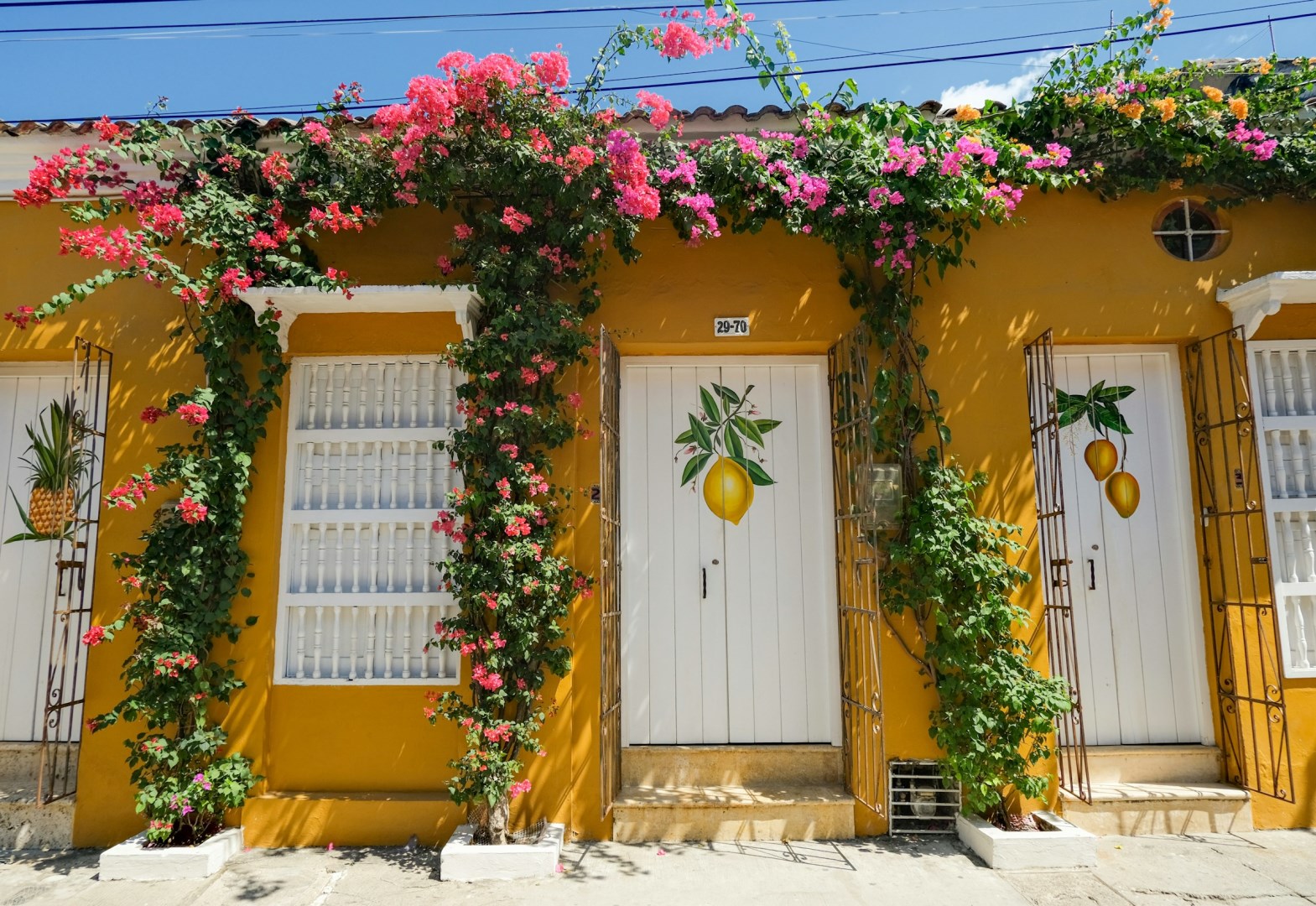
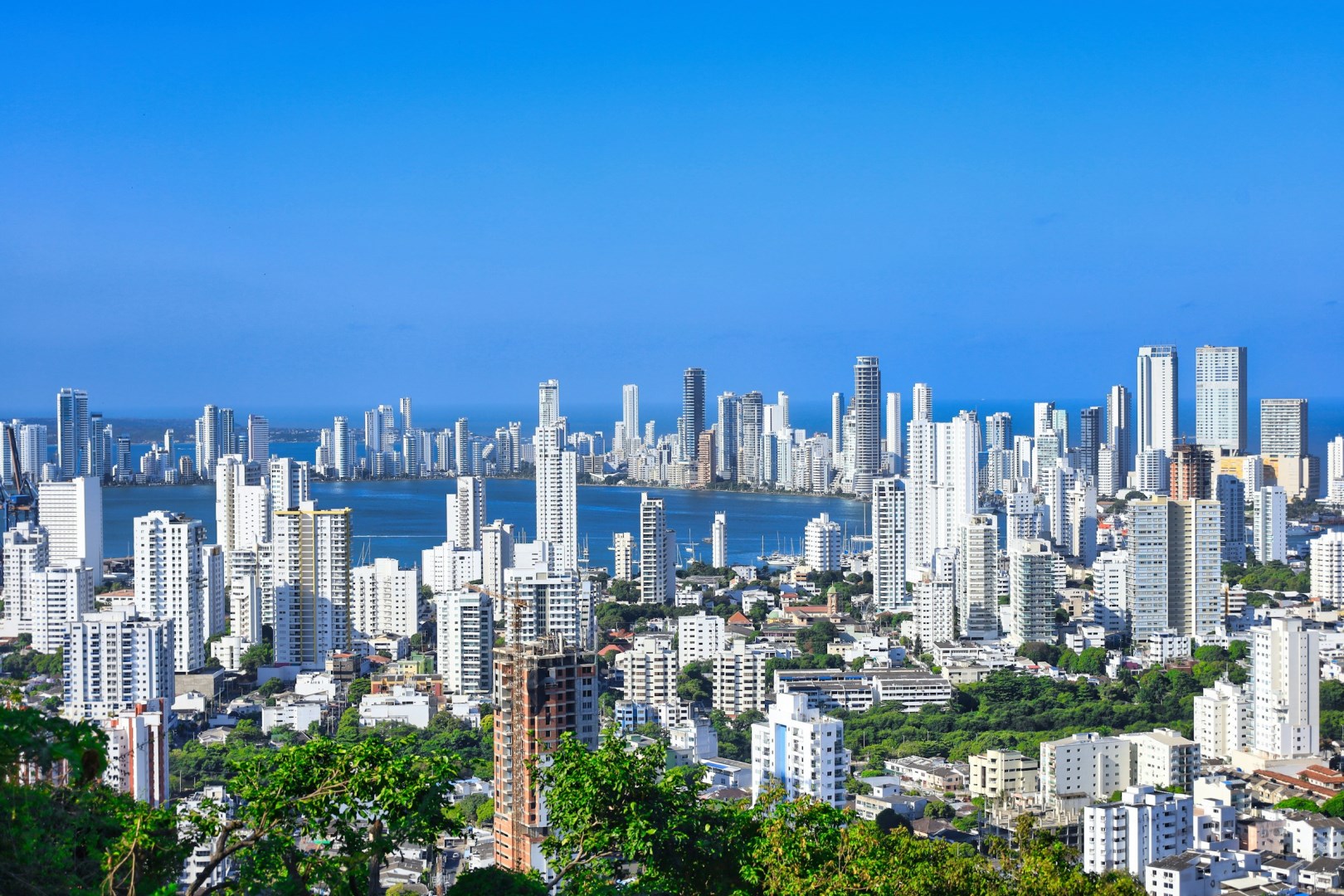
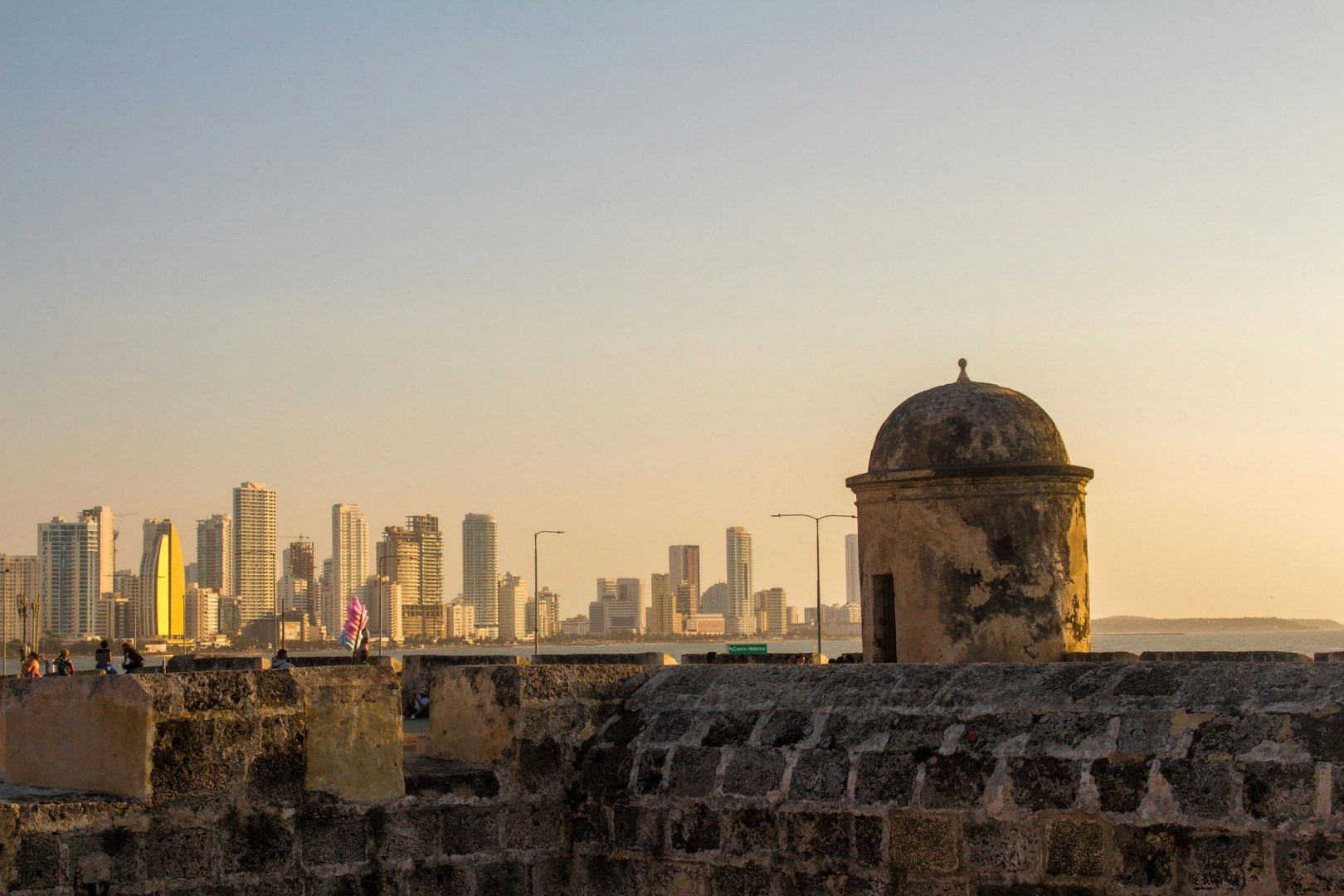
A true gem on the Caribbean coast, the port city of Cartagena (Cartagena de Indias) welcomes visitors with its charming old town, colonial buildings, and exceptional beaches. A popular cruise ship stop, many seafarers find themselves honorary Cartagenans, as they stroll shady, cobblestone lanes and gaze upon impressive churches. Must-see attractions here include the dramatic fortress Castillo de San Felipe Barajas, Las Bóvedas Market (once a dungeon, now hosting souvenir stores), and the striking, 19th century Clock Tower Monument.


Other Popular Destinations in Colombia
Medellín
Nestled in the Aburrá Valley and surrounded by the Andes mountains, Medellín offers a stunning backdrop for visitors and boasts a pleasant climate year-round, earning it the nickname "City of Eternal Spring."
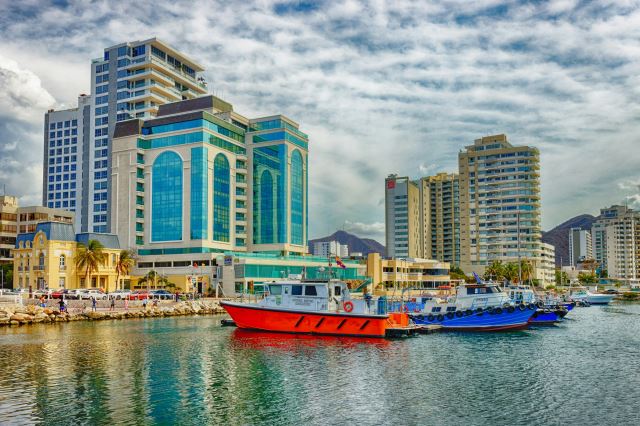
Santa Marta
Santa Marta, located on Colombia’s northern Caribbean coast, is one of the country’s oldest cities, founded in 1525. It has long served as a gateway between the coast and the Sierra Nevada de Santa Marta, the world’s highest coastal mountain range.