


Cork





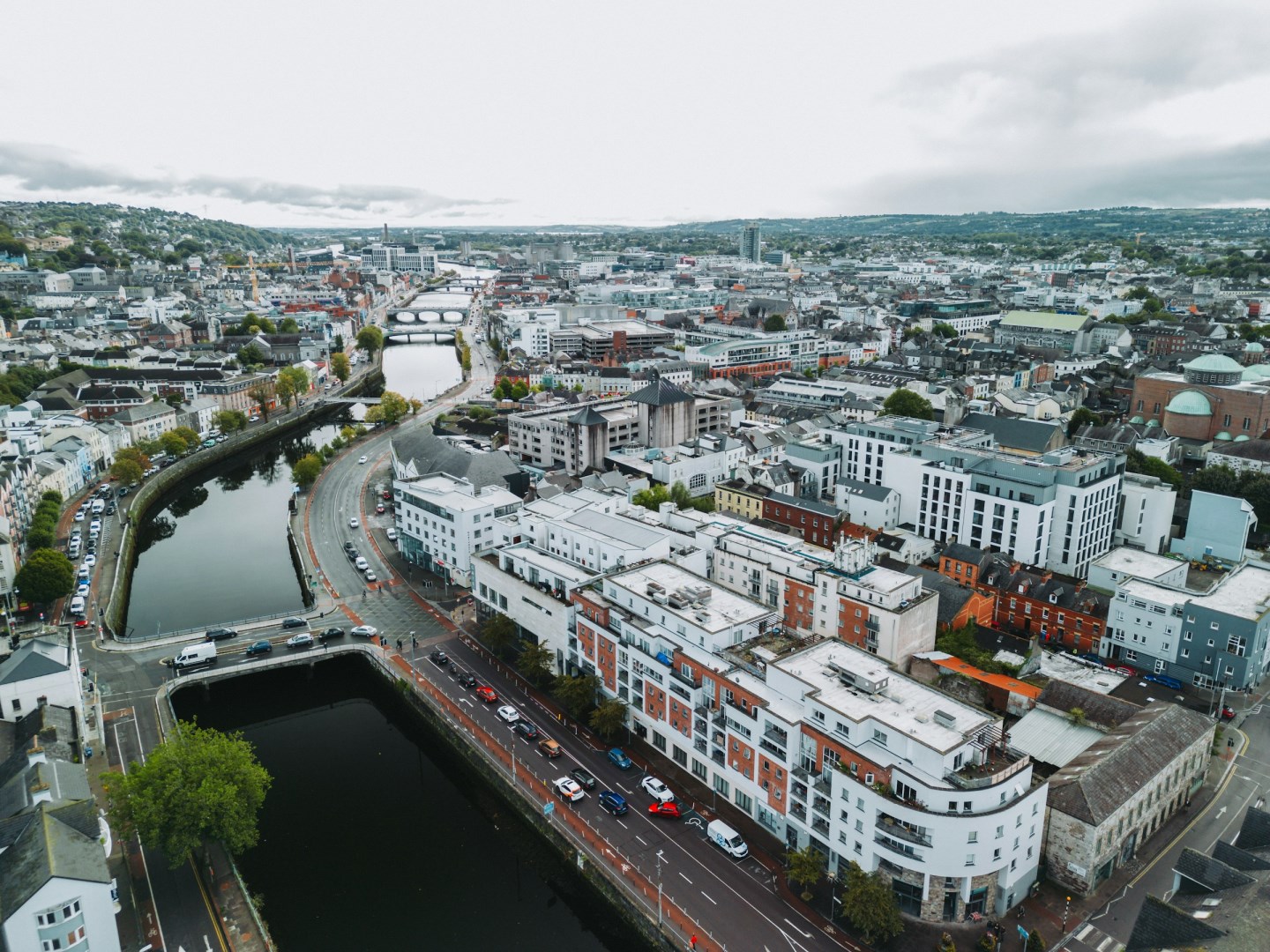
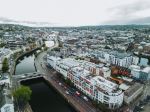
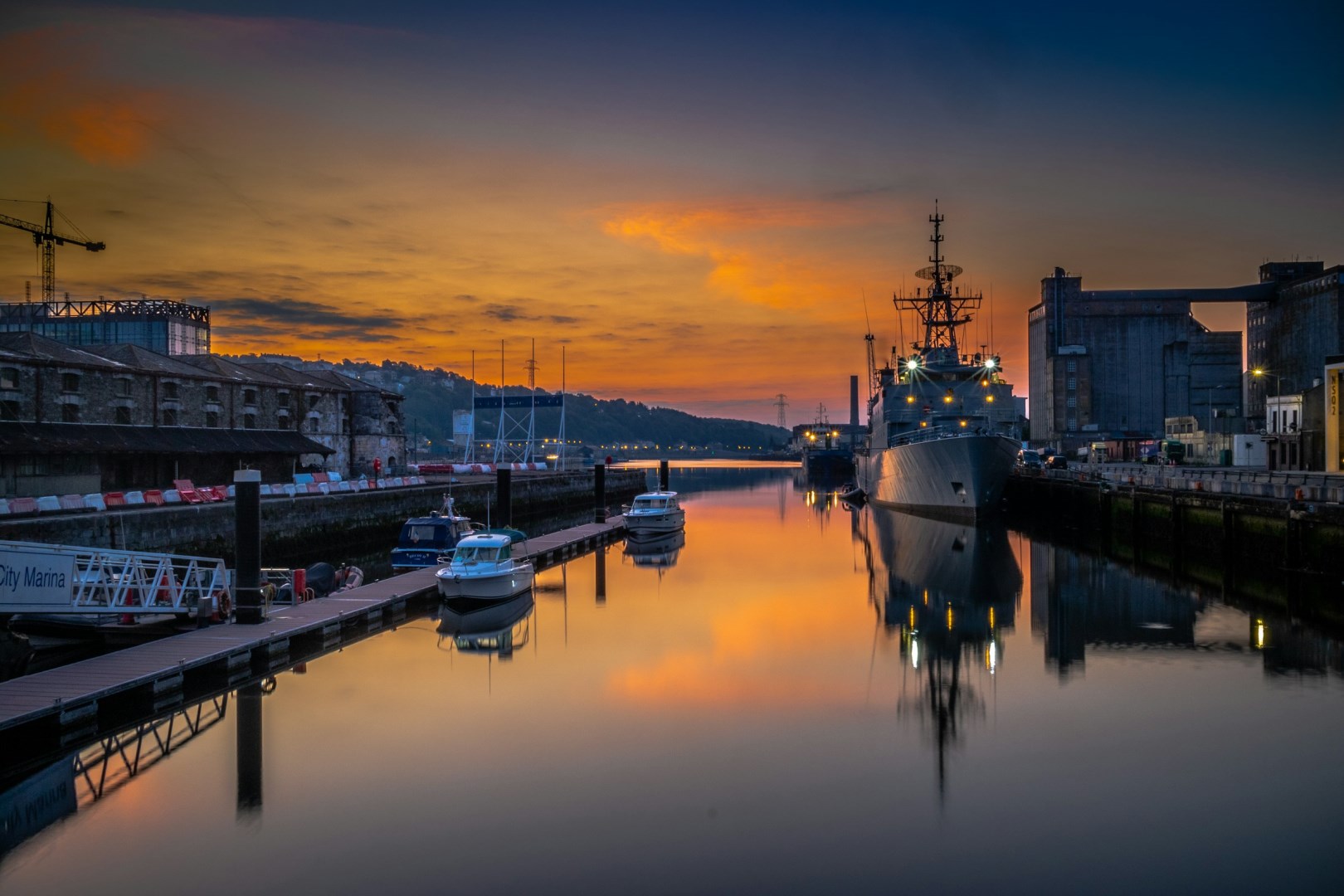
The Irish Republic's second largest city is a surprisingly appealing place - you'll find time passes effortlessly during the day, and by night the pub scene is lively. The town center is uniquely situated on an island between two channels of the Lee River. North of the river, in the Shandon area, is an interesting historic part of the city, if a bit run down today. Sights to the south include Protestant St Finbarr's Cathedral, the Cork Museum (largely given over to the nationalist struggle in which Cork played an important role), the 19th century Cork Jail, the City Hall and numerous churches, breweries and chapels.
Cork prides itself on its cultural pursuits, and apart from a heap of cozy pubs, the Cork Opera House, Crawford Art Gallery and Firkin Crane Centre offer both traditional and mainstream fare. A popular day trip from Cork is to Blarney Castle, where even the most un-touristy visitor may feel compelled to kiss the Blarney Stone. Cork is around five hours to the south of Dublin by bus.
Cork prides itself on its cultural pursuits, and apart from a heap of cozy pubs, the Cork Opera House, Crawford Art Gallery and Firkin Crane Centre offer both traditional and mainstream fare. A popular day trip from Cork is to Blarney Castle, where even the most un-touristy visitor may feel compelled to kiss the Blarney Stone. Cork is around five hours to the south of Dublin by bus.
