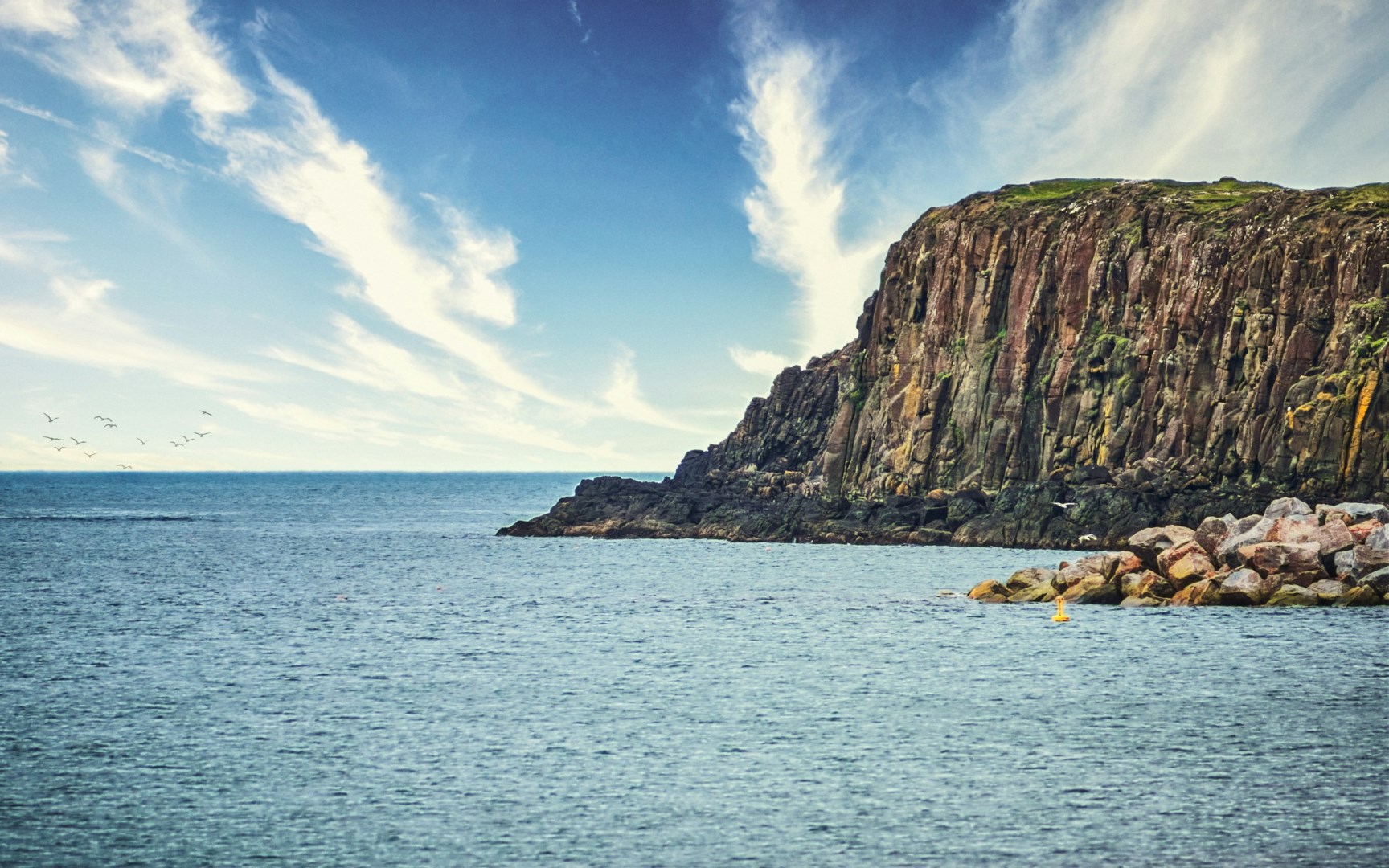
La Palma (also San Miguel de La Palma) is the fifth of Spain's Canary Islands. This mountainous volcanic island is a natural wonder of tropical vegetation. Its coast is lined by jagged cliffs and plunging ravines, and its beaches are covered with black sand. Thanks to dry climate and the height of its mountains creating excellent observation conditions, La Palma has become the home of some of the world's largest telescopes, seated on the rocky ridge called El Roque de los Muchachos.
At the very heart of Denmark lies Odense, birthplace of Hans Christian Andersen and Denmark's third-largest city - the fairy-tale capital of Funen, home to 200,000 people and with a history stretching back over 1000 years.
Tikal is one of the most extraordinary ancient cities in Guatemala, hidden deep in the Petén region’s tropical forests. Once called Yax Mutal by its Maya builders, these ruins reveal thousands of years of history in carved stone stelae and towering limestone structures, some of which rise more than 60 meters above the jungle floor. Today, visitors can walk among the Great Plaza and gaze up at the Temple of the Great Jaguar and the Temple of the Masks, reminders of the city’s long legacy.
Santa Marta, located on Colombia’s northern Caribbean coast, is one of the country’s oldest cities, founded in 1525. It has long served as a gateway between the coast and the Sierra Nevada de Santa Marta, the world’s highest coastal mountain range.
Stretching across central Oman, the Wahiba Sands offer a dramatic desert landscape of rolling dunes that shift in color with the changing light. This vast sea of sand is home to towering ridges and open plains, creating an otherworldly backdrop for exploration.
Devil’s Bridge National Park, located on the rugged Atlantic coast of Antigua, is one of the island’s most dramatic natural landmarks. The park is named after its striking limestone arch, carved over centuries by relentless waves and wind.
Photo Credit: Photo by Vlad Tchompalov on Unsplash
Photo Credit: Photo by Tam Minton on Unsplash
Photo Credit: Photo by Vlad Tchompalov on Unsplash
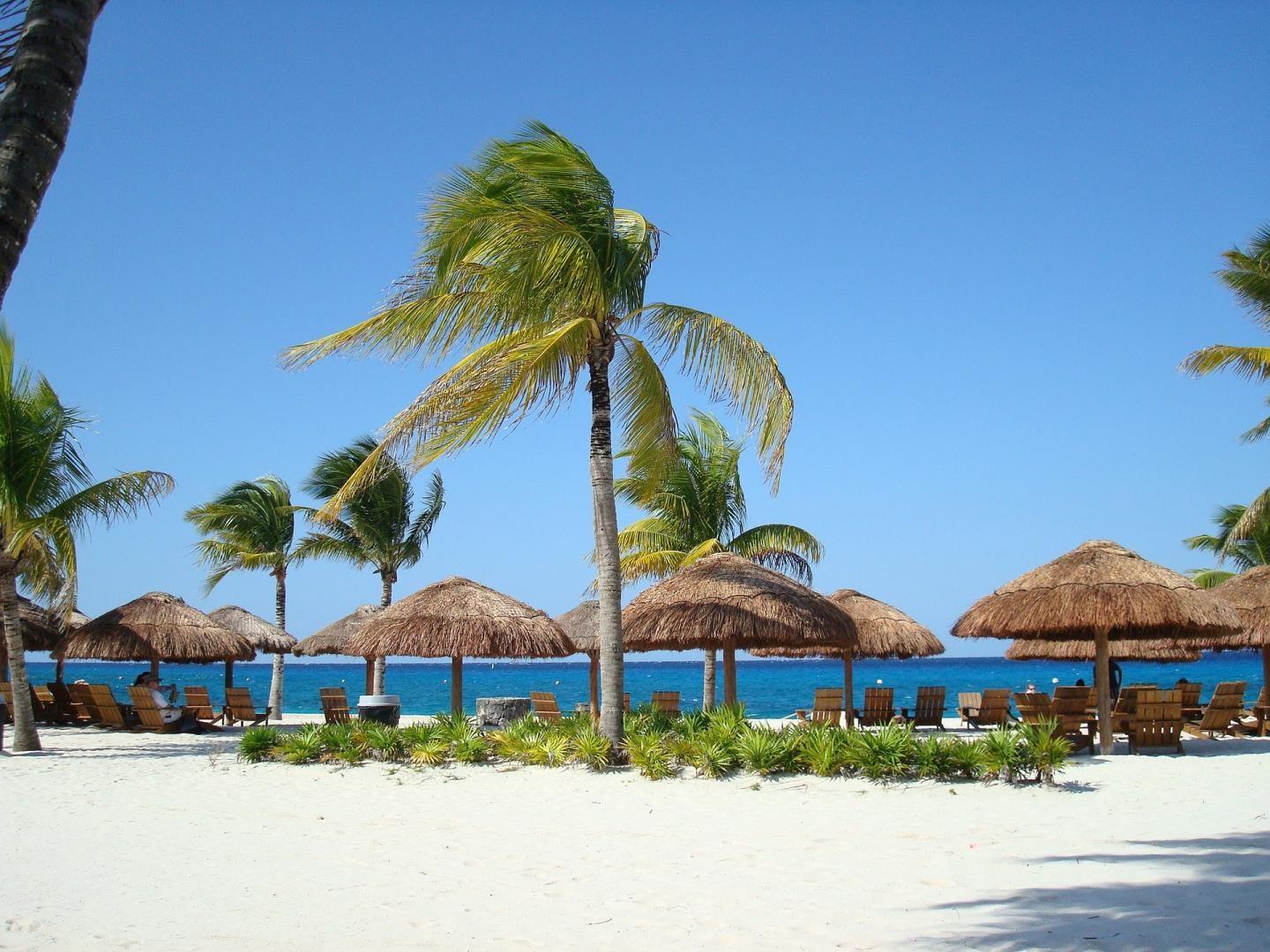
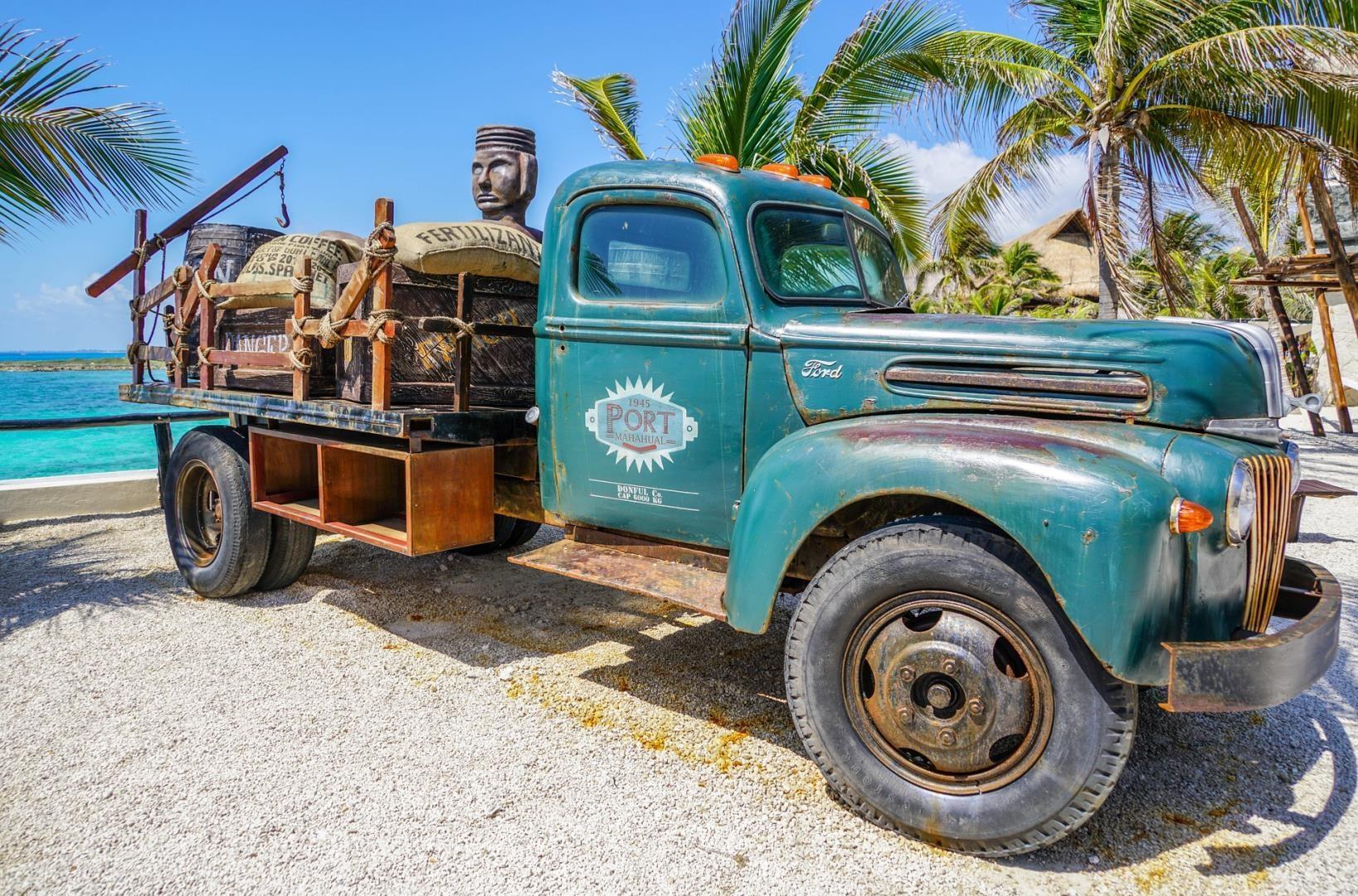
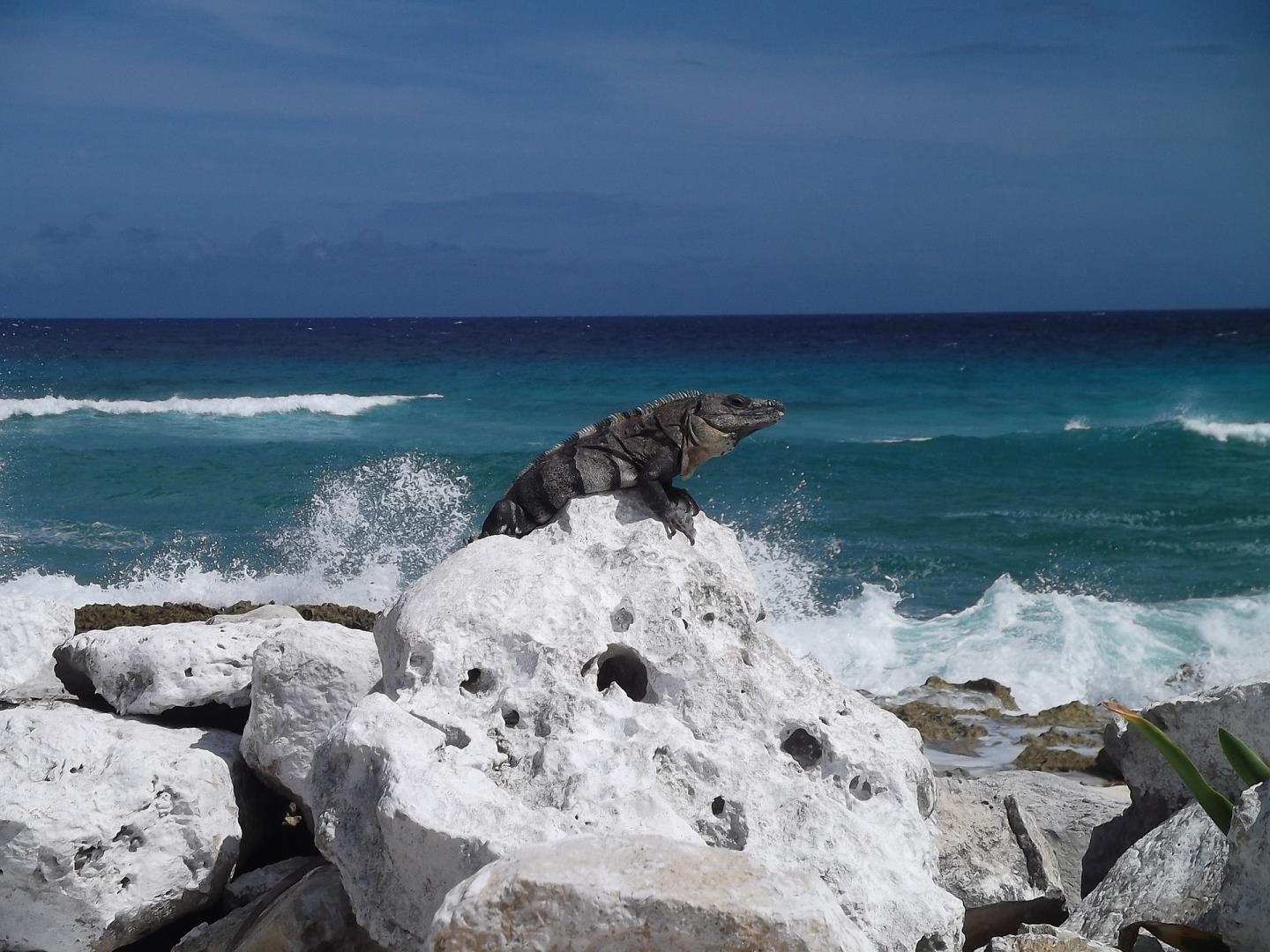
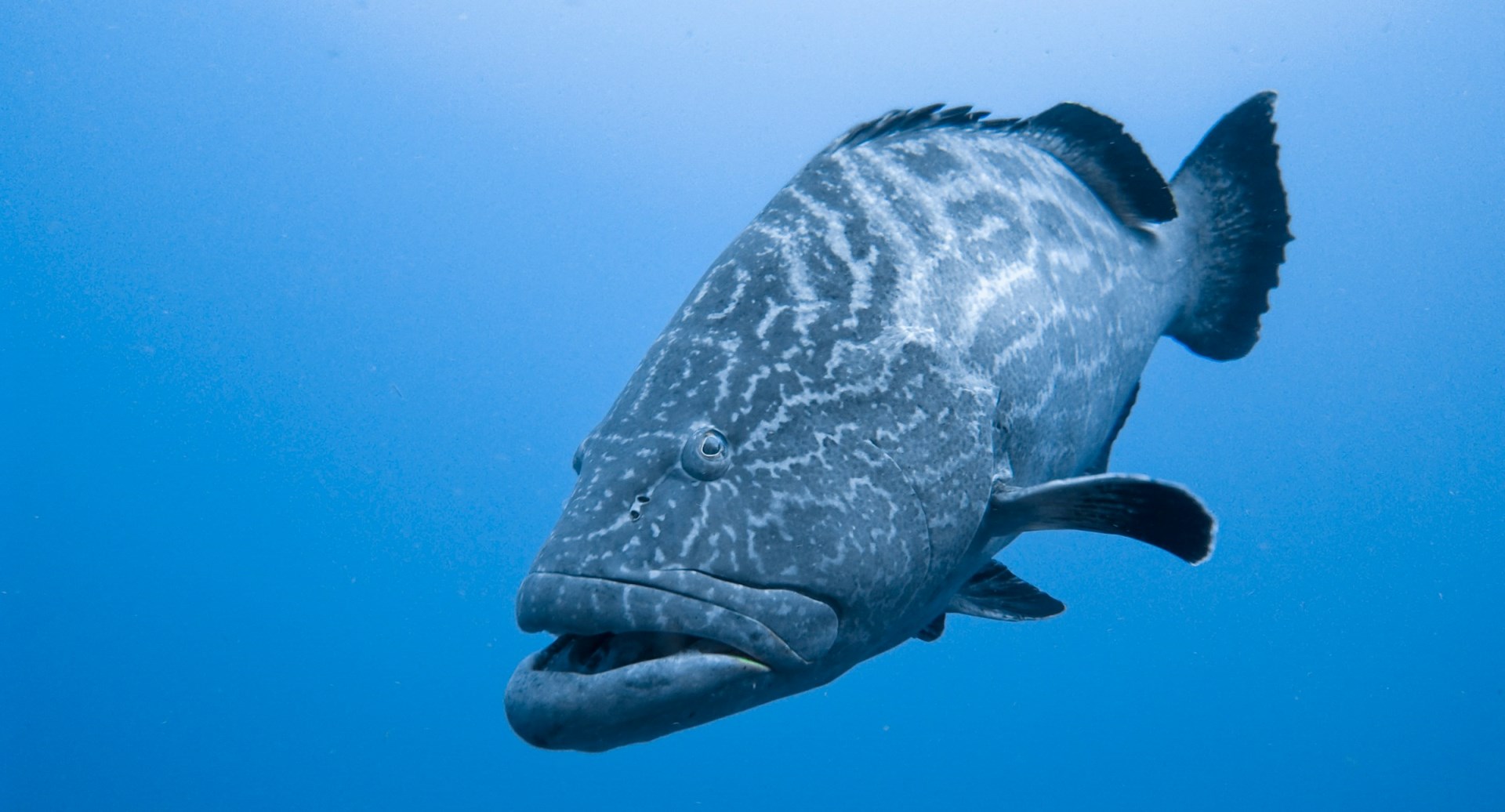
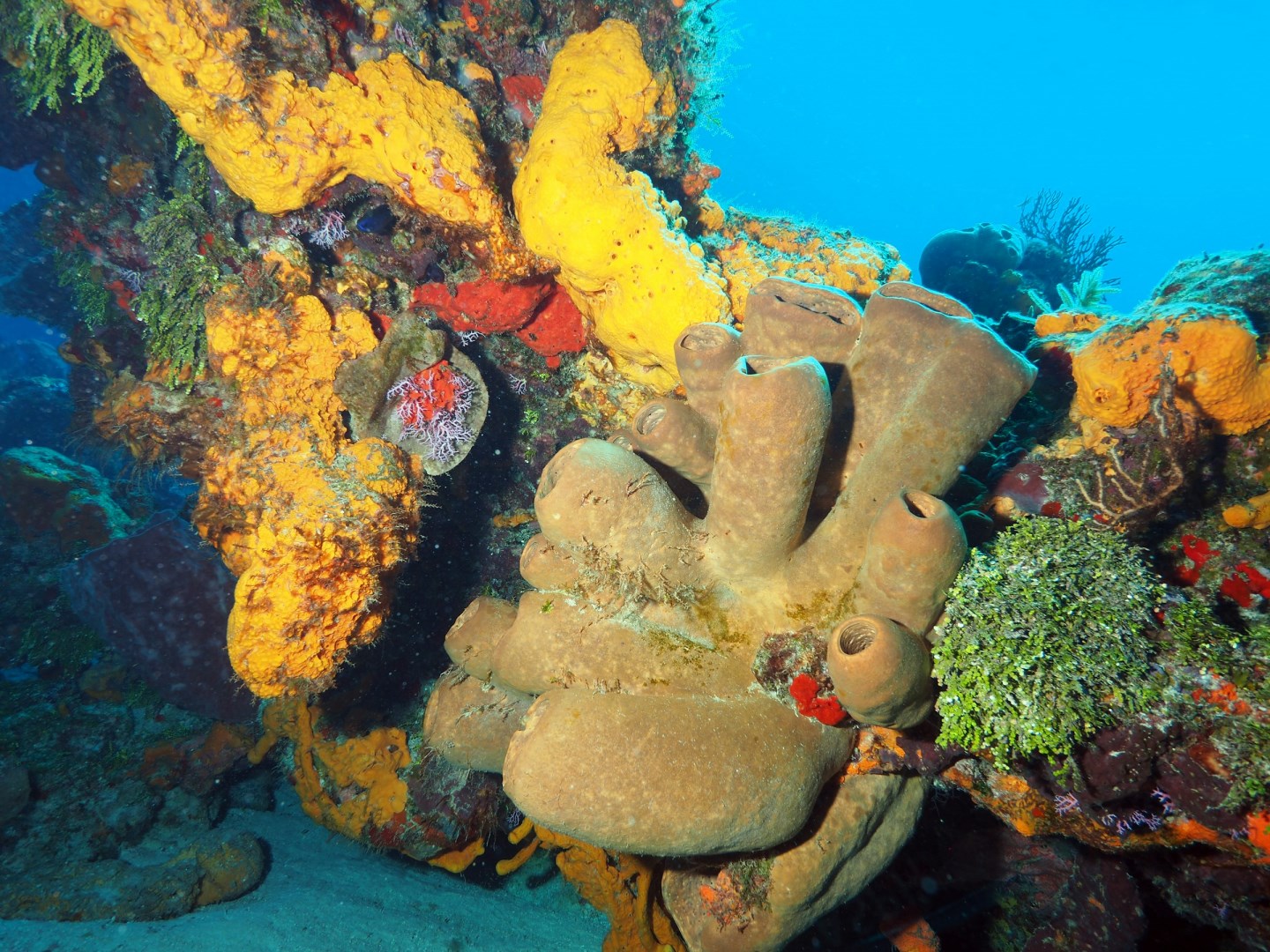
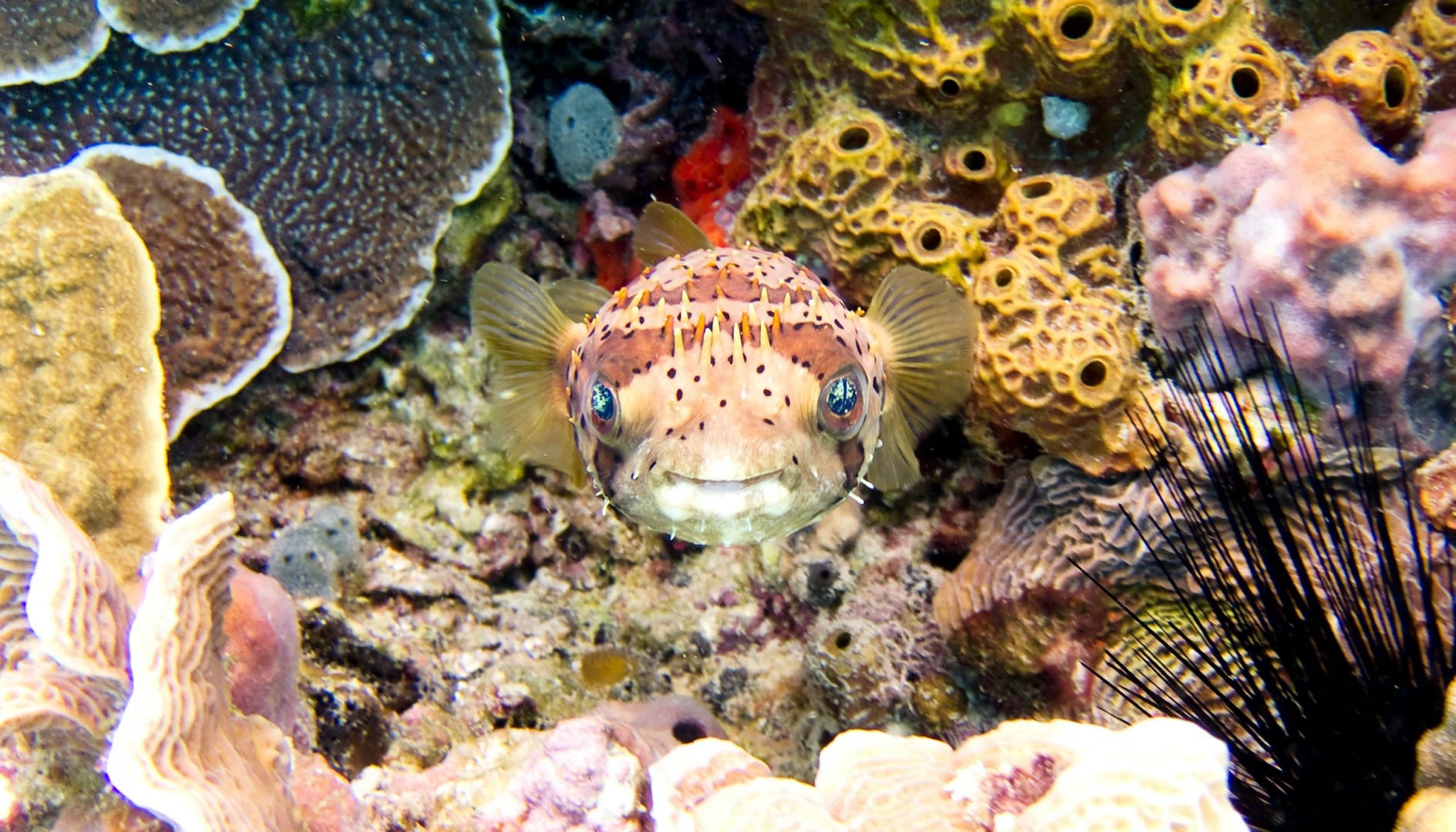
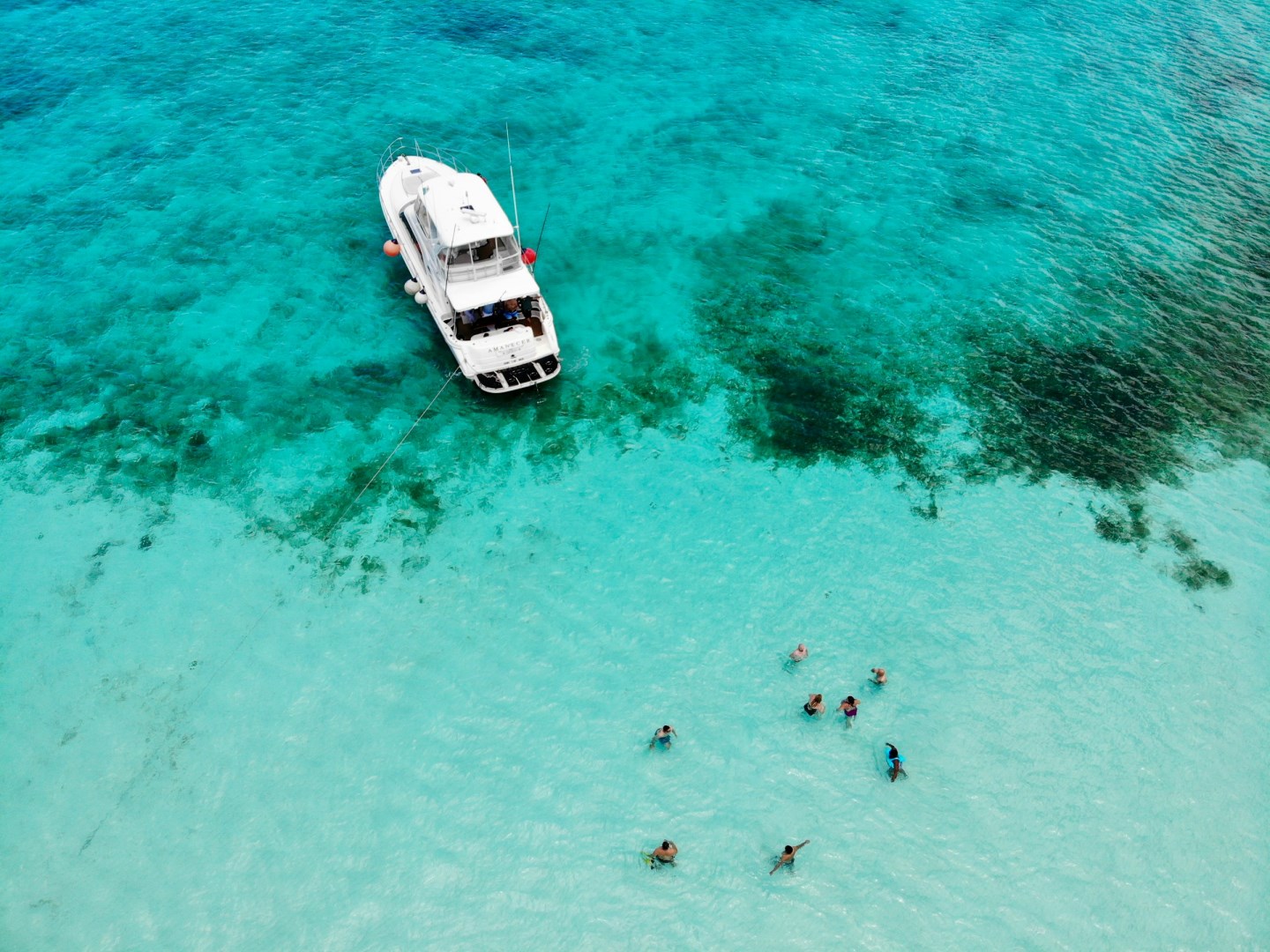
A Caribbean island paradise, Cozumel lies a short distance from Mexico's Yucatán Peninsula. Tourism is the main economic engine here: visitors can enjoy a variety of activities, whether taking advantage of world-class snorkeling and scuba diving, swimming with dolphins, or lounging with a drink at one of the island's seaside resorts. Venture outside of touristy downtown Cozumel to discover the island's breathtaking natural beauty. Drive to the island's southern tip to Punta Sur Park, home to some colorful wildlife and one of Cozumel's most spectacular beaches, or head north to the San Gervasio archaeological site, where you'll find ancient Mayan ruins and a wildlife refuge brimming with iguanas. Visit Cozumel in February to experience the island's festive Carnival celebrations, occurring annually the week prior to Mardi Gras. Stunning Cozumel awaits!
Learn More About Cozumel
Punta Sur Beach
This ecological park encompasses beaches, lagoons, forest and more. Snorkeling and scuba opportunities abound here!
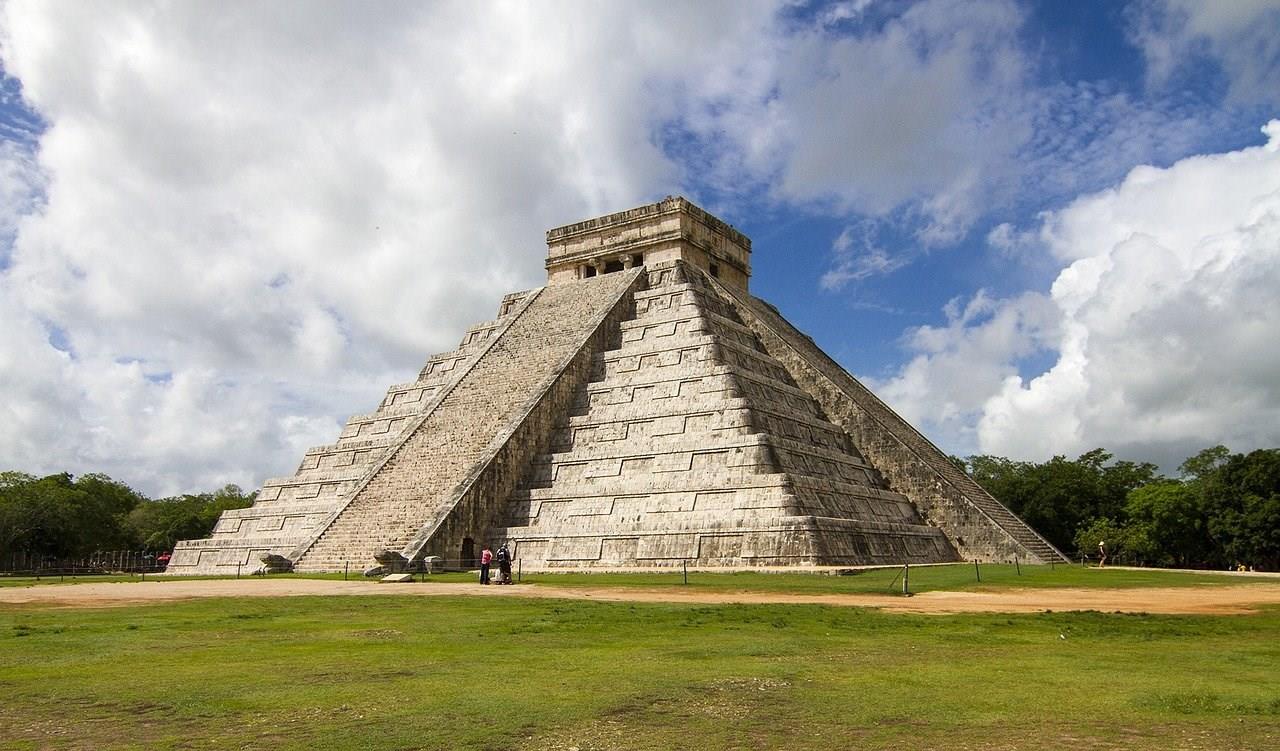
Zona Arqueológica San Gervasio
View Mayan ruins at this famous archaeological site.
Other Popular Destinations in Quintana Roo
Costa Maya
This small cruise port is located in Mexico's Yucatan peninsula south of Playa del Carmen, near Belize. It is famous for Chacchoben, a breathtaking set of Mayan ruins. The port has a new and modern shopping mall and the central plaza has saltwater pools and 'swim-up' style bars for tourists to enjoy.
Playa Del Carmen
Playa del Carmen, located along Mexico’s Riviera Maya, offers more than just soft beaches and turquoise waters. Once a quiet fishing village, the town has grown into a lively hub where Mayan history meets a modern beachside lifestyle. Visitors walking along Quinta Avenida will find artisan shops, street performers, and cafes offering everything from espresso to tacos al pastor. This area becomes especially active in the evenings when live music spills out from local venues.