



Mexico | Quintana Roo | Cozumel


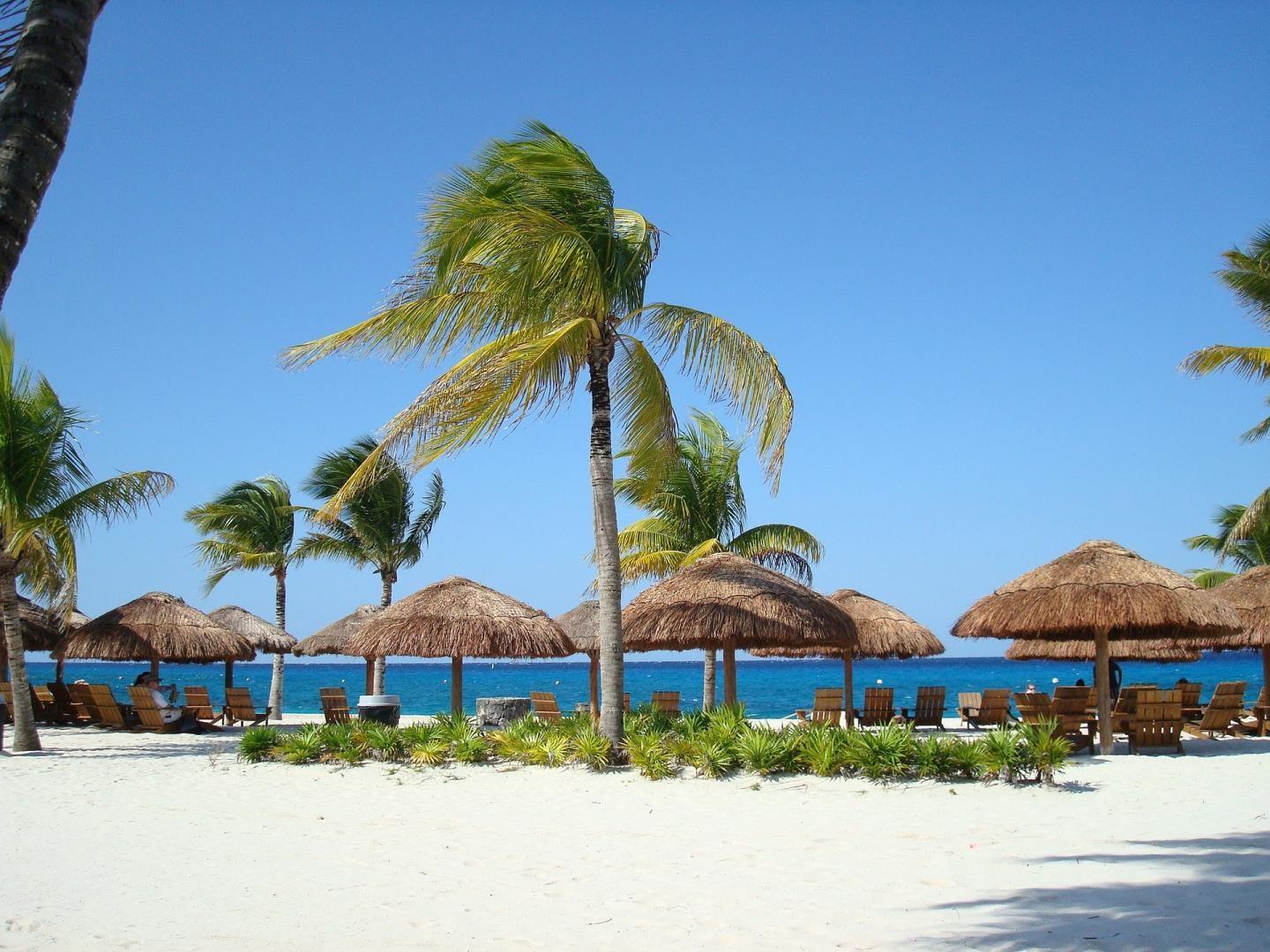

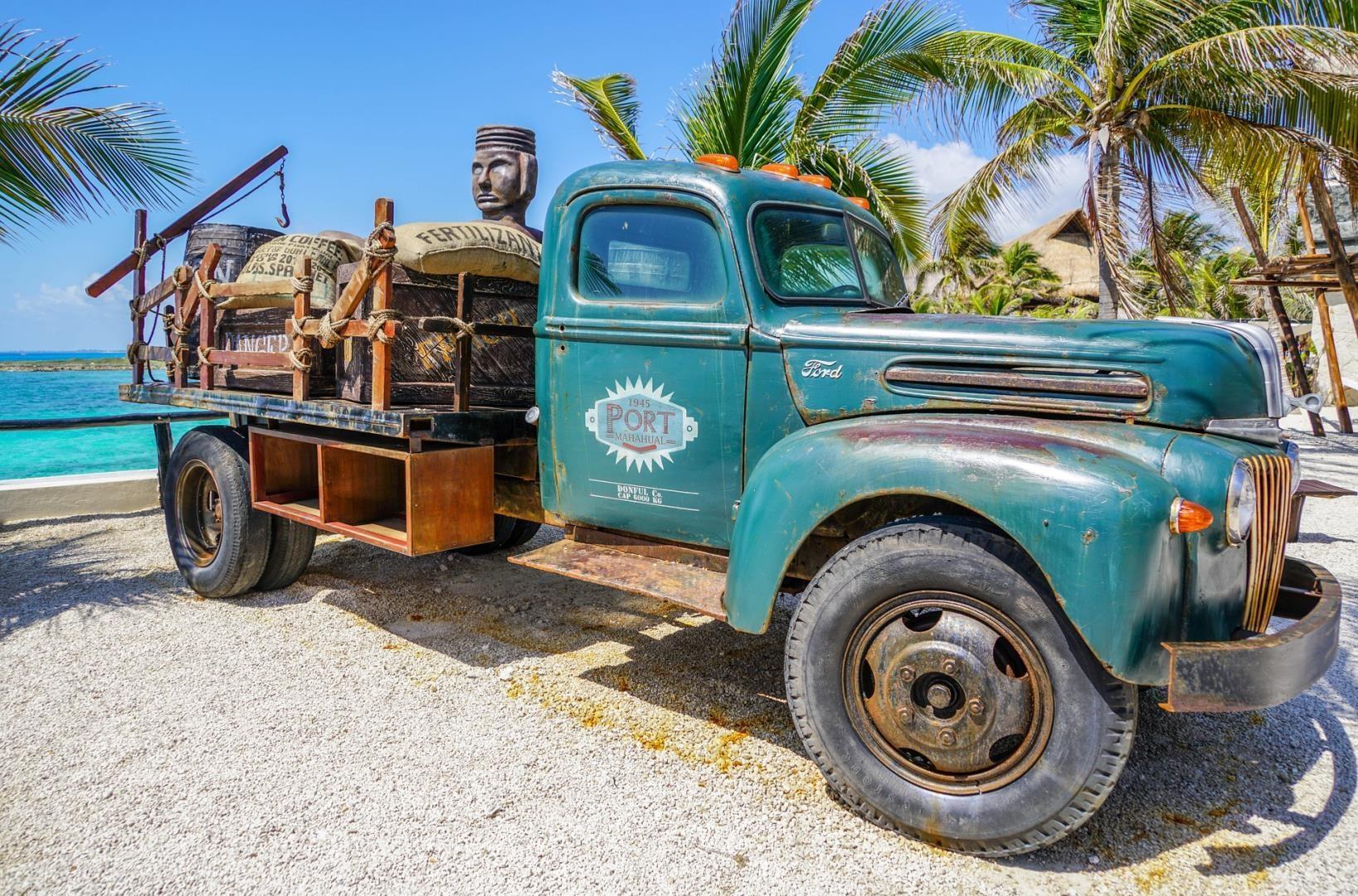

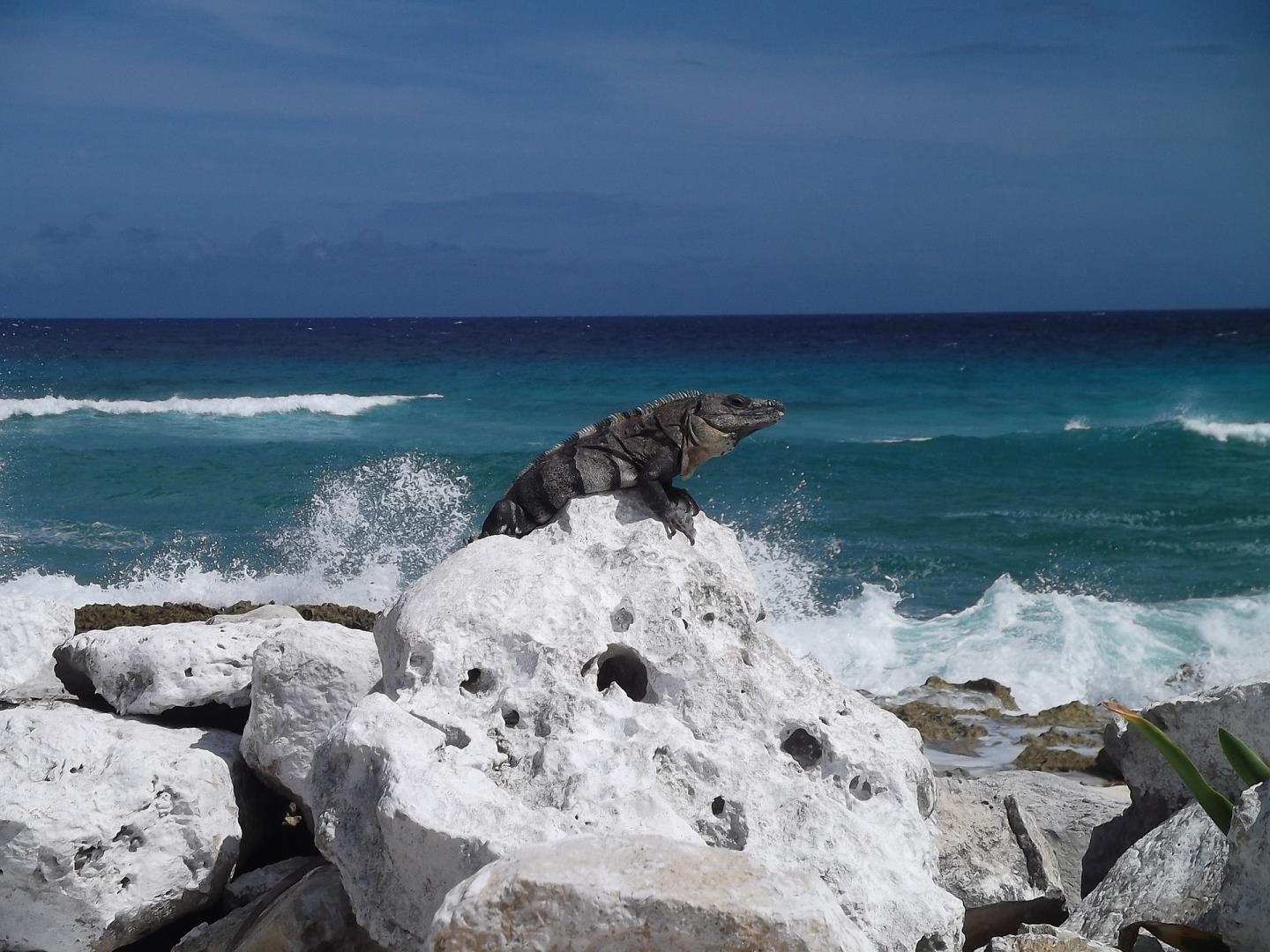

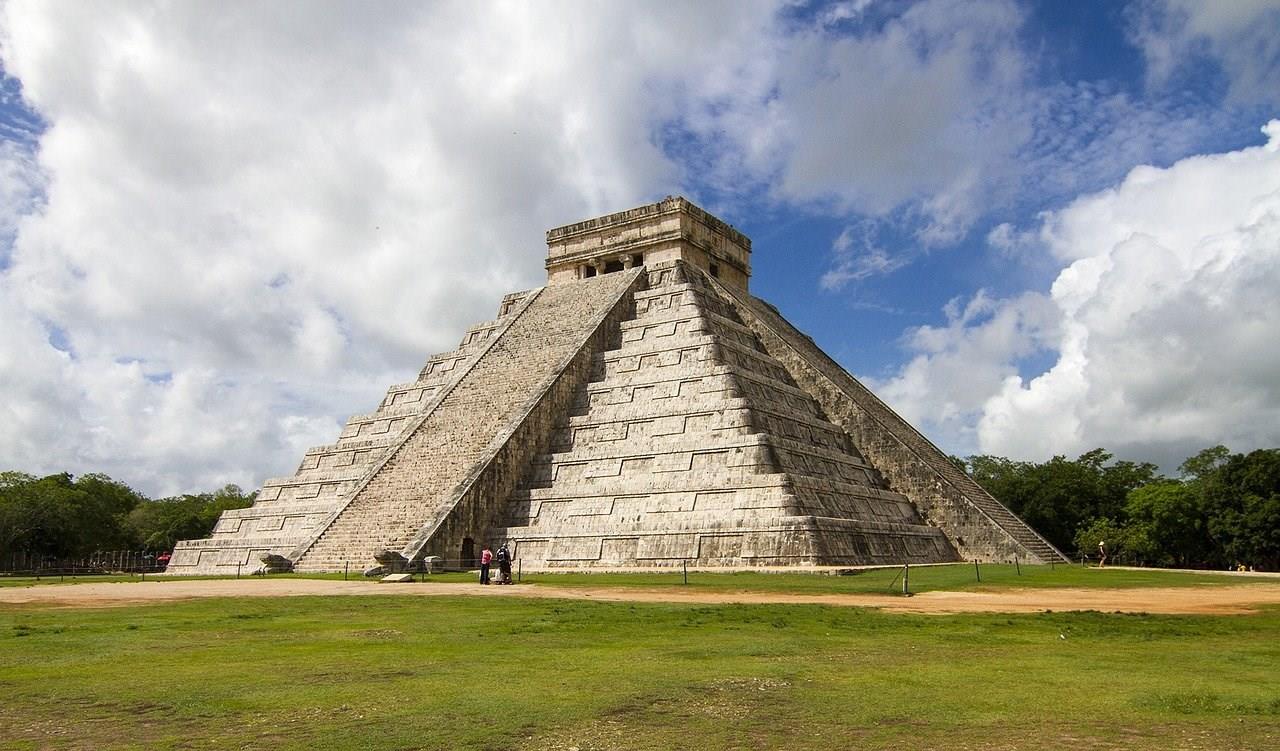

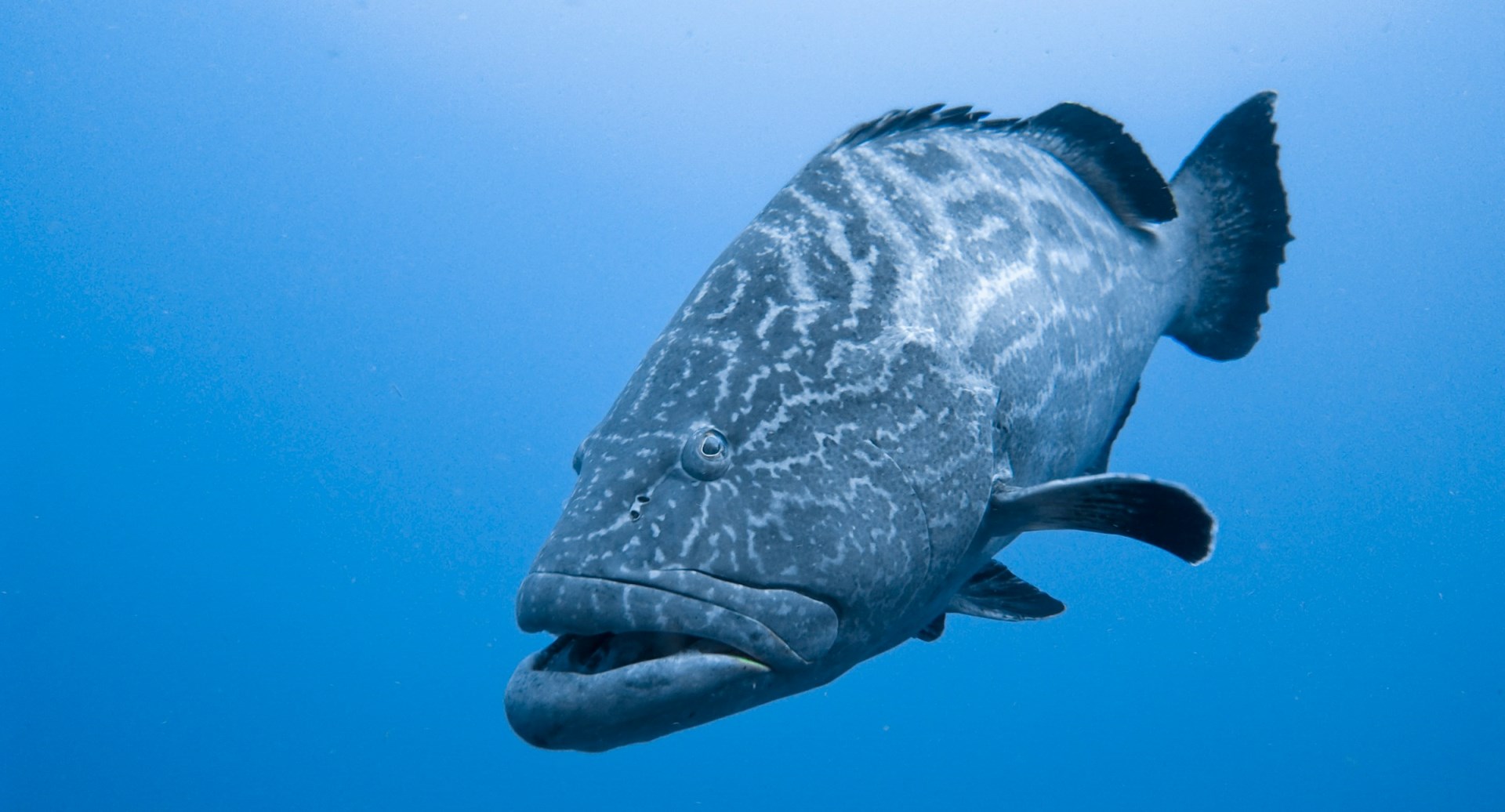
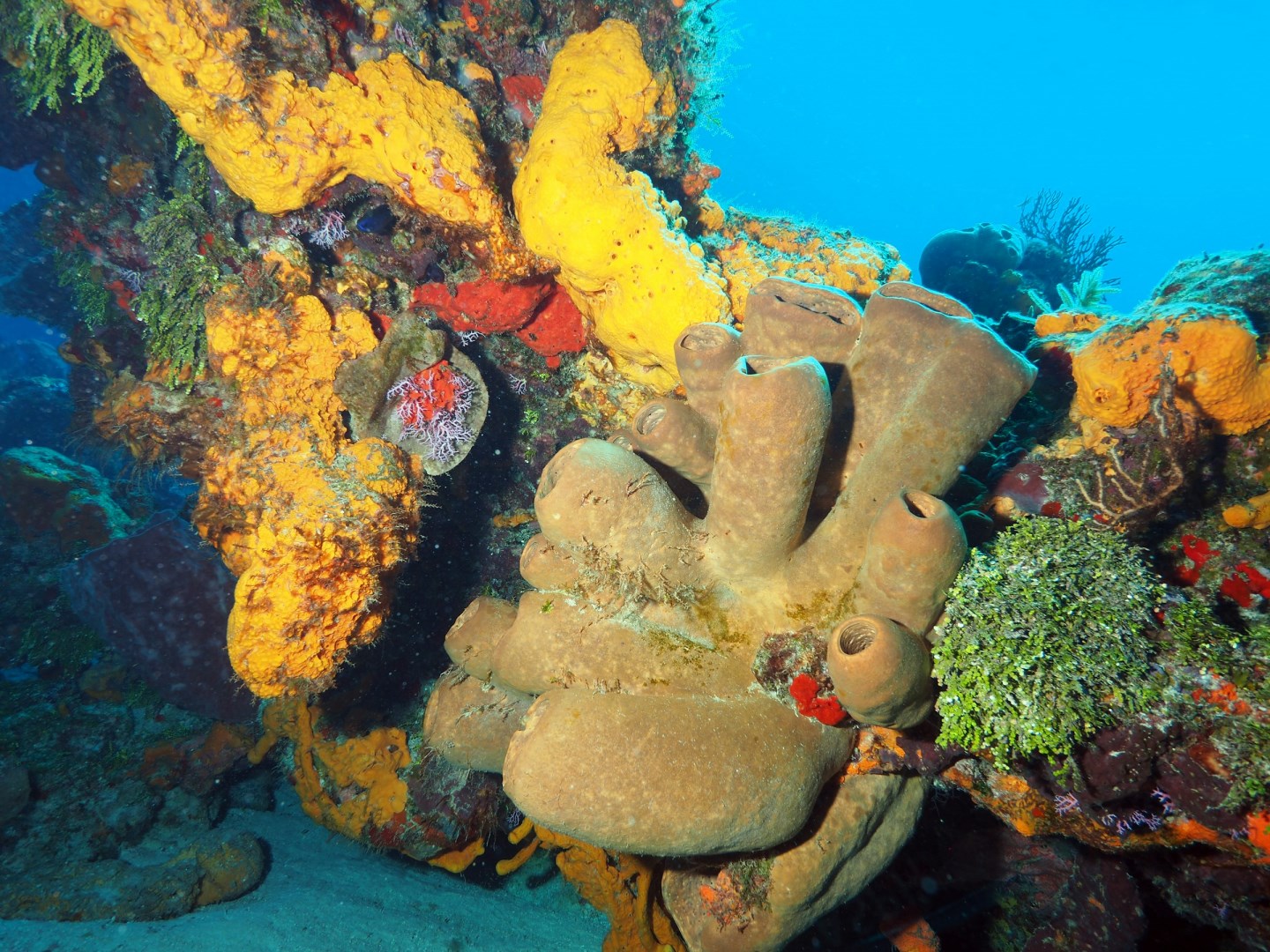
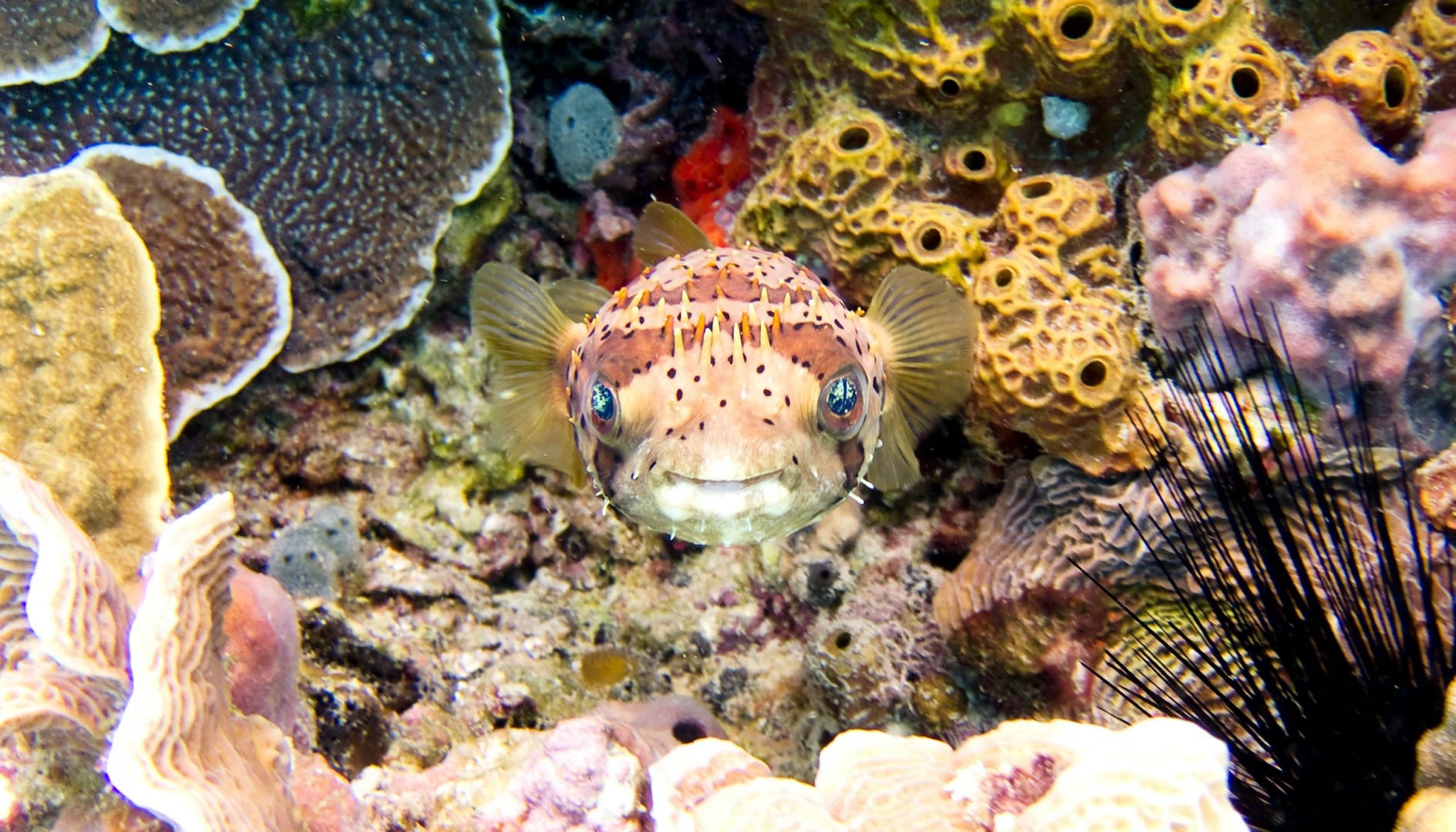
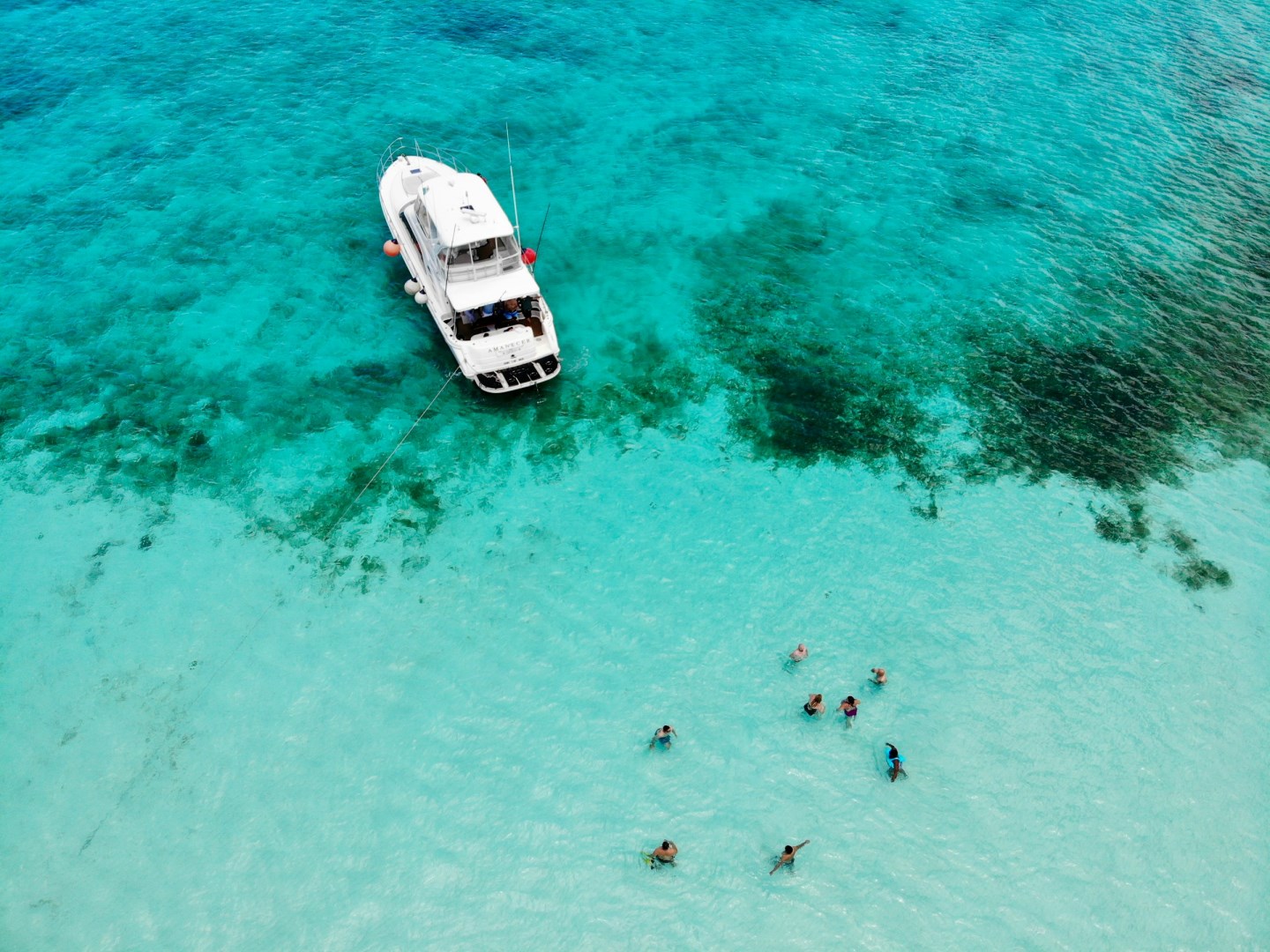
A Caribbean island paradise, Cozumel lies a short distance from Mexico's Yucatán Peninsula. Tourism is the main economic engine here: visitors can enjoy a variety of activities, whether taking advantage of world-class snorkeling and scuba diving, swimming with dolphins, or lounging with a drink at one of the island's seaside resorts. Venture outside of touristy downtown Cozumel to discover the island's breathtaking natural beauty. Drive to the island's southern tip to Punta Sur Park, home to some colorful wildlife and one of Cozumel's most spectacular beaches, or head north to the San Gervasio archaeological site, where you'll find ancient Mayan ruins and a wildlife refuge brimming with iguanas. Visit Cozumel in February to experience the island's festive Carnival celebrations, occurring annually the week prior to Mardi Gras. Stunning Cozumel awaits!
Learn More About Cozumel
Punta Sur Beach
This ecological park encompasses beaches, lagoons, forest and more. Snorkeling and scuba opportunities abound here!
Zona Arqueológica San Gervasio
View Mayan ruins at this famous archaeological site.
Other Popular Destinations in Quintana Roo

This small cruise port is located in Mexico's Yucatan peninsula south of Playa del Carmen, near Belize. It is famous for Chacchoben, a breathtaking set of Mayan ruins. The port has a new and modern shopping mall and the central plaza has saltwater pools and 'swim-up' style bars for tourists to enjoy.

Playa del Carmen, located along Mexico’s Riviera Maya, offers more than just soft beaches and turquoise waters. Once a quiet fishing village, the town has grown into a lively hub where Mayan history meets a modern beachside lifestyle. Visitors walking along Quinta Avenida will find artisan shops, street performers, and cafes offering everything from espresso to tacos al pastor. This area becomes especially active in the evenings when live music spills out from local venues.
