


East and Southeast Asia | Vietnam | Da Nang



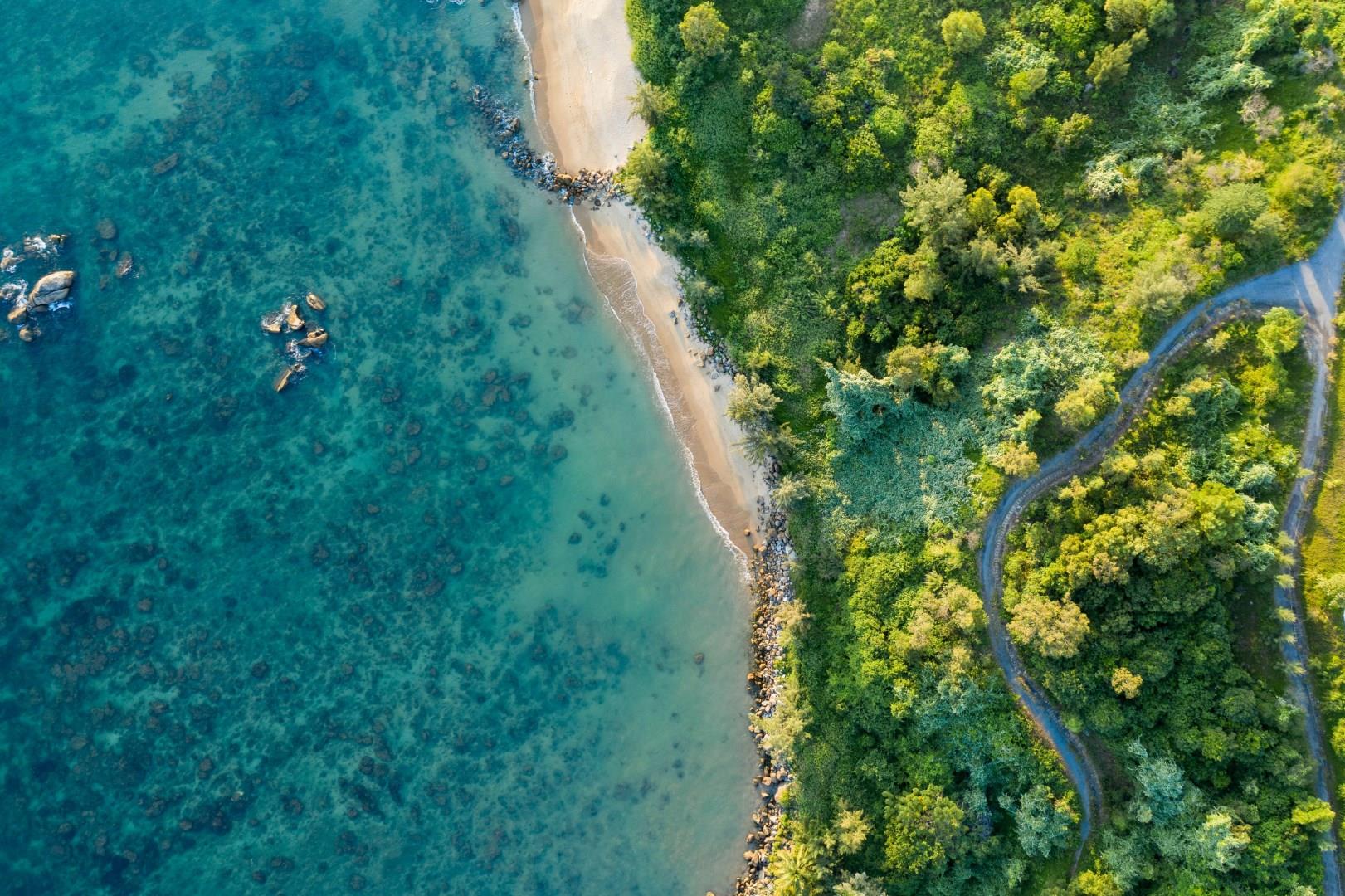


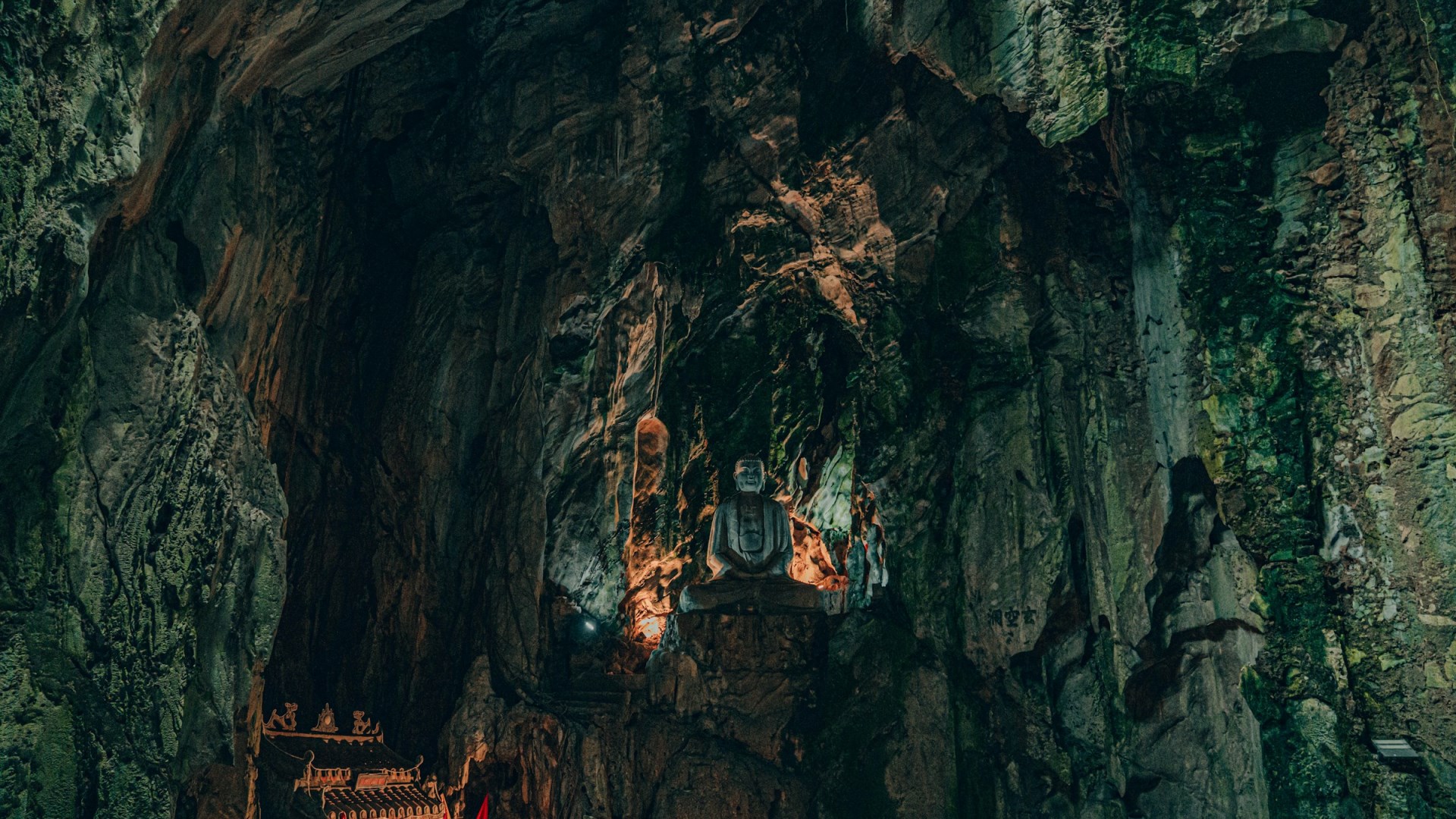





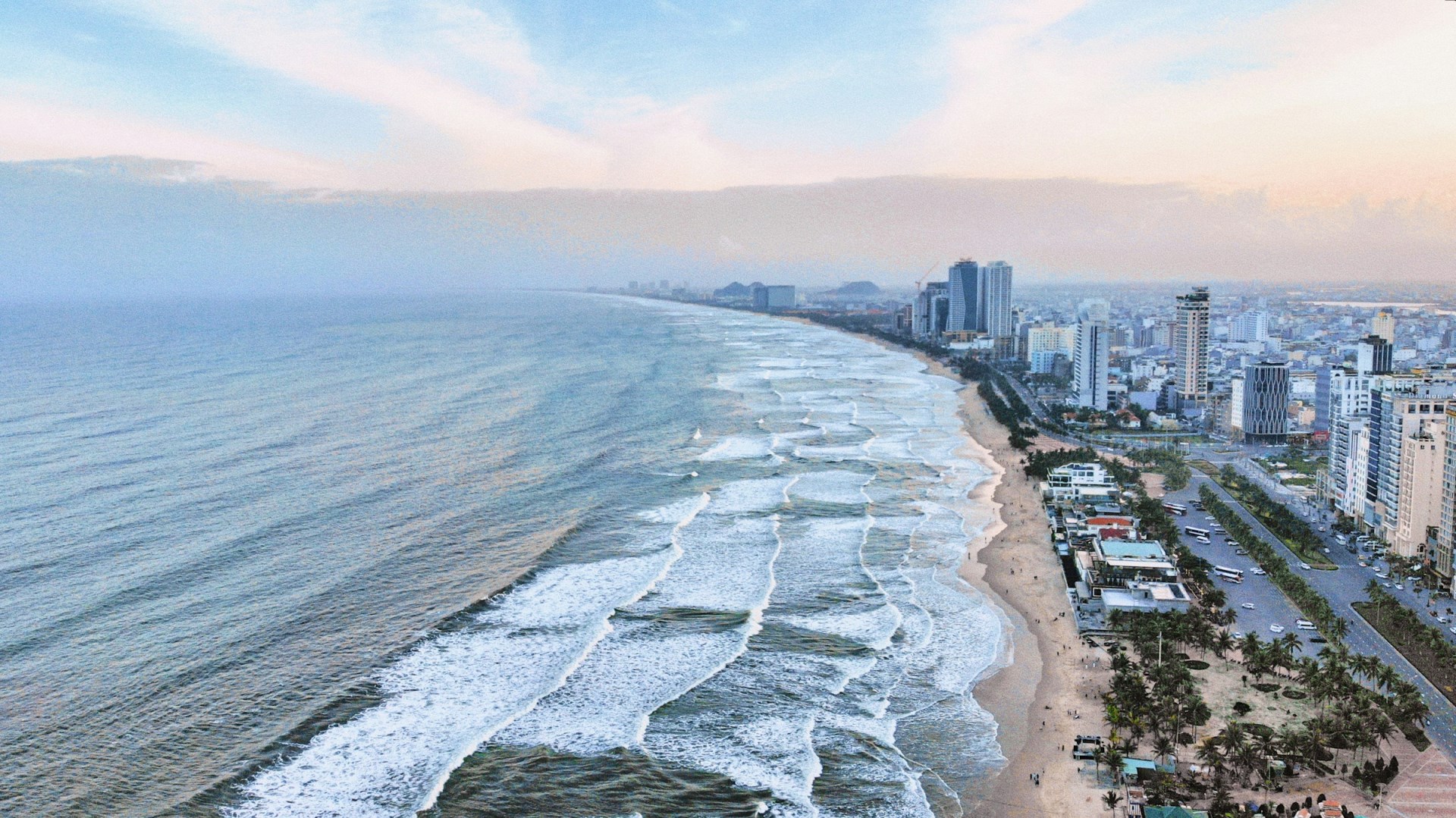

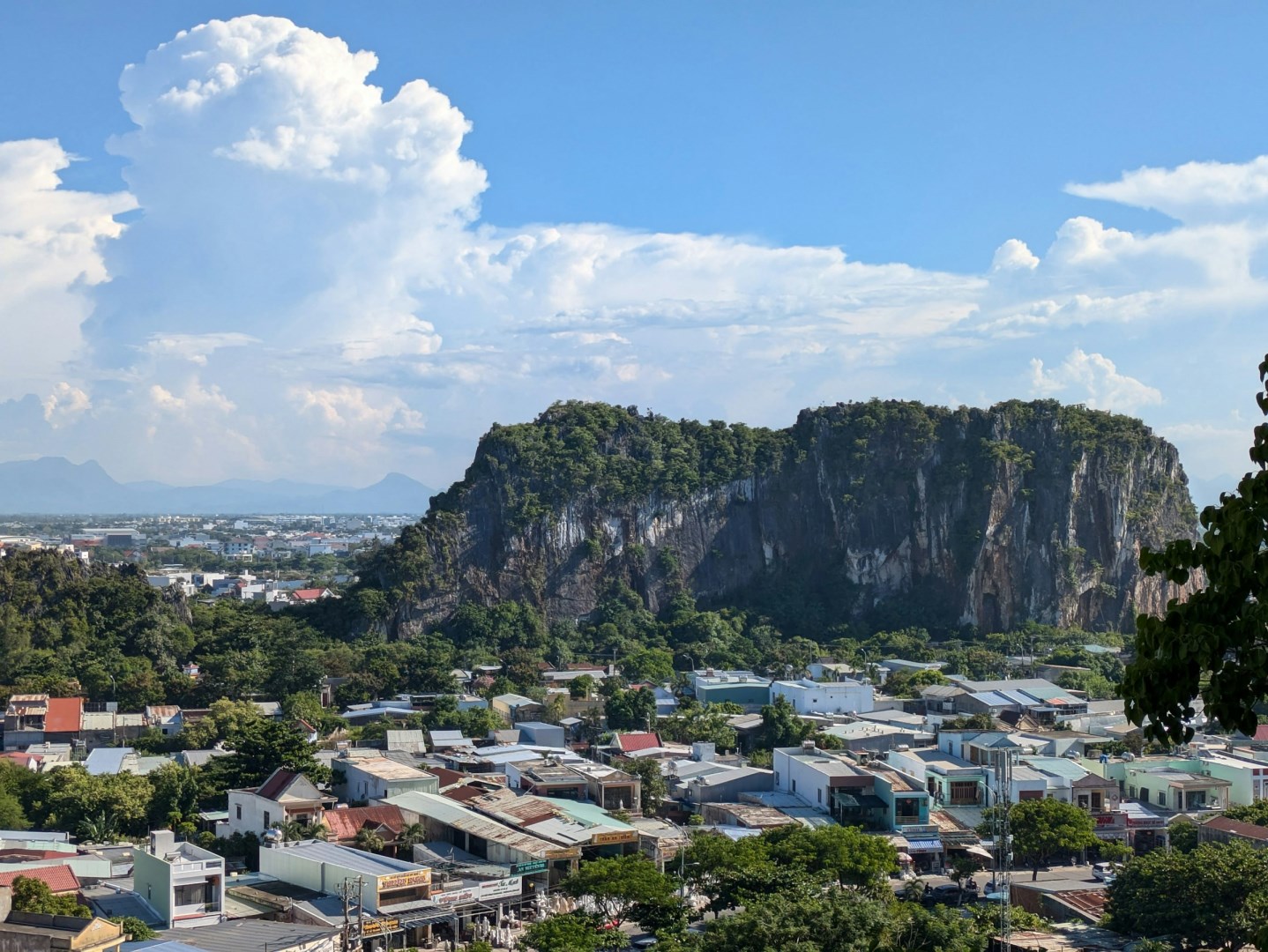

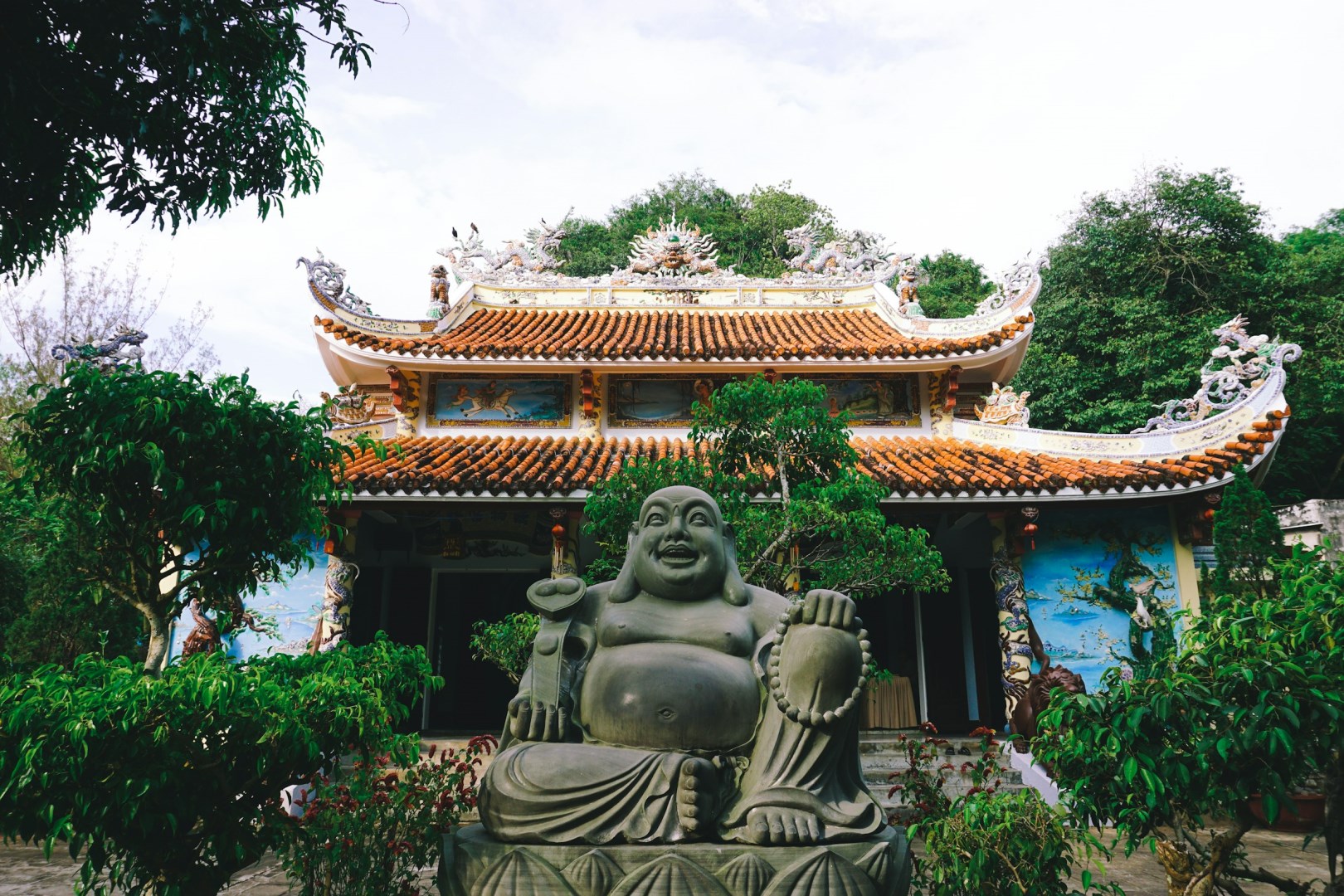

Da Nang, a vibrant coastal city in central Vietnam, offers a delightful blend of natural beauty, rich history, and modern attractions. Known for its stunning beaches and dynamic skyline, Da Nang is a gateway to some of Vietnam’s most iconic landmarks. The Marble Mountains, a cluster of five marble and limestone hills, provide breathtaking views and an opportunity to explore ancient Buddhist grottoes and temples. Nearby, the serene My Khe Beach, often referred to as China Beach, offers a picturesque setting for relaxation and water sports.
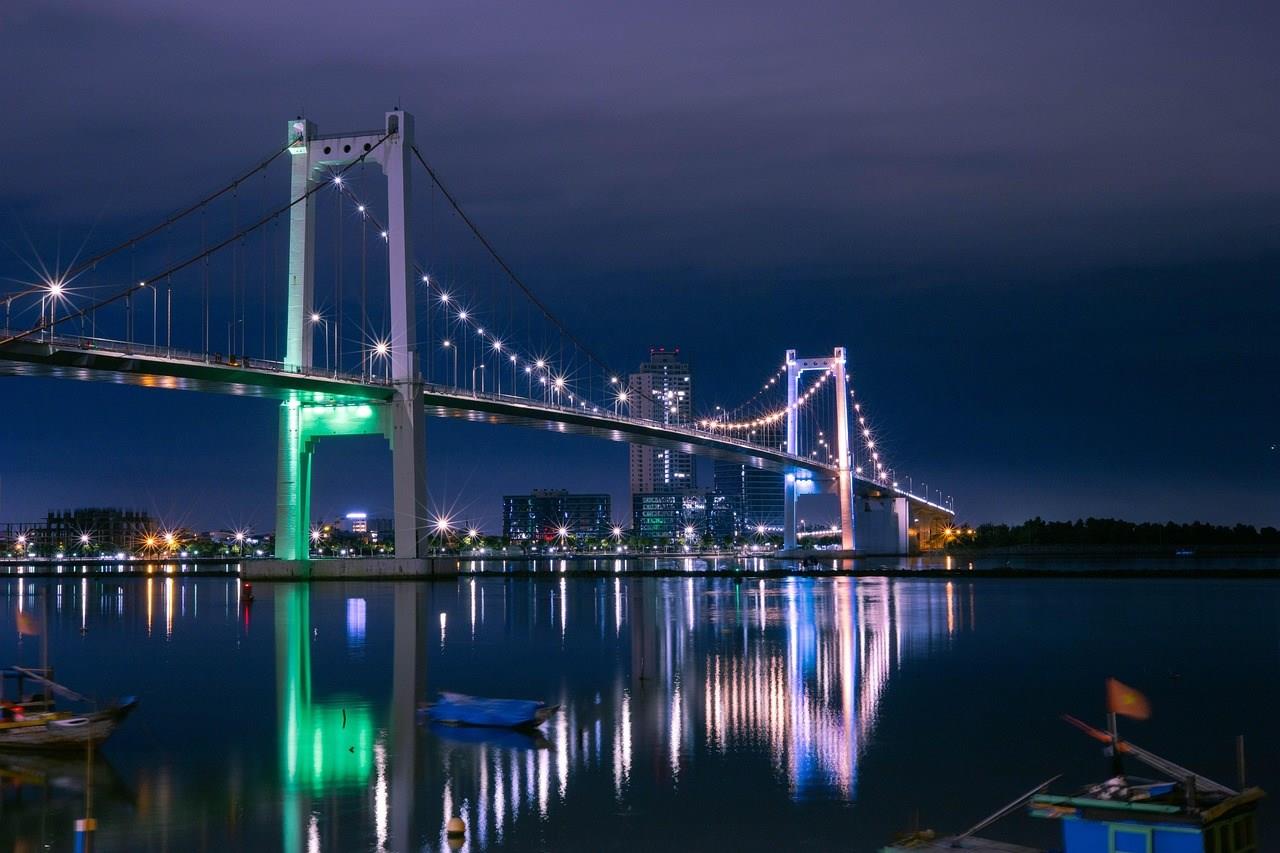
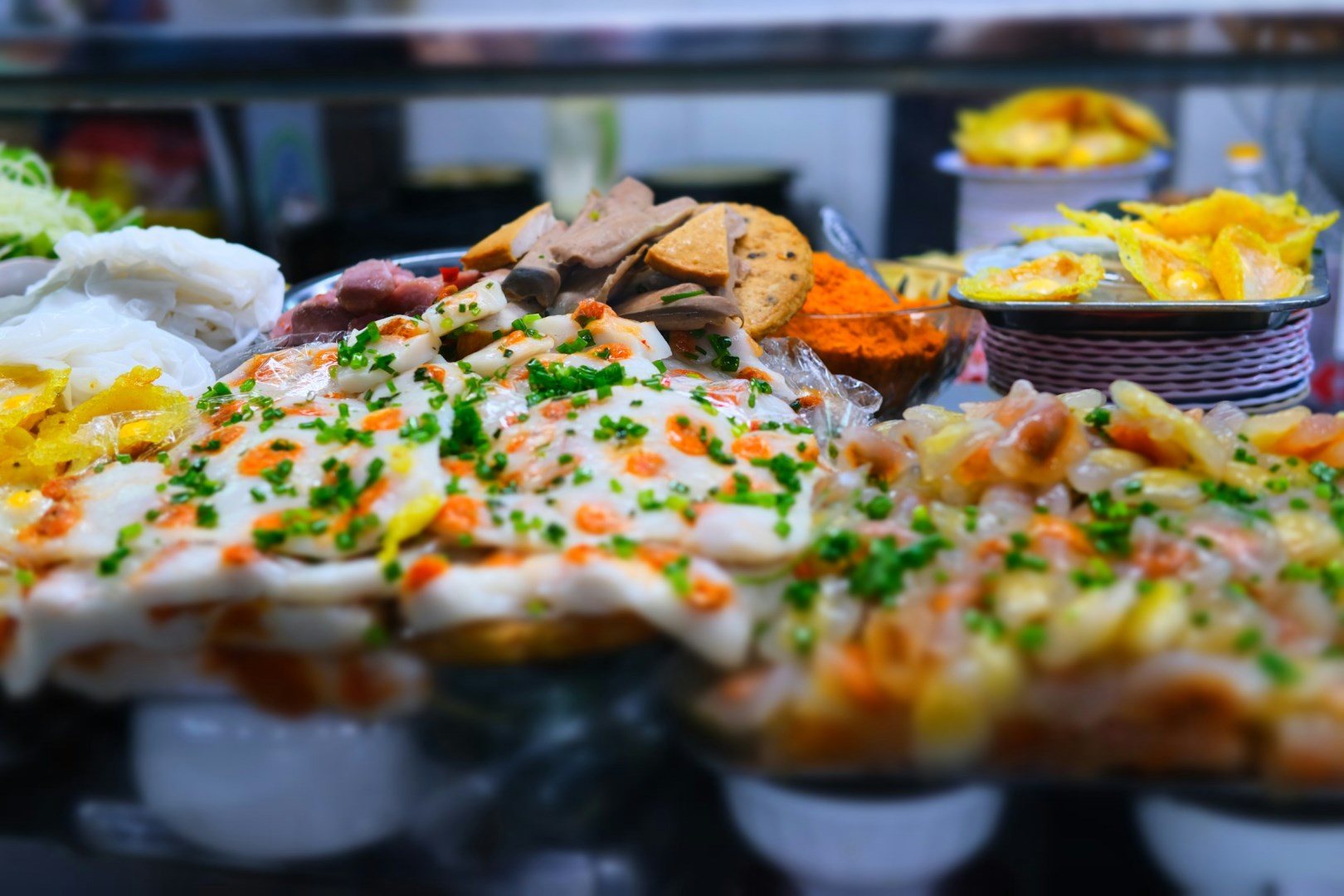
Cultural enthusiasts will appreciate Da Nang's unique blend of traditional and contemporary influences. The city’s culinary scene is a highlight, with local dishes such as Mi Quang (turmeric noodles) and banh xeo (Vietnamese pancakes) offering a taste of regional flavors. For a touch of historical charm, visit the Han Market, a bustling hub where you can shop for local crafts and sample authentic Vietnamese street food. The city is also home to the Dragon Bridge, a modern marvel that breathes fire and water on weekends, showcasing Da Nang's innovative spirit.
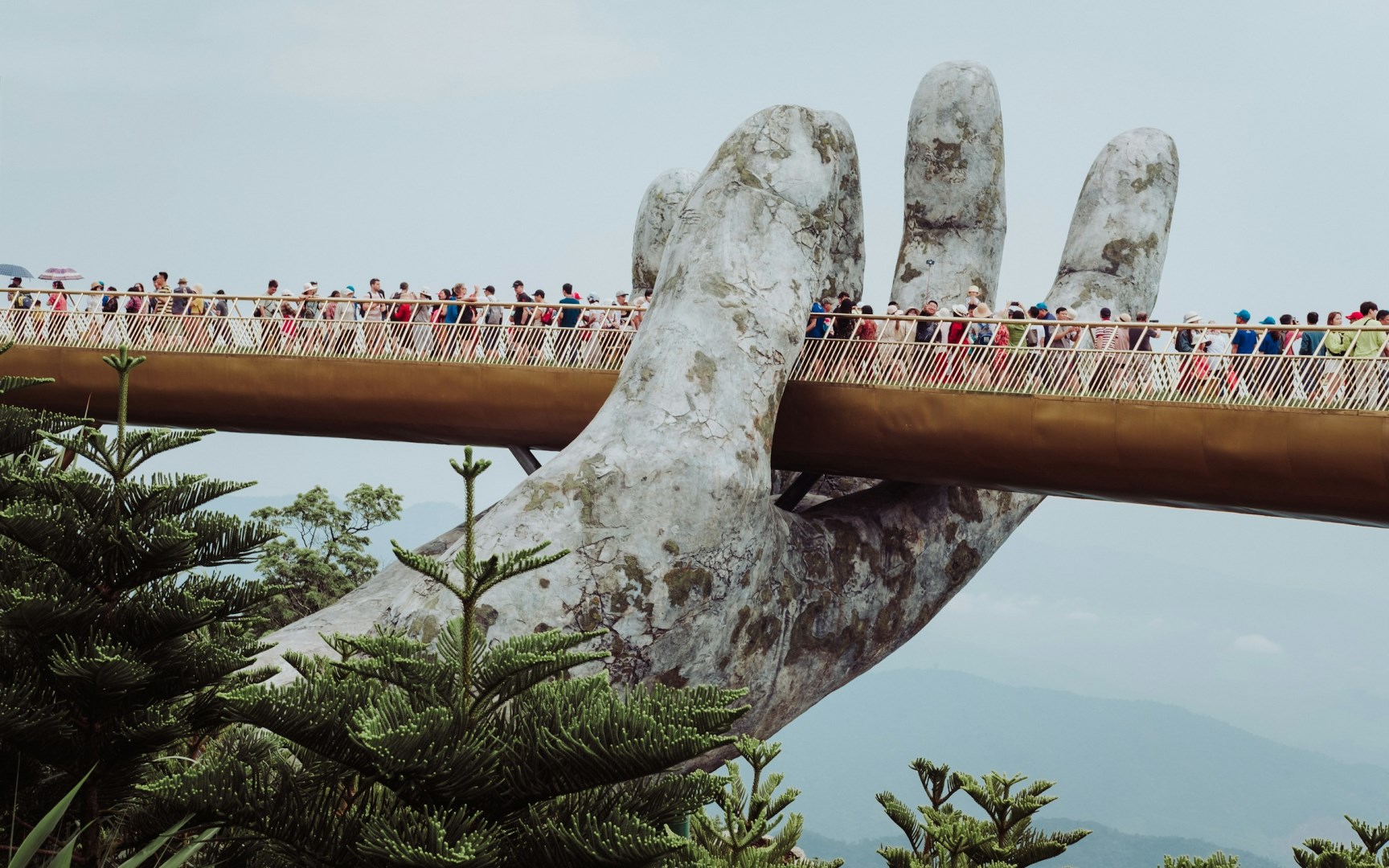
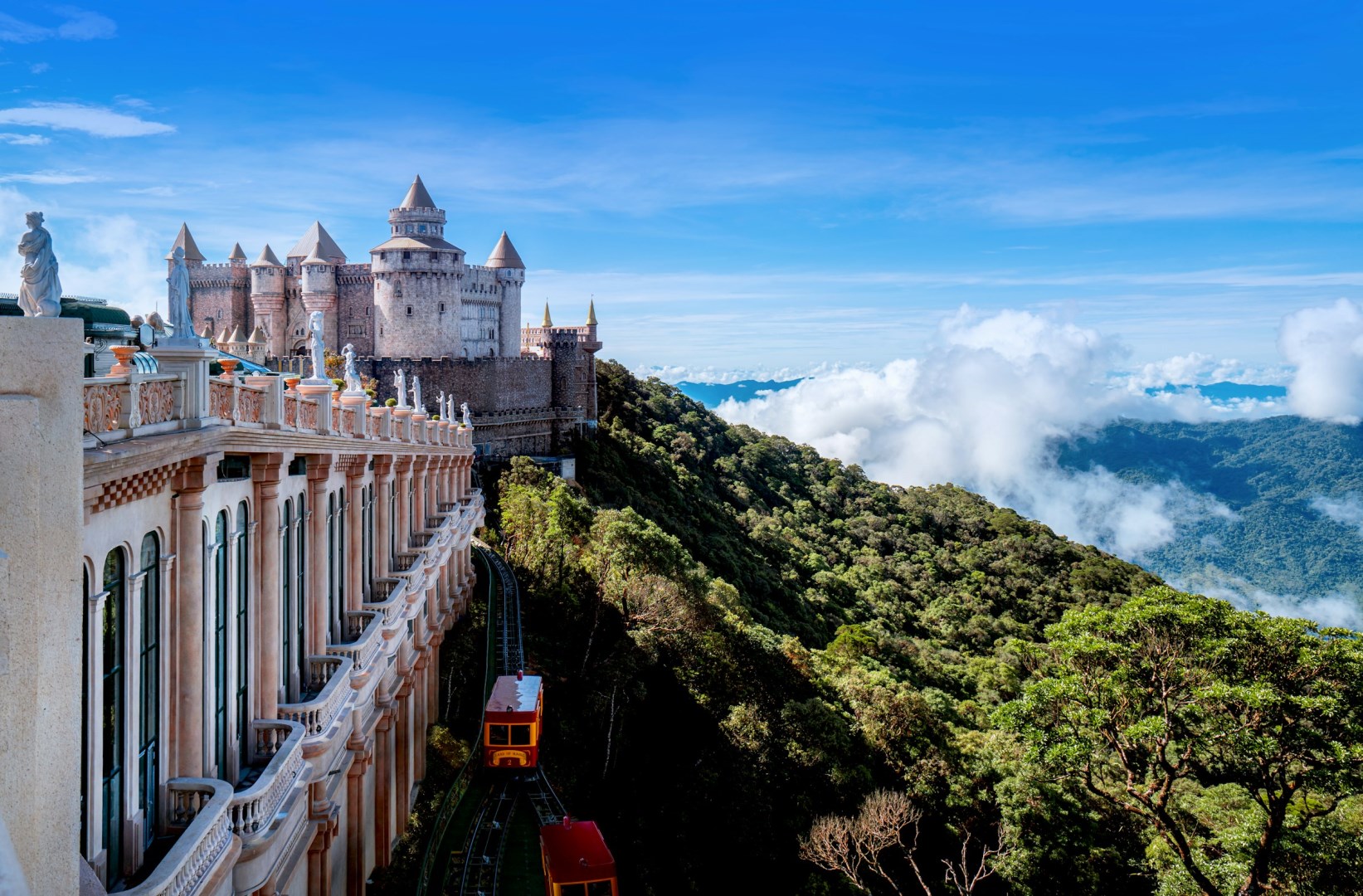
The city's recent development has transformed it into a modern metropolis while preserving its cultural essence. Attractions like the Golden Bridge, held aloft by massive stone hands, have become iconic symbols of Da Nang. This pedestrian bridge offers not only spectacular views of the surrounding mountains and sea but also an unforgettable photo opportunity. The nearby Ba Na Hills resort, with its European-style architecture and amusement park, adds a whimsical touch to the region's diverse offerings.
Slogan: "Da Nang: Where the Past Meets the Present in Coastal Splendor."
Fun Fact: Da Nang is renowned for having one of the world's most spectacular bridges, the Golden Bridge, which has gained international acclaim for its stunning design and panoramic views.
Discover Da Nang between March and August for the best weather, as the city enjoys sunny days and warm temperatures, perfect for exploring its many attractions and enjoying its beautiful beaches.
Cultural enthusiasts will appreciate Da Nang's unique blend of traditional and contemporary influences. The city’s culinary scene is a highlight, with local dishes such as Mi Quang (turmeric noodles) and banh xeo (Vietnamese pancakes) offering a taste of regional flavors. For a touch of historical charm, visit the Han Market, a bustling hub where you can shop for local crafts and sample authentic Vietnamese street food. The city is also home to the Dragon Bridge, a modern marvel that breathes fire and water on weekends, showcasing Da Nang's innovative spirit.
The city's recent development has transformed it into a modern metropolis while preserving its cultural essence. Attractions like the Golden Bridge, held aloft by massive stone hands, have become iconic symbols of Da Nang. This pedestrian bridge offers not only spectacular views of the surrounding mountains and sea but also an unforgettable photo opportunity. The nearby Ba Na Hills resort, with its European-style architecture and amusement park, adds a whimsical touch to the region's diverse offerings.
Slogan: "Da Nang: Where the Past Meets the Present in Coastal Splendor."
Fun Fact: Da Nang is renowned for having one of the world's most spectacular bridges, the Golden Bridge, which has gained international acclaim for its stunning design and panoramic views.
Discover Da Nang between March and August for the best weather, as the city enjoys sunny days and warm temperatures, perfect for exploring its many attractions and enjoying its beautiful beaches.
Learn More About Da Nang
Golden Bridge
Rising up from the verdant green hills in Ba Na, Vietnam is the Golden Bridge. Giant hands appear to rise from the earth to hold the bridge aloft, giving visitors phenomenal views.
Dragon Bridge
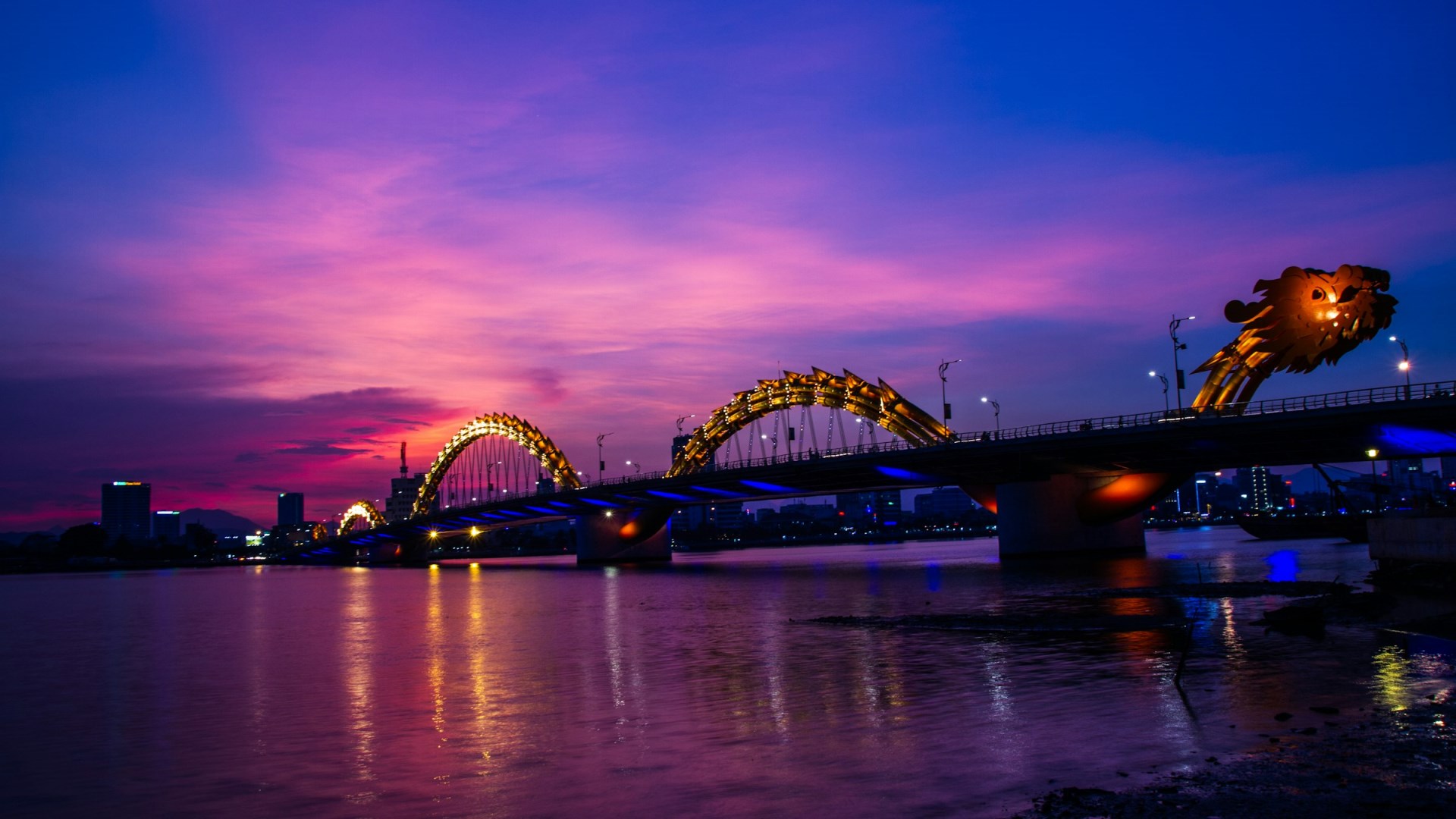
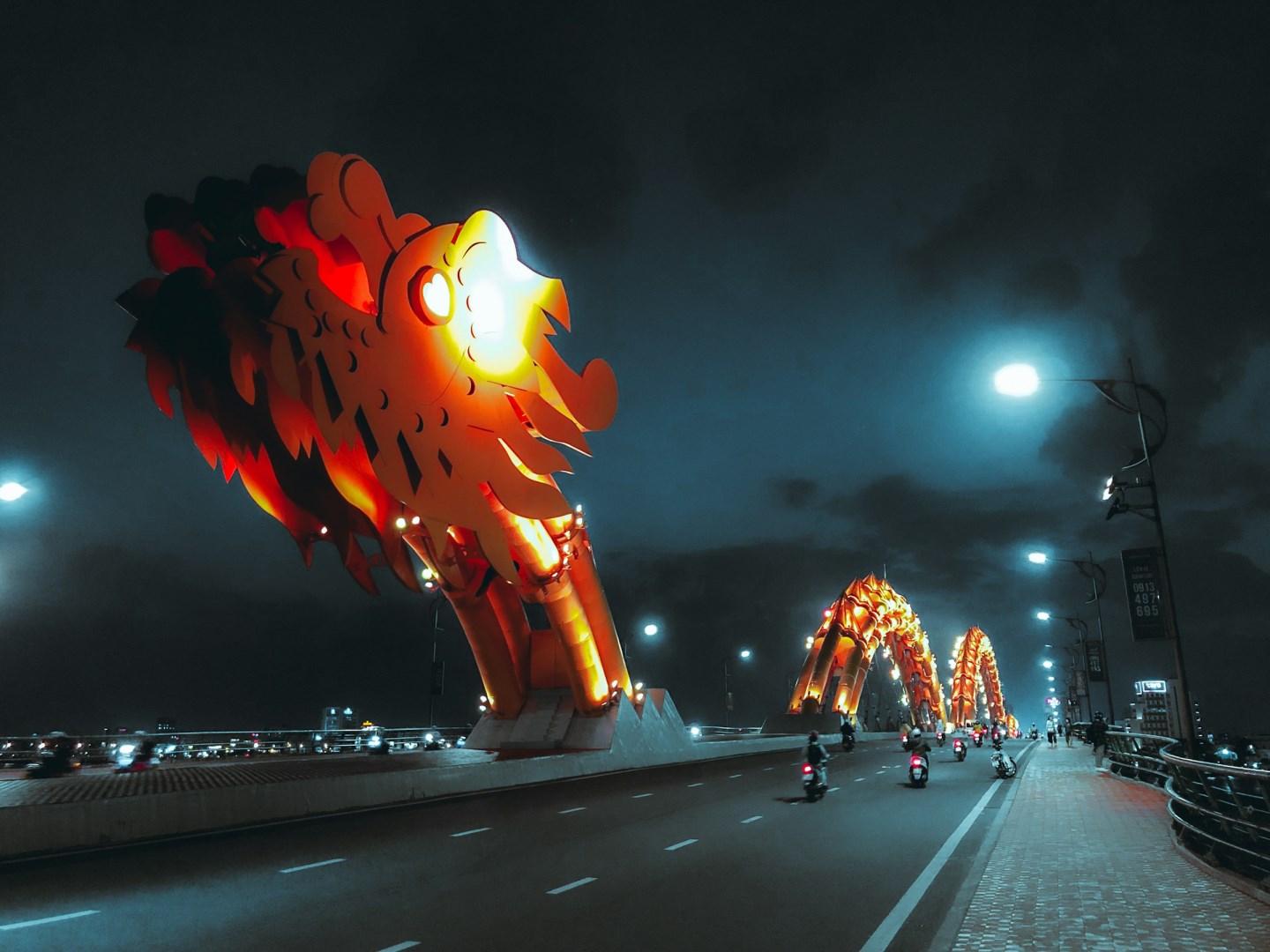
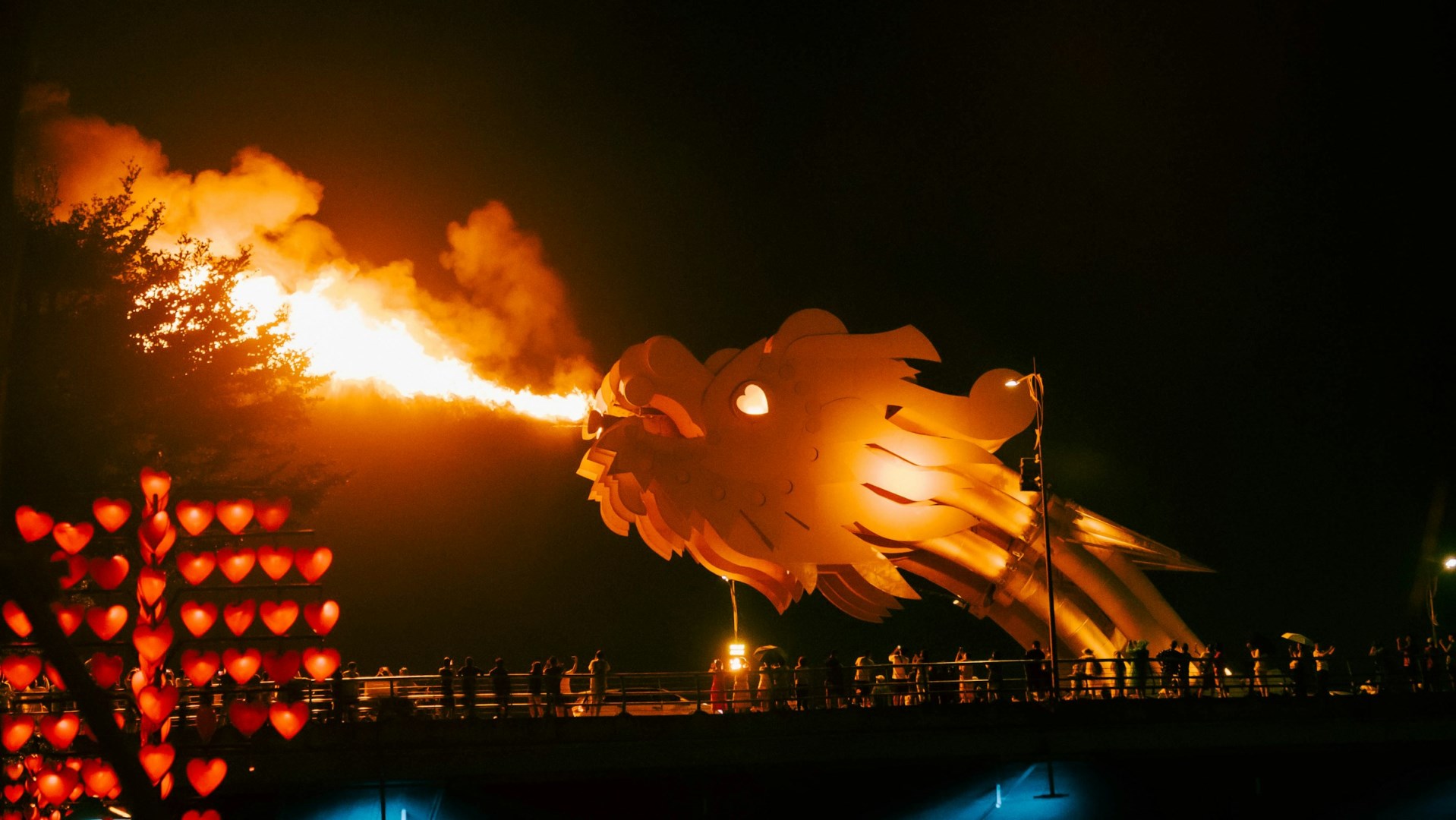
Dragon Bridge, or Cầu Rồng, is a major landmark in Da Nang, spanning the Han River and linking the city center with the eastern side of the city. The 666-meter bridge is designed as a long, golden dragon inspired by the dragon imagery associated with Vietnamese culture, with its head facing toward the sea. Its steel structure combines transportation with a highly recognizable architectural form, while color-changing LED lights illuminate the dragon after dark. On weekend evenings and major holidays, the dragon’s head produces fire followed by water, creating a distinctive public spectacle along the river.
Love Bridge
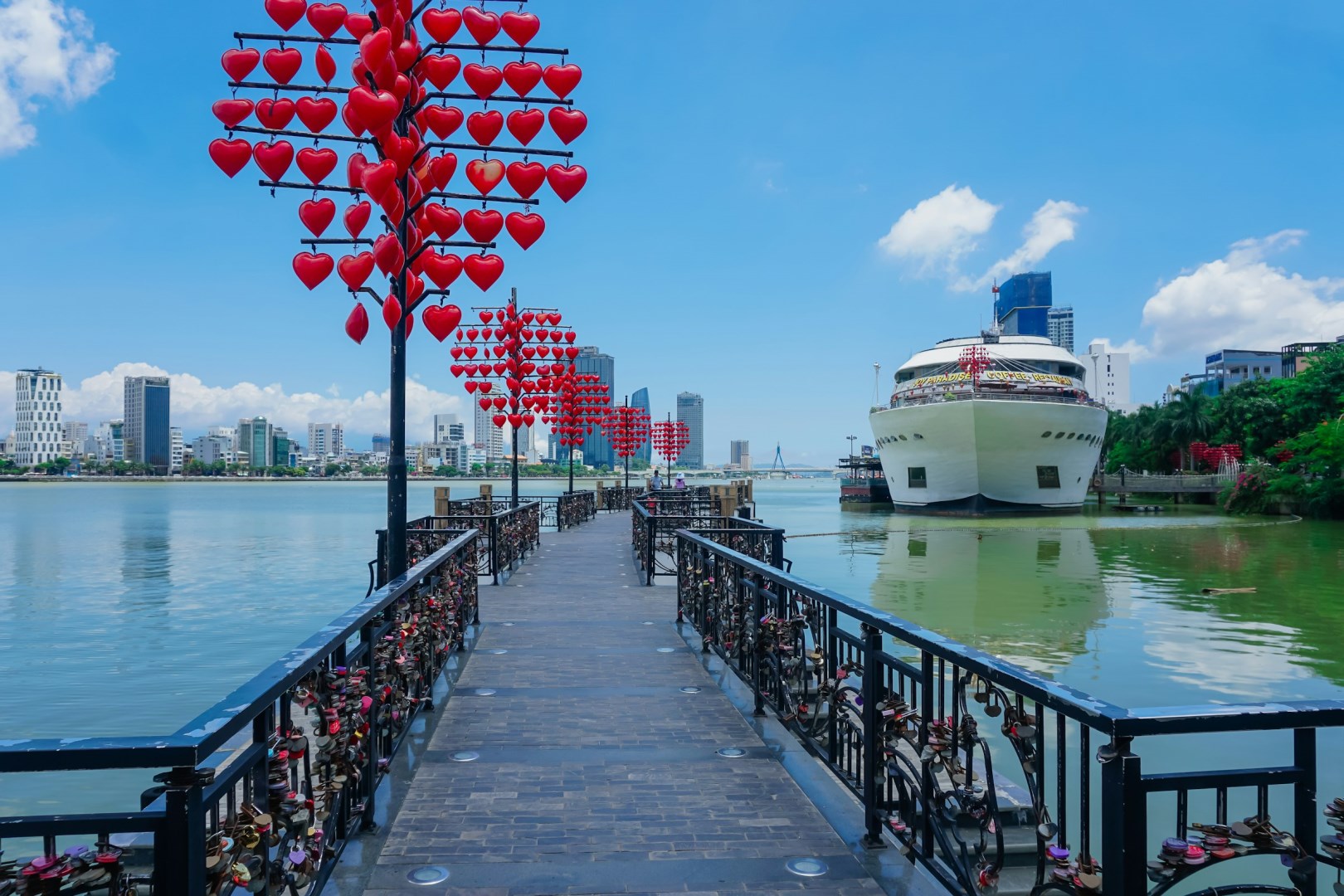
Da Nang’s Love Bridge, or Cầu Tình Yêu, is a pedestrian walkway along the eastern bank of the Han River, near Dragon Bridge and the Carp-Dragon Statue. The arched bridge is about 68 meters long and is lined with metal railings where couples attach padlocks engraved with names or messages. Its heart-shaped lanterns illuminate the walkway after dark, while the river provides views toward Da Nang’s illuminated bridges and skyline. Inspired by the tradition of love-lock bridges elsewhere, the site has become a recognizable riverside meeting place and a popular spot for evening walks, photography, and enjoying the city lights.
Ba Na Hills
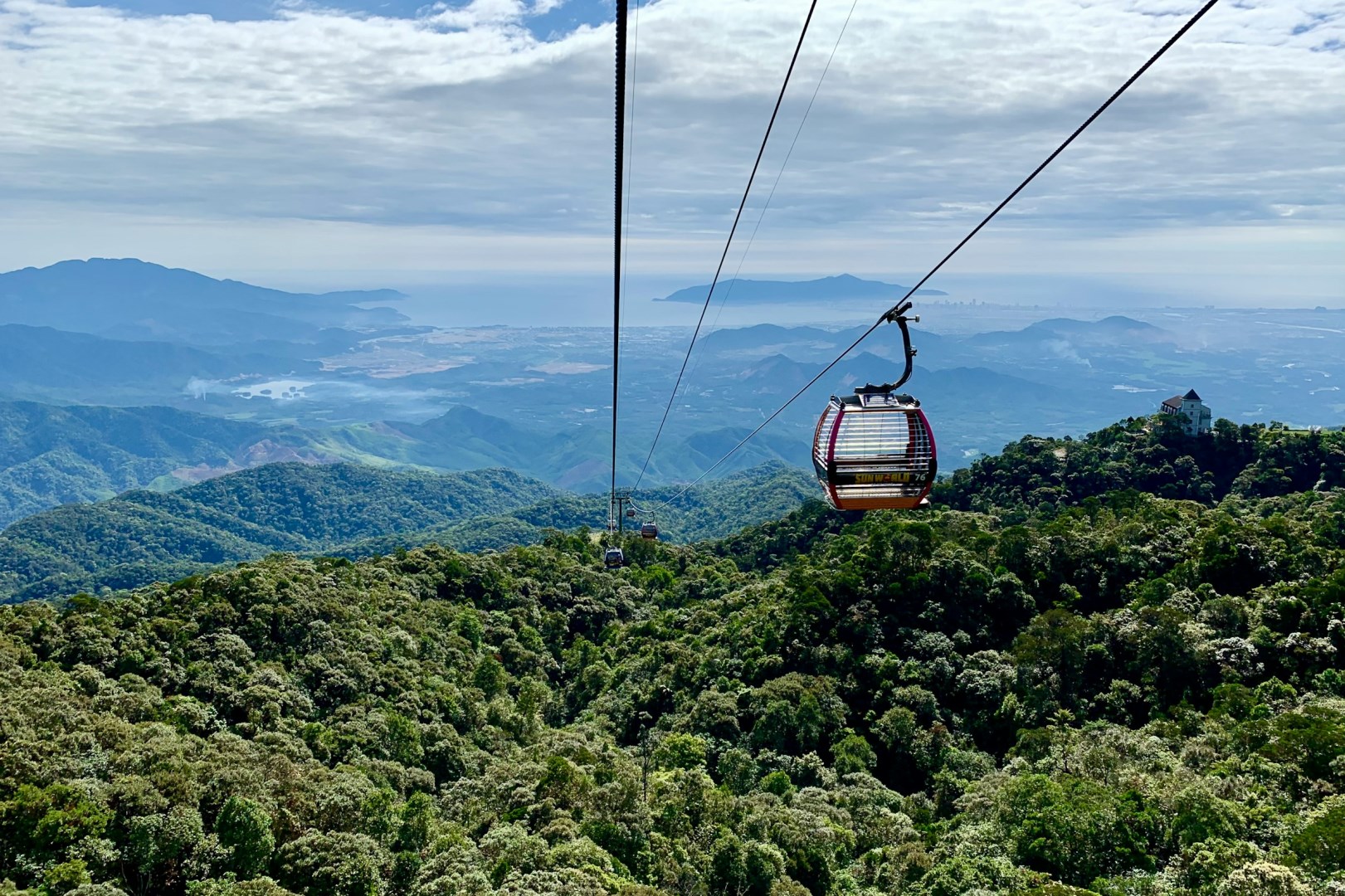
Ba Na Hills is a mountain resort and entertainment complex located more than 20 kilometers from central Da Nang, at an elevation of about 1,487 meters on Nui Chua Mountain. It is reached by a long cable-car journey over forested slopes and is known for its cooler mountain climate and cloud-covered scenery. The complex includes the Golden Bridge, whose nearly 150-meter walkway is supported by two giant stone-colored hands, as well as the French Village, Fantasy Park, flower gardens, and other themed attractions. Its combination of mountain landscapes and large-scale architecture makes Ba Na Hills one of Da Nang’s most distinctive visitor sites.
The Marble Mountains
The Marble Mountains, or Ngu Hanh Son, are a group of limestone and marble peaks about 8 kilometers southeast of central Da Nang. Named for the five elements of Eastern philosophy—Metal, Wood, Water, Fire, and Earth—the mountains contain caves, pagodas, shrines, stone stairways, and elevated viewpoints. Thuy Son, the main mountain open to visitors, is home to Huyen Khong Cave, Am Phu Cave, Tam Thai Pagoda, and Linh Ung Pagoda. The site also has strong spiritual importance, with traces of Cham and Buddhist traditions, while nearby Non Nuoc is known for its long-established stone carving craft.
Mũi Nghê
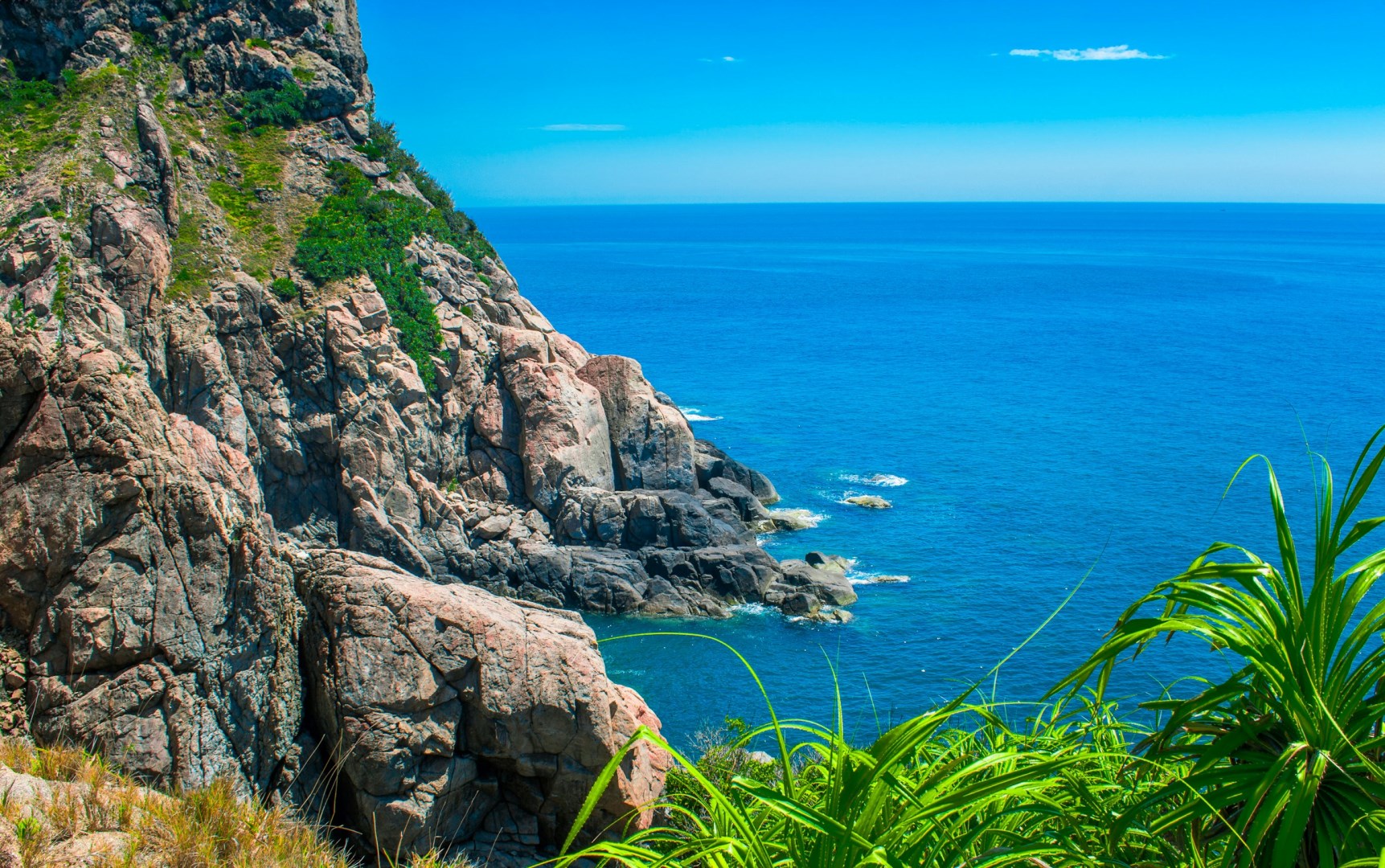
Mũi Nghê is a rocky headland on the eastern side of Da Nang’s Sơn Trà Peninsula and is regarded as the city’s easternmost point. The name refers to the shape of the rocky formation, which resembles a sea creature in local descriptions. The area is known for its open views across the East Sea and for a small natural pool of clear blue water surrounded by rock. Mũi Nghê is also a popular location for watching sunrise, as the headland faces toward the sea. Its setting within Sơn Trà’s protected forest gives the site a more secluded character than many of Da Nang’s urban waterfront attractions.
Other Popular Destinations in Vietnam

Ho Chi Minh City, Vietnam’s largest metropolis, is a dynamic hub where history, culture, and commerce intersect. Formerly known as Saigon, the city reflects layers of its past, from French colonial architecture to markets and historic districts that capture the energy of daily life.

