
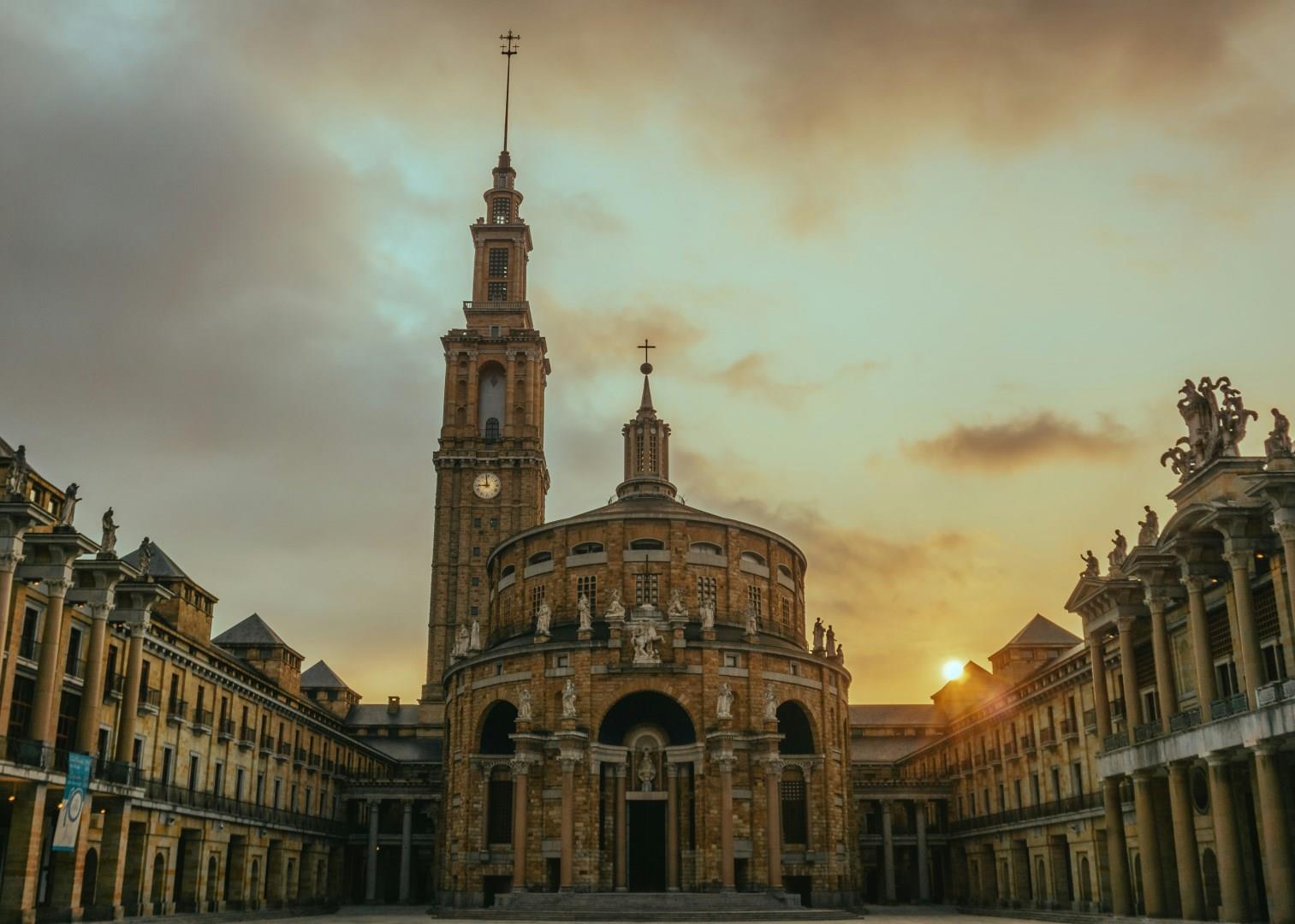




Gijón sits on Spain’s northern coast in Asturias, shaped by its long relationship with the Cantabrian Sea. From its origins as a Roman settlement to its later growth as an industrial and port city, Gijón has balanced maritime work with civic life.
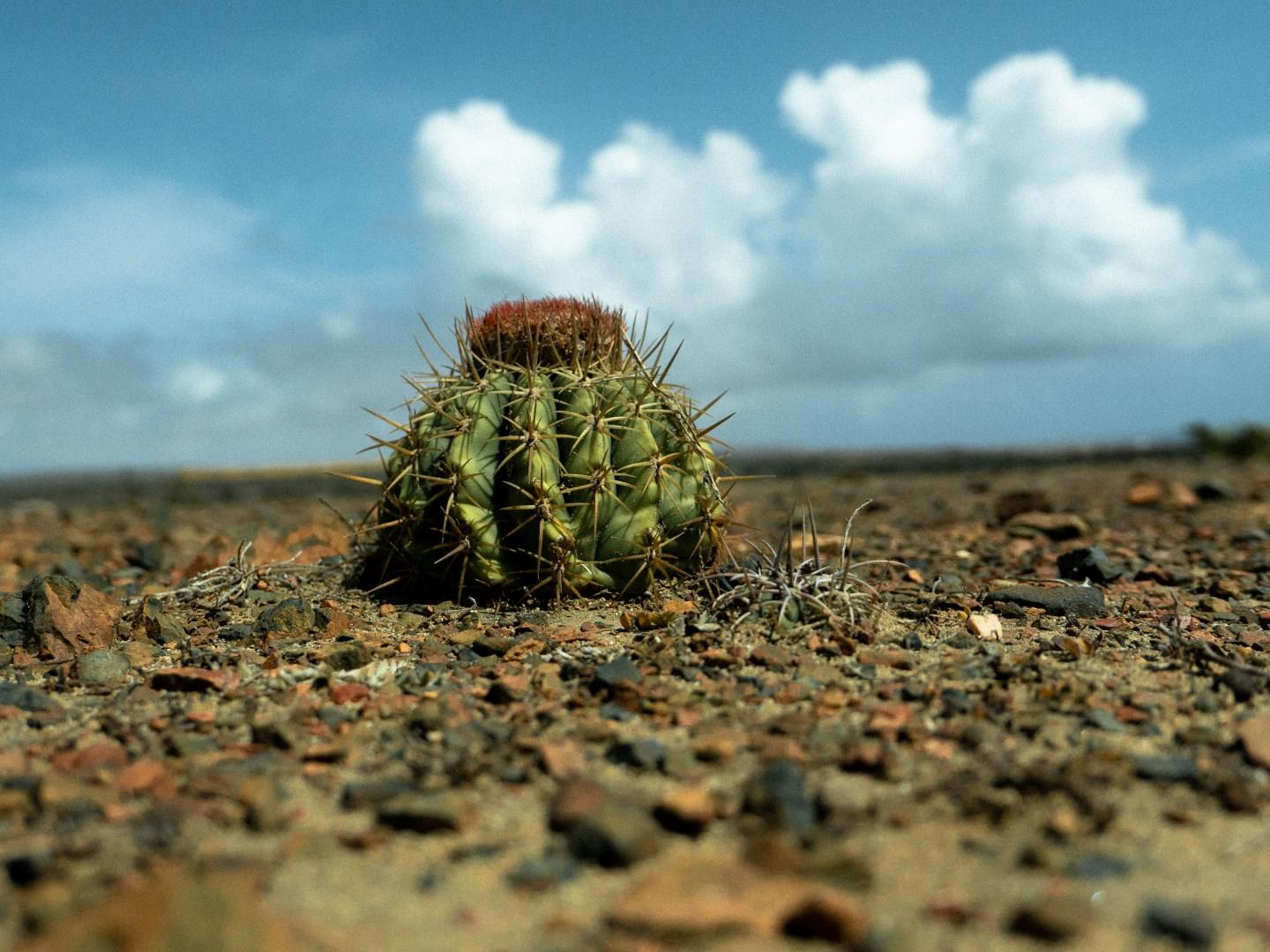
Arikok National Park, covering nearly 20% of Aruba, is a striking showcase of the island’s rugged landscapes, cultural history, and biodiversity. Unlike the postcard image of Aruba’s white-sand beaches, Arikok reveals a wilder side, with windswept hills, desert-like terrain, and dramatic limestone cliffs meeting the sea.
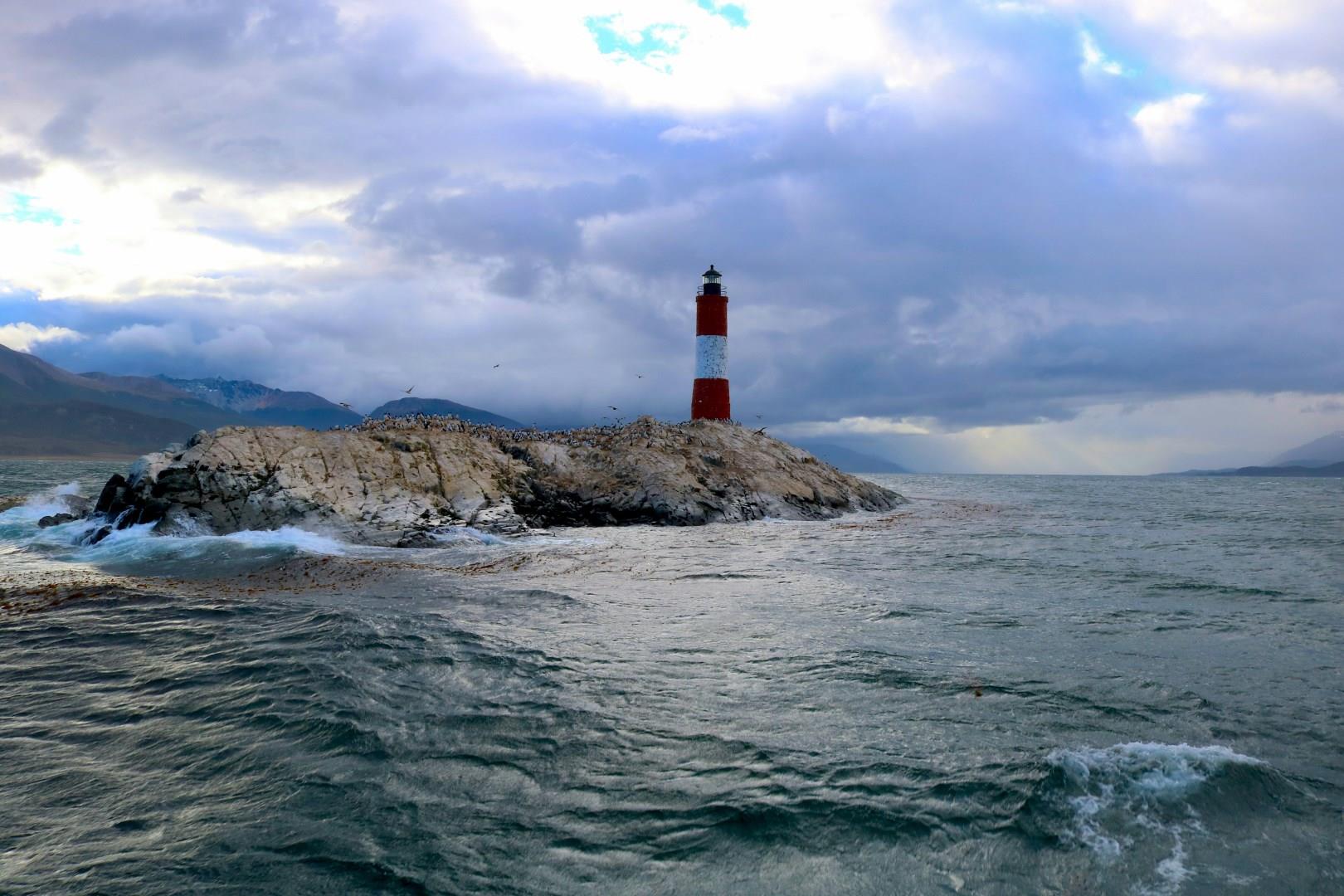
The Beagle Channel, at the southern tip of South America, stretches between Chile and Argentina and offers one of the most striking maritime landscapes in the world. This narrow passage, framed by snow-covered peaks and rocky islands, connects the Atlantic and Pacific Oceans. Its waters are calm compared to the open sea, which has made it a historic navigation route for explorers and sailors for centuries.
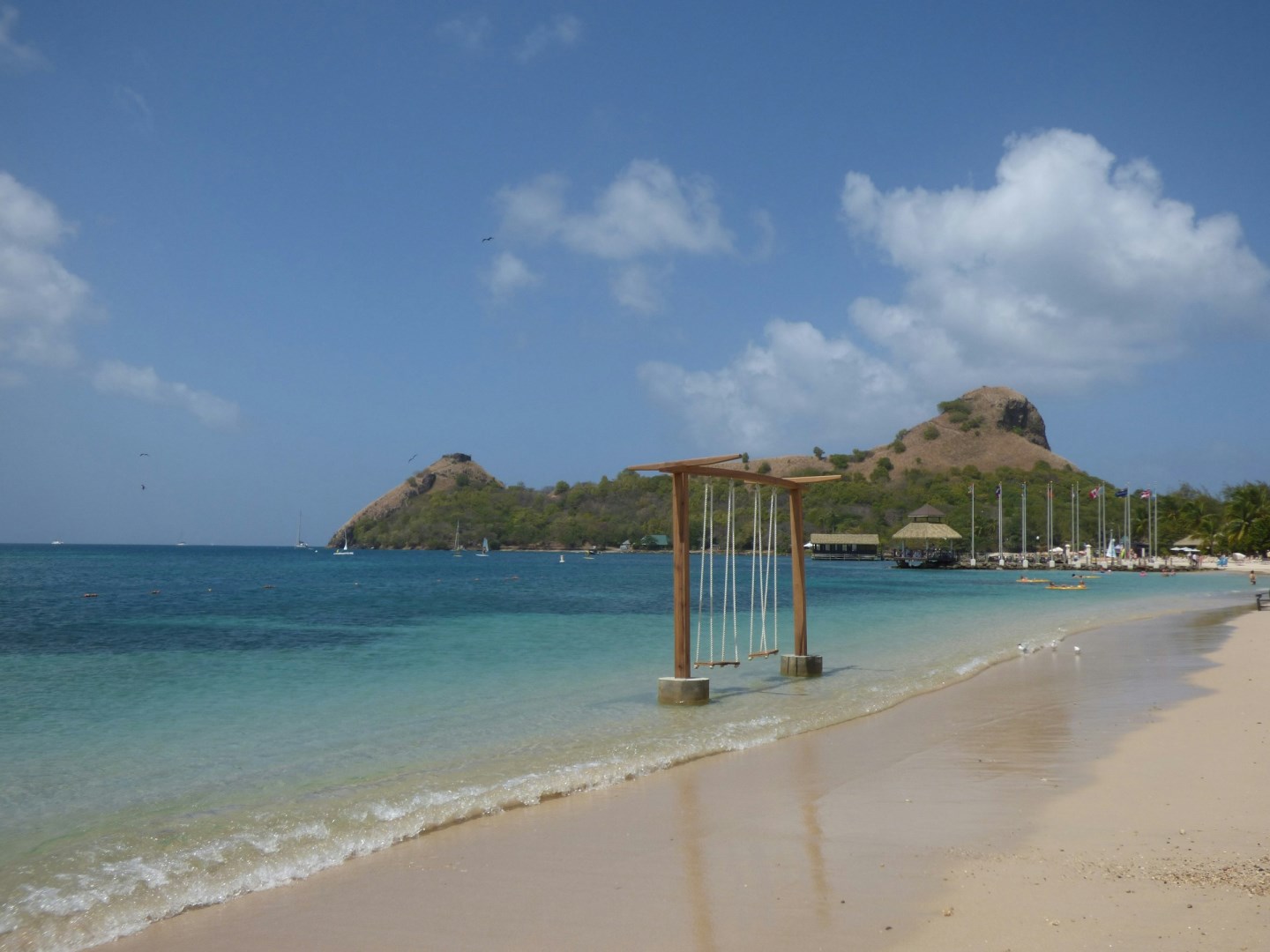
Pigeon Island National Landmark is a historic coastal site on the northwest tip of Saint Lucia, set beside Rodney Bay and connected to the mainland by a causeway. Once a separate island, it now forms part of the island’s northern landscape and combines low hills, dry coastal vegetation, rocky shoreline, and sandy beaches. The site is known for its walking trails and elevated viewpoints, including Signal Peak and Fort Rodney. From the higher ground, visitors can see across Rodney Bay, the Caribbe
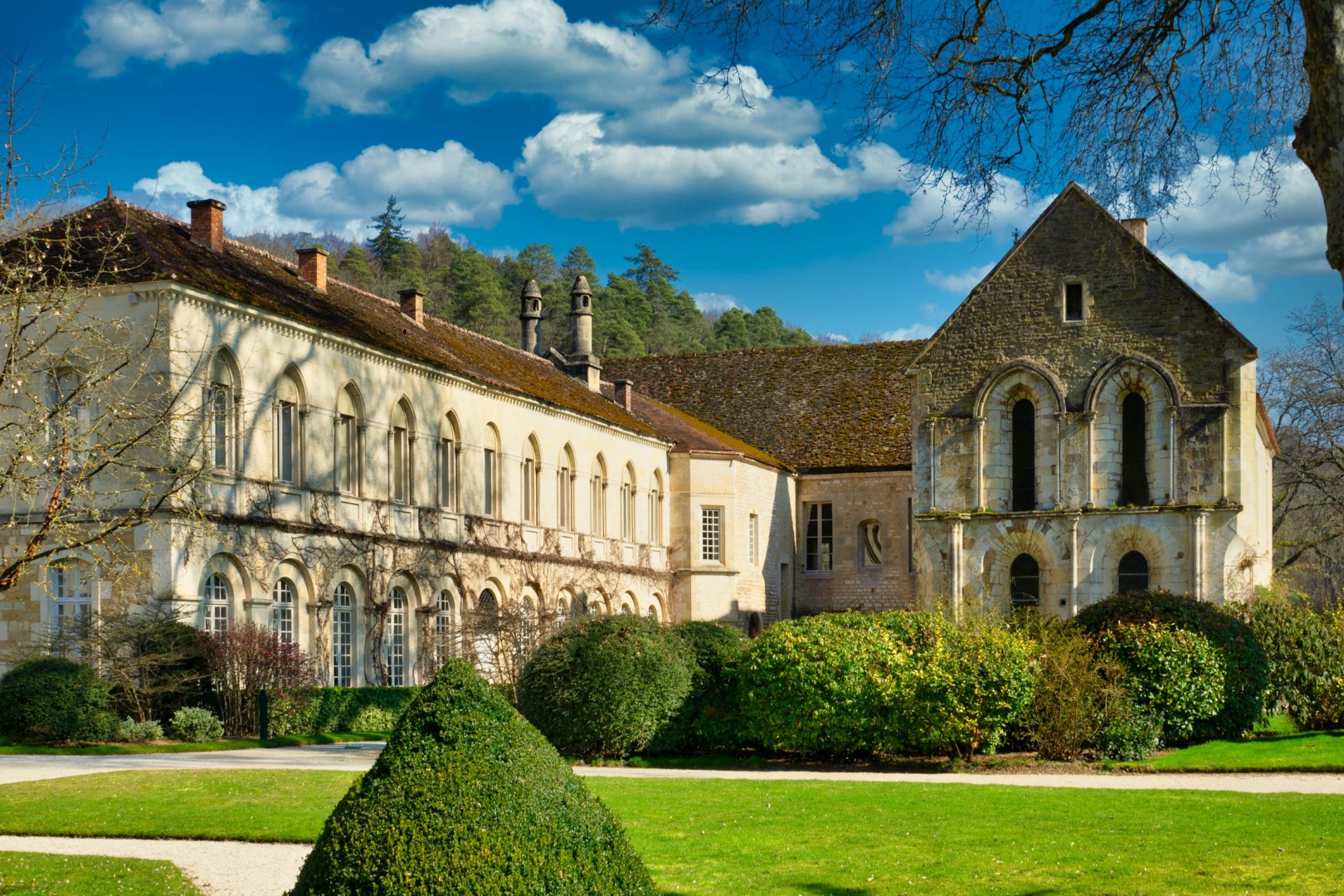
Montbard is a small Burgundy town shaped by the legacy of naturalist Buffon, with terraced gardens, medieval remains, and the Canal de Bourgogne running through its landscape. Beyond Parc Buffon, it offers easy access to Fontenay Abbey and the Grande Forge de Buffon, while local specialties such as Saupiquet Montbardois give the town a distinct regional identity.
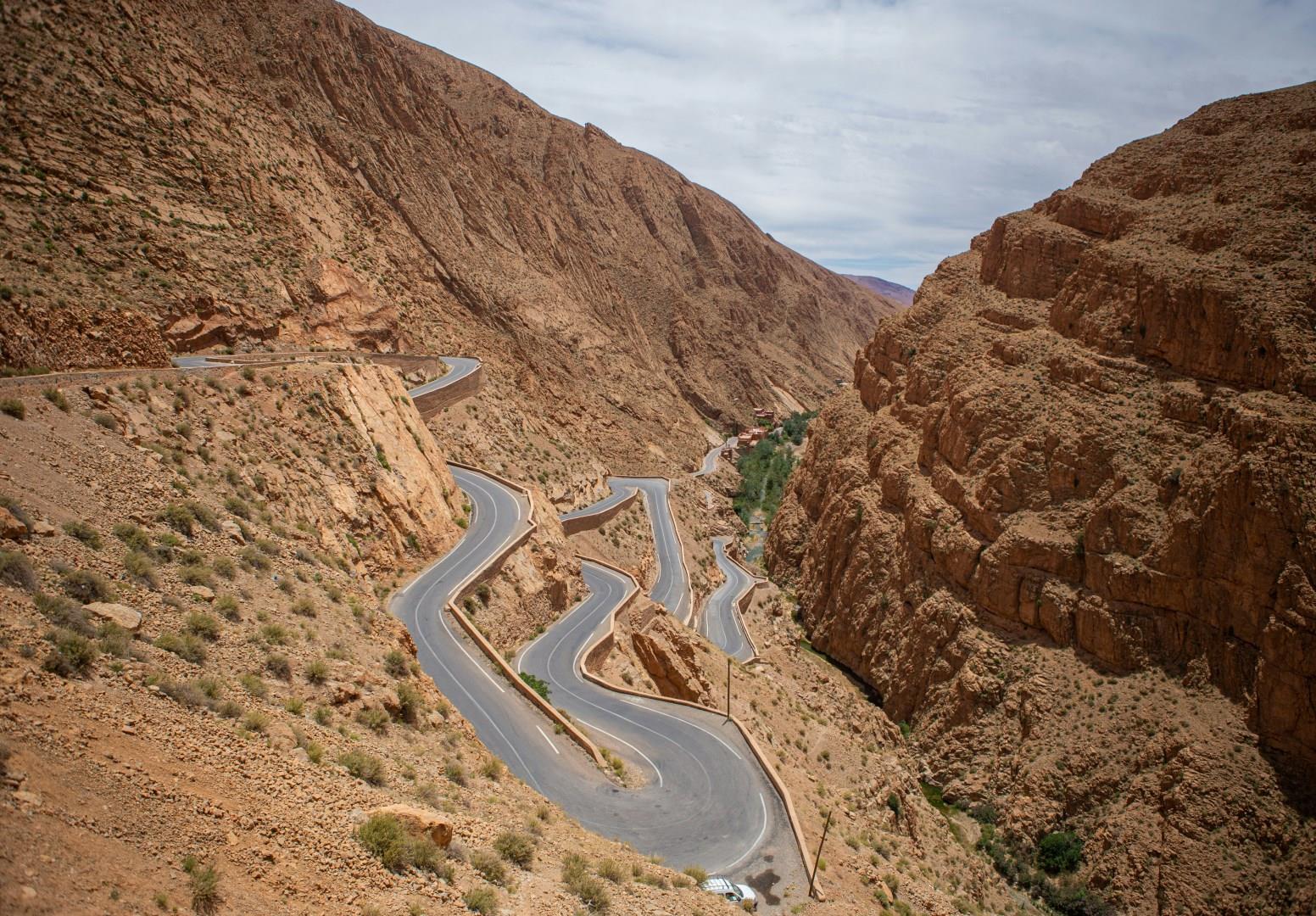
The Dades Gorges, carved by the Dades River in Morocco’s High Atlas Mountains, offer a winding stretch of road, towering rock walls, and centuries-old kasbahs perched on the cliffs. Located between the towns of Boumalne Dades and M’semrir, the gorge is especially known for its switchback road, often nicknamed “the snaking road of Tissadrine.” It’s a favorite among photographers and motorcyclists, with hairpin curves that reveal a new layer of landscape with every turn.
Photo Credit: Photo by Wolfgang Weiser on Unsplash
Photo Credit: Photo by Guido Hofmann on Unsplash
Photo Credit: Photo by Julia Taubitz on Unsplash
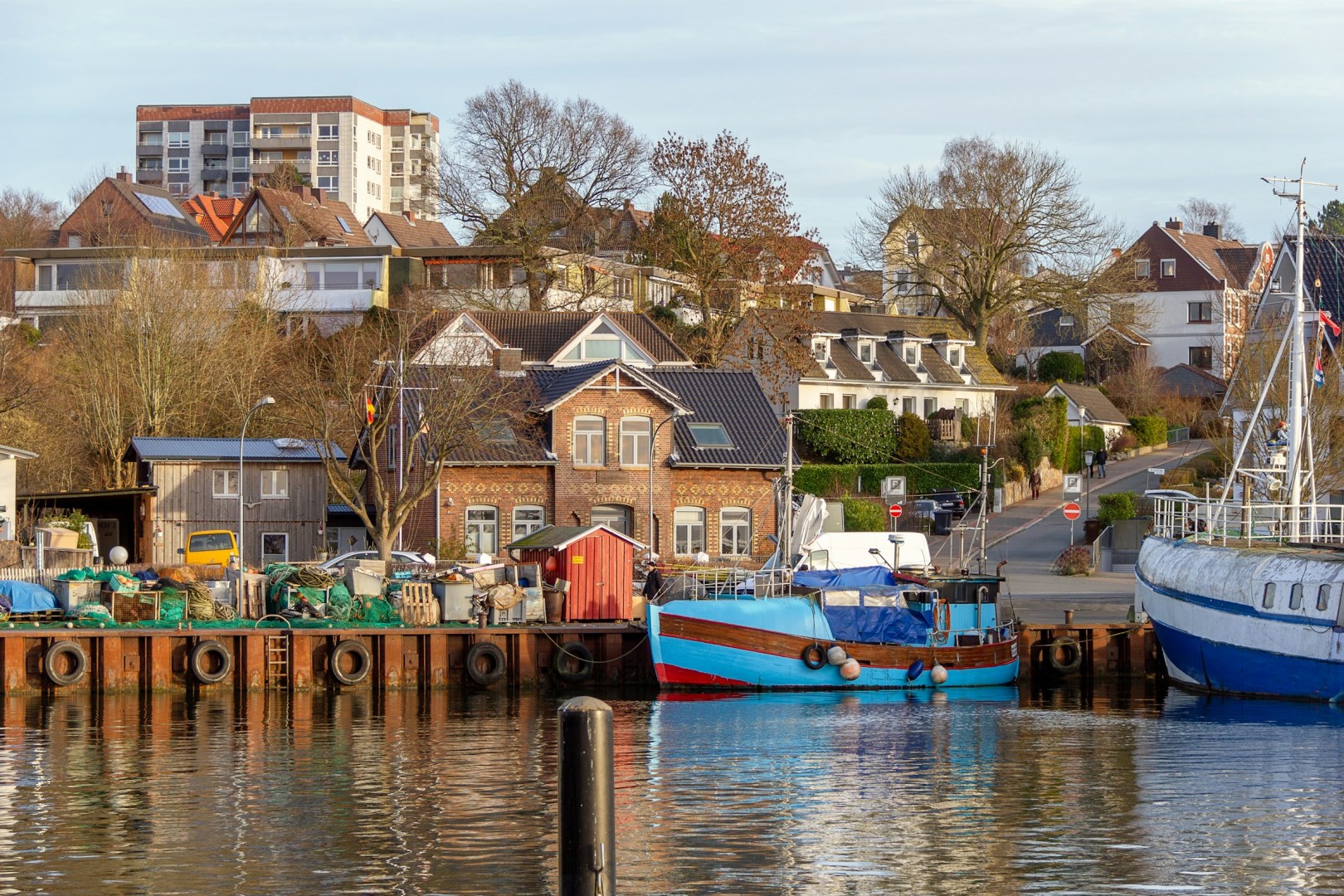
Laboe
Photo Credit: Photo by Maria Krasnova on Unsplash
Photo Credit: Photo by Till Rottmann on Unsplash
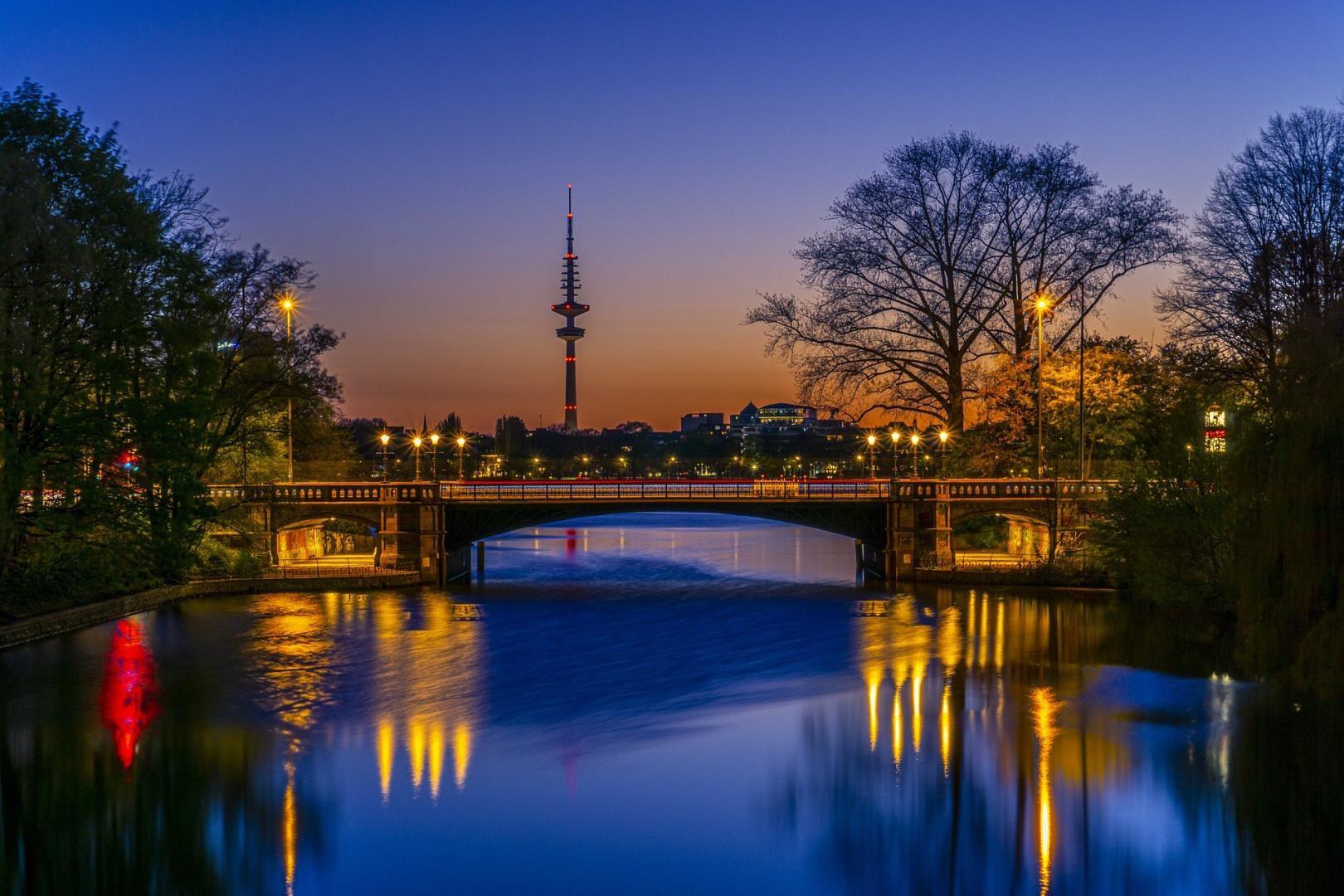
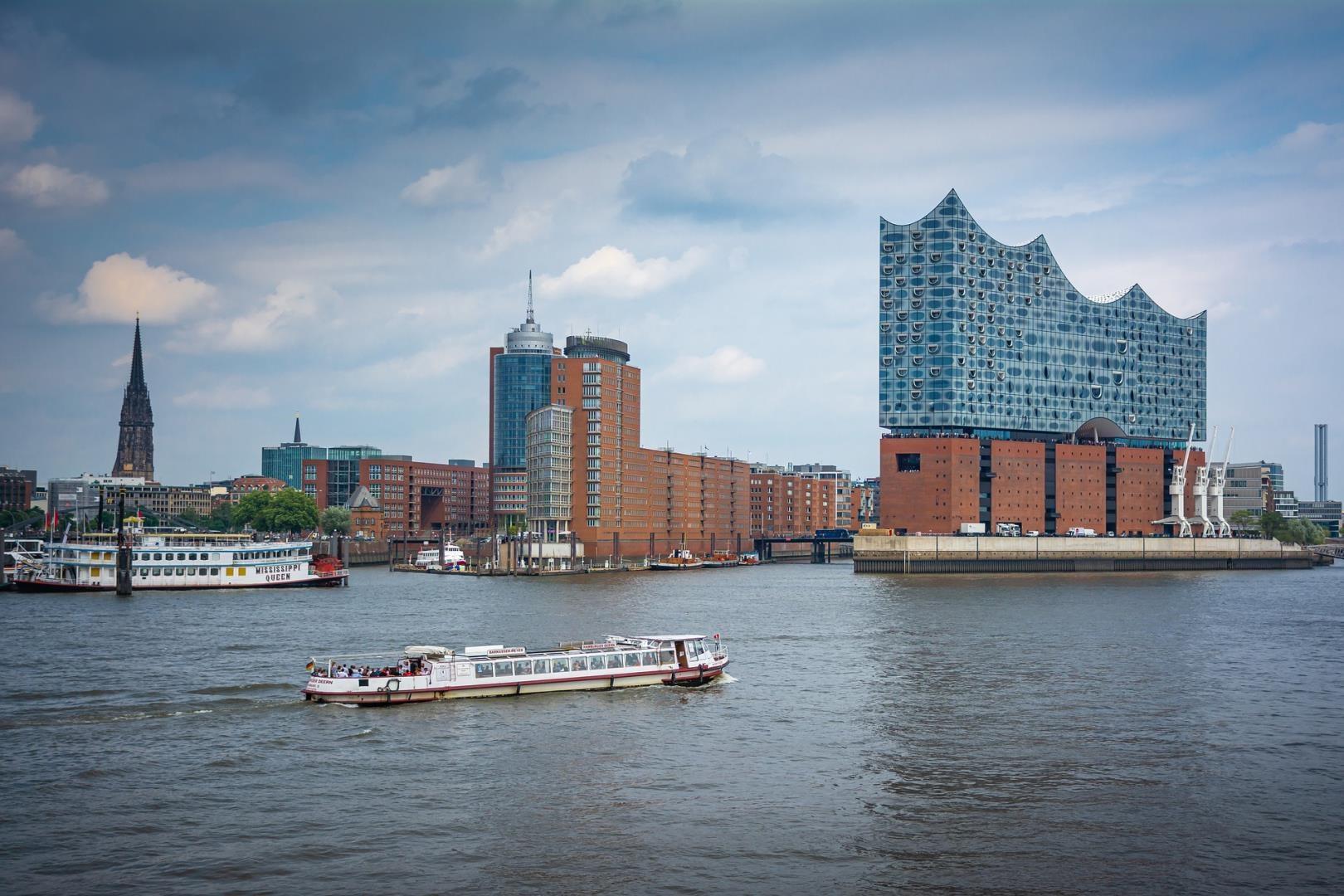
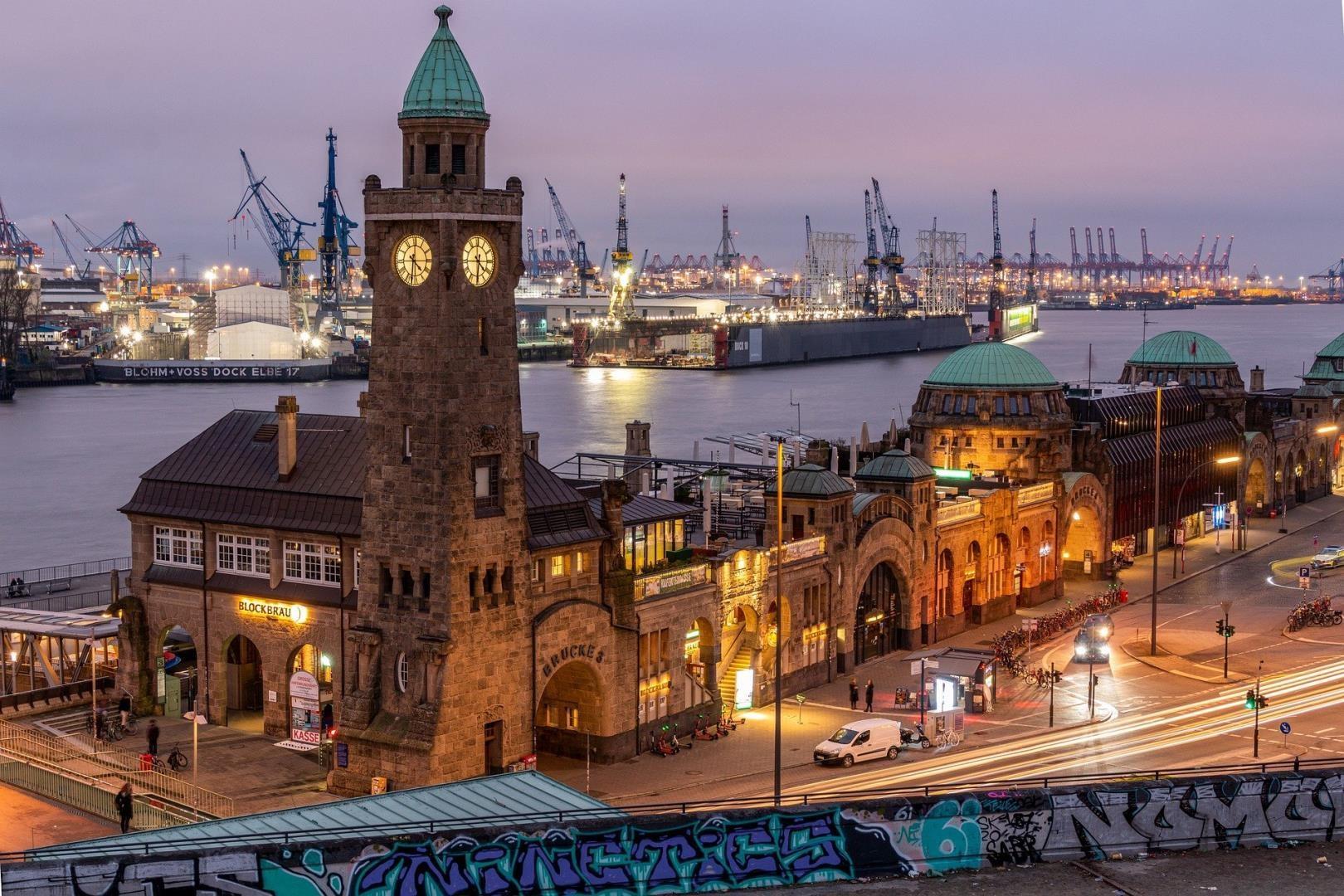
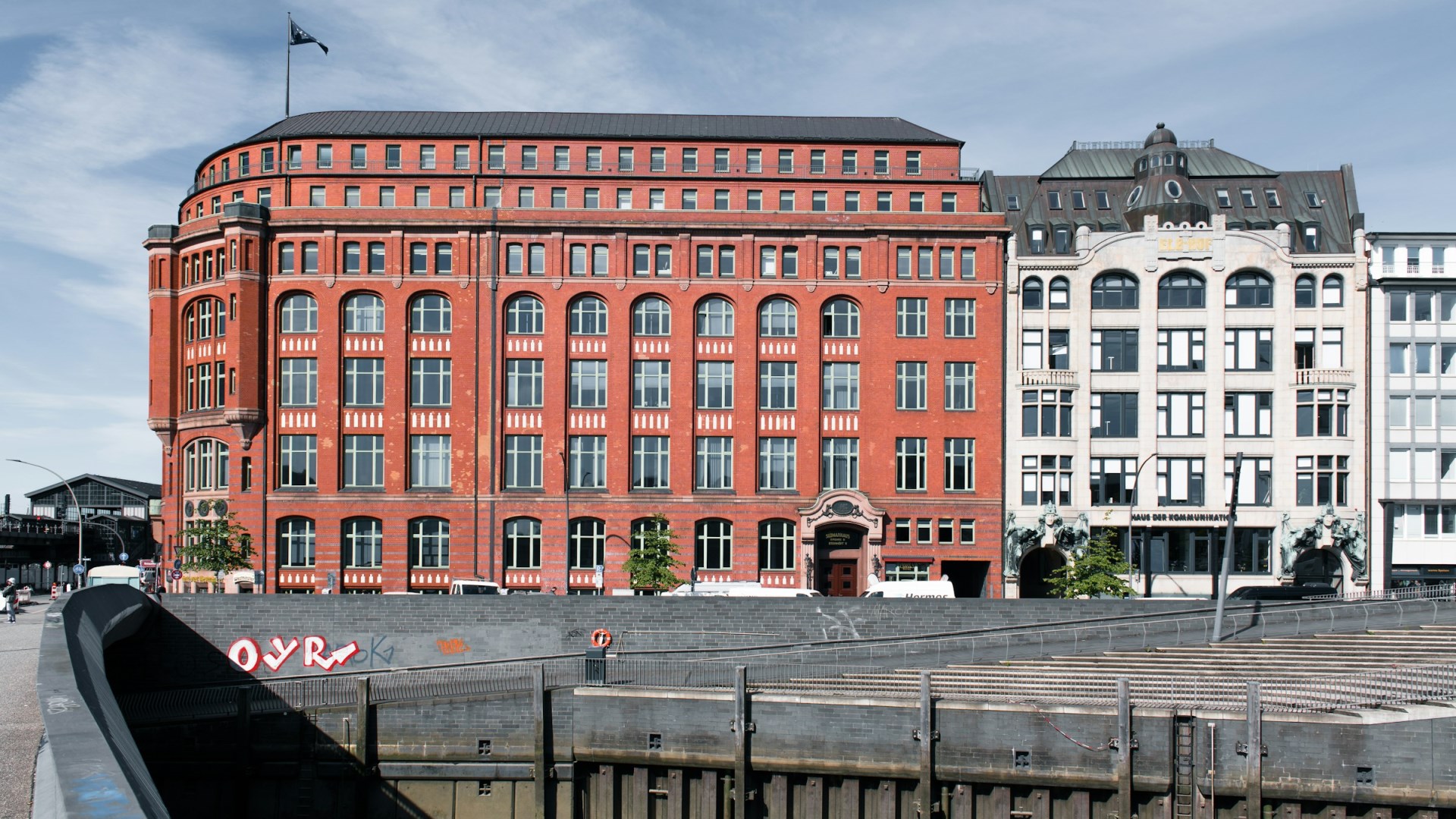
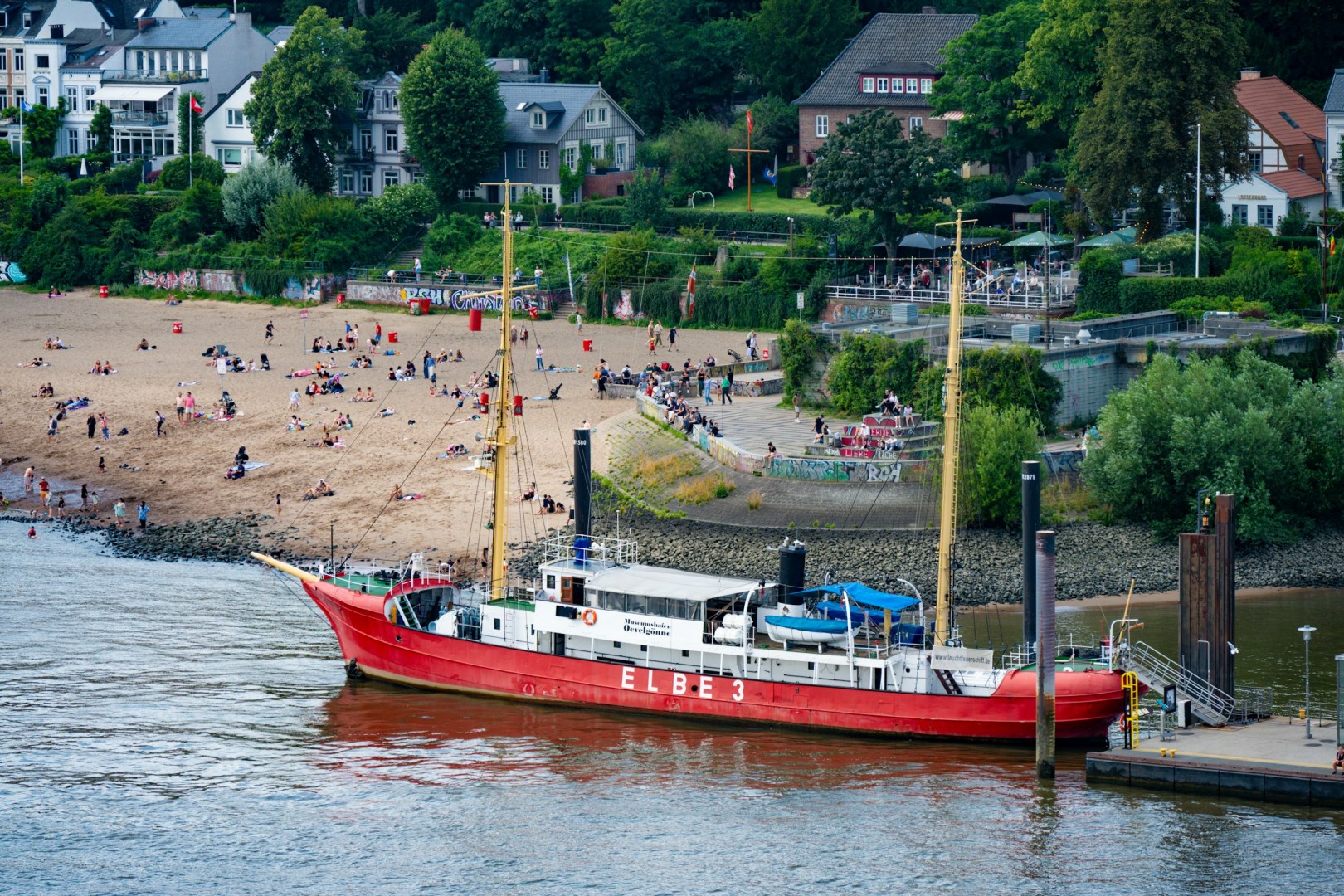
Located in northern Germany, Hamburg is an important commercial hub on the Elbe River and unique for the expansive system of canals which divide the city in two. Replete with fascinating architecture and scenic waterfront promenades, Hamburg offers plenty to see and explore! Highlights of this bustling city include Außenalster Lake, the Speicherstadt warehouses, the Elbphilharmonie concert hall, the Miniatur Wunderland museum, the Hamburg Rathaus (or City Hall), and the striking Chilehaus building.
Other Popular Destinations in Germany
Berlin
Berlin has an undeniable history. The horrors of World War II, division, reunification, revolution all profoundly impacted the city in the 20th century. Today, visitors will find a sophisticated, high-energy city with endless cultural, architectural and gastronomic attractions.
Passau
Passau sits on the confluence of the Danube, the Inn and the Ilz, so it is fitting that it is known as "the Dreiflüssestadt", which means the “City of Three Rivers.” The historical center offers a cathedral, churches and museums to explore, and the embankment is perfect for a romantic stroll.
