






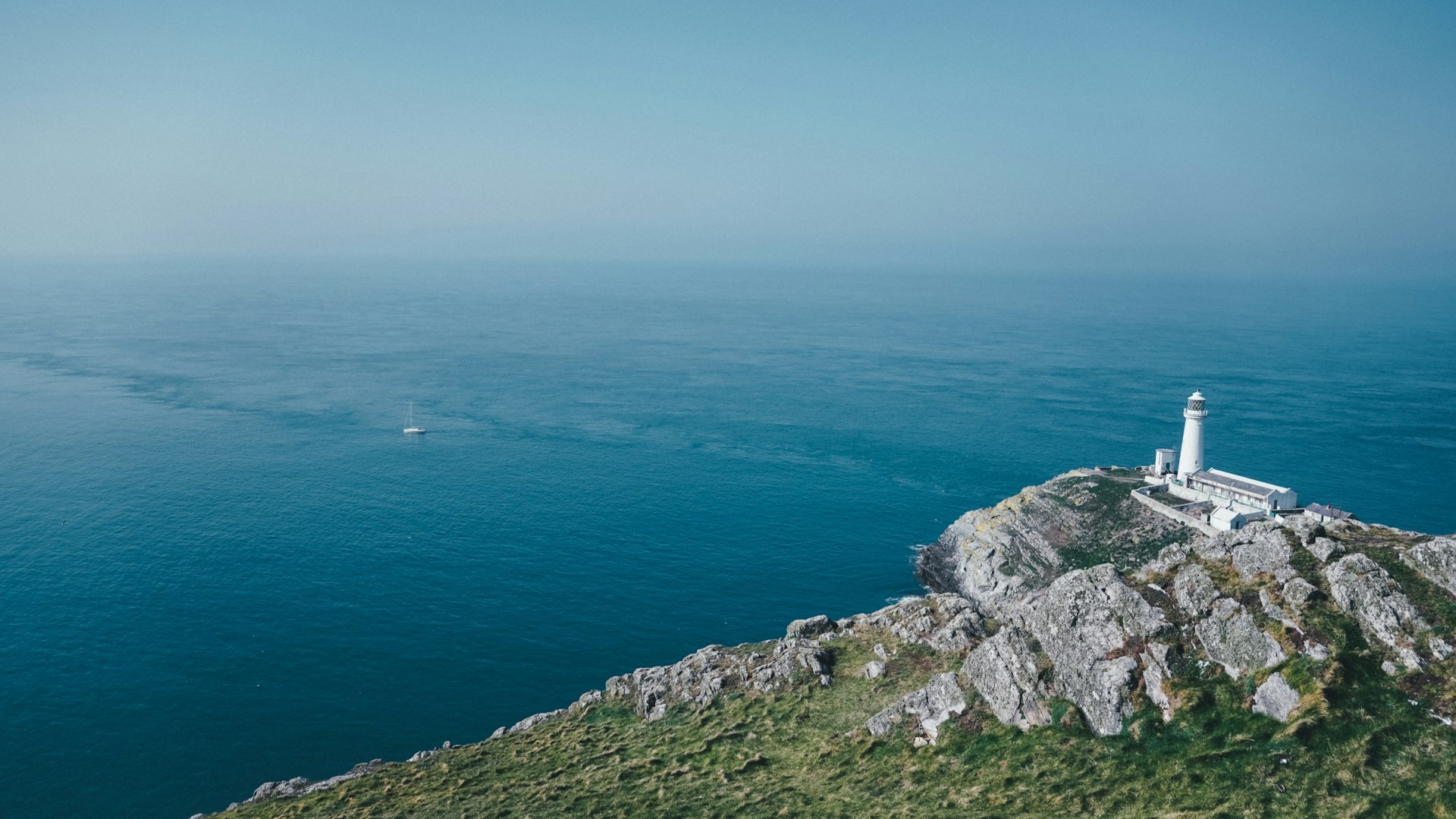

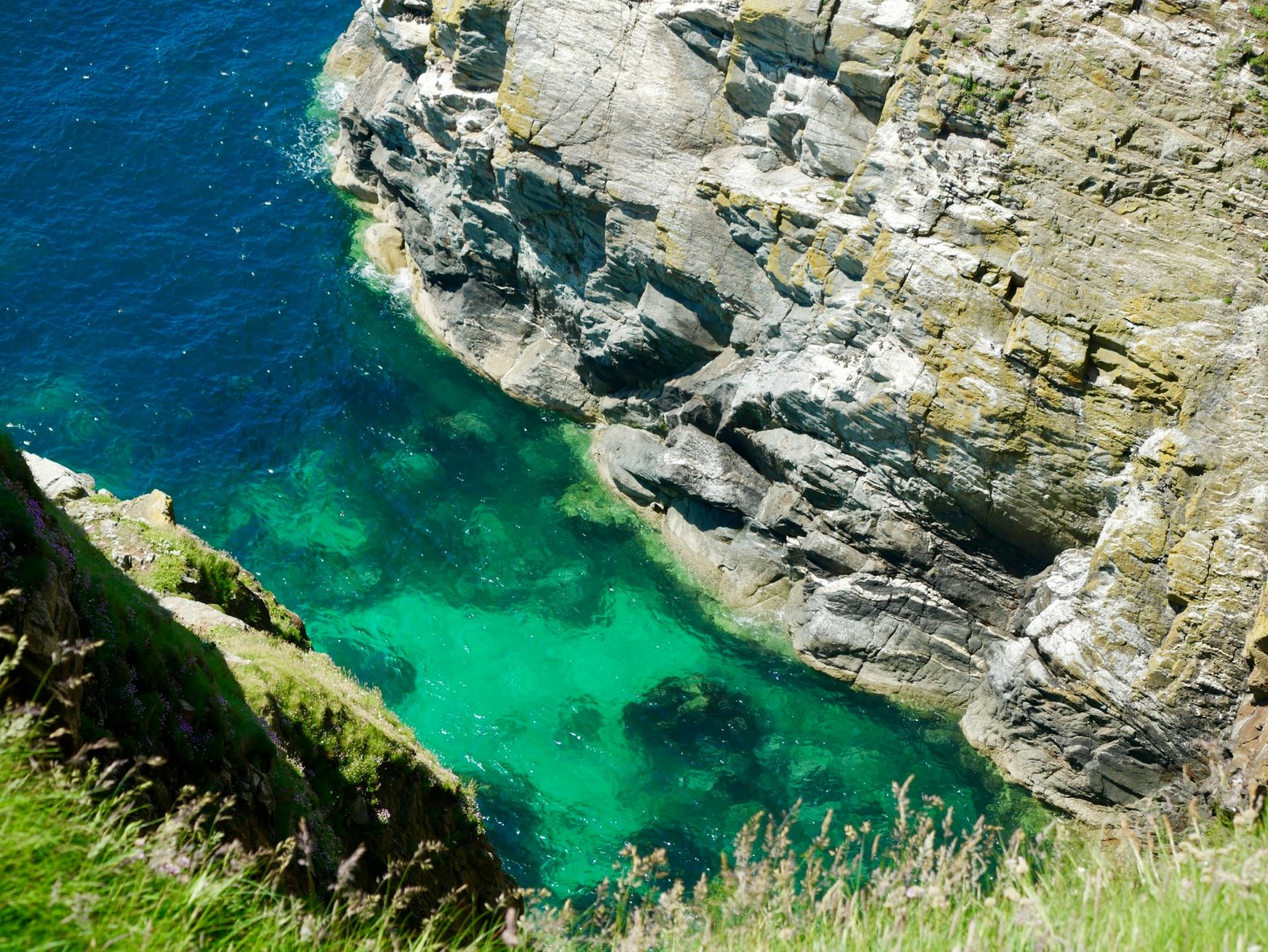

Holyhead, a charming port town located on the Isle of Anglesey in Wales, serves as a gateway to the stunning landscapes of North Wales and beyond. Known for its bustling ferry terminal, Holyhead connects Wales with Ireland, making it a convenient starting point for cross-border travel. The town itself offers a blend of maritime history and natural beauty, with attractions such as the Holyhead Maritime Museum showcasing its rich seafaring heritage. The nearby South Stack Lighthouse, perched on dramatic cliffs, provides breathtaking views of the rugged coastline and the Irish Sea. Visitors can explore the lighthouse and its surrounding nature reserve, home to a variety of seabirds.
The town’s scenic walks, including those along the Anglesey Coastal Path, offer panoramic vistas of both land and sea. This 200-mile trail stretches around the island, highlighting its diverse landscapes from sandy beaches to rocky cliffs. For a taste of local culture, Holyhead’s vibrant market and cozy pubs provide a welcoming atmosphere where visitors can sample traditional Welsh fare and interact with friendly locals. The annual Holyhead Maritime Festival is a highlight for those interested in maritime culture, featuring live music, local crafts, and maritime-themed activities.
A fun fact about Holyhead is that it has been an important port for over a thousand years, playing a crucial role in trade and transportation between Wales and Ireland. The town is also home to the Holyhead Breakwater, which is the longest breakwater in the UK, extending nearly 1.5 miles into the sea.
The town’s scenic walks, including those along the Anglesey Coastal Path, offer panoramic vistas of both land and sea. This 200-mile trail stretches around the island, highlighting its diverse landscapes from sandy beaches to rocky cliffs. For a taste of local culture, Holyhead’s vibrant market and cozy pubs provide a welcoming atmosphere where visitors can sample traditional Welsh fare and interact with friendly locals. The annual Holyhead Maritime Festival is a highlight for those interested in maritime culture, featuring live music, local crafts, and maritime-themed activities.
A fun fact about Holyhead is that it has been an important port for over a thousand years, playing a crucial role in trade and transportation between Wales and Ireland. The town is also home to the Holyhead Breakwater, which is the longest breakwater in the UK, extending nearly 1.5 miles into the sea.
Other Popular Destinations in Wales
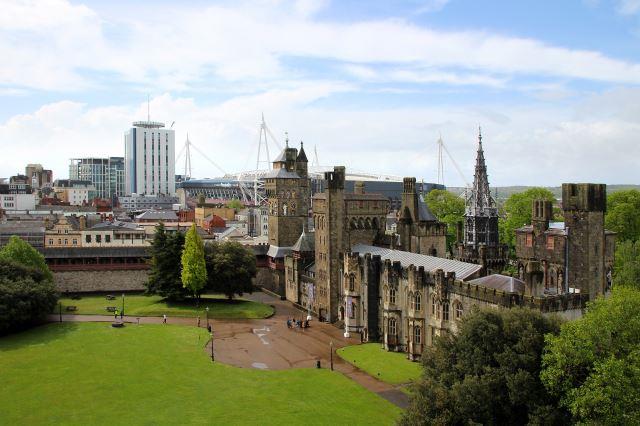
Cardiff, the capital of Wales, is a city brimming with history, culture, and modern vibrancy. At the heart of its historic charm stands the Cardiff Castle, a magnificent structure that dates back to Roman times and has been a centerpiece of Welsh history for centuries. Explore the castle’s stunning medieval architecture and lavish interiors, or take a walk around the castle grounds, which offer picturesque views of the city skyline.

Snowdonia, a majestic national park in North Wales, offers a stunning tapestry of natural beauty and adventure. At its heart is Mount Snowdon, the highest peak in Wales, reaching 1,085 meters (3,560 feet). The mountain is accessible via several well-marked trails, with the Snowdon Mountain Railway providing a scenic ride to the summit. From the top, panoramic views stretch over rugged landscapes and, on clear days, to the distant peaks of Ireland.
