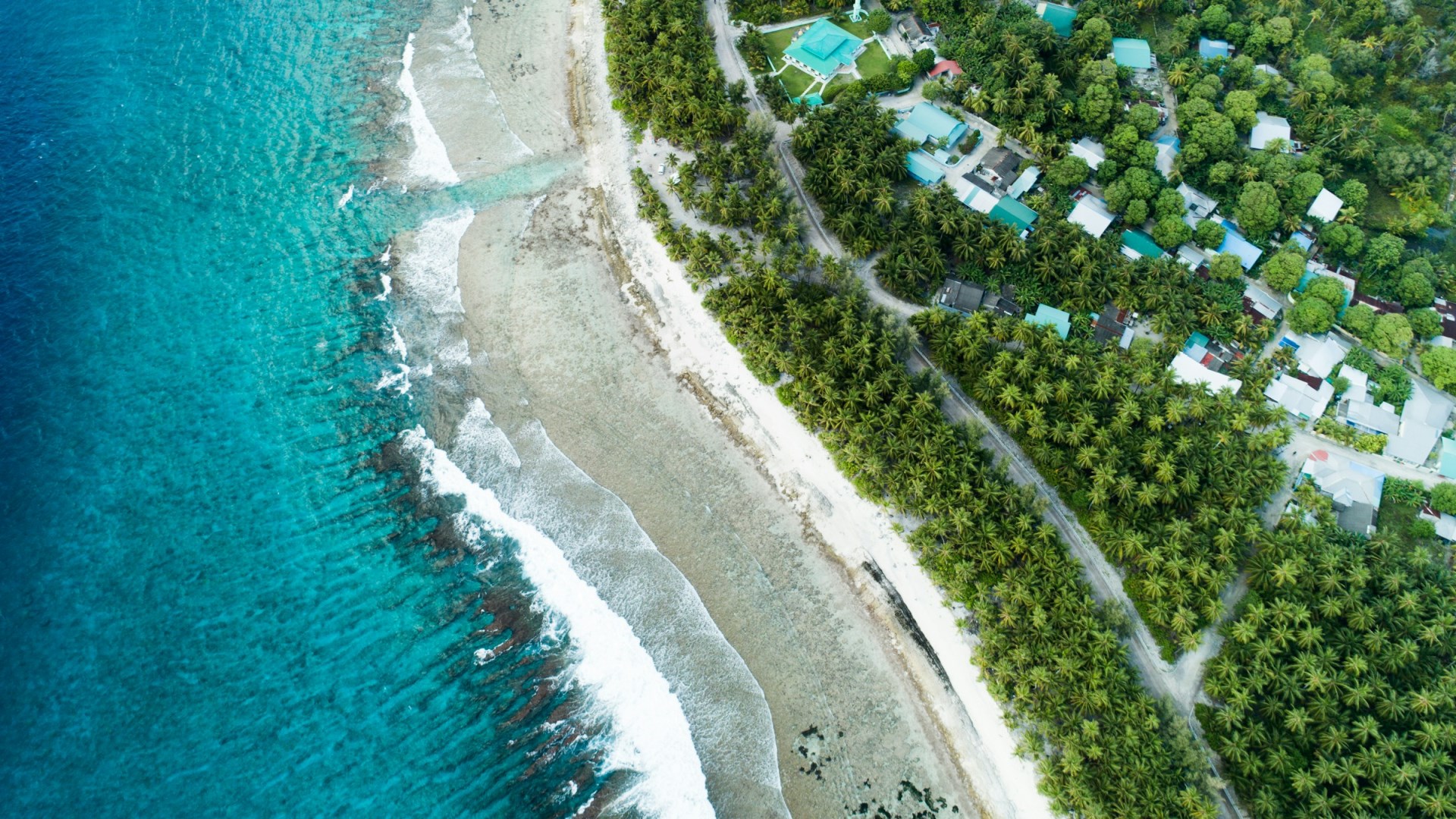
Fuvahmulah, part of the Maldives, stands apart as the only island in the country that is both a single atoll and a single island. Unlike the ring-shaped atolls that define most of the Maldives, Fuvahmulah has freshwater lakes, fertile soil, and lush greenery.
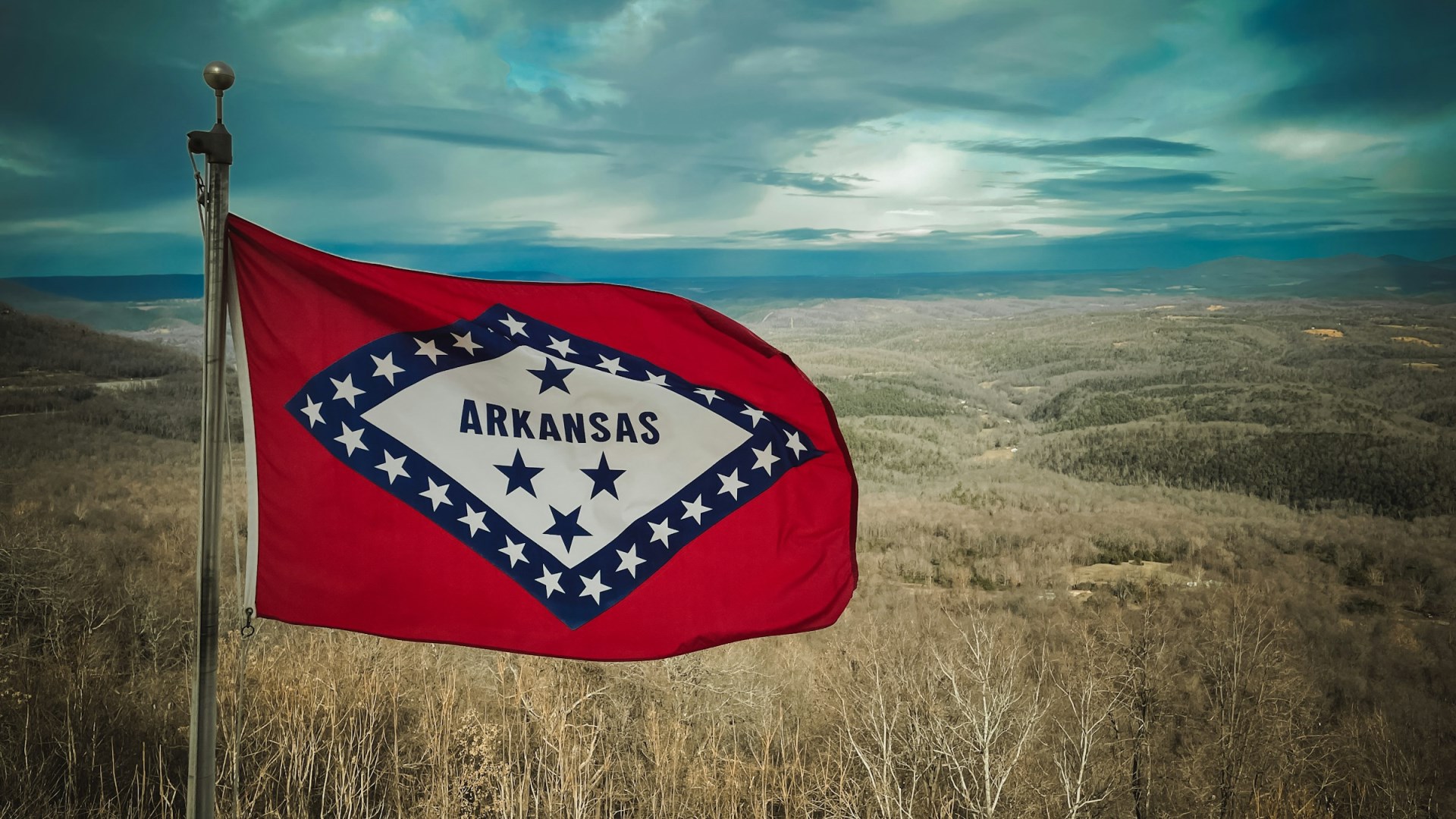
Arkansas is often called “The Natural State,” and for good reason as it’s home to more than 600,000 acres of lakes and 9,700 miles of rivers and streams. From the Ozark Mountains in the north to the Delta plains in the east, the state’s landscapes offer a wide range of backdrops for hiking, paddling, or simply taking in the view.
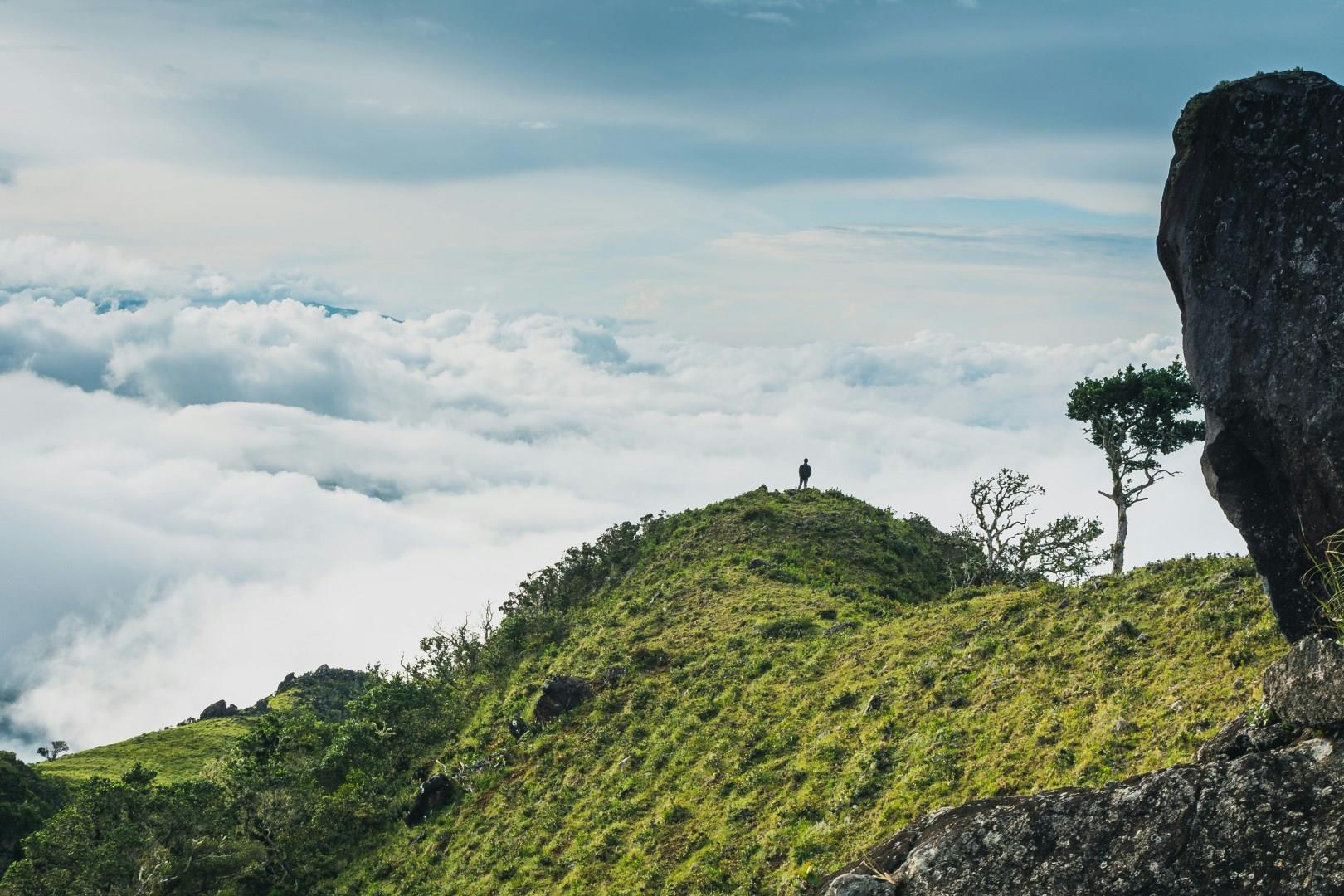
Boquete Valley, nestled in the highlands of Panama near the Baru Volcano, is a lush retreat known for its cool climate, verdant hills, and coffee plantations.
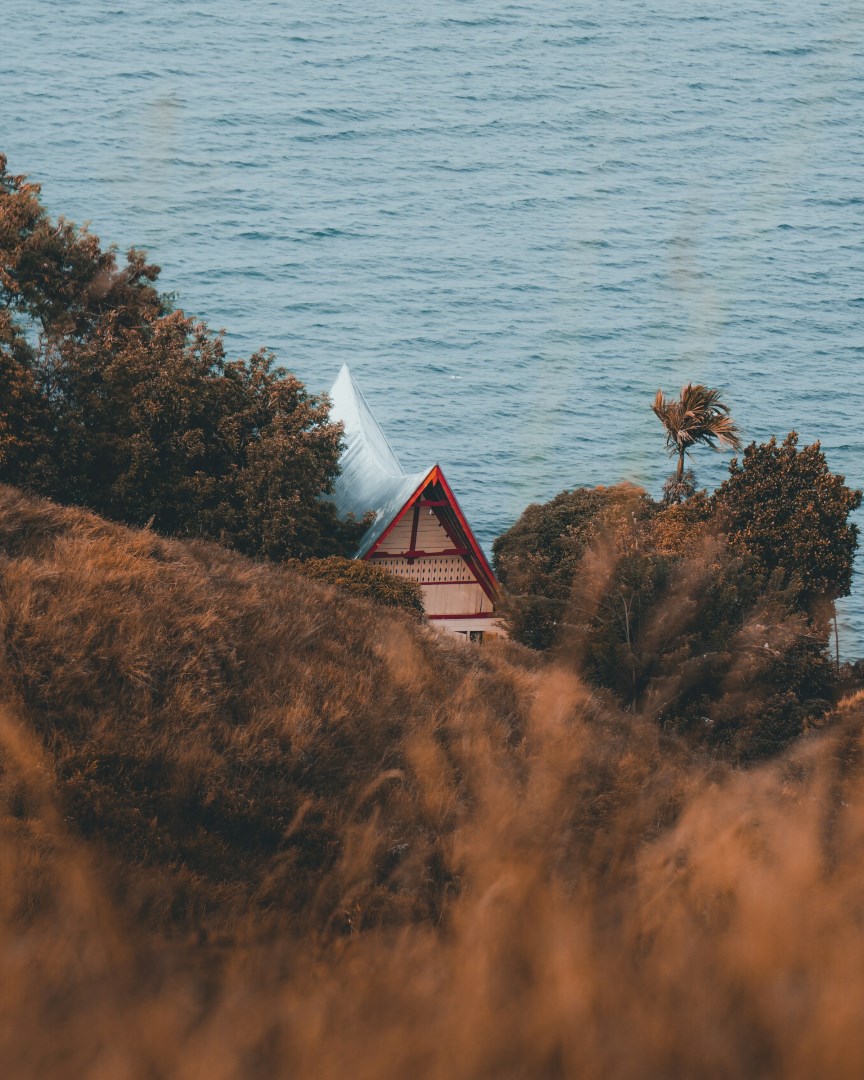
Lake Toba is another of the island's spectacular sights - a remarkable volcanic crater set in the middle of northern Sumatra, 176km from Medan. The lake is huge (the largest in South-East Asia), occupying the caldera of a giant volcano that collapsed on itself after a massive eruption some 100,000 years ago.
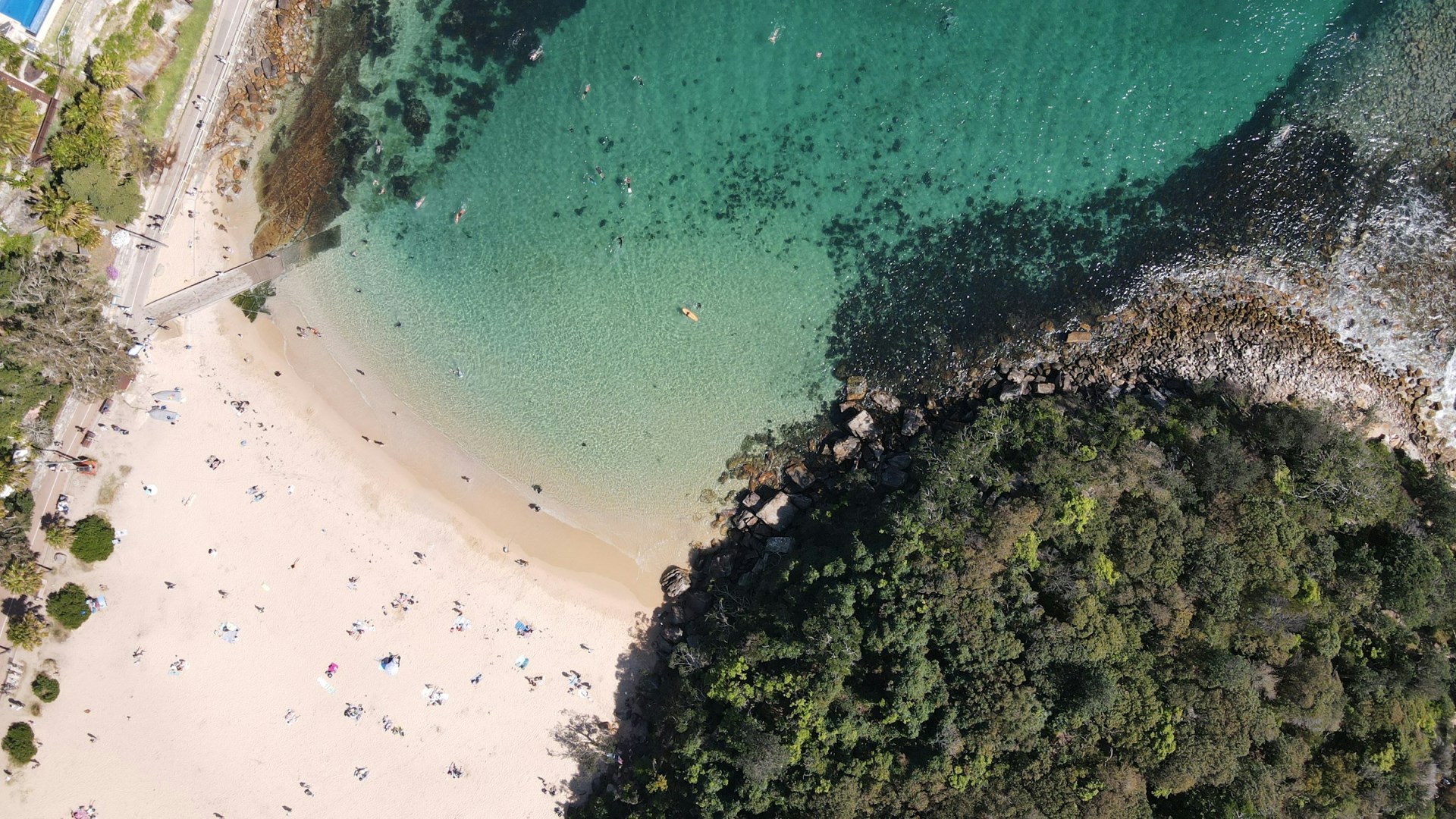
Manly, a seaside suburb of Sydney, Australia, is celebrated for its relaxed coastal charm and vibrant outdoor lifestyle. Situated on the northern beaches of Sydney Harbour, it offers a unique combination of golden sands, surf-friendly waves, and a bustling promenade filled with cafés, shops, and restaurants.
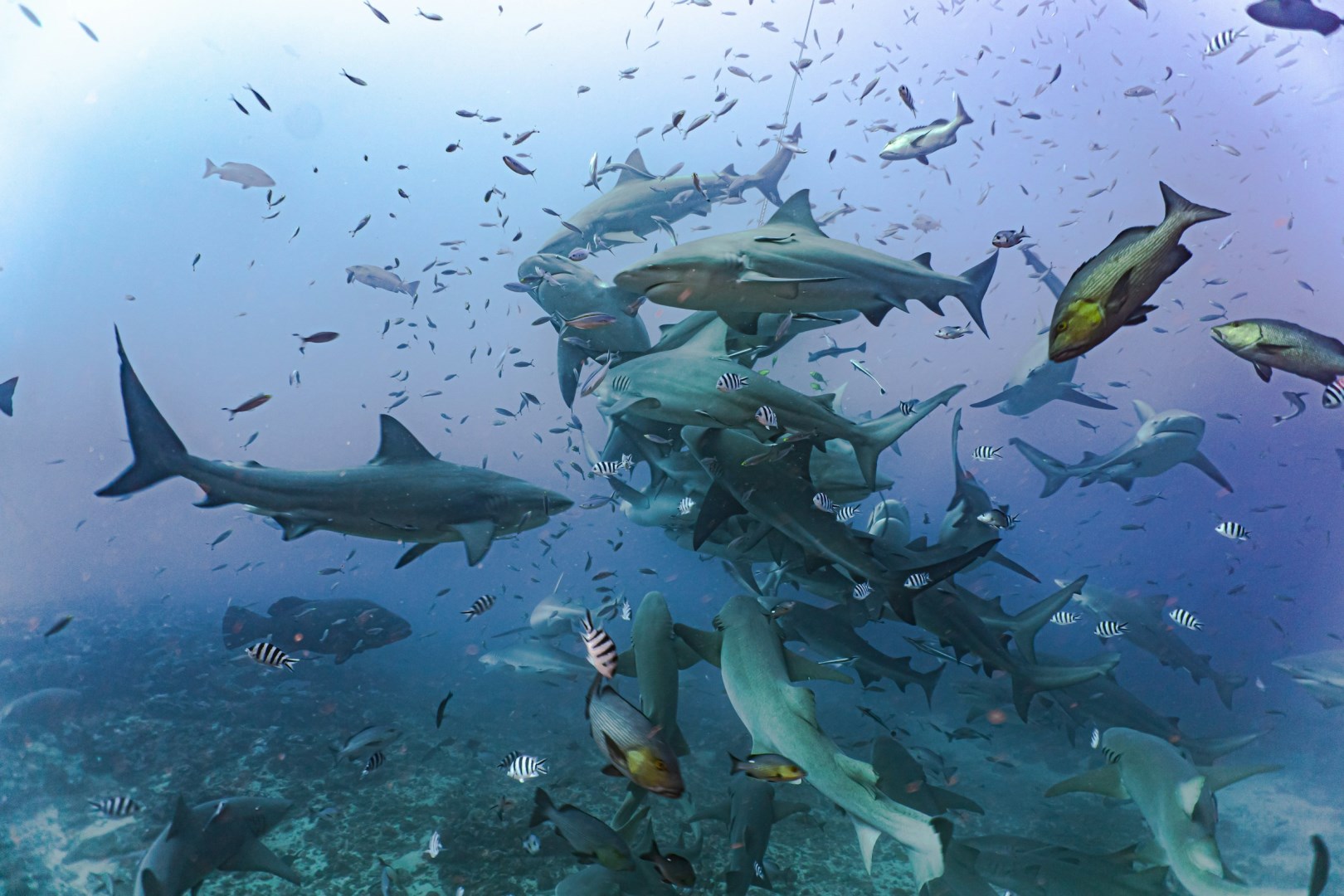
Pacific Harbour, located on the southern coast of Viti Levu in Fiji, is known as the country’s “Adventure Capital.” Once envisioned as a luxury resort community, it has evolved into a dynamic destination that blends tropical relaxation with outdoor excitement.
Photo Credit: Photo by Michael Buillerey on Unsplash
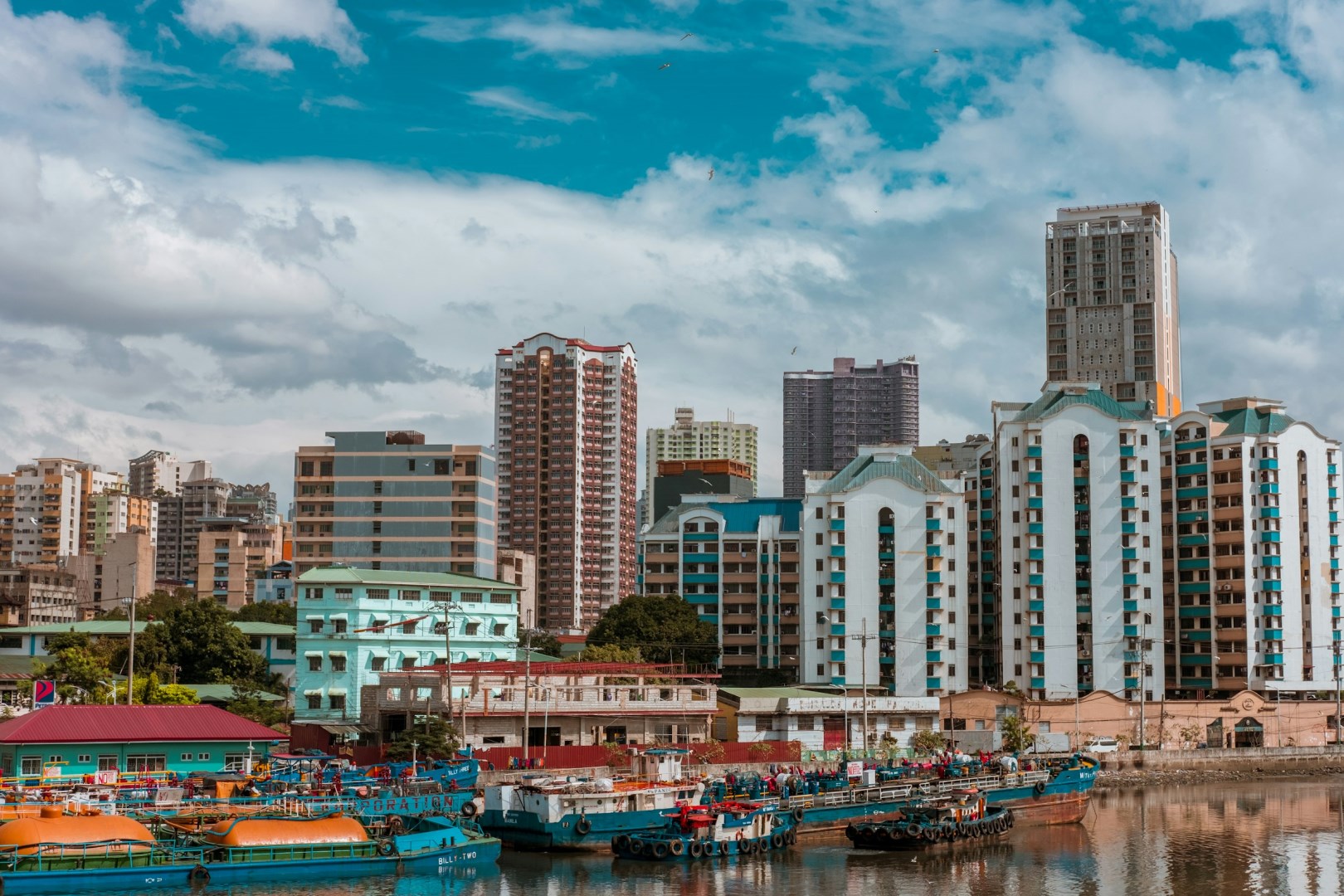
Philippines capital located in the South China Sea. Fort Santiago and Baroque church San Agustin are among the city's attractions.
Other Popular Destinations in Philippines
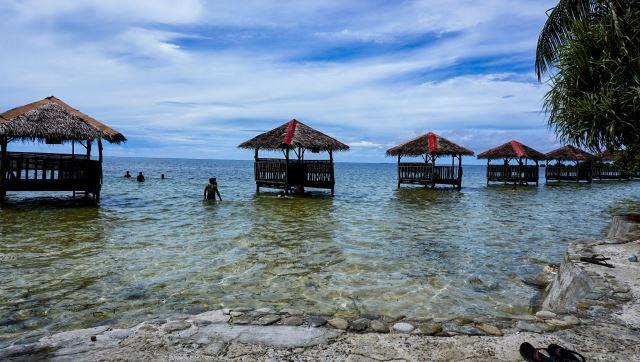
Puerto Princesa
Puerto Princesa, the capital of Palawan in the Philippines, is often seen as the gateway to some of the country’s most remarkable natural landscapes.
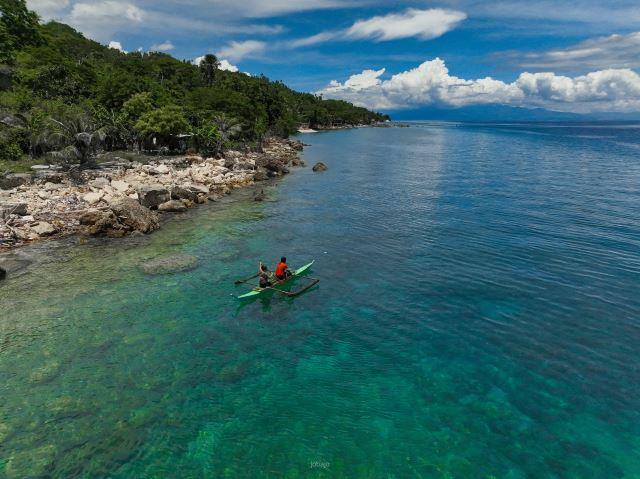
Cebu
Cebu sits at the center of the central Philippines, shaped by seafaring trade and early colonial contact. It was here that Spanish rule first took hold in the 16th century, leaving a legacy visible in churches, street patterns, and long-standing ties to Catholic tradition.