
Namche Bazaar, perched at 3,440 meters in the Khumbu region of Nepal, is often called the gateway to Everest, but it’s far more than a rest stop on the way to Base Camp. Once a trading post between Tibetan and Nepali merchants, Namche has developed into a small mountain town where yak caravans and Wi-Fi cafes exist side by side. Despite its remote location, it has a Saturday market that continues to bring traders and trekkers together, just as it did centuries ago.
Punakha sits in one of Bhutan’s most fertile valleys, cradled where the Mo Chhu and Pho Chhu rivers meet. For centuries it served as the kingdom’s capital and remains a place rich with stories woven through its fields, temples, and riverbanks. The city’s low elevation brings warmer weather than much of Bhutan’s highland regions, and rice paddies fill the landscape with vivid green during planting and golden hues at harvest.
South Korea is a land where ancient traditions live alongside futuristic cities. From Seoul’s grand palaces and vibrant arts scene to the volcanic landscapes of Jeju Island and the tranquil reflection of rice paddies in rural valleys, the country balances its rich heritage with constant reinvention.
Douala is Cameroon’s largest city and its economic powerhouse, but beyond the busy ports and bustling streets lies a city full of creativity, flavor, and unexpected charm. Located on the Atlantic coast, Douala has long served as a crossroads of cultures. The city's waterfront, especially along the Wouri River, is a great place to watch the movement of boats, local fishermen, and floating markets while soaking in the tropical coastal air.
Xi’an, located in central China’s Shaanxi Province, served as the starting point of the ancient Silk Road and was the capital of 13 imperial dynasties. Its long history is most famously represented by the Terracotta Army, an underground army of life-sized warriors discovered in 1974. Each figure has distinct facial features, hairstyles, and armor, designed to protect Emperor Qin Shi Huang in the afterlife.
Nara, located in Japan’s Kansai region, is a city where ancient history and serene landscapes coexist. As the country’s first permanent capital, it preserves a wealth of historic sites that reflect its significance during the Nara period.
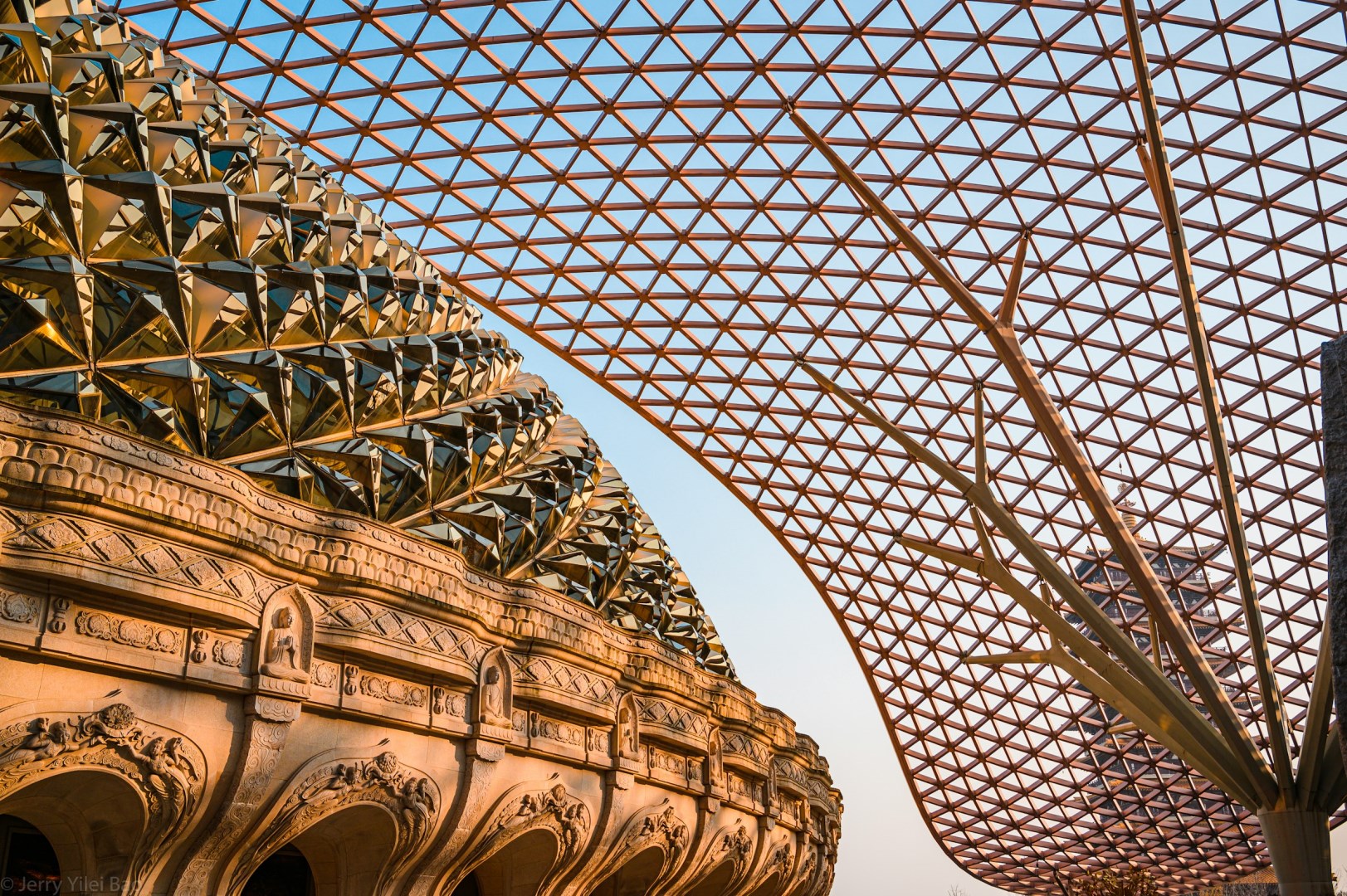
Photo Credit: Photo by Yilei (Jerry) Bao on Unsplash
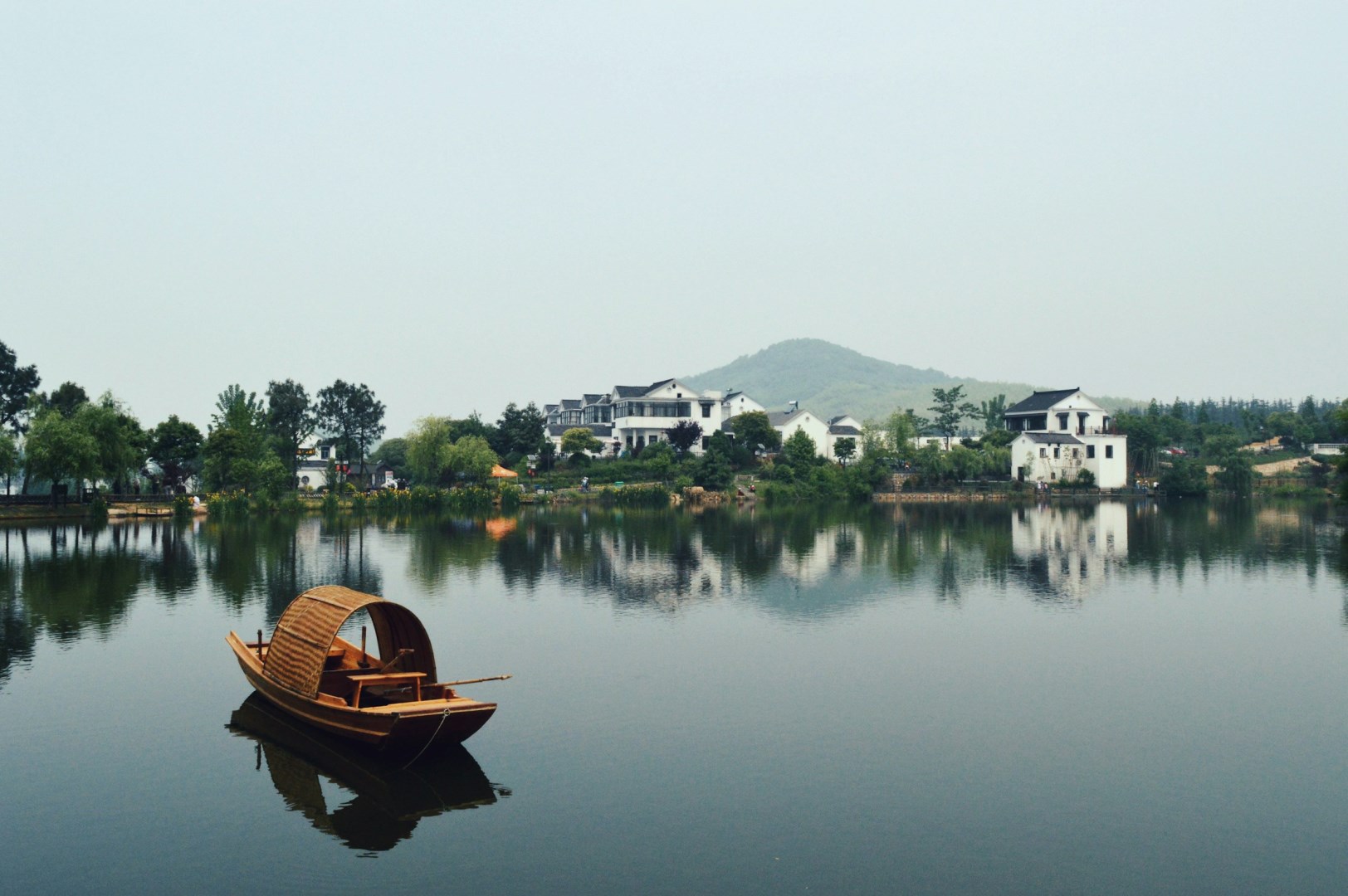
Mochou Lake
Photo Credit: Photo by wen qiao on Unsplash
Photo Credit: Photo by Shawn Tang on Unsplash
Photo Credit: Photo by Yu Gui on Unsplash
Photo Credit: Photo by Wenhao Ruan on Unsplash
Photo Credit: Photo by vigor poodo on Unsplash
Photo Credit: Photo by 長聽 王 on Unsplash
Photo Credit: Photo by Alston Chia on Unsplash
Photo Credit: Photo by Cheng Shi Song on Unsplash
Photo Credit: Photo by Declan Sun on Unsplash
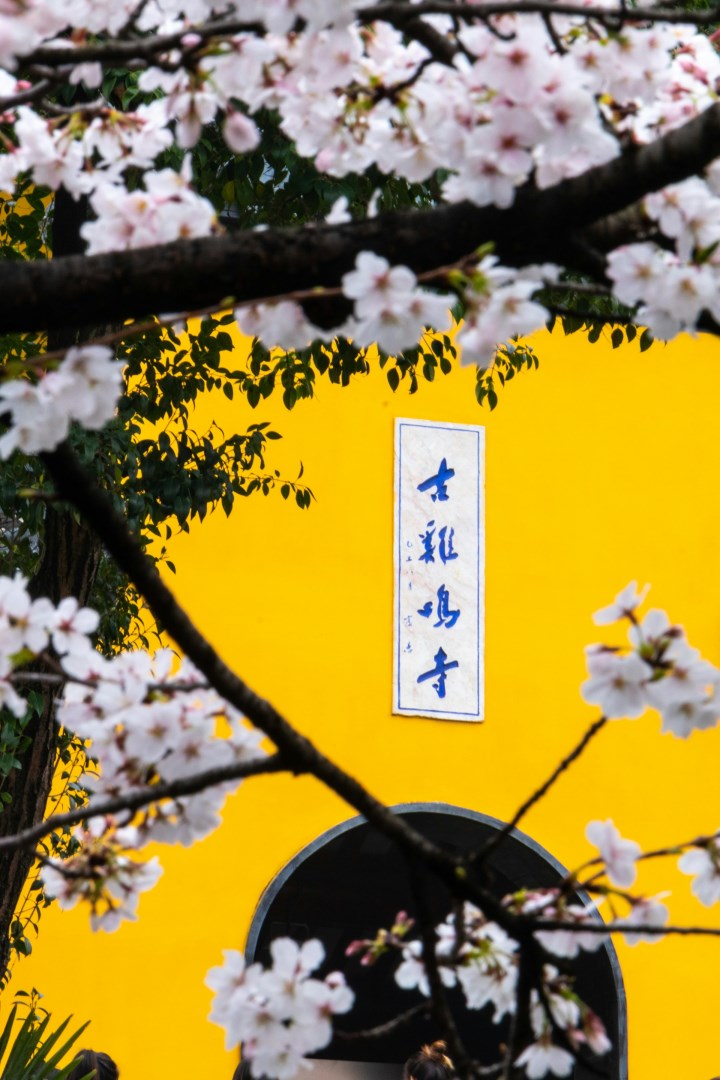
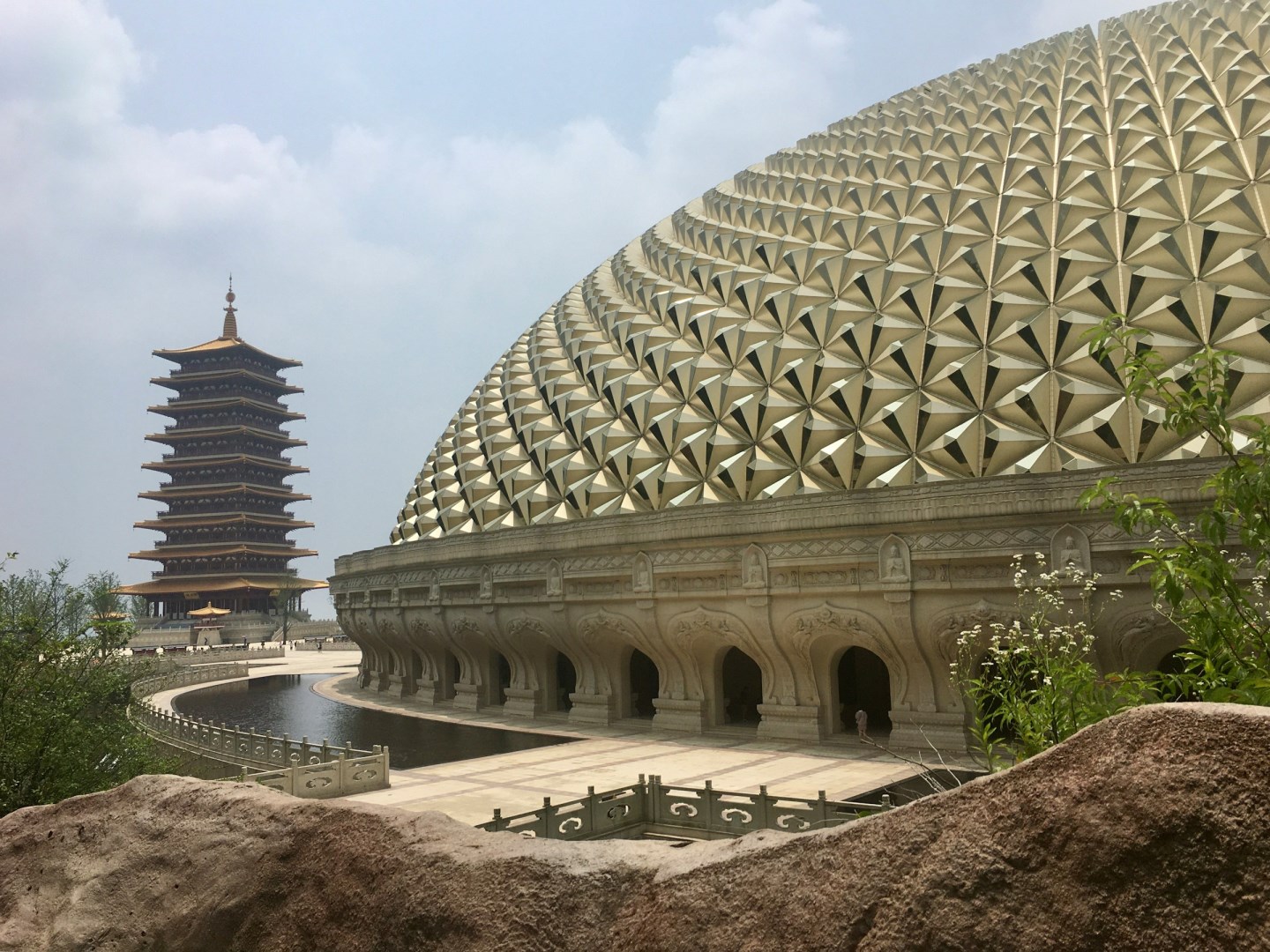
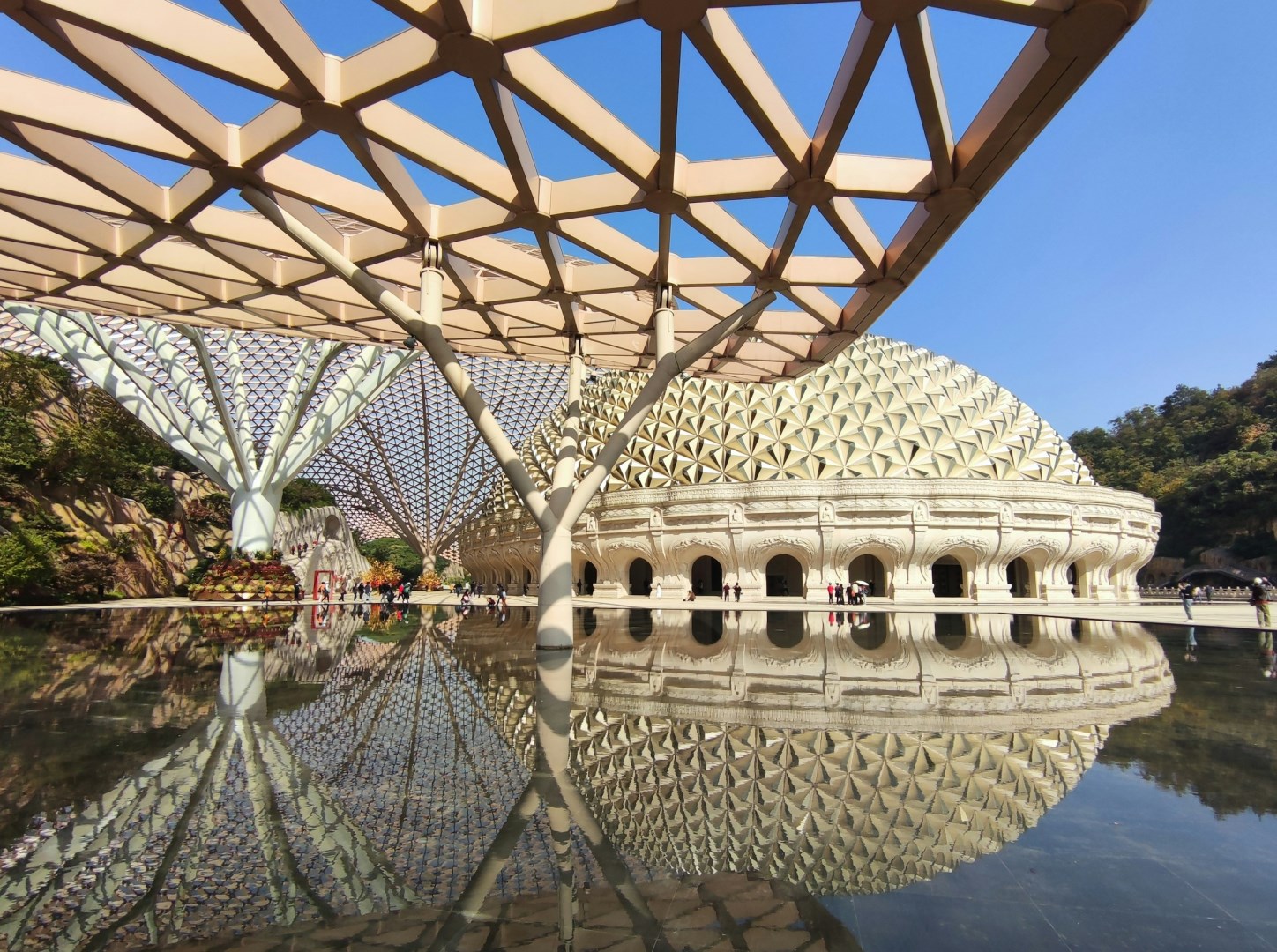
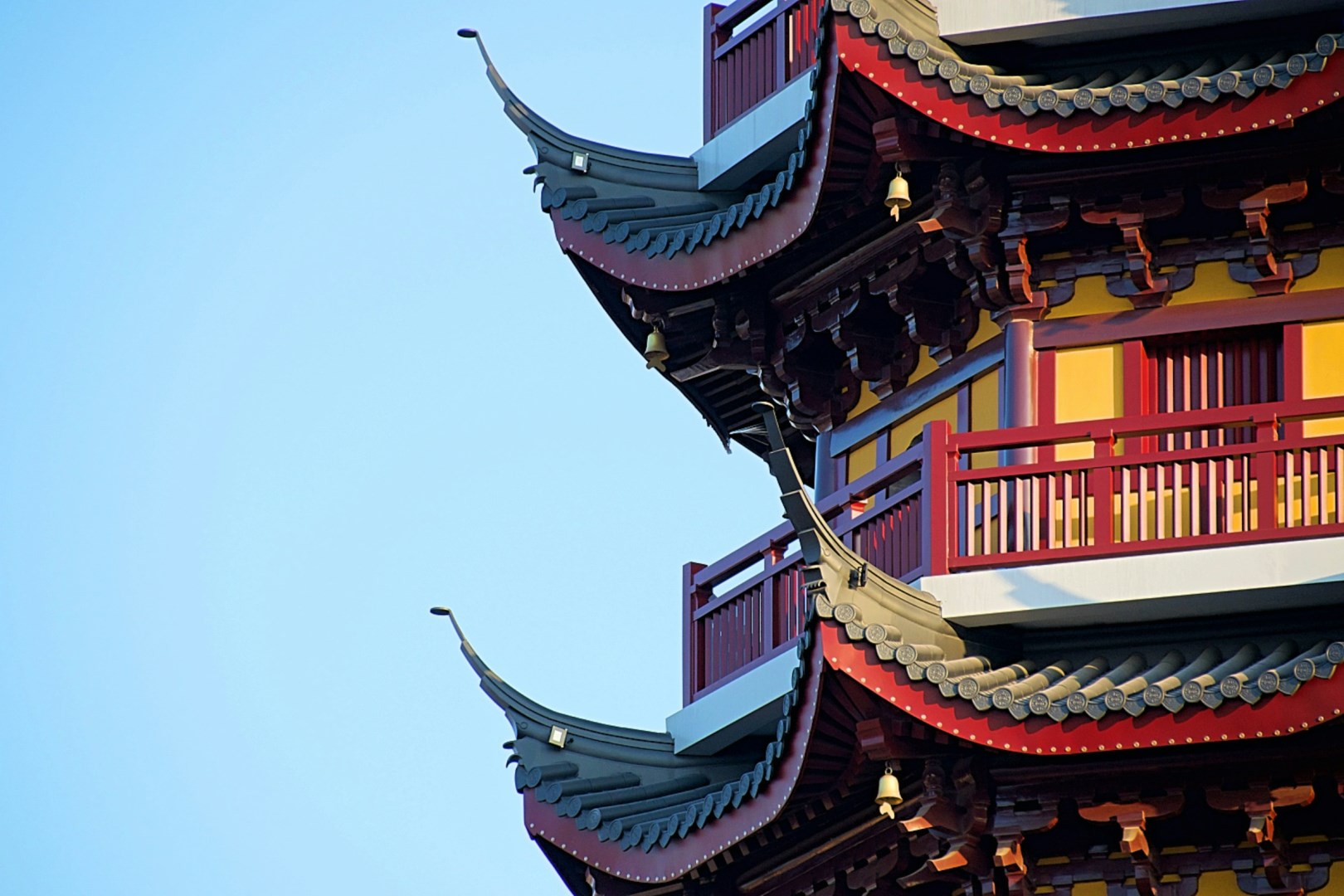
Linggu Temple
Photo Credit: Photo by Timothée Gidenne on Unsplash
Photo Credit: Photo by Cheng Shi Song on Unsplash
Photo Credit: Photo by Karwin Luo on Unsplash
Photo Credit: Photo by leon zhao on Unsplash
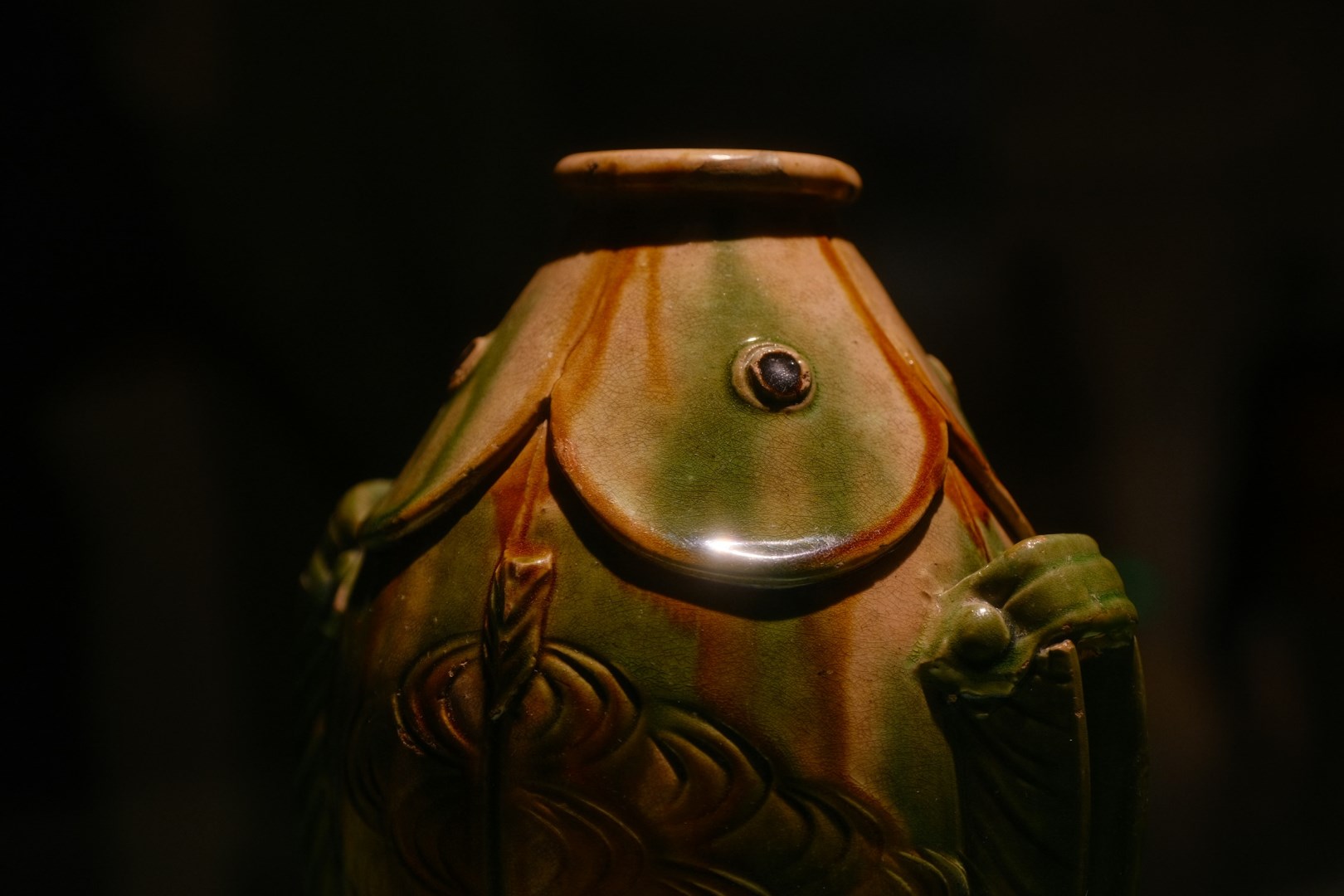
Nanjing Museum

Photo Credit: Photo by Terence Zheng on Unsplash
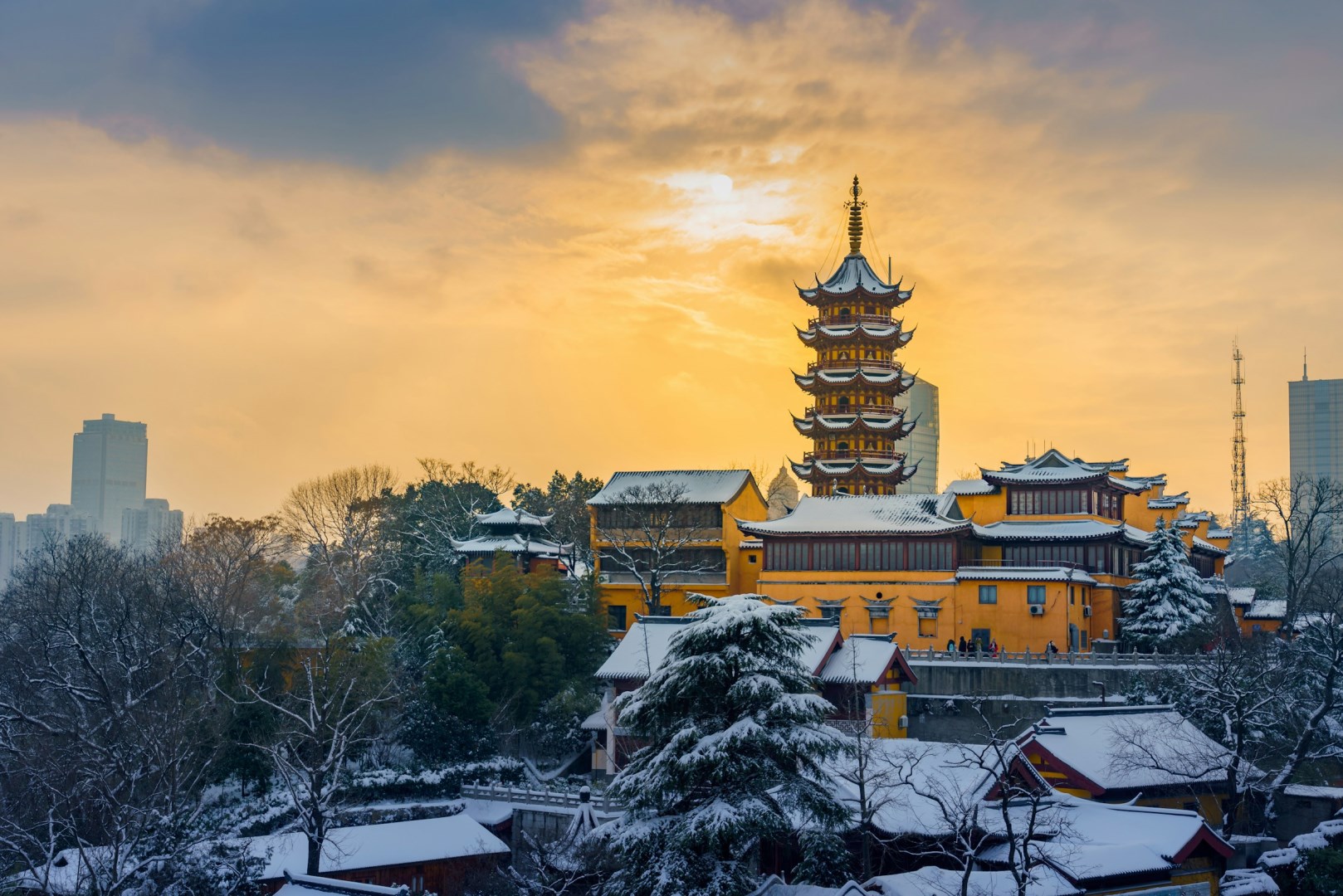
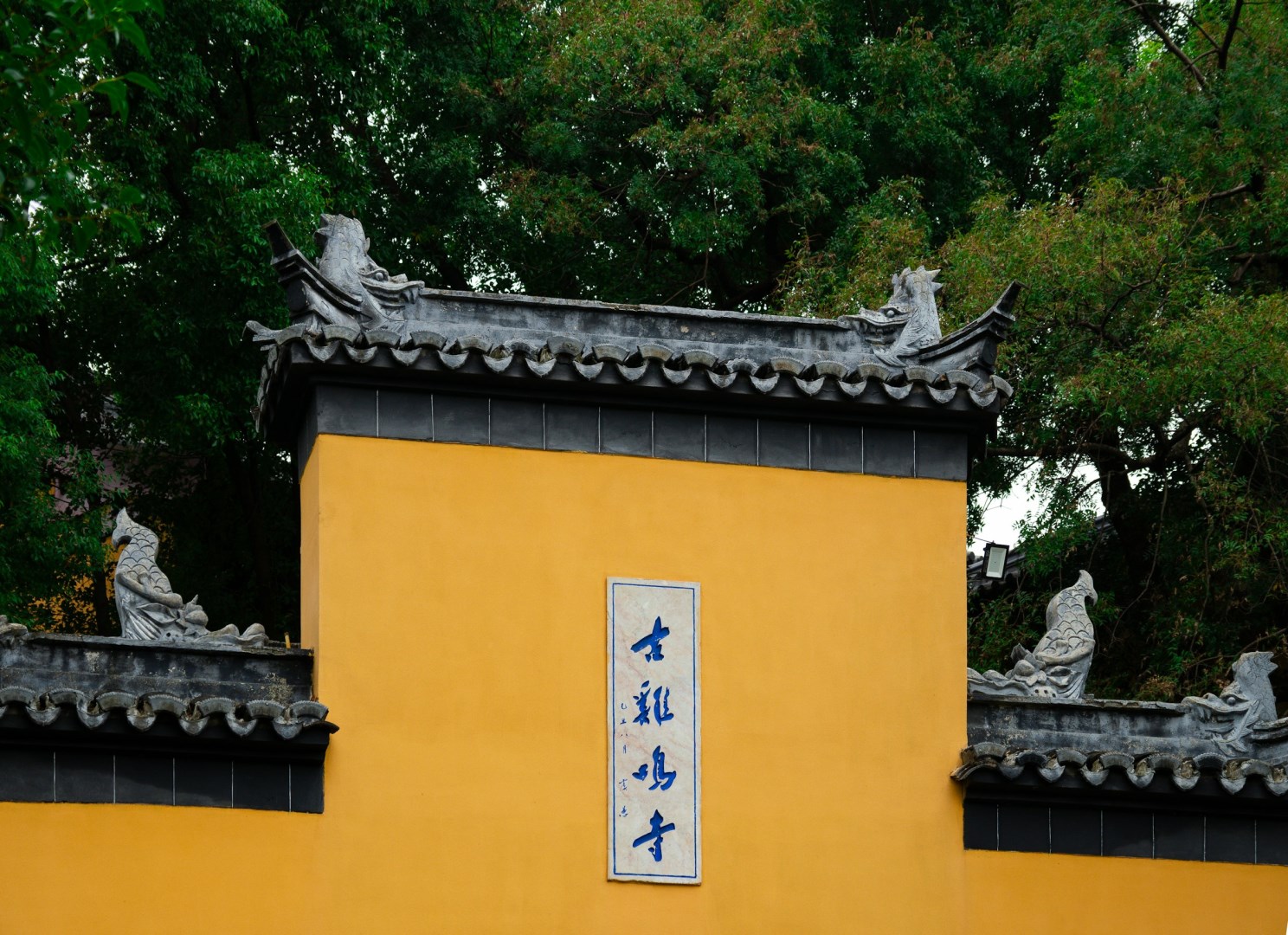
Jiming Temple
Photo Credit: Photo by Joss Woodhead on Unsplash
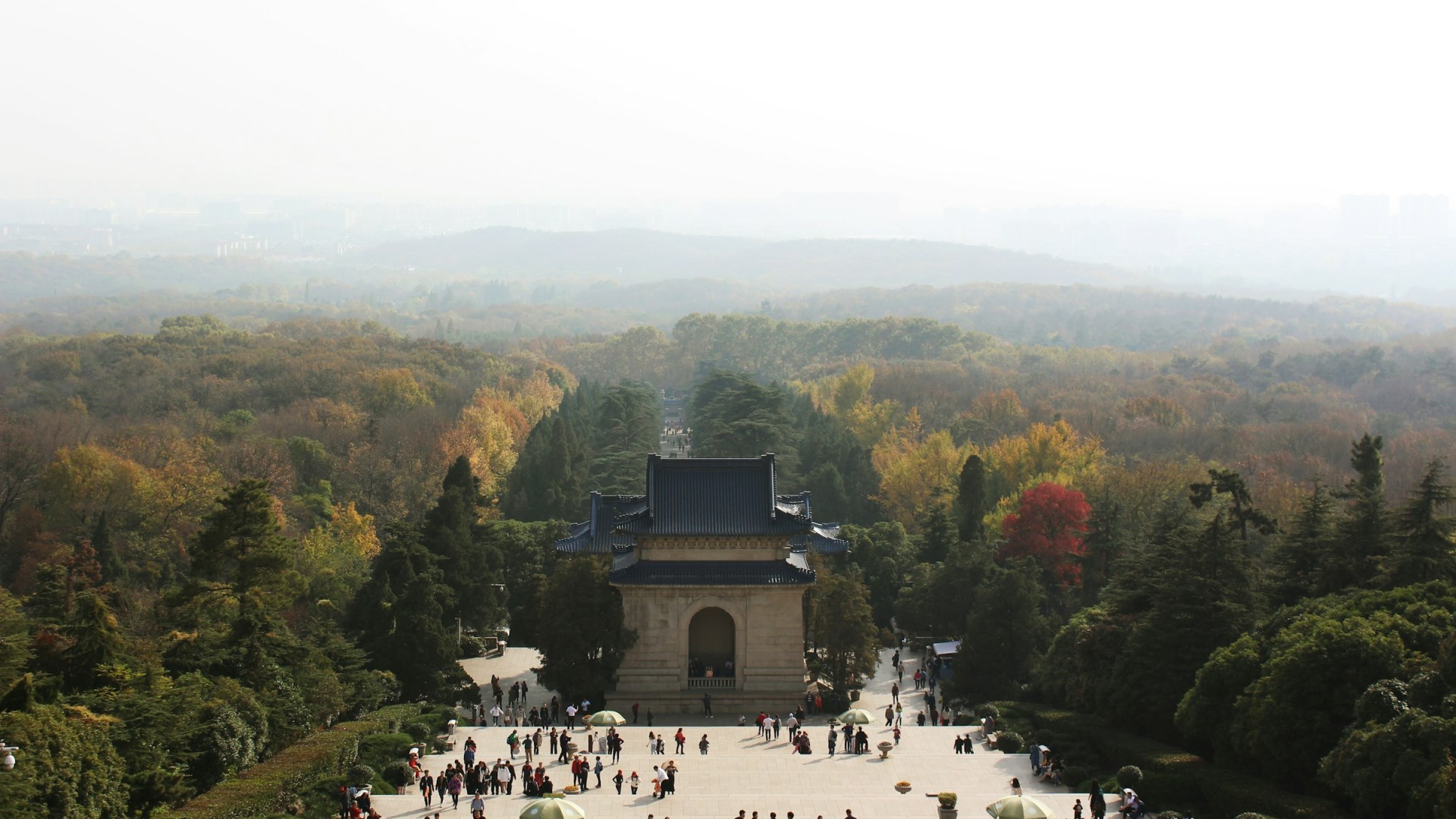
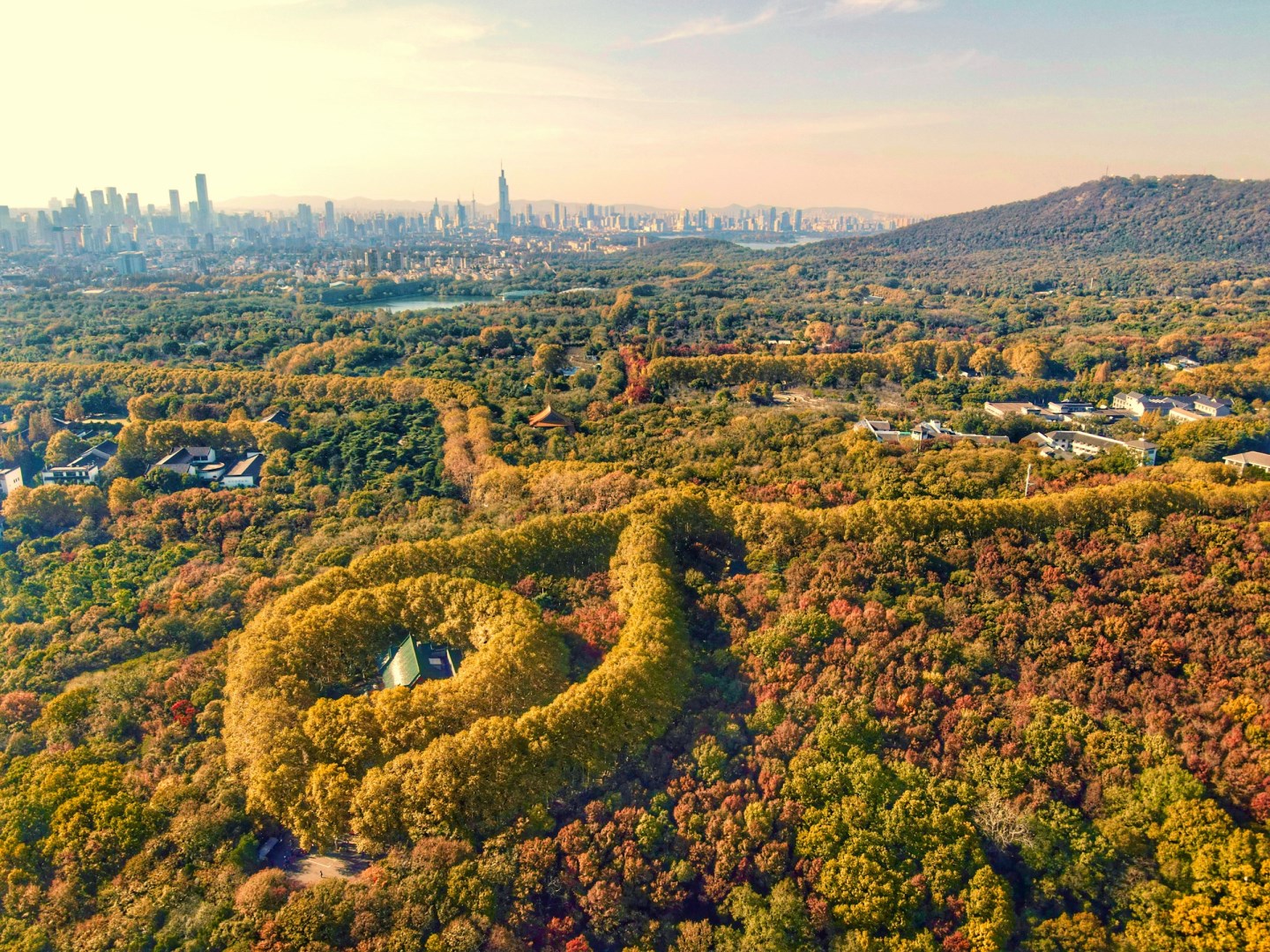
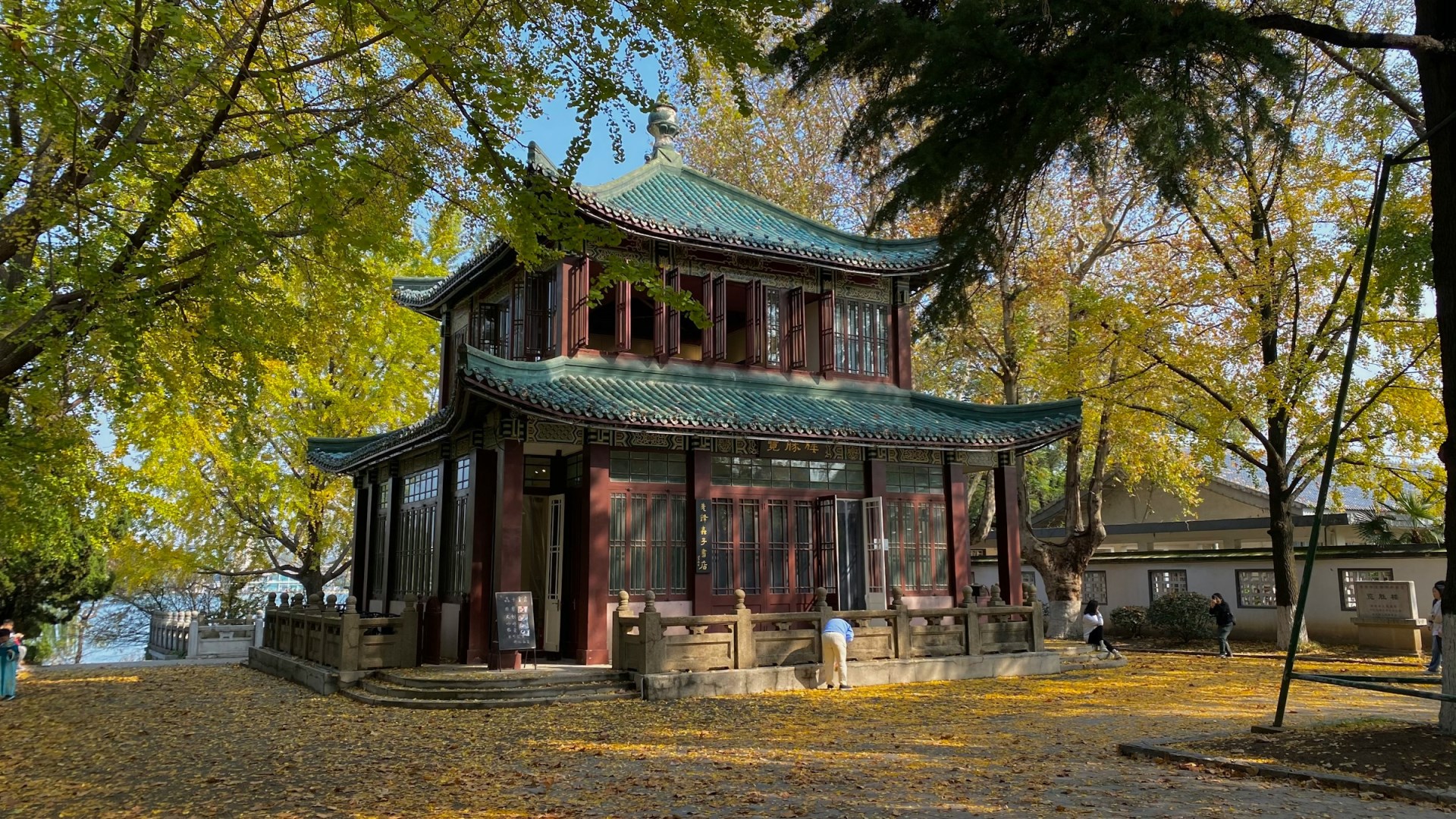
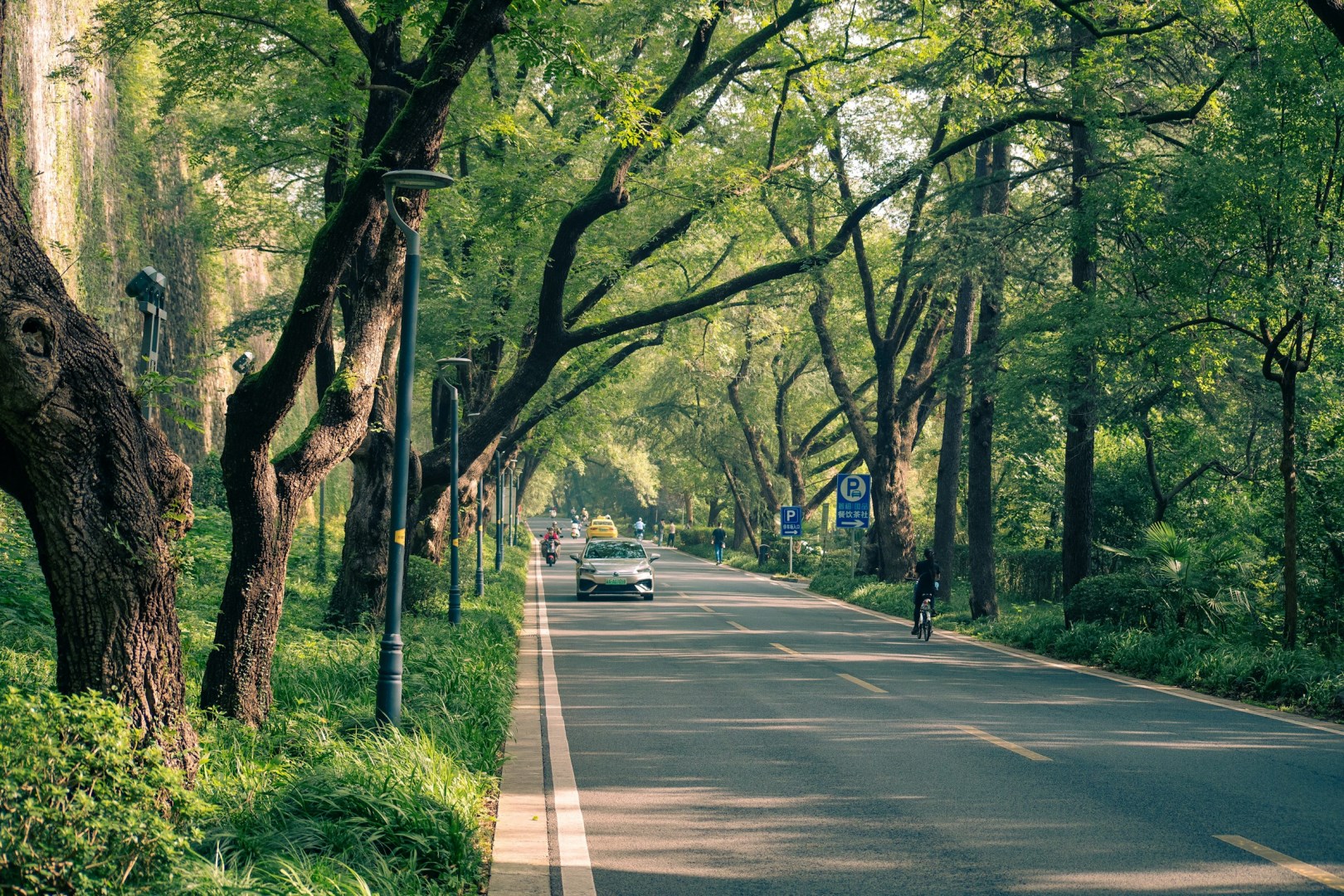
This is a city one could get lost in for days, exploring the old Ming Dynasty walls and wandering through its superb museum. If time permits, you should also take a walk through Linggu Park, home of the Linggu Pagoda and other items of Buddhist interest. Even just a casual walk through the streets-replete with food vendors and baskets of live geese-will help convey the unique flavor of this city.
Other Popular Destinations in China
Beijing

Beijing, the capital of China, is a city where history and modern life intersect on a grand scale. Ancient landmarks like the Forbidden City, Tiananmen Square, and the Temple of Heaven reflect centuries of imperial heritage, while the Great Wall lies just outside the city, offering views of one of the most famous engineering feats in the world.
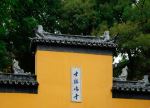
Xi'an
Xi’an, located in central China’s Shaanxi Province, served as the starting point of the ancient Silk Road and was the capital of 13 imperial dynasties. Its long history is most famously represented by the Terracotta Army, an underground army of life-sized warriors discovered in 1974. Each figure has distinct facial features, hairstyles, and armor, designed to protect Emperor Qin Shi Huang in the afterlife.