



Caribbean | Guadeloupe | Pointe-á-Pitre


Guadeloupe's major center is Pointe-à-Pitre, a conglomeration of old and new buildings clustered around the bustling harborside market. Pointe-a-Pitre is Gudeloupe's most popular city--explore the beaches of Grand-Terre and the French fort ruins and volcanic mountaintop of Basse-Terre.
Other Popular Destinations in Guadeloupe
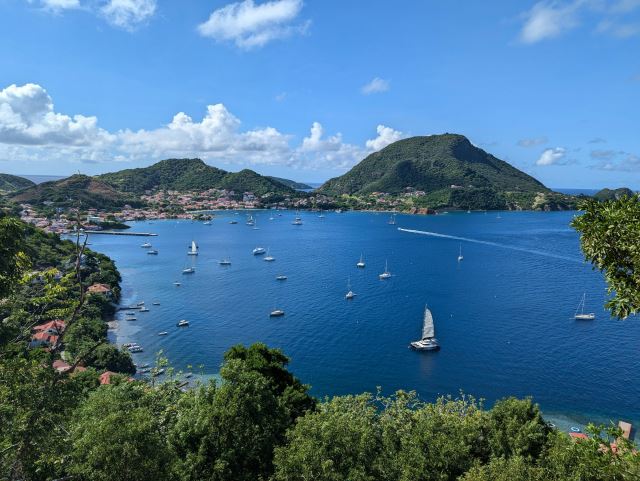
Les Saintes (also known as Iles des Saintes) are perfect for the kind of traveler who relishes unspoiled tropical beauty and the serenity that comes from doing next to nothing on a vacation, but doing it à la française.
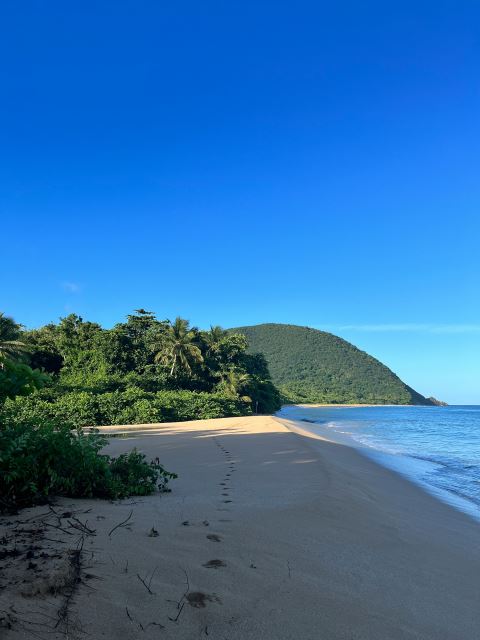
Deshaies, a picturesque village on the northwest coast of Guadeloupe, offers a quintessential Caribbean experience with its stunning beaches, lush landscapes, and charming local culture. Nestled between verdant hills and the sparkling Caribbean Sea, this town is renowned for its idyllic scenery and relaxed atmosphere. One of its main attractions is the beautiful Plage de Grande-Anse, a long, golden-sand beach perfect for swimming, sunbathing, and enjoying the vibrant marine life.
