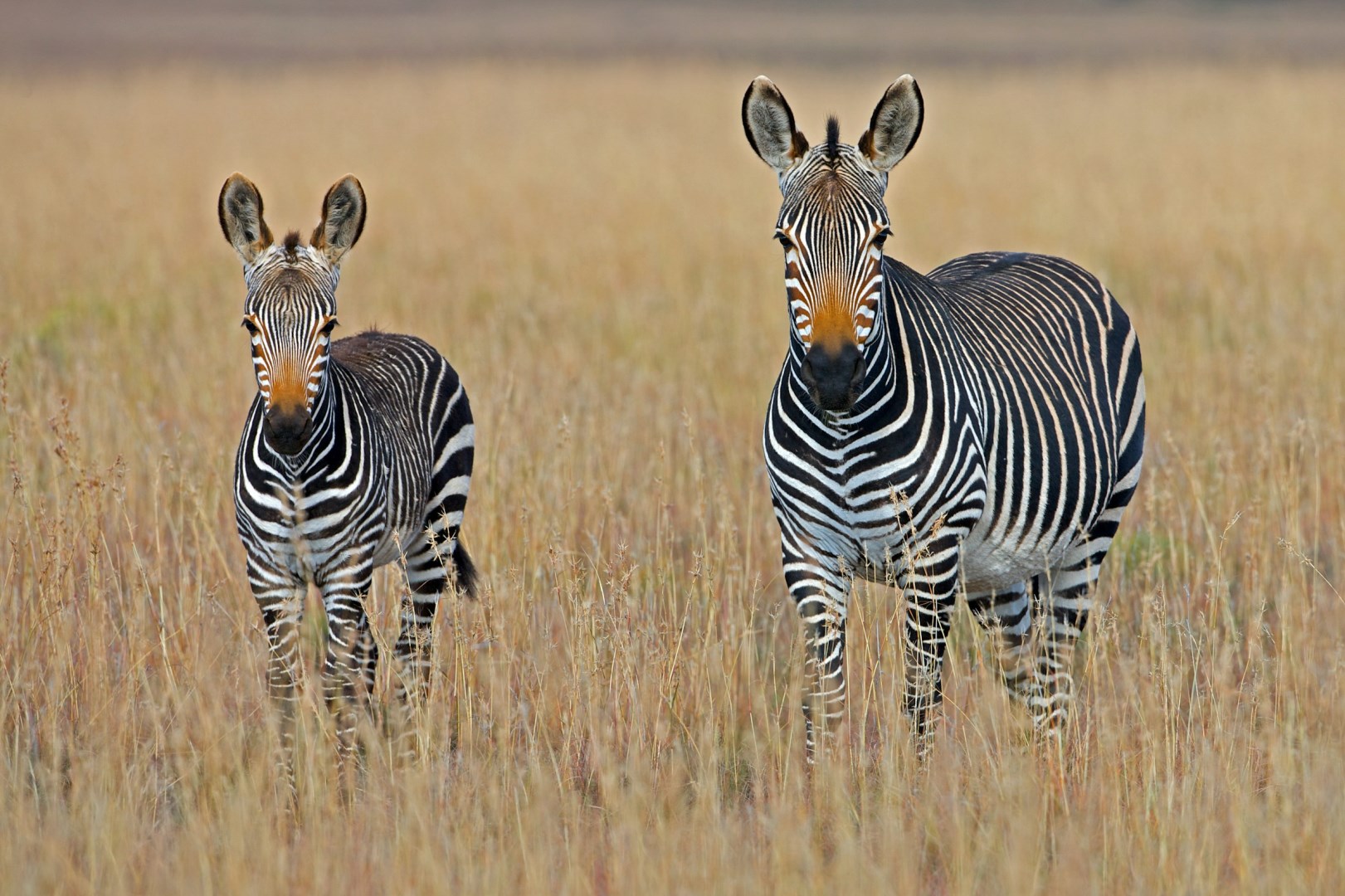
Mountain Zebra National Park lies in the Eastern Cape near Cradock, protecting a rugged section of the Great Karoo. The park’s landscape includes open grassland, rocky mountains, valleys, and dry plateaus, with vegetation adapted to the region’s semi-arid conditions. It was established to protect the Cape mountain zebra, a species that was once severely reduced in number.
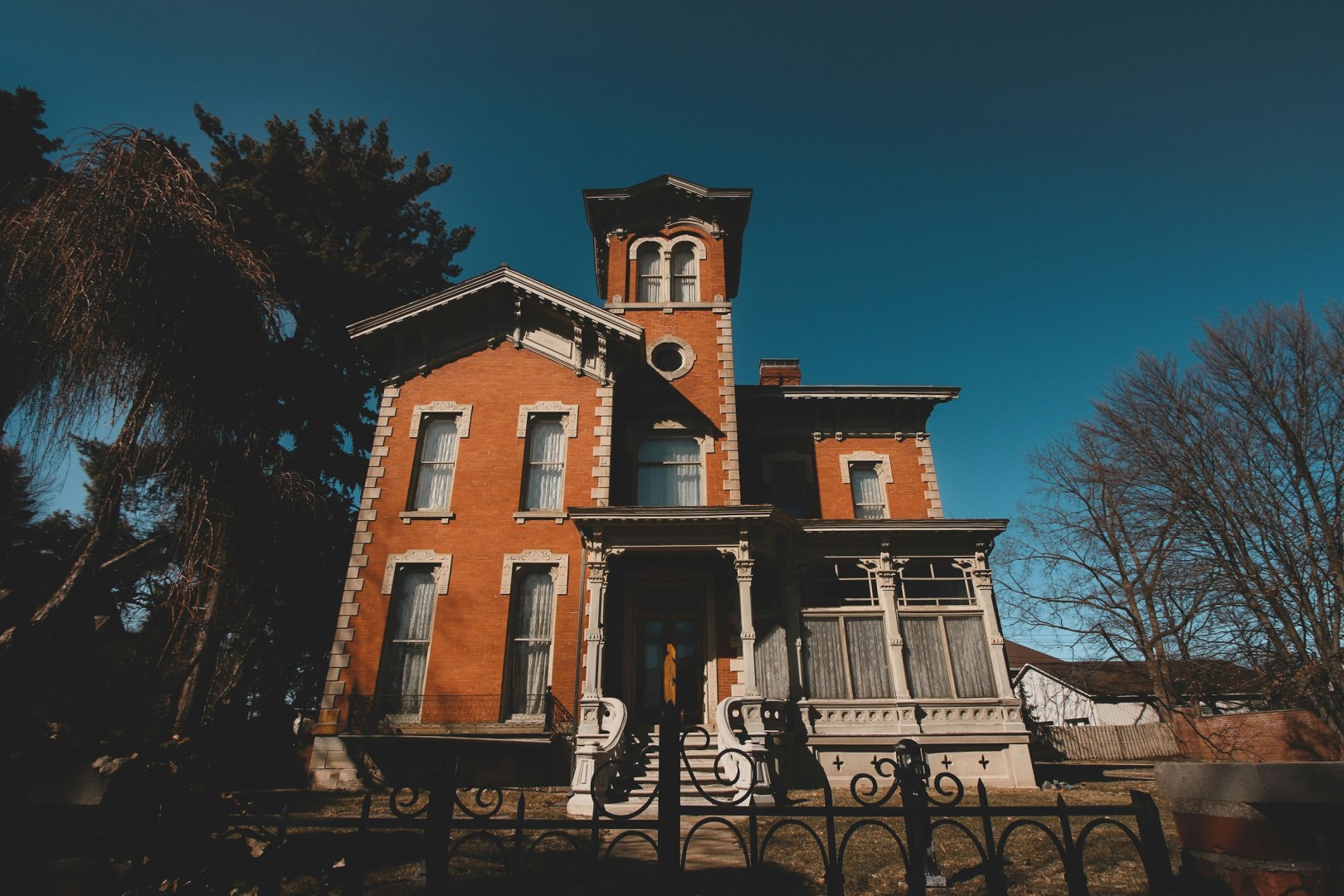
Located midway between Chicago and Detroit, Kalamazoo is rapidly becoming an important center for business, education, culture, and many other activities.
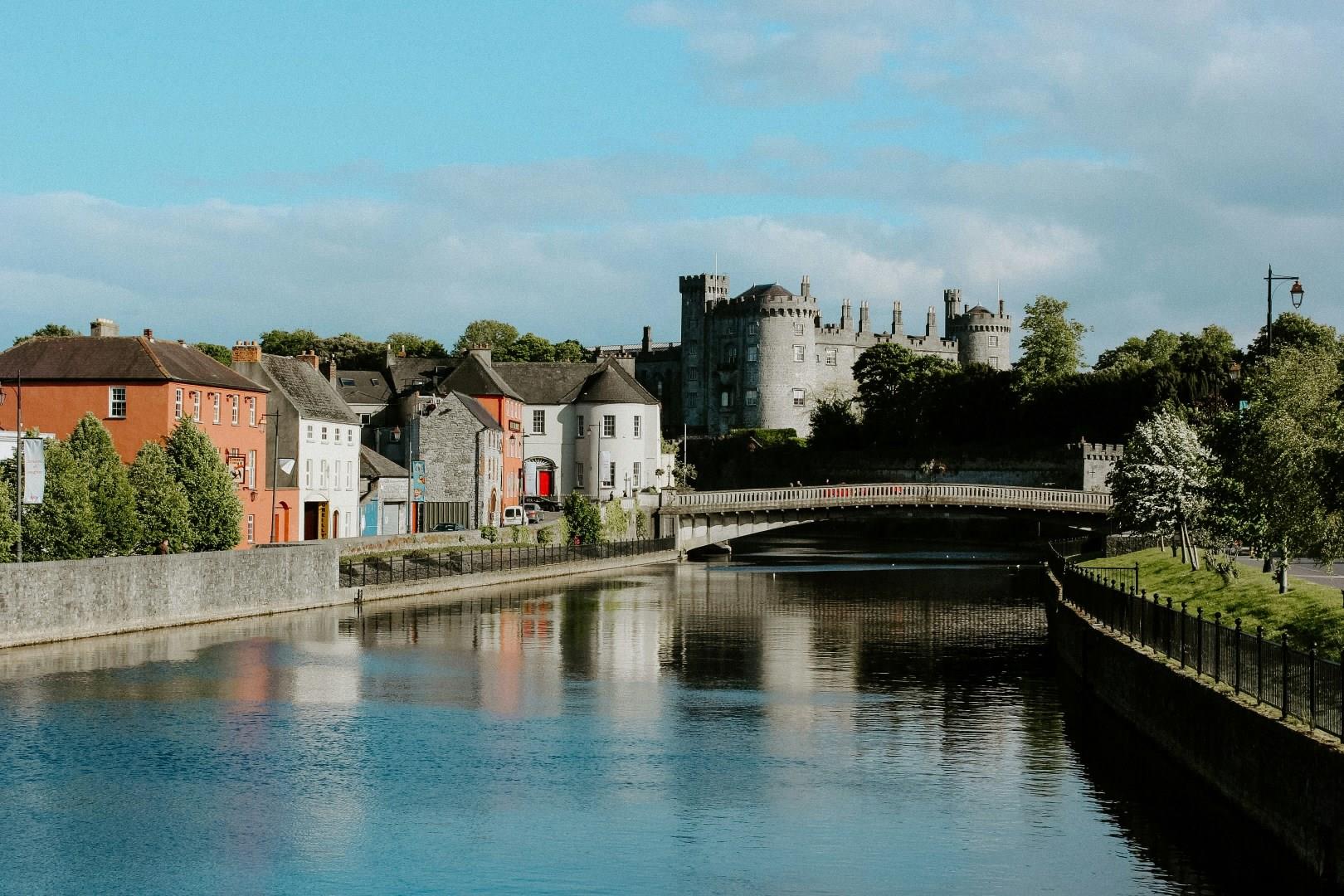
Kilkenny is a city where history sits beside everyday life, and stories from centuries past shape the streets visitors walk today. At its heart stands Kilkenny Castle, first built in the 12th century and home to the Butler family for more than 600 years. From here, the Medieval Mile creates a natural path through the city, linking key sites such as St. Canice’s Cathedral. Its round tower, one of the few in Ireland still open to climb, rewards visitors with wide views across the rooftops.
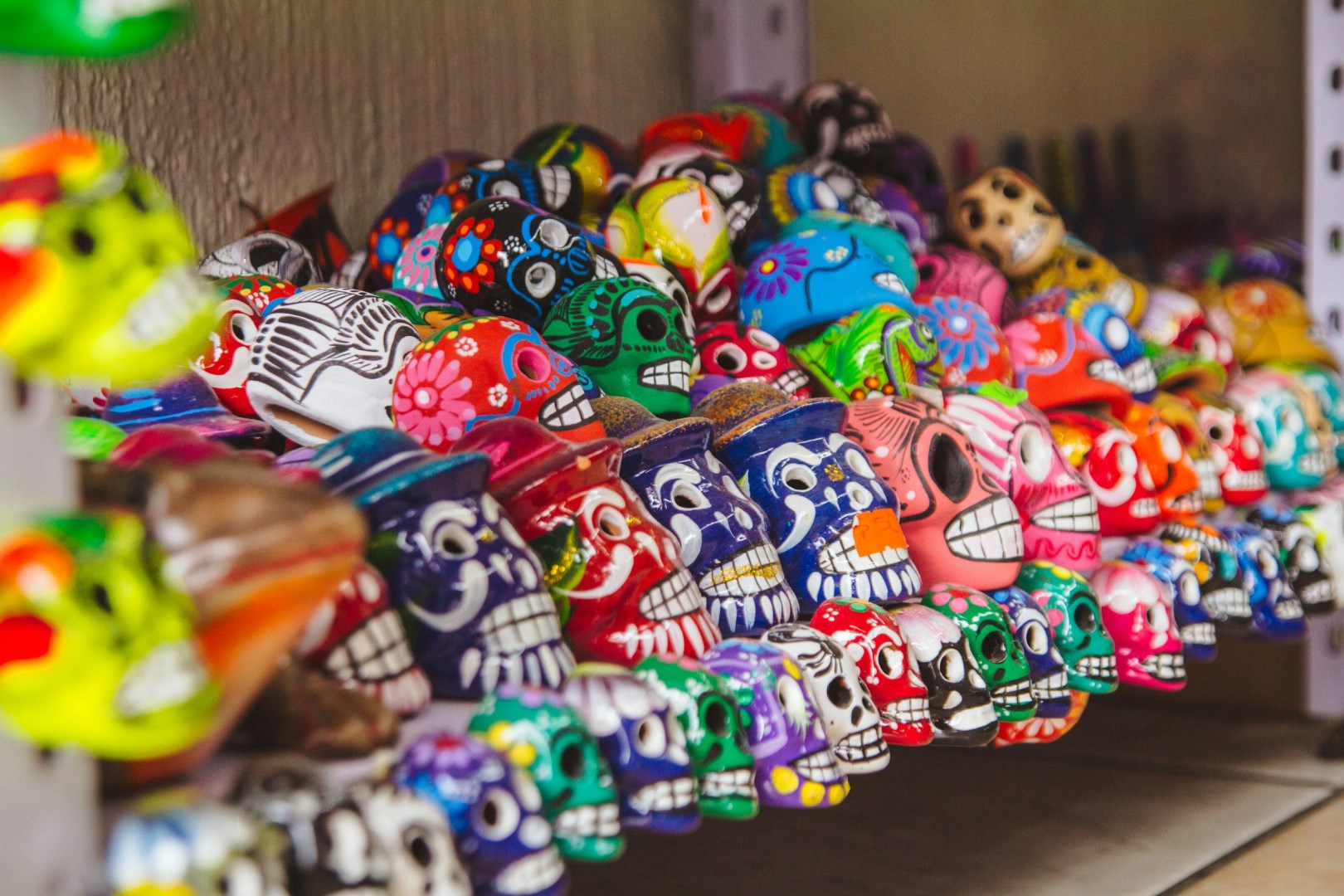
Guanajuato is situated between the dry north of the country and the more verdant south, and geographically belongs to the Trans-Mexican Volcanic Belt, the Mexican Plateau.
Luang Prabang, the jewel of northern Laos, captivates travelers with its blend of serene spirituality, French colonial charm, and breathtaking natural beauty. This UNESCO World Heritage Site is nestled between the Mekong and Nam Khan rivers, creating a tranquil setting where time seems to slow down. Here, ancient temples with glistening spires, like Wat Xieng Thong, sit alongside quaint colonial-era villas, inviting visitors to explore the harmonious fusion of Lao and French cultures.
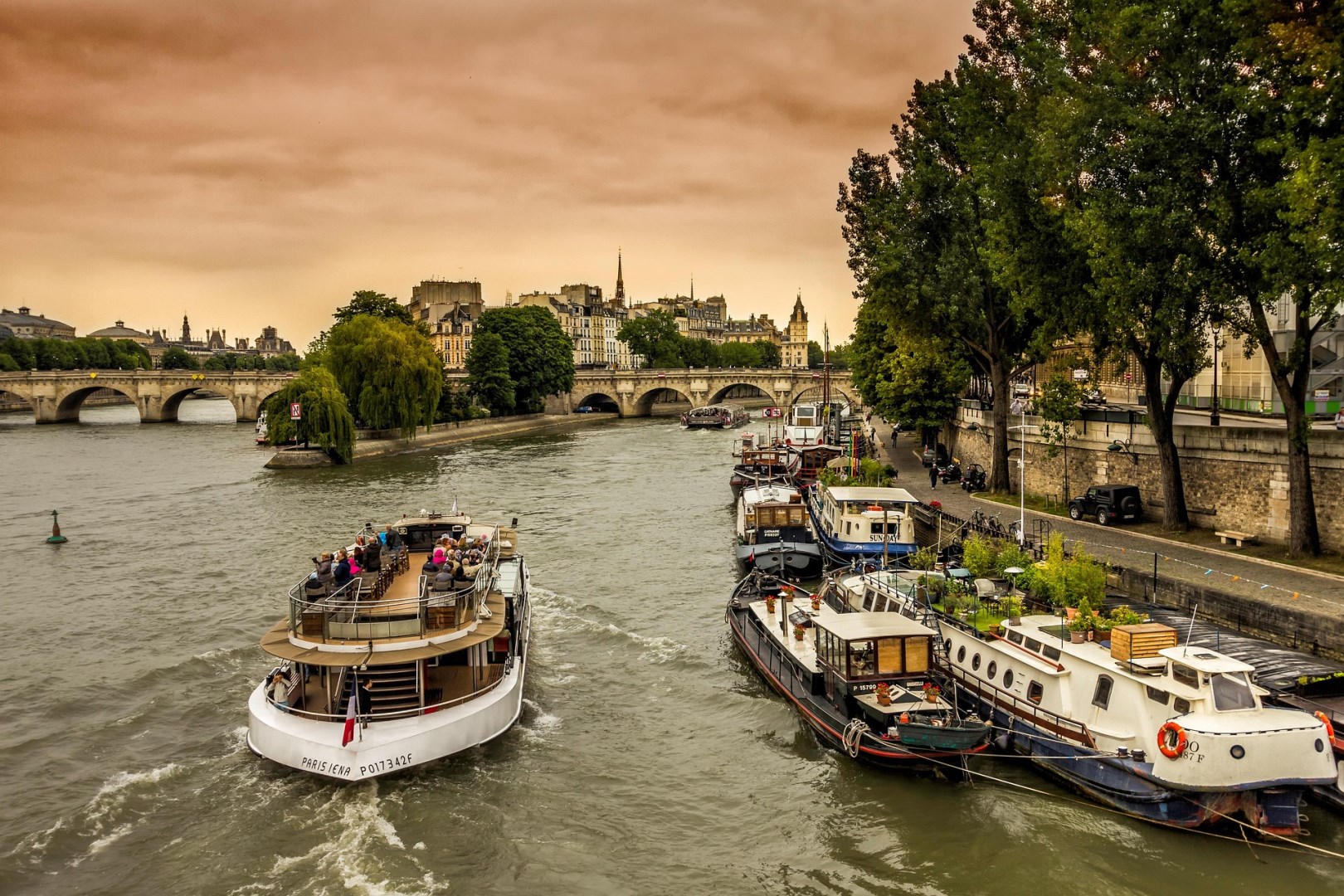
The Seine River, meandering gracefully through the heart of Paris, is a living testament to the city’s rich history and vibrant culture. From the picturesque quays to the iconic landmarks lining its banks, the Seine offers an enchanting journey through Parisian elegance.
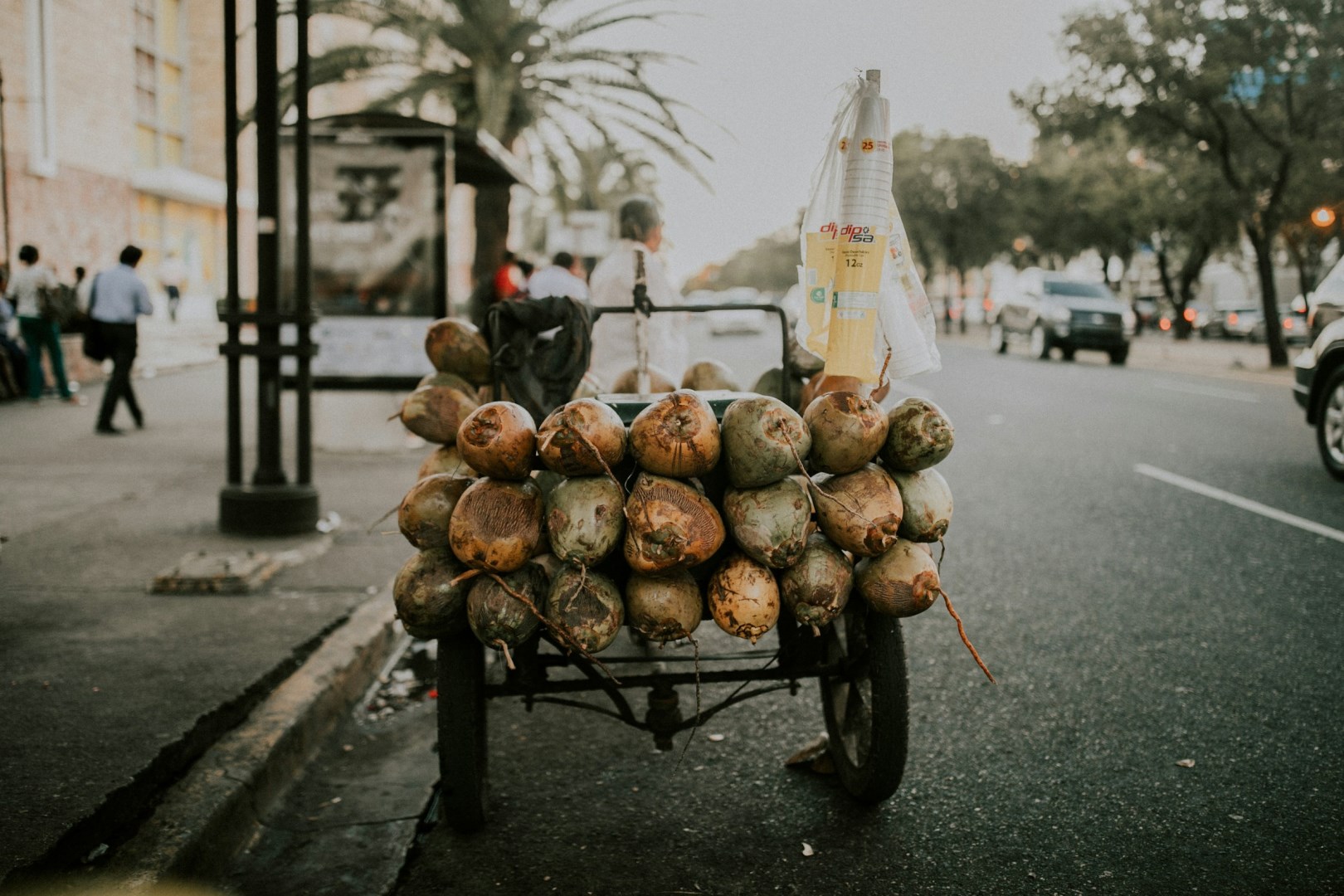
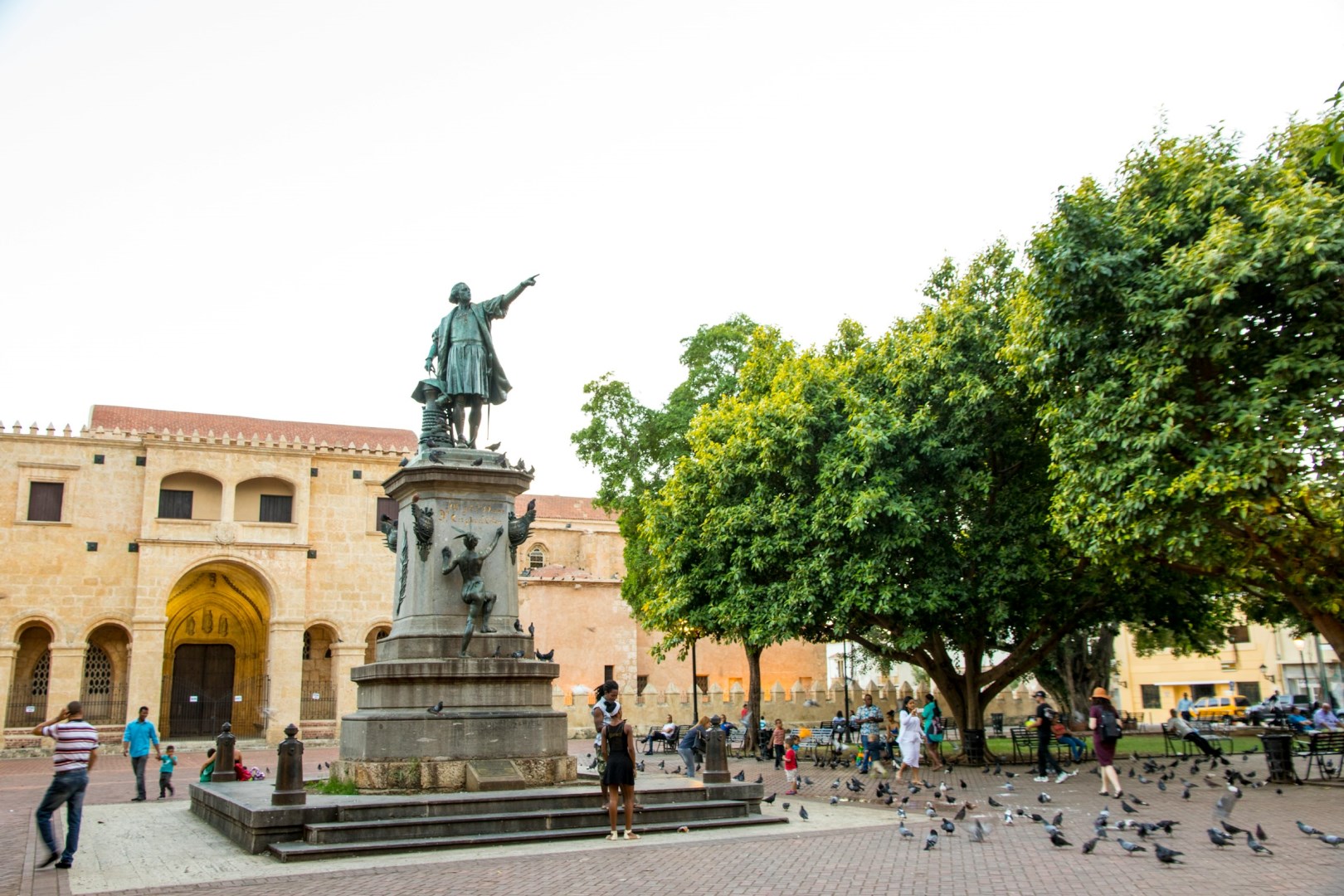
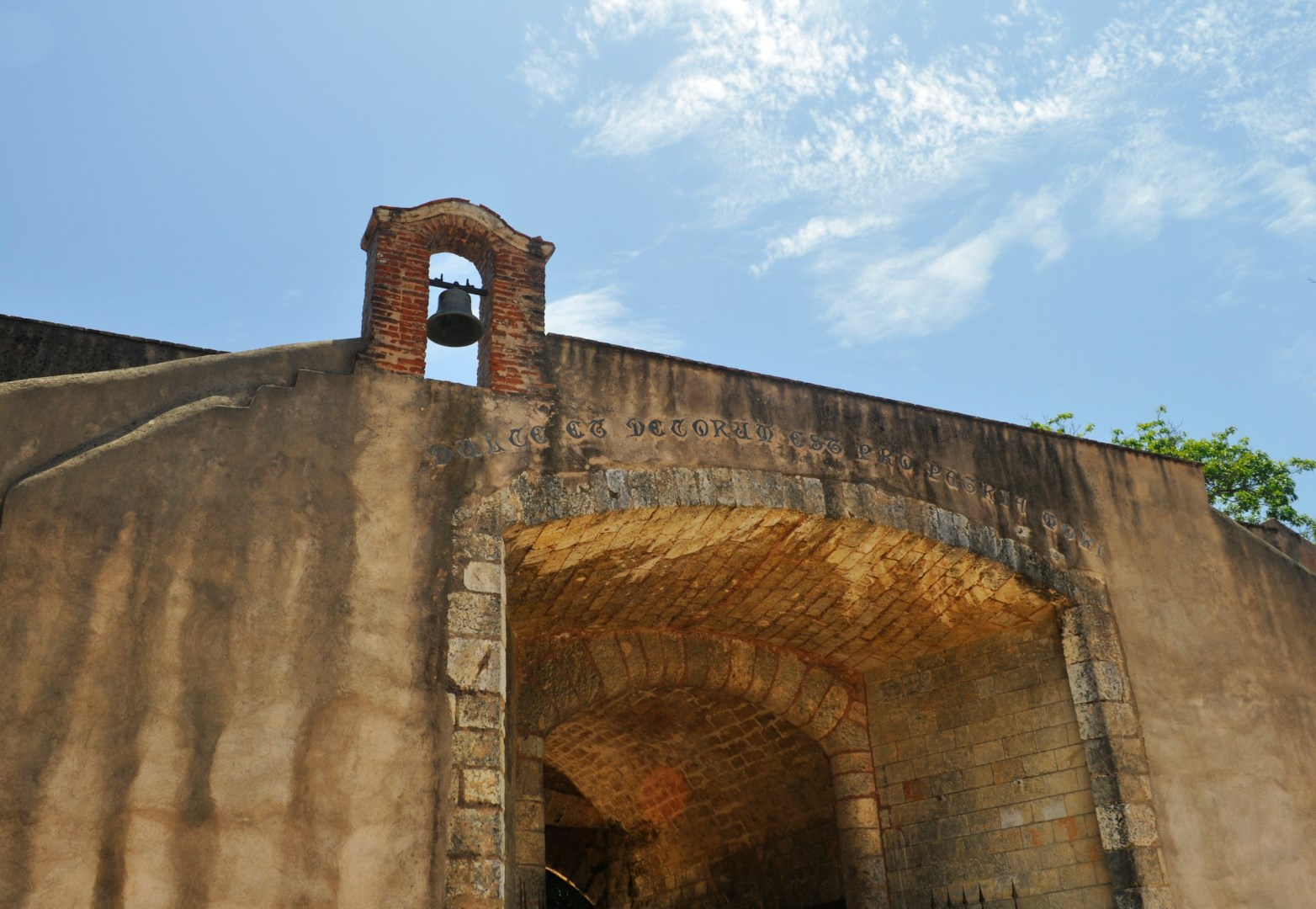
The capital city of the Dominican Republic is rich in history and beauty, boasting 16th-century Spanish architecture and the oldest cathedral in the Americas. The narrow streets of the old colonial city are a testament to the complex mixture of forces that contributed to the construction of the first European city in the Western Hemisphere. The capital of the Dominican Republic is home to some outstanding examples of colonial architecture, including the Catedral Santa Maria la Menor and the viceregal residence, El Alcazar. In the early days of the empire, Spain administered many of its possessions from Santo Domingo, but as Spanish power waned, other nations took control. In the early part of the 20th century, the United States played an important role in the history of the city, which was occupied by U.S. Marines from 1916 to 1924. Despite the long list of occupying nations, the Spanish influence has remained strong and Spanish is the official language. The pre-Hispanic native people, the Tainos, have also had a strong influence on the culture, and many words from their language have passed into common use.
Other Popular Destinations in Dominican Republic
Puerto Plata
Puerto Plata, located on the Dominican Republic's northern coast, is the perfect tropical getaway for your next trip to the Caribbean! From Acapulco Beach to Playa Dorada, sandy beaches and warm turquoise waves are the highlight of this sunny destination.
Amber Cove
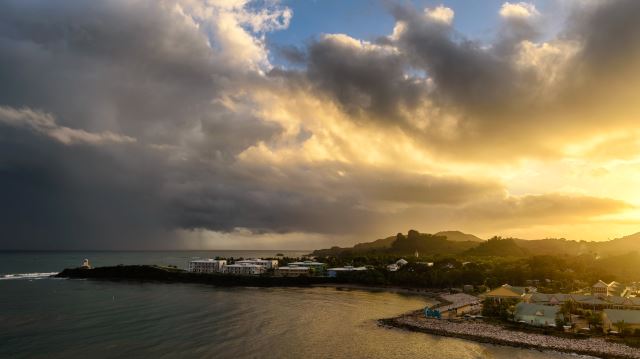
Located along the northern coast of the Dominican Republic, Amber Cove serves as a vibrant gateway to the region of Puerto Plata. Designed as a cruise port with a strong sense of place, the area reflects the island’s long connection to the sea and trade. Visitors often begin their experience with views of the harbor framed by green mountains, setting the tone for what lies beyond.