
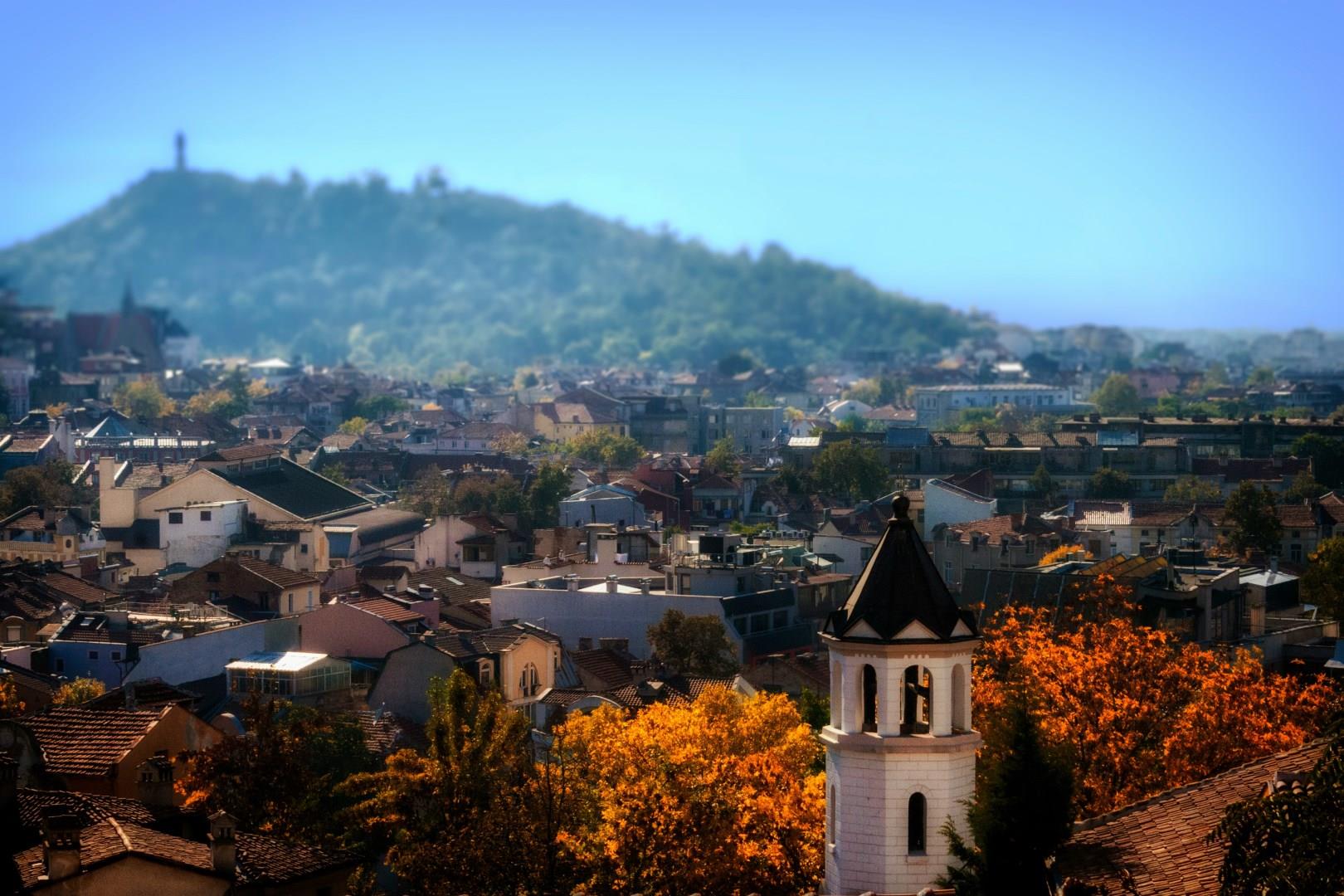
Plovdiv, one of the oldest continuously inhabited cities in Europe, carries over 8,000 years of history layered into its streets. The Roman Theater, still in use today, was discovered by accident in the 1970s and now hosts operas and concerts overlooking the Rhodope Mountains. Nearby, visitors can walk the remains of a Roman stadium buried beneath the main pedestrian street, where modern shops and cafés stand above ancient foundations.
Aruba, the “One Happy Island,” blends Caribbean charm with a distinct Dutch influence that shapes its culture, cuisine, and colorful architecture. Located just outside the hurricane belt, it enjoys year-round sunshine, making it a favorite destination for travelers seeking both relaxation and adventure.
Ottawa, the charming capital of Canada, offers a unique blend of history, culture, and modernity. Nestled along the scenic Ottawa River, the city is home to the iconic Parliament Hill, where the Gothic Revival architecture of the Parliament Buildings stands majestically above the riverbanks. Visitors can witness the ceremonial Changing of the Guard in the summer or explore the Peace Tower for panoramic views of the city.
Victoria, the capital of Seychelles, is often described as one of the world’s smallest capitals, yet it brims with color and character. Located on Mahé Island, the city is both a cultural hub and a gateway to the surrounding beaches and mountains.
Broome, located in Western Australia, is a captivating destination that offers a unique blend of natural beauty, cultural heritage, and adventurous experiences. Nestled along the stunning Kimberley coast, Broome is renowned for its breathtaking Cable Beach, a 22-kilometer stretch of pristine white sand lapped by azure waters.
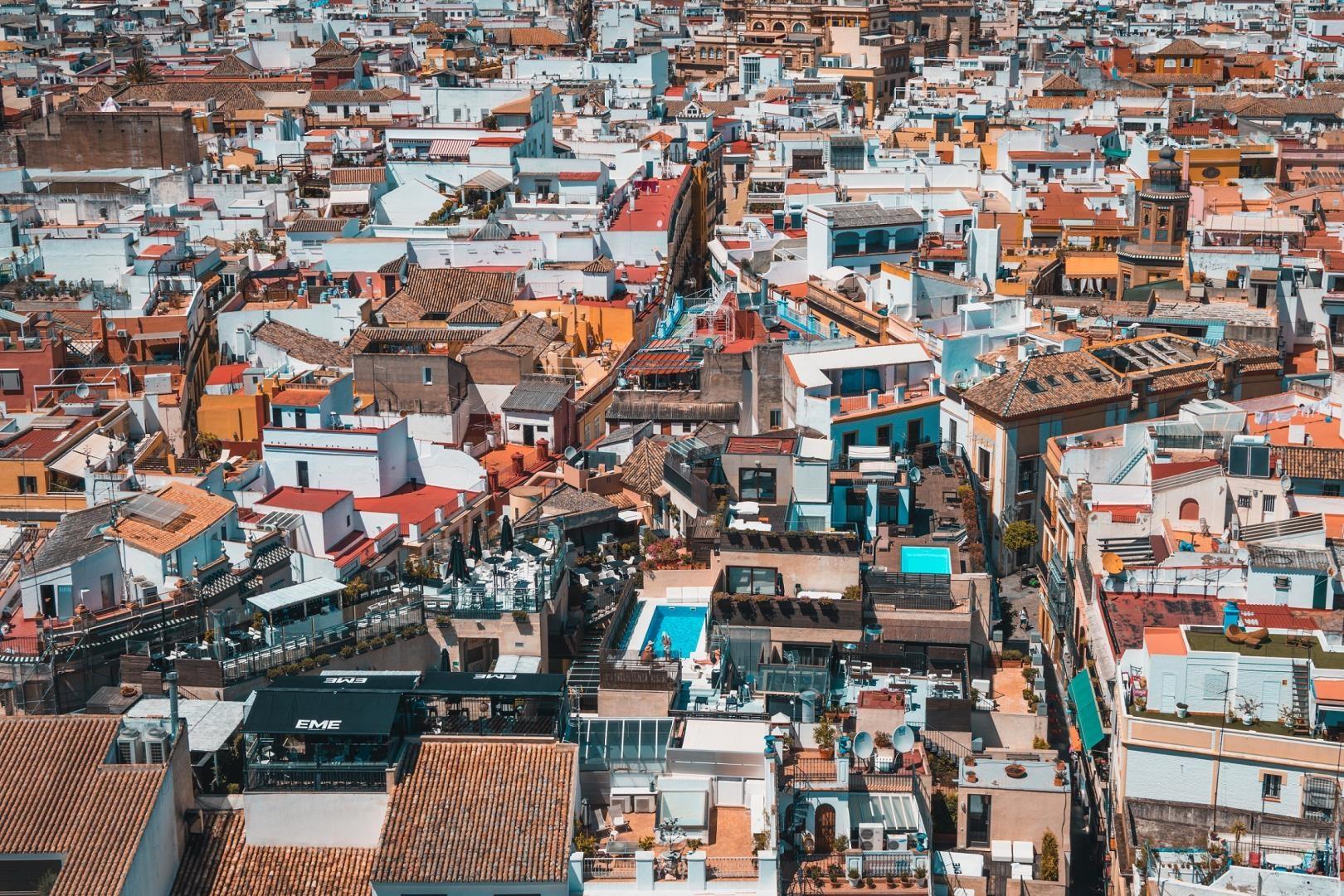
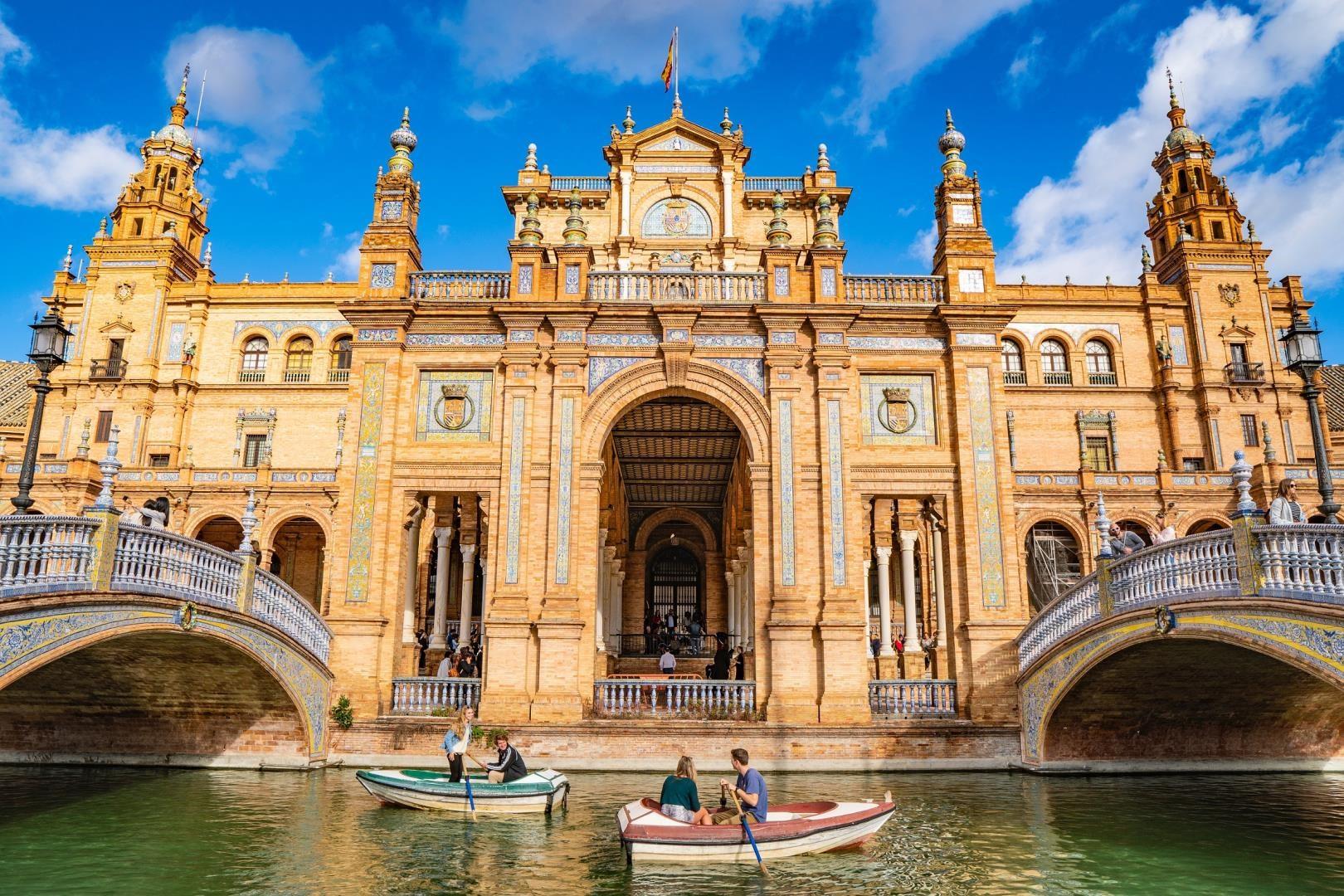
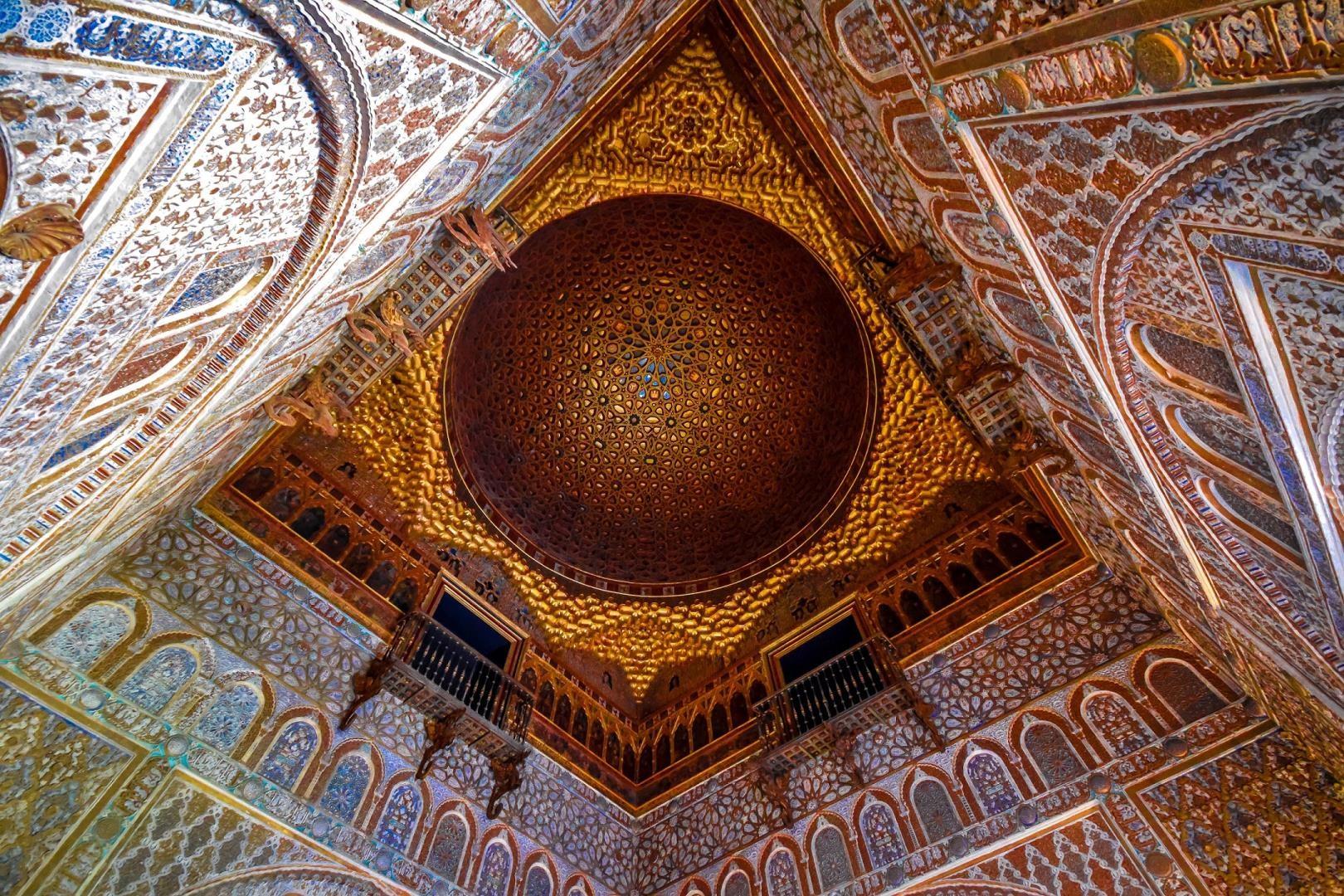
In Southern Spain, the beautiful capital city of Seville invites travelers to its alluring, centuries-old dance. This gem of the Andalusia region has a rich history — it was first established as Hispalis by the Romans, weathered the Spanish Civil War, and hosted both the Ibero-American Exposition (1929) and the Universal Exposition of Seville (1992).
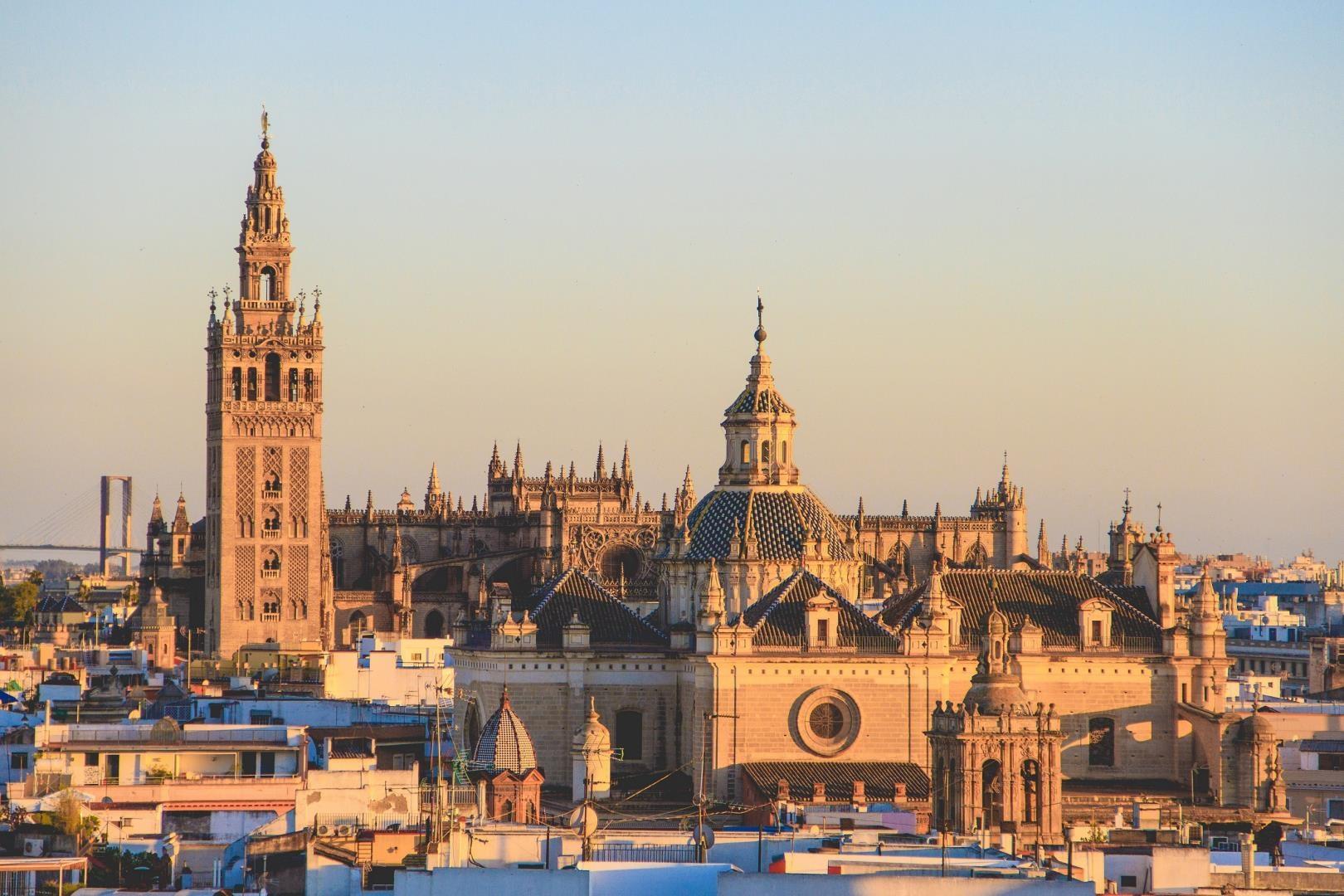
Must-sees in Seville include the landmark palace Royal Alcázar of Seville, the Gothic, bell-towered Catedral de Sevilla, and Plaza de España, an architectural marvel with Moorish, Baroque and Renaissance influences. Meanwhile, Museo del Baile Flamenco is the place to learn about flamenco dancing culture.
