



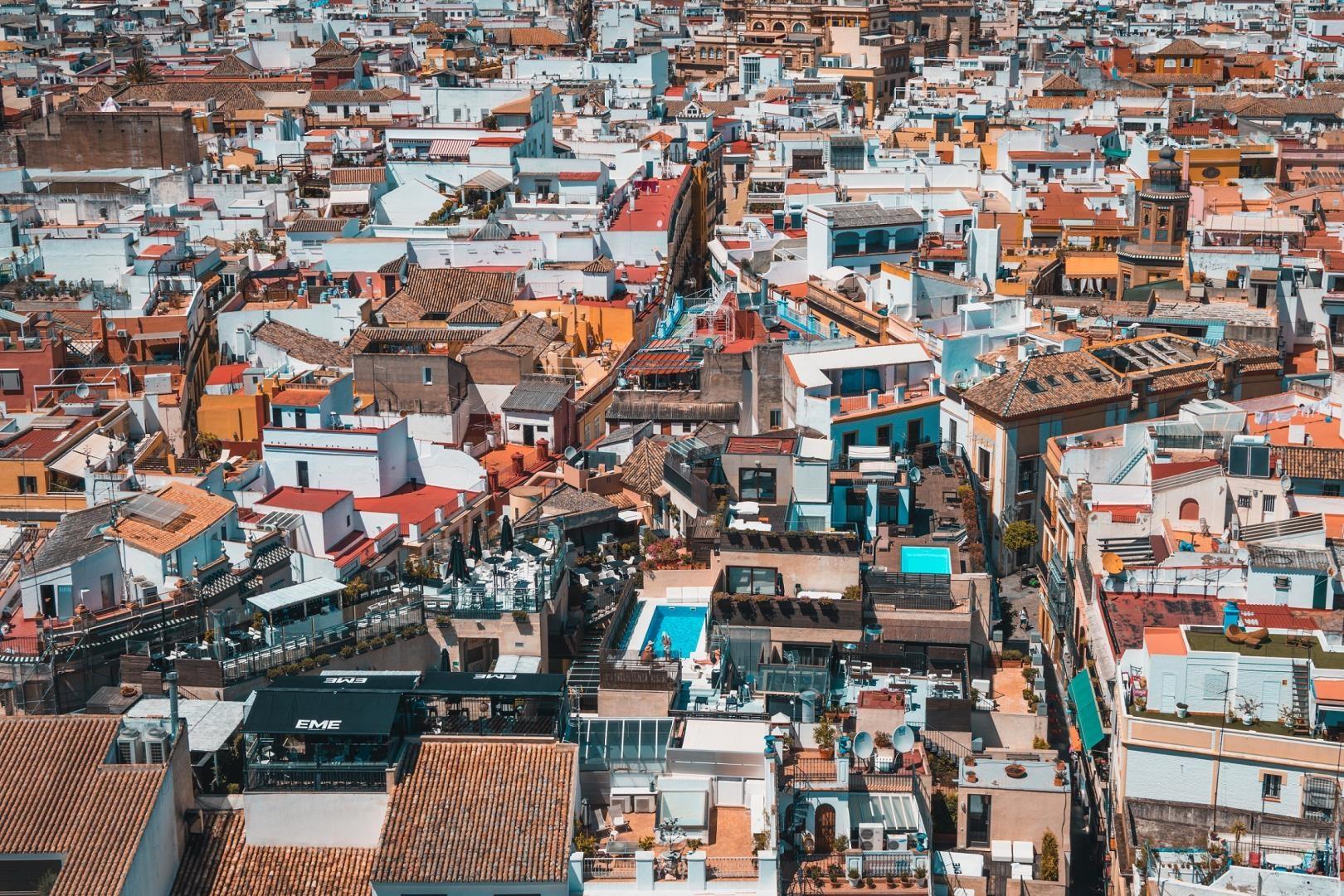




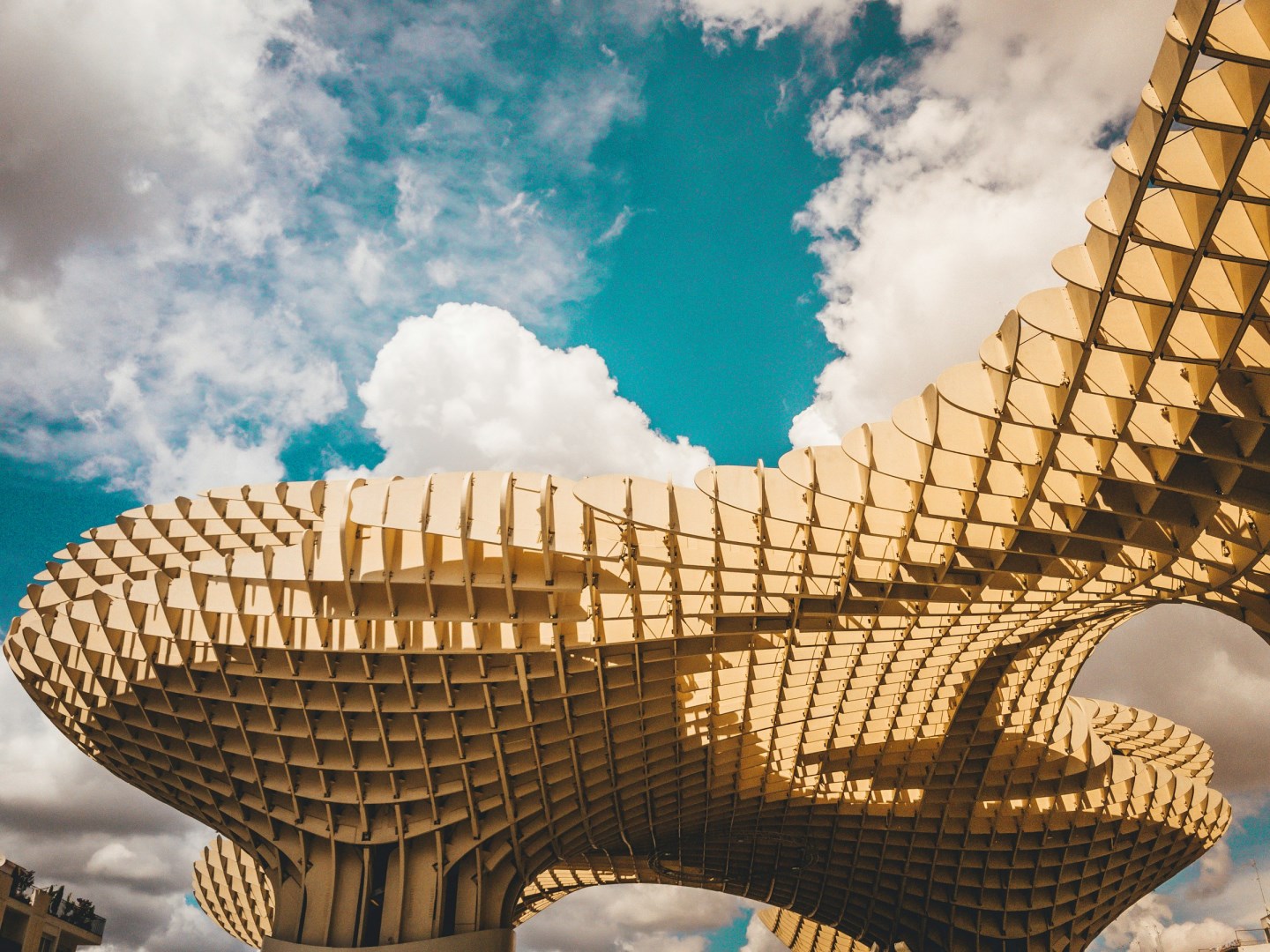

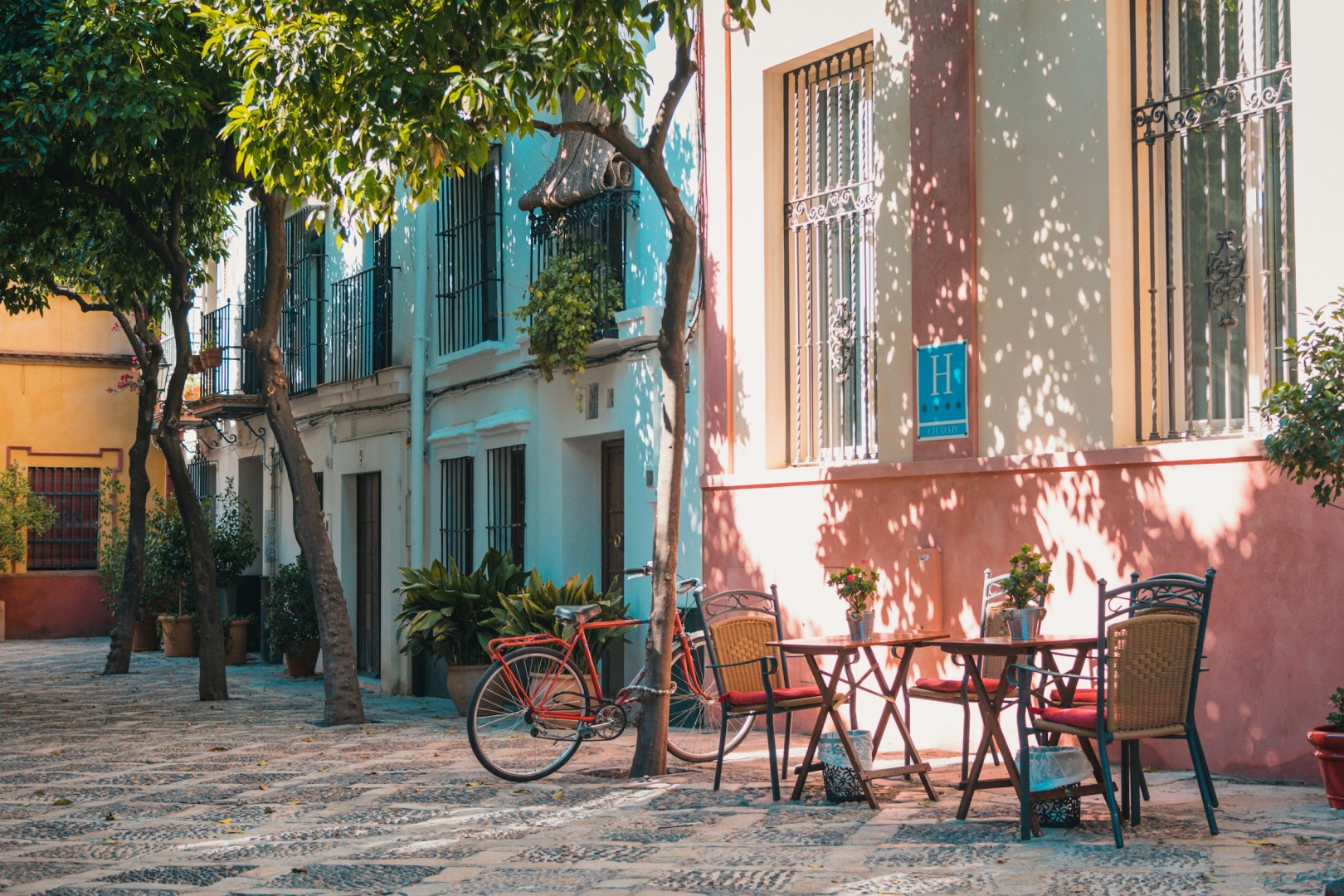

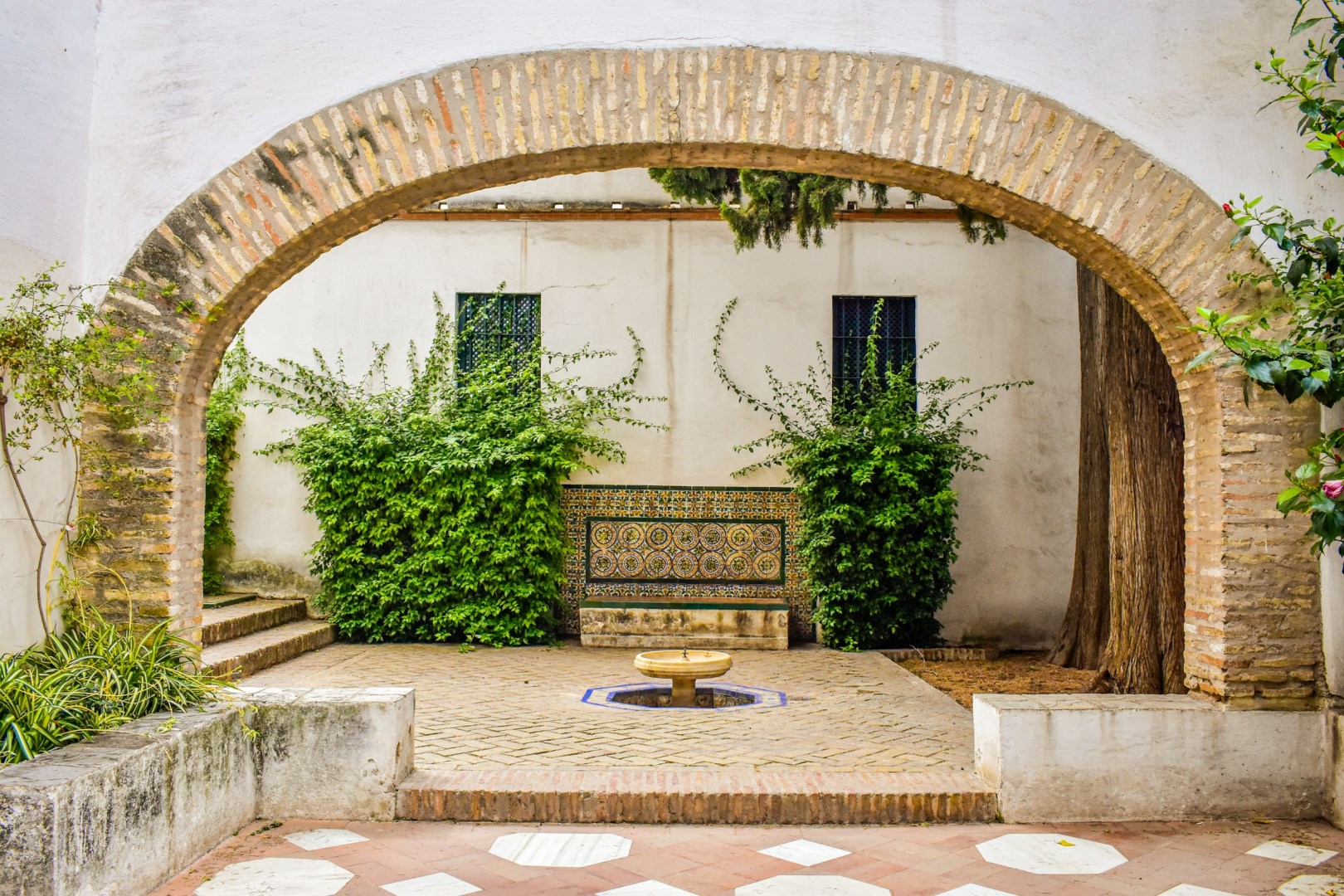

In Southern Spain, the beautiful capital city of Seville invites travelers to its alluring, centuries-old dance. This gem of the Andalusia region has a rich history — it was first established as Hispalis by the Romans, weathered the Spanish Civil War, and hosted both the Ibero-American Exposition (1929) and the Universal Exposition of Seville (1992).
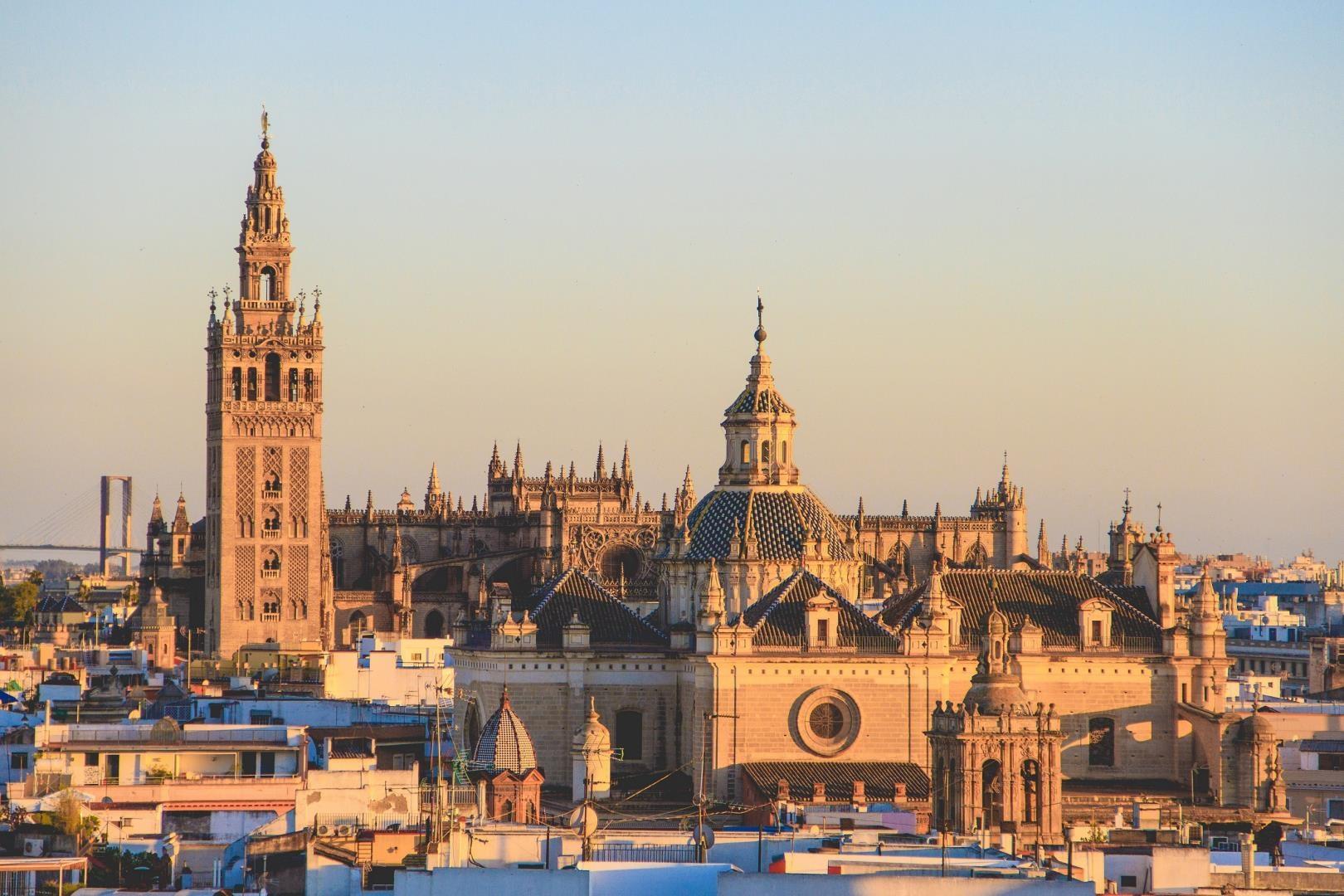
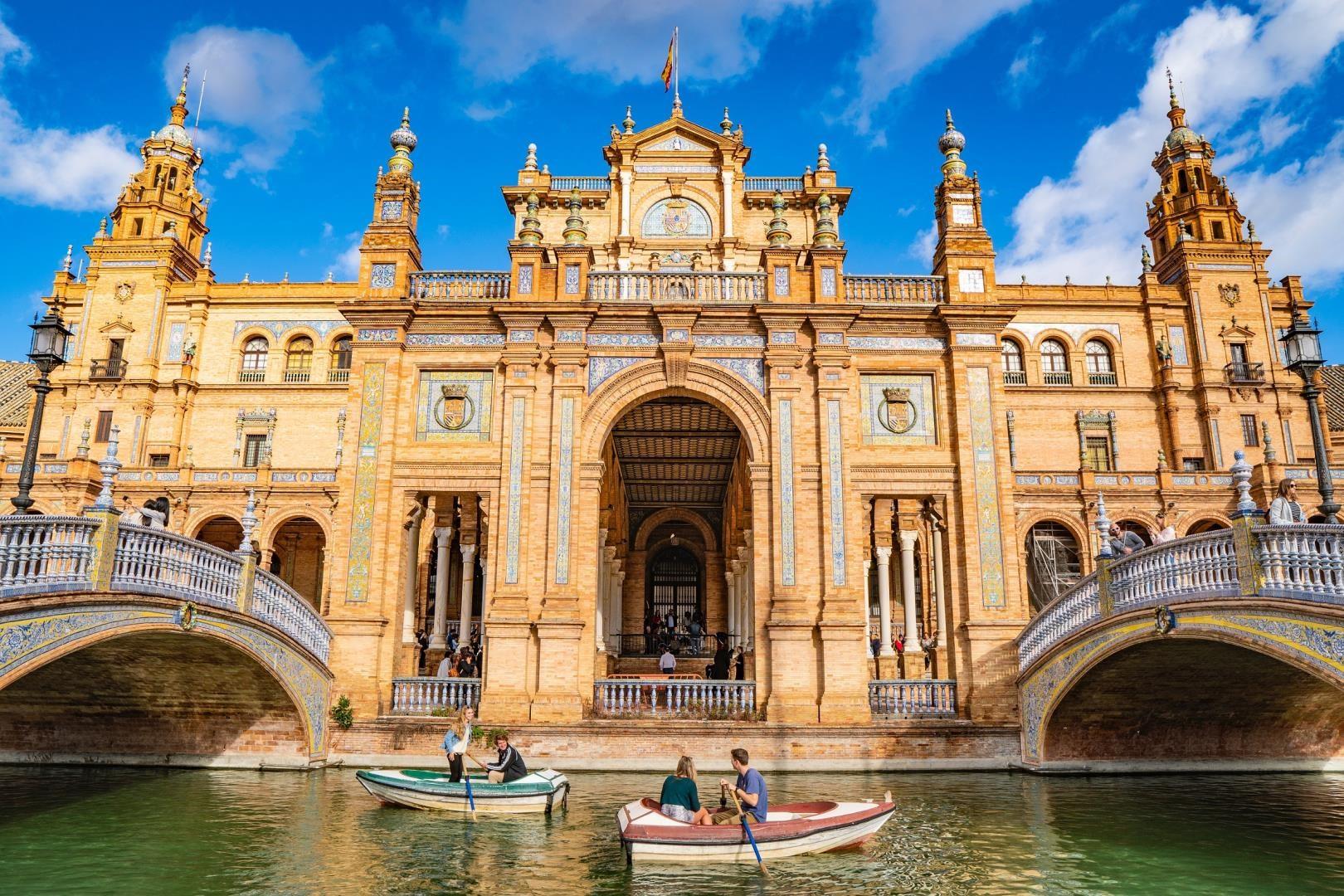
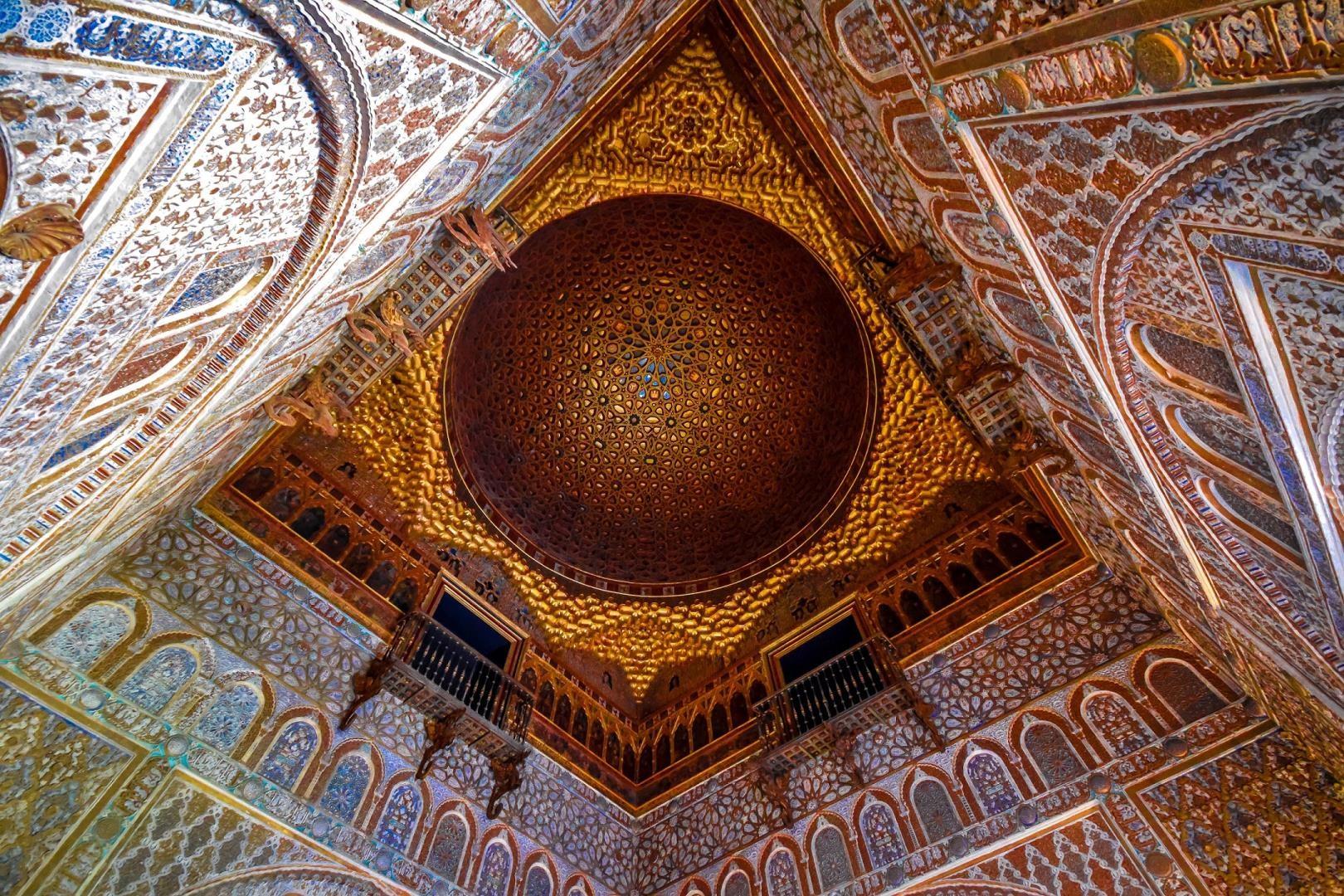
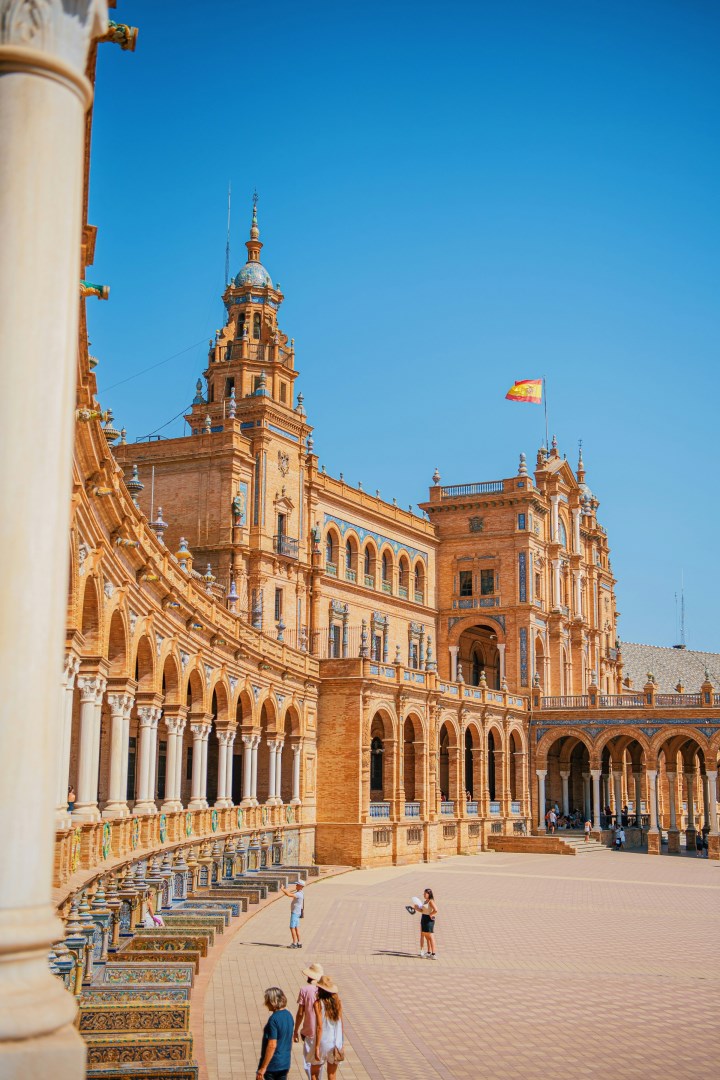
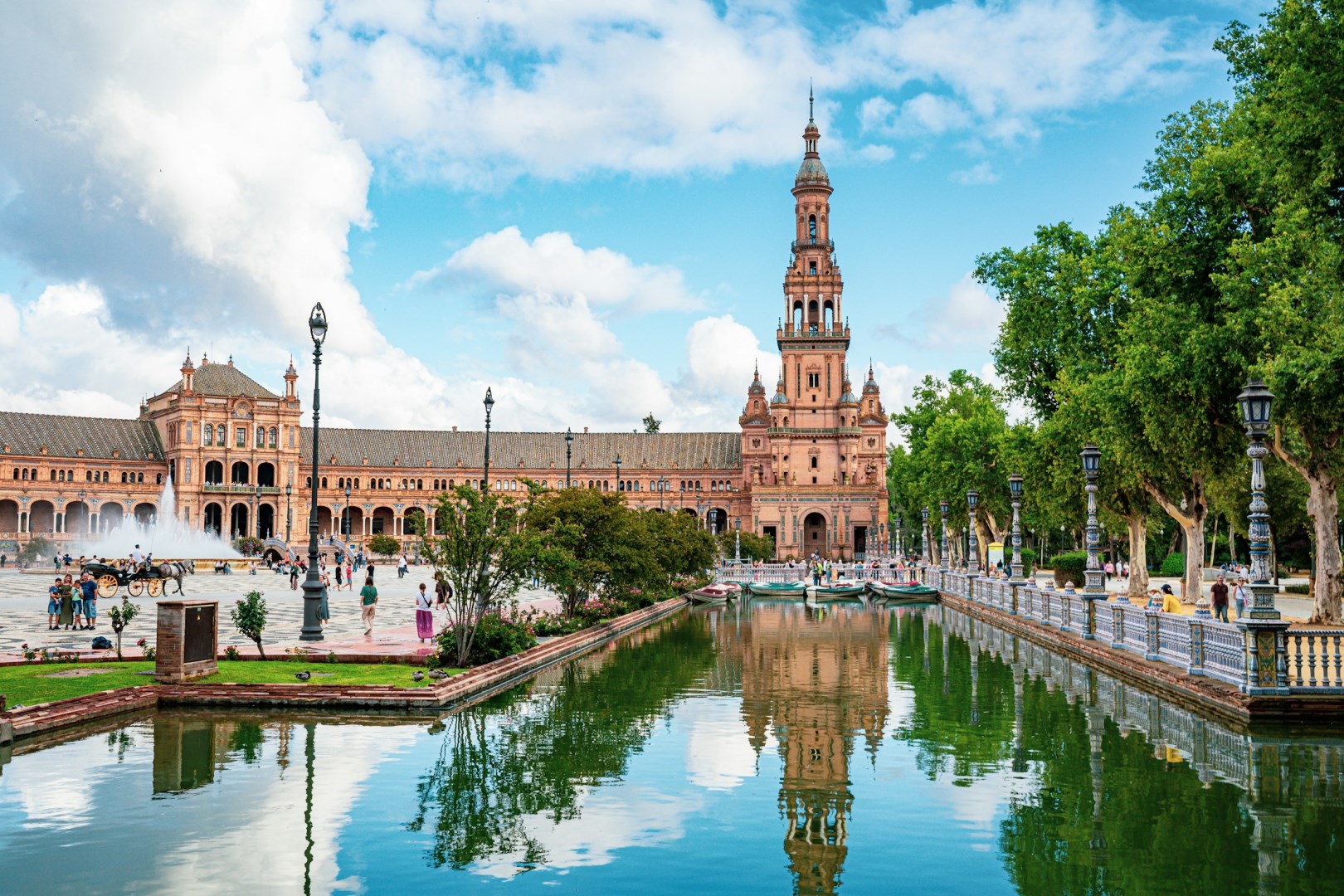
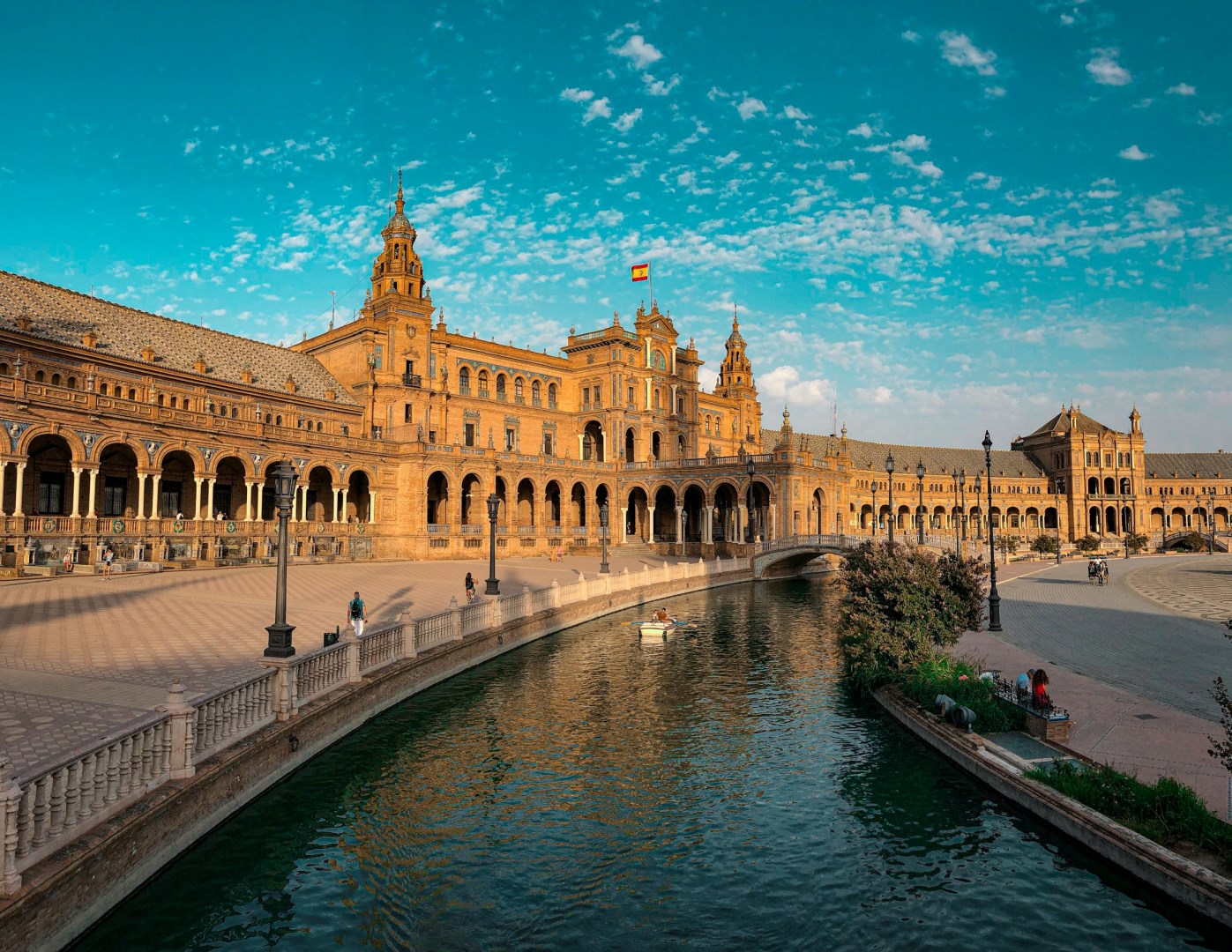
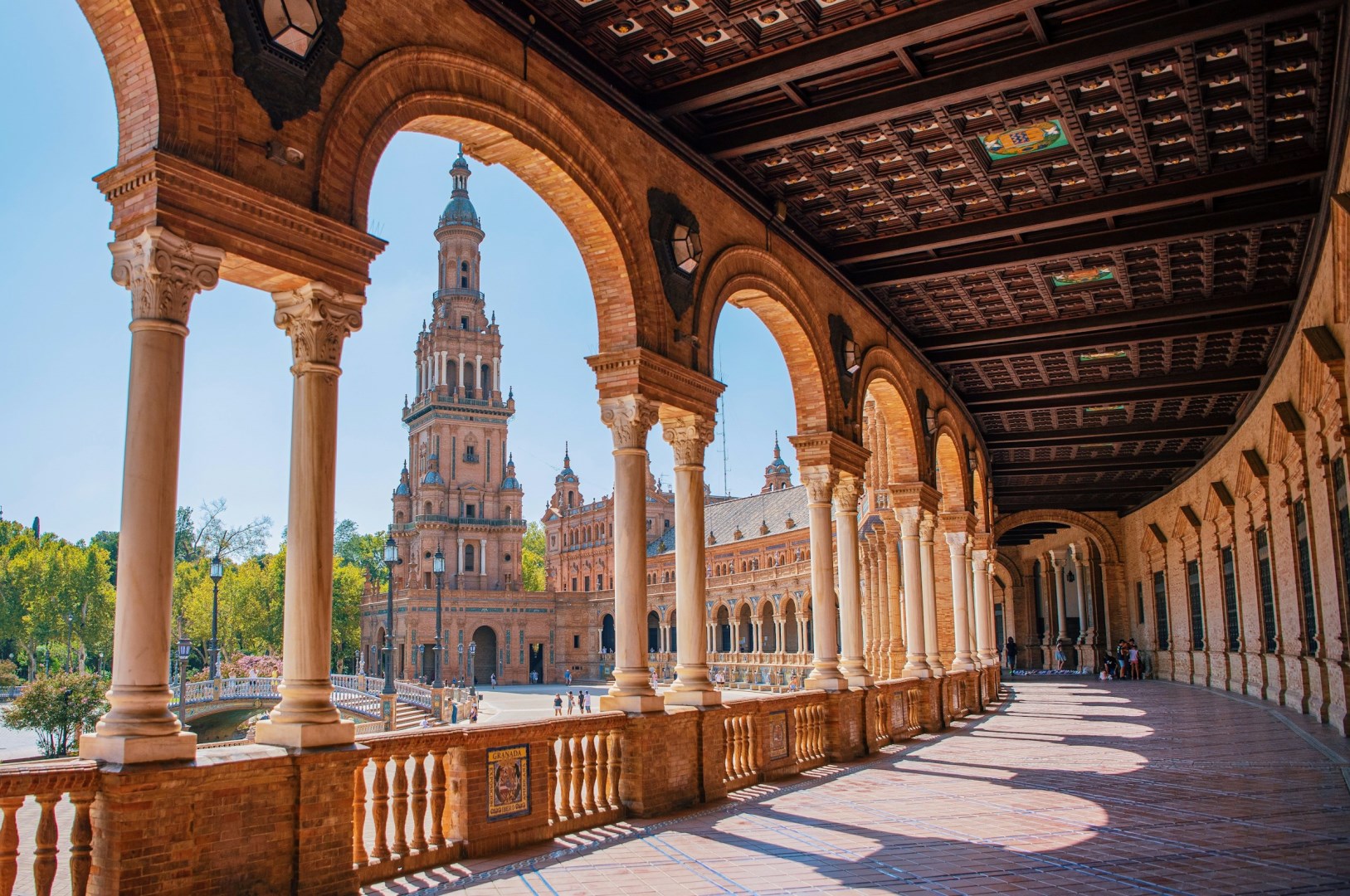
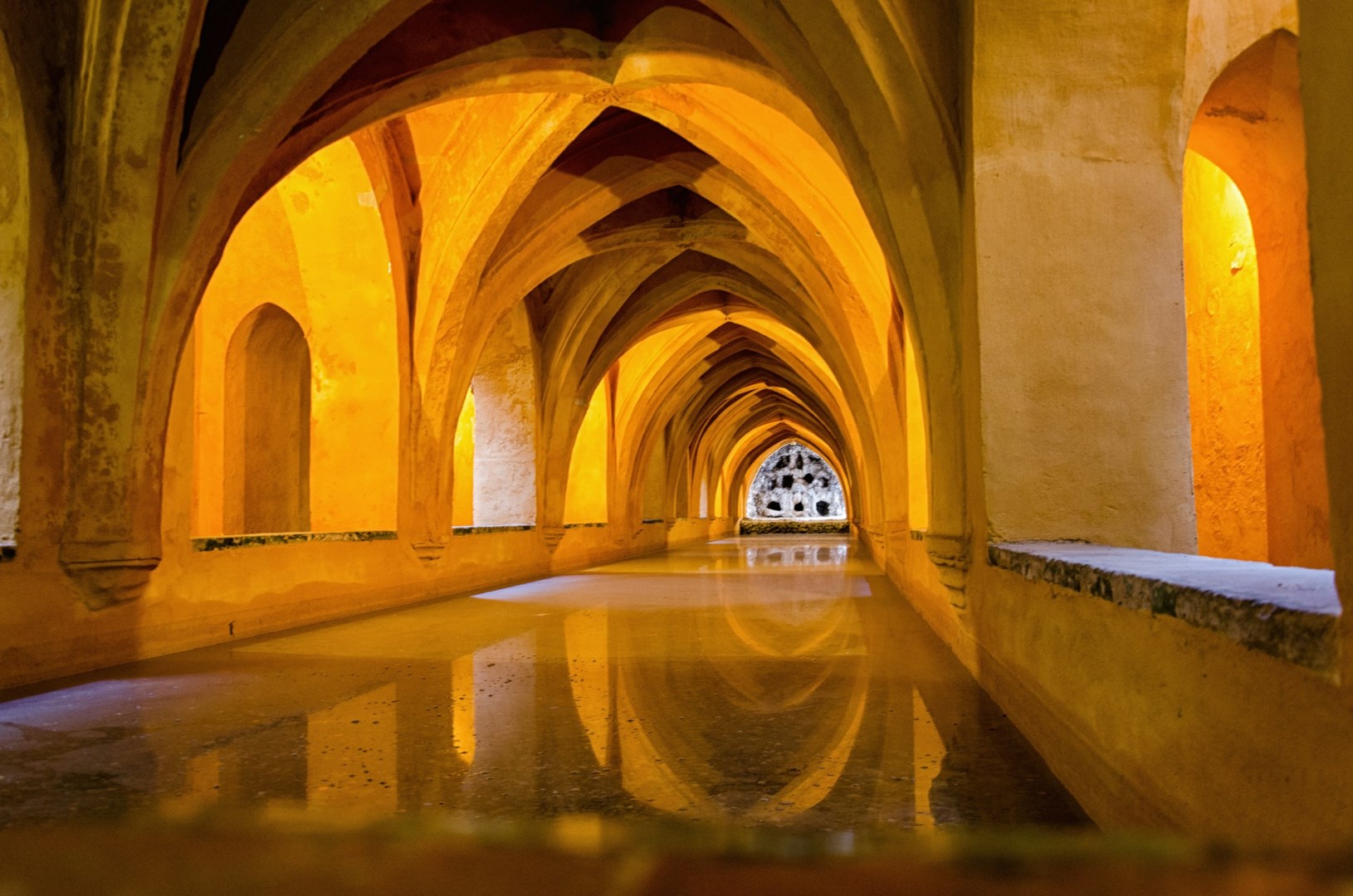
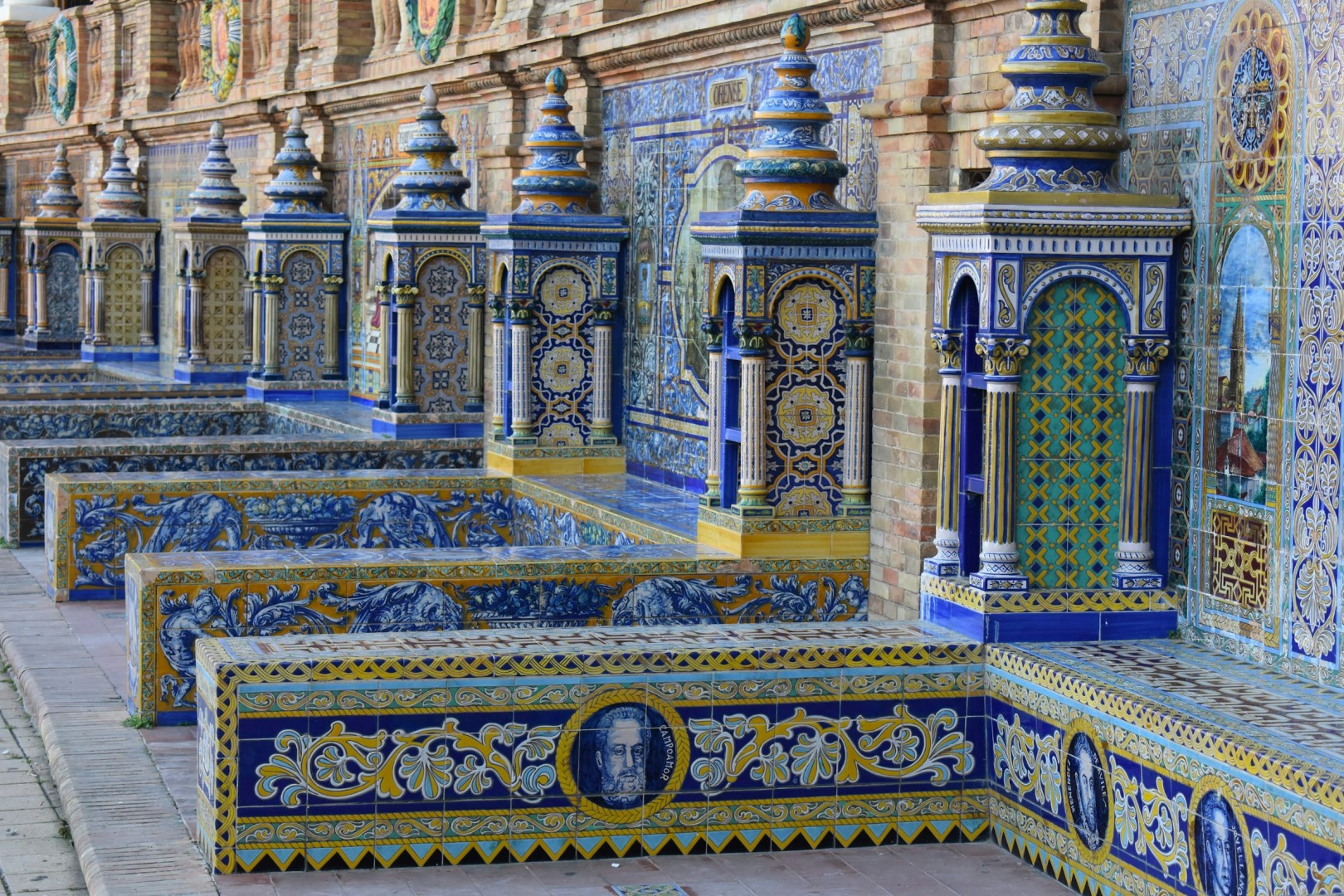
Must-sees in Seville include the landmark palace Royal Alcázar of Seville, the Gothic, bell-towered Catedral de Sevilla, and Plaza de España, an architectural marvel with Moorish, Baroque and Renaissance influences. Meanwhile, Museo del Baile Flamenco is the place to learn about flamenco dancing culture.
Must-sees in Seville include the landmark palace Royal Alcázar of Seville, the Gothic, bell-towered Catedral de Sevilla, and Plaza de España, an architectural marvel with Moorish, Baroque and Renaissance influences. Meanwhile, Museo del Baile Flamenco is the place to learn about flamenco dancing culture.
Learn More About Seville
Plaza de Espana
This landmark example of regionalism architecture was built in 1928 for the Ibero-American Exposition of 1929. In modern times it's also become a popular filming location, and can be seen in the films Lawrence of Arabia, Star Wars: Episode II, and The Dictator.
Other Popular Destinations in Spain

To visit Barcelona is to embrace both the past and the future. There is much to do and see in this cosmopolitan capital of Catalonia, from medieval structures to beaches to UNESCO Heritage Sites by Antoni Gaudí and Lluís Doménech i Montaner.

