






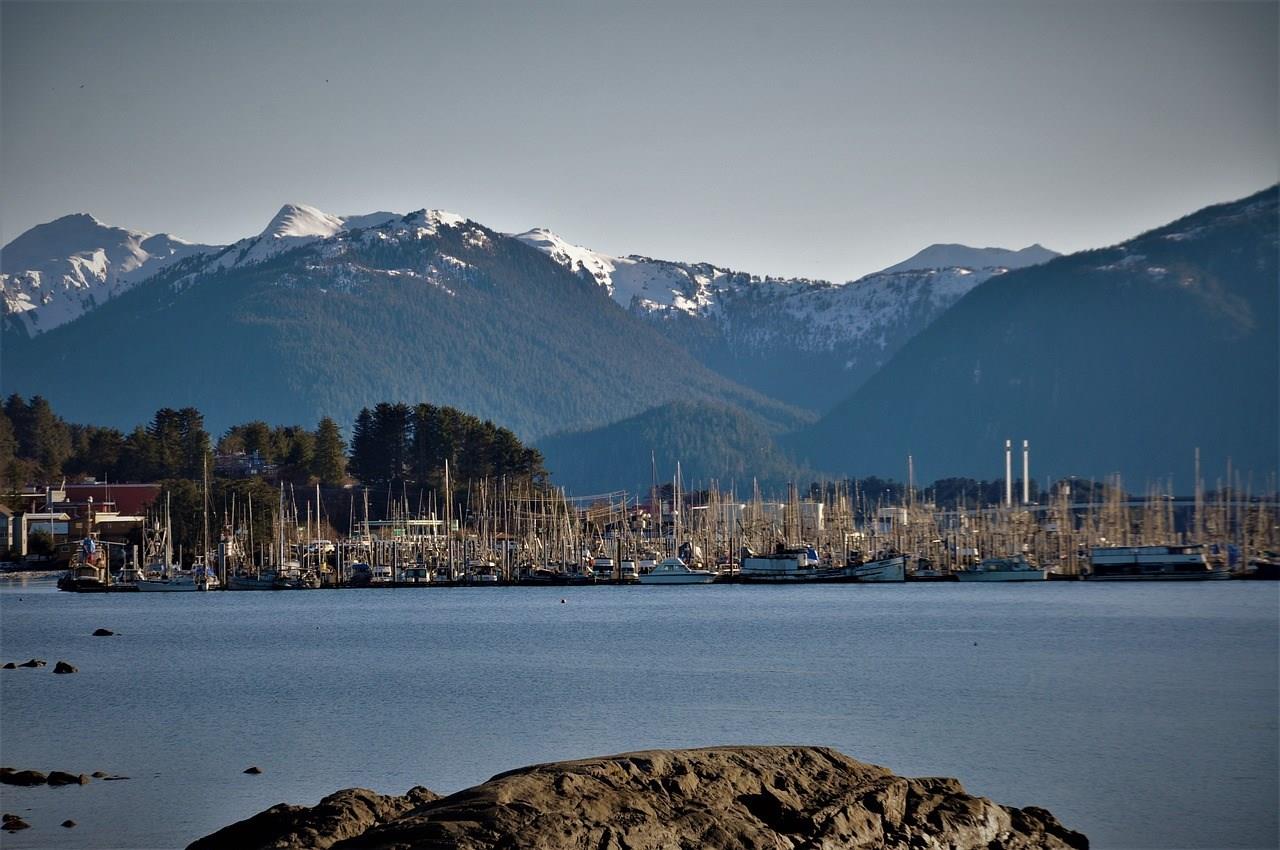


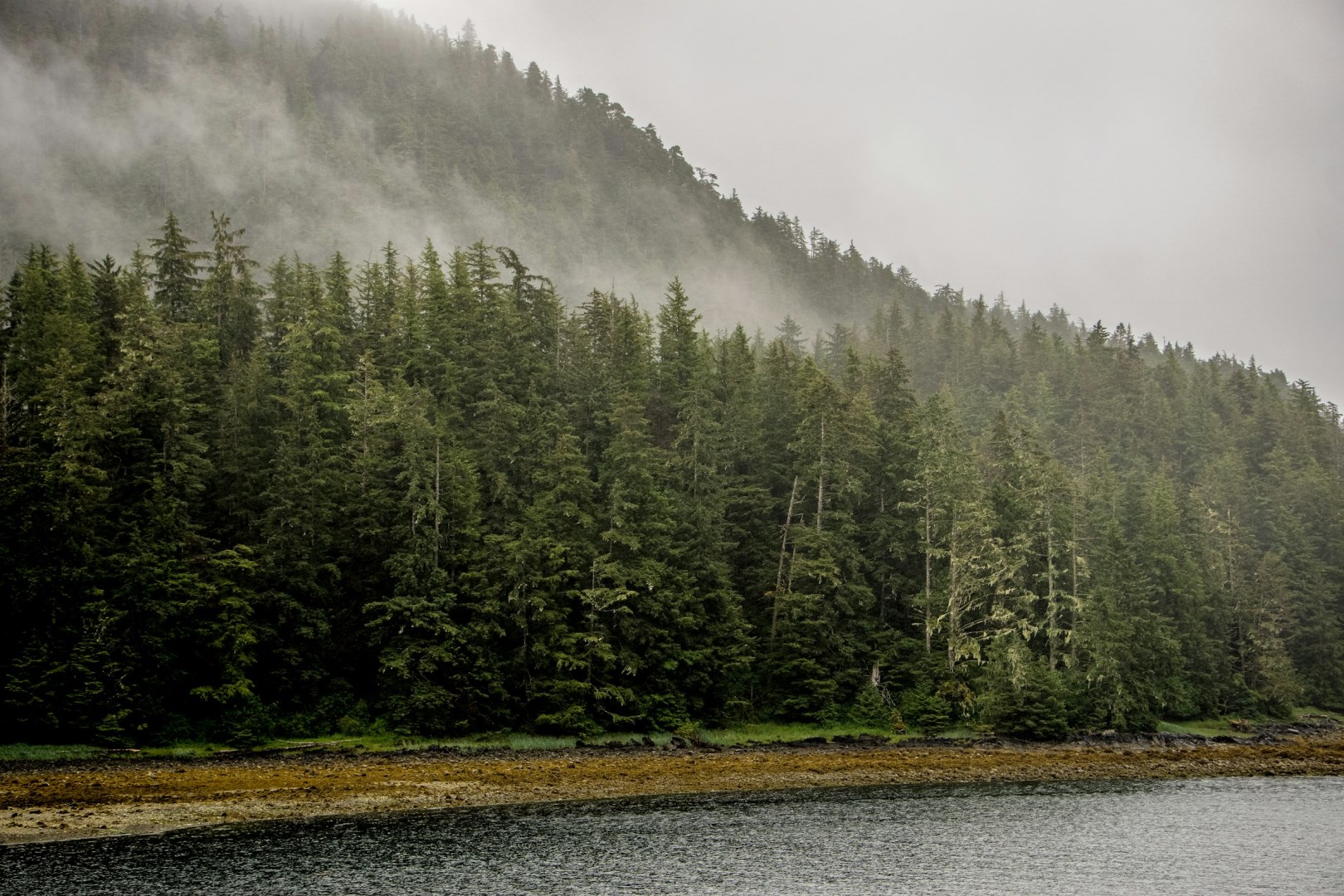

Sitka is a coastal community on Baranof Island in Southeast Alaska, set between the forested slopes of the Alexander Archipelago and the waters of Sitka Sound. The city has a compact waterfront setting surrounded by temperate rainforest, islands, mountains, and productive marine waters. Sitka's location gives it a strong connection to fishing, boating, wildlife, and outdoor recreation, while its streets and historic buildings reflect both Tlingit and Russian influences. The city is also a cultural center for Southeast Alaska, with museums, Native art, historic sites, and community organizations preserving and presenting the region's diverse heritage.
Sitka lies on the traditional homeland of the Sheetʼká Lingít, whose communities depended on the surrounding forests, rivers, and sea for food, materials, trade, and travel. Russian traders later established a settlement here, leading to conflict with the Kiks.ádi Tlingit and a complex period of cultural contact. Sitka National Historical Park preserves the site of the conflict and interprets both Tlingit and Russian history. The Russian Bishop's House and St. Michael's Cathedral reflect the city's Russian Orthodox heritage, while the Sheldon Jackson Museum presents Alaska Native art and cultural objects. Tlingit traditions remain an important part of Sitka's contemporary identity.
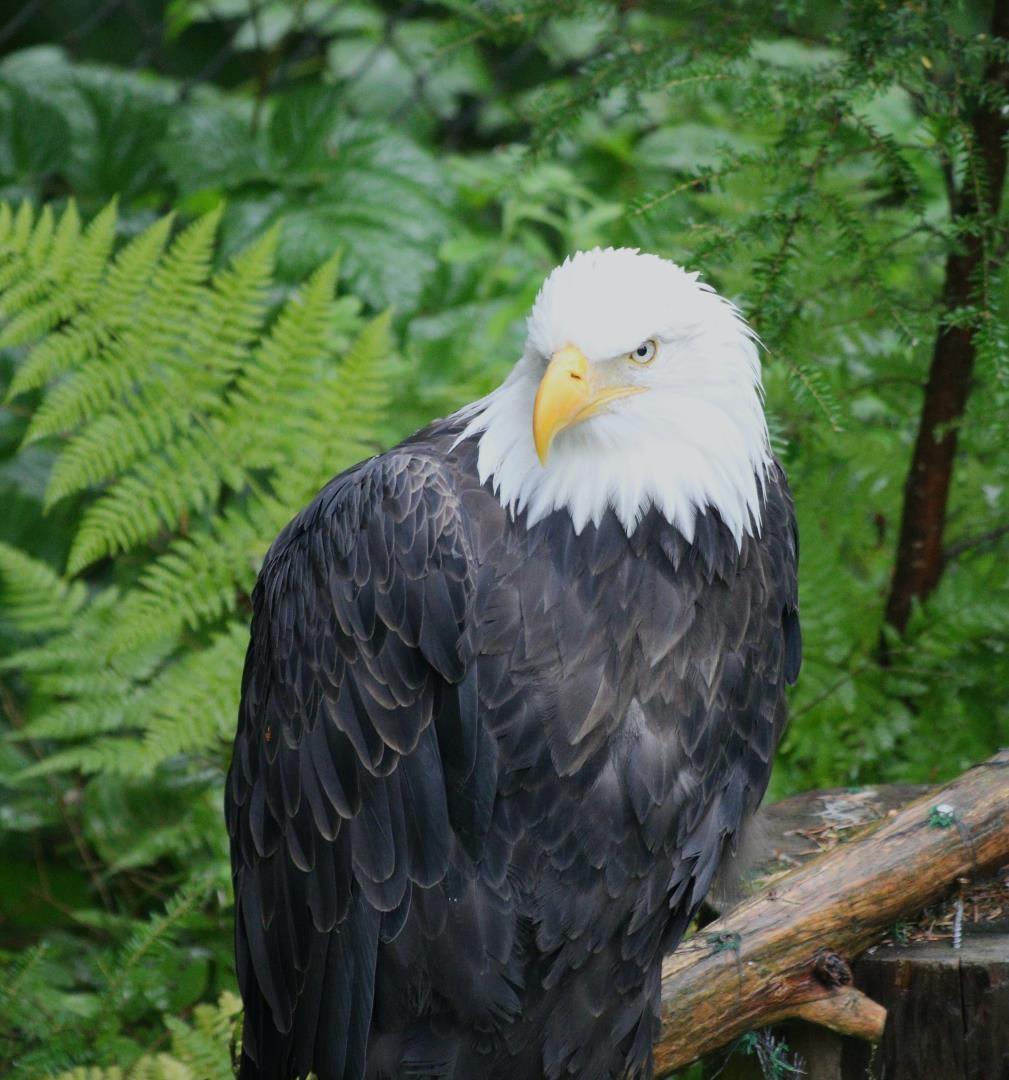
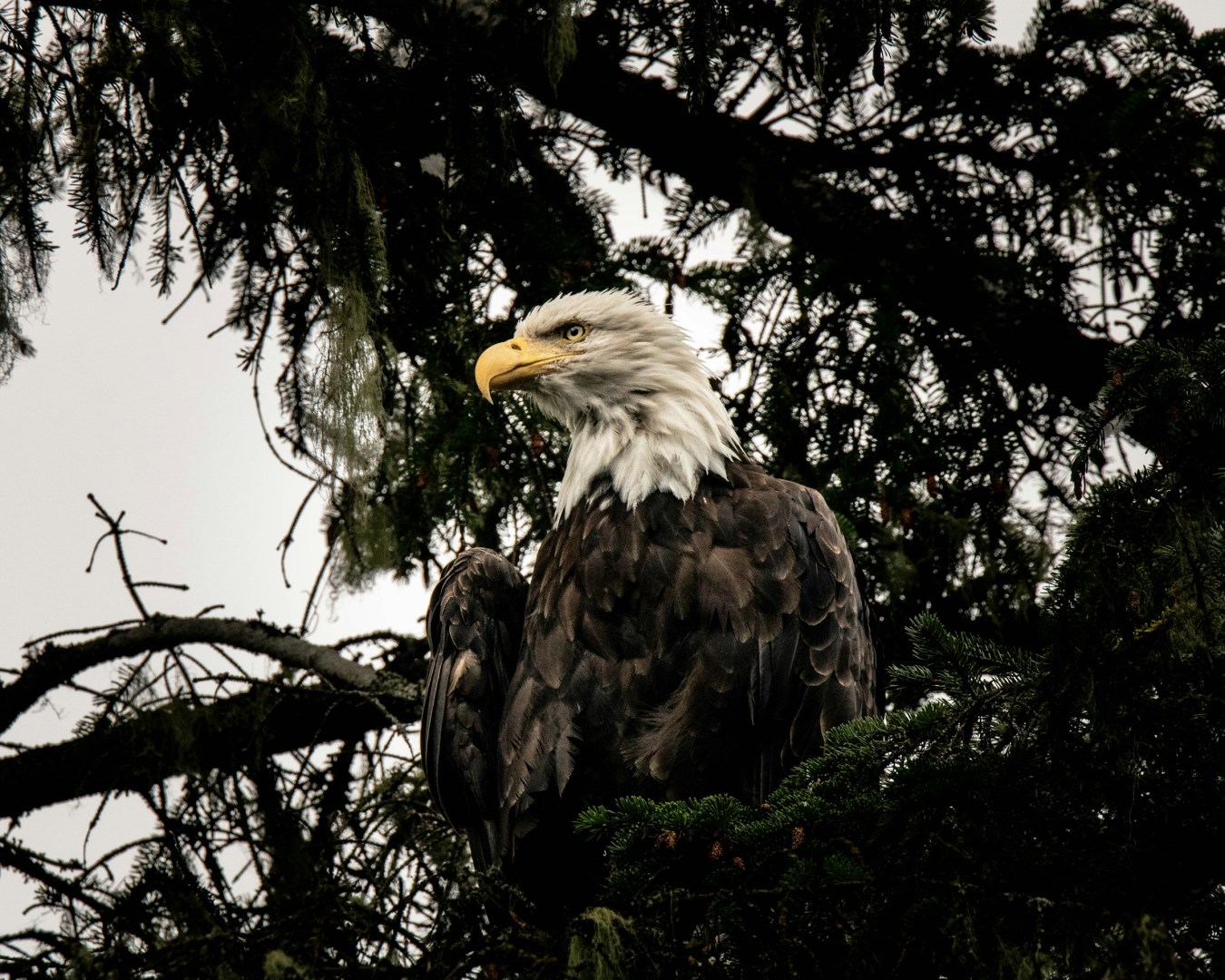
Sitka National Historical Park is one of the city's principal attractions, with the Totem Trail winding through Sitka spruce and western hemlock rainforest past Tlingit and Haida totem poles. The park's trails also reach the Indian River and the site of the historic Kiks.ádi fort. Mount Verstovia provides a more demanding hiking experience, while nearby Sitka Sound offers opportunities for kayaking, fishing, wildlife viewing, and boat excursions. Sea otters, bald eagles, salmon, and other marine and forest species are common parts of the surrounding ecosystem. The city's waterfront also provides views toward the islands and mountains of the Alexander Archipelago.
Seafood is central to Sitka's food culture, with salmon, halibut, crab, shrimp, and other locally caught fish appearing in restaurants and markets. The city's location on productive coastal waters supports both commercial and recreational fishing, and local food traditions often emphasize simply prepared seafood. Sitka also has a strong Native arts community, with carving, weaving, jewelry, and other forms of Alaska Native craftsmanship represented in galleries and cultural institutions. A distinctive feature of the city is the close proximity of wilderness to its downtown streets: the rainforest, shoreline, and mountain landscape begin within a short distance of the community, making Sitka unusual even among Alaska's coastal towns.
Other Popular Destinations in Alaska


