

Caribbean | Virgin Islands | St. Croix


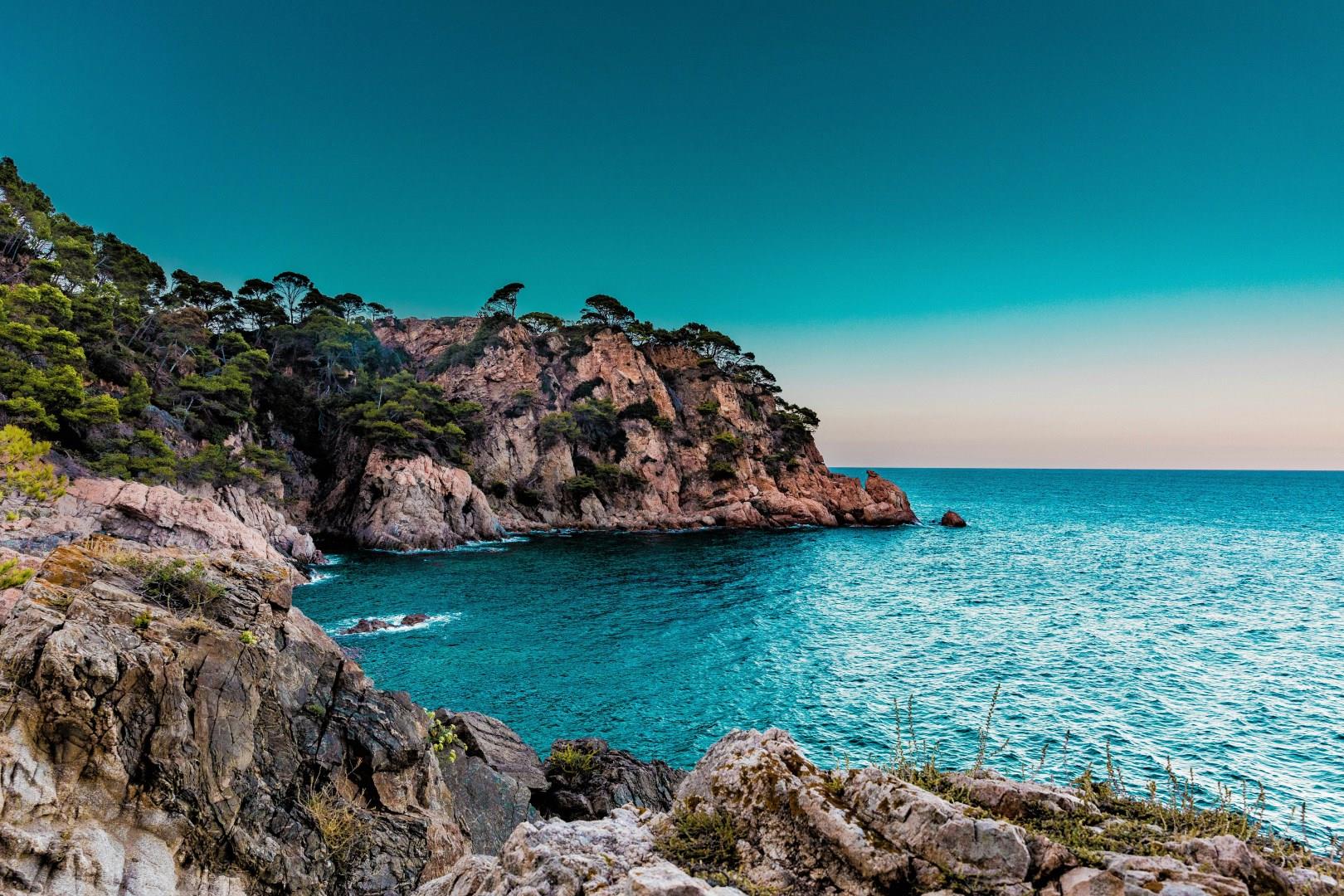
It's the largest of the three U.S. Virgin Islands, lying 40 miles south of St. Thomas and St. John. While its history is laced with tales of pirates and privateers, the island today maintains a slower, more quiet pace than its sisters to the north.
Columbus landed here in 1493 and had a rather unpleasant run-in with the indigenous Arawak Indians. Since then, the history of St. Croix is the history of European colonialism: sugar plantations, slave trading and, today, tourism. To walk this island is to enter history. There are beautiful beaches and many excellent resorts to enjoy.
Columbus landed here in 1493 and had a rather unpleasant run-in with the indigenous Arawak Indians. Since then, the history of St. Croix is the history of European colonialism: sugar plantations, slave trading and, today, tourism. To walk this island is to enter history. There are beautiful beaches and many excellent resorts to enjoy.
Other Popular Destinations in Virgin Islands

St. Thomas, the gateway to the U.S. Virgin Islands, is a vibrant mix of history, culture, and Caribbean charm. Its capital, Charlotte Amalie, features a waterfront lined with pastel-colored colonial buildings, narrow cobblestone streets, and historic forts such as Fort Christian, which offer glimpses into the island’s Danish colonial past.

Tortola, the largest island in the British Virgin Islands, beckons travelers with its idyllic beaches and vibrant culture. Known for its stunning natural beauty, Tortola offers crystal-clear waters, lush landscapes, and a range of outdoor activities. Cane Garden Bay, one of the island’s most famous beaches, is renowned for its powdery white sand and turquoise waters.
