



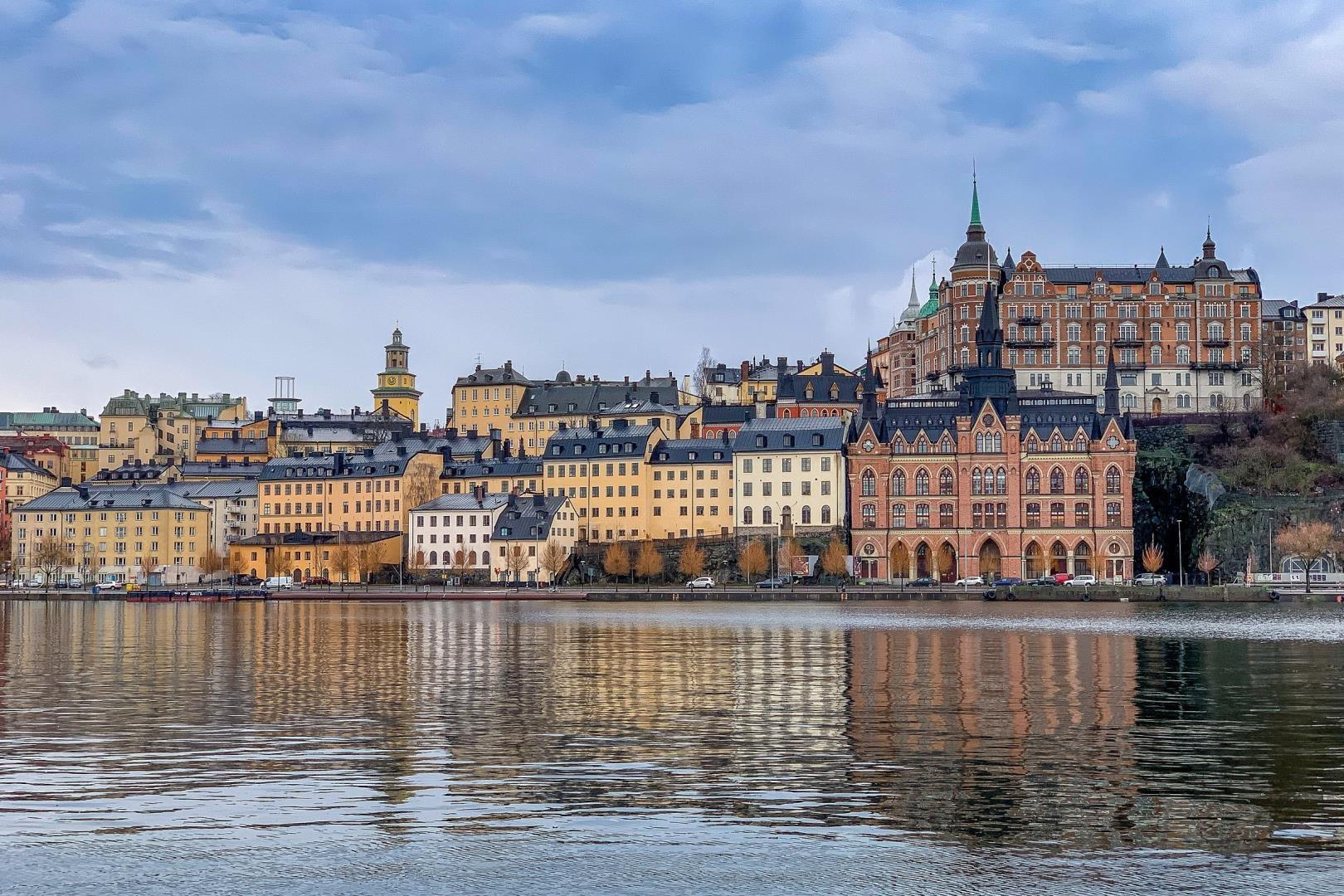




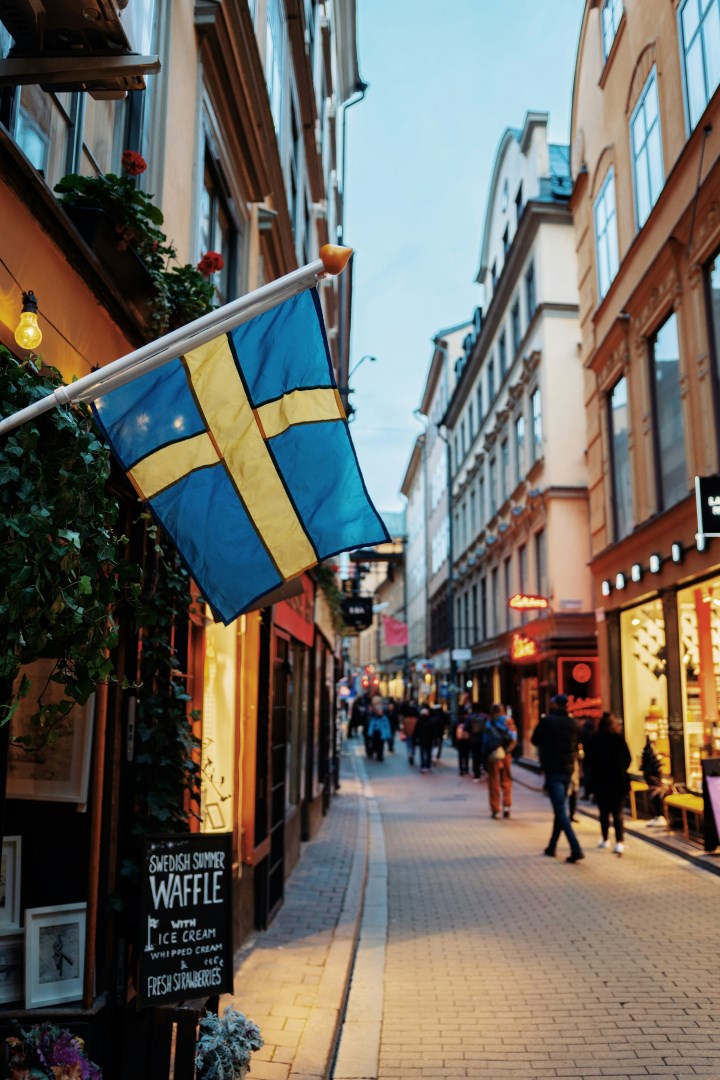
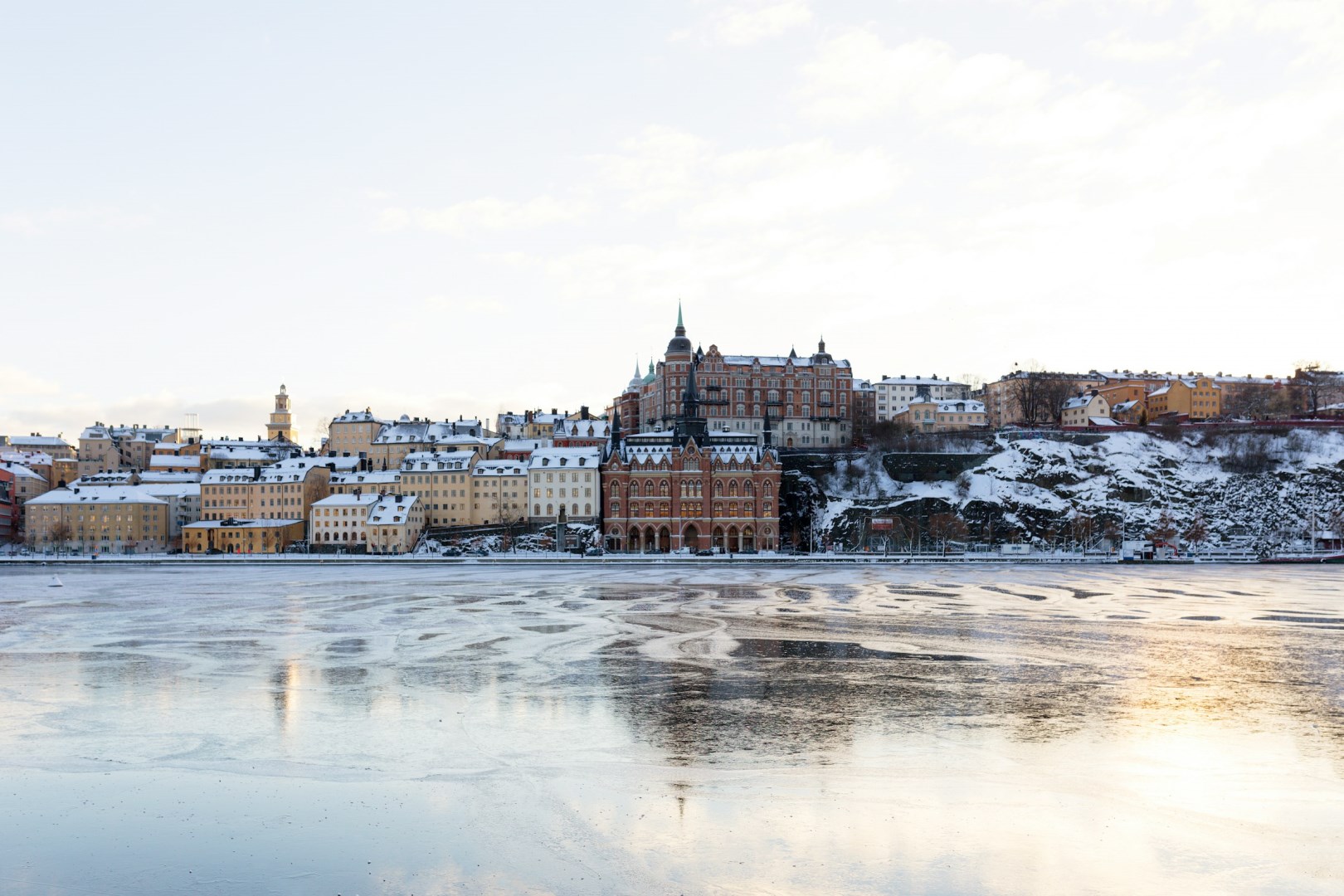


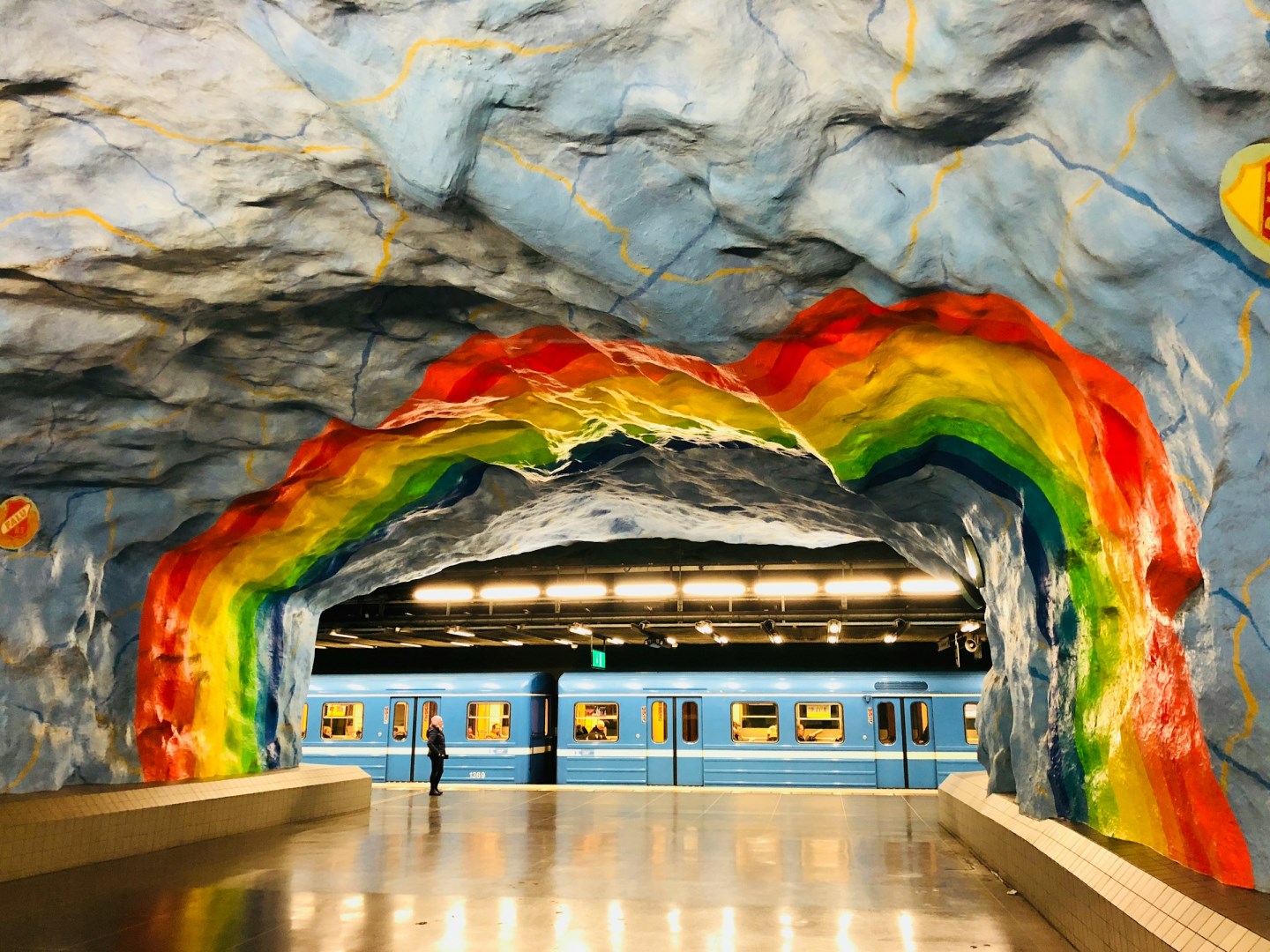

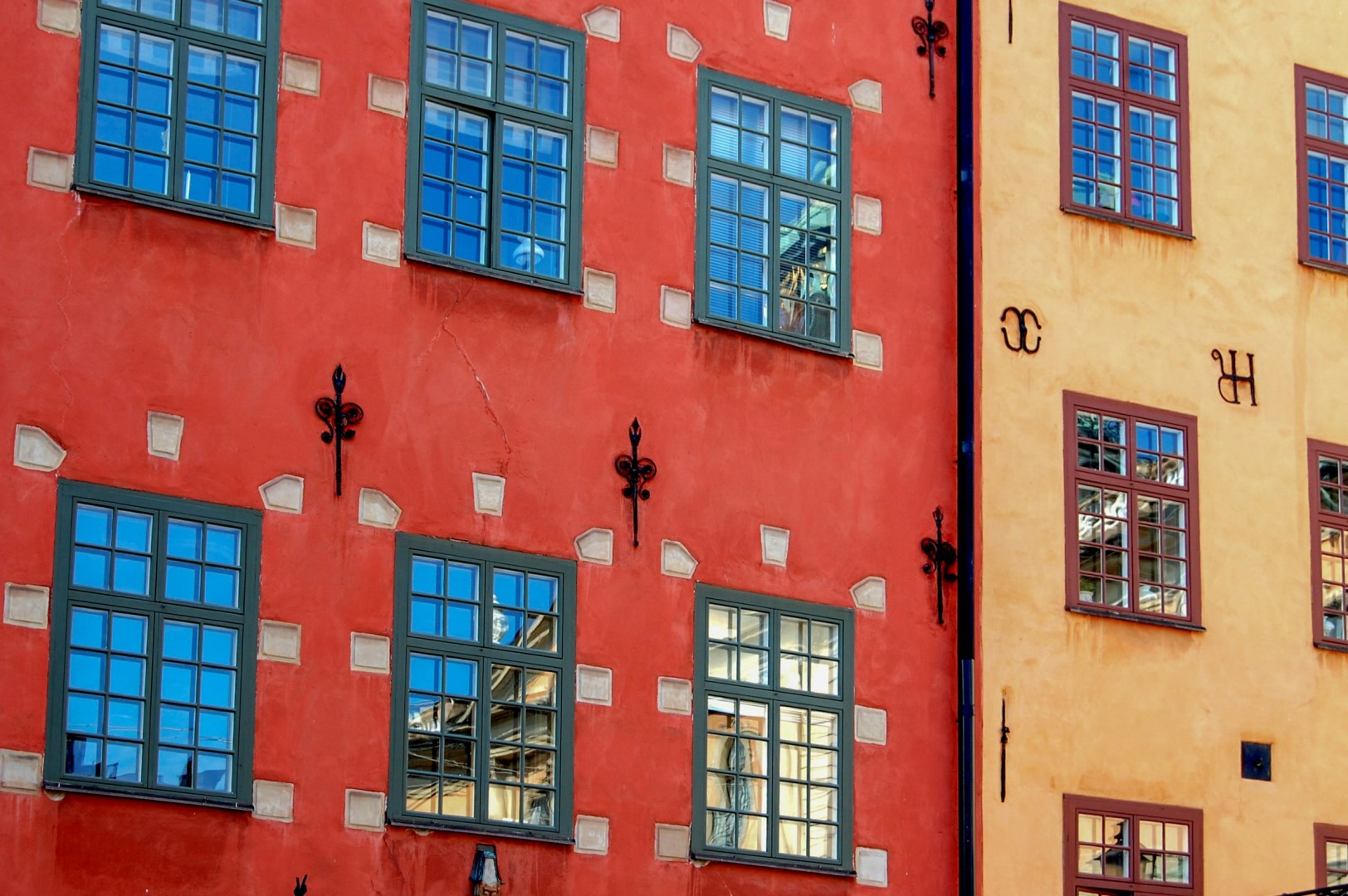
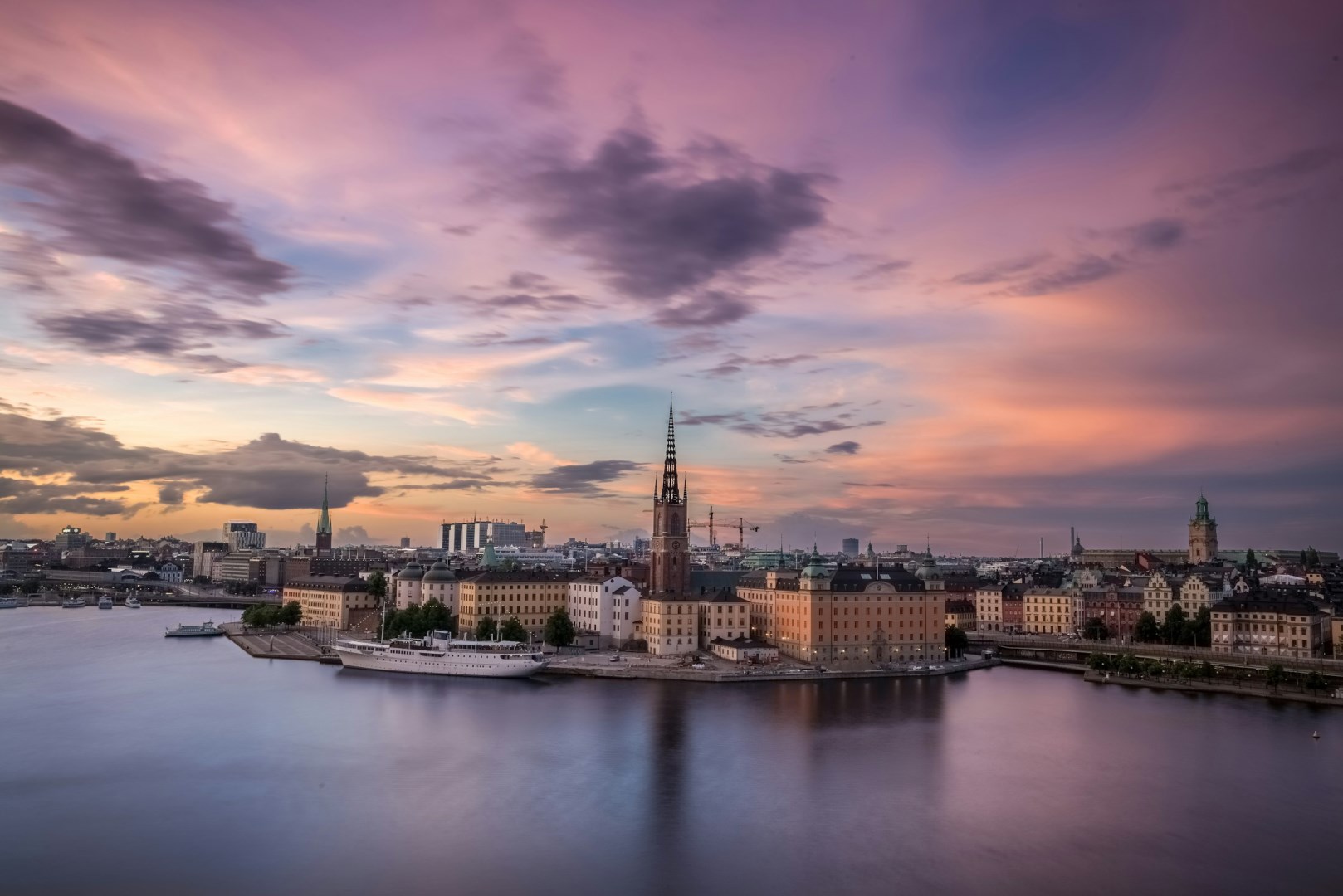

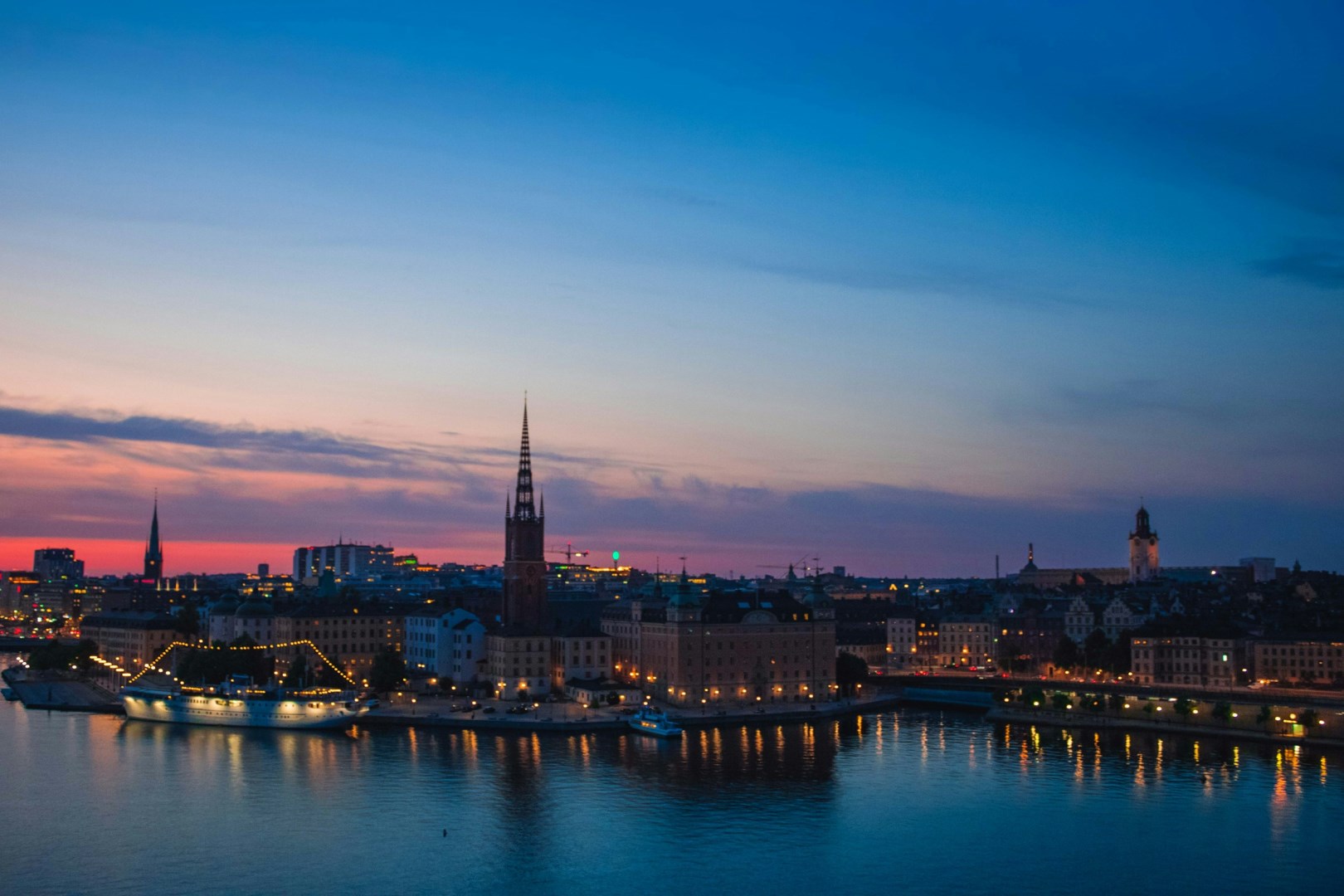

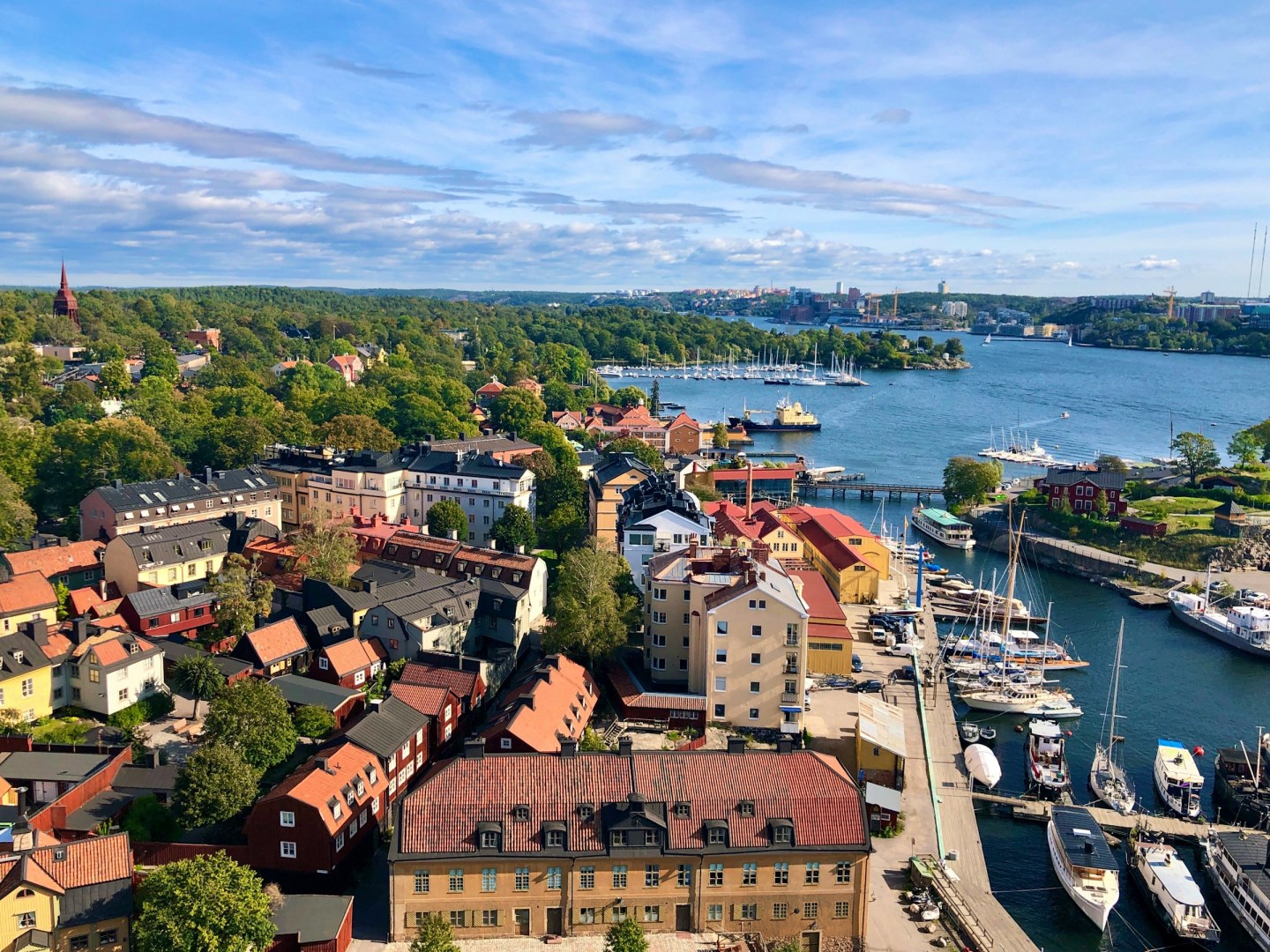
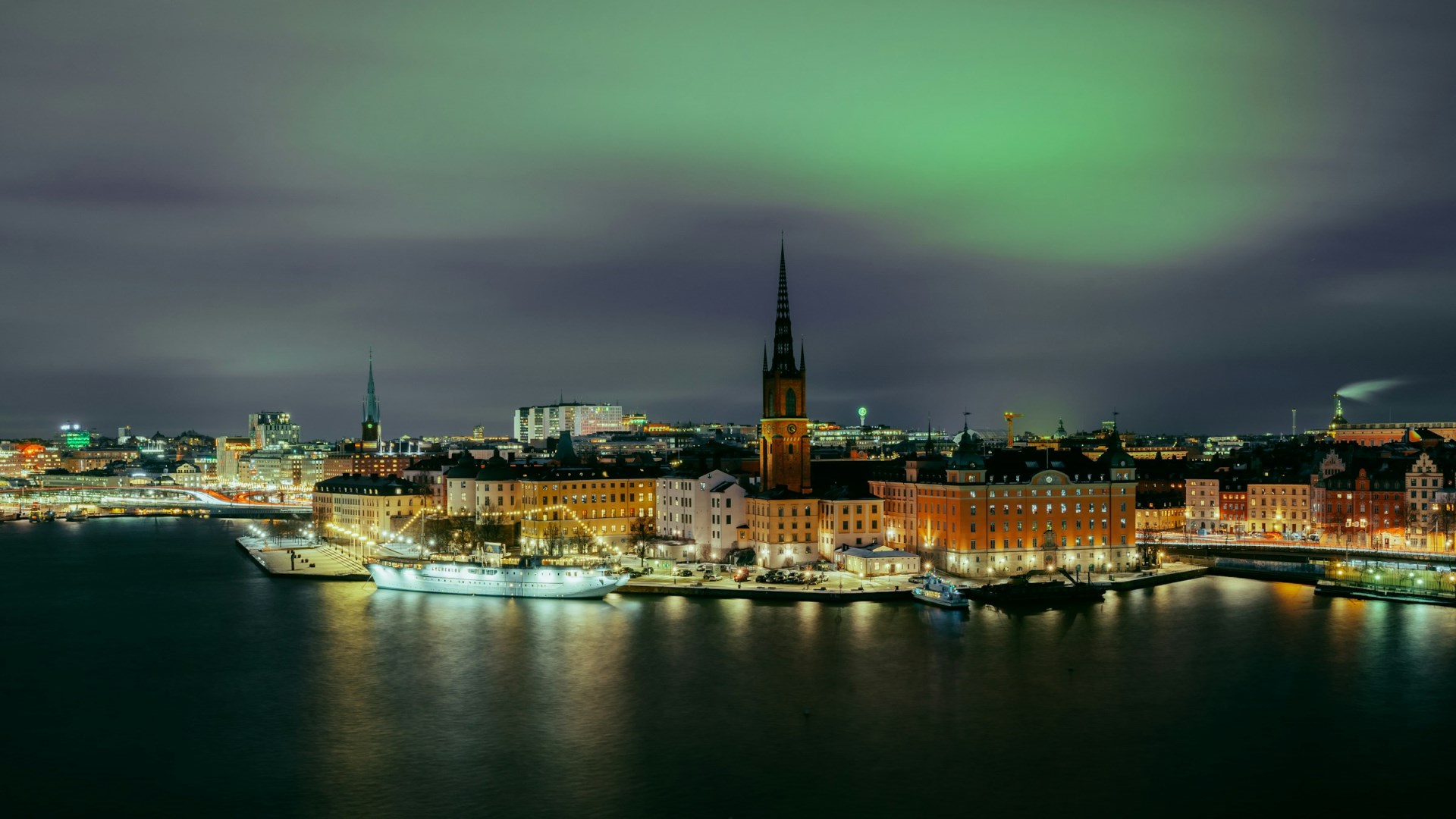
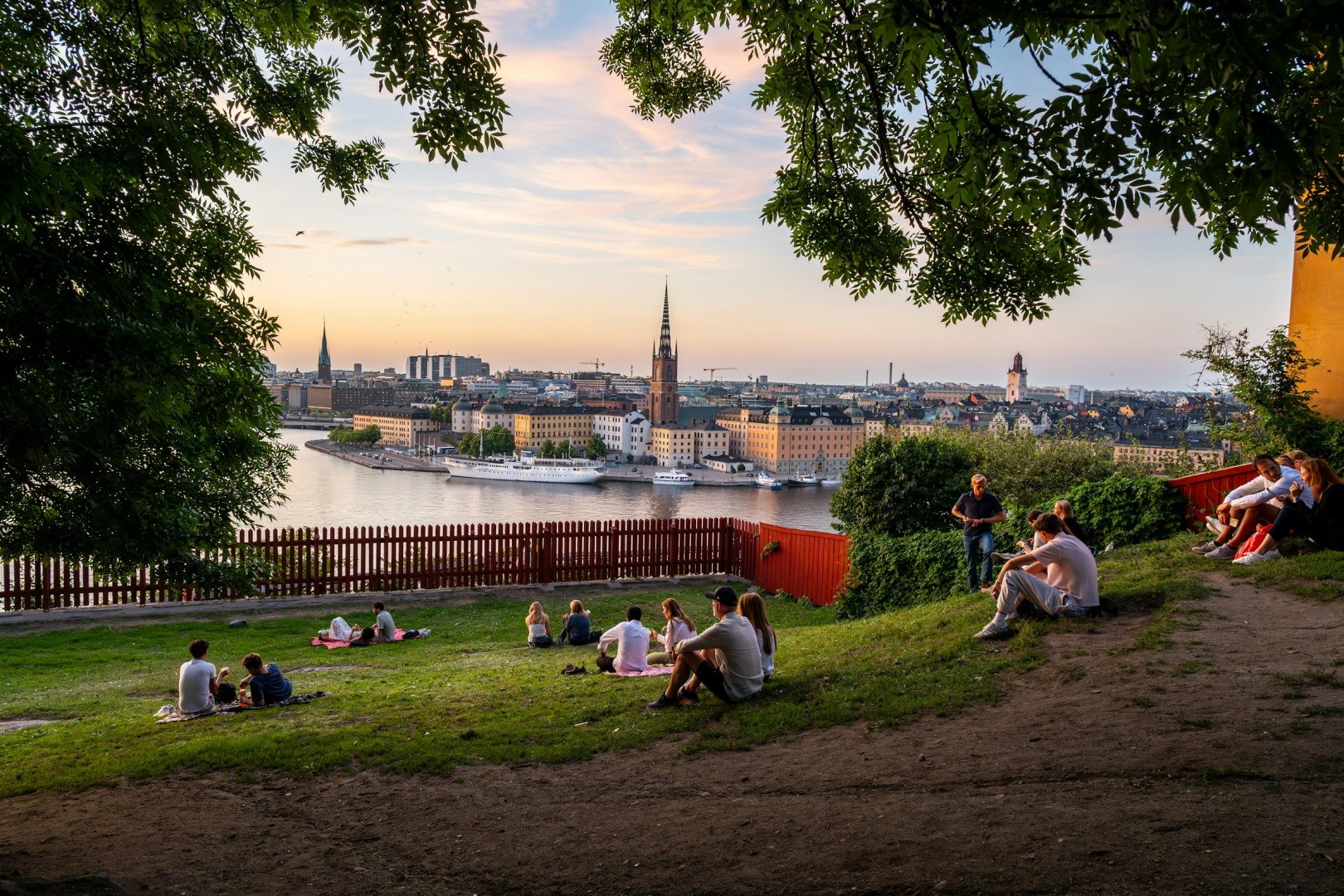


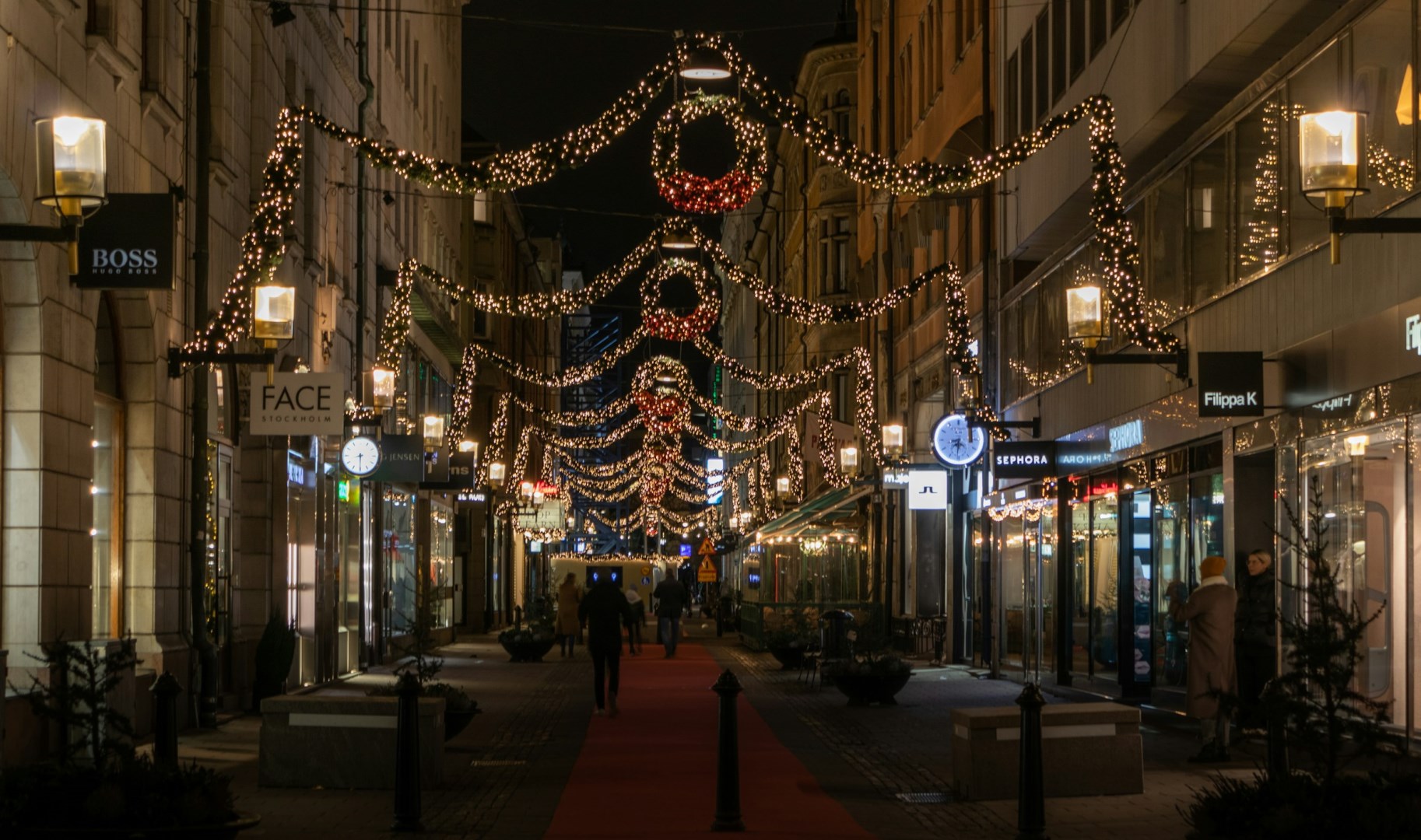

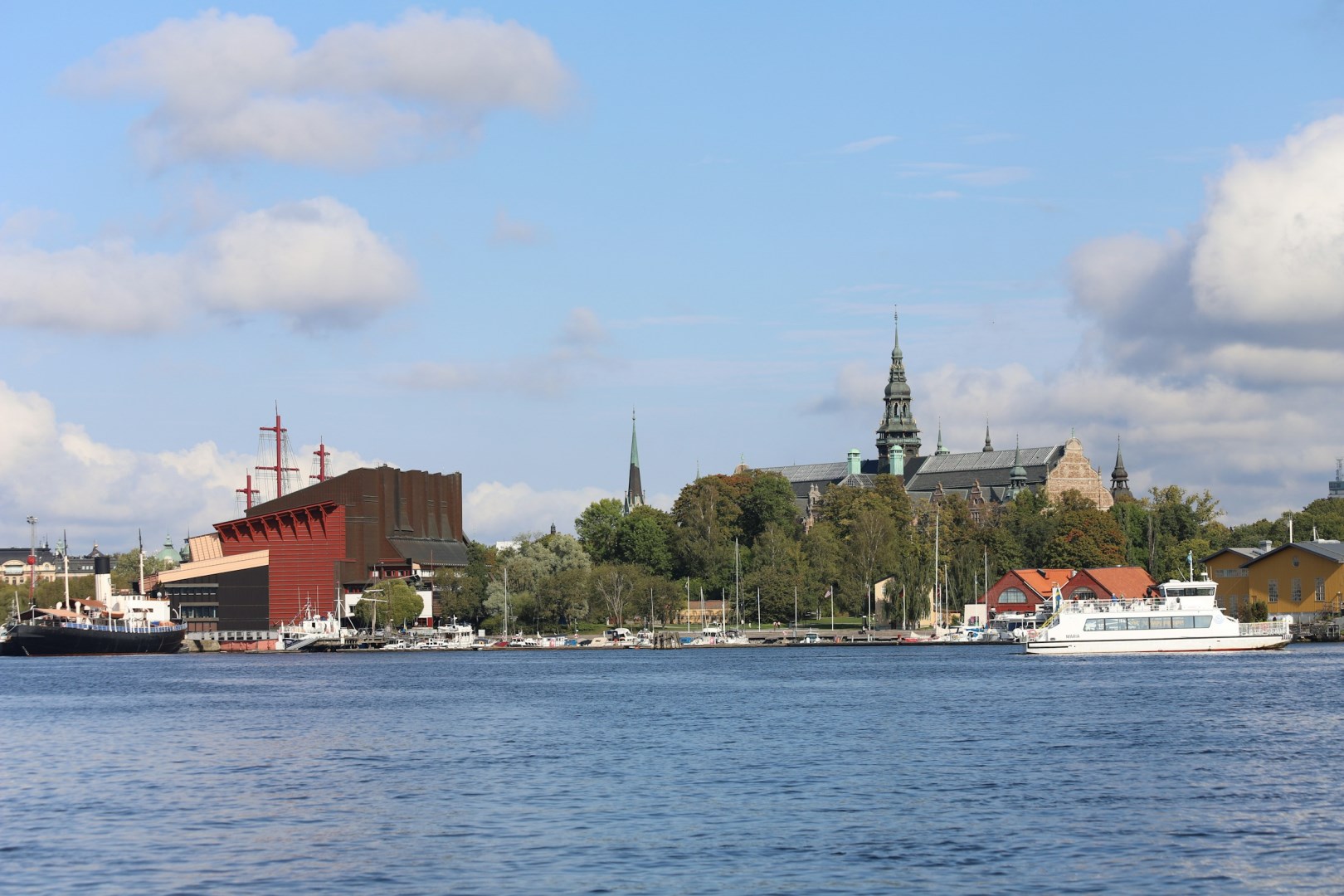



As a city located in a Baltic Sea archipelago, it's not surprising that Stockholm has 50 bridges and sightseeing boats moving people between its 14 islands. This contemporary and welcoming capital of Sweden is nonetheless easily navigable by foot. Every district here has a distinct flavor, from the sophisticated Östermalm to the bustling downtown energy of Norrmalm to the delightful Old Town.
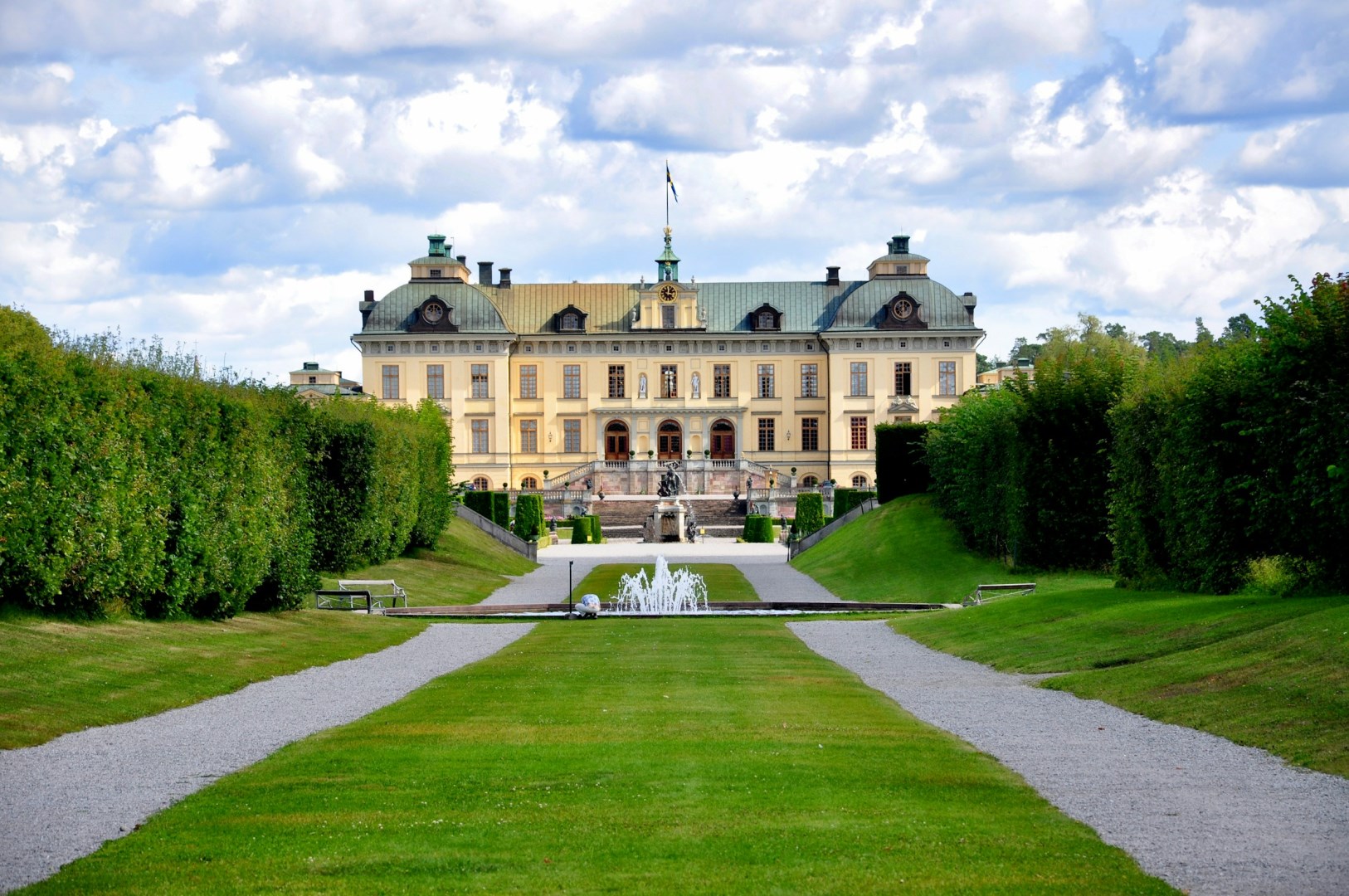
Attractions in Stockholm include the maritime wonders of the Vasa Museum, the grandiose Royal Palace, the waterside Stockholm City Hall, and the Nobel Museum, where Nobel prizewinners are celebrated. And hey music fans, there's even an ABBA museum!
Attractions in Stockholm include the maritime wonders of the Vasa Museum, the grandiose Royal Palace, the waterside Stockholm City Hall, and the Nobel Museum, where Nobel prizewinners are celebrated. And hey music fans, there's even an ABBA museum!
Learn More About Stockholm
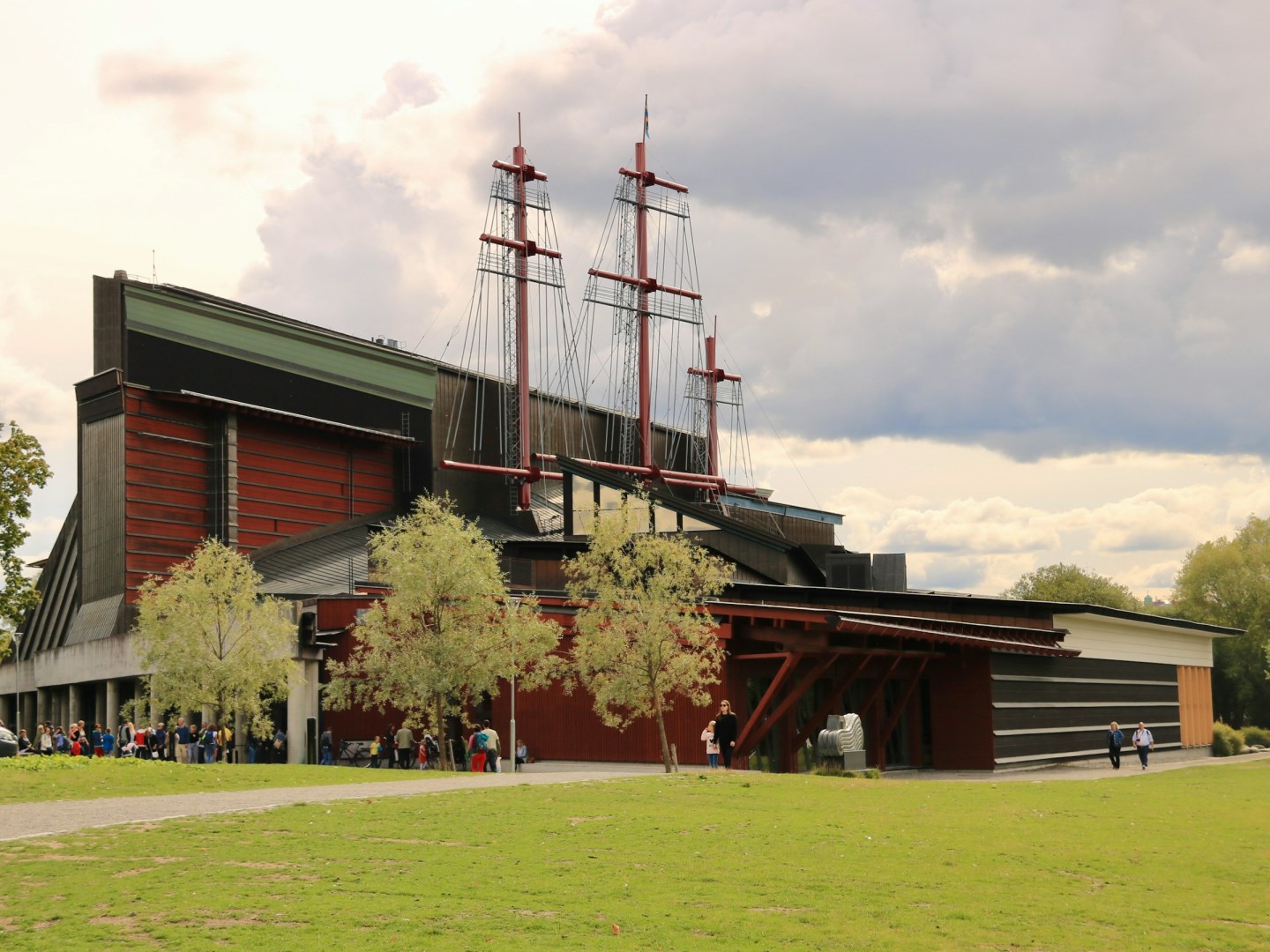
Vasa Museum
The Vasa Museum in Stockholm is a maritime museum built around the Vasa, a remarkably preserved warship recovered from Stockholm's harbor after resting underwater for centuries. The ship is the museum's central object and one of the world's best-preserved historic ships, with most of its original timber structure still intact. Exhibitions surrounding the vessel explore its construction, decoration, sinking, recovery, conservation, and the people connected with it. Detailed displays examine life aboard the ship and the society that produced it, while carved sculptures and reconstructed sections help visitors understand the vessel's elaborate appearance and function.
Other Popular Destinations in Sweden

Gothenburg, Sweden’s vibrant west coast gem, offers a perfect blend of maritime charm, innovative design, and sustainable living. Known for its picturesque canals, cobblestone streets, and classic Nordic architecture, Gothenburg invites visitors to explore its rich history and modern flair. The city’s heart is anchored by the famous Kungsportsavenyen (Avenyn), a grand boulevard lined with cafes, boutiques, and cultural landmarks like the Gothenburg Museum of Art.

