






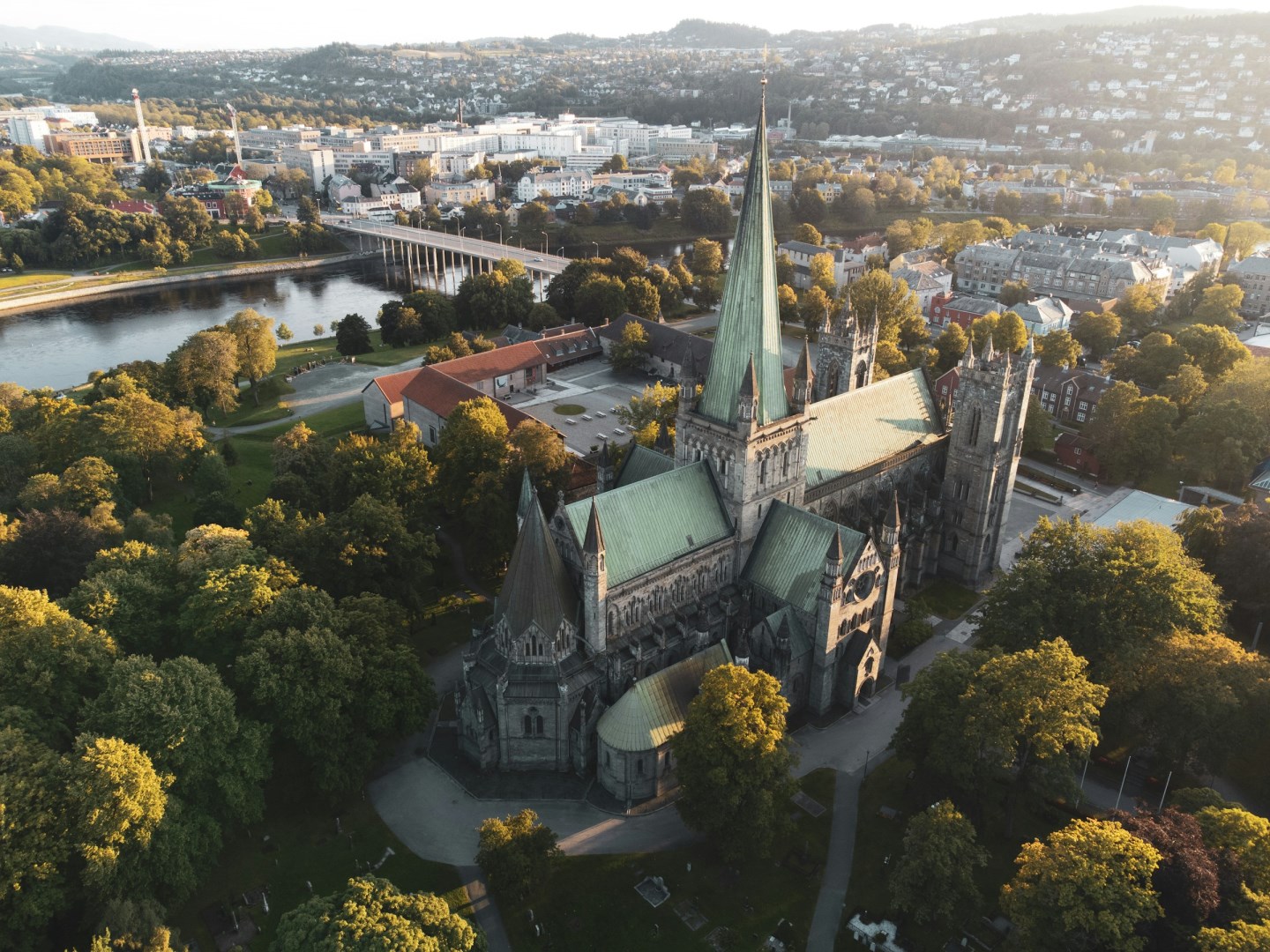
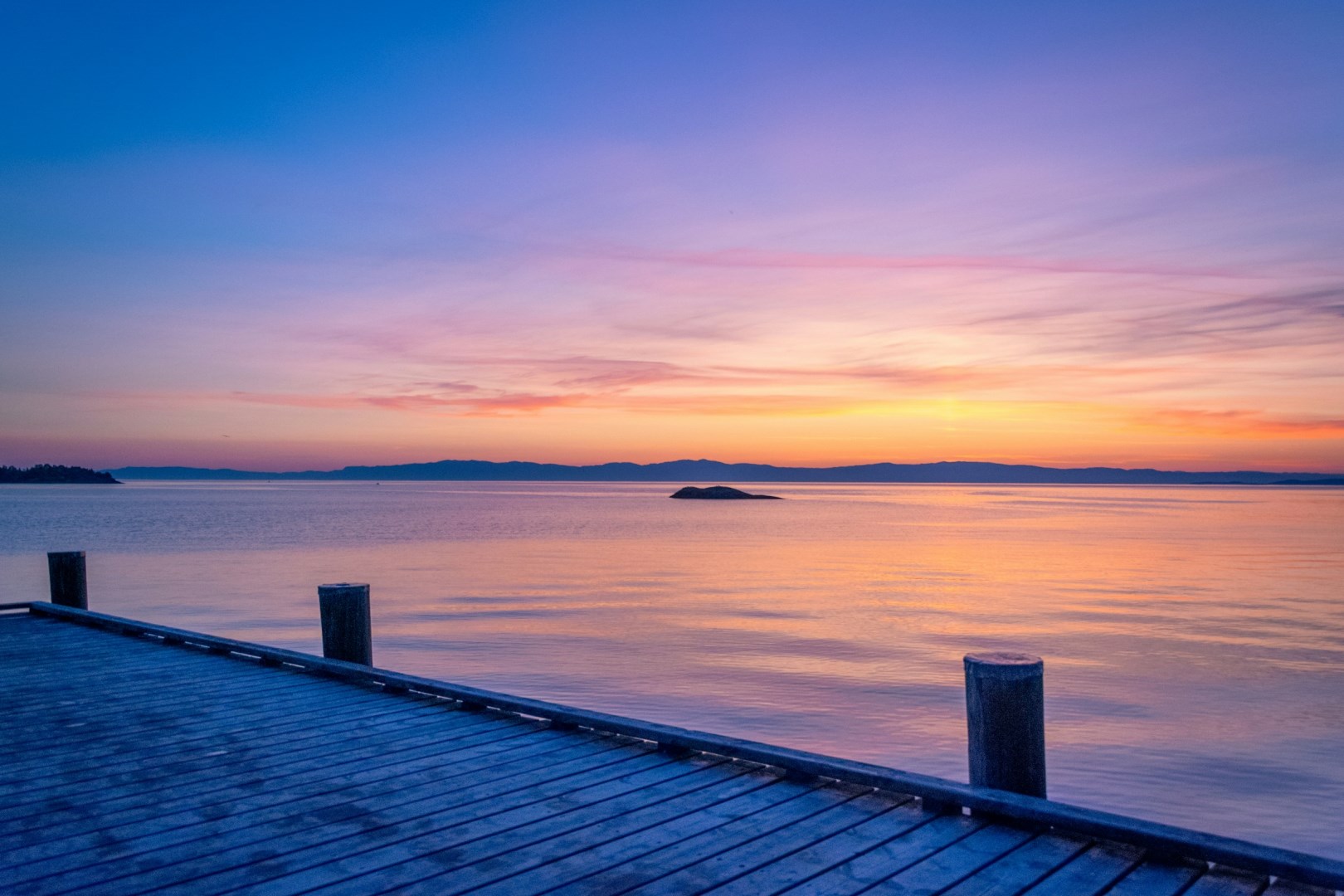

Nestled along the Trondheim Fjord in central Norway, Trondheim offers a captivating blend of rich history and vibrant modern life. As Norway’s first capital, Trondheim boasts a legacy that includes the striking Nidaros Cathedral, an iconic landmark whose construction began in the 11th century. This majestic cathedral, the northernmost medieval cathedral in the world, serves as a pilgrimage site and offers breathtaking Gothic architecture and intricate stained glass windows.
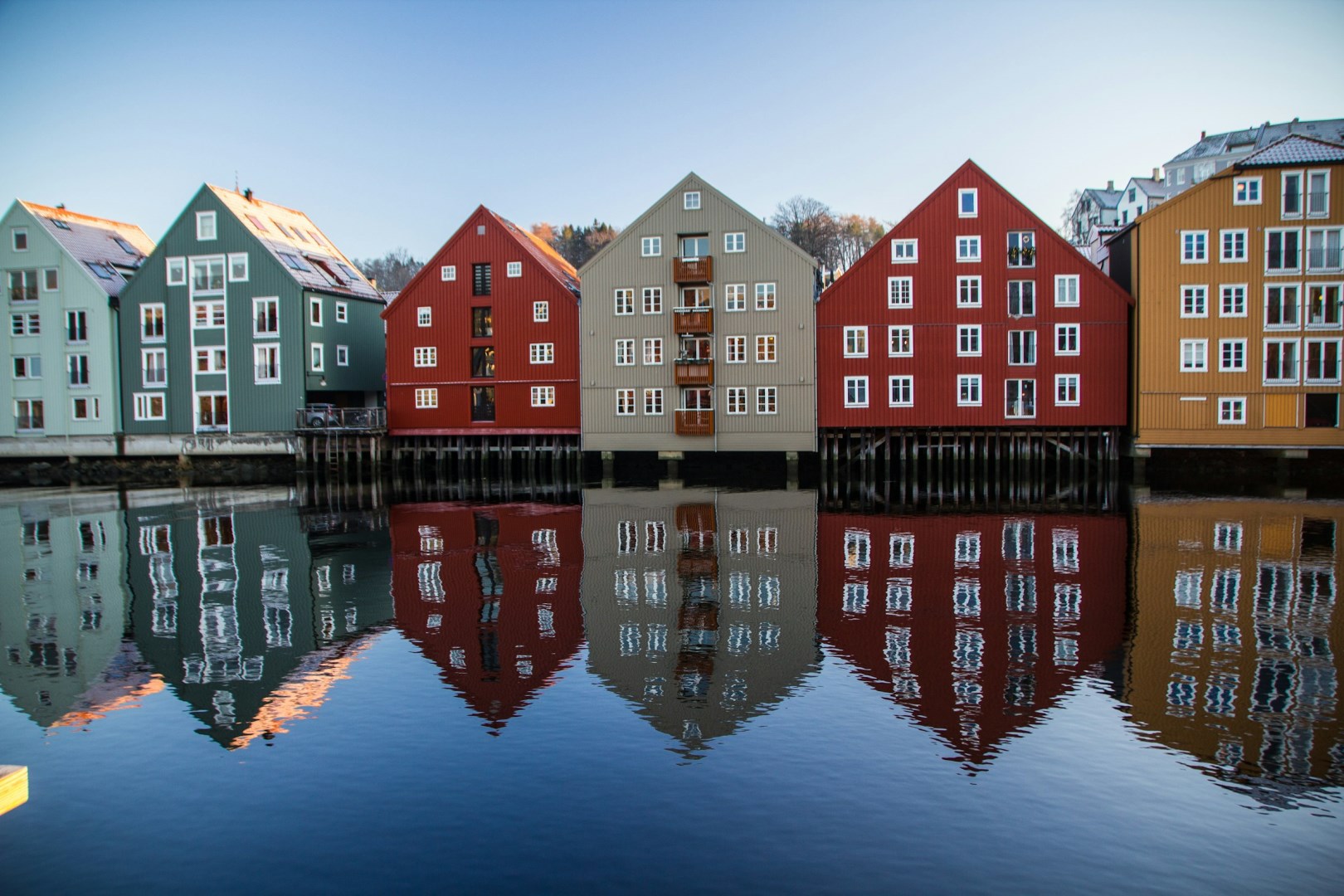
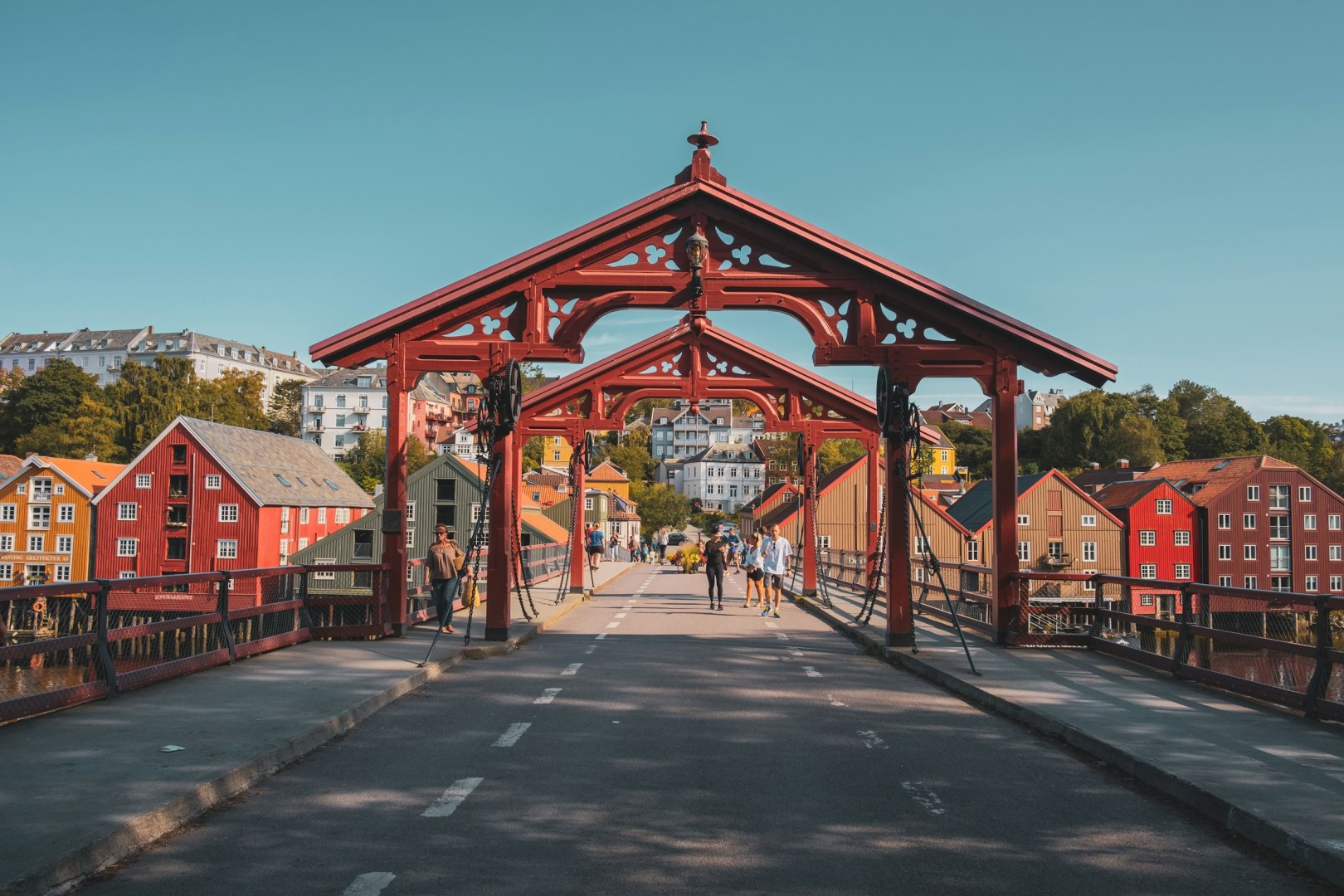
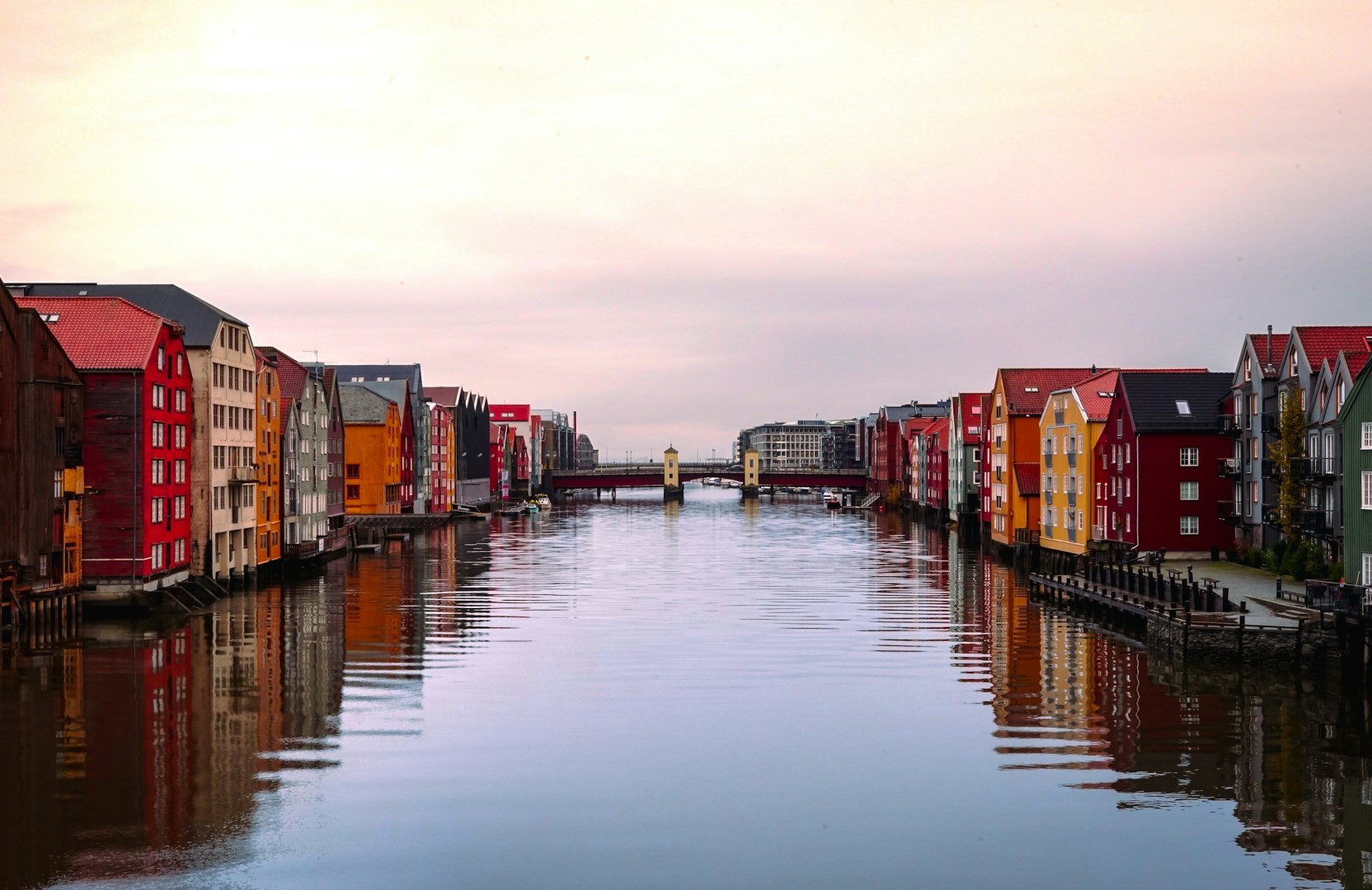
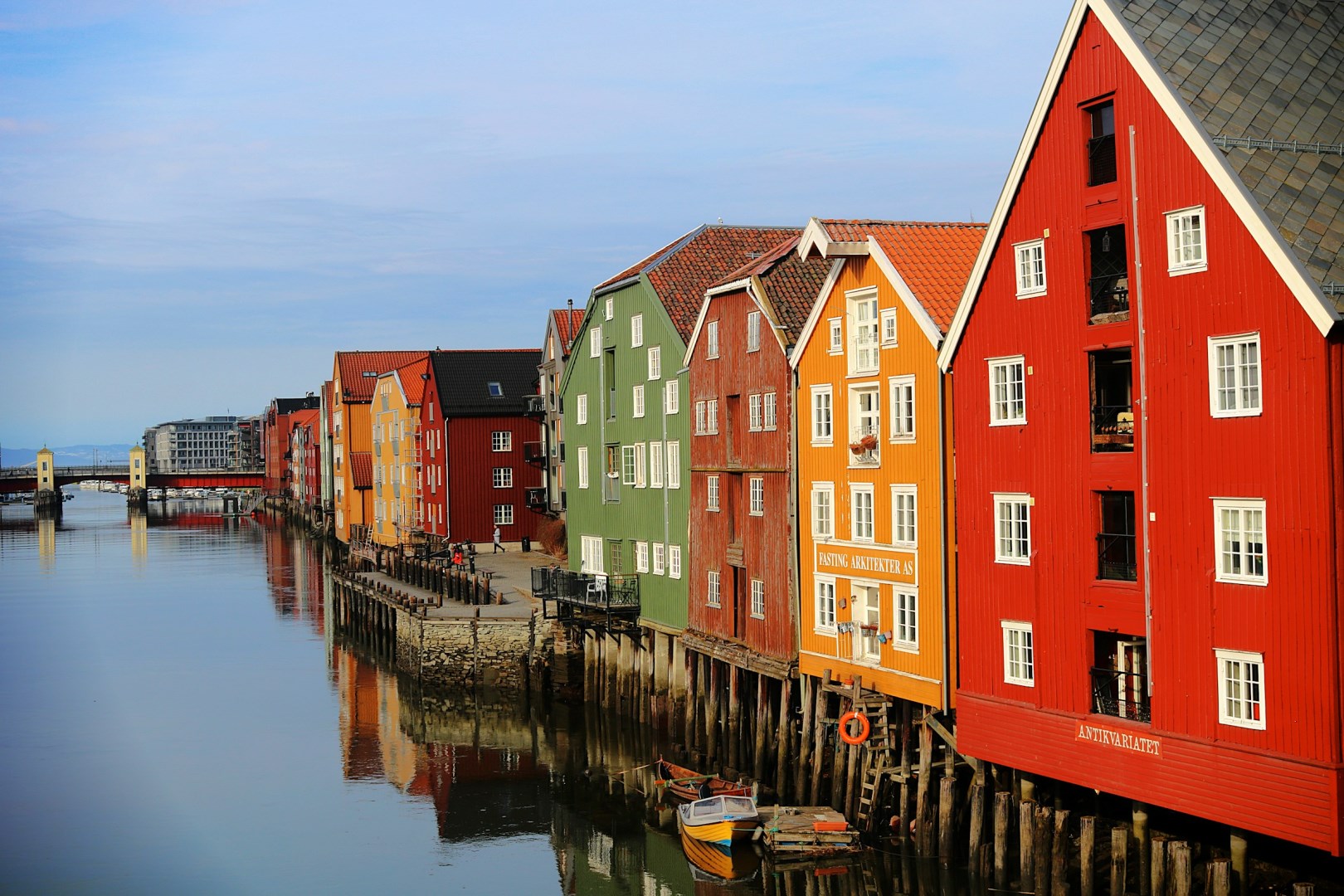
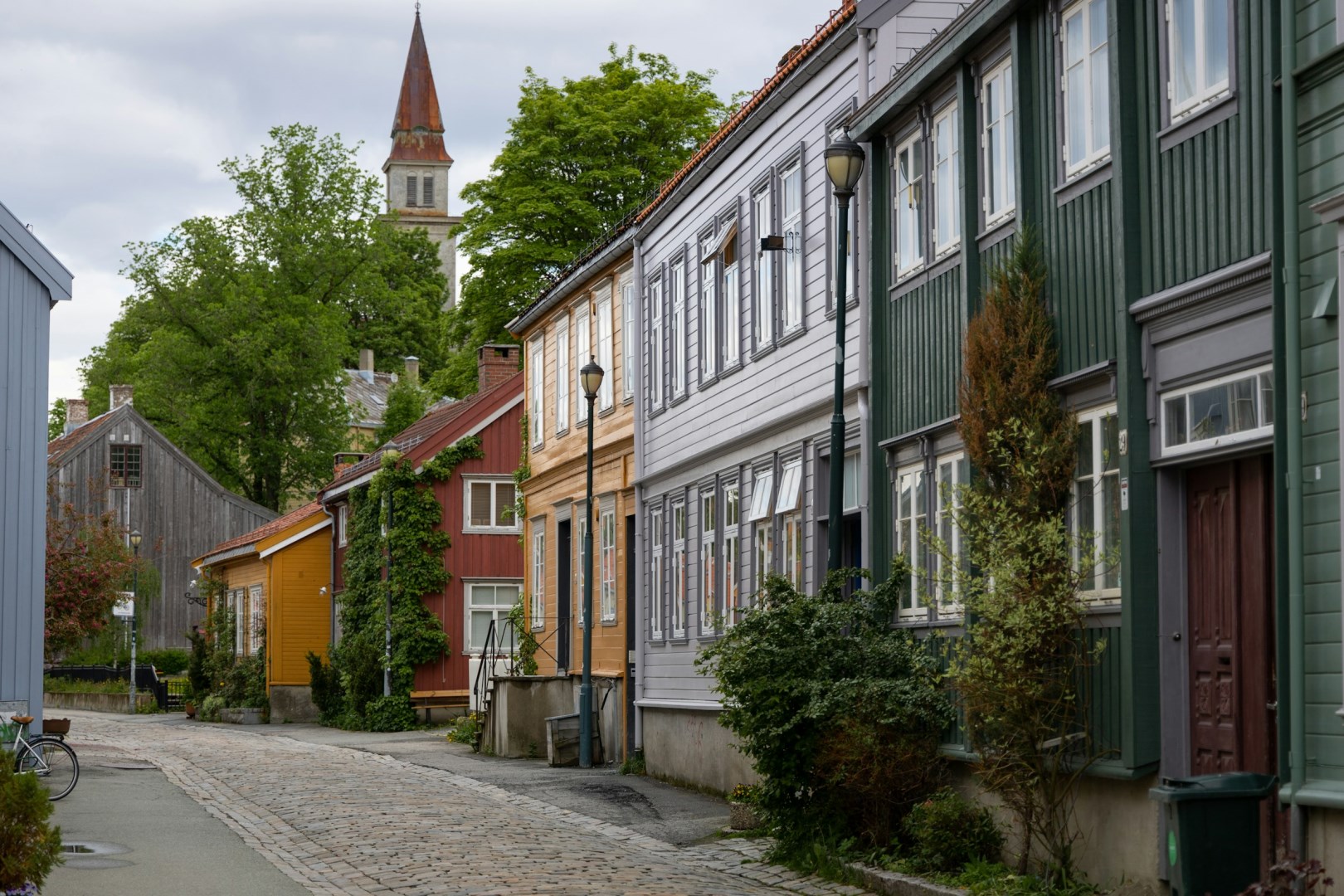
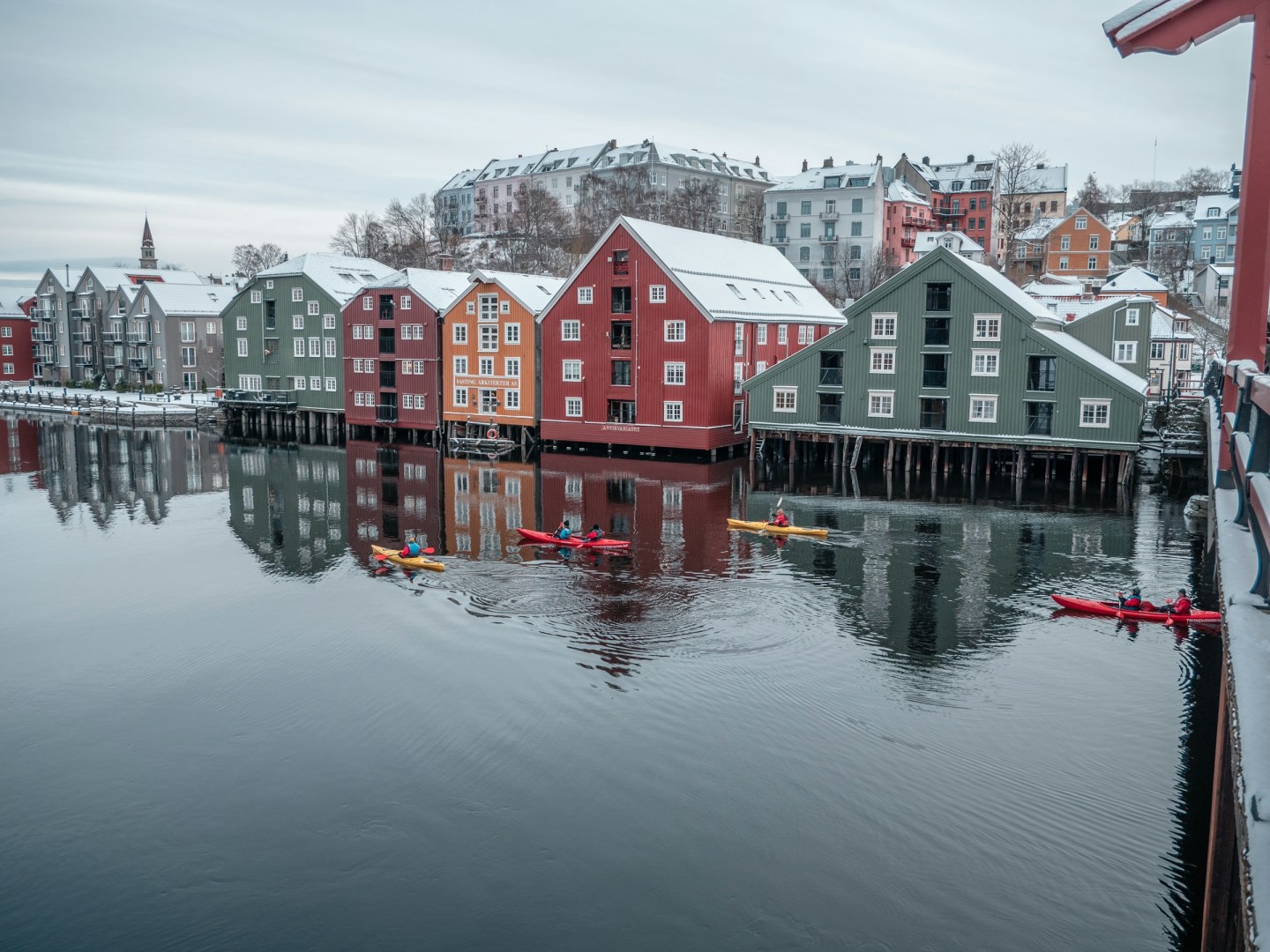
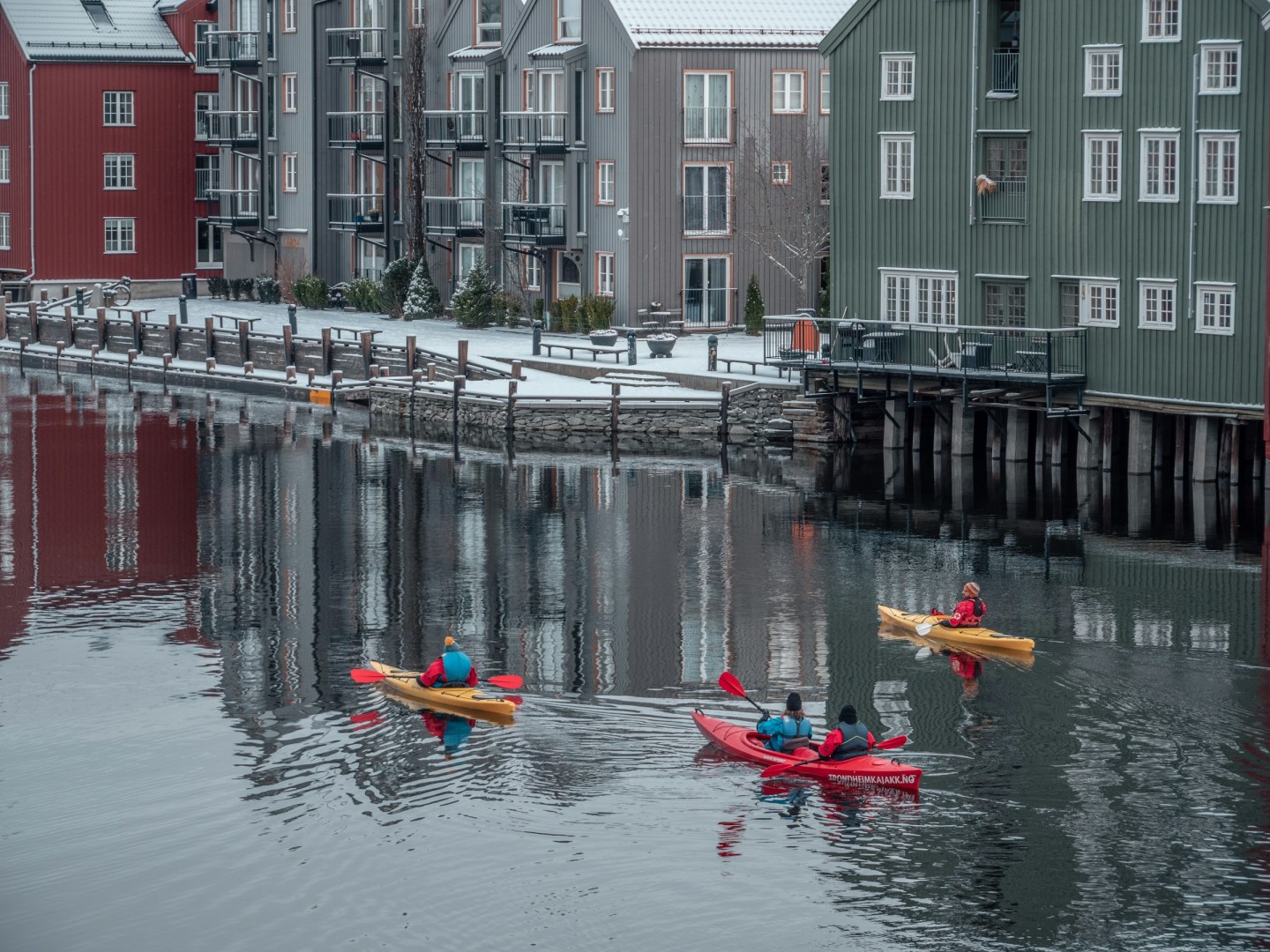
The city's Old Town, known as Bakklandet, enchants with its charming wooden houses and picturesque canals. Stroll across the historic wooden bridges and explore the cobblestone streets that are home to quirky boutiques, cozy cafes, and local art galleries. The area is perfect for leisurely exploration and offers a glimpse into Trondheim’s past while embracing its contemporary culture.
For nature enthusiasts, Trondheim is a gateway to stunning landscapes. Just a short drive from the city, you can hike up to the top of Rønninge Mountain for panoramic views of the fjord and surrounding countryside. In winter, the area transforms into a haven for cross-country skiing and snowshoeing, providing year-round outdoor activities.
Fun fact: Trondheim is home to the world’s northernmost university, the Norwegian University of Science and Technology (NTNU), which adds a youthful and innovative vibe to the city’s atmosphere. The university’s presence contributes to Trondheim’s reputation as a hub for technological advancements and research
The city's Old Town, known as Bakklandet, enchants with its charming wooden houses and picturesque canals. Stroll across the historic wooden bridges and explore the cobblestone streets that are home to quirky boutiques, cozy cafes, and local art galleries. The area is perfect for leisurely exploration and offers a glimpse into Trondheim’s past while embracing its contemporary culture.
For nature enthusiasts, Trondheim is a gateway to stunning landscapes. Just a short drive from the city, you can hike up to the top of Rønninge Mountain for panoramic views of the fjord and surrounding countryside. In winter, the area transforms into a haven for cross-country skiing and snowshoeing, providing year-round outdoor activities.
Fun fact: Trondheim is home to the world’s northernmost university, the Norwegian University of Science and Technology (NTNU), which adds a youthful and innovative vibe to the city’s atmosphere. The university’s presence contributes to Trondheim’s reputation as a hub for technological advancements and research
Other Popular Destinations in Norway

Charming Bergen will sweep you away with its picturesque architecture and breathtaking natural beauty. Nestled between stunningly verdant mountains and the winding fjords of the North Sea, this scenic town will delight you at every turn.

Oslo, Norway’s capital, stands at the crossroads of Nordic history and forward-thinking design. Originally founded over a thousand years ago by Viking King Harald Hardrada, the city has evolved from a medieval trading hub into one of Europe’s most modern capitals. Visitors can explore its layered past at the Akershus Fortress, a 13th-century stronghold still standing guard over Oslofjord, or walk through the preserved wooden homes of Damstredet.
