





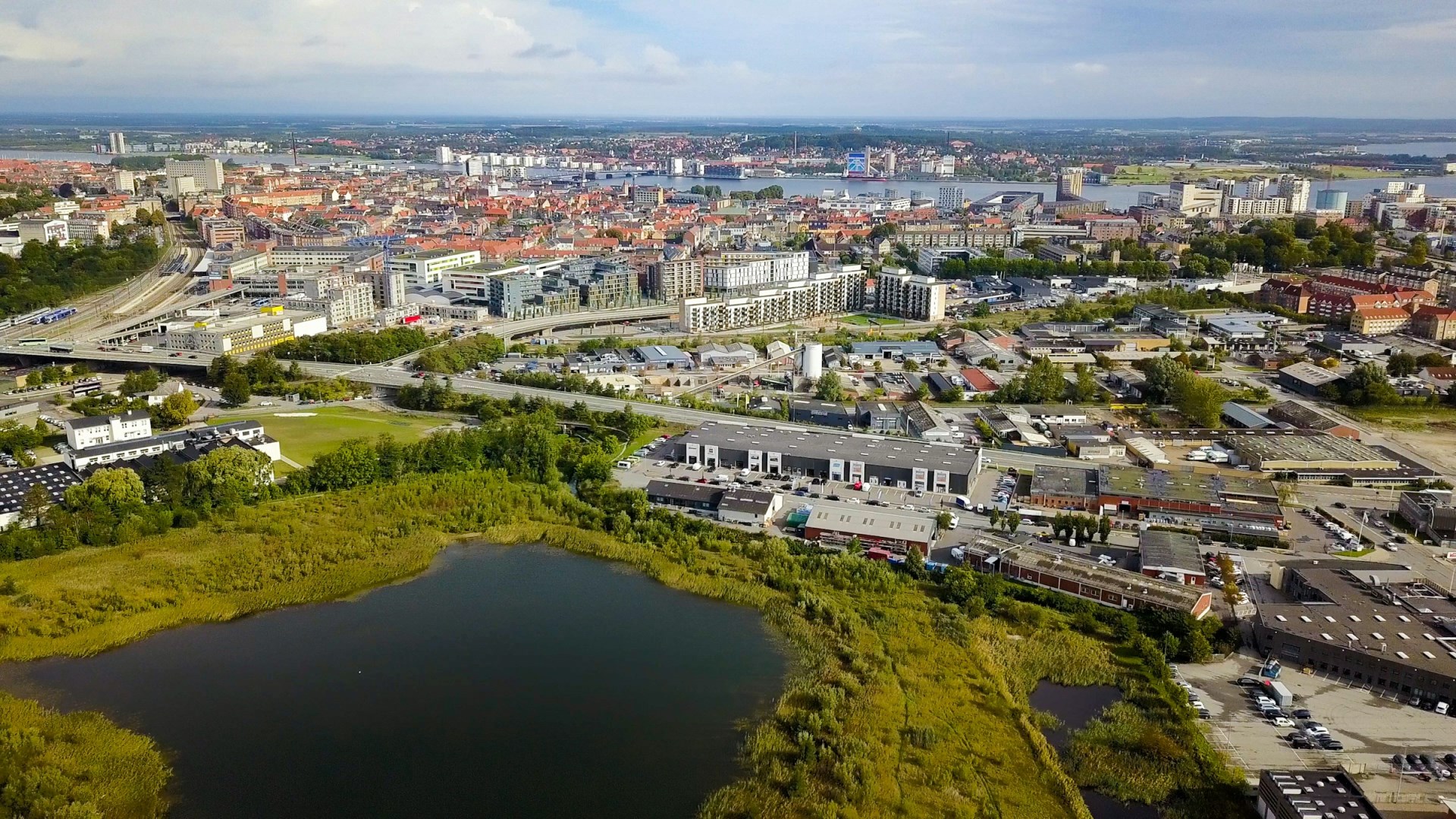
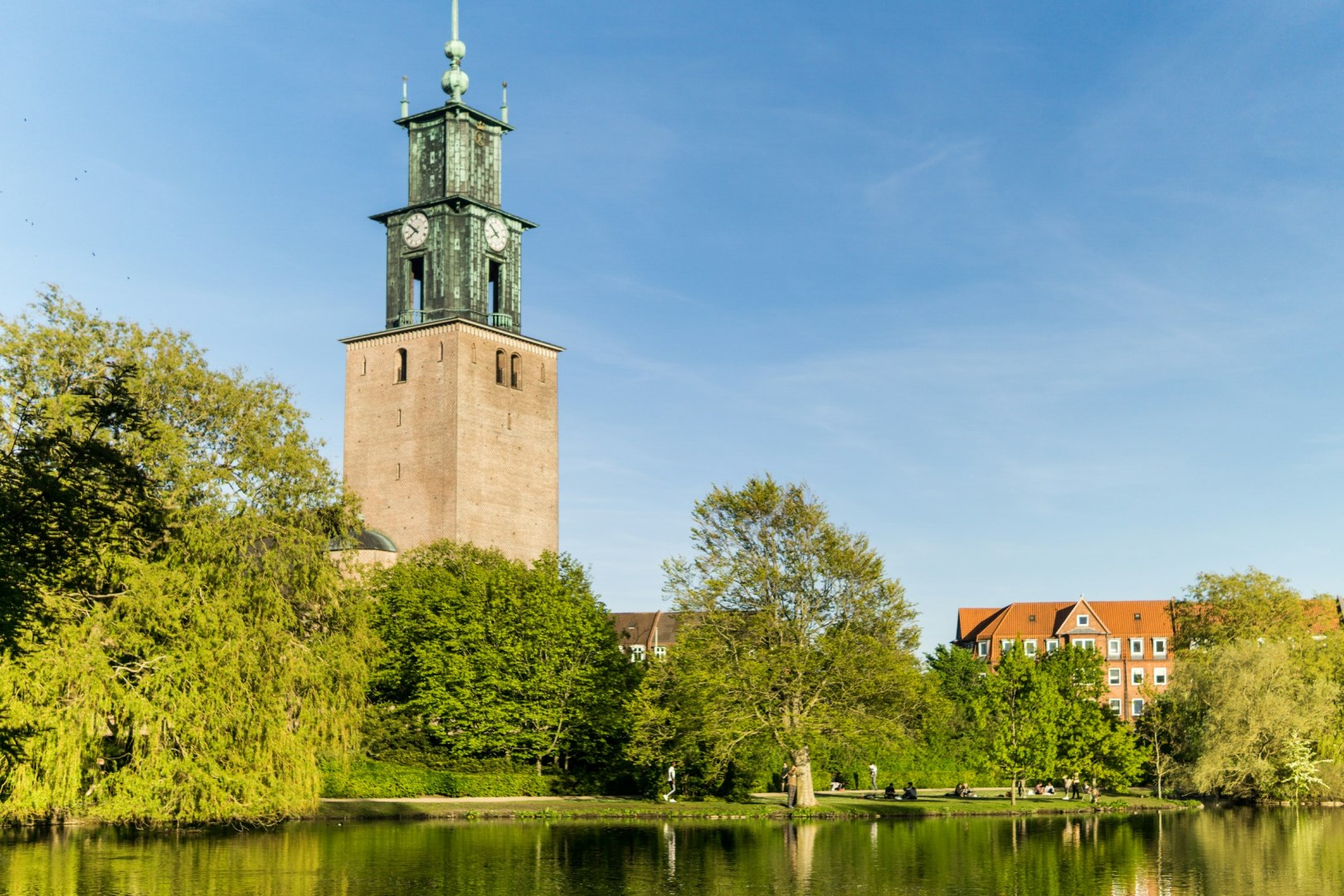
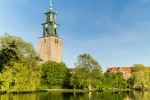
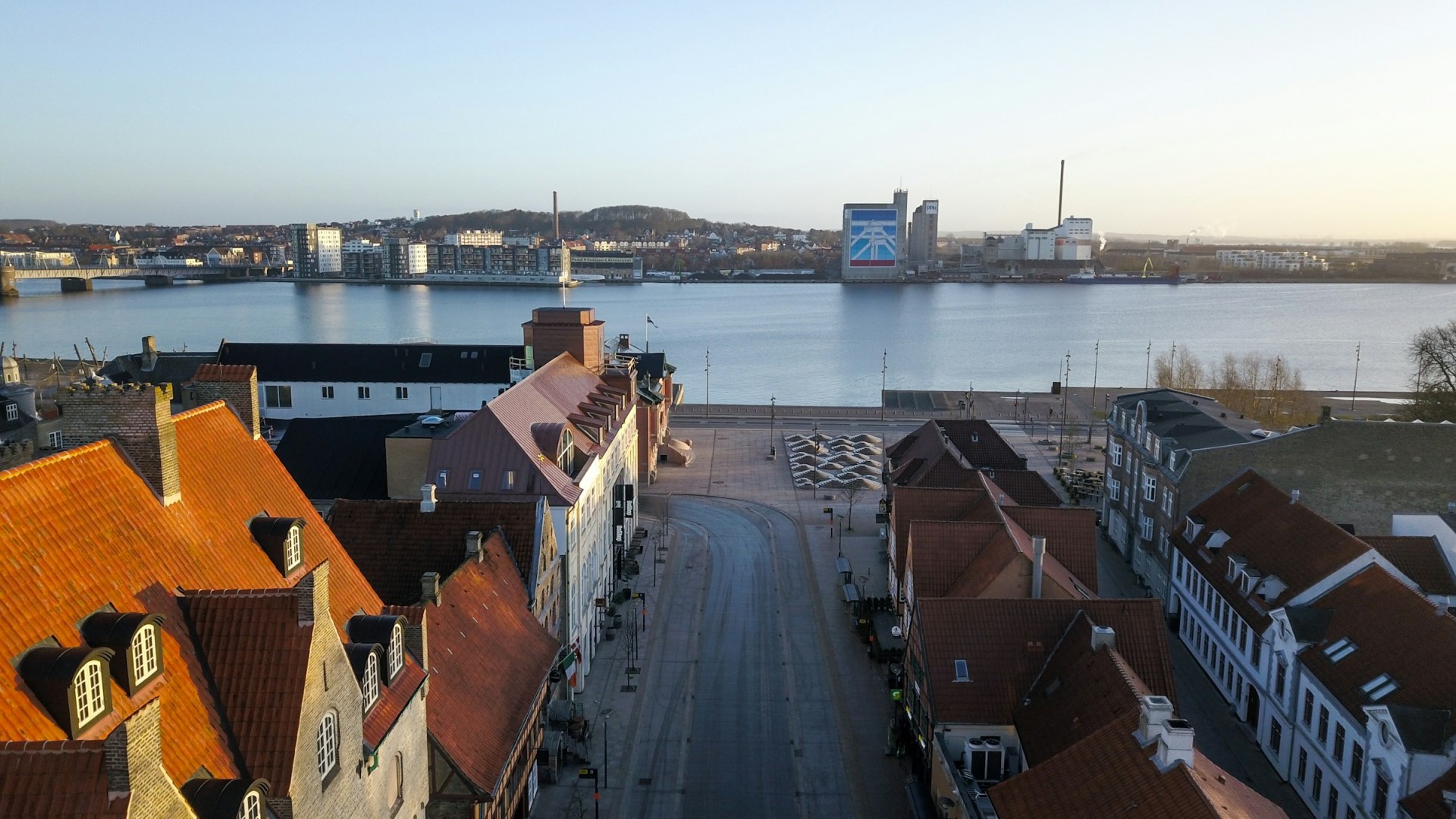
About 1000 years ago, the Vikings founded Aalborg. Trade and wealth set their mark on the city and many of the old buildings from that time have been preserved as central elements in the city picture.
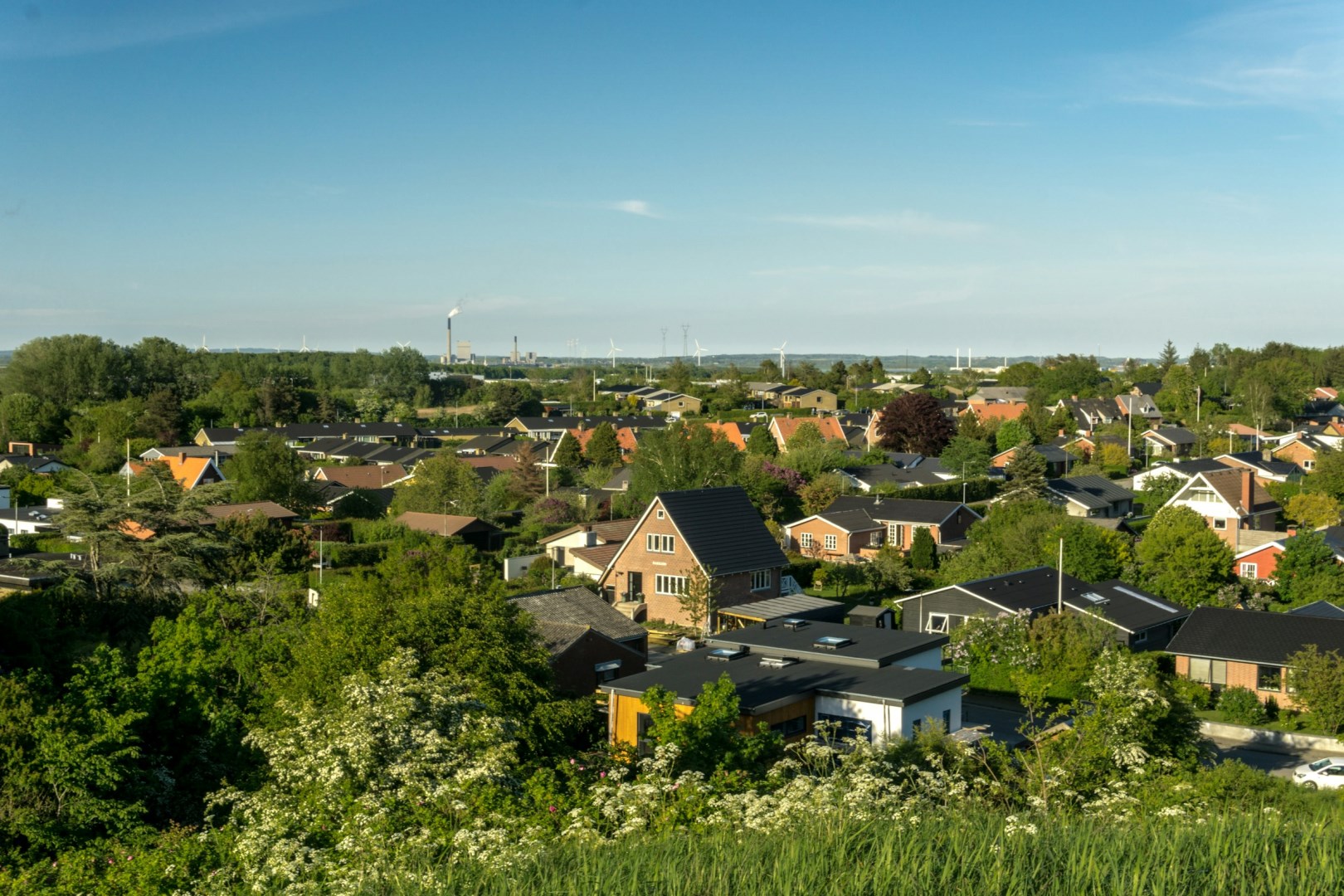
Today, Aalborg is the fourth largest city in Denmark and constitutes a natural center for the North Jutland region. In addition Aalborg is Denmark's largest conference center, outside Copenhagen. Aalborg has many cultural attractions which appeal to a wide variety of tastes; a varied night-life and more than 300 restaurants, bars and clubs, as well as the only casino in the region. The city is full of activity and it is known for its good shopping facilities, including a charming pedestrian area.
Fringe the coast line just a few miles outside the city. Within the region, you will also find Rebild Park the site of the largest 4th of July festivities celebrated outside of the US. Visitors also enjoy exploring the many century old castles and manor houses that dot the region.
Other Popular Destinations in Denmark

Charming Copenhagen is the jewel of Denmark and a delightful stop for any traveler. Well-known as an eco-friendly haven for sustainable and green living, Copenhagen has embraced its status as the best “bike city” on earth and promoted the use of bicycles by locals and tourists.

Skagen, Denmark, is a picturesque coastal town where the North Sea meets the Baltic Sea, offering visitors a unique natural experience unlike any other. Known for its stunning light, which has attracted artists for centuries, Skagen is a place where art, nature, and history converge in perfect harmony.
