The Cabot Trail loops around northern Cape Breton Island, Nova Scotia, tracing cliffs, highlands, and forests for roughly 298 km. Named for the explorer John Cabot, the region’s deeper story belongs to the Mi’kmaq people, whose presence predates European settlement.
The Rhine Valley offers a unique blend of historic landmarks, cultural traditions, and natural splendor. Whether exploring ancient castles, savoring local wines, or simply cruising along the river, visitors will find endless opportunities to create lasting memories in this enchanting region.
Nestled in the stunning landscape of Eysturoy in the Faroe Islands, Gjógv is a picturesque village that feels like a scene straight out of a fairy tale. Known for its dramatic cliffs and tranquil surroundings, Gjógv is named after the natural gorge that cuts into its coastline. The gorge, stretching 200 meters inland, serves as a natural harbor and has long been a lifeline for the village's fishing industry.
Boulder, a beautiful 2,500 foot high oasis of green lawns and clean trees-shaded streets where the sun shines over 320 days a year, overlooks the Lake Mead National Recreation Area. Recognized as truly a family oriented and community minded city, one only has to visit for a short time to confirm this reputation.
Ascension island, British dependency of St. Helena, in the South Atlantic Ocean, about midway between Africa and South America and 700 miles northwest of St. Helena. The small, volcanic island was sighted by the Portuguese in 1501, but it was uninhabited until the exile of Napoleon to St. Helena in 1815.
Photo Credit: Photo by Mitchell Ng Liang an on Unsplash
Photo Credit: Photo by Navdeep Singh Panwar on Unsplash
Photo Credit: Photo by Ahmad mansuri alkindii on Unsplash
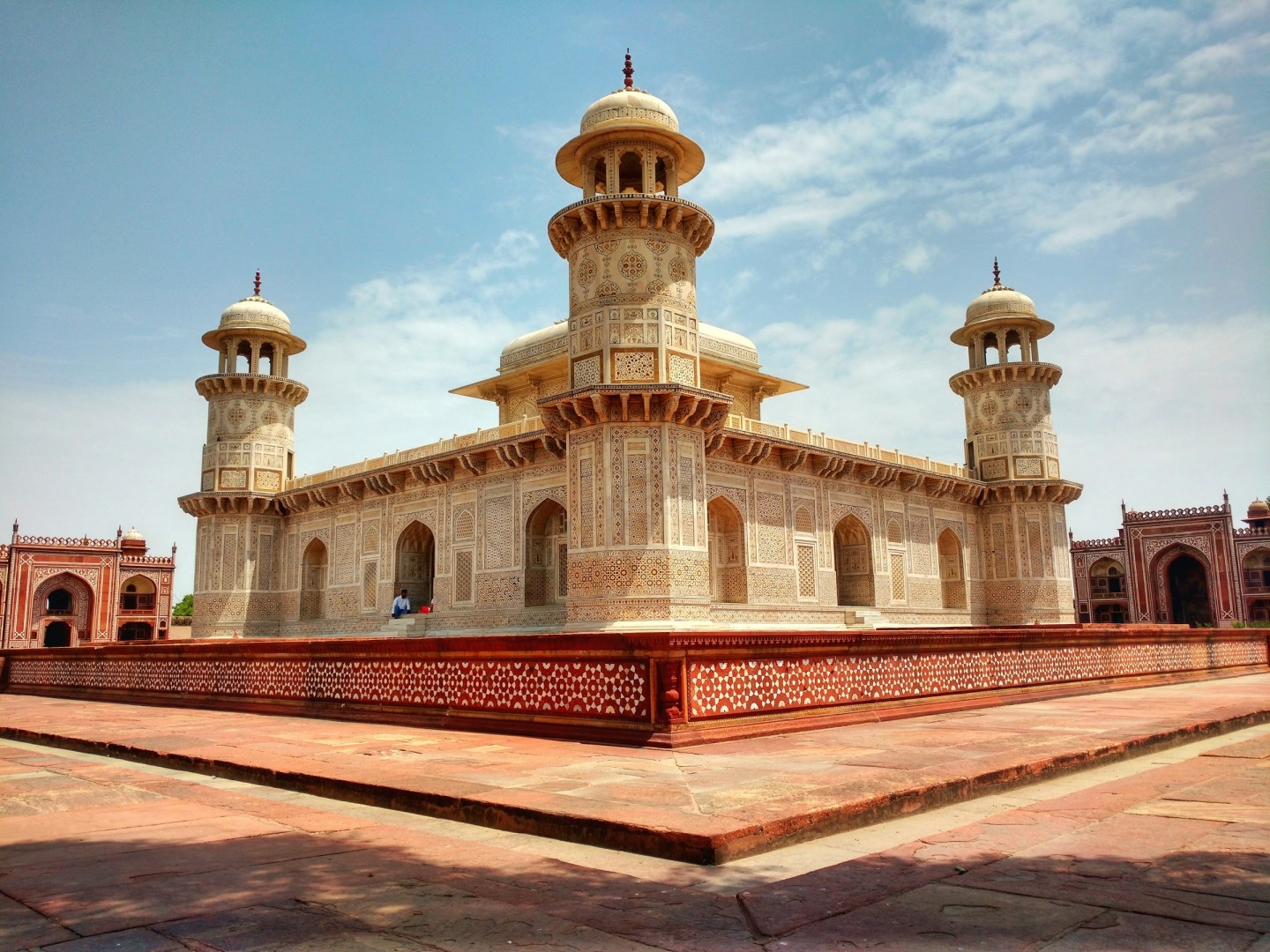
Tomb of I'timād-ud-Daulah
Photo Credit: Photo by Shreshth Gupta on Unsplash
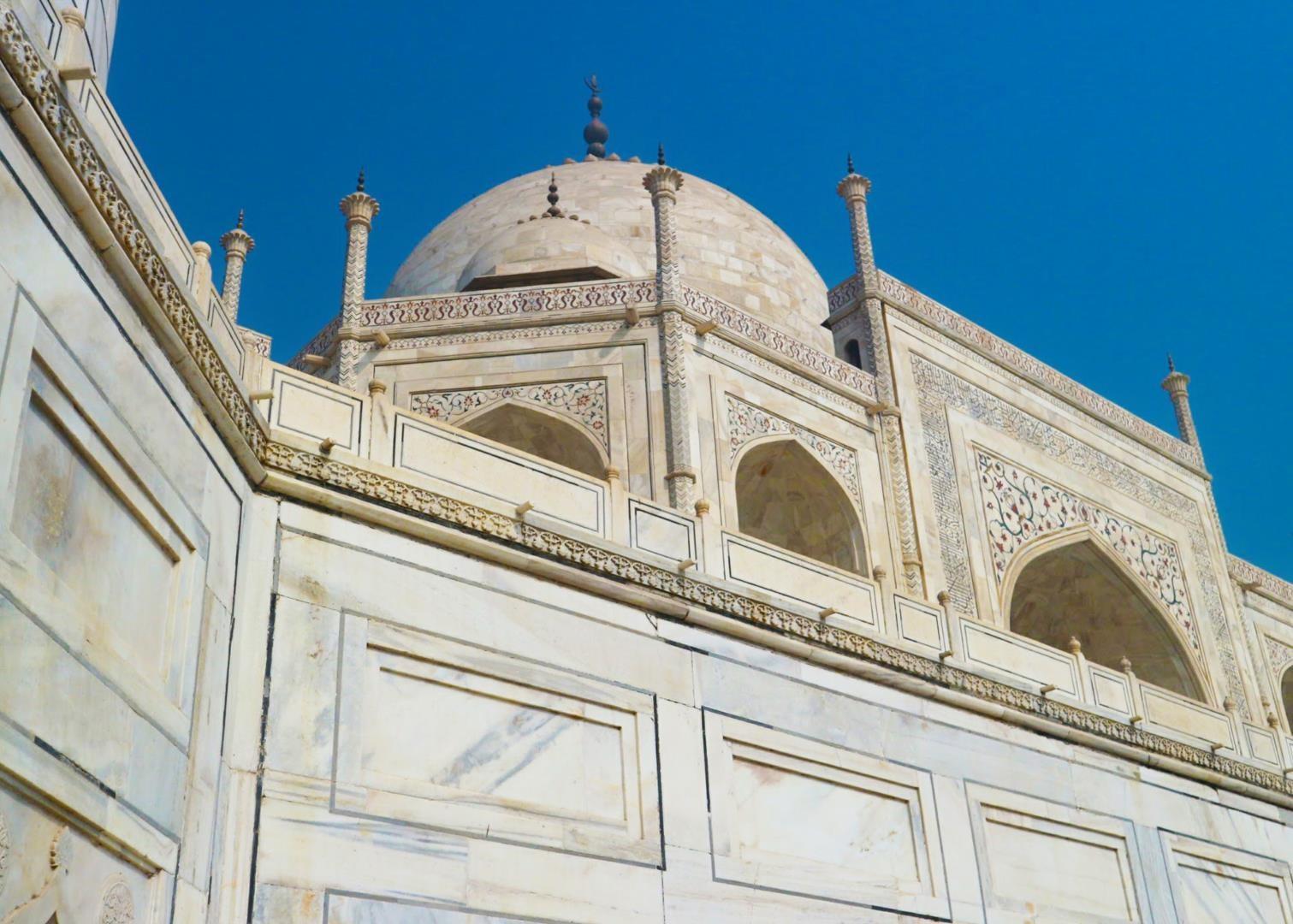
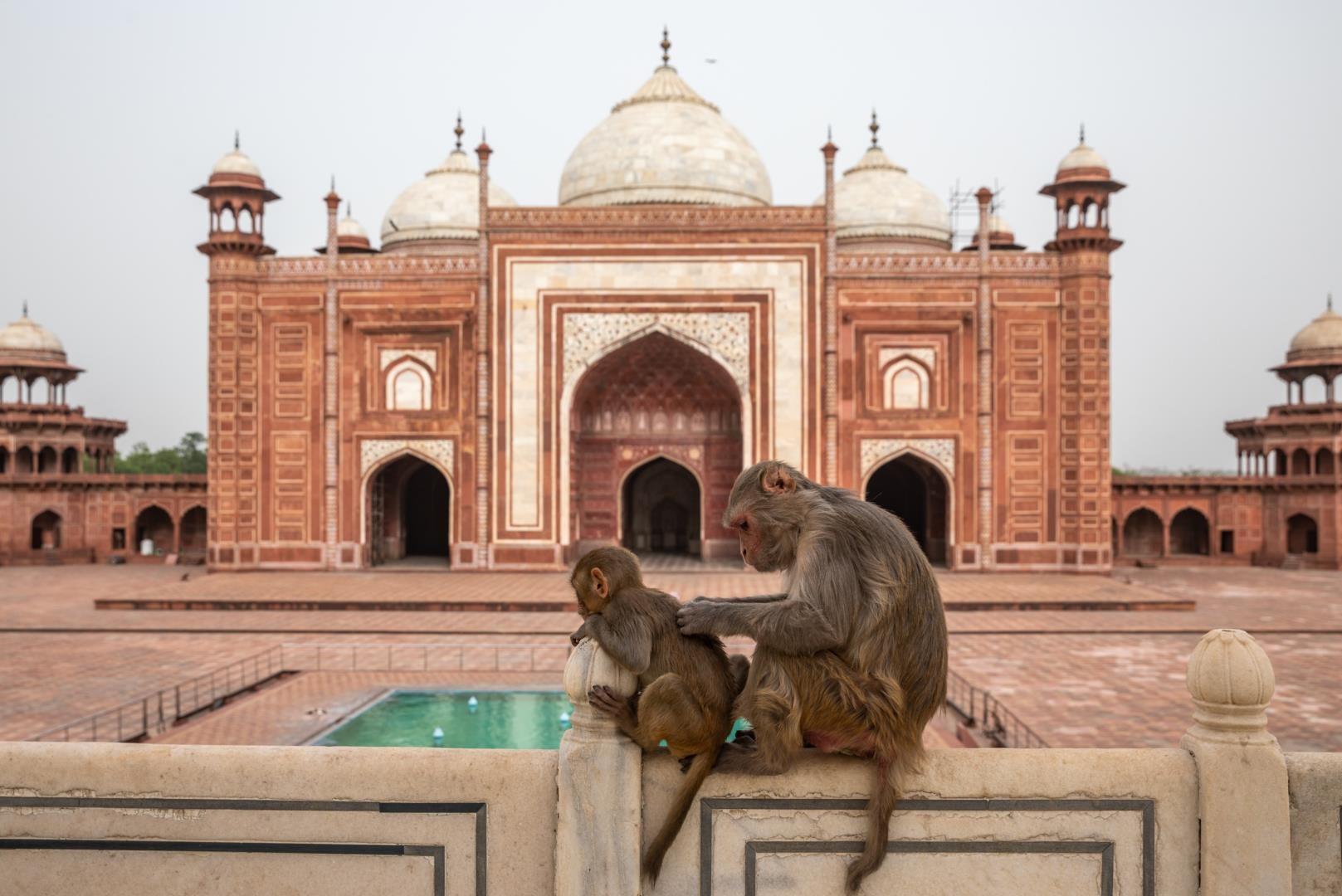
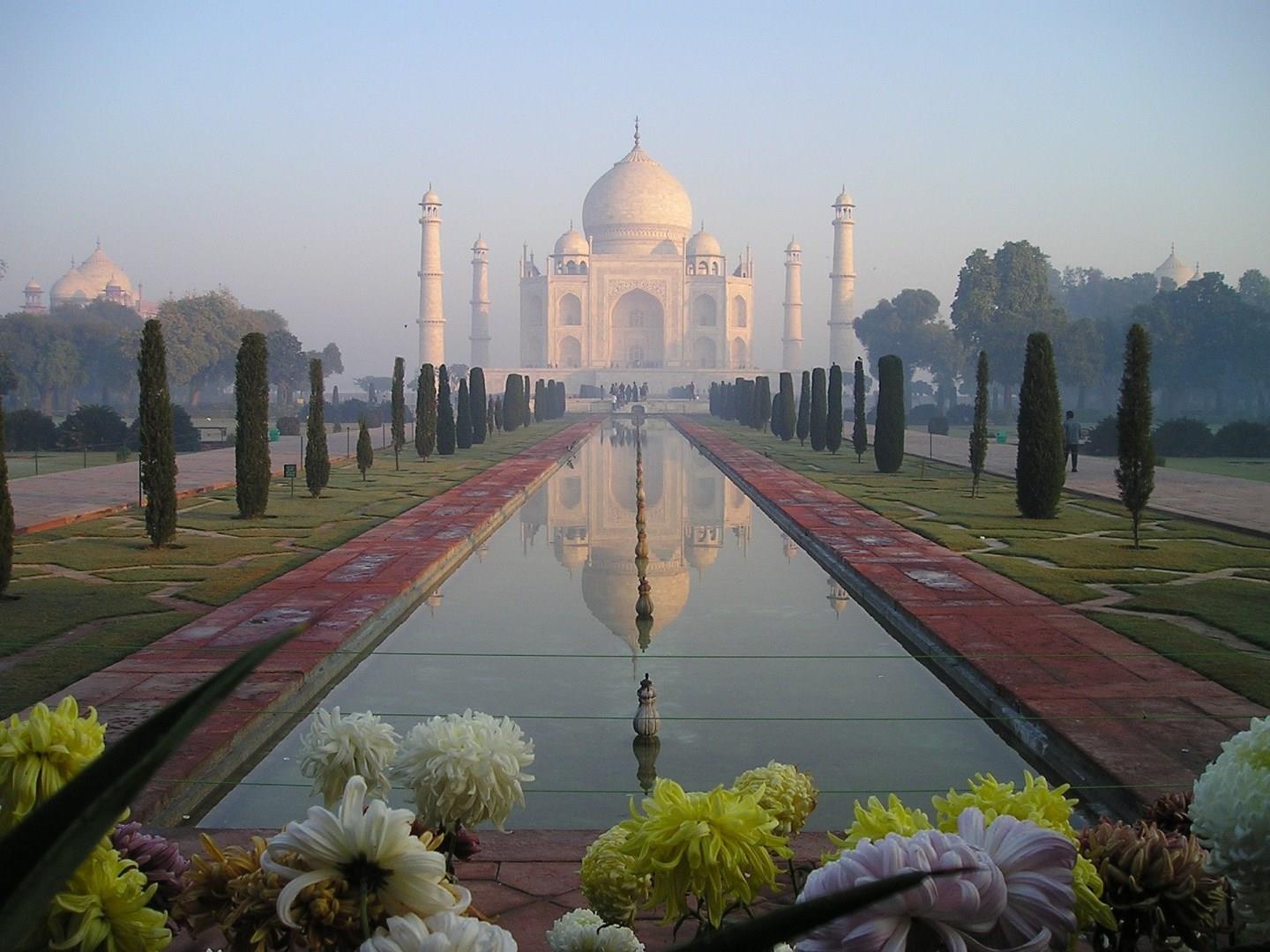
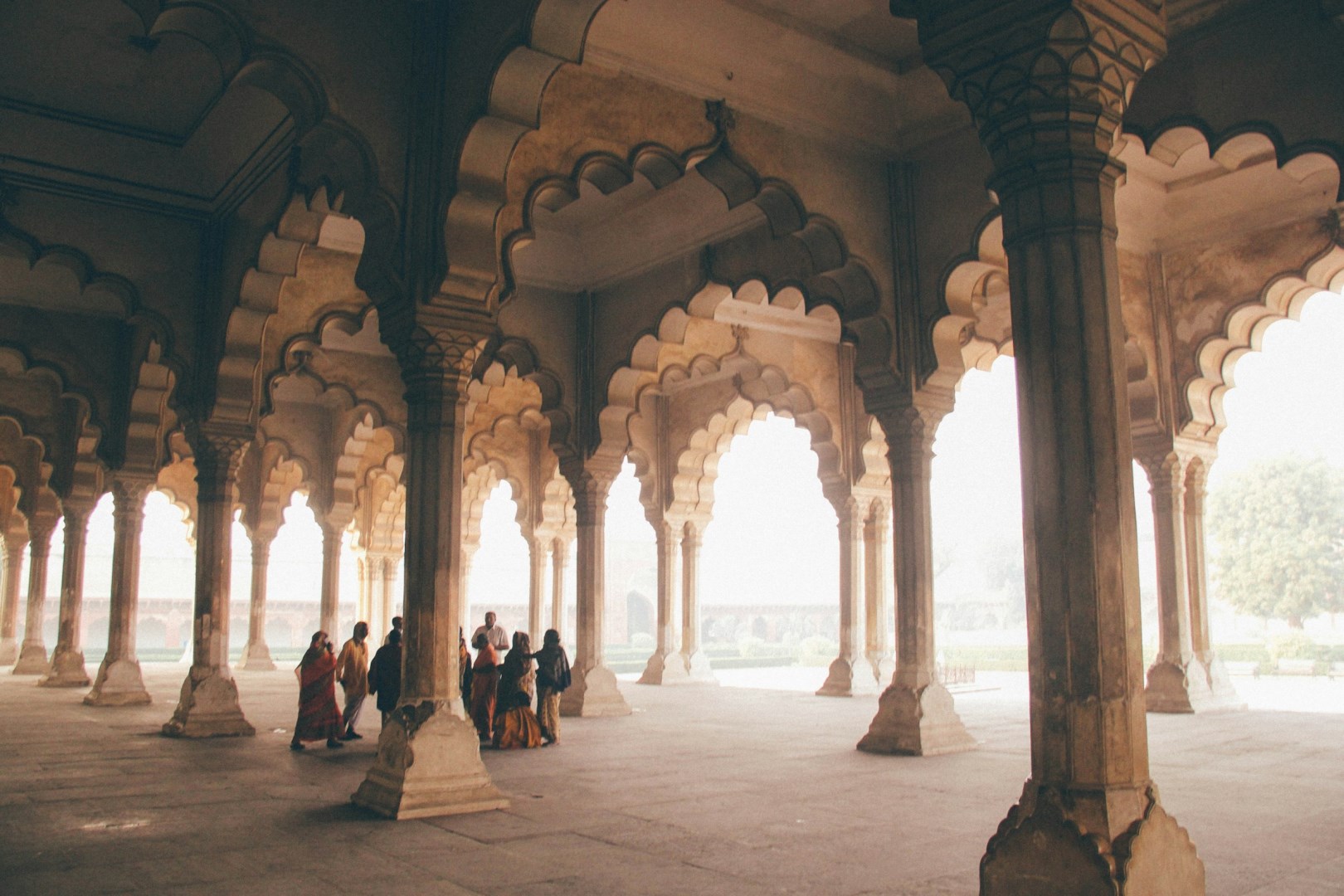
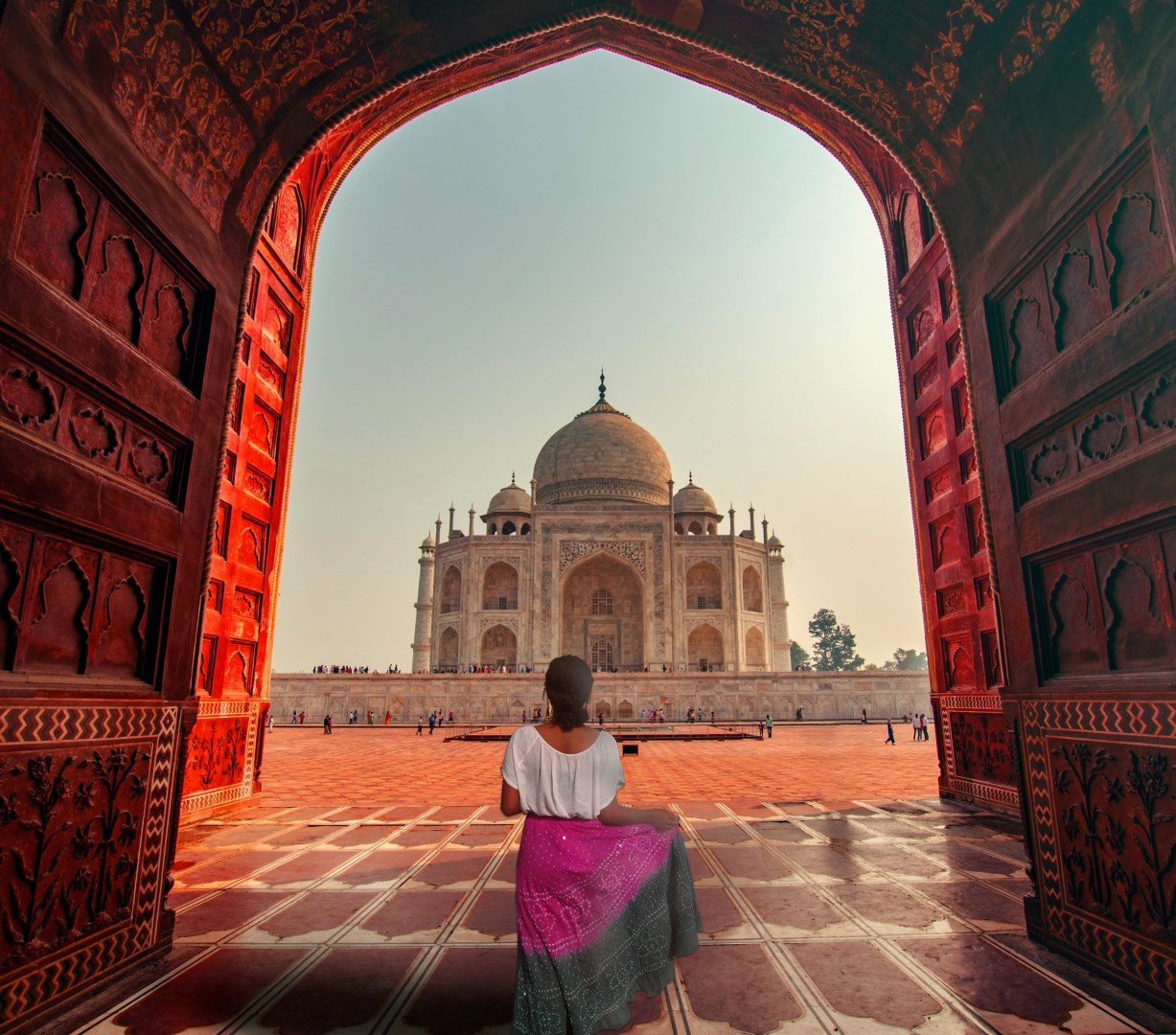
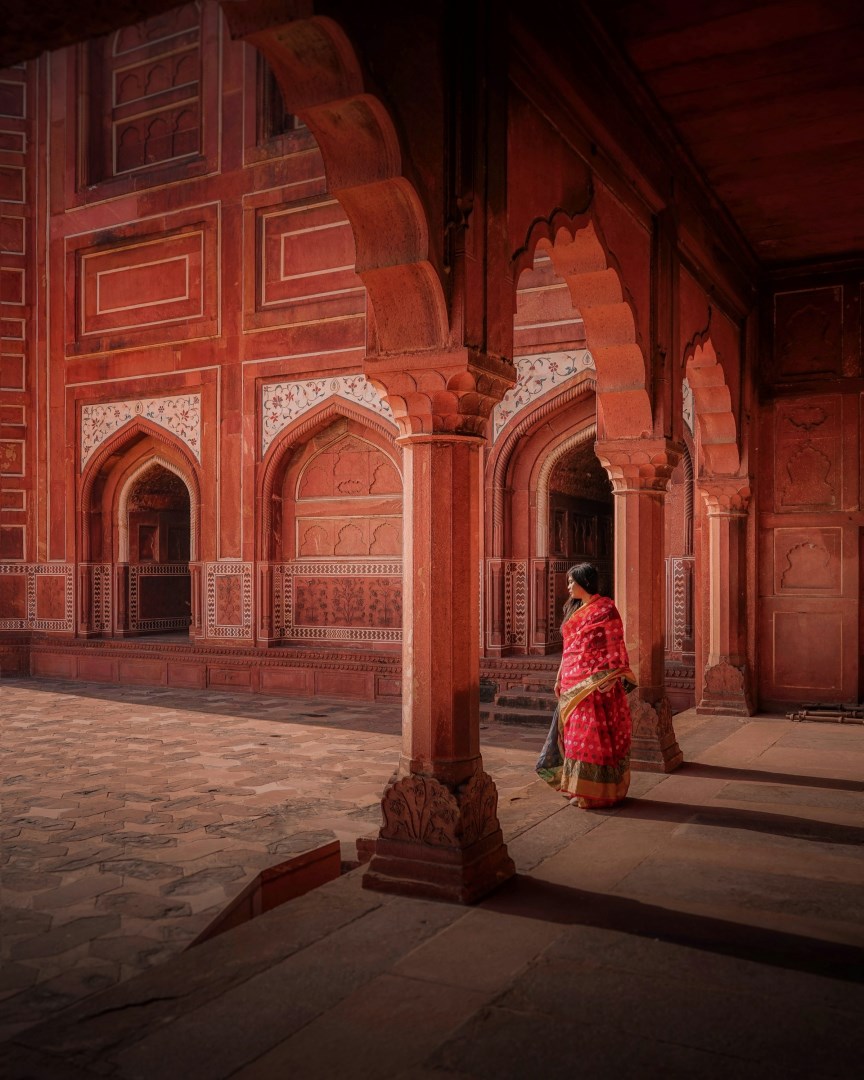
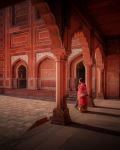
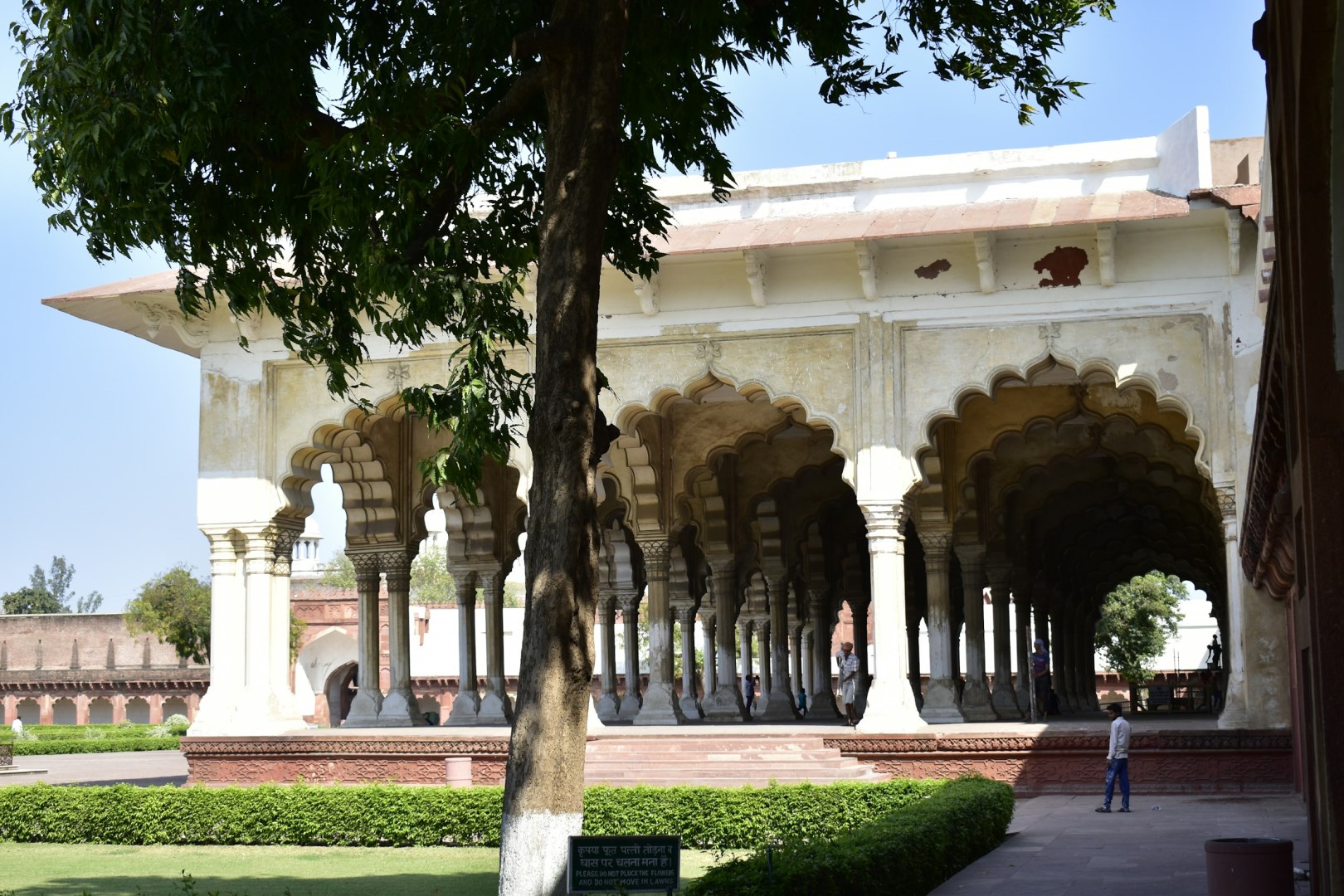
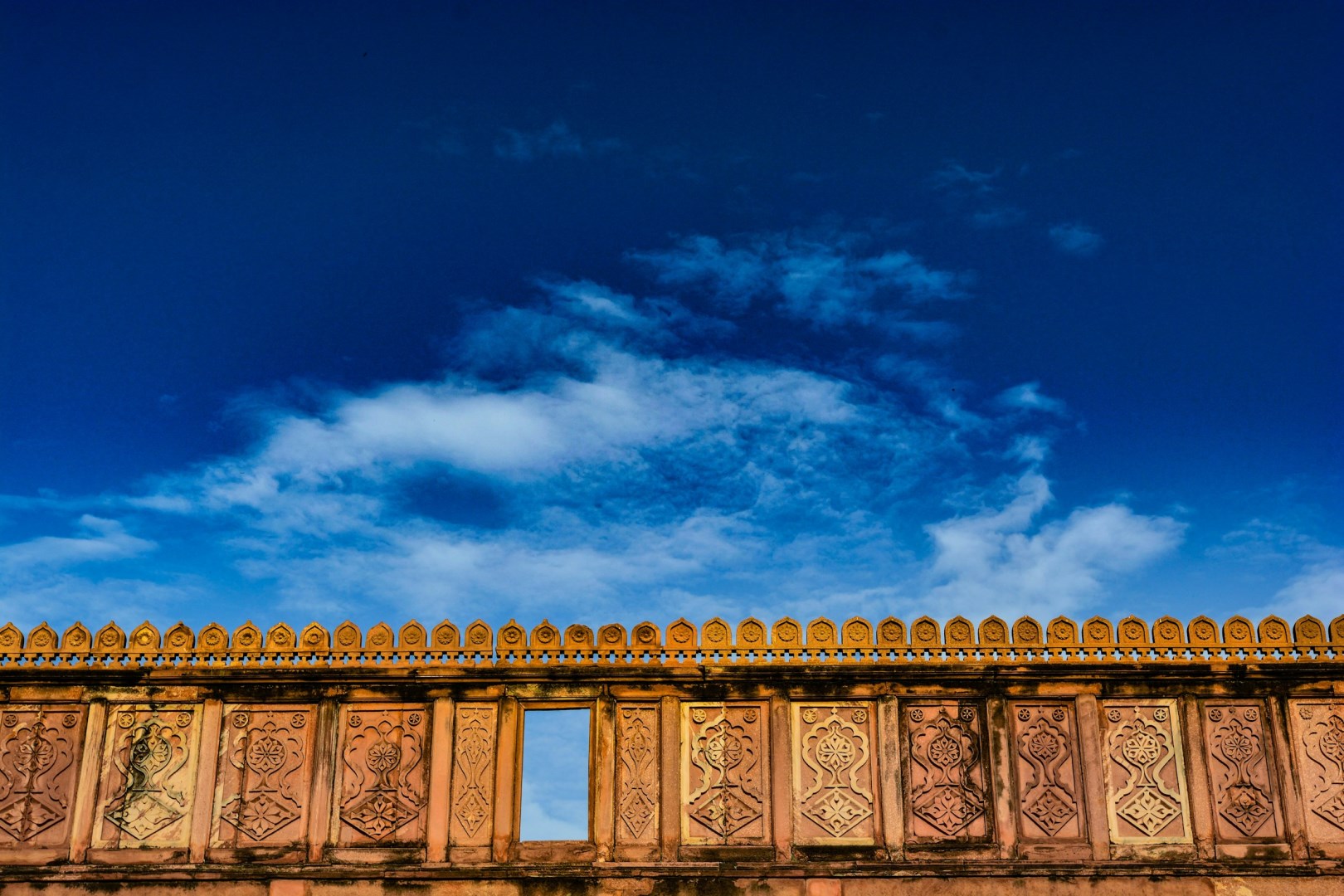
Once the capital of the Mughal Empire, Agra, India is now a cultural capital replete with famous landmarks and striking architecture. Located on the winding banks of the Yamuna River, Agra sits in India’s most populous state, Uttar Pradesh. The city’s most prominent draw is the magnificent Taj Mahal, the iconic white marble mausoleum and a UNESCO World Heritage Site visited by millions of people each year. Built in the 17th century by Emperor Shaj Jahan, the Taj Mahal is a grand testament to the stunning beauty of the Mughal Empire’s Indo-Islamic architecture. Decorated with intricate design, calligraphy, and precious stones, the mausoleum's surroundings include a verdant garden and glittering reflective pool. Agra's other notable sites include Agra Fort and Delhi Gate (both made of striking red sandstone), the Shish Mahal (also known as Glass Palace), Itmad-ud-Daula (affectionately called the “Baby Taj Mahal”), and Aram Bagh (beautiful Persian-style gardens). Agra is a must-see destination for any trip to India!