

























Lanzarote, the northernmost of the Canary Islands, is a striking destination characterized by its volcanic landscapes and unique architectural heritage. Known for its otherworldly scenery, the island boasts a remarkable volcanic terrain shaped by eruptions in the 18th and 19th centuries. The Timanfaya National Park is a highlight, where visitors can witness geothermal demonstrations and explore the dramatic lava fields on a guided tour.
Charlottetown, the charming capital of Prince Edward Island, is where history and modernity blend seamlessly. Often called the "Birthplace of Confederation," this picturesque city holds a special place in Canadian history as the site of the 1864 Charlottetown Conference, which paved the way for the creation of Canada.
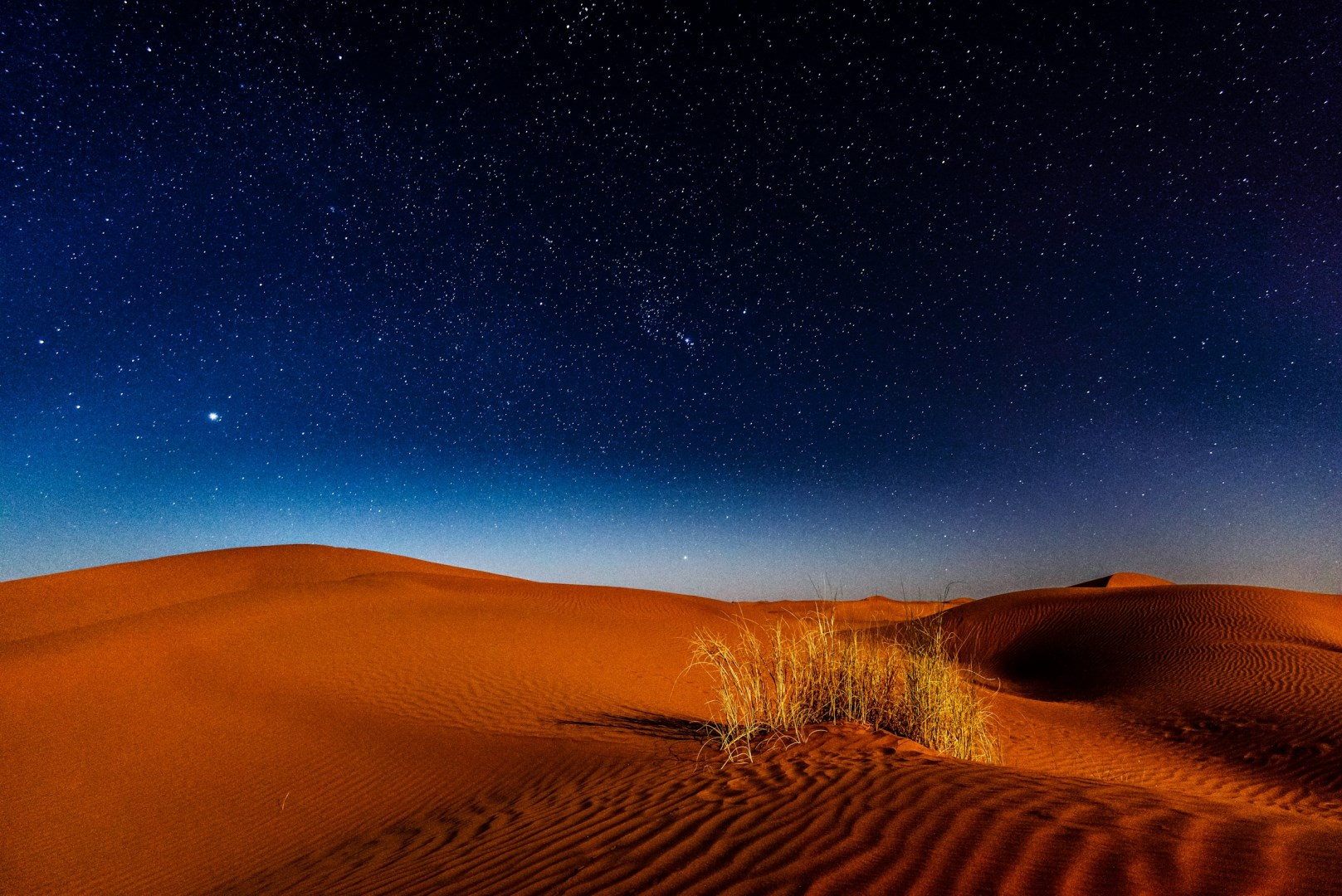
Western Sahara, (formerly Spanish Sahara), northwestern Africa, former overseas province of Spain partitioned in 1976 between Mauritania and Morocco, and since 1979, occupied entirely by Morocco.
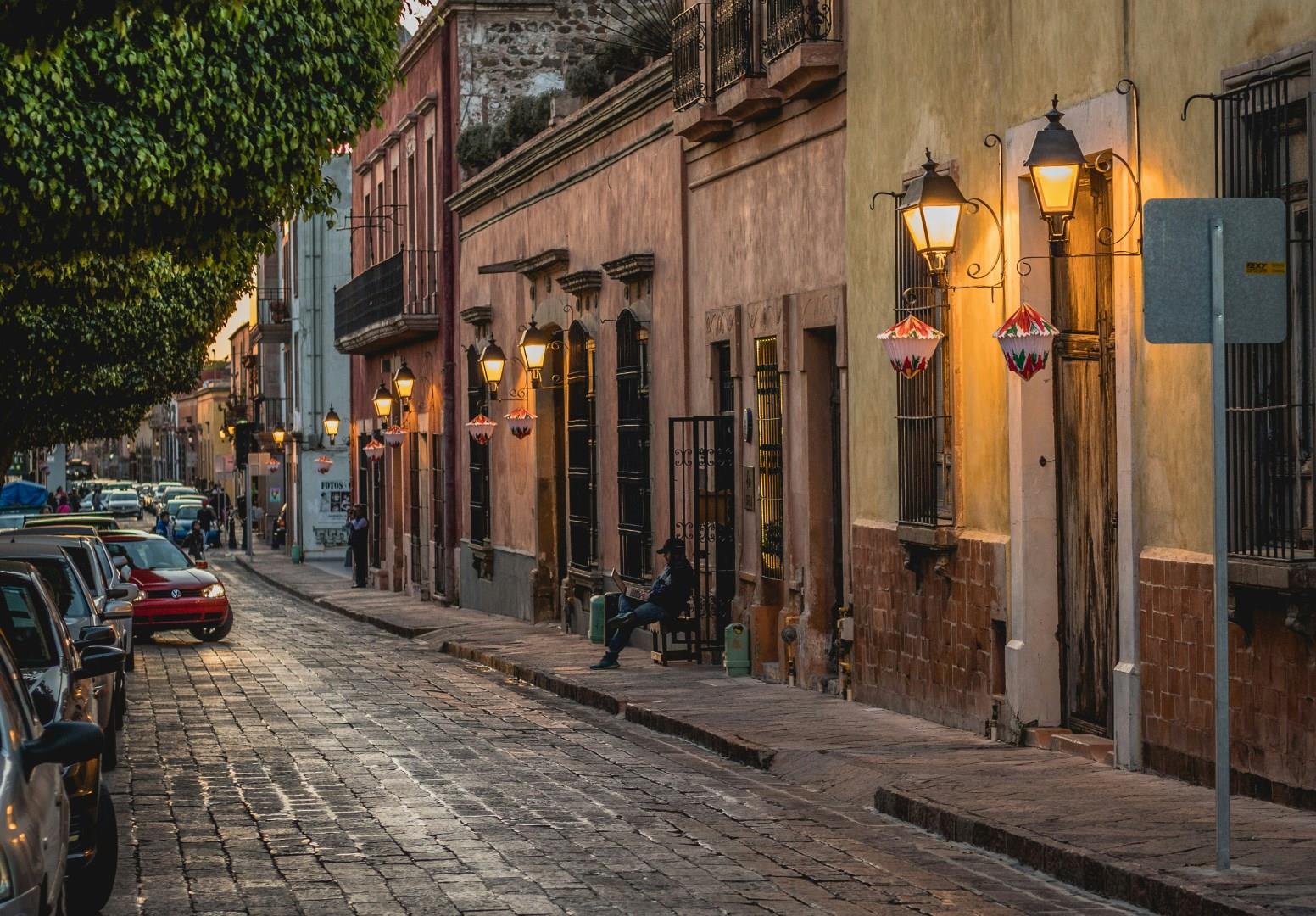
Querétaro, located in the heart of central Mexico, is a city where centuries of history are still visible in daily life. Its historic center, a UNESCO World Heritage Site, features narrow streets, elegant plazas, and baroque churches that reflect its colonial past. One of the city’s most iconic landmarks is the massive aqueduct, built in the 18th century with 74 stone arches stretching nearly a mile across the landscape.
Silistra, a charming city located on the southern bank of the lower Danube River in Bulgaria, is a hidden gem that seamlessly blends ancient history with natural beauty. Founded by the Romans as Durostorum, Silistra is one of Bulgaria’s oldest cities, offering a wealth of historical sites that transport visitors back to the Roman Empire. The Silistra Roman Tomb, with its well-preserved frescoes, stands as a testament to the city’s rich past and is a must-visit for history enthusiasts.
Mostar, a picturesque city in Bosnia and Herzegovina, offers a captivating blend of history, culture, and natural beauty. Renowned for its iconic Stari Most (Old Bridge), this 16th-century Ottoman structure arches gracefully over the Neretva River, symbolizing the city’s historical role as a bridge between East and West.
Photo Credit: Photo by Cosmic Timetraveler on Unsplash
Photo Credit: Photo by Carlos Delgado on Unsplash
Photo Credit: Photo by Florence Jones on Unsplash
Photo Credit: Photo by Megan Bucknall on Unsplash
Photo Credit: Photo by Tomek Baginski on Unsplash
Photo Credit: Photo by Megan Bucknall on Unsplash
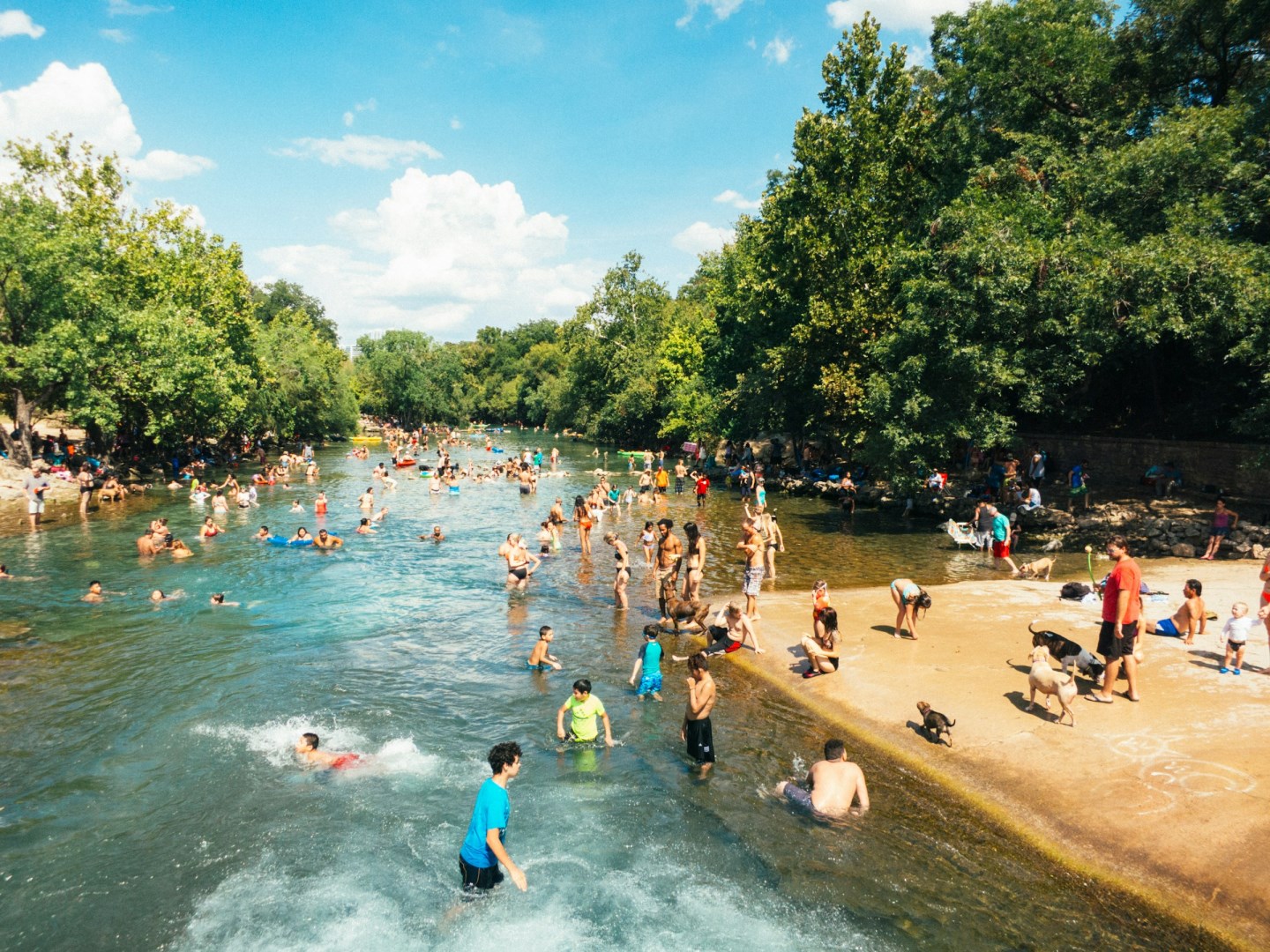
Barton Springs Municipal Pool
Photo Credit: Photo by Tomek Baginski on Unsplash
Photo Credit: Photo by George Pagan III on Unsplash
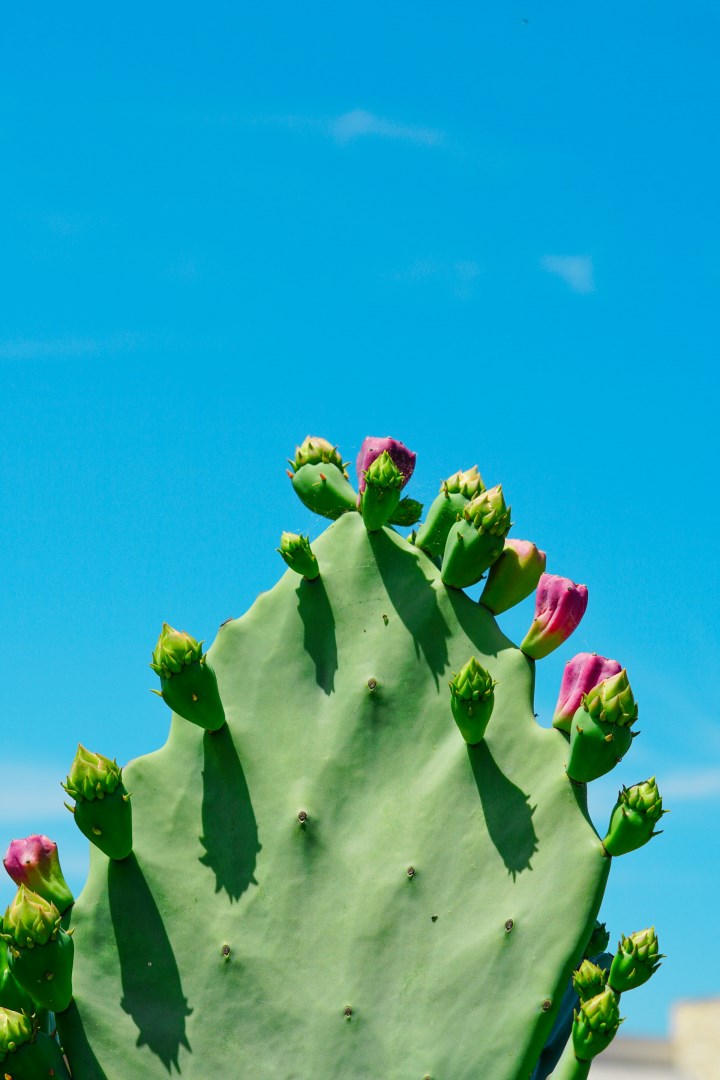
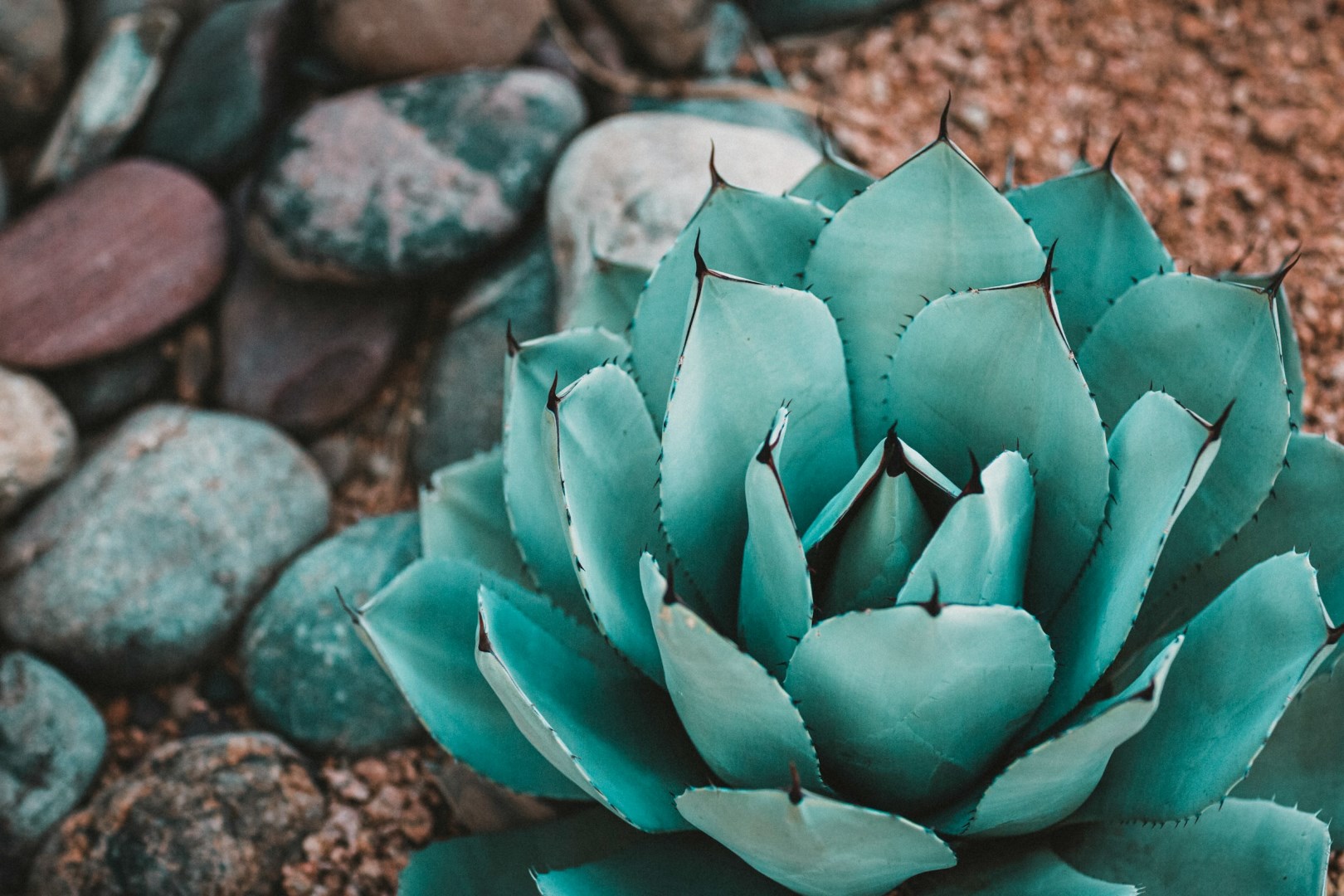
Prickly Pear Cactus
Photo Credit: Photo by Lisa Muñoz-Johnston on Unsplash
Photo Credit: Photo by Gabriel Tovar on Unsplash
Photo Credit: Photo by Megan Bucknall on Unsplash
Photo Credit: Photo by Christin Hume on Unsplash
Photo Credit: Photo by Roberta Guillen on Unsplash
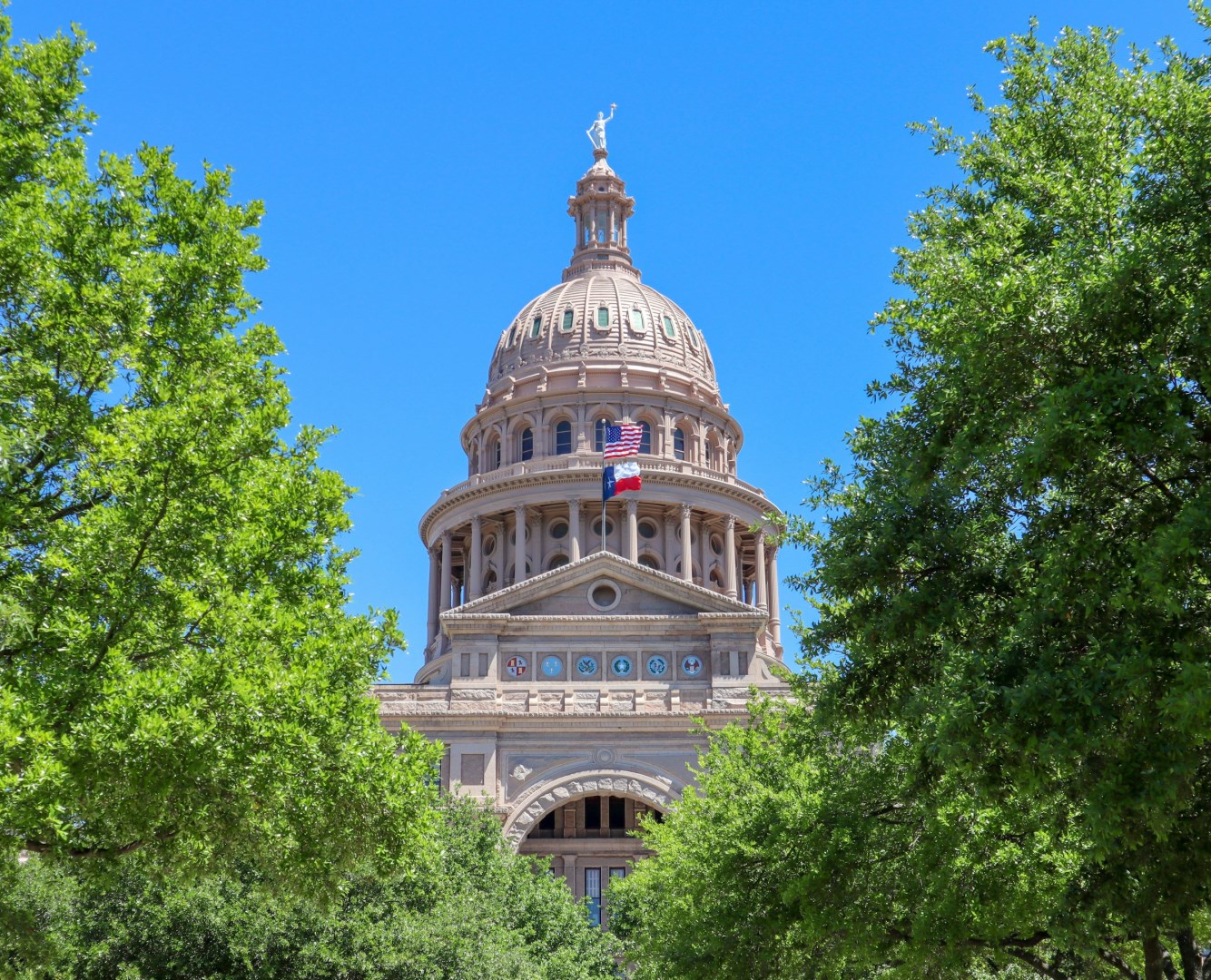
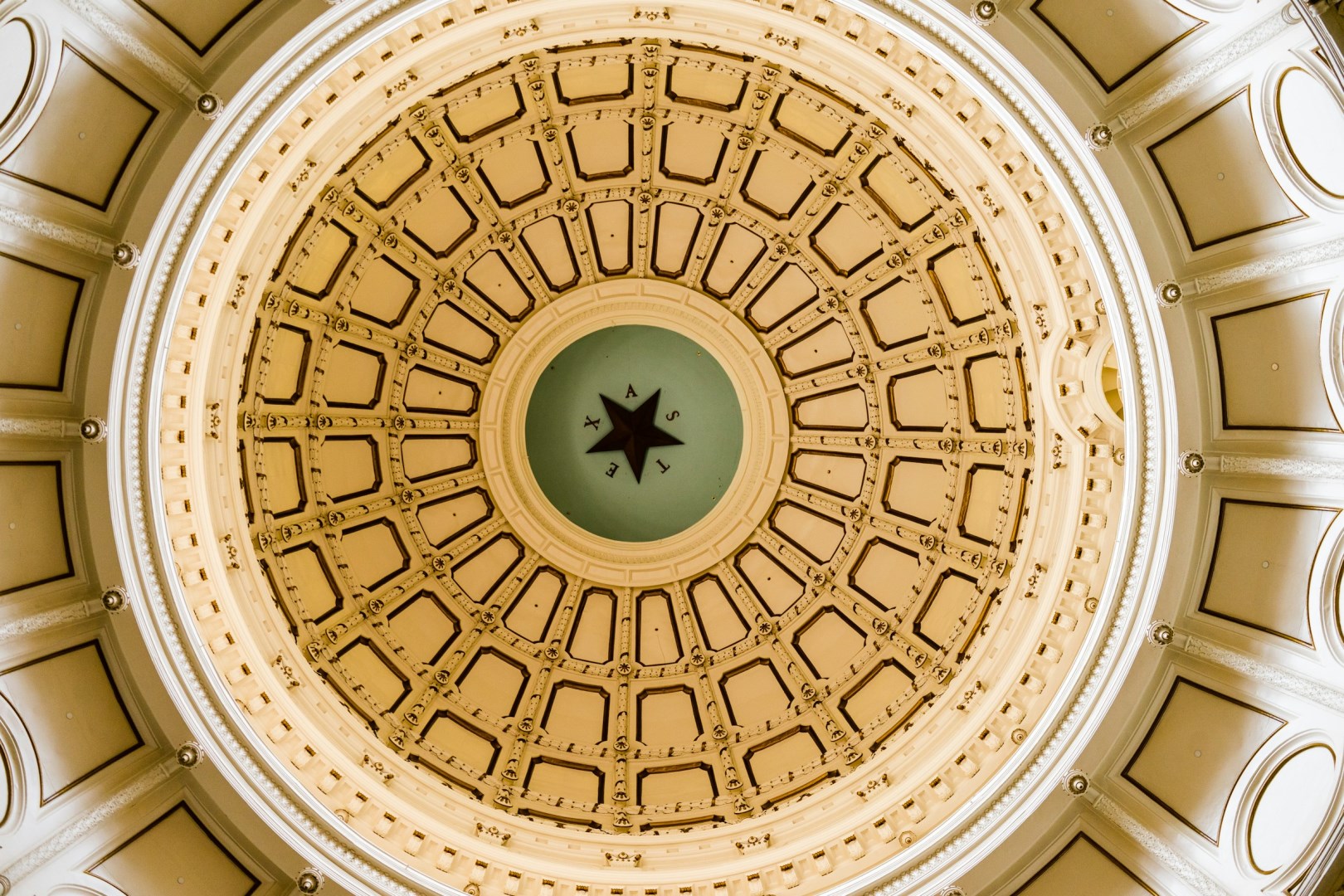
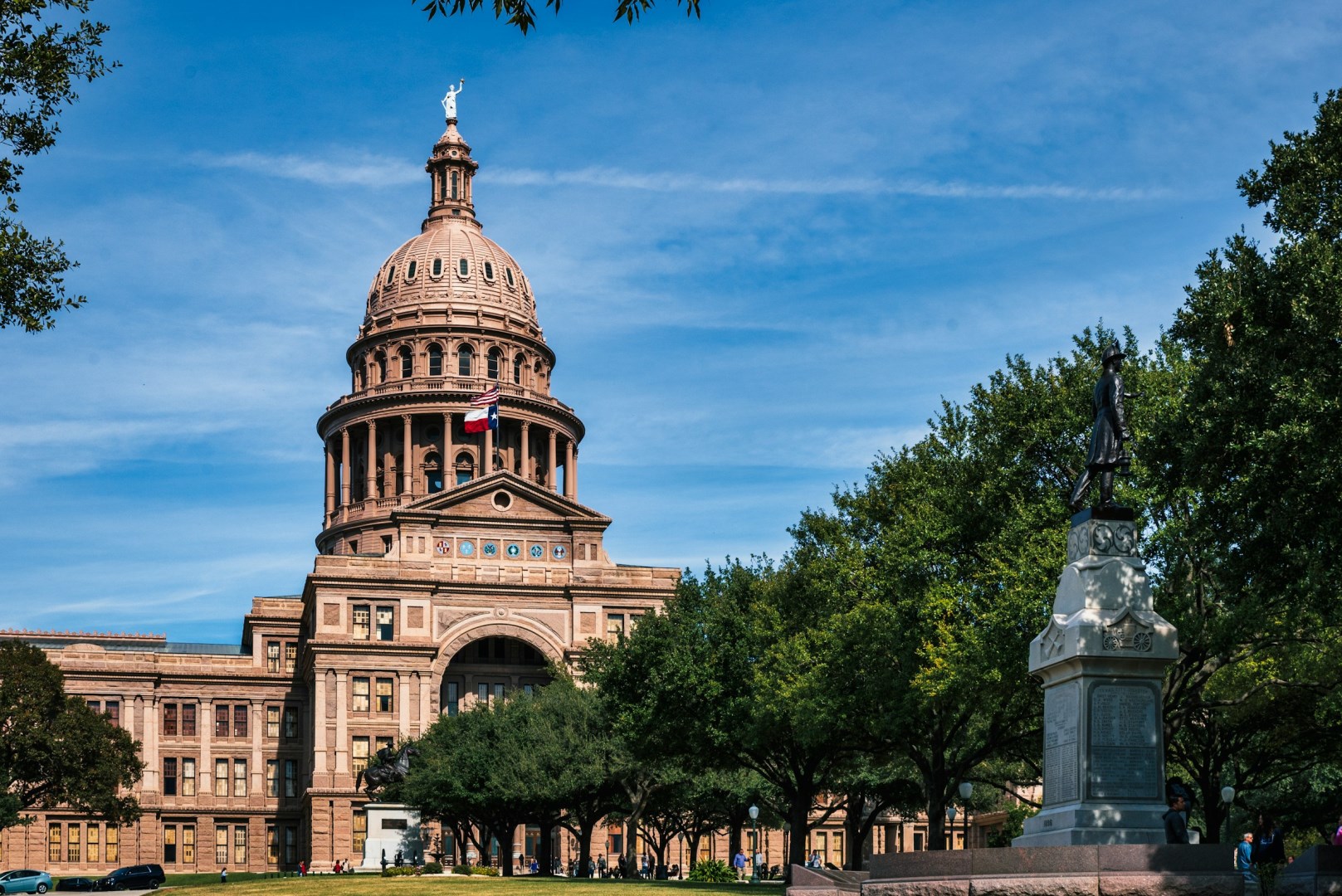
The Texas State Capitol
Photo Credit: Photo by Clark Van Der Beken on Unsplash
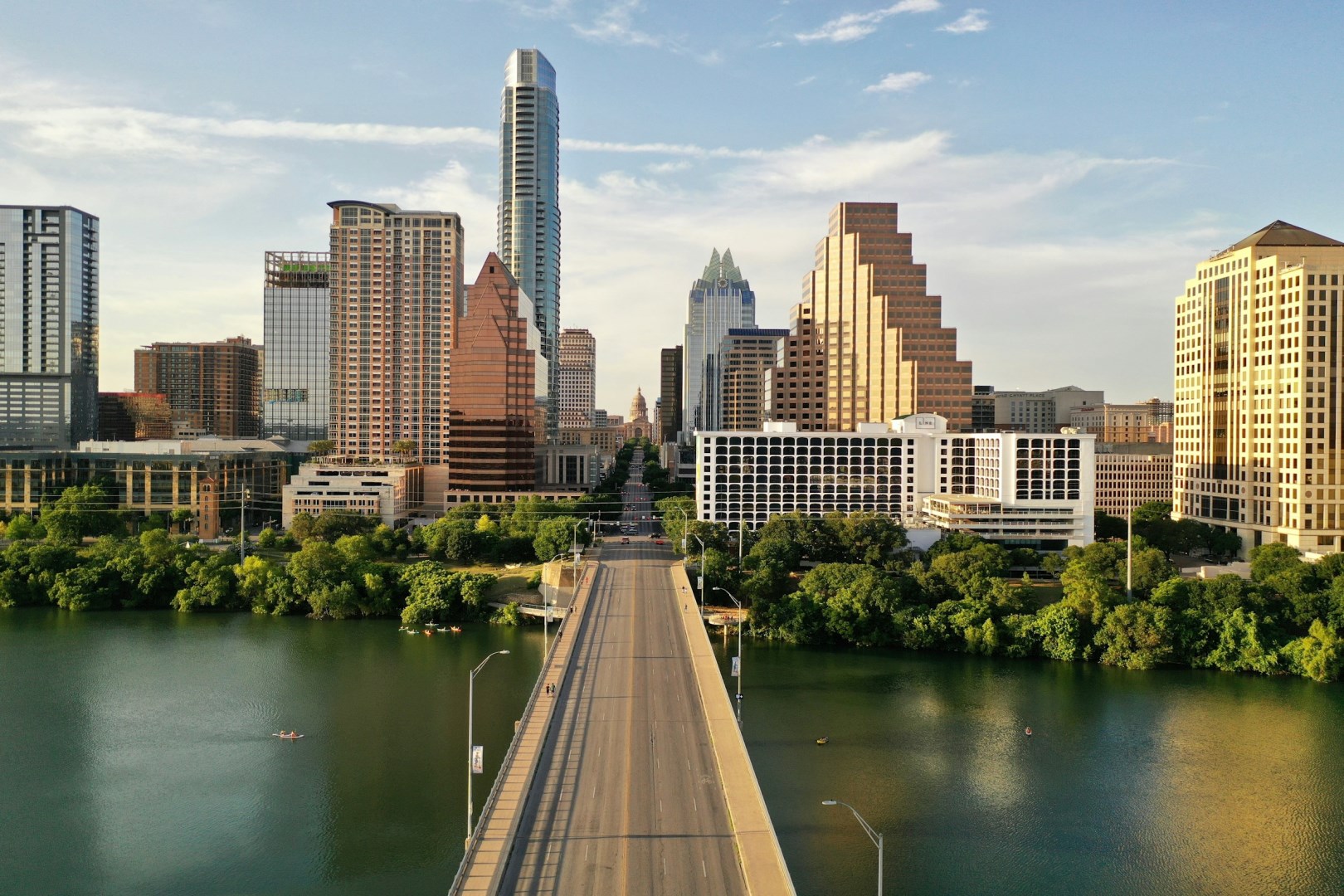
Congress Bridge
Photo Credit: Photo by Mitchell Kmetz on Unsplash
Photo Credit: Photo by Avi Werde on Unsplash
Photo Credit: Photo by Drew Beamer on Unsplash
Photo Credit: Photo by Trac Vu on Unsplash
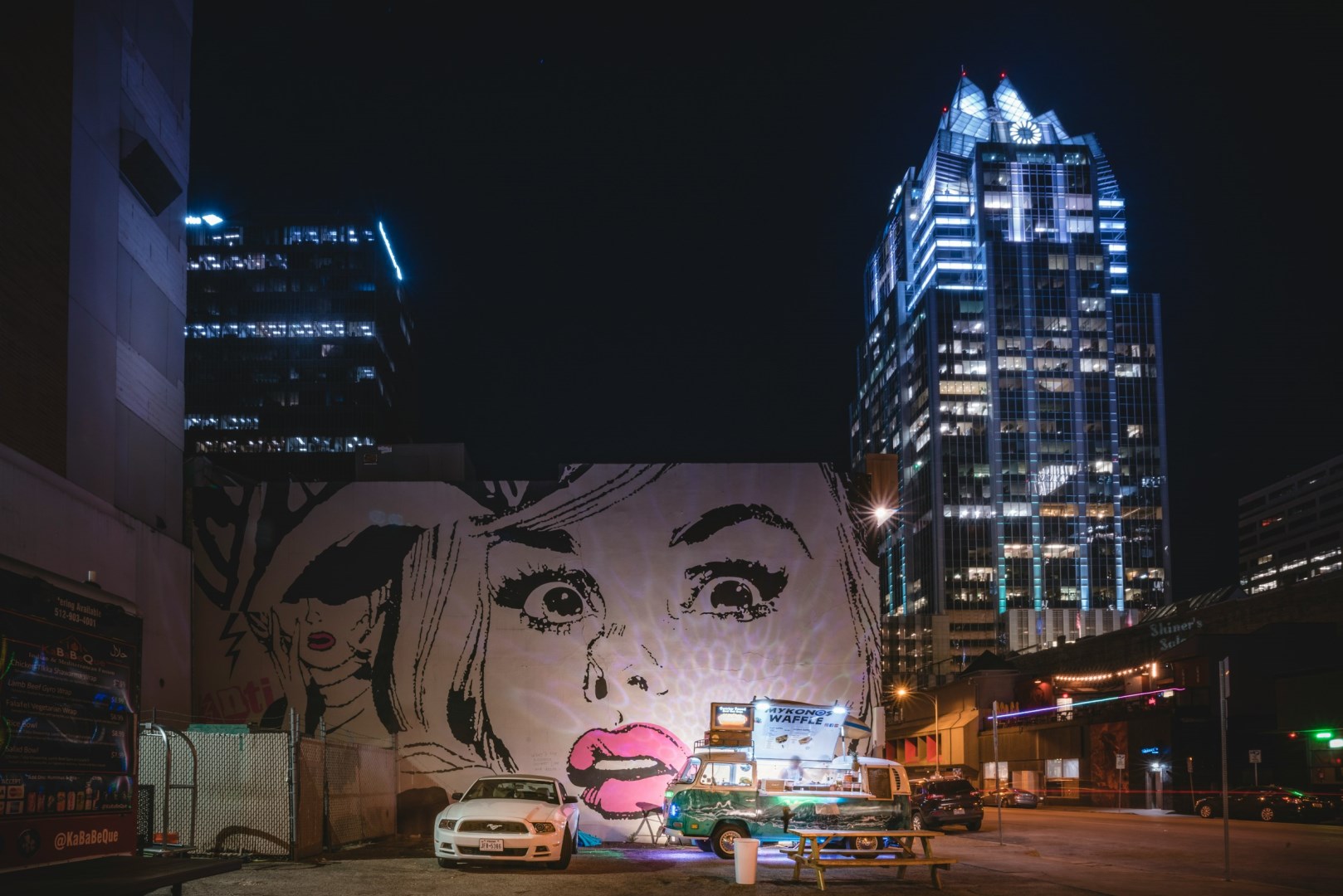
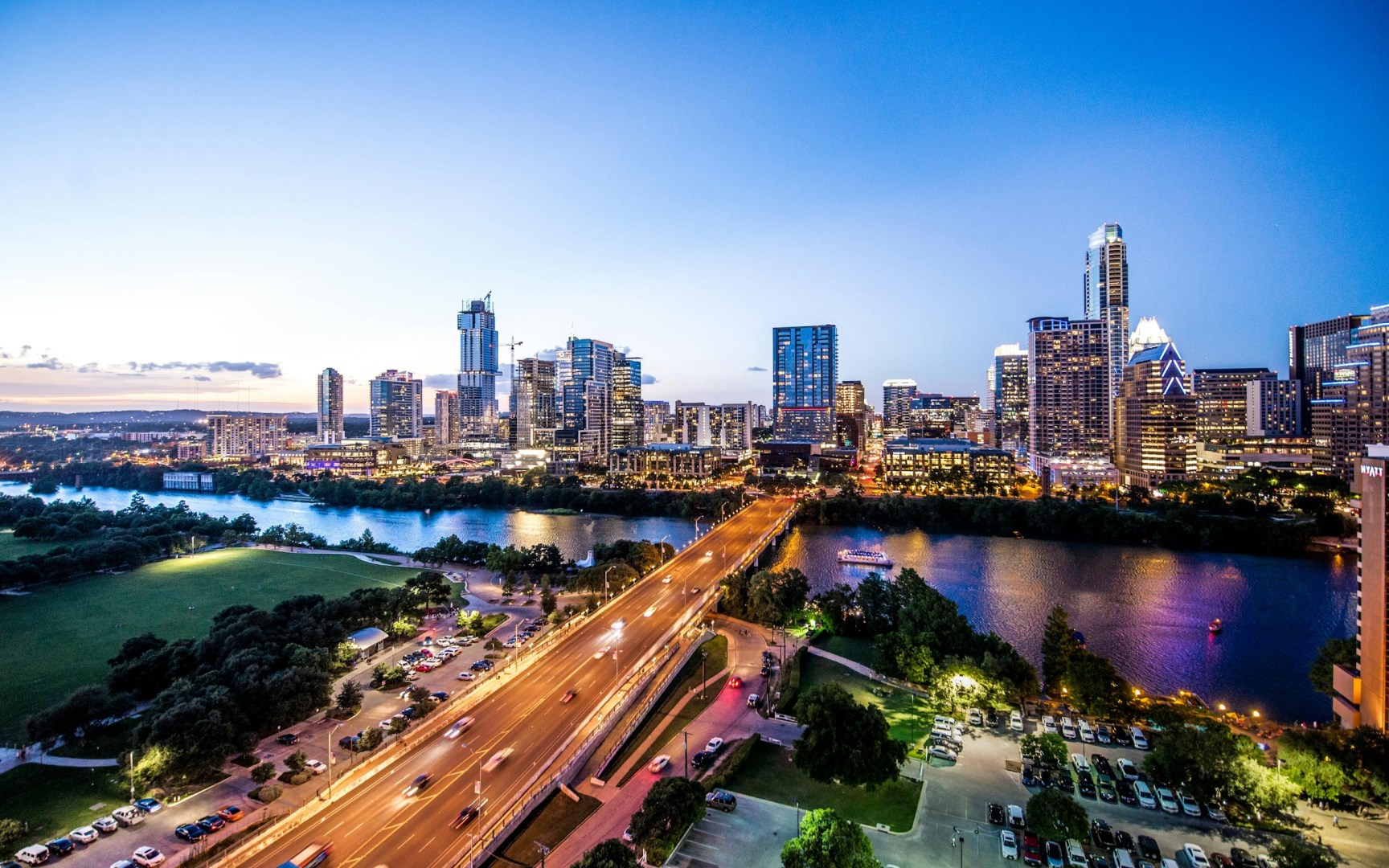
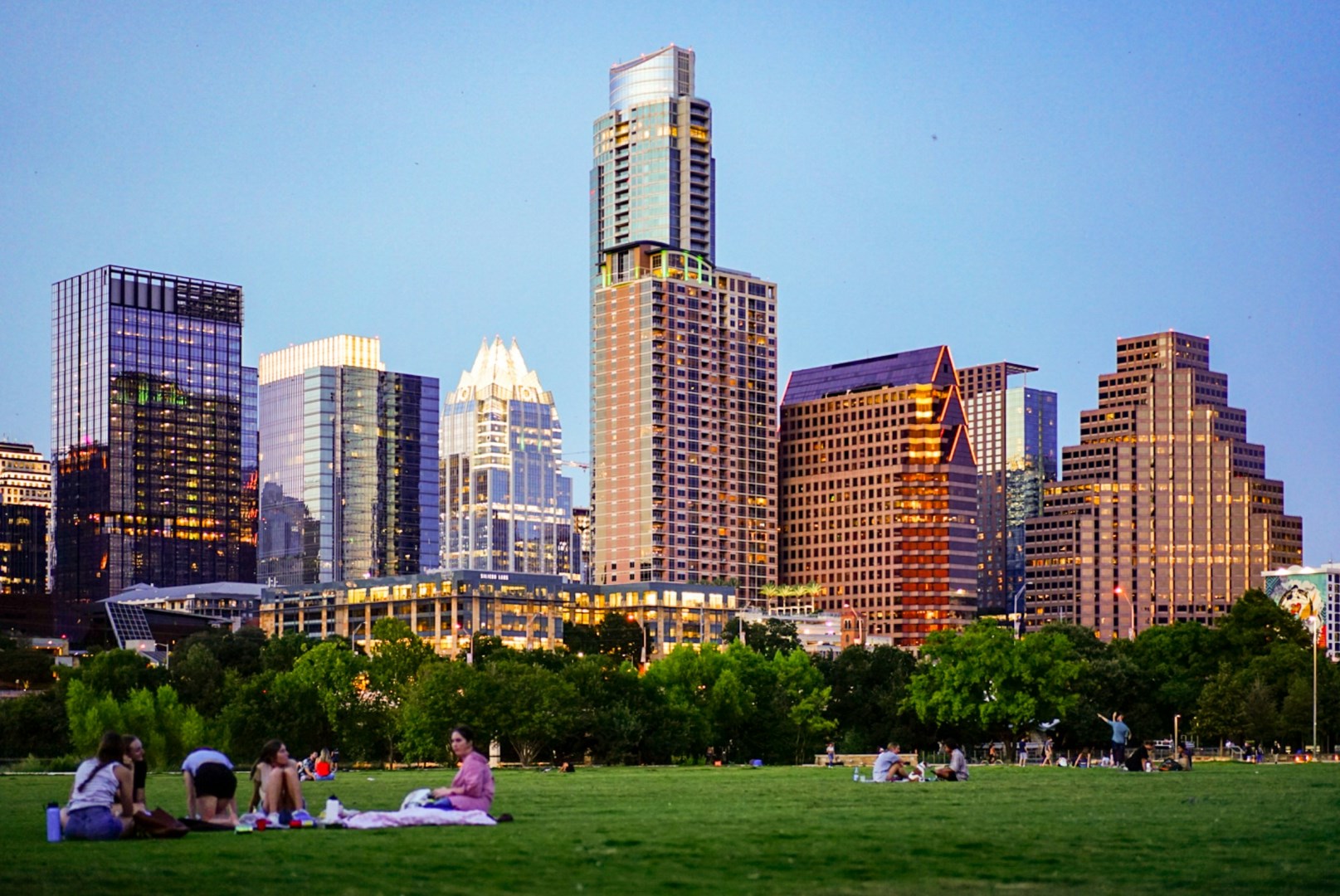
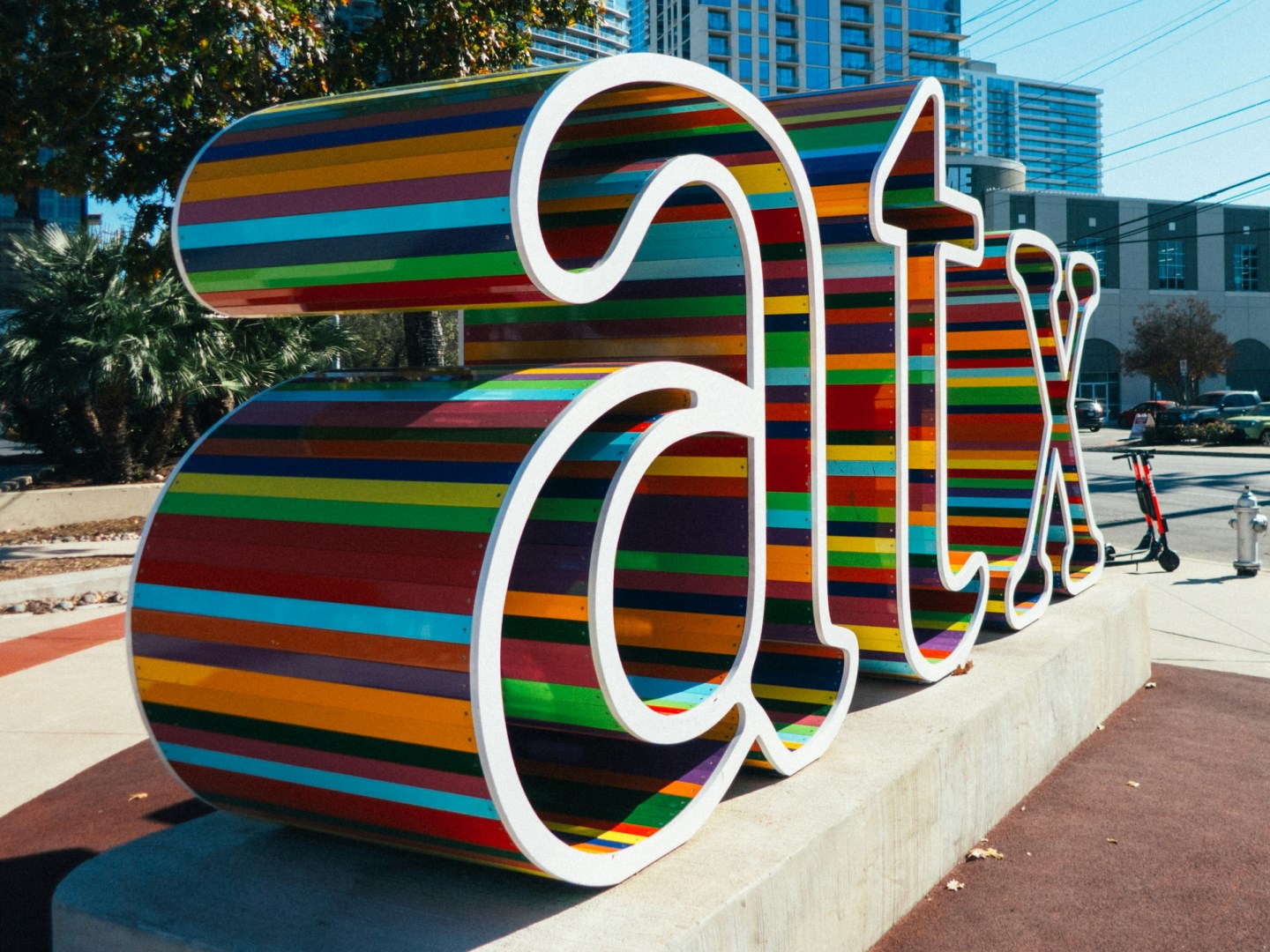
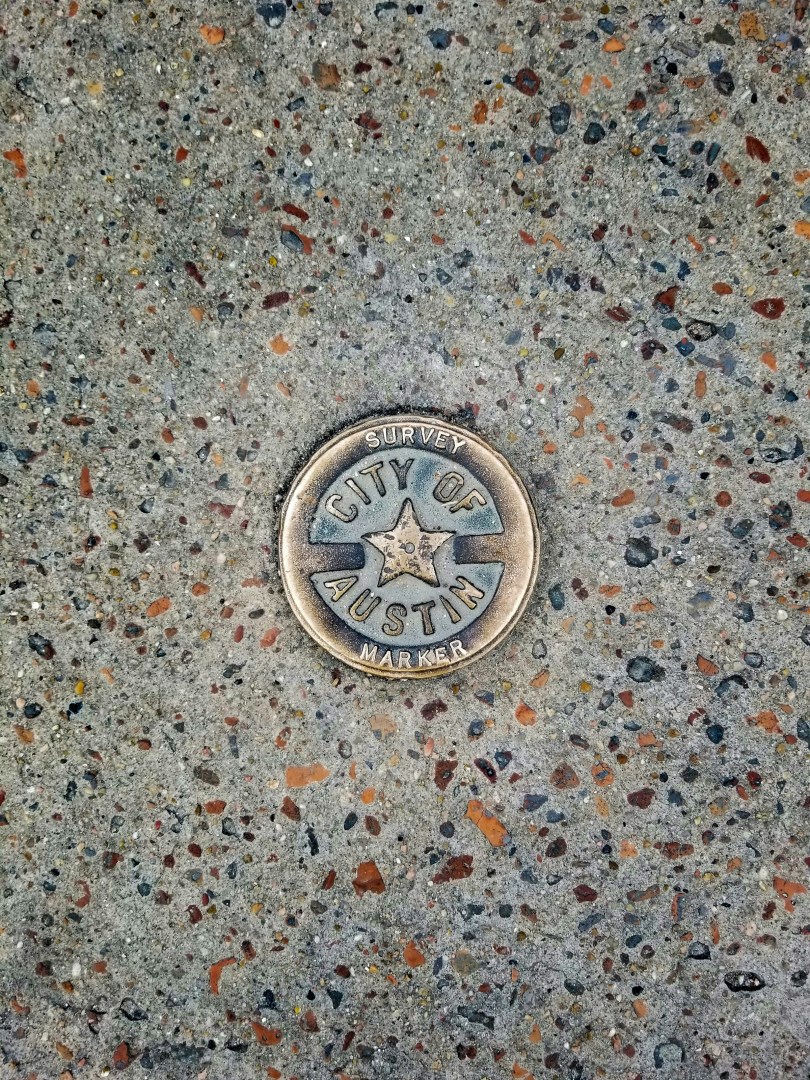
The capital of Texas, Austin is located in the south-central area. It was named the capital of the Republic of Texas in 1839. The main campus of the University of Texas is located here, founded in 1881.