


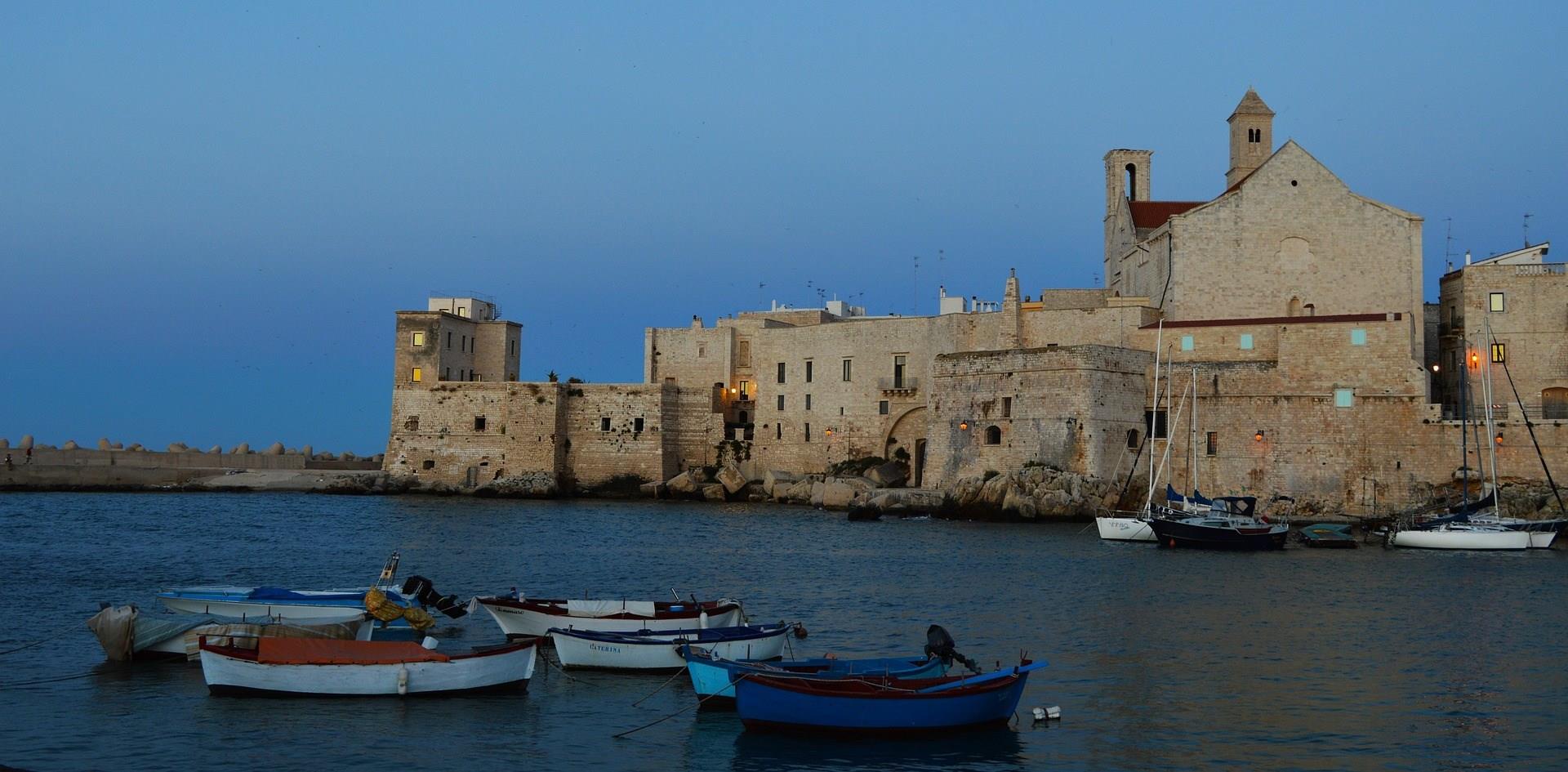


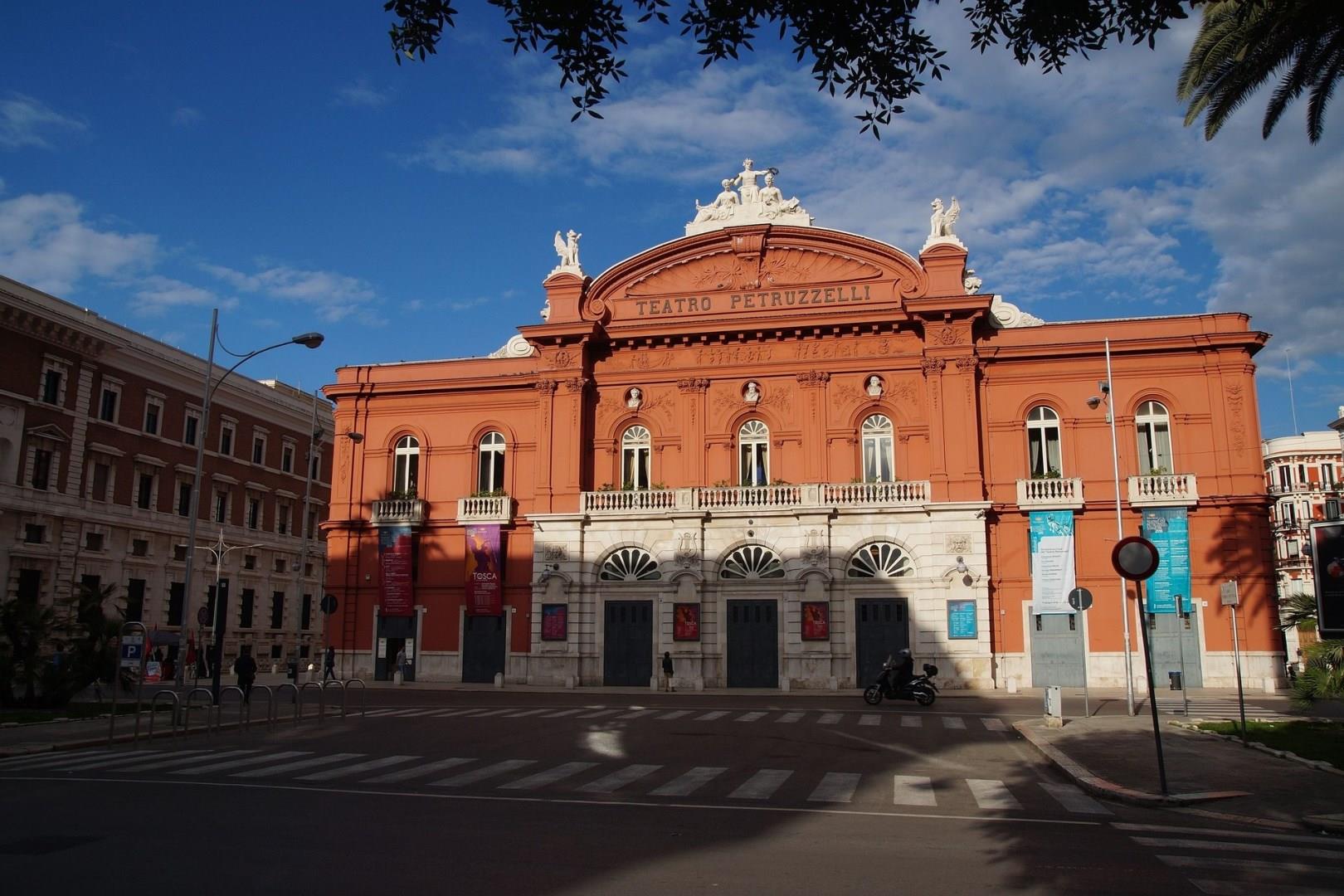

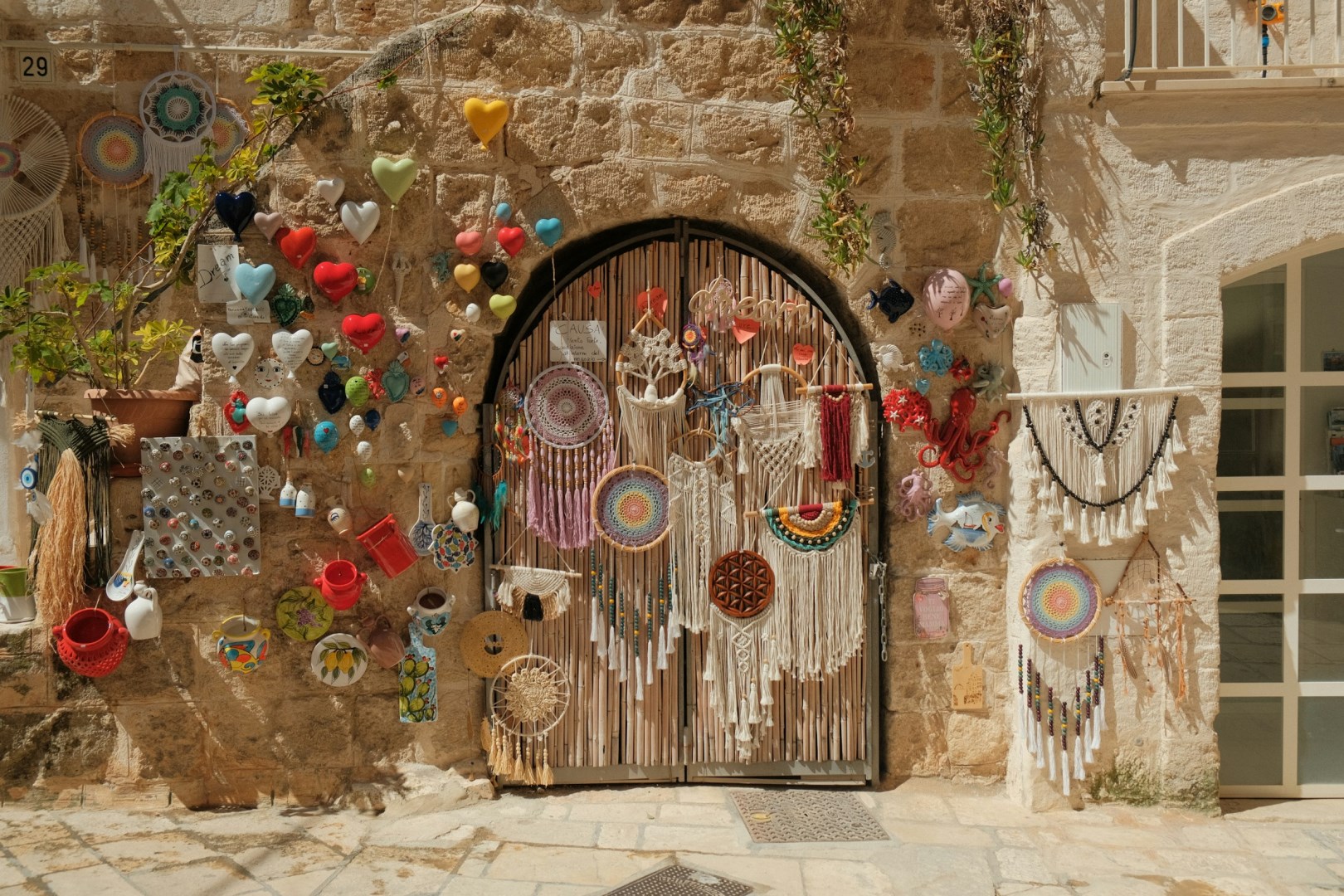

Bari, the capital of Puglia in southern Italy, is a vibrant port city with a rich history and lively atmosphere. Begin your exploration at the Basilica di San Nicola, an iconic pilgrimage site housing the relics of Saint Nicholas. This Romanesque church, dating back to the 11th century, is renowned for its stunning architecture and historical significance (Basilica di San Nicola). Just a short stroll away, the Castello Normanno-Svevo, a fortress built by the Normans in the 12th century, offers panoramic views and fascinating insights into Bari’s medieval past (Castello Normanno-Svevo).
Wander through the charming Old Town (Bari Vecchia), where narrow alleys and ancient buildings create an enchanting atmosphere. The bustling Piazza del Ferrarese and Piazza Mercantile are perfect spots to soak in the local culture, with outdoor cafes and historic landmarks. Don't miss the chance to taste Bari's famous street food, including focaccia barese and orecchiette pasta, at the vibrant local markets.
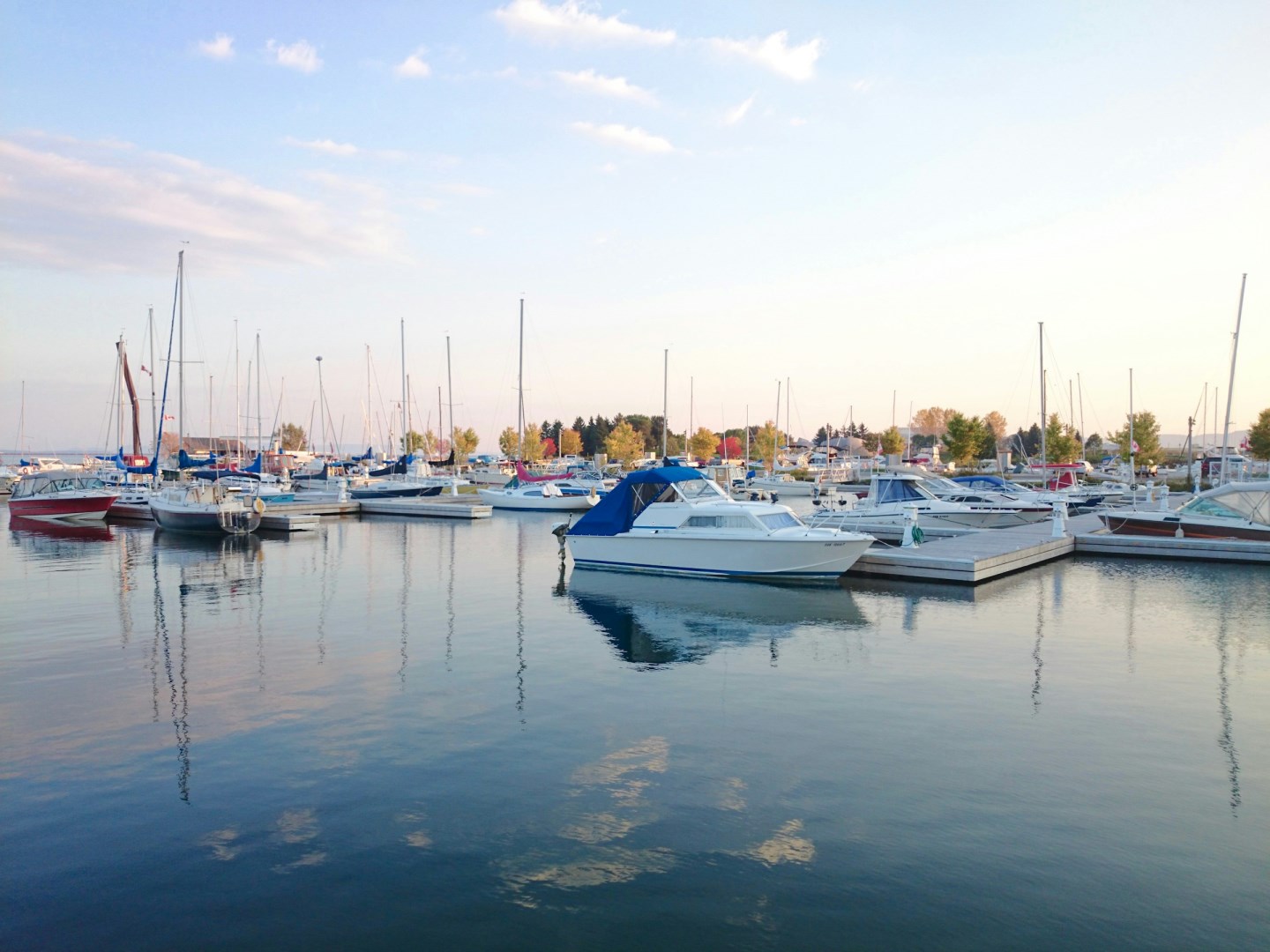
For a taste of seaside relaxation, head to Pane e Pomodoro Beach, a sandy stretch just a short distance from the city center. This urban beach is ideal for a refreshing dip or a leisurely walk along the promenade. Alternatively, take a boat trip to explore the nearby Gargano National Park, known for its dramatic coastline and lush landscapes.
Fun Fact: Bari is also famous for its traditional "strada delle orecchiette", where local women can often be seen making orecchiette pasta by hand, a practice that has become a symbol of the city's culinary heritage.
Wander through the charming Old Town (Bari Vecchia), where narrow alleys and ancient buildings create an enchanting atmosphere. The bustling Piazza del Ferrarese and Piazza Mercantile are perfect spots to soak in the local culture, with outdoor cafes and historic landmarks. Don't miss the chance to taste Bari's famous street food, including focaccia barese and orecchiette pasta, at the vibrant local markets.
For a taste of seaside relaxation, head to Pane e Pomodoro Beach, a sandy stretch just a short distance from the city center. This urban beach is ideal for a refreshing dip or a leisurely walk along the promenade. Alternatively, take a boat trip to explore the nearby Gargano National Park, known for its dramatic coastline and lush landscapes.
Fun Fact: Bari is also famous for its traditional "strada delle orecchiette", where local women can often be seen making orecchiette pasta by hand, a practice that has become a symbol of the city's culinary heritage.
Other Popular Destinations in Italy
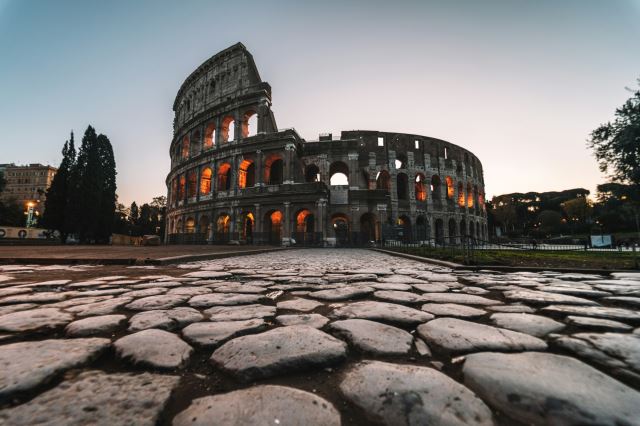
Often called the Eternal City, Rome stands alone as Italy's most visited destination. The third most populated city in the European Union, Rome boasts ancient sites, yet has a modern flair — an exhilarating mix of the Old World and the new.

