


Europe | Switzerland | Berne


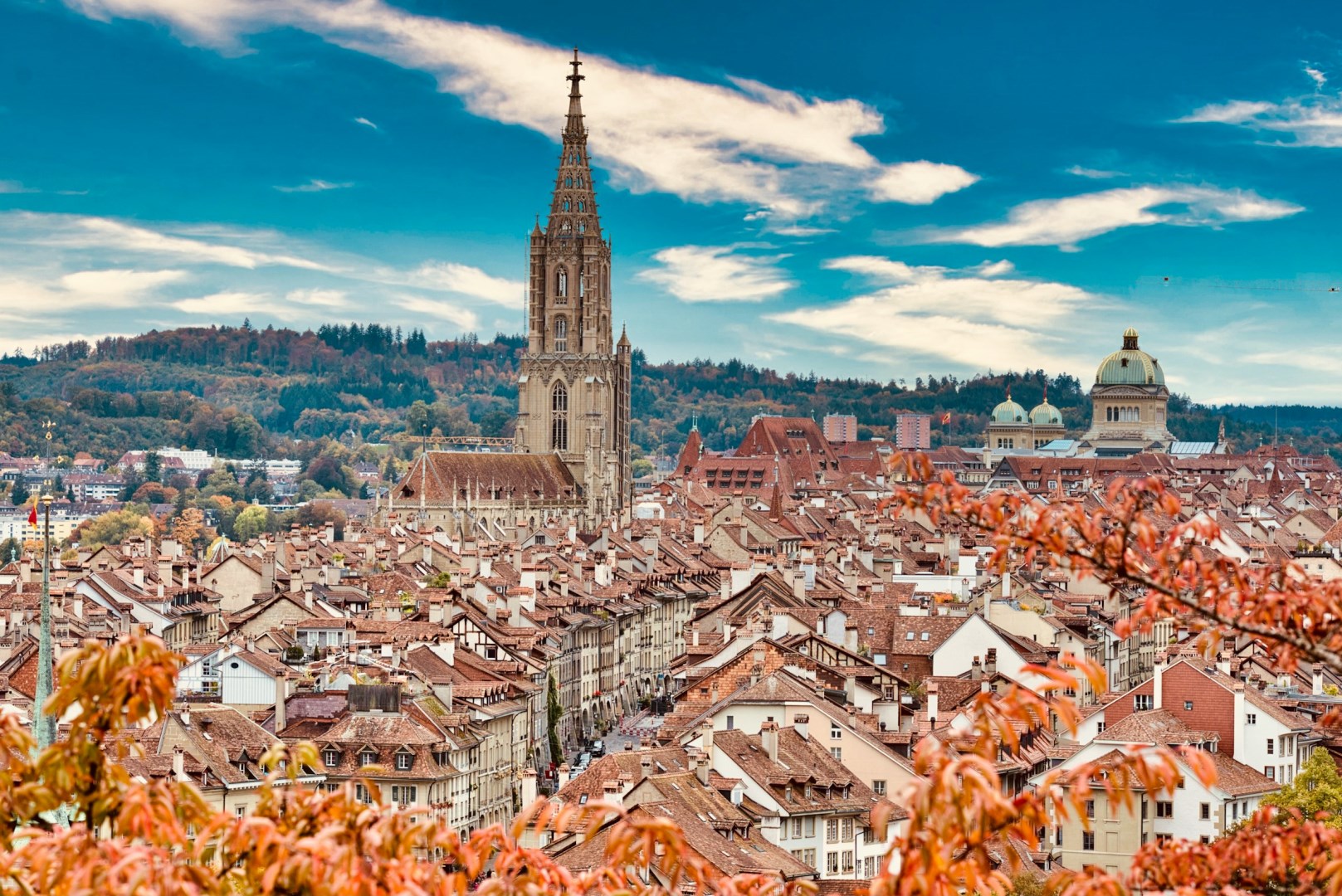
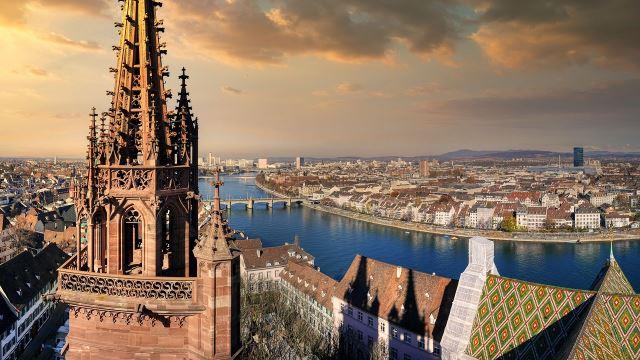
The superb city of medieval magic is the capital of Switzerland. Home of the many embassies, international organizations, the seat of Federal Government and Federal Congress, Berne also has a definite artistic side. Explore the magnificent museums filled with art treasures; enjoy the famous Berne Symphony Orchestra or visit the cozy, historical basement pubs, Kellerlokale.
First founded in 1191 and nearly destroyed in its entirety in 1405 when the great fire razed the wooden built town, the city of Berne is today constructed in hardier sandstone and stands as an unchanged paeon of carefully conserved medieval architecture.
Berne is in itself a living museum, the craftsmanship of which is emphasized in her artisans like the stone masons who still ply their trade in the open for all to see. Each one of the city's 13 magnificent museums yields an adventure into artistic and cultural endeavor without peer. From the largest Paul Klee collection in the world at the Kunstmuseum to literature through the ages at the Stadtbibliothek to the special experience that is the Symphony Orchestra performing in the
superb Gothic cathedral whose 254 steps take the intrepid visitor to the top of the highest church tower in Switzerland, Berne is a magical voyage of discovery.
Set within the medieval atmosphere is the largest and most modern sheltered shopping center in Europe. The 6 kms of arcaded passageways direct the visitor to a network of exclusive boutiques and stores, and the quaint old-town shops.
Top off an enchanting day with a visit to one of Berne's historical Kellerlokale or a good cabaret show and dancing.
First founded in 1191 and nearly destroyed in its entirety in 1405 when the great fire razed the wooden built town, the city of Berne is today constructed in hardier sandstone and stands as an unchanged paeon of carefully conserved medieval architecture.
Berne is in itself a living museum, the craftsmanship of which is emphasized in her artisans like the stone masons who still ply their trade in the open for all to see. Each one of the city's 13 magnificent museums yields an adventure into artistic and cultural endeavor without peer. From the largest Paul Klee collection in the world at the Kunstmuseum to literature through the ages at the Stadtbibliothek to the special experience that is the Symphony Orchestra performing in the
superb Gothic cathedral whose 254 steps take the intrepid visitor to the top of the highest church tower in Switzerland, Berne is a magical voyage of discovery.
Set within the medieval atmosphere is the largest and most modern sheltered shopping center in Europe. The 6 kms of arcaded passageways direct the visitor to a network of exclusive boutiques and stores, and the quaint old-town shops.
Top off an enchanting day with a visit to one of Berne's historical Kellerlokale or a good cabaret show and dancing.
Learn More About Berne
Natural History Museum of Bern
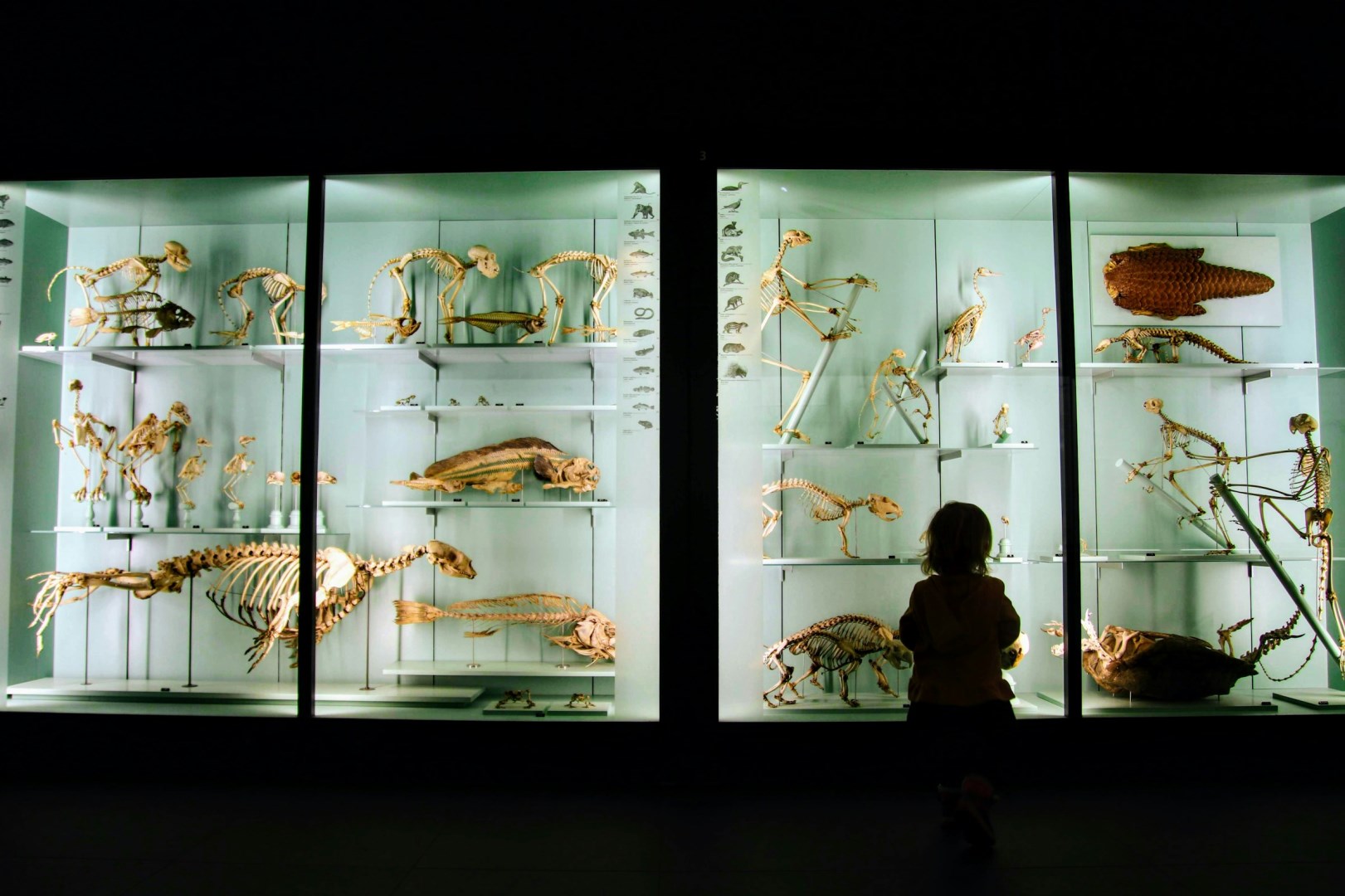
The Natural History Museum of Bern is a major natural science museum in the Swiss capital, known especially for its extensive collections of animals, fossils, minerals, and other specimens from Switzerland and around the world. One of its best-known displays is the collection of preserved Bernese mountain dogs, while other exhibitions explore alpine wildlife, biodiversity, geology, and human relationships with the natural world. The museum also houses the preserved remains of Barry, a famous St. Bernard associated with the Great St Bernard Hospice. Its exhibitions combine scientific information with detailed specimens, making natural history accessible through both observation and interpretation.
Other Popular Destinations in Switzerland
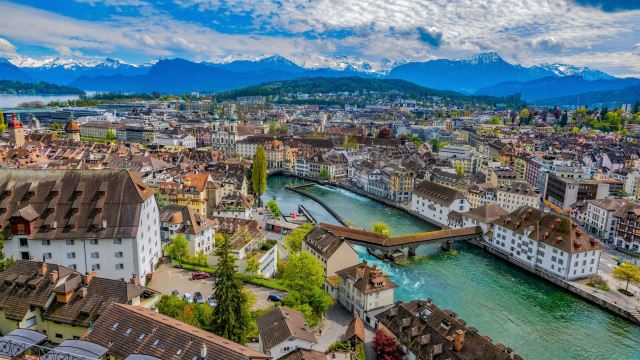
Behold beautiful Lucerne! This German-speaking area of central Switzerland on Lake Lucerne is a truly spectacular locale. Surrounded by mountains and notable for its famous Chapel Bridge, this idyllic and musical Swiss locale is wonderful any time of year.