





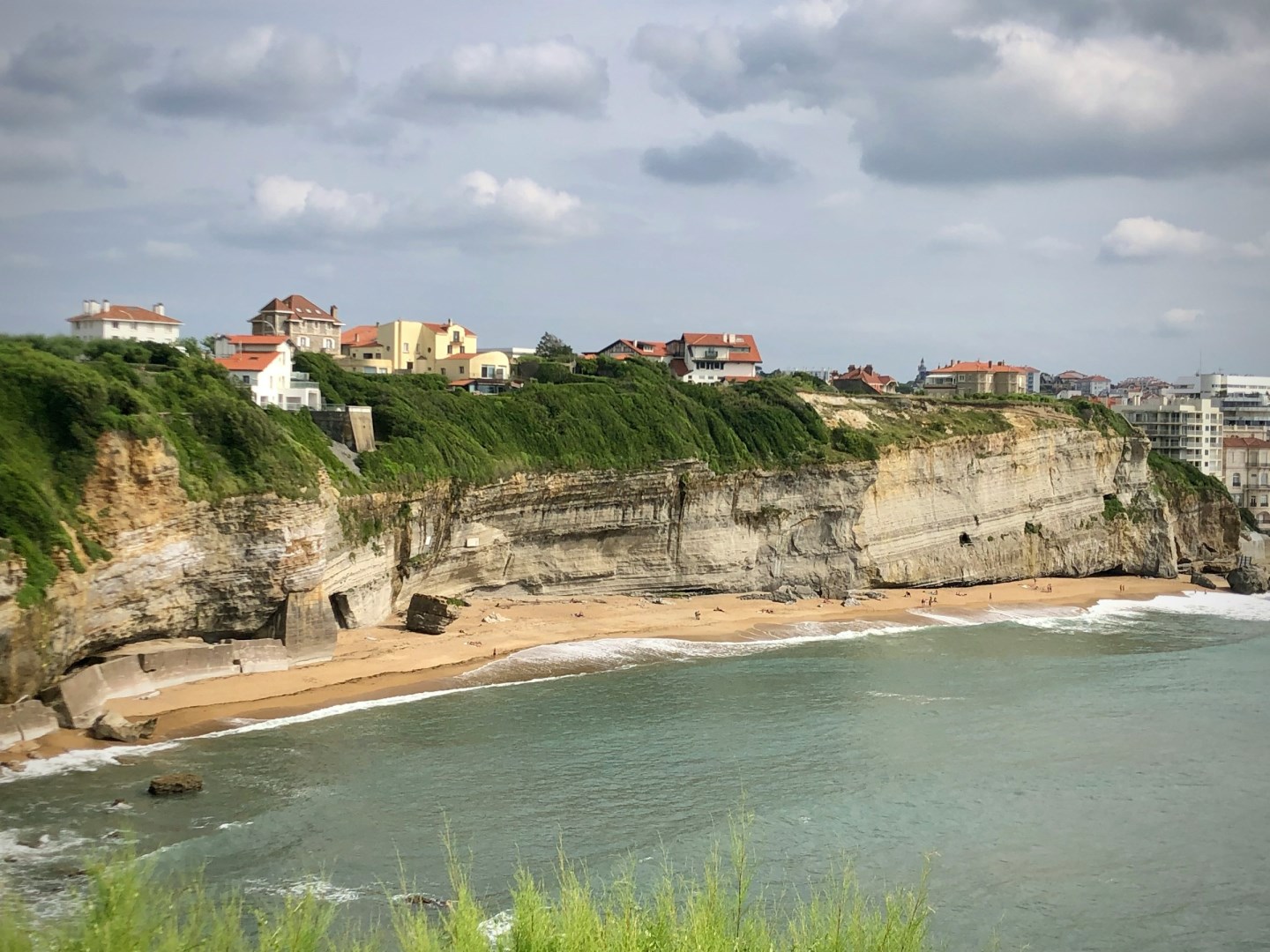
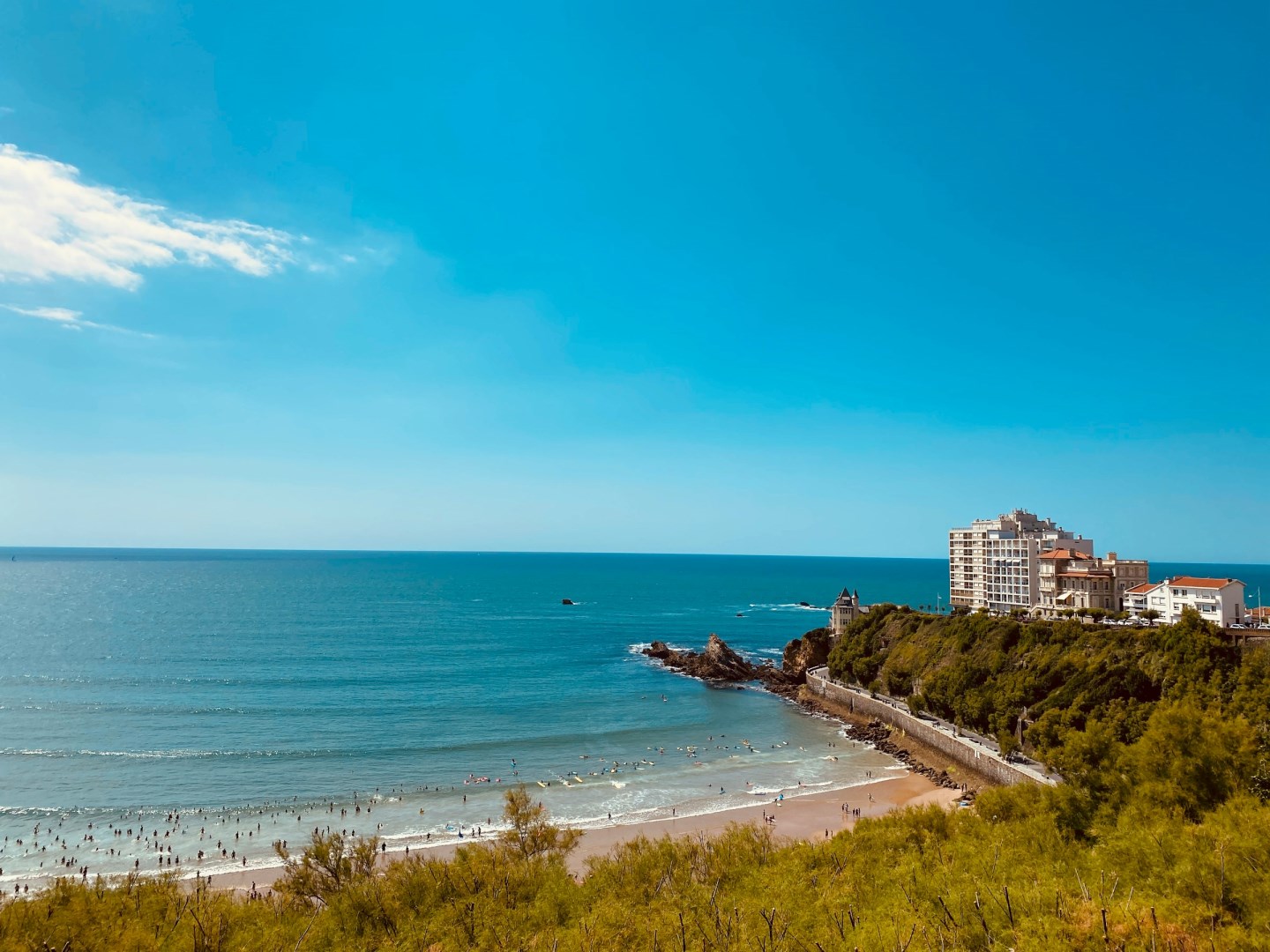
Biarritz, located on the Basque coast of southwestern France, is a glamorous seaside city renowned for its picturesque beaches and rich history. Once a modest fishing village, Biarritz evolved into a luxurious resort destination favored by European royalty in the 19th century. Visitors can explore the grand Hotel du Palais, a stunning example of Second Empire architecture originally built for Empress Eugénie. This historic hotel remains a symbol of the city's opulent past and offers spectacular views of the Atlantic Ocean.
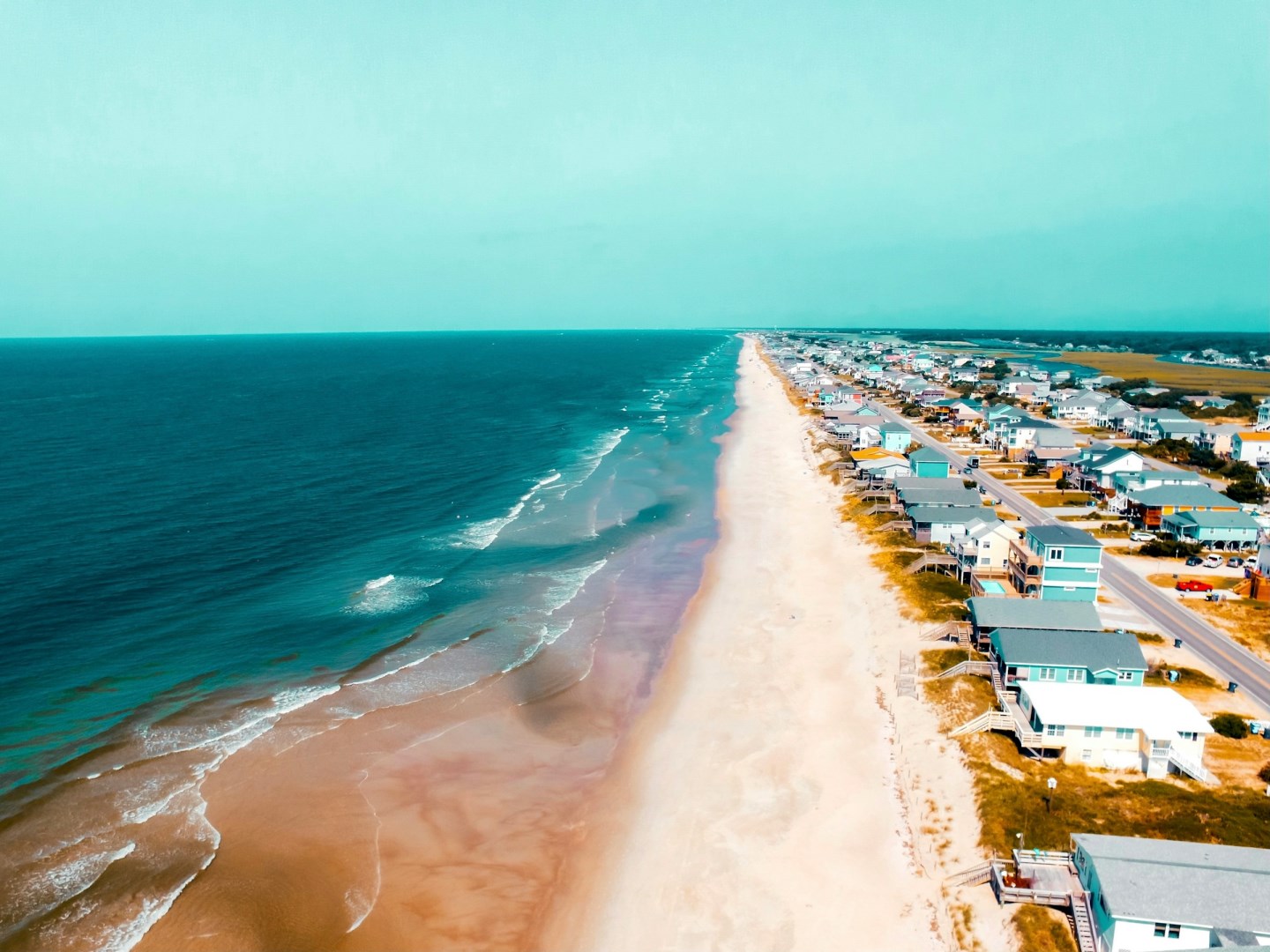
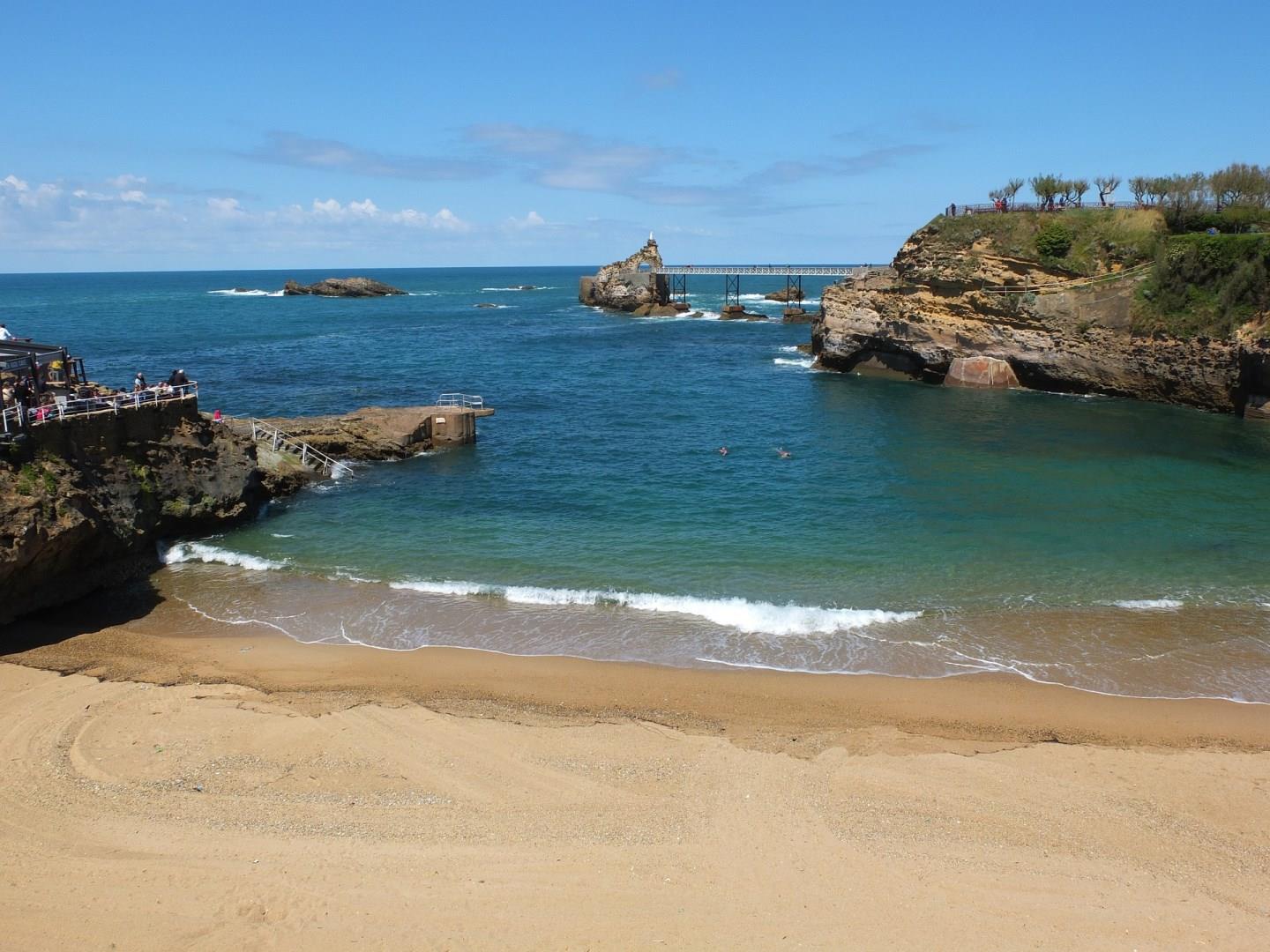
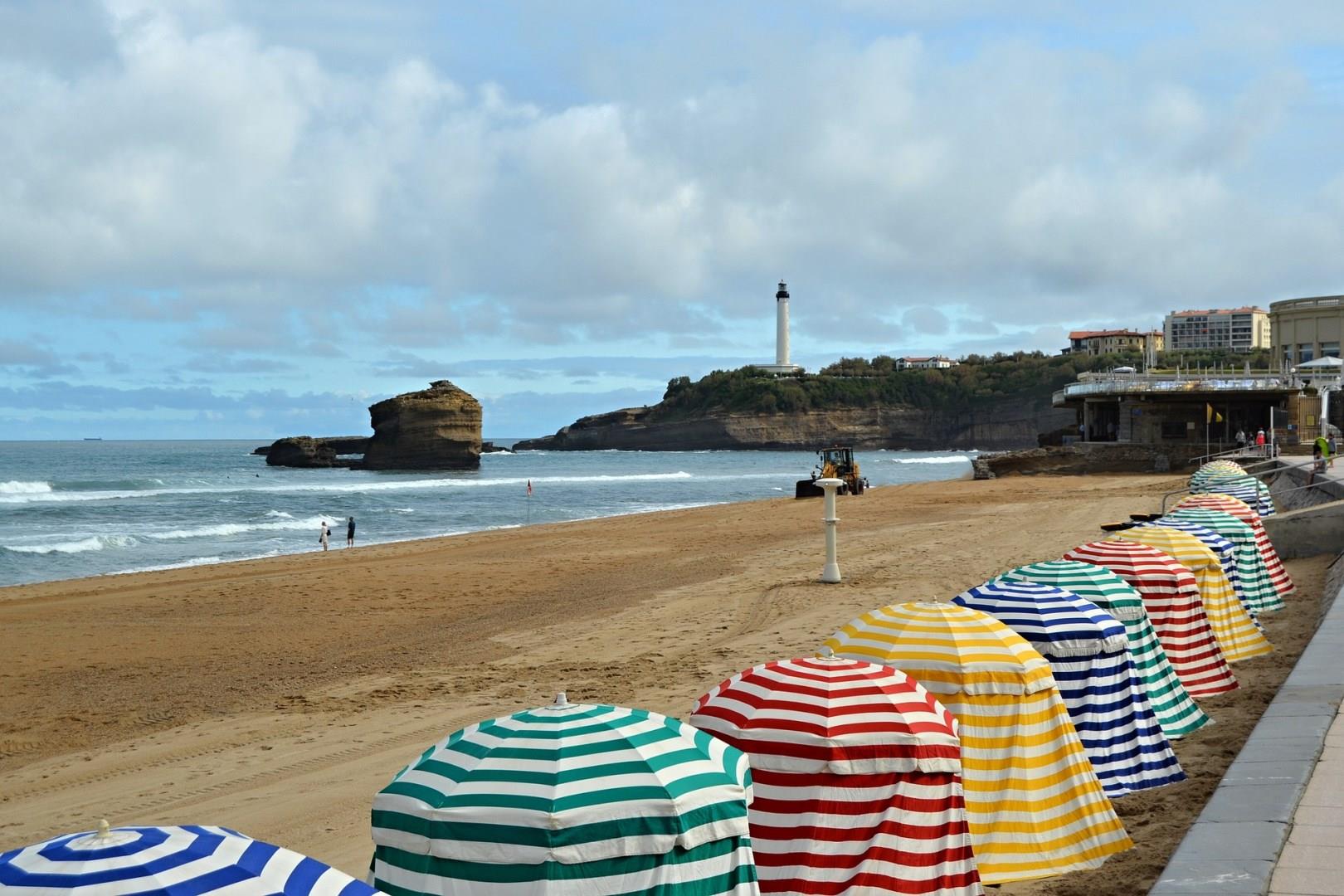
The city's beaches are among its main attractions. The Grande Plage is a vibrant spot popular for sunbathing and surfing, while the Côte des Basques is renowned for its dramatic cliffs and excellent surfing conditions. Biarritz’s surfing culture dates back to the 1950s when American surfers introduced the sport to France. Today, Biarritz hosts numerous surf competitions and offers a range of surf schools for all skill levels.
The Basque Cuisine in Biarritz is celebrated for its unique flavors and influences, with local specialties such as Basque cake and seafood dishes that reflect the city’s coastal heritage.
A fun fact about Biarritz is that it is home to the only casino in France that is located right on the beach. The Casino Municipal offers both gaming and entertainment with stunning views of the ocean. For the best experience, visit Biarritz between May and September when the weather is perfect for enjoying its beaches and outdoor attractions.
The city's beaches are among its main attractions. The Grande Plage is a vibrant spot popular for sunbathing and surfing, while the Côte des Basques is renowned for its dramatic cliffs and excellent surfing conditions. Biarritz’s surfing culture dates back to the 1950s when American surfers introduced the sport to France. Today, Biarritz hosts numerous surf competitions and offers a range of surf schools for all skill levels.
The Basque Cuisine in Biarritz is celebrated for its unique flavors and influences, with local specialties such as Basque cake and seafood dishes that reflect the city’s coastal heritage.
A fun fact about Biarritz is that it is home to the only casino in France that is located right on the beach. The Casino Municipal offers both gaming and entertainment with stunning views of the ocean. For the best experience, visit Biarritz between May and September when the weather is perfect for enjoying its beaches and outdoor attractions.
Other Popular Destinations in France
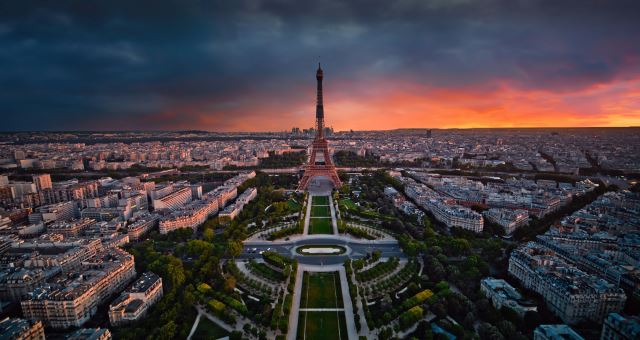
France's capital and most populated city, Paris is an alluring destination and an essential stop for any global traveler. A center of fashion, gastronomy, and the arts. Major tourist attractions in the City of Lights include the Eiffel Tower (such great heights!), the Louvre (home of the Mona Lisa and Venus de Milo), the Arc de Triomphe, and Grand Palais.