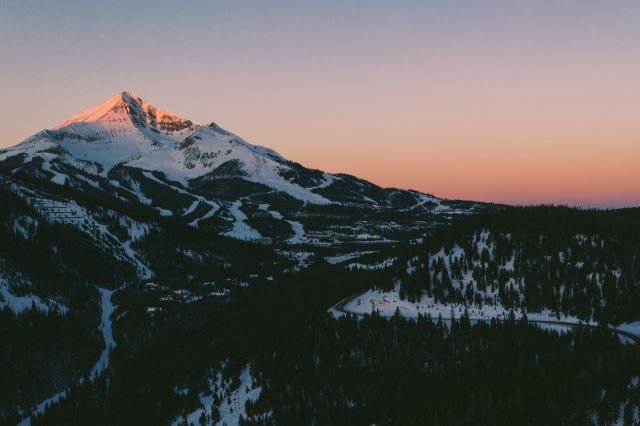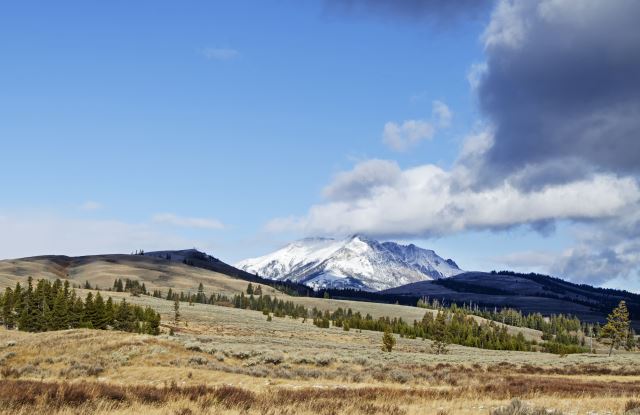

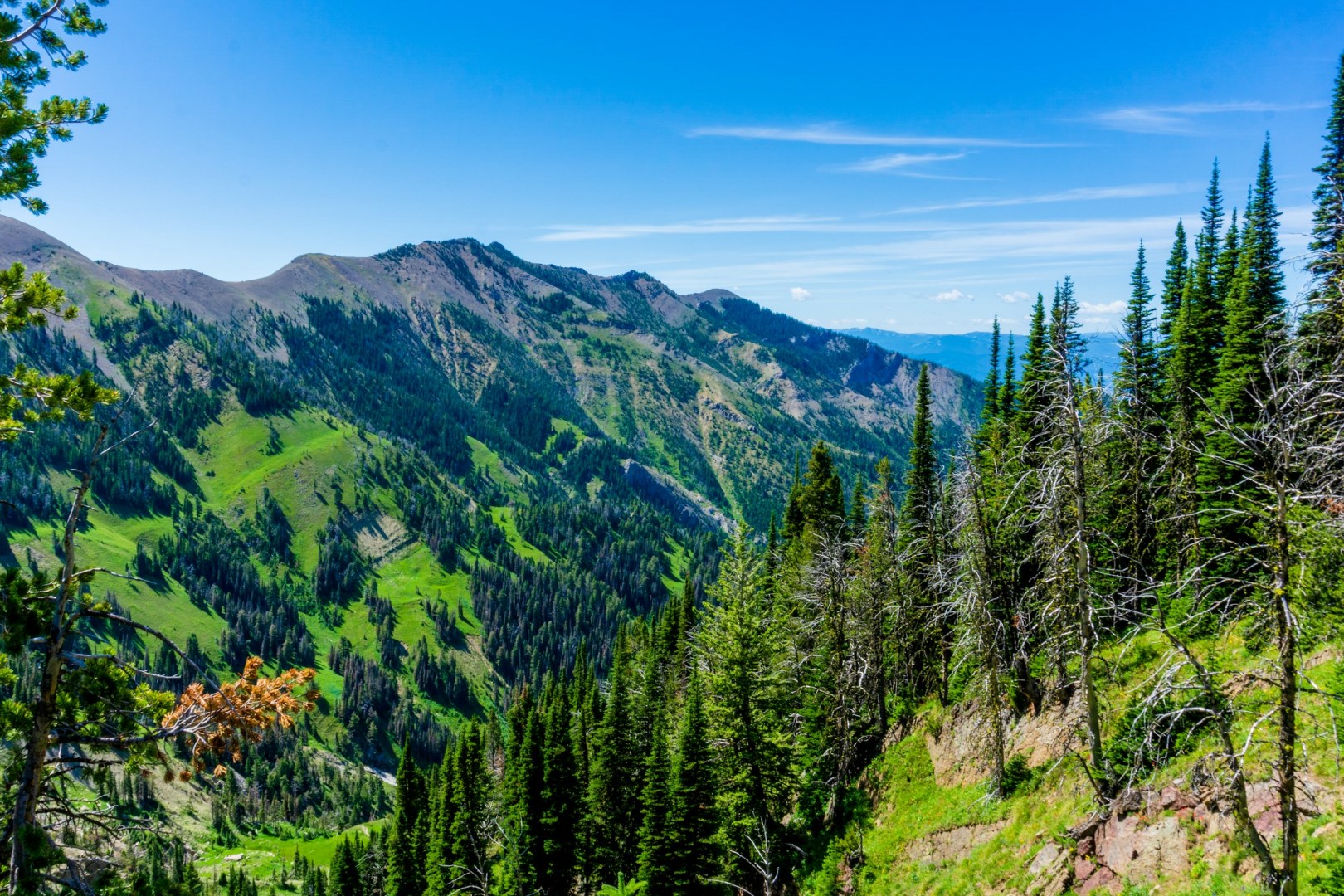

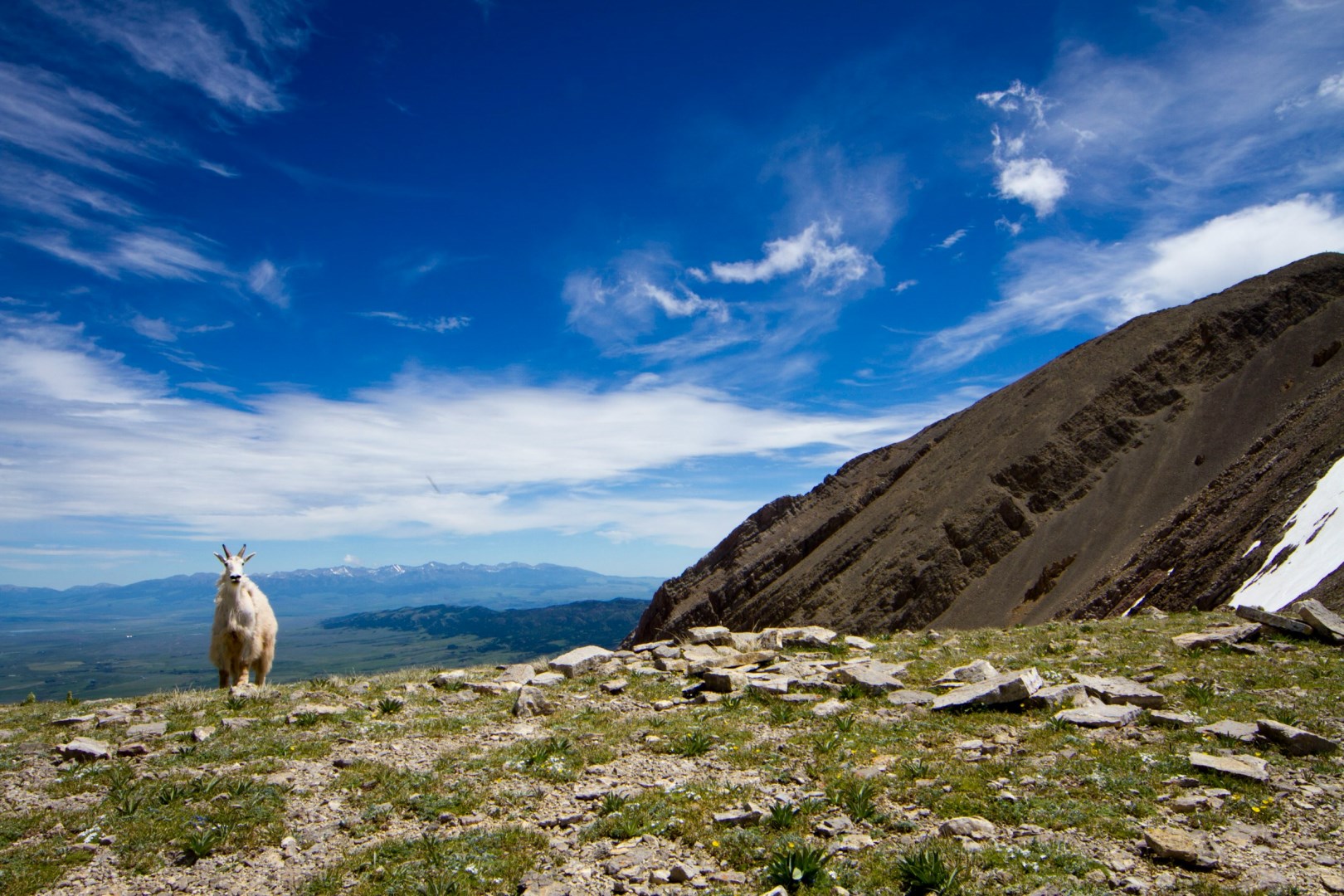
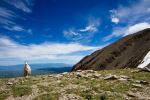
Bozeman, Montana, lies in the Gallatin Valley beneath the Gallatin, Bridger, Madison, and Absaroka mountain ranges. The city combines a historic downtown with a strong university presence and easy access to forests, rivers, and high-country recreation. Main Street remains the center of the older commercial district, with brick buildings housing restaurants, galleries, shops, and cafés. Montana State University adds a major educational and research presence, while the surrounding Gallatin Valley retains its agricultural character. Bozeman also serves as an important gateway to nearby Yellowstone National Park, Big Sky, and the wider landscapes of southwest Montana.
Bozeman’s cultural identity developed from Indigenous presence, frontier settlement, agriculture, education, and the transportation routes that connected the Gallatin Valley with other parts of Montana. The city was named for John Bozeman, an early settler associated with the Bozeman Trail. Its historic downtown preserves commercial buildings that reflect the community’s growth, while Montana State University has become a major part of local intellectual and cultural life. The Museum of the Rockies adds another important dimension, interpreting paleontology, Native American history, regional settlement, and the natural history of the Northern Rocky Mountains through extensive collections and research.
The Museum of the Rockies is one of Bozeman’s leading attractions, particularly its Siebel Dinosaur Complex, which contains one of the largest collections of North American dinosaur fossils. The museum also features a planetarium and exhibits on Yellowstone and Montana history. Outdoors, trails and open spaces around the city provide access to hiking, cycling, fishing, and wildlife observation, with the Bridger Mountains especially prominent to the north. Hyalite Canyon, south of Bozeman, offers hiking, climbing, fishing, boating, and winter recreation around Hyalite Reservoir. Yellowstone National Park is also accessible from the city by road, making Bozeman a practical base for exploring the region.
Bozeman’s food culture reflects both Montana traditions and its growing university and research communities. Local restaurants serve steaks, burgers, trout, bison, wild game, and other ingredients associated with the Northern Rockies, alongside international cuisines and independent coffee shops. Craft breweries and distilleries are also part of the city’s modern dining scene. Fly-fishing has a particularly strong connection to the area, with the Gallatin, Madison, and Yellowstone rivers providing renowned trout habitat nearby. Another distinctive feature is the Museum of the Rockies’ scientific role: it is a Smithsonian Affiliate and a major research institution for paleontology, making Bozeman an important center for studying the prehistoric life of the Rocky Mountain region.
Other Popular Destinations in Montana