

Middle East | Turkey | Bursa
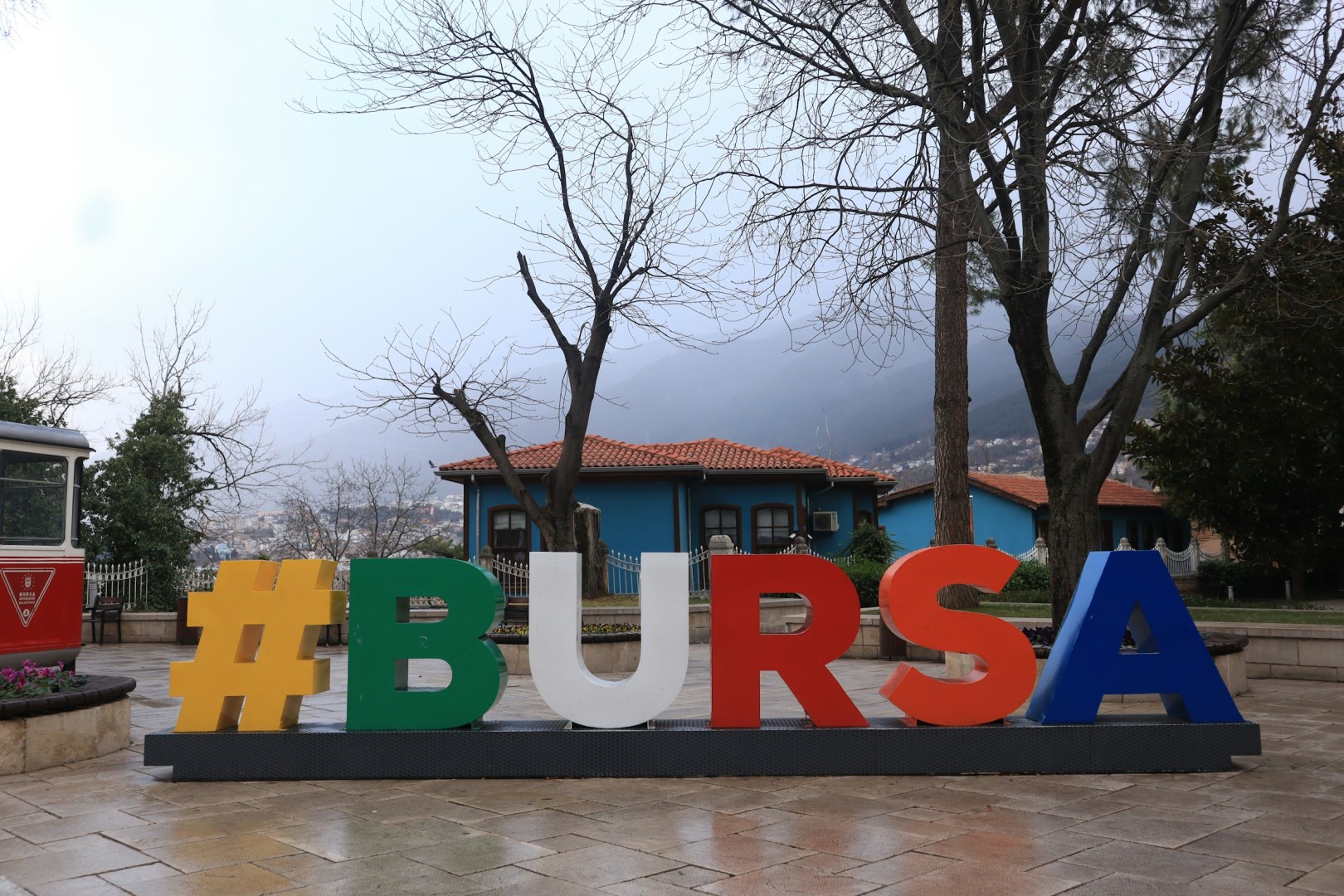
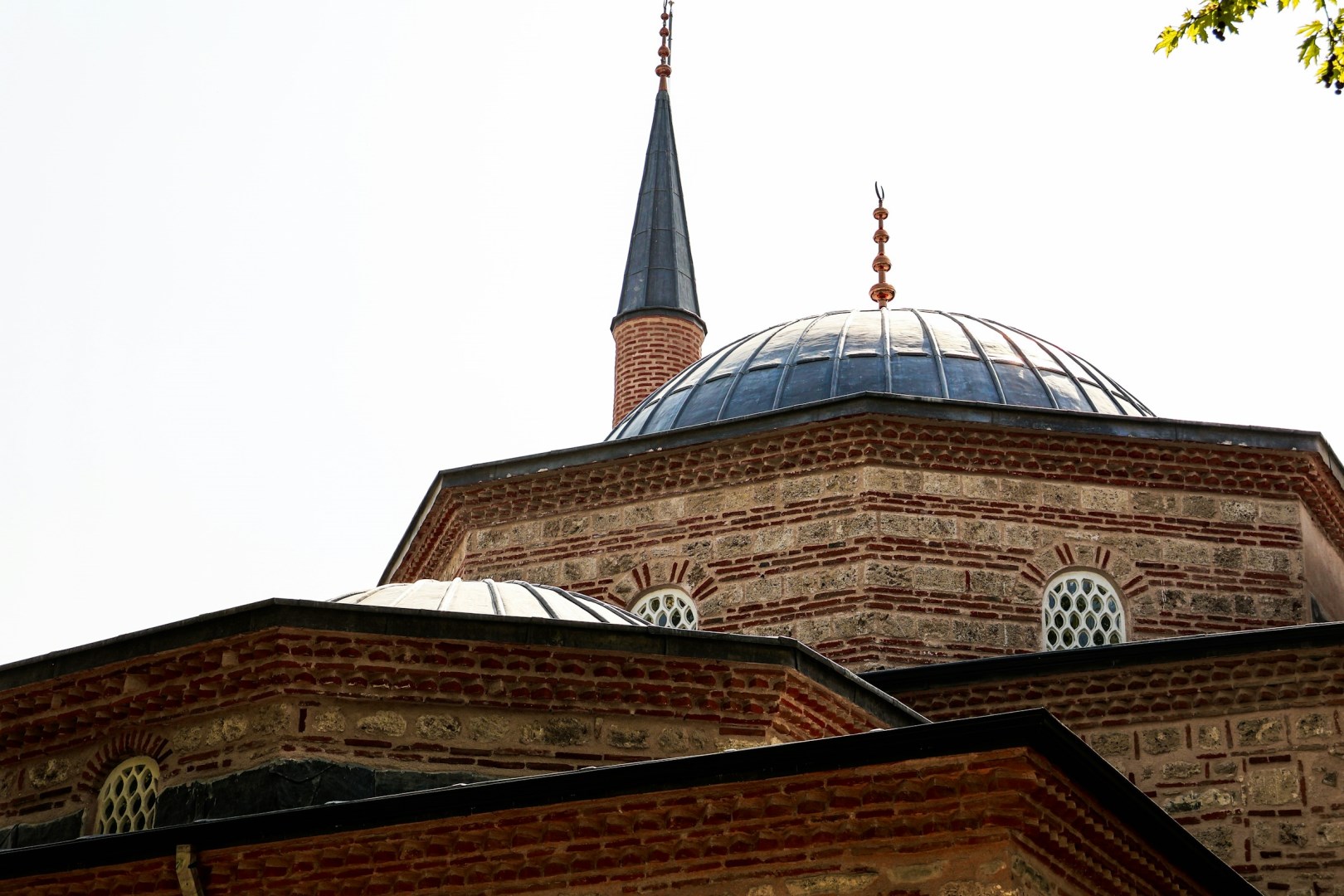
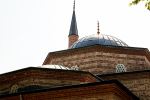
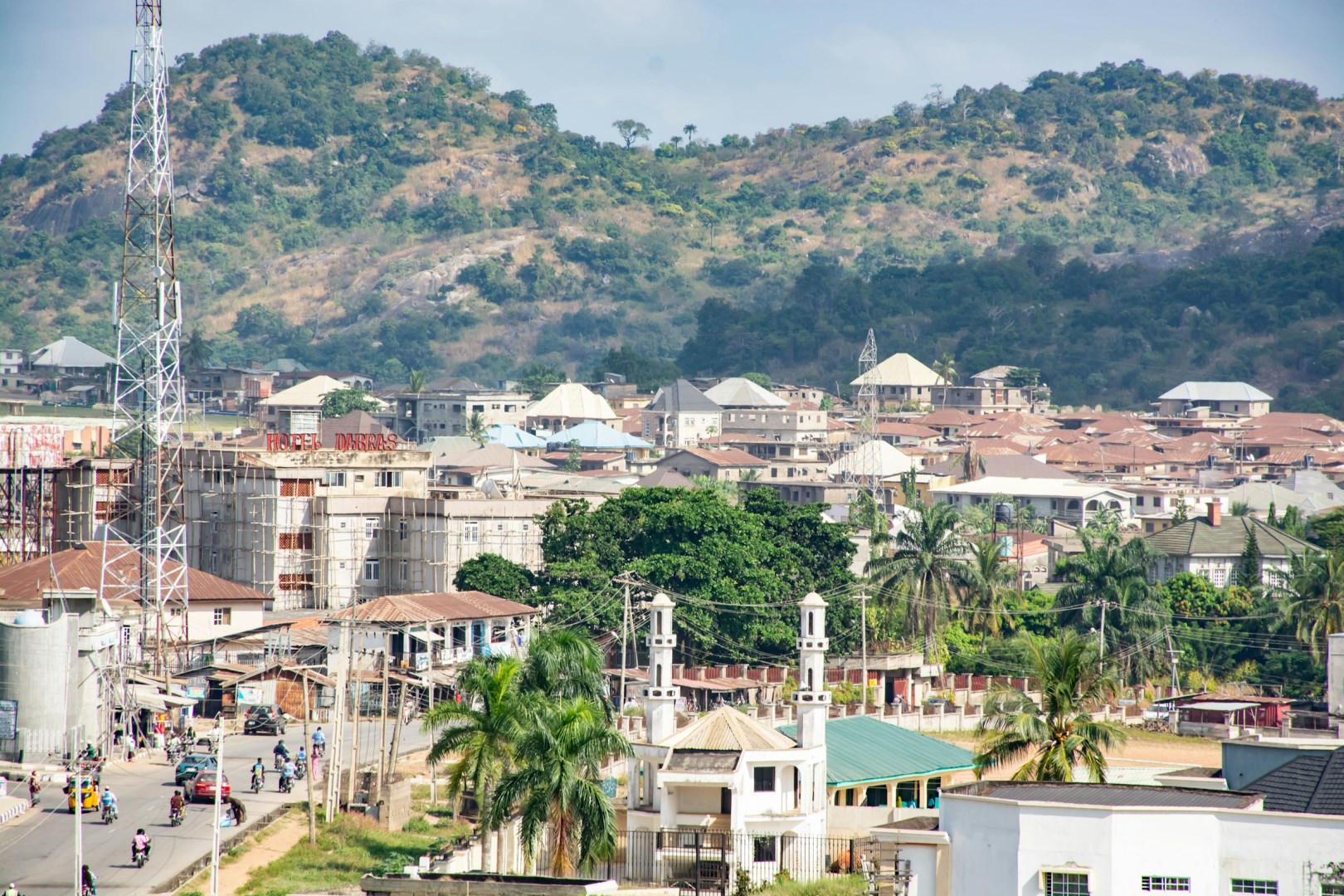
Famous for its thermal baths and spas, it is said that the town was founded by Hannibal. It was originally called Prusa after Prusias I, king of Bithynia.
Other Popular Destinations in Turkey

Istanbul is a city built on layers of empire. Spanning two continents, it was once the capital of three major empires: Roman, Byzantine, and Ottoman. Visitors walking through the Sultanahmet district can witness this timeline firsthand, from the Roman-era Hippodrome to the Byzantine mosaics of Hagia Sophia, and the towering minarets of the Blue Mosque. At nearby Topkapi Palace, rooms still display the jeweled swords, ceremonial robes, and handwritten Qurans once used by Ottoman sultans.

Kuşadası is a seaside city on Türkiye’s Aegean coast, set around a broad bay with beaches, a marina, and a busy harbor. Its location places it close to several major archaeological sites, including Ephesus, making it an important base for exploring the cultural landscape of western Anatolia. The city itself combines waterfront districts with the narrow streets of Kaleiçi, where shops, cafés, and restaurants occupy traditional buildings.
