


South Pacific | French Polynesia | Fakarava


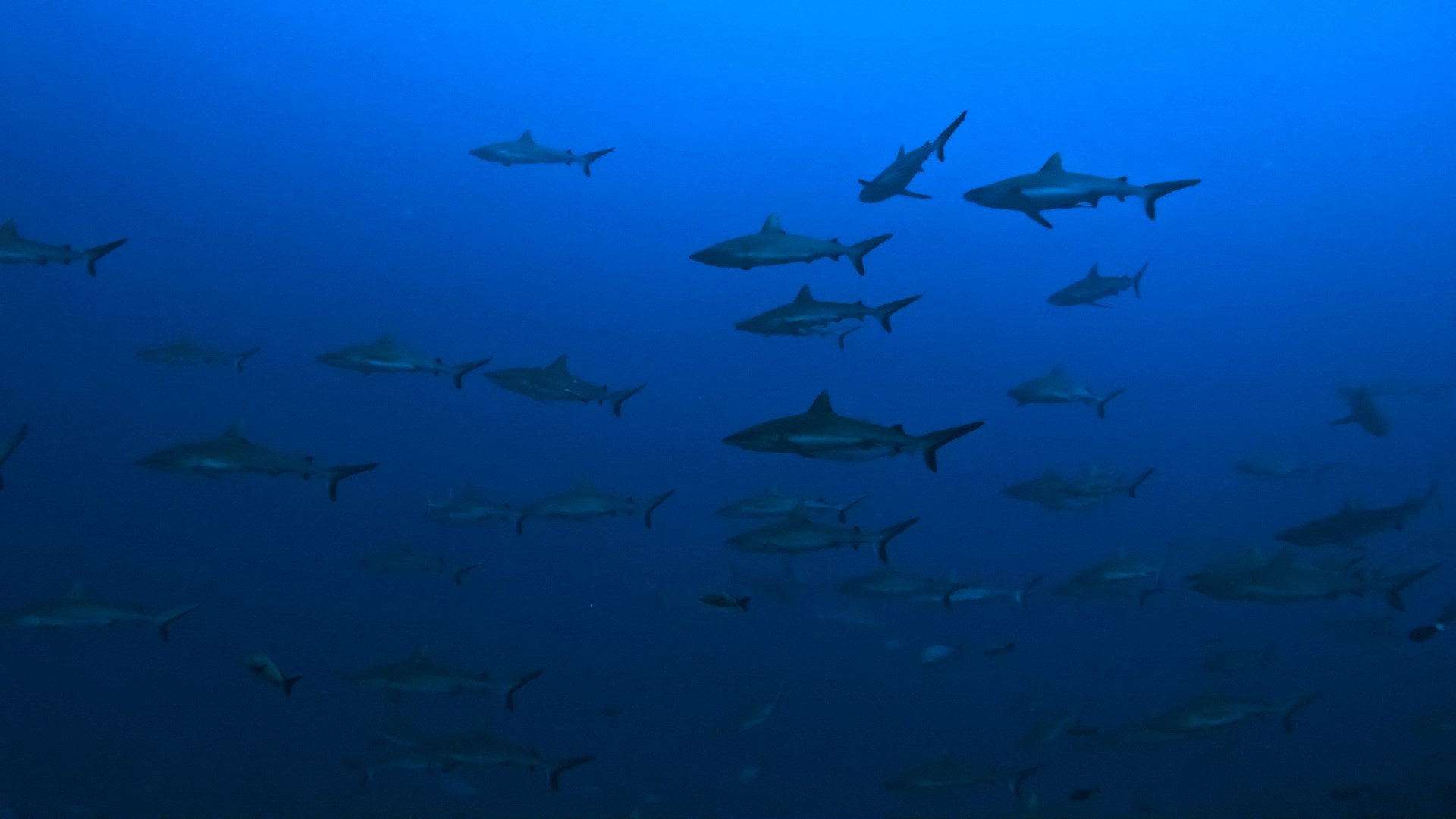
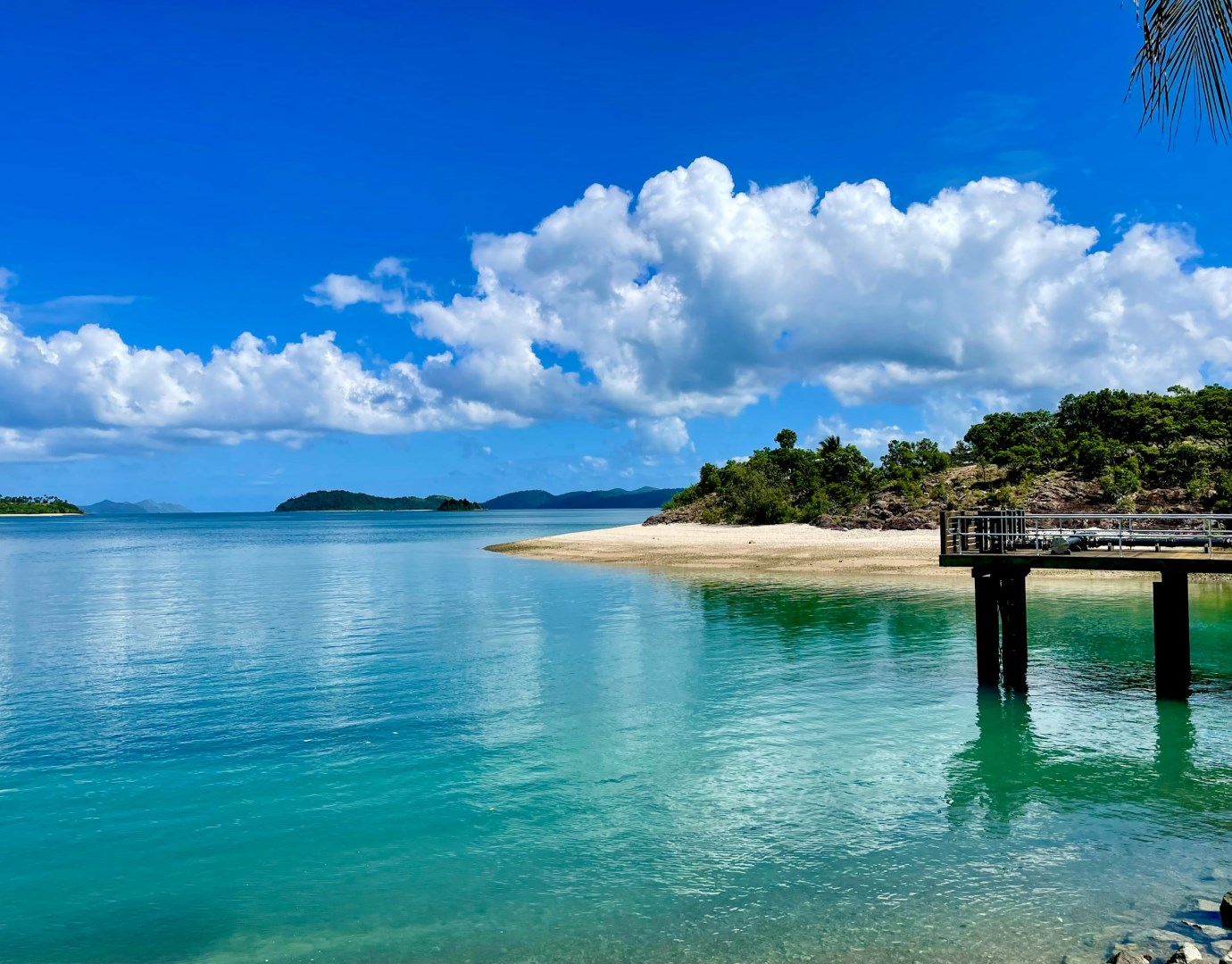
Fakarava, a hidden paradise in French Polynesia, is an ideal destination for those seeking unspoiled natural beauty and adventure. This atoll, part of the Tuamotu Archipelago, is known for its pristine coral reefs and crystal-clear lagoons. Divers from around the world flock to Fakarava to explore the rich underwater ecosystems, especially at the famous Garuae Pass, where you can encounter hundreds of grey reef sharks, manta rays, and vibrant marine life in an awe-inspiring spectacle.
Beyond its underwater wonders, Fakarava offers a glimpse into authentic Polynesian culture. The village of Rotoava, located on the northern edge of the atoll, is the largest settlement and a hub of local life. Here, visitors can explore traditional pearl farms, visit the historic Tetamanu village, home to one of the oldest coral churches in the region, and experience the warm hospitality of the local population. The island’s pink sand beaches provide a serene setting for relaxation, where you can unwind to the sound of gentle waves lapping the shore.
A fun fact about Fakarava is that it is home to the "Wall of Sharks," a natural phenomenon where thousands of grey reef sharks gather during the mating season. This unique event is a must-see for diving enthusiasts, offering a thrilling and unforgettable experience in one of the world’s most extraordinary marine environments .
Beyond its underwater wonders, Fakarava offers a glimpse into authentic Polynesian culture. The village of Rotoava, located on the northern edge of the atoll, is the largest settlement and a hub of local life. Here, visitors can explore traditional pearl farms, visit the historic Tetamanu village, home to one of the oldest coral churches in the region, and experience the warm hospitality of the local population. The island’s pink sand beaches provide a serene setting for relaxation, where you can unwind to the sound of gentle waves lapping the shore.
A fun fact about Fakarava is that it is home to the "Wall of Sharks," a natural phenomenon where thousands of grey reef sharks gather during the mating season. This unique event is a must-see for diving enthusiasts, offering a thrilling and unforgettable experience in one of the world’s most extraordinary marine environments .
Other Popular Destinations in French Polynesia
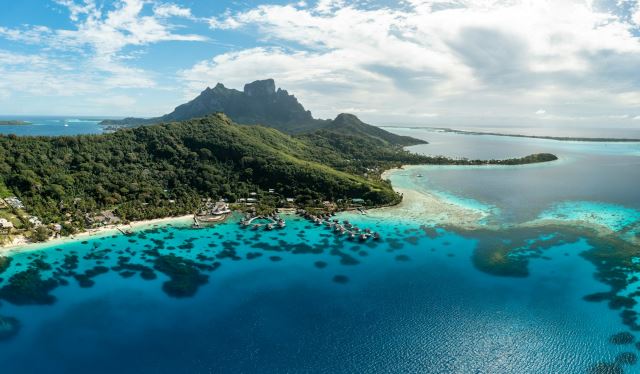
Bora Bora, often referred to as the "Jewel of the South Seas," is the epitome of tropical luxury. Nestled in the Society Islands of French Polynesia, this idyllic island is famed for its stunning turquoise lagoon, ringed by a barrier reef and dotted with overwater bungalows.

