



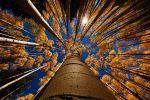
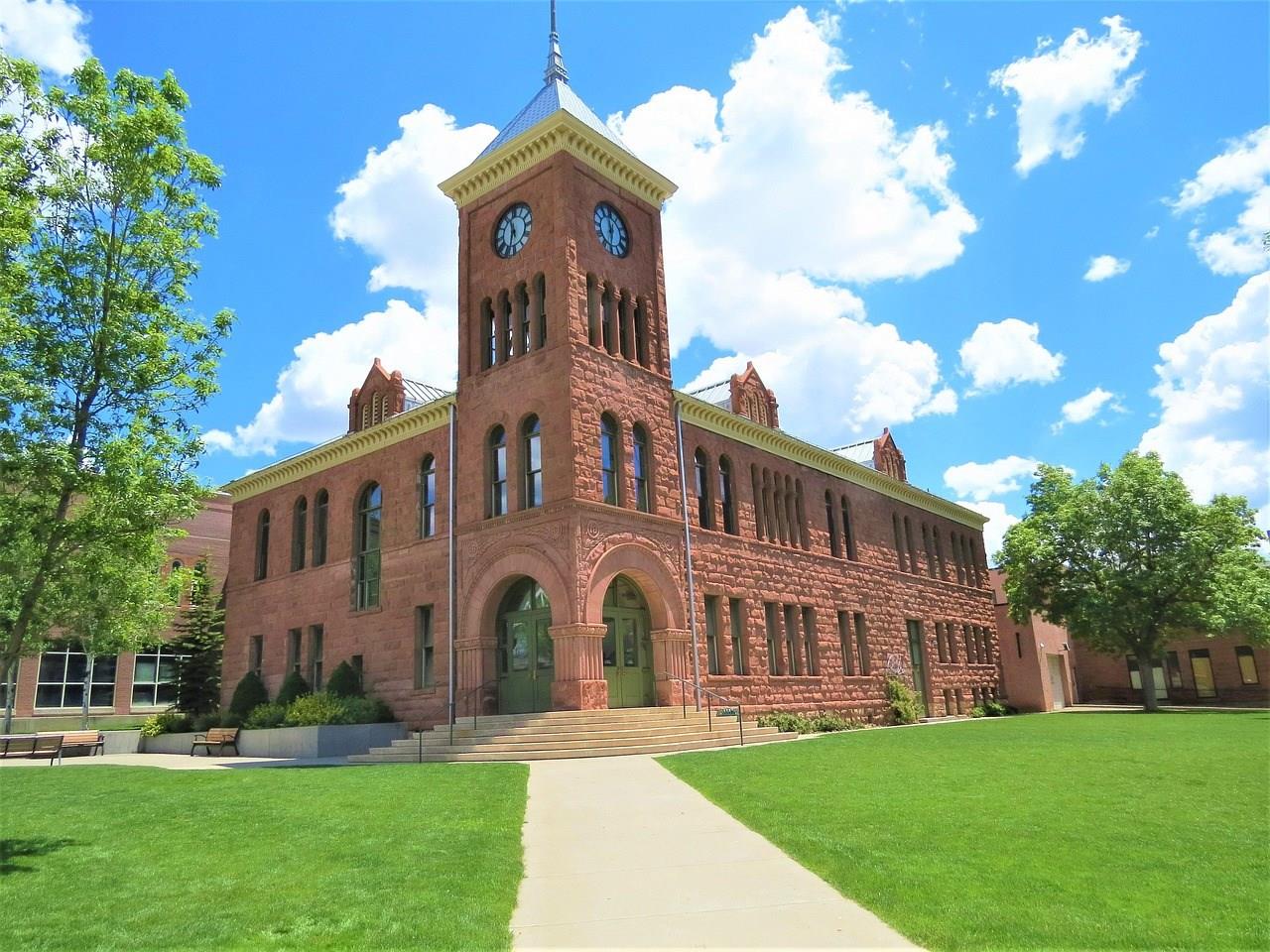

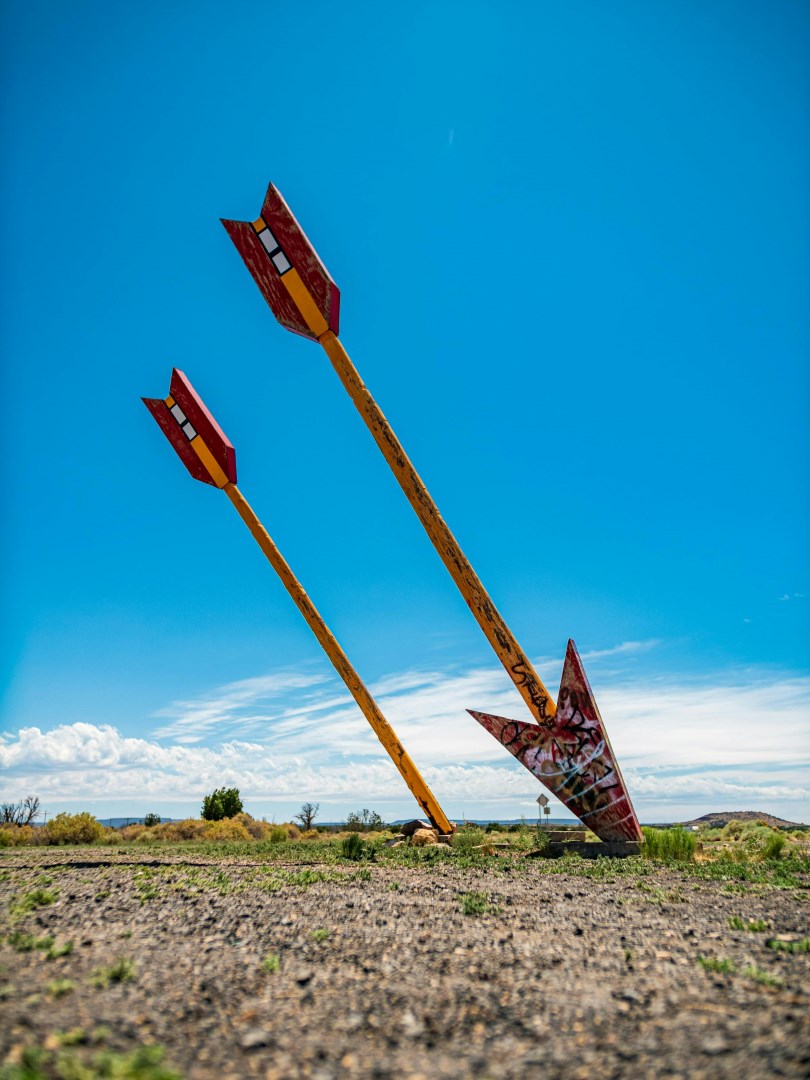
Flagstaff, Arizona, is a mountain town that perfectly blends the charm of a small community with the excitement of outdoor adventure and rich cultural experiences. Nestled at the base of the San Francisco Peaks, Flagstaff serves as a gateway to some of the Southwest's most iconic landscapes, including the Grand Canyon, which is just a short drive away. The town itself is surrounded by the largest contiguous ponderosa pine forest in the world, offering an abundance of hiking, biking, and skiing opportunities.
Flagstaff's historic downtown is a vibrant area filled with boutique shops, local breweries, and restaurants that cater to a variety of tastes. Visitors can explore the Lowell Observatory, where Pluto was famously discovered in 1930, or delve into the region's history at the Museum of Northern Arizona, which showcases Native American artifacts and exhibits on local geology and ecology. The town's lively arts scene is highlighted by events such as the Flagstaff Art in the Park festival, which attracts artists and visitors from all over the region.
One of Flagstaff's most enticing aspects is its access to diverse natural wonders. In addition to the Grand Canyon, visitors can explore the otherworldly landscapes of the Sunset Crater Volcano National Monument and the ancient cliff dwellings at Walnut Canyon National Monument. The area's dark skies also make Flagstaff one of the best places in the country for stargazing, with the city being recognized as the world's first International Dark Sky City.
A fun fact about Flagstaff is that it's one of the highest-elevation cities in the United States, sitting at approximately 7,000 feet above sea level. This elevation gives Flagstaff a unique climate compared to the rest of Arizona, with cooler summers and the occasional winter snowfall, making it a year-round destination for outdoor enthusiasts and travelers seeking a refreshing escape.
Flagstaff's historic downtown is a vibrant area filled with boutique shops, local breweries, and restaurants that cater to a variety of tastes. Visitors can explore the Lowell Observatory, where Pluto was famously discovered in 1930, or delve into the region's history at the Museum of Northern Arizona, which showcases Native American artifacts and exhibits on local geology and ecology. The town's lively arts scene is highlighted by events such as the Flagstaff Art in the Park festival, which attracts artists and visitors from all over the region.
One of Flagstaff's most enticing aspects is its access to diverse natural wonders. In addition to the Grand Canyon, visitors can explore the otherworldly landscapes of the Sunset Crater Volcano National Monument and the ancient cliff dwellings at Walnut Canyon National Monument. The area's dark skies also make Flagstaff one of the best places in the country for stargazing, with the city being recognized as the world's first International Dark Sky City.
A fun fact about Flagstaff is that it's one of the highest-elevation cities in the United States, sitting at approximately 7,000 feet above sea level. This elevation gives Flagstaff a unique climate compared to the rest of Arizona, with cooler summers and the occasional winter snowfall, making it a year-round destination for outdoor enthusiasts and travelers seeking a refreshing escape.
Other Popular Destinations in Arizona

Stretching 277 miles in length and more than a mile deep, this vast canyon reveals layers of geologic time stacked like pages in a book. Standing on the South Rim, visitors can look out over colorful cliffs and winding trails that have drawn explorers, artists, and travelers for generations. The views change with the light starting with crimson at sunrise, golden at sunset, and every hue in between.
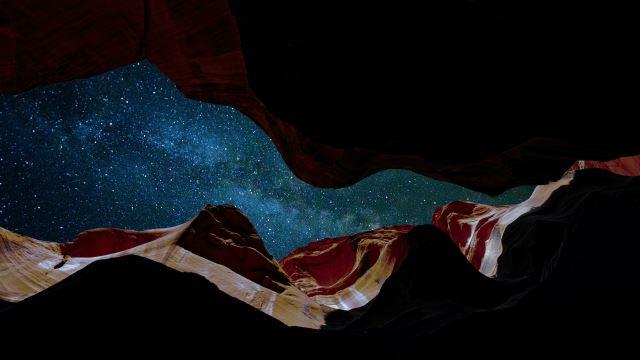
Page, Arizona, offers a gateway to some of the most breathtaking landscapes in the American Southwest. Nestled near the northern border of Arizona, this city is a perfect base for exploring natural wonders such as Antelope Canyon, a slot canyon renowned for its stunning light beams and swirling sandstone formations. Visitors can take guided tours to witness the canyon’s otherworldly beauty, which has been shaped by centuries of erosion and natural forces.
