


Key Largo
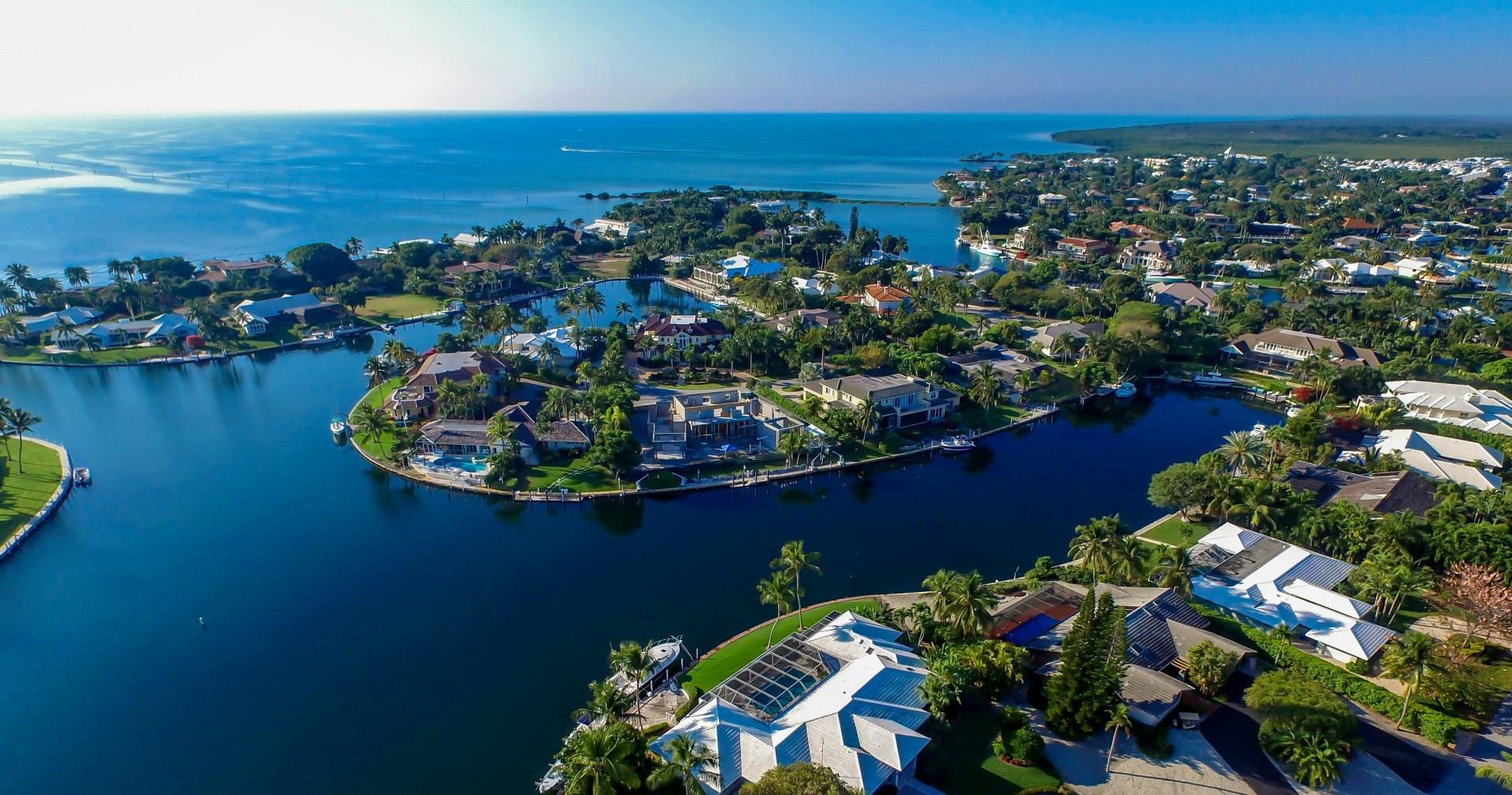
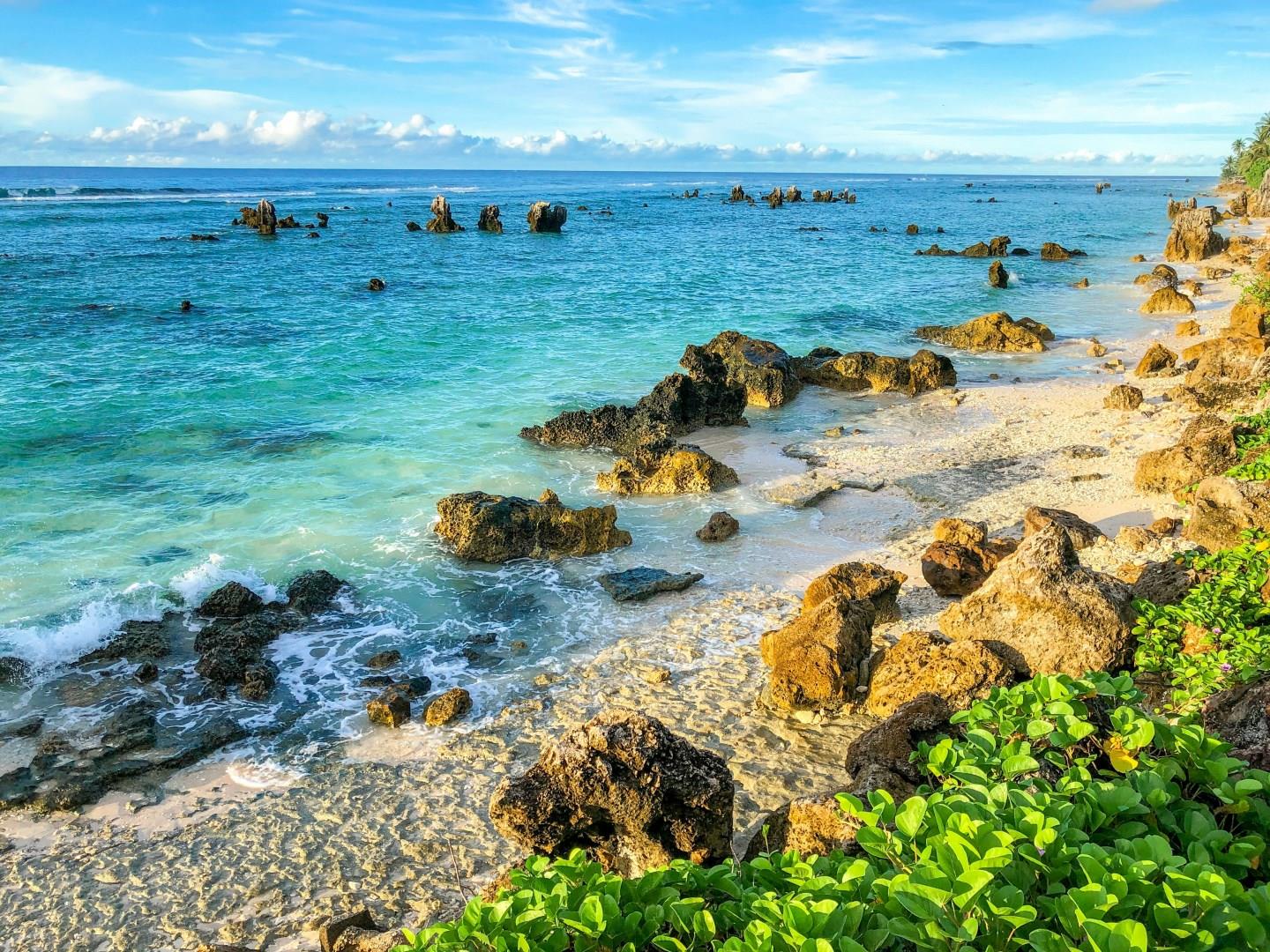
Key Largo, the northernmost of the Florida Keys, is renowned for its pristine natural beauty and vibrant marine life. As part of the Florida Keys archipelago, Key Largo is a gateway to the spectacular underwater world of the John Pennekamp Coral Reef State Park, the first underwater park in the U.S. Here, visitors can explore vibrant coral reefs through snorkeling and scuba diving, or take a glass-bottom boat tour to marvel at the colorful marine ecosystems without getting wet.
The island’s rich maritime history is showcased at the African Queen Canal Cruise, where you can board the famous vessel from the classic film "The African Queen" and enjoy a scenic cruise through the canals of Key Largo. Another historical gem is the Key Largo Baptist Church, which, although not as ancient, provides insight into the community spirit of the island.
For those seeking adventure above water, Key Largo offers plenty of options. The island’s mangroves and backwaters are perfect for kayaking and paddleboarding, offering a peaceful escape amidst lush greenery and wildlife. Everglades National Park, just a short drive away, is also a popular destination for exploring the unique ecosystem of the Florida Everglades.
A fun fact about Key Largo is that it is home to the World’s Largest Artificial Reef, the "Spiegel Grove." This sunken ship, which now serves as a massive reef, attracts divers from around the world eager to explore its underwater wreckage and the thriving marine life it supports.
Whether you’re diving into the depths of the coral reefs, cruising in historic style, or exploring lush mangroves, Key Largo provides a diverse array of experiences for every type of traveler.
The island’s rich maritime history is showcased at the African Queen Canal Cruise, where you can board the famous vessel from the classic film "The African Queen" and enjoy a scenic cruise through the canals of Key Largo. Another historical gem is the Key Largo Baptist Church, which, although not as ancient, provides insight into the community spirit of the island.
For those seeking adventure above water, Key Largo offers plenty of options. The island’s mangroves and backwaters are perfect for kayaking and paddleboarding, offering a peaceful escape amidst lush greenery and wildlife. Everglades National Park, just a short drive away, is also a popular destination for exploring the unique ecosystem of the Florida Everglades.
A fun fact about Key Largo is that it is home to the World’s Largest Artificial Reef, the "Spiegel Grove." This sunken ship, which now serves as a massive reef, attracts divers from around the world eager to explore its underwater wreckage and the thriving marine life it supports.
Whether you’re diving into the depths of the coral reefs, cruising in historic style, or exploring lush mangroves, Key Largo provides a diverse array of experiences for every type of traveler.
