





Kumasi is the capital of Ghana’s Ashanti Region and one of the country’s main cultural centers. Often called “Oseikrom” by locals, the city is closely connected to the traditions of the Ashanti Kingdom and remains an important place for trade, ceremonies, and craftsmanship. Streets around Adum and Kejetia are filled with transport stations, textile sellers, and open-air food stalls that reflect the city’s role as a commercial hub. Despite its rapid growth, Kumasi still keeps strong ties to royal customs, community gatherings, and family-owned workshops that shape daily life across the city.
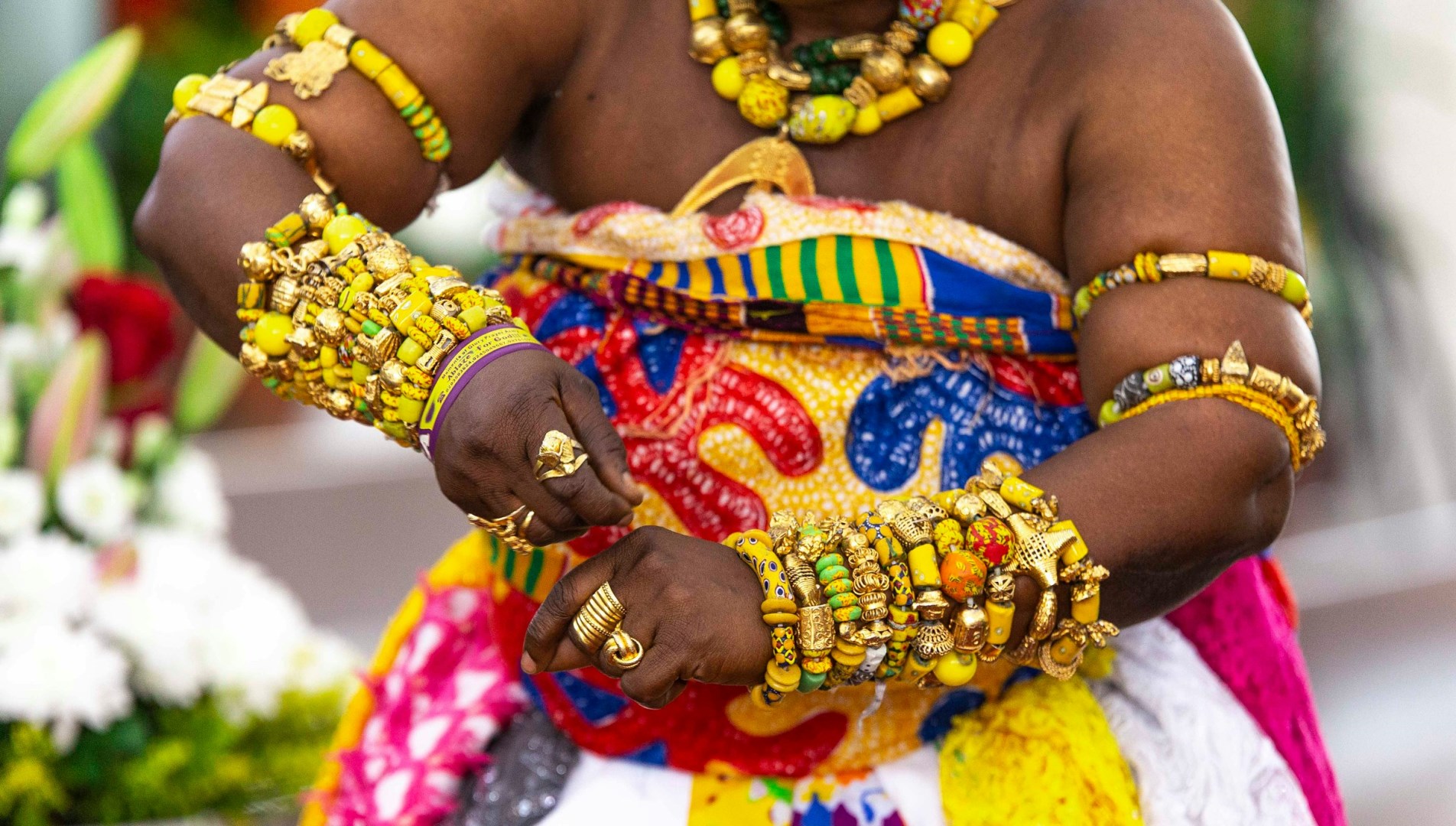
Culture in Kumasi is closely linked to Ashanti identity, especially through music, dance, textiles, and symbols used in public ceremonies. The Manhyia Palace Museum preserves royal regalia, photographs, and objects connected to the Ashanti monarchy, while traditional events such as Akwasidae bring together drumming, processions, and formal greetings for the Asantehene. Nearby villages including Bonwire and Ntonso are known for kente weaving and Adinkra cloth stamping. Many kente patterns and Adinkra symbols carry messages about leadership, wisdom, or social values, and these visual traditions remain part of clothing, architecture, and festivals throughout the region.
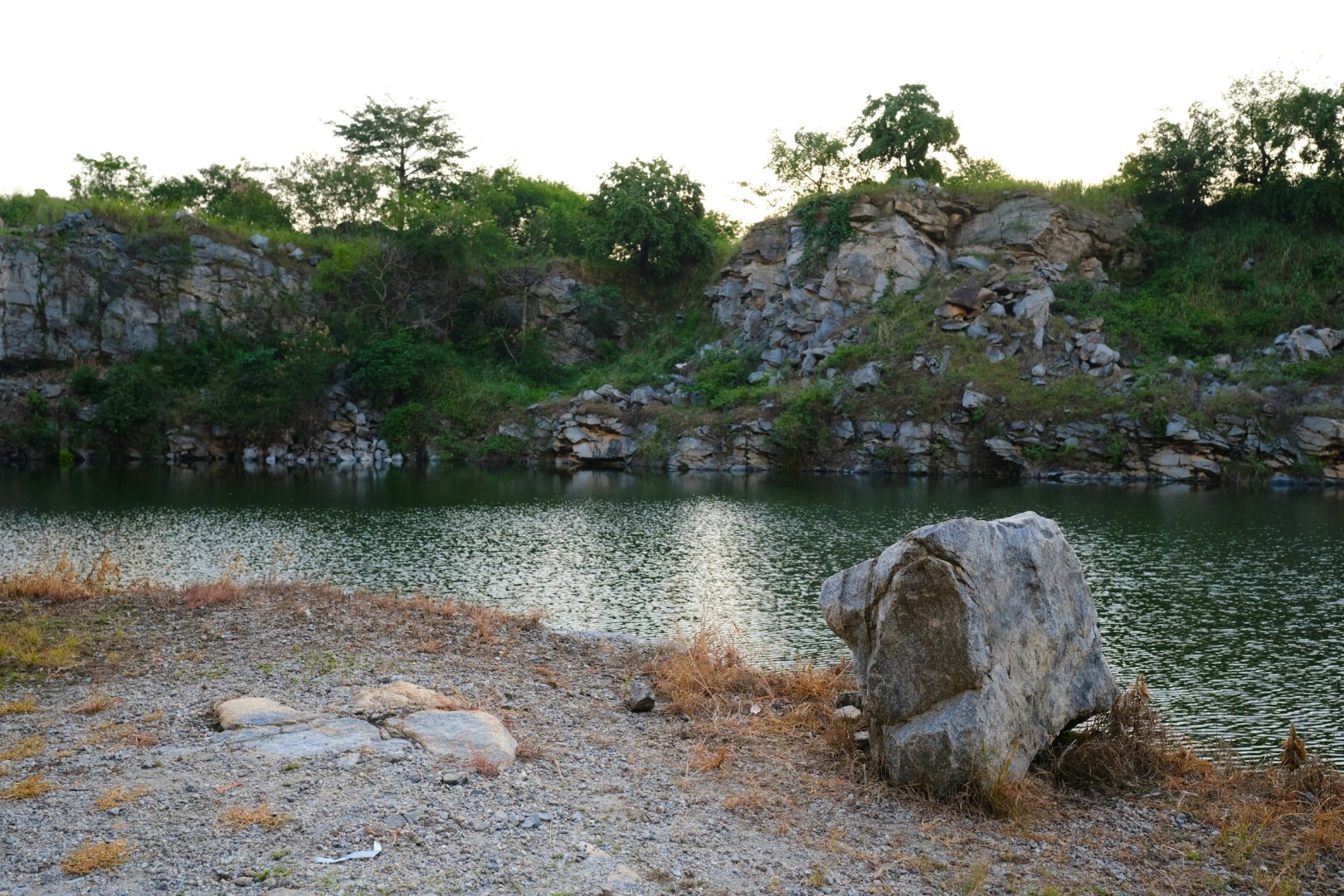
Kumasi’s best-known landmark is the Kejetia Market, one of the largest open-air markets in West Africa, where thousands of traders sell fabric, spices, electronics, tools, and handmade goods. The city also contains the Kumasi Fort and Military Museum, the Okomfo Anokye Sword Site, and the Centre for National Culture, which hosts craft workshops and performances. Outside the city, Lake Bosomtwe attracts visitors with its crater lake landscape and fishing communities. Kumasi’s tree-lined districts and botanical areas helped give it the nickname “Garden City,” reflecting the greenery that still appears throughout parts of the urban area.
Food in Kumasi is centered on filling Ashanti dishes often served in local “chop bars.” Fufu with light soup or goat soup is widely eaten, along with ampesi, plantain dishes, and jollof rice. Street vendors commonly prepare grilled tilapia, roasted plantain, and spicy pepper sauces beside busy roads and markets. The city is also known for traditional crafts sold directly by artisans, including brass weights, carved stools, beads, and woven cloth. Visitors often notice that many businesses in Kumasi specialize in a single trade, creating entire streets devoted to sandals, jewelry, fabrics, or herbal medicines.
Other Popular Destinations in Ghana