



Africa | Canary Islands | Las Palmas


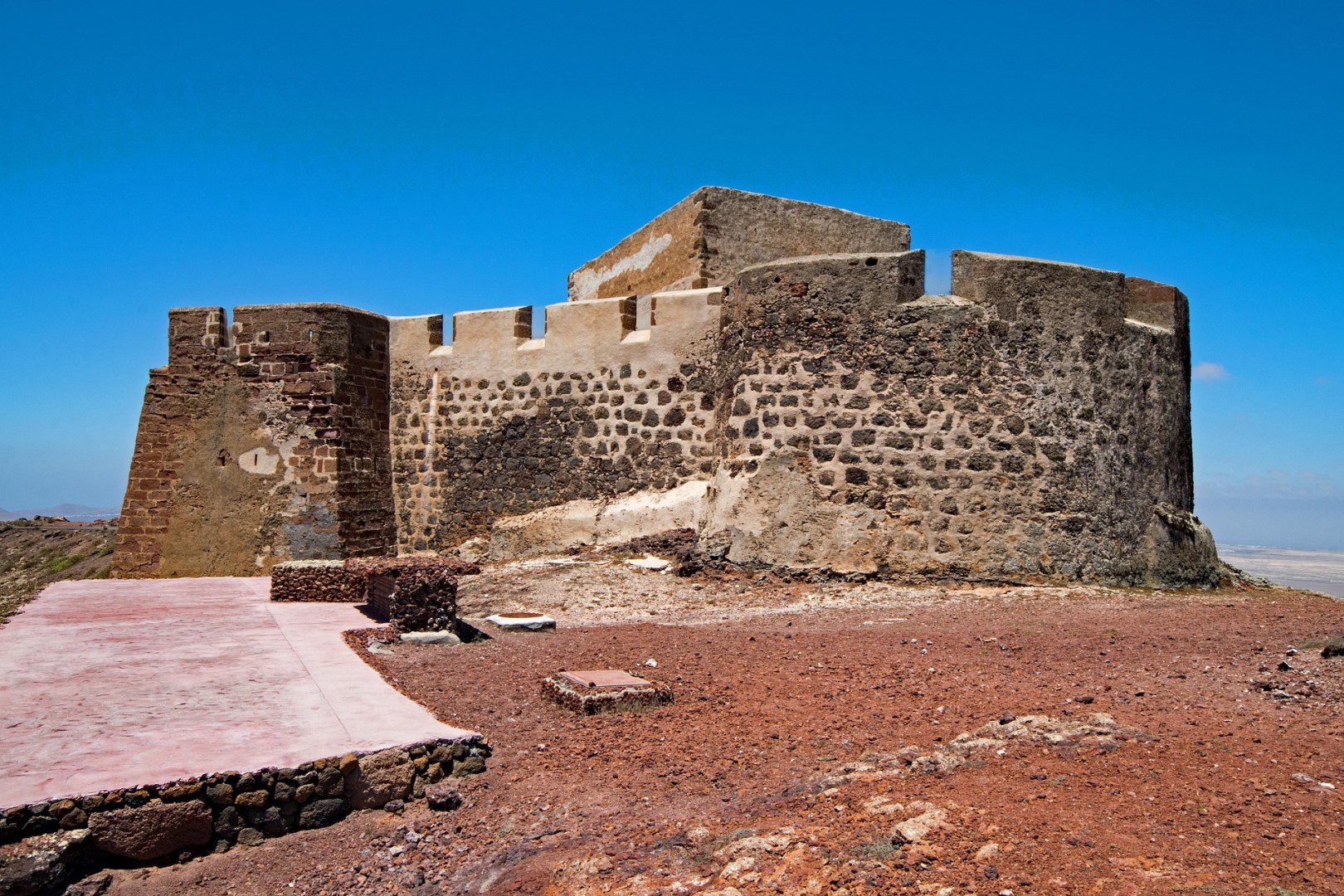
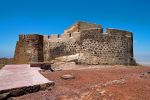
Las Palmas (officially Las Palmas de Gran Canaria) is the capital of Gran Canaria island as well as co-capital (along with Santa Cruz de Tenerife) of the Canary Islands.
It is a major cruise-ship port known for duty-free shopping and sandy beaches, including Playa de Las Canteras, considered by many to be one of the best urban beaches worldwide. A variety of museums will delight history buffs, and of course, swimming and surfing as well as beach sports are quite popular.
The city also hosts several annual festivals. The Carnival of Las Palmas de Gran Canaria is known worldwide, held each February, and includes a six-kilometer parade. Other events include the Canary Islands Music Festival, a World of Music Arts and Dance Festival, an International Film Festival and more.
It is a major cruise-ship port known for duty-free shopping and sandy beaches, including Playa de Las Canteras, considered by many to be one of the best urban beaches worldwide. A variety of museums will delight history buffs, and of course, swimming and surfing as well as beach sports are quite popular.
The city also hosts several annual festivals. The Carnival of Las Palmas de Gran Canaria is known worldwide, held each February, and includes a six-kilometer parade. Other events include the Canary Islands Music Festival, a World of Music Arts and Dance Festival, an International Film Festival and more.
Other Popular Destinations in Canary Islands
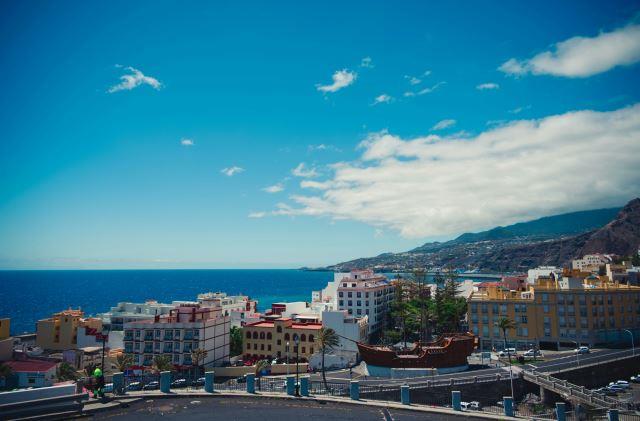
Santa Cruz de La Palma is the capital of the island of La Palma, one of the seven Canary Islands. Although often forgotten in favor of the similarly named Santa Cruz de Tenerife, it is a compact and colorful colonial town well worth a visit. Swimming, paragliding, and hiking and some of the most popular daytime activities, while stargazing is a favorite pastime after the sun goes down.

