

East and Southeast Asia | Indonesia | Medan
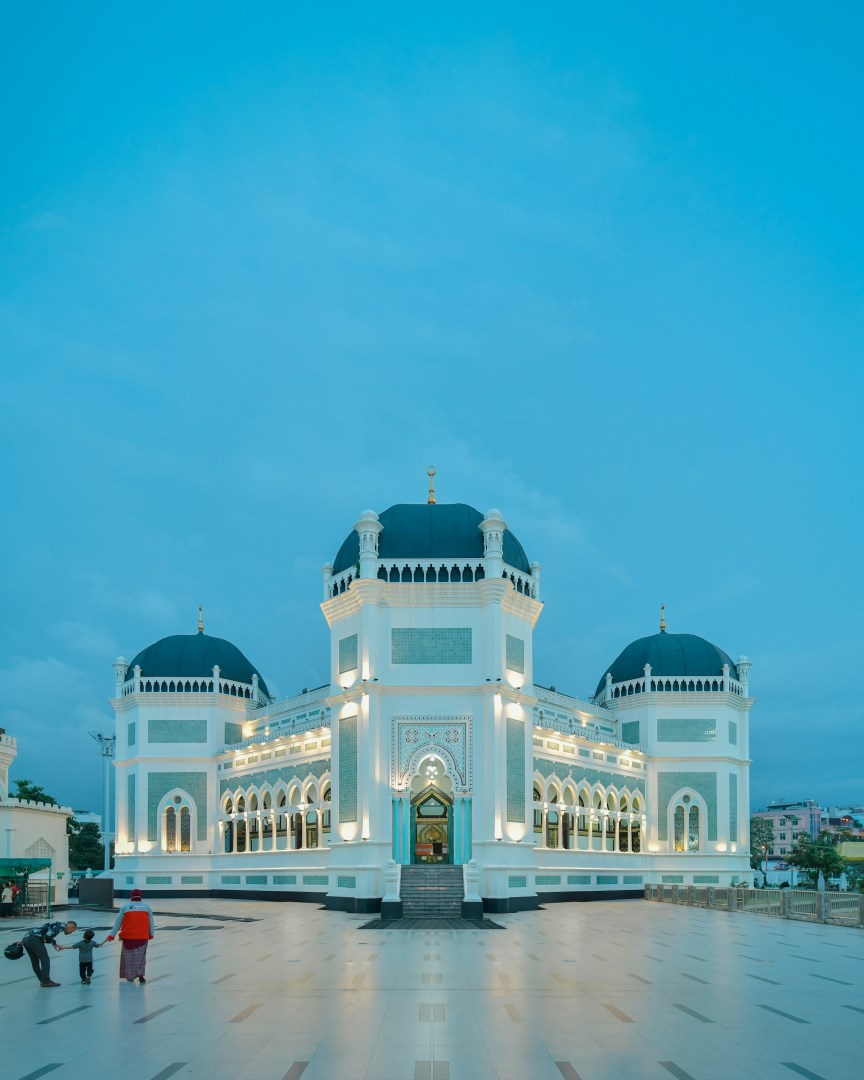
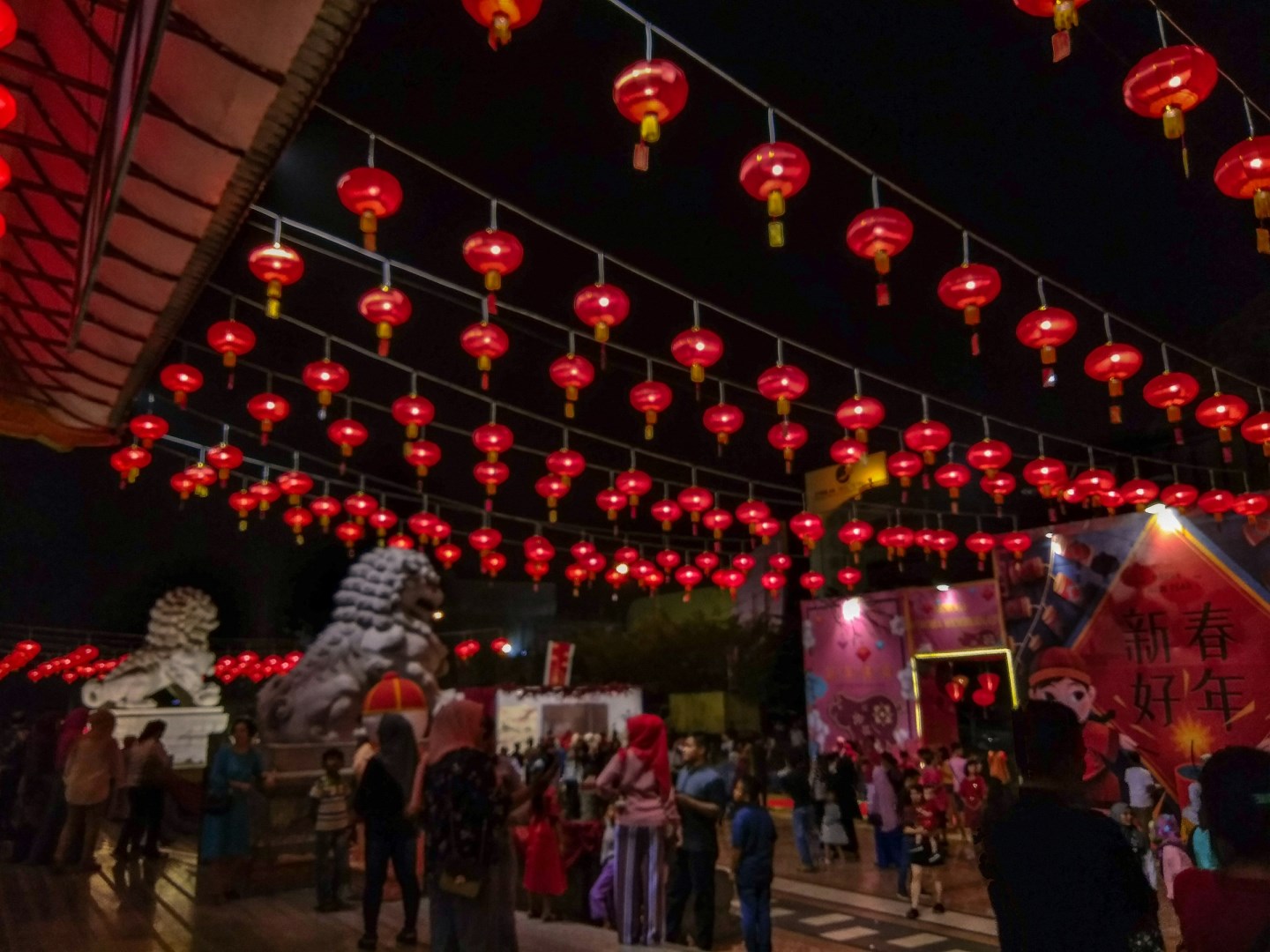
Medan (pop 1.5 million) is the capital of north Sumatra and the third largest city in Indonesia. It is a huge, sprawling city and a popular entry/exit point for travellers. The solid Dutch buildings of the affluent older suburbs inspire images of bloated bureaucrats and burghers from the colonial era, while jerry-built lean-tos house the bulk of its population.
The city's two finest buildings are the Istana Maimoon (Maimoun Palace) and the magnificent black-domed Mesjid Raya. There are some fine examples of European architecture along Jalan Sukarno-Hatta, such as Bank Indonesia and the High Court. There are a number of museums, including the Museum of North Sumatra, which has excellent coverage
of the region's culture and history, and the weaponry-and-warfare-influenced Bukit Barisan Military Museum. Cultural performances can be seen at Taman Budaya.
Much of the budget accommodation is close to the city centre. Jalan Semarang, a small street between Jalan Pandu and Jalan Bandung, has great food stalls offering Indonesian and Chinese meals late into the night.
The city's two finest buildings are the Istana Maimoon (Maimoun Palace) and the magnificent black-domed Mesjid Raya. There are some fine examples of European architecture along Jalan Sukarno-Hatta, such as Bank Indonesia and the High Court. There are a number of museums, including the Museum of North Sumatra, which has excellent coverage
of the region's culture and history, and the weaponry-and-warfare-influenced Bukit Barisan Military Museum. Cultural performances can be seen at Taman Budaya.
Much of the budget accommodation is close to the city centre. Jalan Semarang, a small street between Jalan Pandu and Jalan Bandung, has great food stalls offering Indonesian and Chinese meals late into the night.
Other Popular Destinations in Indonesia
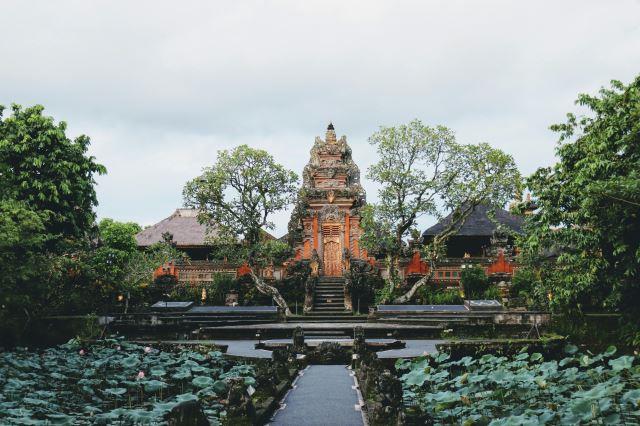
Ubud lies in the uplands of central Bali and has long been regarded as the island’s cultural and spiritual heart. Historically a center for healing and royal patronage, the town developed around temples, palaces, and traditional villages that supported dance, painting, woodcarving, and ritual life.