


Melbourne, Florida, is a charming city that combines coastal beauty with a rich tapestry of cultural and recreational activities. Nestled along the Atlantic coast, Melbourne offers pristine beaches and vibrant outdoor experiences. The Historic Downtown Melbourne is a delightful area where you can explore unique shops, dine at quaint restaurants, and soak in the small-town charm. The picturesque Riverside Park and the lively Melbourne Square Mall add to the city's appeal, providing spaces for relaxation and shopping.
For nature enthusiasts, the Brevard Zoo is a must-visit, offering interactive experiences and a chance to see diverse wildlife. The Andretti Thrill Park provides excitement for the whole family with go-kart racing, mini-golf, and arcade games. Outdoor adventures await at the Turkey Creek Sanctuary, where you can explore scenic trails and observe local wildlife in a serene natural setting.
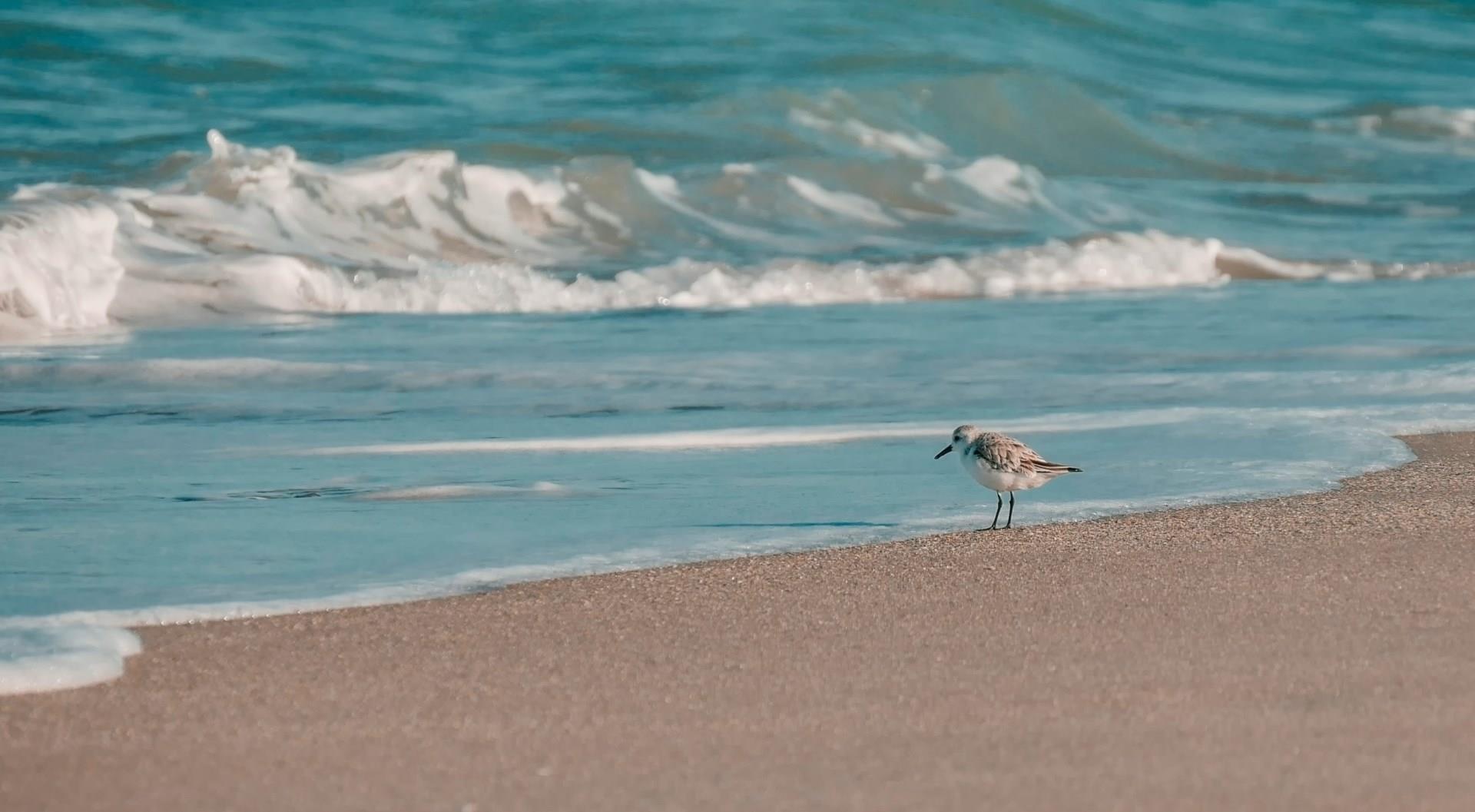
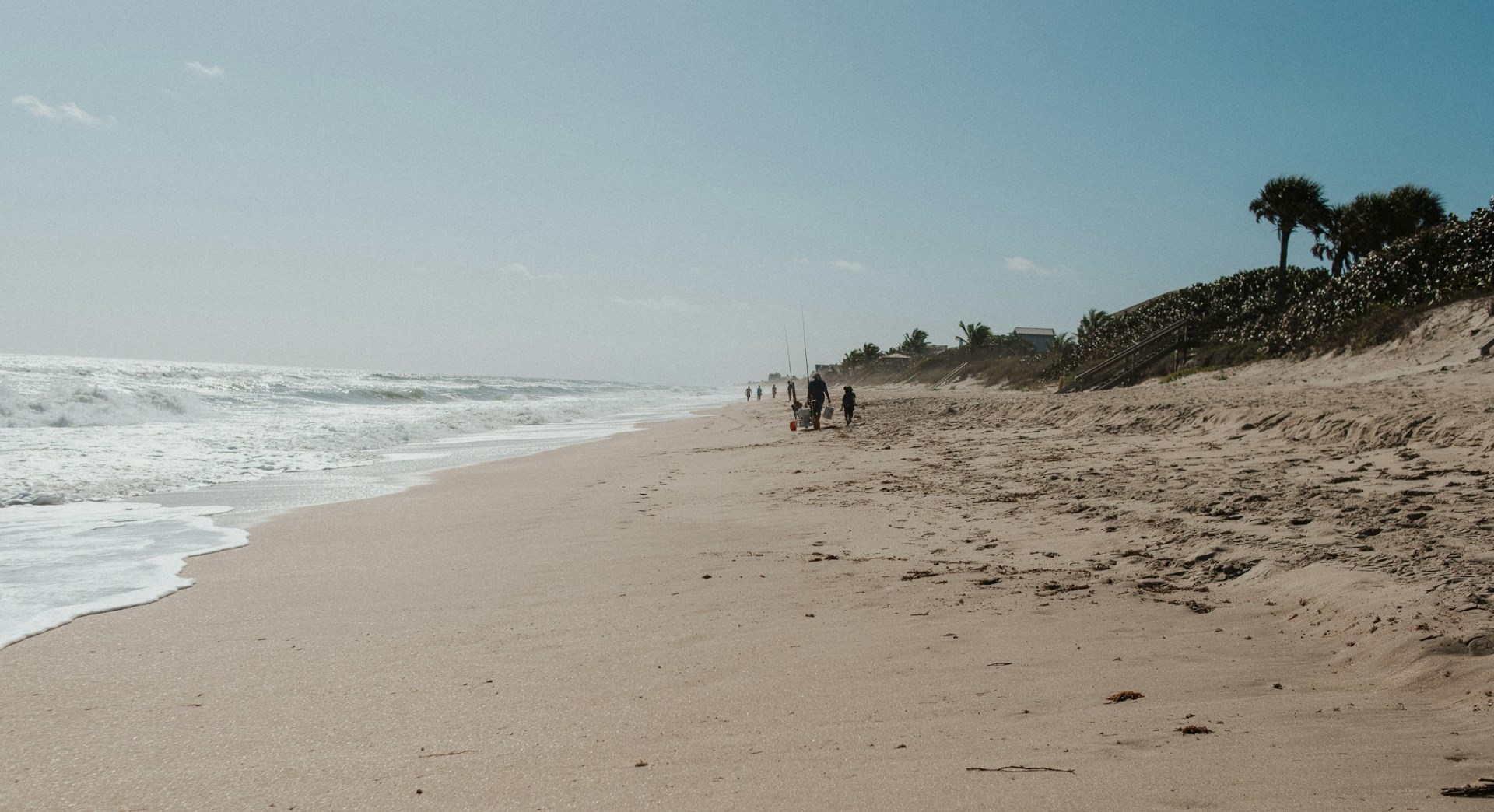
Melbourne's coastal location ensures that beach lovers have ample opportunities to enjoy the sun and surf. The Melbourne Beach is renowned for its clean sands and clear waters, making it perfect for swimming, sunbathing, and beachcombing. Additionally, the nearby Canova Beach Park is a popular spot for surfing and picnicking.
Melbourne is home to the Emerson Point Preserve, which features ancient Native American shell mounds that offer a glimpse into the area's prehistoric past. These mounds are a fascinating testament to the region's rich cultural history.
Whether you're seeking outdoor adventures, cultural experiences, or simply a relaxing day at the beach, Melbourne, Florida, offers a diverse range of attractions to make your visit memorable.
For nature enthusiasts, the Brevard Zoo is a must-visit, offering interactive experiences and a chance to see diverse wildlife. The Andretti Thrill Park provides excitement for the whole family with go-kart racing, mini-golf, and arcade games. Outdoor adventures await at the Turkey Creek Sanctuary, where you can explore scenic trails and observe local wildlife in a serene natural setting.
Melbourne's coastal location ensures that beach lovers have ample opportunities to enjoy the sun and surf. The Melbourne Beach is renowned for its clean sands and clear waters, making it perfect for swimming, sunbathing, and beachcombing. Additionally, the nearby Canova Beach Park is a popular spot for surfing and picnicking.
Melbourne is home to the Emerson Point Preserve, which features ancient Native American shell mounds that offer a glimpse into the area's prehistoric past. These mounds are a fascinating testament to the region's rich cultural history.
Whether you're seeking outdoor adventures, cultural experiences, or simply a relaxing day at the beach, Melbourne, Florida, offers a diverse range of attractions to make your visit memorable.
Other Popular Destinations in Florida

Nestled between Biscayne Bay to the east and Everglades National Park to the west, Miami, Florida is one of the Sunshine State's most vibrant, culturally diverse, and dynamic cities.

Port Canaveral, located on Florida's Space Coast, is a captivating destination where space exploration and beachside relaxation come together. This bustling port is known as one of the world's busiest cruise ship ports, making it a prime gateway for cruising to the Caribbean and beyond source.
