



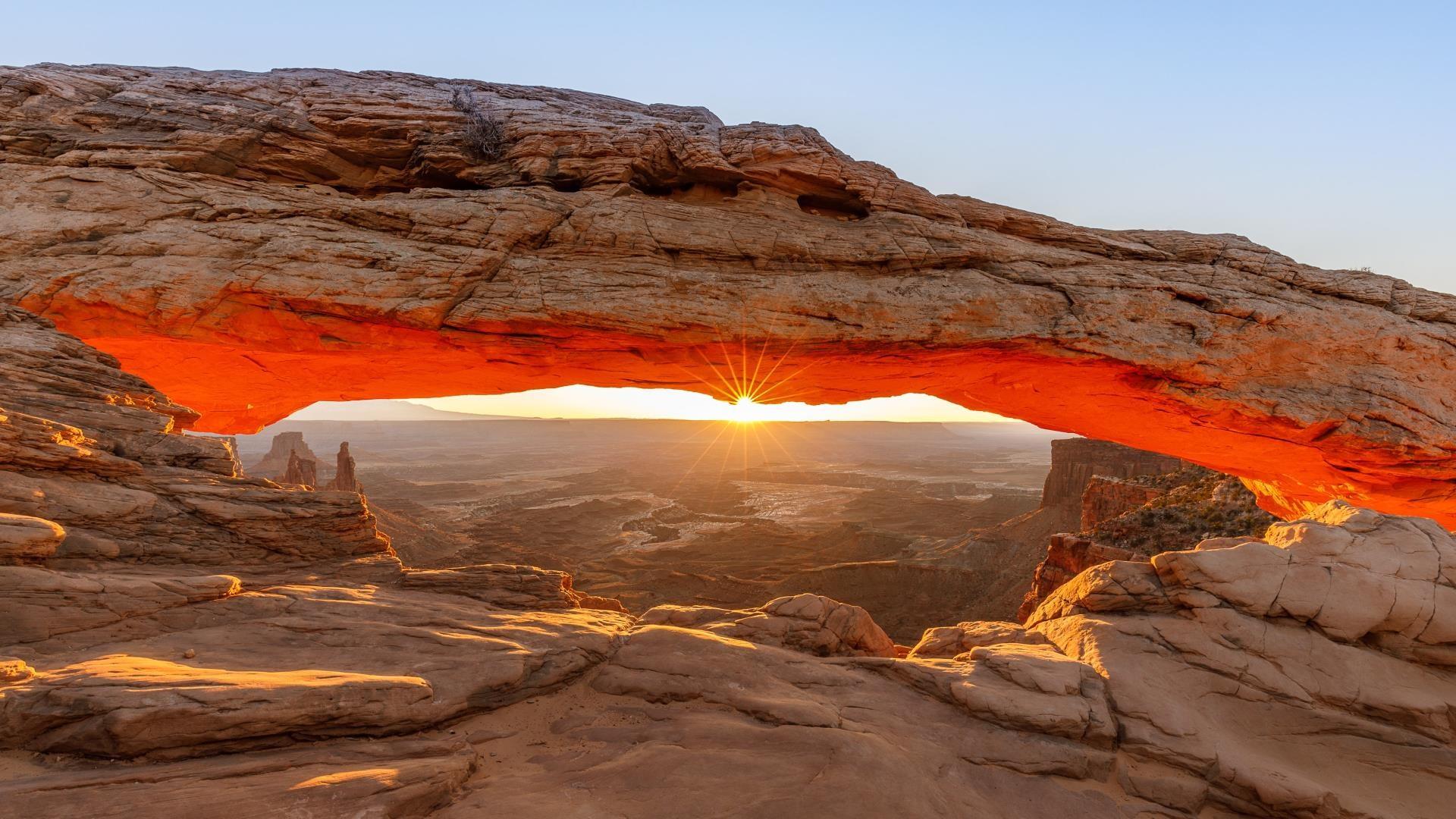

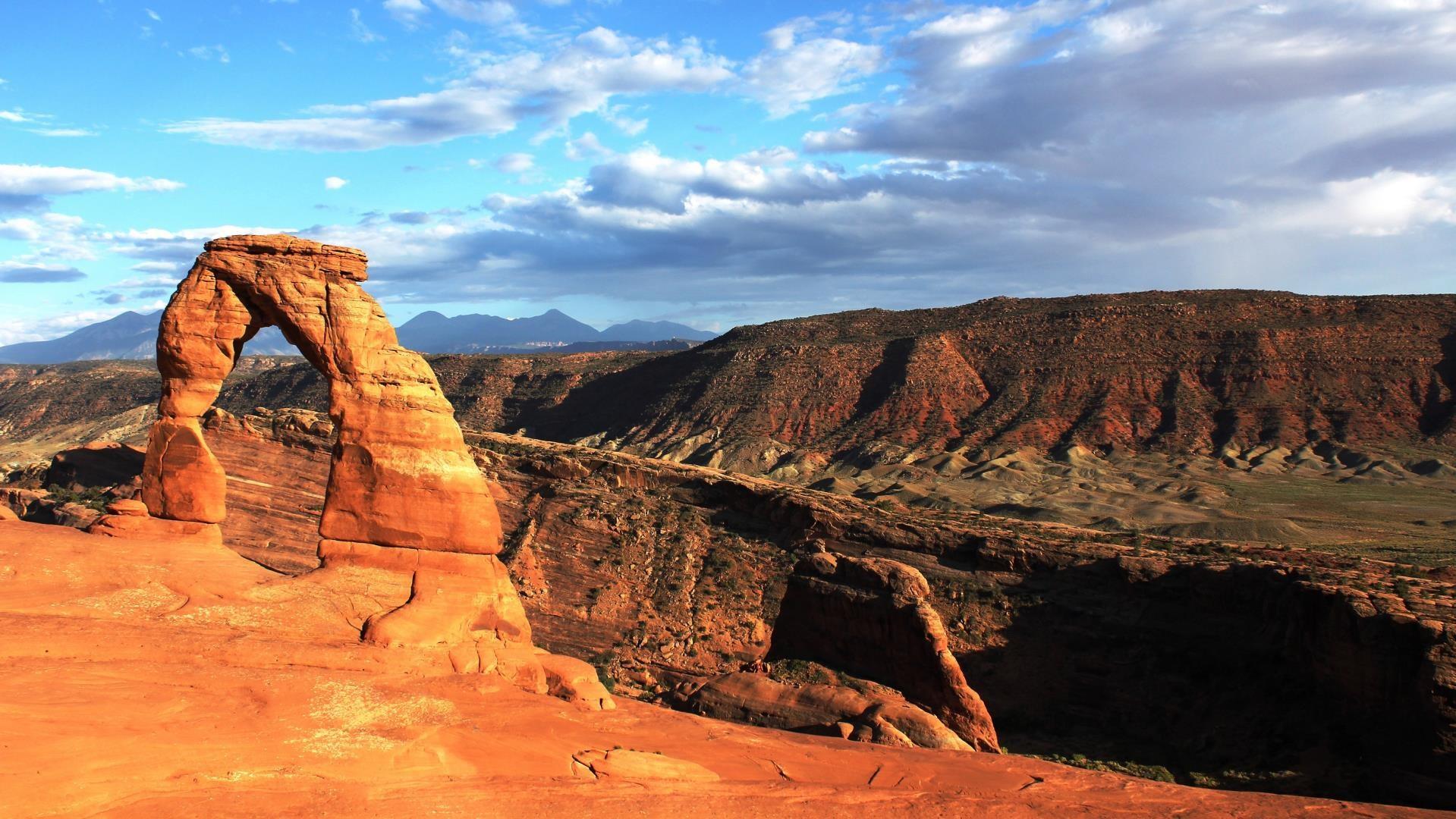

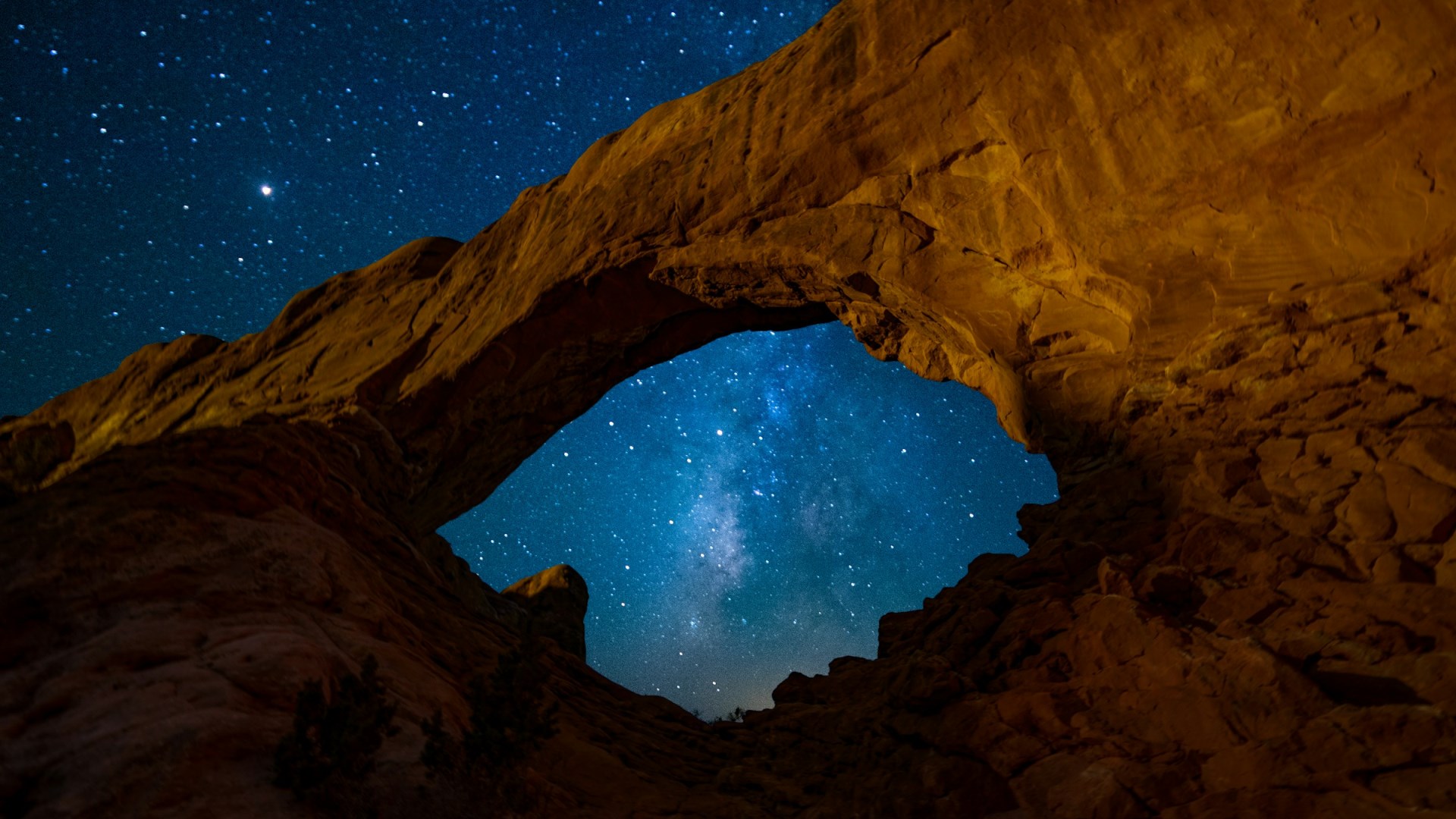
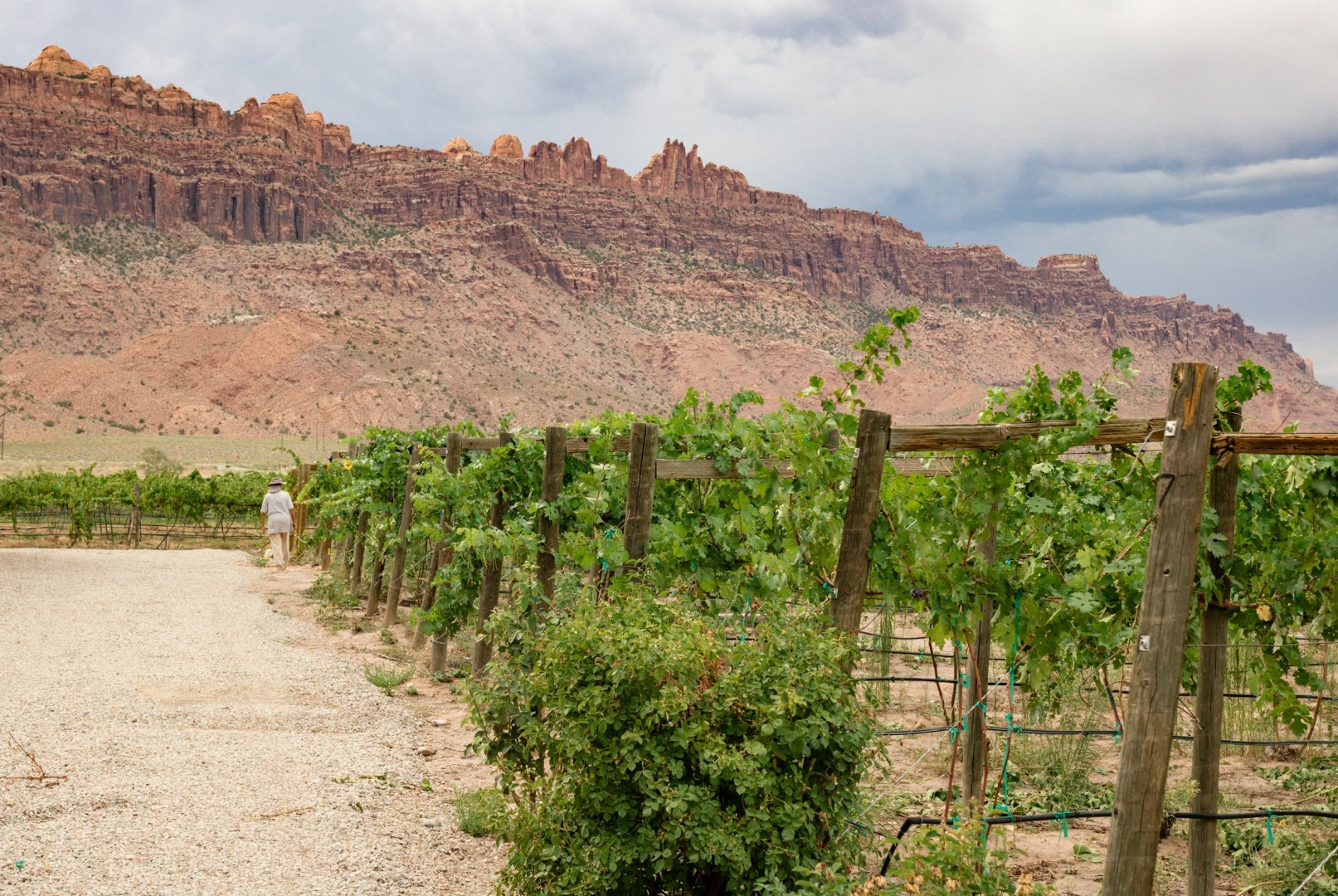
Nestled between Canyonlands National Park and Arches National Park, Moab is the perfect entryway to some of Utah’s most iconic scenery. Dotted with gorgeous sandstone formations, mesas, and buttes, Moab epitomizes the rugged beauty of the American Southwest.
Situated near the Colorado River, Moab provides direct access to dozens of nature trails and parks where you can hike, bike, raft, or camp to experience immense canyons and awe-inspiring desert landscapes. Nearby dinosaur trails give you a glimpse of dinosaur fossils and preserved tracks dating back to the Mesozoic Era.
When you’re done exploring national parks, take a breather in downtown Moab to browse local art galleries, check out the Moab Museum, or sample from local restaurants and breweries.
Situated near the Colorado River, Moab provides direct access to dozens of nature trails and parks where you can hike, bike, raft, or camp to experience immense canyons and awe-inspiring desert landscapes. Nearby dinosaur trails give you a glimpse of dinosaur fossils and preserved tracks dating back to the Mesozoic Era.
When you’re done exploring national parks, take a breather in downtown Moab to browse local art galleries, check out the Moab Museum, or sample from local restaurants and breweries.
Other Popular Destinations in Utah
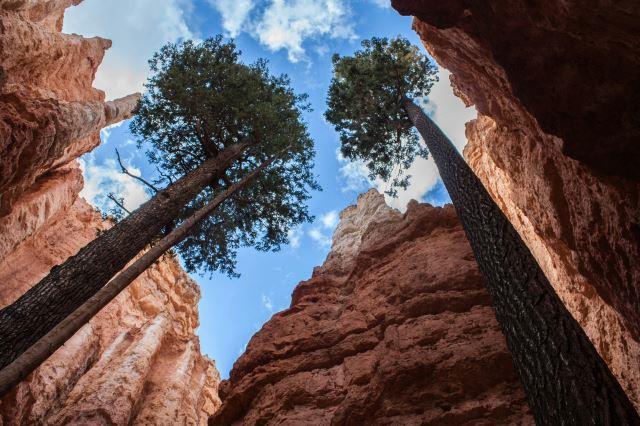
Bryce Canyon, tucked into the high plateaus of southern Utah, offers one of the most unusual landscapes in the American Southwest. It’s not actually a canyon but a series of natural amphitheaters carved into the edge of the Paunsaugunt Plateau. What makes Bryce unique is its dense collection of hoodoos which are tall, thin spires of rock formed over millions of years by frost-wedging and erosion.

Zion National Park, located in southwestern Utah, is known for its massive sandstone cliffs, narrow slot canyons, and unique desert ecosystems. Established in 1919, it was Utah’s first national park and continues to attract visitors with its dramatic elevation shifts and striking rock formations. The park’s most iconic feature, Zion Canyon, stretches for 15 miles and reaches depths of up to 2,640 feet, carved over time by the Virgin River.
