

USA | Mississippi | Natchez
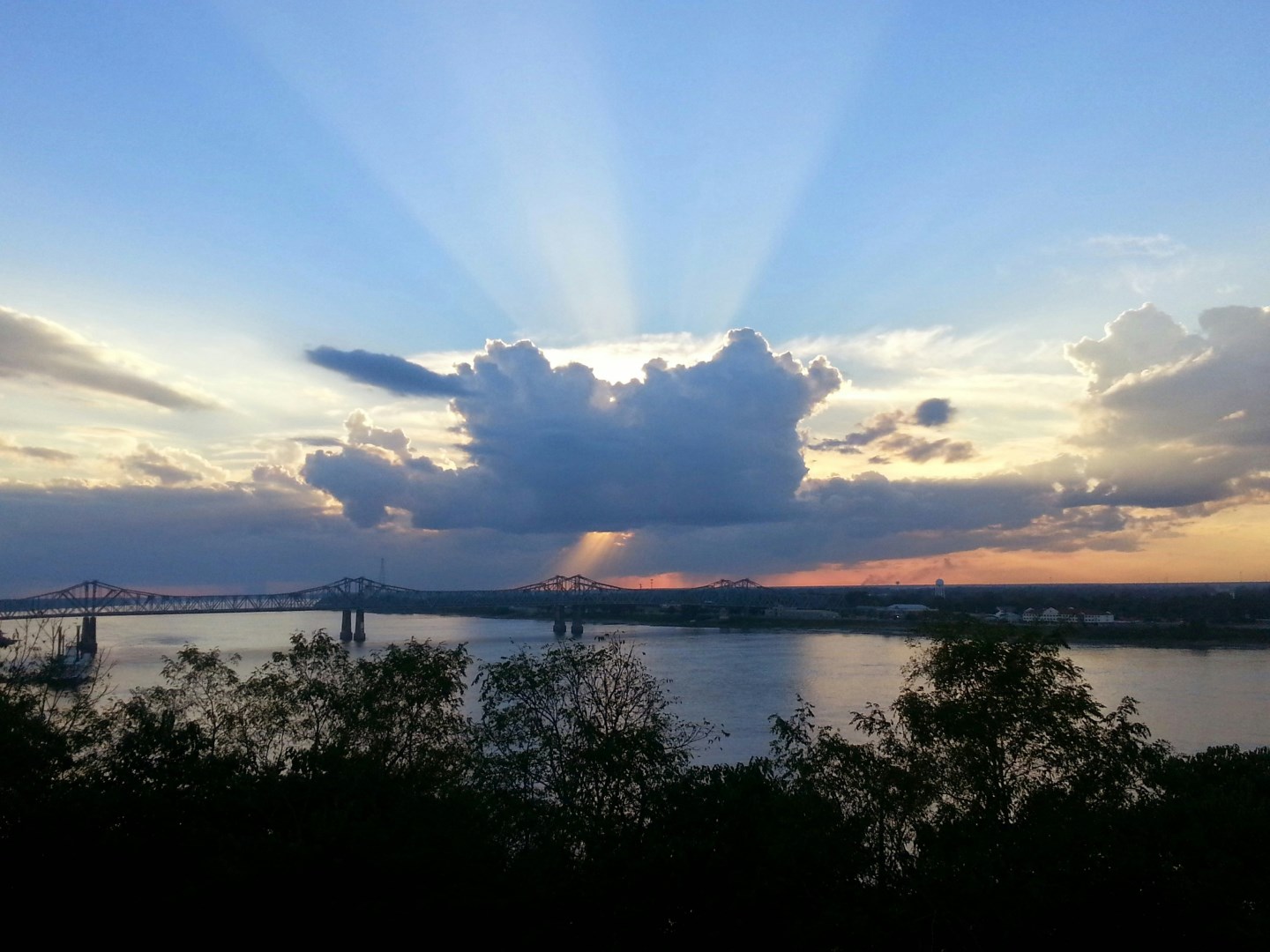

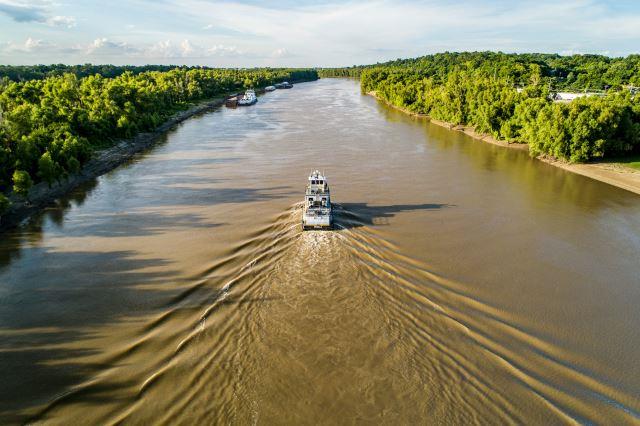
Natchez is a river city in southwestern Mississippi overlooking the Mississippi River bluffs near the Louisiana border. It is recognized for its large collection of preserved antebellum homes, brick streets, and long connection to river trade. The city combines Deep South architecture with Native American, French, Spanish, and African American influences that remain visible in its neighborhoods, churches, cemeteries, and public buildings. Visitors often explore the historic downtown on foot, moving between river viewpoints, music venues, and restored mansions.
Local identity in Natchez is closely tied to storytelling, music, and preservation traditions. The city hosts annual pilgrimages in which historic homes open to the public and residents share family histories connected to the region. African American heritage sites, including the Forks of the Road area and the Natchez Museum of African American History and Culture, reflect important parts of local history often connected to trade and plantation systems along the river. Gospel music, blues influences, and church communities continue to shape cultural life.
Natchez stands above the Mississippi River with broad views from the Natchez Bluff Trail and riverfront parks. Longwood, Stanton Hall, Rosalie Mansion, and Melrose Estate are among the city’s best-known historic properties, each showing different architectural styles and social histories. The Natchez Trace Parkway begins nearby and connects the city with forested landscapes, wetlands, and historic travel routes once used by traders and Indigenous communities. Cypress trees, magnolias, and Spanish moss are common features across the surrounding environment.
Food in Natchez reflects Mississippi River traditions, with fried catfish, biscuits, shrimp and grits, pecan desserts, and Southern-style barbecue commonly served in local restaurants. River commerce also influenced local cooking through imported spices, sugar, and Louisiana culinary traditions.
Other Popular Destinations in Mississippi