



Punakha sits in one of Bhutan’s most fertile valleys, cradled where the Mo Chhu and Pho Chhu rivers meet. For centuries it served as the kingdom’s capital and remains a place rich with stories woven through its fields, temples, and riverbanks. The city’s low elevation brings warmer weather than much of Bhutan’s highland regions, and rice paddies fill the landscape with vivid green during planting and golden hues at harvest.
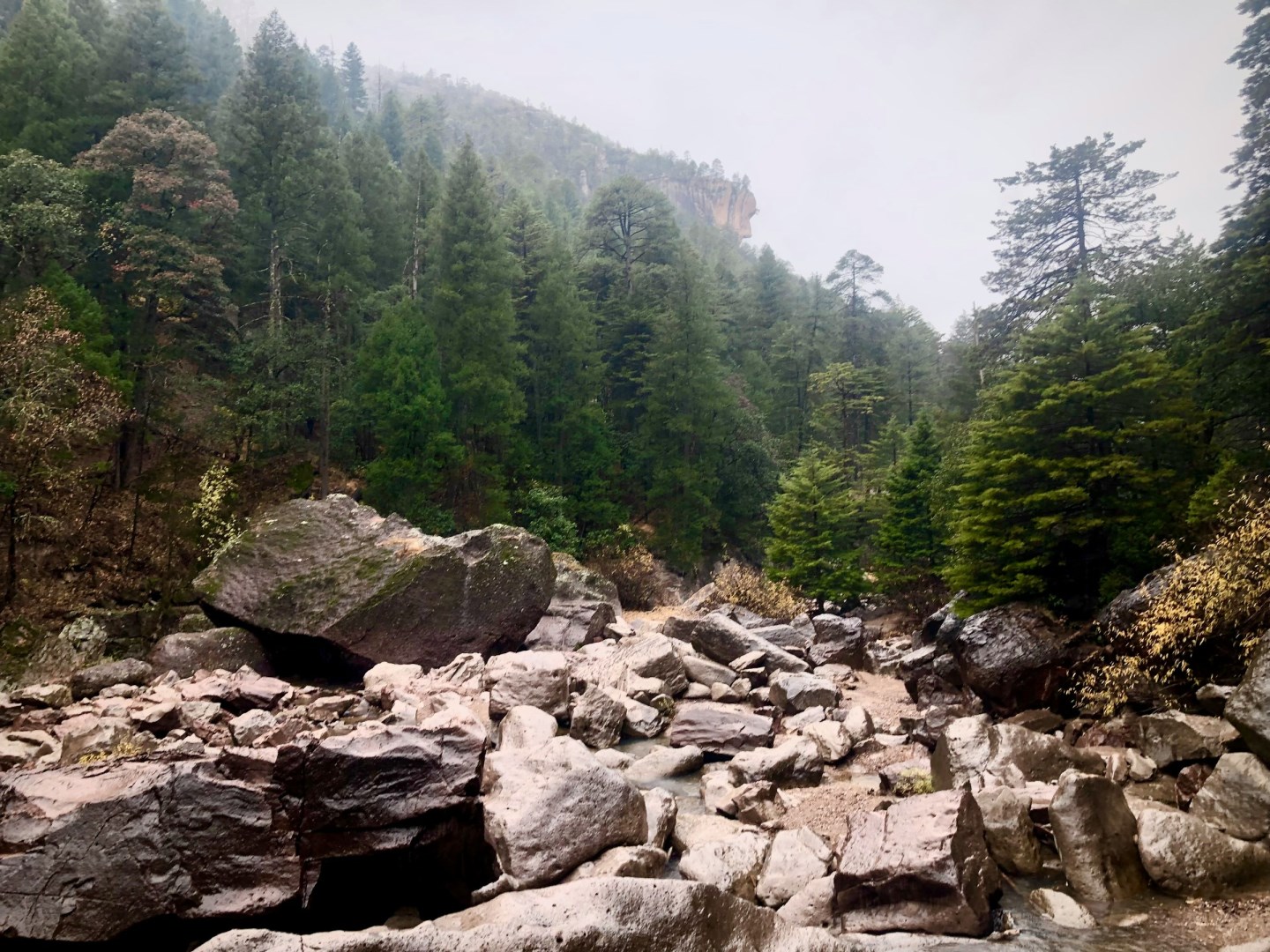
Copper Canyon is actually not a single canyon, but rather a series of more than 20 canyons running through the northern region of Mexico. The canyon covers over 20,000 square miles and is four times larger than the Grand Canyon in the United States.
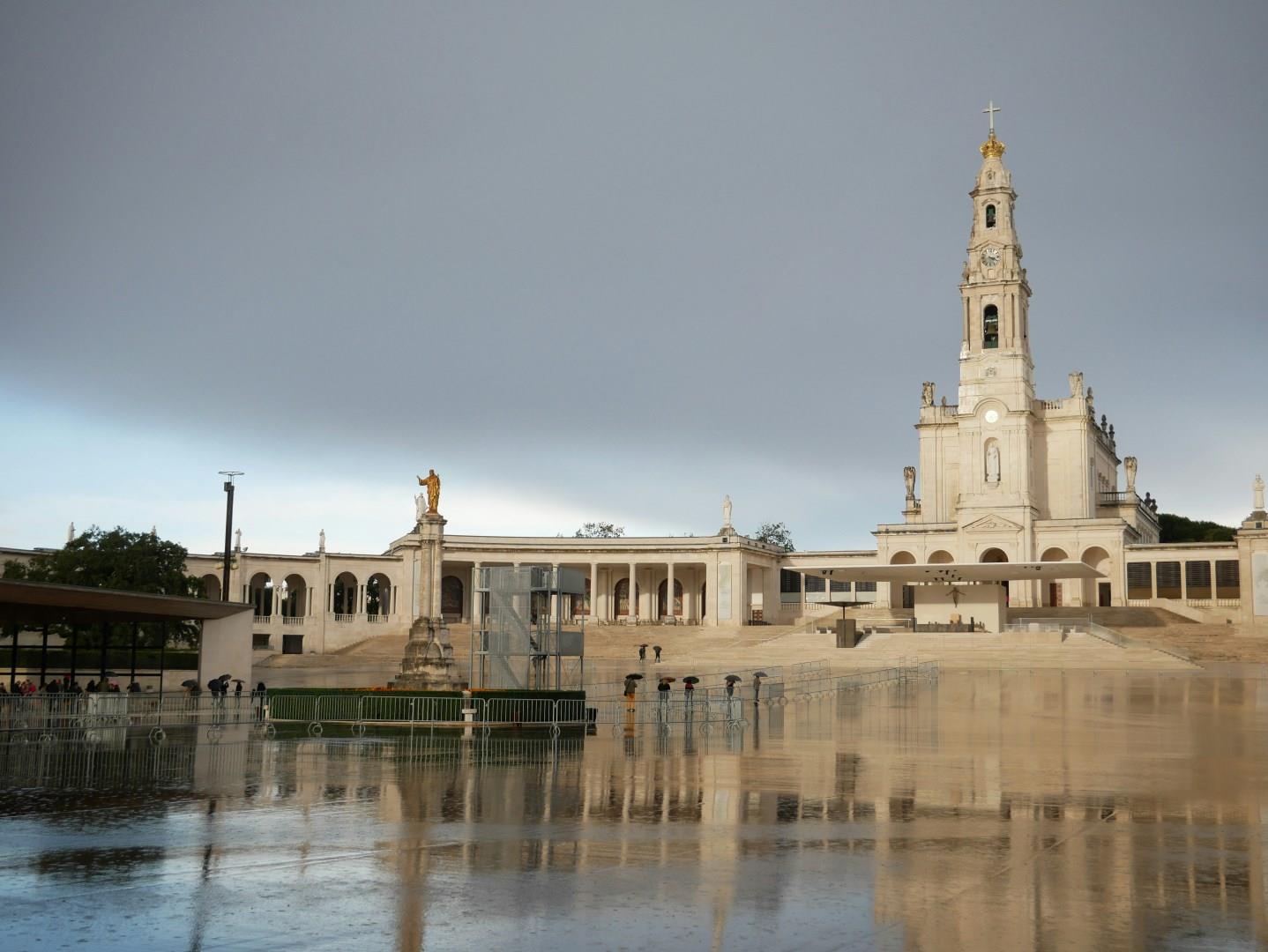
Fátima, a small town in central Portugal, has become one of the most significant pilgrimage sites in the world, drawing millions of visitors annually. The Sanctuary of Fátima, a sprawling complex of religious buildings and monuments, stands at the heart of the town. Pilgrims from all over the globe come to light candles, attend mass, and walk the sacred paths in reverence.
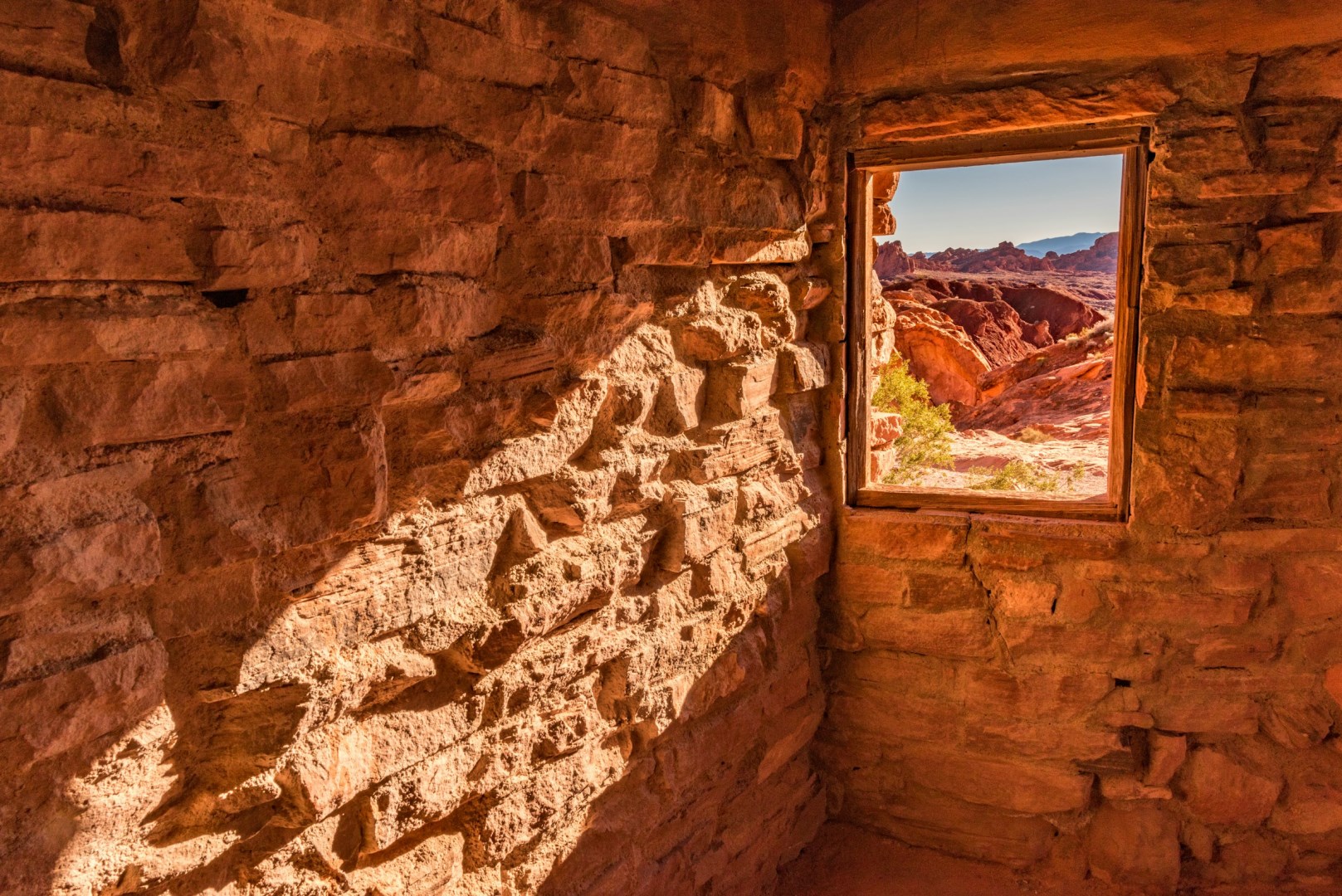
Valley of Fire State Park lies in southern Nevada, northeast of Las Vegas, where more than 40,000 acres of red sandstone formations rise from a desert landscape of limestone hills and broad valleys. The park is Nevada’s largest state park and is named for the fiery appearance of its sandstone when sunlight strikes the rock. Wind and water have shaped the landscape into arches, narrow passages, domes, and ridges in shades of red, orange, tan, pink, and white.
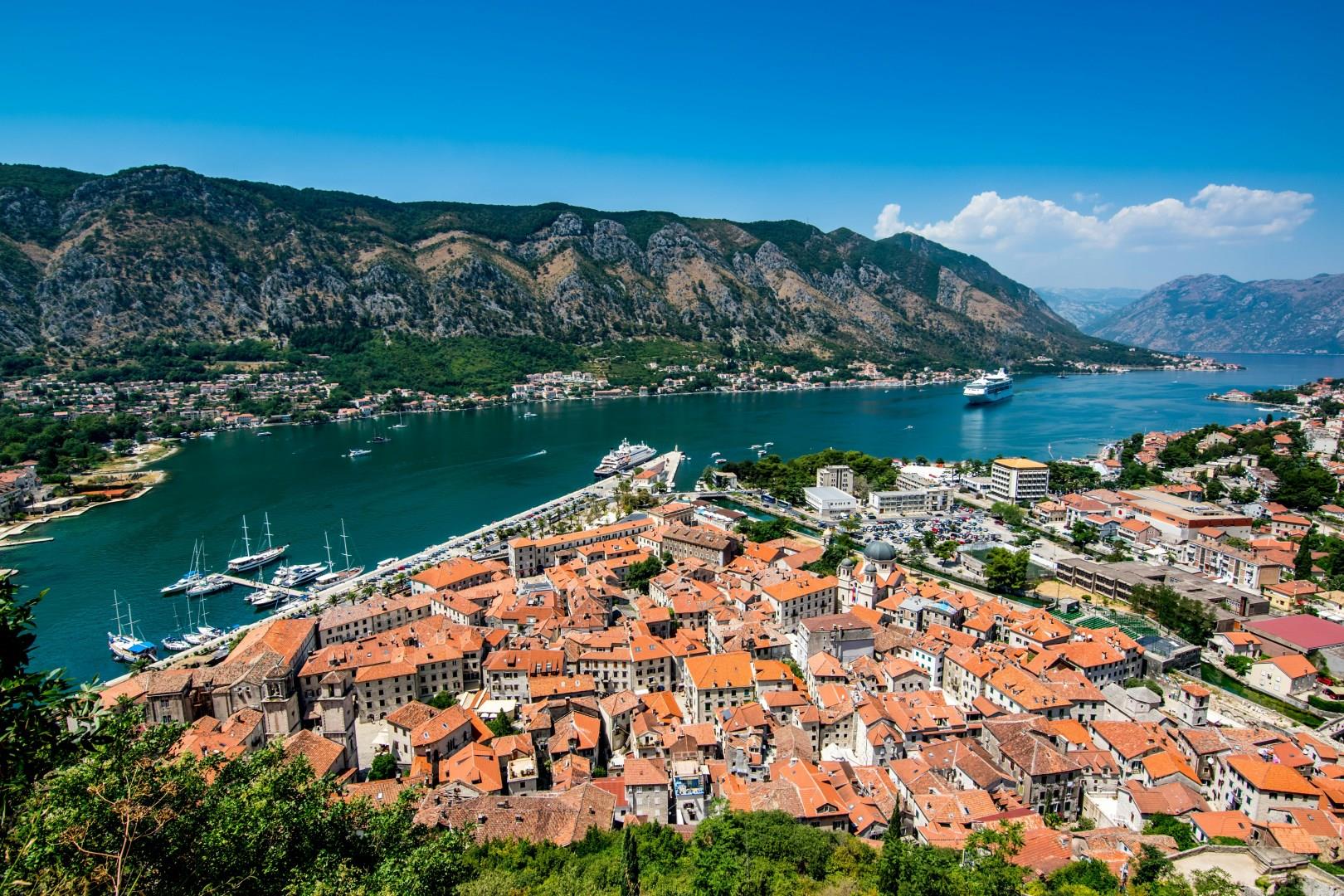
Montenegro, set along the Adriatic Sea, draws travelers with its dramatic landscapes and layered history. The Bay of Kotor, often mistaken for a fjord, is actually a submerged river canyon surrounded by steep cliffs and medieval towns. Kotor itself, a UNESCO World Heritage site, is enclosed by ancient fortifications that visitors can climb for panoramic views stretching from terracotta rooftops to the sea.
Antiparos is a small Cycladic island in the Aegean Sea, lying just southwest of Paros and reached by a short ferry crossing from the larger island. Its main settlement, Antiparos Town, is arranged around a traditional Venetian castle, with whitewashed houses, narrow lanes, small squares, and a pedestrianized waterfront.
Photo Credit: Photo by Nathaniel Villaire on Unsplash
Photo Credit: Photo by Kevin Dunlap on Unsplash
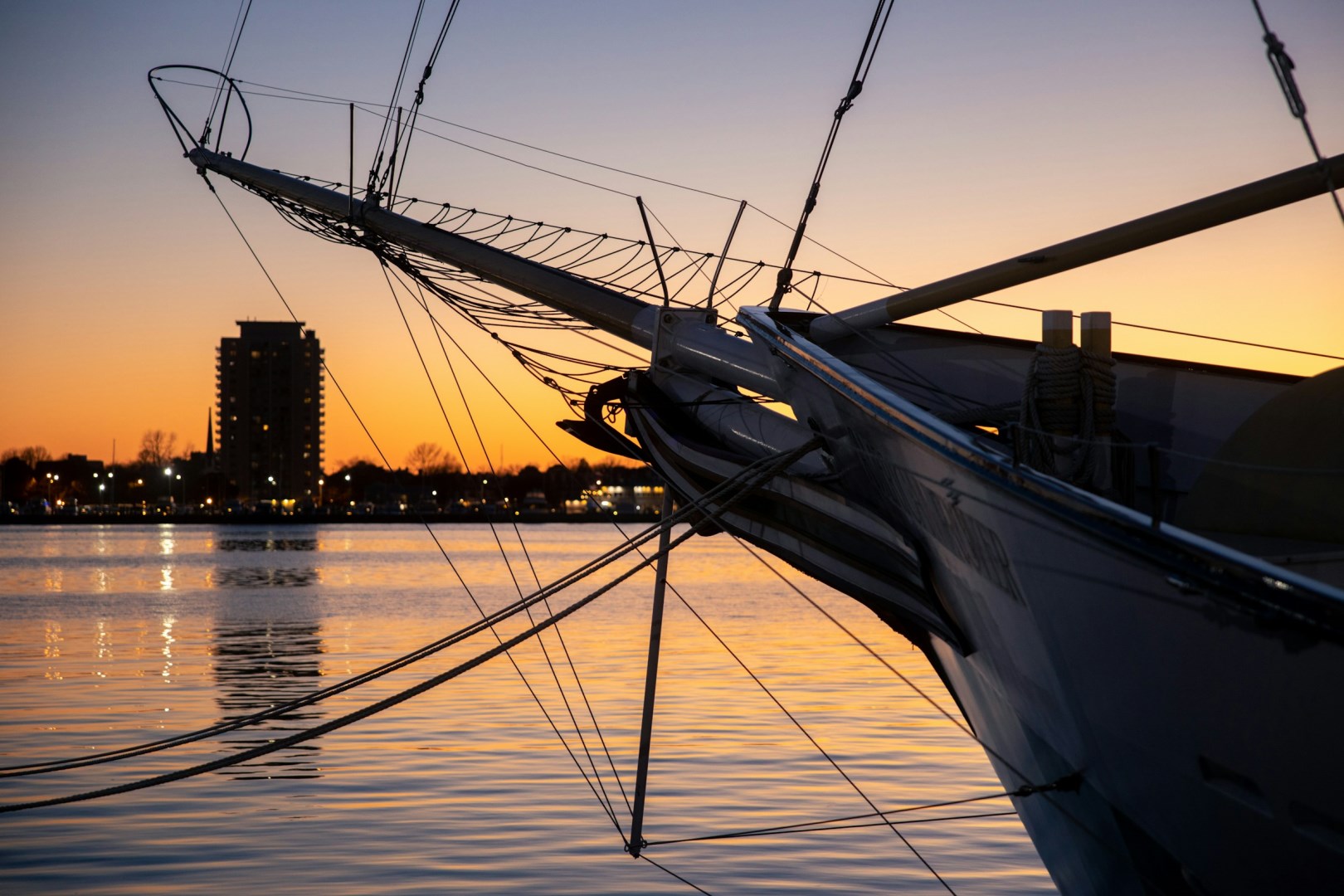
Norfolk, the second largest city in Virginia (after Virginia Beach) is located at the mouth of the James, Elizabeth, and Nansemond rivers, near the outlet of Chesapeake Bay on the Atlantic Ocean. With the cities of Hampton, Portsmouth, and Newport News, Norfolk forms the port of Hampton Roads, one of the greatest natural harbors in the world.
Other Popular Destinations in Virginia
Williamsburg
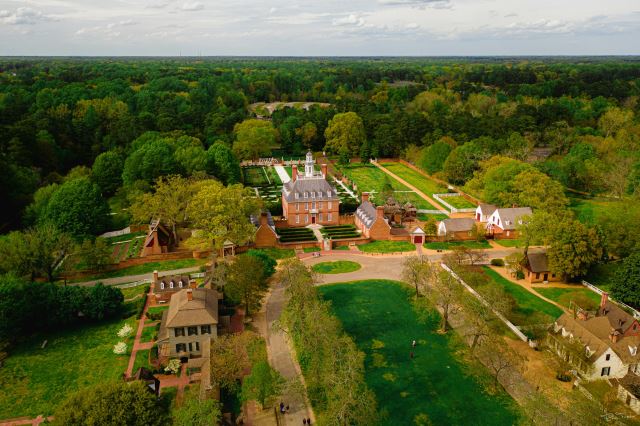
Williamsburg, Virginia offers visitors the unusual opportunity to walk through a fully reconstructed 18th-century city. As the capital of the Virginia Colony from 1699 to 1780, Williamsburg played a key role in early American politics and daily life. Today, Colonial Williamsburg spans over 300 acres and includes historic buildings, working tradespeople, and costumed interpreters who bring the Revolutionary era to life.
Virginia Beach
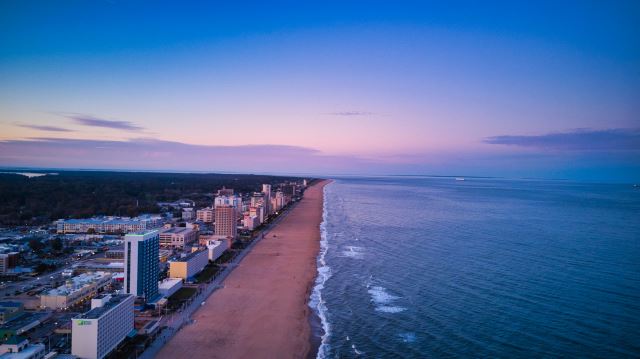
Virginia Beach is a coastal city in southeastern Virginia where the Atlantic Ocean meets the Chesapeake Bay and a network of rivers, marshes, and inland waterways. Its long oceanfront includes sandy beaches, dunes, and a busy boardwalk, while the southern part of the city contains broad wetlands, forests, and agricultural land. The city is geographically large and includes several distinct communities beyond the resort district.
