Orléans is a city on the Loire River in central France, where a historic urban center meets broad riverbanks and the landscapes of the Loire Valley. Its position on the river helped make it an important center for trade and transport, while today the quays provide space for walking and cycling. The old center contains a mixture of medieval streets, Renaissance buildings, and later architecture, with the Sainte-Croix Cathedral forming a prominent landmark. Orléans also serves as a useful base for exploring nearby Loire Valley landscapes, forests, canals, and historic towns.
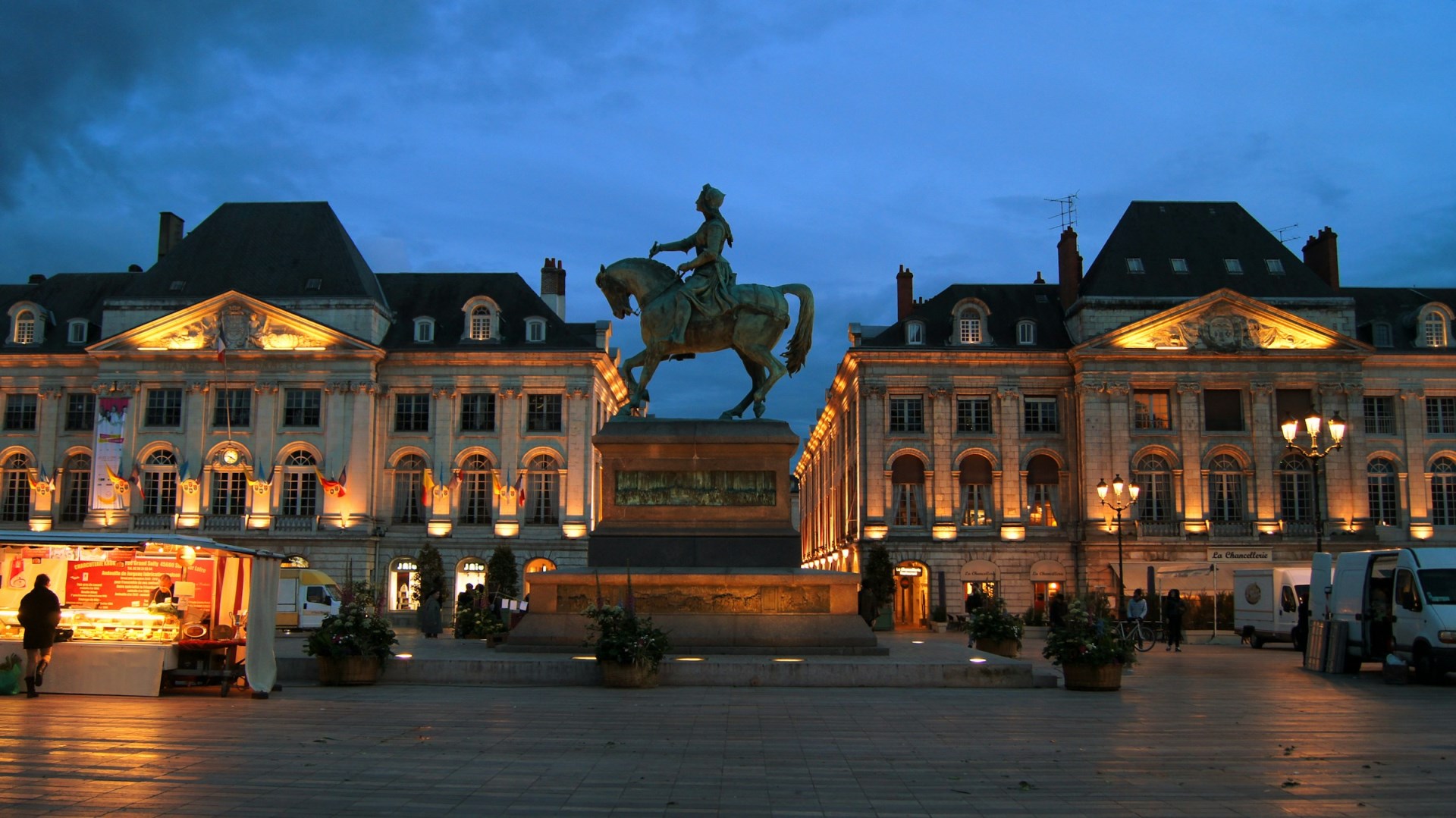
Orléans has a particularly strong connection with Joan of Arc, whose role in the city's liberation remains central to its cultural identity. The Maison de Jeanne d’Arc occupies a reconstruction of the timber-framed house where she stayed during the siege and now contains multimedia displays and a documentation center. The annual Fêtes de Jeanne d’Arc continue this tradition through religious, civic, and historical ceremonies. Other notable buildings include the Hôtel Groslot, a Renaissance mansion associated with the city's civic history, and the historic streets around Place du Martroi, where an equestrian statue of Joan of Arc stands.
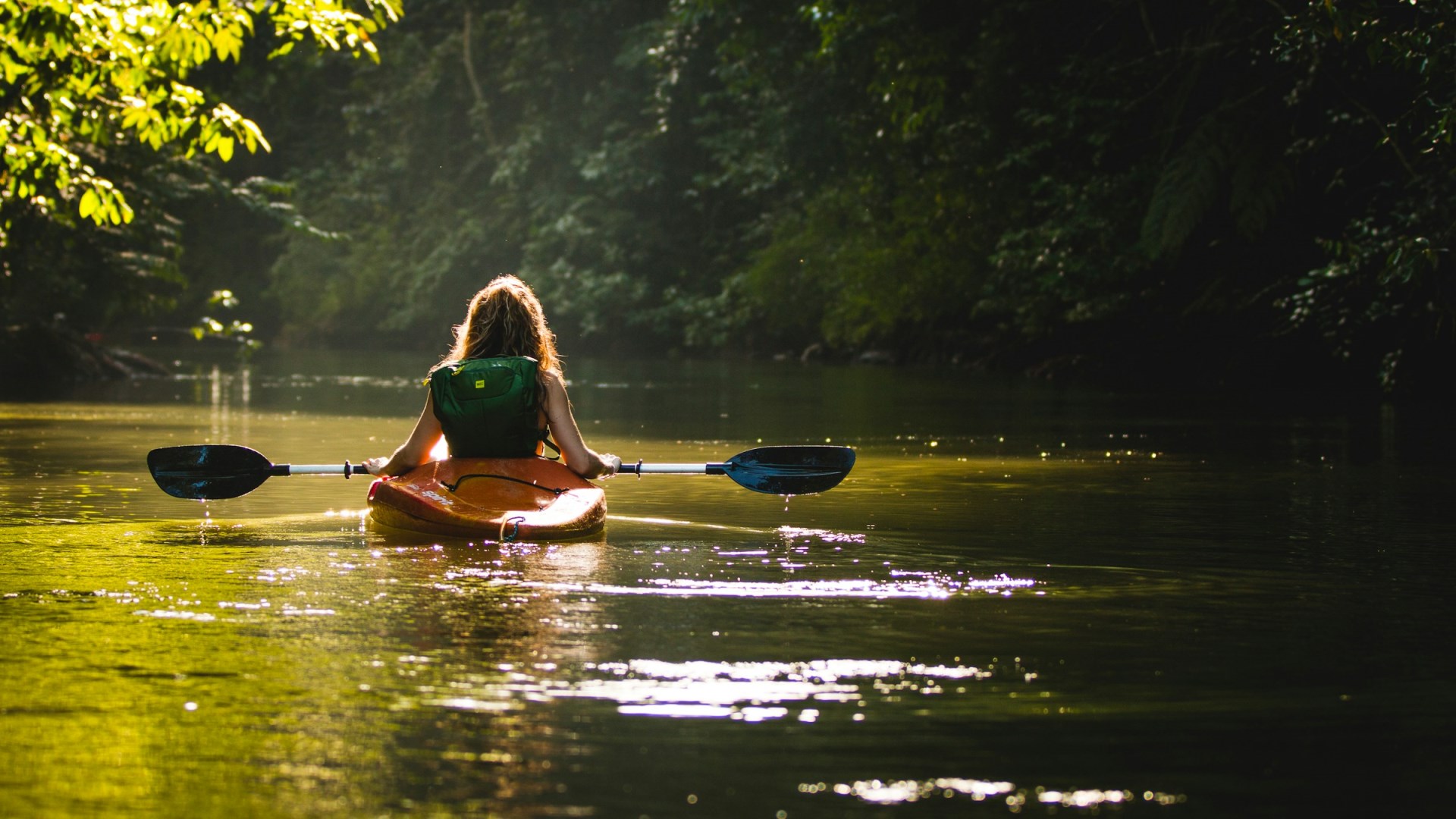
The Loire is one of Orléans's defining natural features, with sandy islands, wooded banks, and open river landscapes surrounding the city. The river and its valley are part of the UNESCO-listed Loire Valley cultural landscape, recognized for the relationship between the river, historic settlements, and cultivated countryside. Within and around Orléans, routes follow the Loire and the nearby Loiret River, while the Orléans Forest extends north of the city. The Sainte-Croix Cathedral is another major attraction, noted for its Gothic architecture, chapels, woodwork, and stained-glass windows illustrating episodes from Joan of Arc's life.
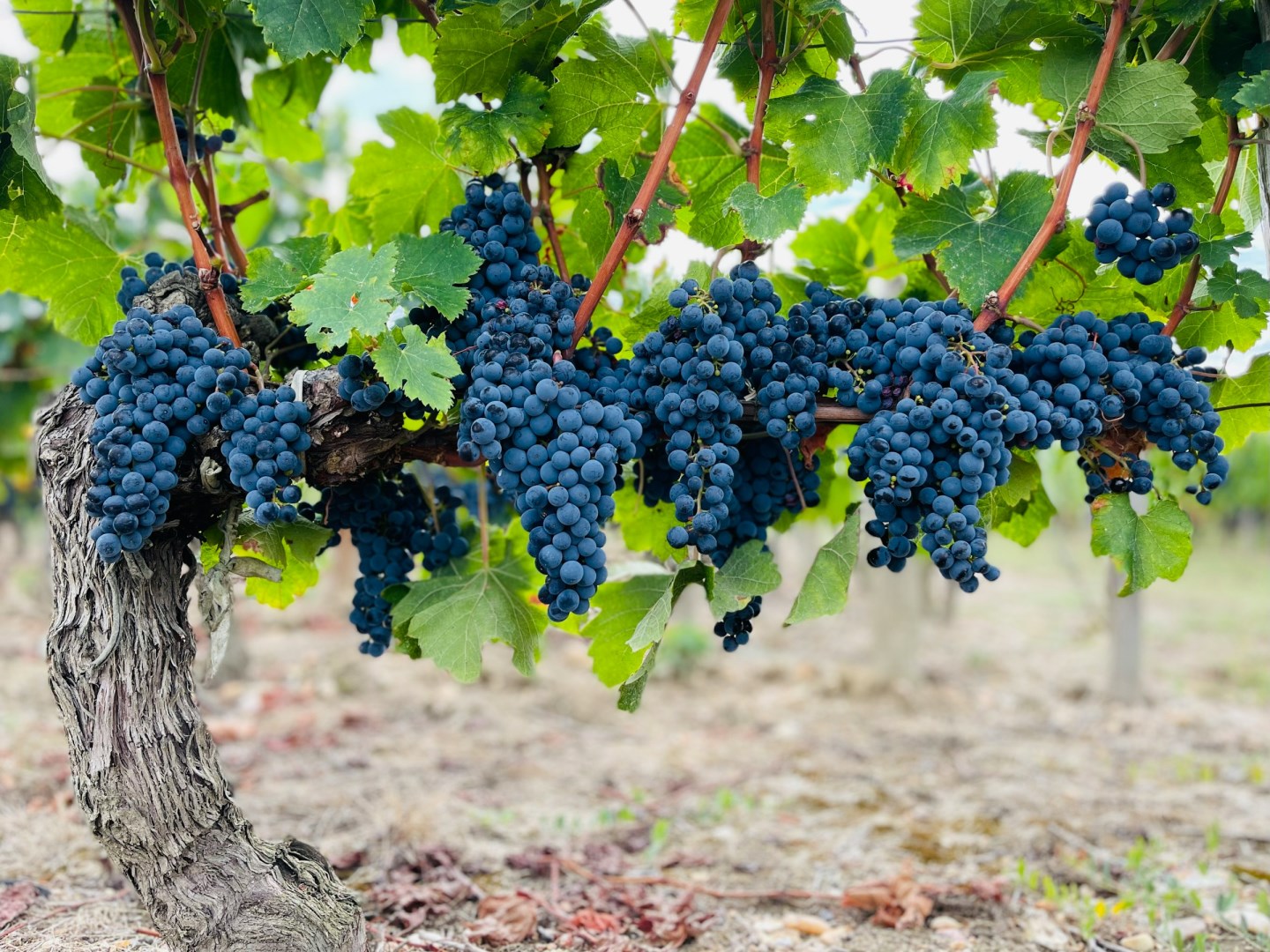
Orléans has several food traditions associated with the Loire Valley and the wider region. One of its best-known specialties is cotignac d’Orléans, a firm quince jelly traditionally presented in small spruce-wood boxes. The surrounding area is also known for Loire wines and products from the fertile river plain. Local food markets provide opportunities to encounter cheeses, seasonal fruit and vegetables, breads, and regional specialties. A lesser-known feature of Orléans is its underground heritage, including Romanesque crypts beneath the historic center. These spaces reveal earlier layers of the city that are largely hidden from street level.
Other Popular Destinations in France