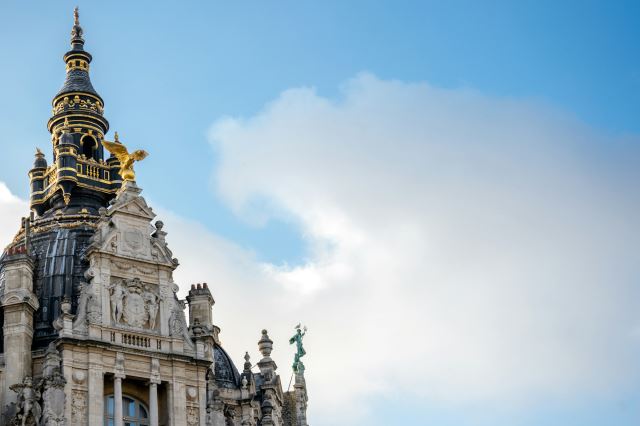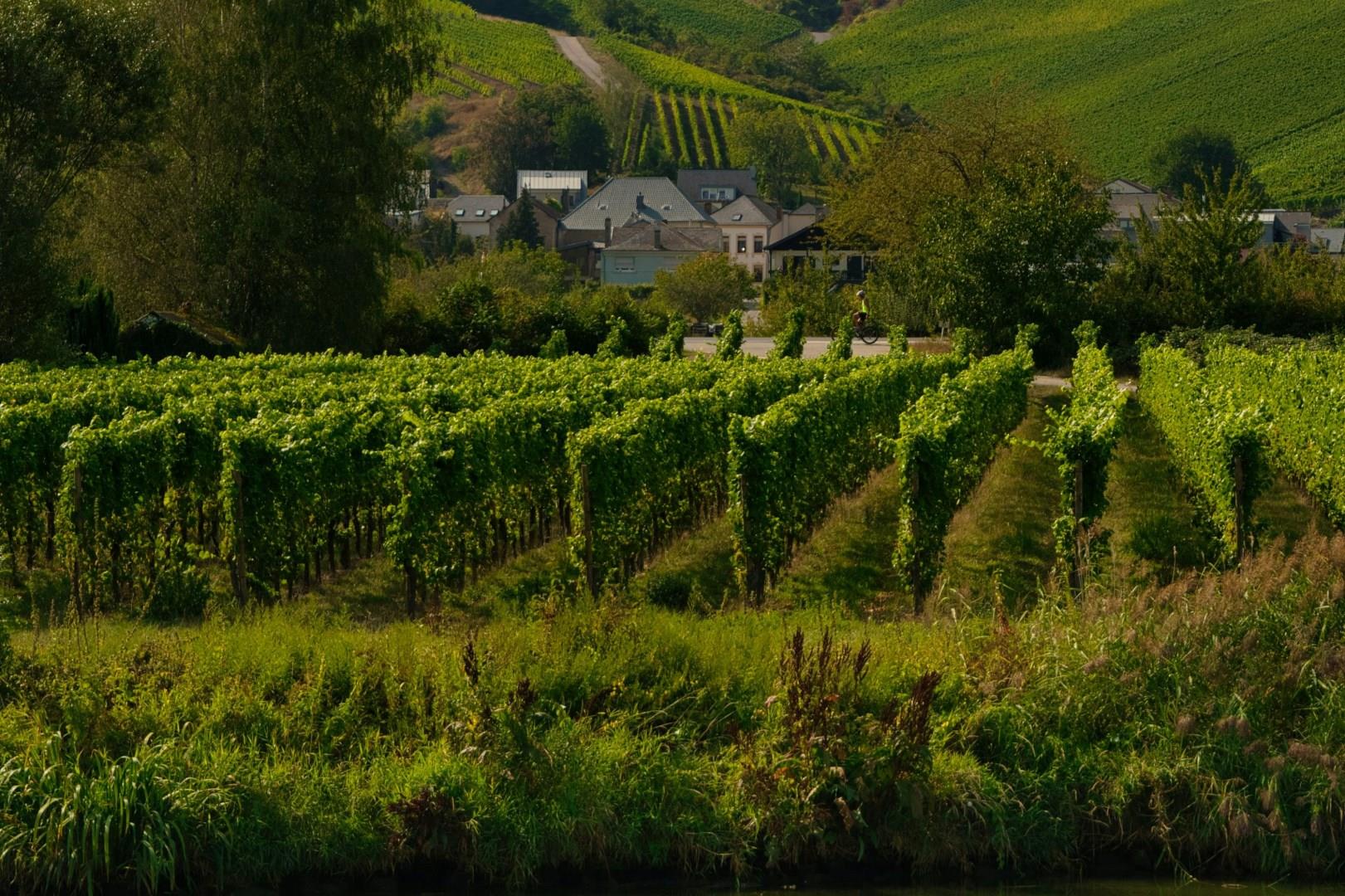
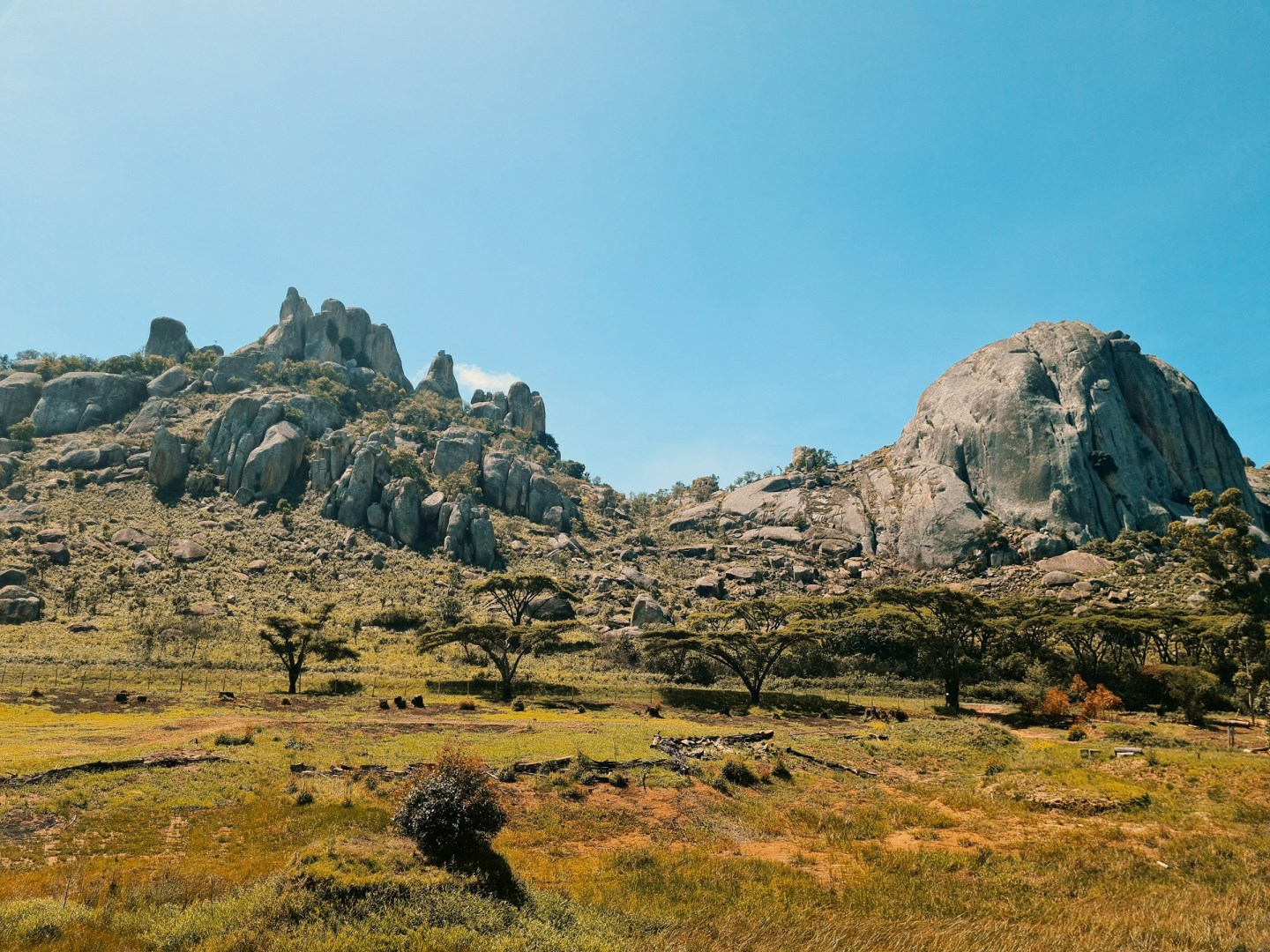
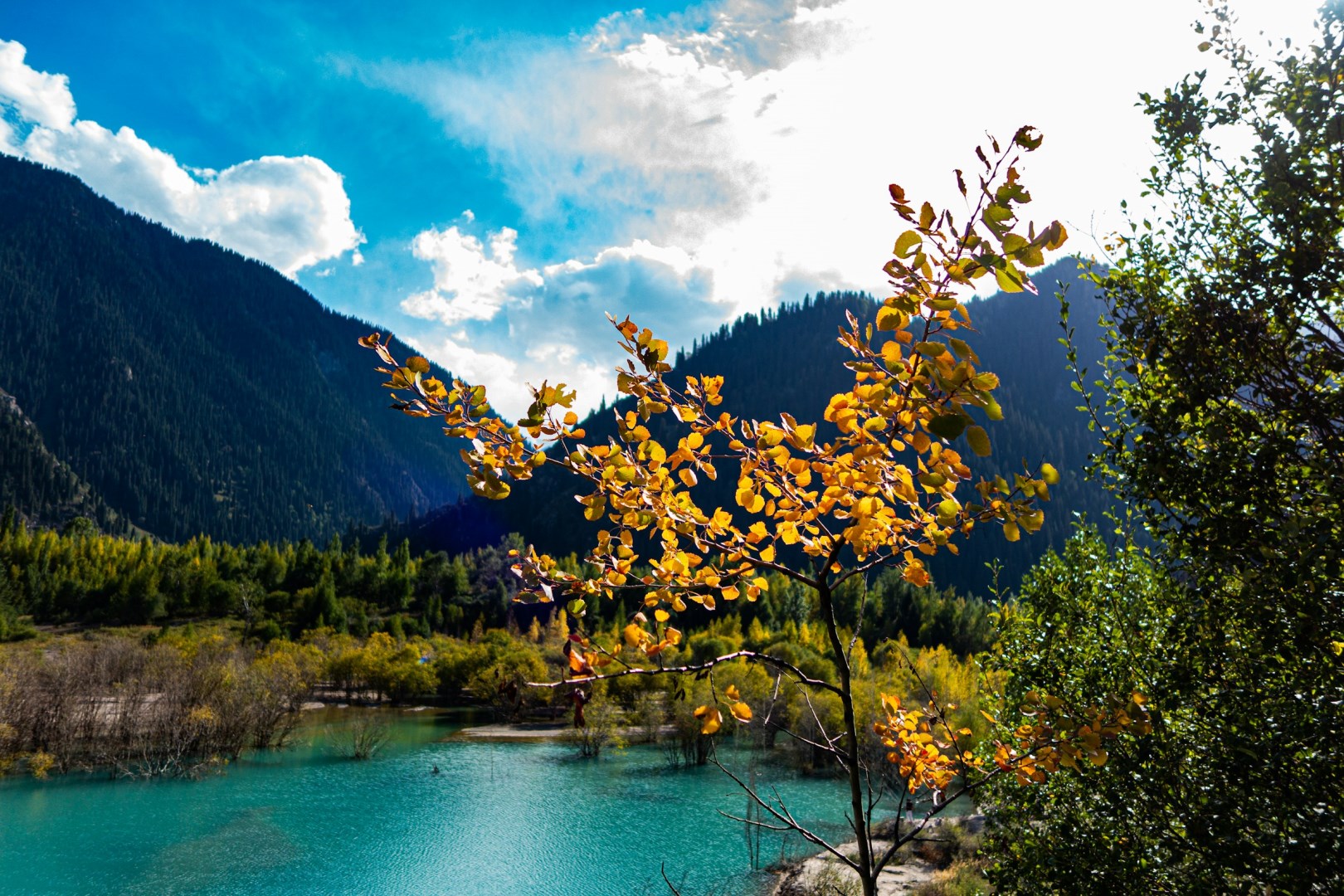











Rothenburg ob der Tauber rises above the Tauber River in Bavaria, where its medieval town center has stood largely unchanged for centuries, making it one of Germany’s most vivid windows into the past. This old walled city stretches along cobblestone streets where half-timbered houses, ancient towers, and narrow alleys invite visitors to wander and imagine life in the Middle Ages.
Spain’s Santiago de Compostela is more than just a final stop on a famous pilgrimage route, it’s a city steeped in centuries of spiritual significance, architectural grandeur, and lively Galician culture.
Behind this imposing entrance you'll find the former "Queen of the Hanseatic League", today a UNESCO cultural heritage site. In 1987 the entire Old Town was distinguished with this status: a work of art comprising over 1,000 buildings ranging from Romanesque to modern styles that have been designated as protected historic monuments. They include the City Hall, Gothic brick churches, the Buddenbrook House, magnificent merchants' houses, the medieval Holy Ghost Hospital, and looming brick gabled h
Erawan National Park is located in Kanchanaburi Province in western Thailand and is best known for its tiered waterfalls, limestone hills, and dense forest. The park covers a large area of mixed deciduous and evergreen woodland near the Tenasserim Hills close to the border with Myanmar.
Zacatecas, built into the slopes of a narrow ravine in north-central Mexico, is a city with a deep mining past and a striking skyline. The historic center, a UNESCO World Heritage Site, is known for its pink cantera stone buildings, narrow alleys, and impressive baroque facades. The Cathedral Basilica of Zacatecas, completed in 1752, stands as one of the most detailed examples of Mexican baroque architecture, with hundreds of carved figures covering its sandstone exterior.