
USA | California | Paso Robles
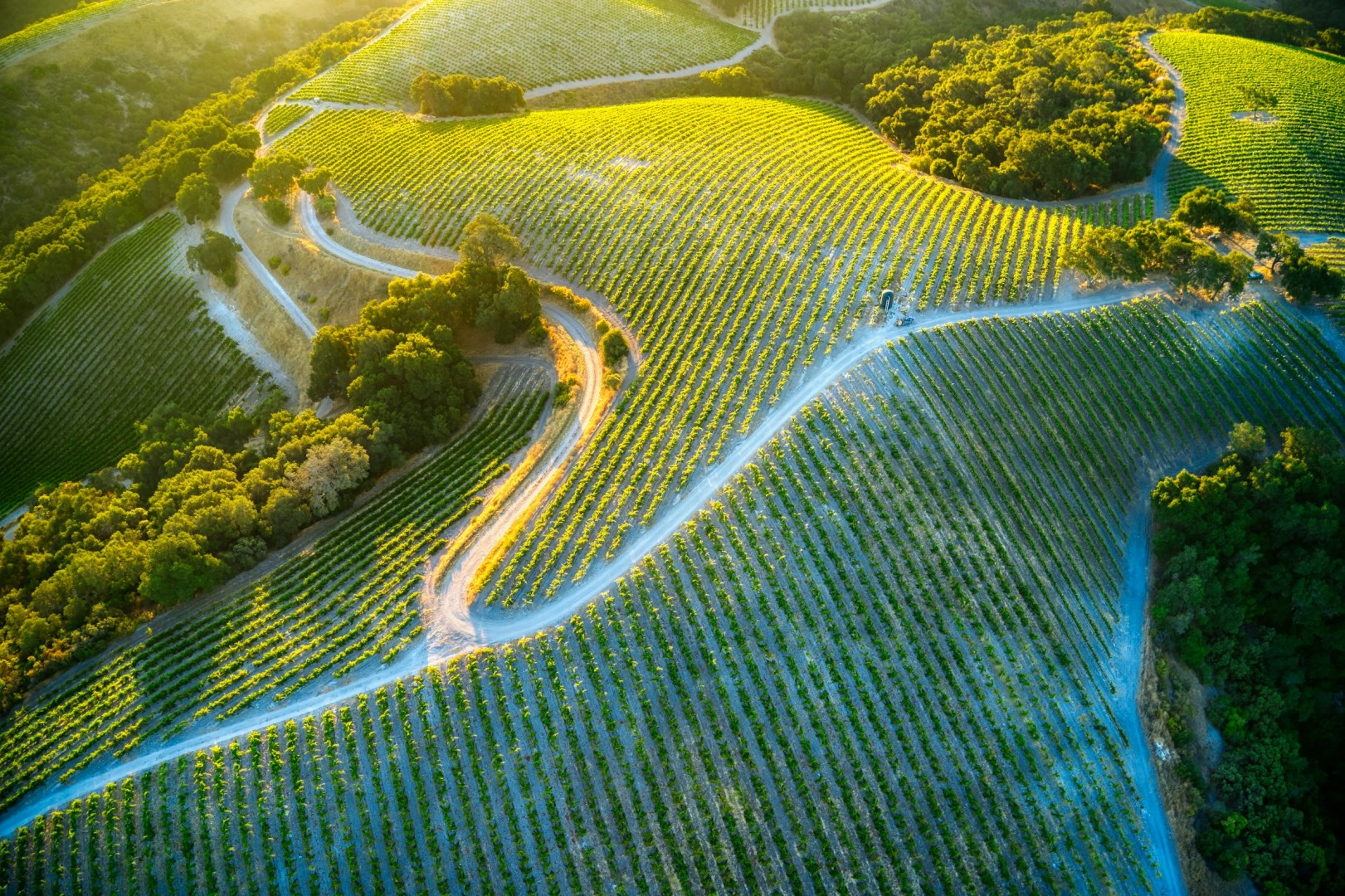
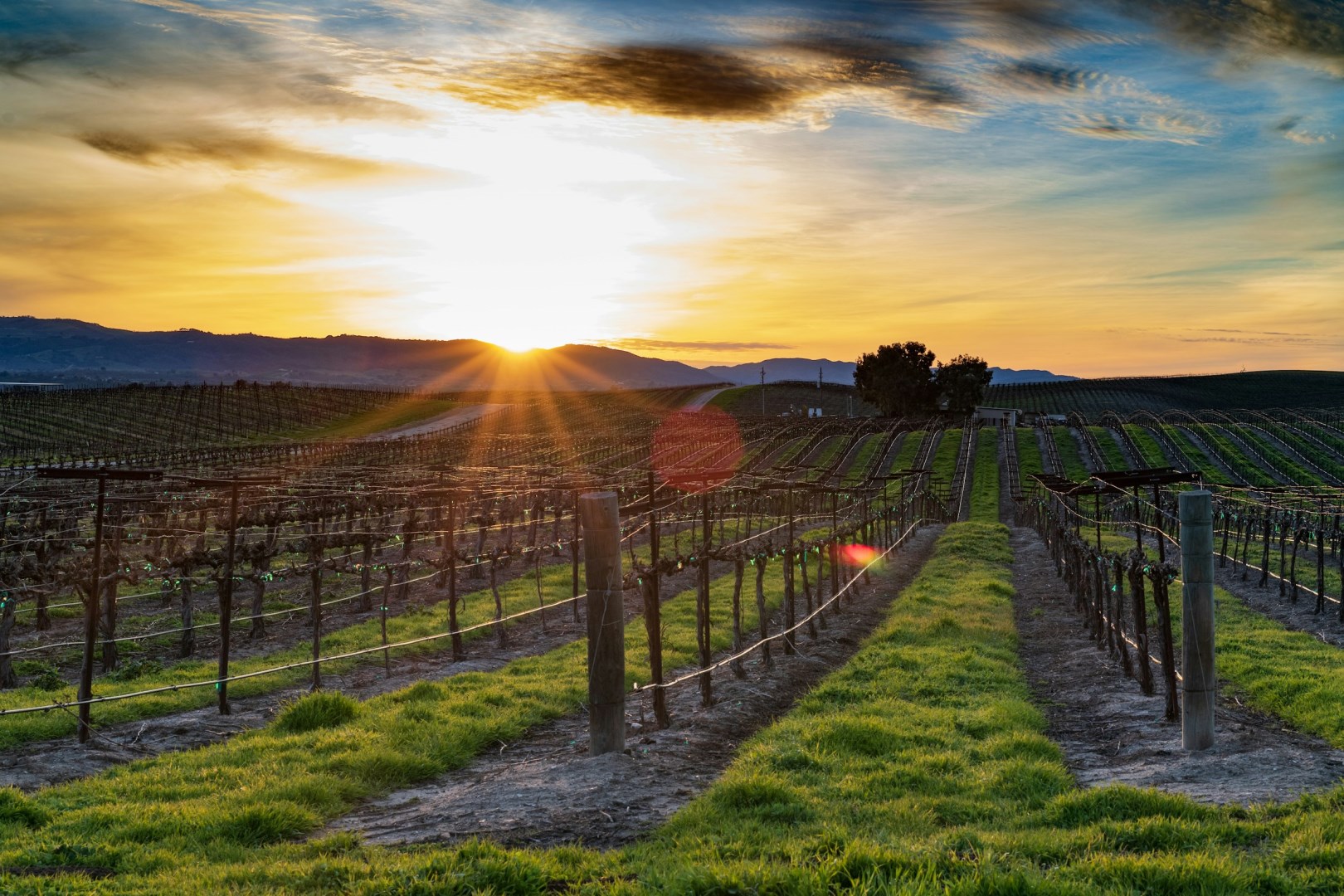
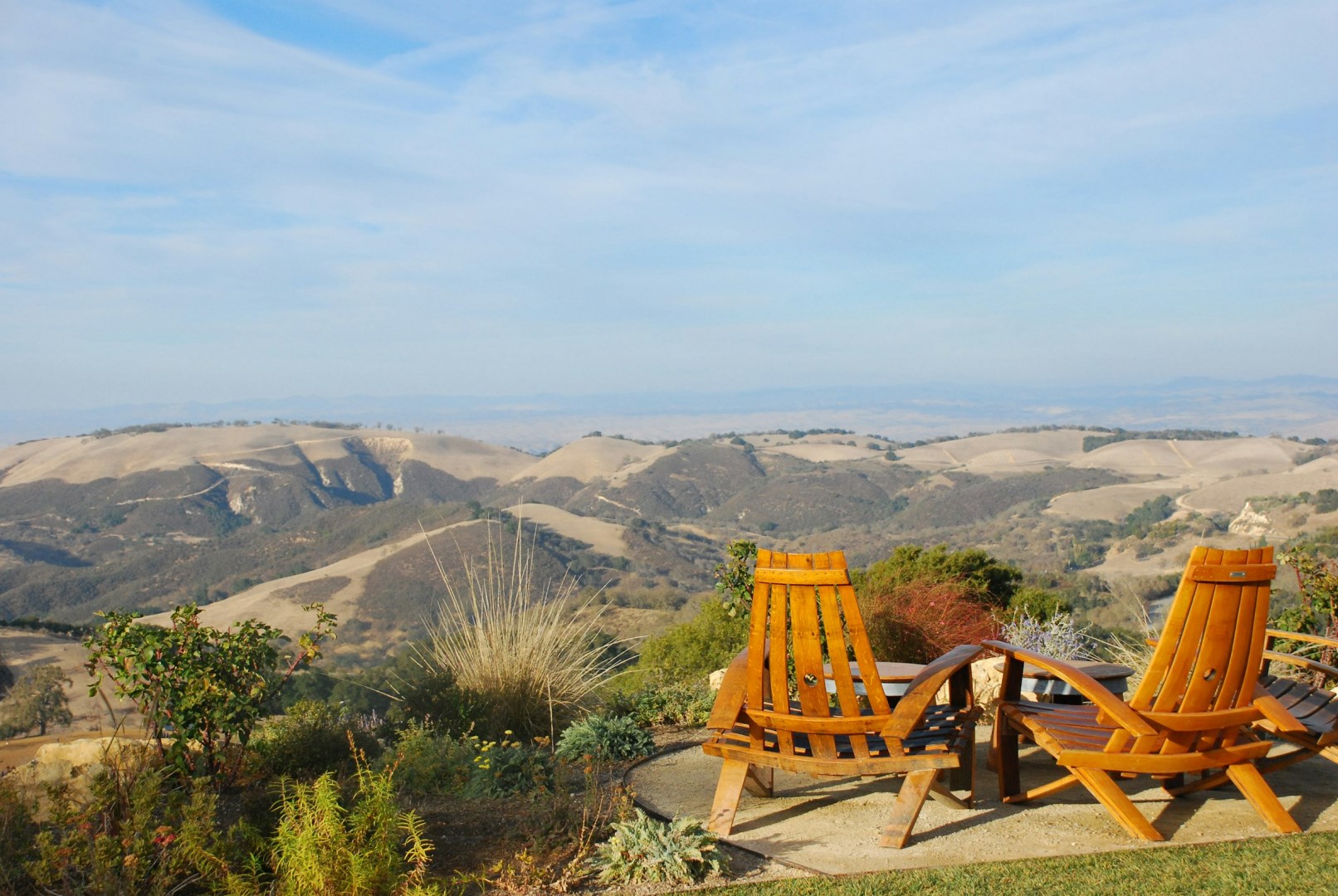
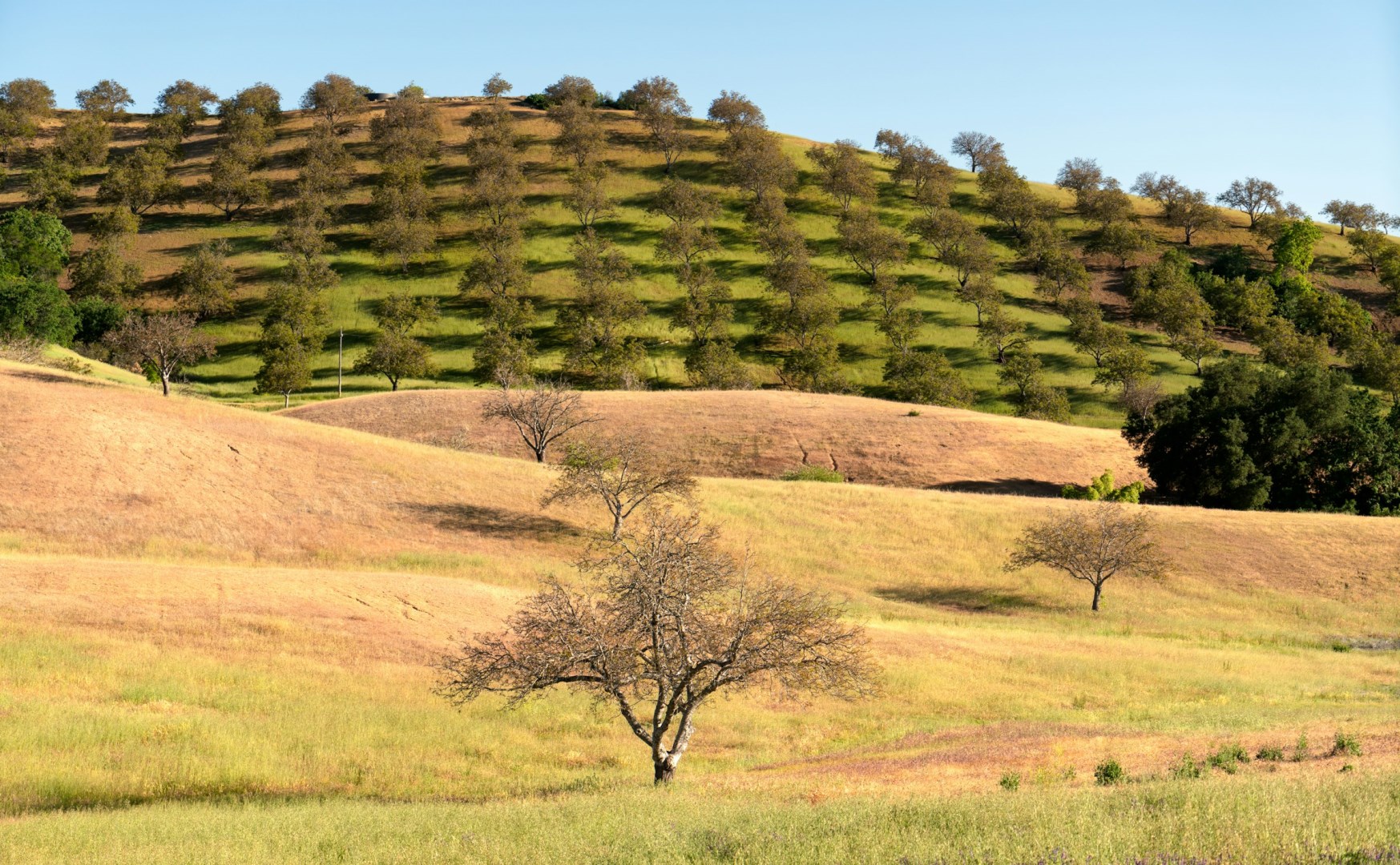
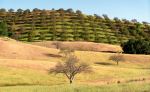


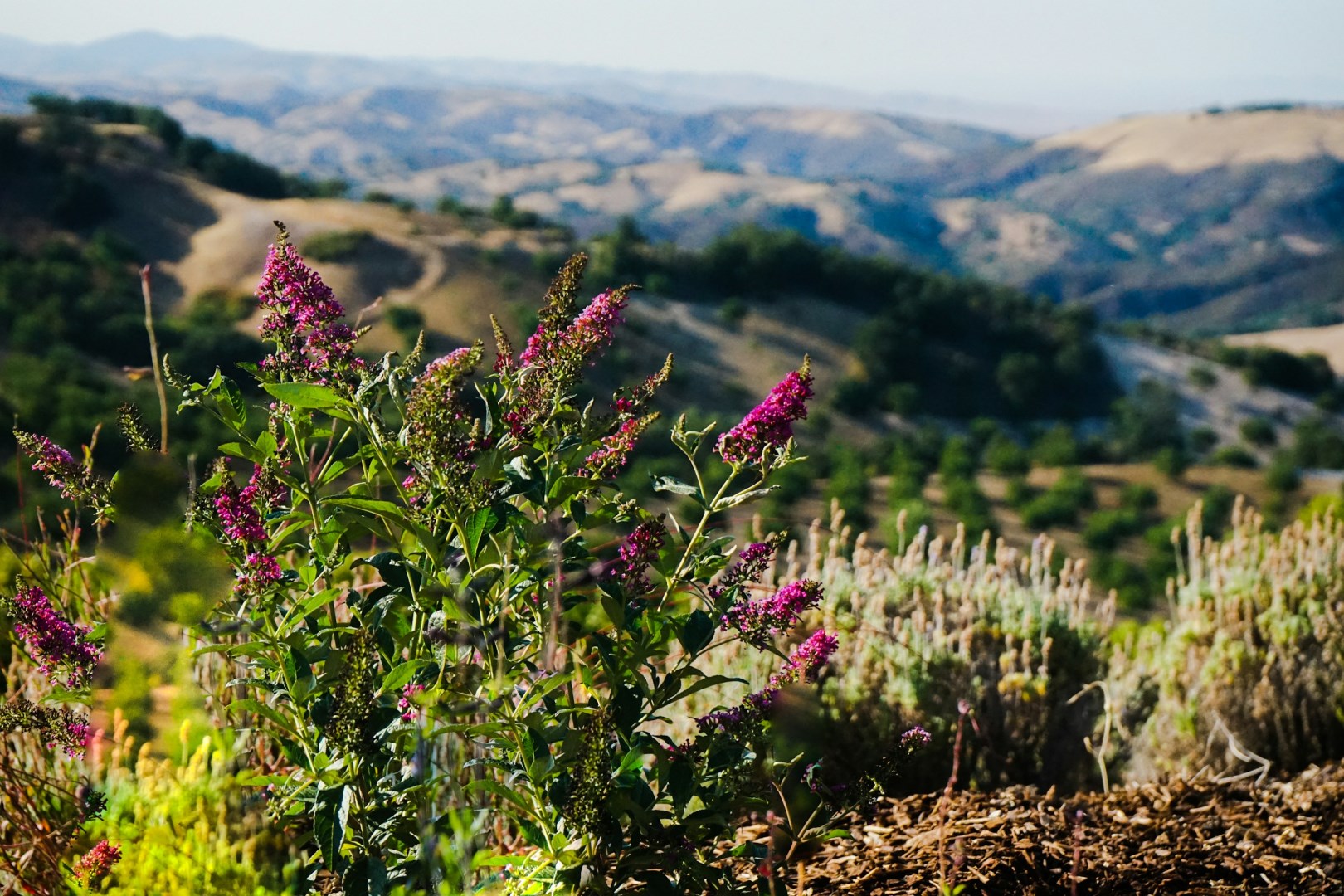


Paso Robles is a city in California’s Central Coast, situated between the coastal mountains and the inland valleys of San Luis Obispo County. The surrounding landscape includes rolling hills, vineyards, oak woodlands, ranches, and agricultural fields, with the Salinas River passing through the area. The city’s compact downtown is centered on a historic public square and contains restaurants, tasting rooms, shops, and galleries. Paso Robles is widely associated with wine production, but its identity also reflects ranching, farming, hot springs, and the broader agricultural character of the Central Coast.
Paso Robles has longstanding connections to the Salinan people, who lived throughout the region before European settlement. Spanish missionaries and later Mexican and American settlers used the area for ranching and agriculture, while its mineral hot springs became an important local feature. The community’s historic downtown retains buildings and public spaces that reflect its development as a regional agricultural center. Today, the Paso Robles Pioneer Museum preserves artifacts and exhibits relating to local ranching, farming, transportation, and community life, providing context for the region’s transition from rural settlement to a major wine destination.
Vineyards are among the most distinctive features of the Paso Robles landscape, covering rolling terrain around the city and extending into several recognized wine-growing districts. The area is particularly associated with Zinfandel, Cabernet Sauvignon, Rhône varieties, and other grapes suited to its warm days and cooler nights. Nearby attractions include the Salinas River corridor, oak-covered hills, and numerous winery estates. Lake Nacimiento and other outdoor areas farther west provide opportunities for boating, fishing, hiking, and wildlife observation, while the surrounding countryside offers scenic routes through vineyards and ranchland.
Food and wine are central to Paso Robles, with local restaurants drawing on beef, olive oil, fruit, vegetables, and other products from the surrounding agricultural region. Olive orchards and specialty farms contribute additional products, while farmers markets provide direct access to local growers. The city is also known for its historic hot springs, which remain part of the area's identity. Another distinctive feature is the contrast between the traditional ranch landscape and the modern wine industry: working cattle properties, oak woodland, vineyards, tasting rooms, and farm-based businesses all occupy the same rolling countryside surrounding Paso Robles.
Other Popular Destinations in California